

Graz stands as Austria’s second-largest city, blending medieval charm with contemporary innovation seamlessly. This UNESCO World Heritage site captivates visitors with terracotta rooftops and avant-garde architecture. The Styrian capital offers culture, history, and culinary excellence often overlooked by tourists.
Nestled along the Mur River, Graz presents an authentic Austrian experience without crowds. Six universities infuse youthful energy into centuries-old streets, creating vibrant cultural scenes. This comprehensive guide unlocks everything needed for exploring Graz’s multifaceted personality thoroughly.
Please note that this article contains affiliate links. Learn more about it on our Disclosure page. We use ads to support our small business – we hope you don’t mind them too much.
Understanding Graz: History and Cultural Significance
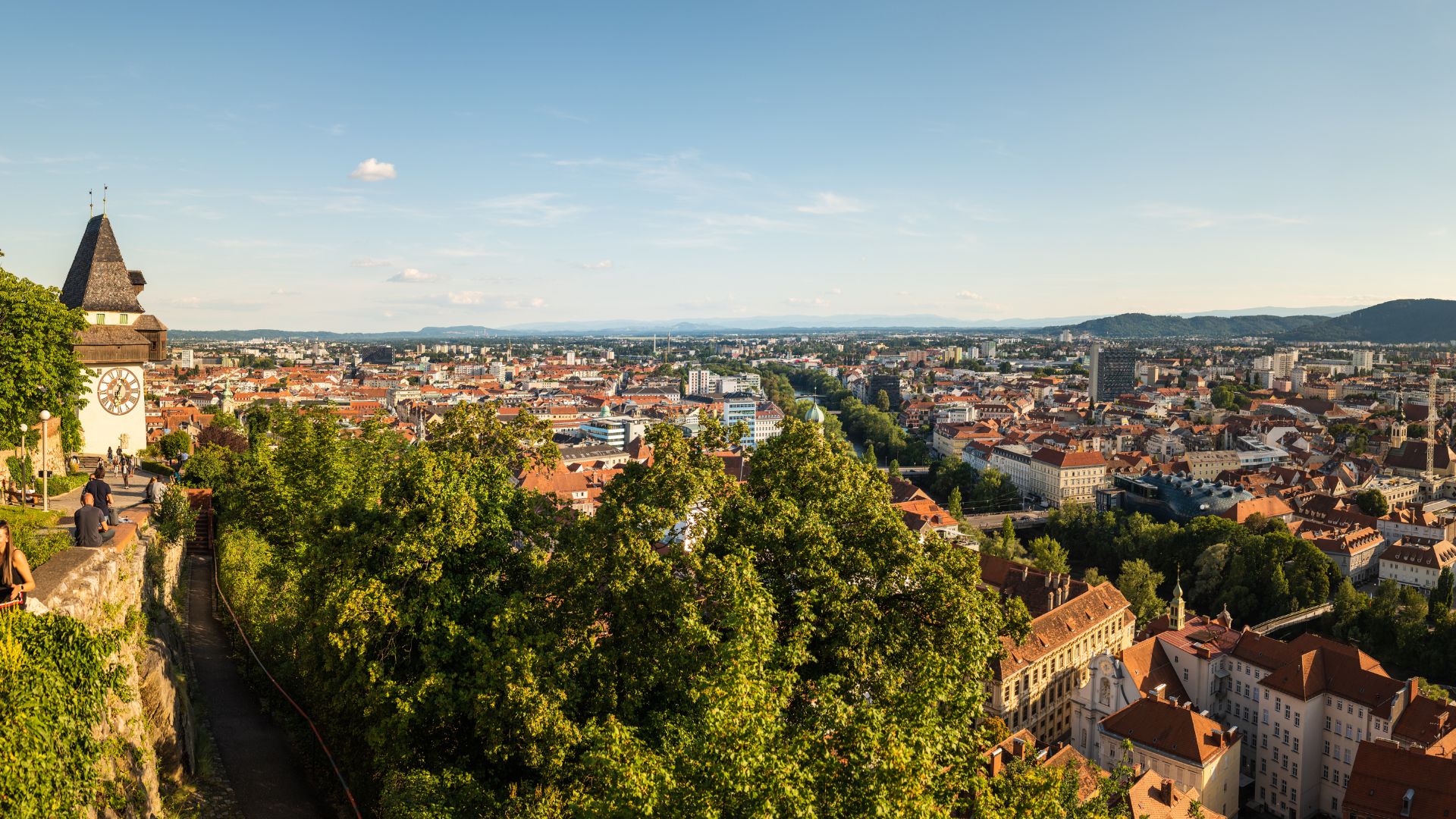
Graz originated as a strategic fortress controlling trade routes through Alpine valleys. The Schlossberg provided defensive advantages for centuries, protecting regional interests militarily. Habsburg rulers transformed Graz into an architectural showcase during the Renaissance and Baroque periods.
The city escaped major World War II destruction, preserving its architectural heritage intact. UNESCO recognition in 1999 acknowledged the Old Town’s exceptional historical value. Today, Graz balances preservation with innovation, earning the designation as City of Design.
Six universities, including the renowned Technical University, drive research and development excellence. The student population creates dynamic nightlife, arts scenes, and progressive atmospheres. Graz residents embrace sustainability, cycling infrastructure, and environmental consciousness, notably forward-thinking.
Getting There and Getting Around Graz
Reaching Graz and moving around the city is simple, efficient, and traveler-friendly. Well connected by air, rail, and road, Graz offers smooth access from major European cities. Once there, an excellent public transport network, walkable streets, and cycling routes make getting around easy, affordable, and stress-free for visitors exploring the city.
Transportation to Graz
Graz Airport sits 10 kilometers south, handling European flights and seasonal connections. Direct routes link major cities, including Frankfurt, Munich, Vienna, and Zurich, efficiently. Airport buses depart every 30 minutes, reaching the city center within 20 minutes.
Vienna International Airport lies 200 kilometers northeast, offering worldwide flight networks extensively. Direct trains connect Vienna Airport and Graz Hauptbahnhof in 2.5 hours comfortably. Austria’s excellent rail network positions Graz as a central transportation hub regionally.
Moving Around the City
Graz operates seven tram lines and numerous bus routes covering the entire city. Services run from 5 AM until midnight with night buses continuing on weekends. Single tickets cost €2.60 while day passes provide unlimited travel for €5.70.
Over 120 kilometers of dedicated bike paths make cycling the preferred transportation method. The flat terrain and compact layout make Graz exceptionally cyclist-friendly year-round. The Old Town’s compact design makes walking the most enjoyable exploration method.
Accommodation Options: Where to Stay
Graz offers a wide range of accommodation options to suit every travel style and budget. From luxury hotels and boutique stays in the historic Old Town to budget-friendly hostels, serviced apartments, and cozy guesthouses, visitors can find comfortable places close to major attractions, transport hubs, and dining areas.
| Type | Price/Night | Best For | Key Features |
| Budget Hostels | €20-40 | Solo travelers | Shared facilities, social atmosphere |
| Mid-Range Hotels | €70-120 | Most visitors | Private rooms, breakfast included |
| Boutique Hotels | €120-180 | Romance | Historic buildings, unique design |
| Luxury Hotels | €180-300+ | Special occasions | Spa, gourmet dining, concierge |
| Apartments | €60-150 | Families | Kitchen, living space, flexibility |
Youth hostels near university areas provide clean, social accommodations at minimal costs. Three-star hotels surrounding the Old Town balance location with reasonable pricing effectively. Historic buildings converted into boutique hotels showcase period features with modern amenities.
The Old Town: UNESCO Heritage Exploration
Graz’s Old Town is a beautifully preserved UNESCO World Heritage Site that blends medieval charm with Renaissance and Baroque architecture. Cobblestone streets, historic courtyards, colorful rooftops, and iconic landmarks create a timeless atmosphere, making it perfect for leisurely walks and cultural exploration.
Hauptplatz: Historic Heart of Graz
The main square has served as Graz’s social and commercial center for centuries. Baroque facades surround the square, showcasing architectural excellence from multiple periods. The Erzherzog Johann Fountain honors the archduke who modernized Styria during the 19th century.
Outdoor cafés line the square, providing perfect people-watching and coffee-drinking venues. Farmers’ markets operate Saturday mornings, selling regional produce, cheeses, and pumpkin seed oil. Christmas markets transform Hauptplatz into a winter wonderland annually during November and December.
Landhaushof: Renaissance Architectural Masterpiece
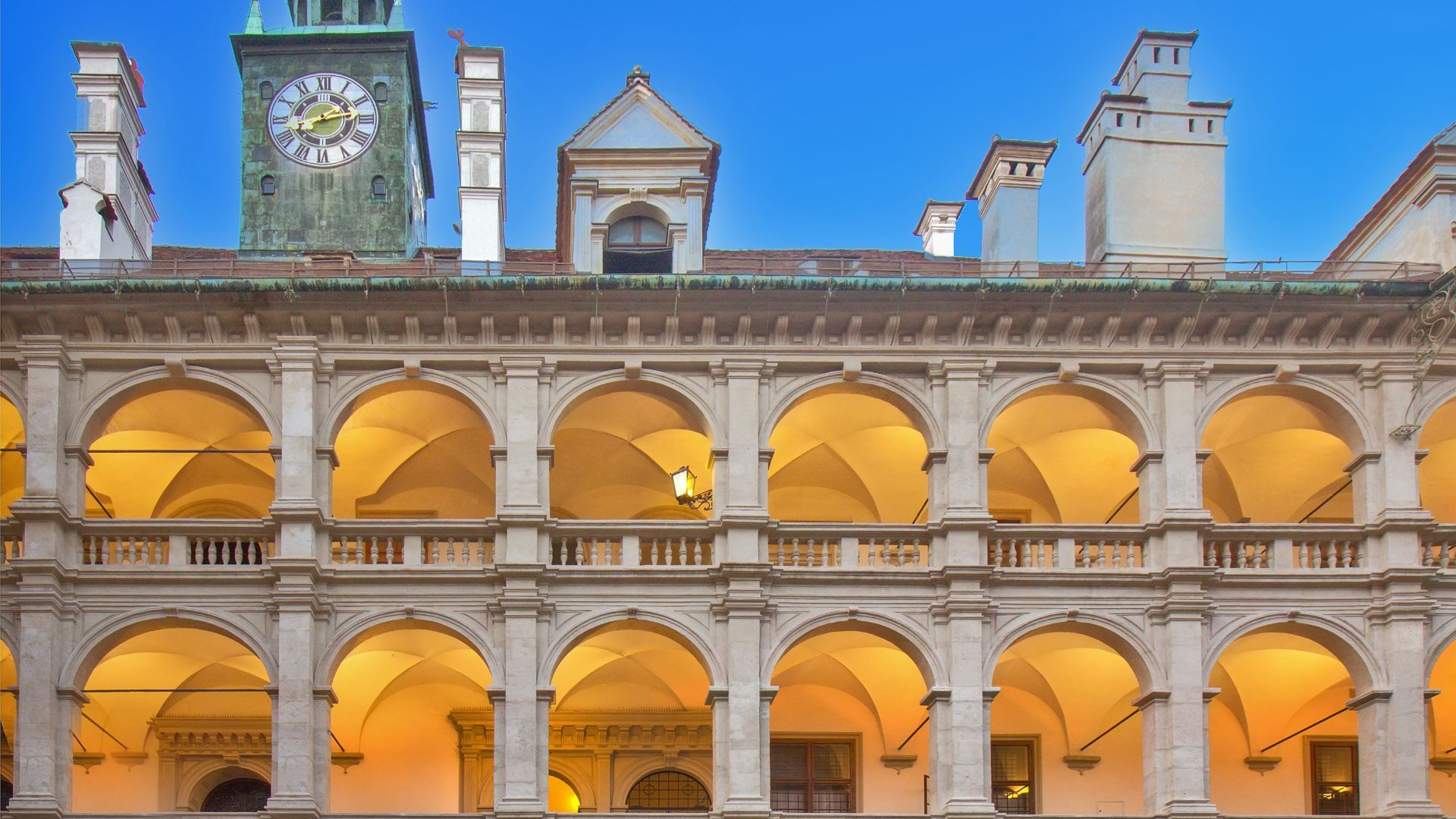
The Landhaus courtyard represents Graz’s finest Renaissance architecture with three-tiered arcades. Built in 1557-1565, this former assembly building showcases Italian architectural influences. The courtyard hosts concerts and cultural events, utilizing exceptional natural acoustics perfectly.
Admission remains free, allowing visitors to appreciate architectural details without entry fees. The bronze well in the courtyard center dates from 1590, featuring mythological figures. Guided tours explain historical significance, though self-exploration proves equally rewarding and flexible.
Glockenspiel: Musical Clock Tower Tradition
Located at Glockenspielplatz, this musical clock performs three times daily, attracting crowds. The mechanical figures representing the traditional Styrian couple dance while melodies play. Performances occur at 11 AM, 3 PM, and 6 PM, lasting approximately three minutes.
Sporgasse: Medieval Shopping Street

This narrow medieval lane features Gothic and Renaissance buildings housing boutique shops. Original guild signs hang above doorways, indicating historical commercial specializations and trades. The street connects Hauptplatz with Schlossberg, creating a continuous pedestrian flow.
Independent retailers sell everything from antiques to contemporary fashion, avoiding chain stores. Courtyards accessible through archways reveal hidden cafés and artisan workshops, surprisingly. The cobblestones and overhanging upper floors create a quintessential medieval European atmosphere.
Schlossberg: The Iconic Castle Hill
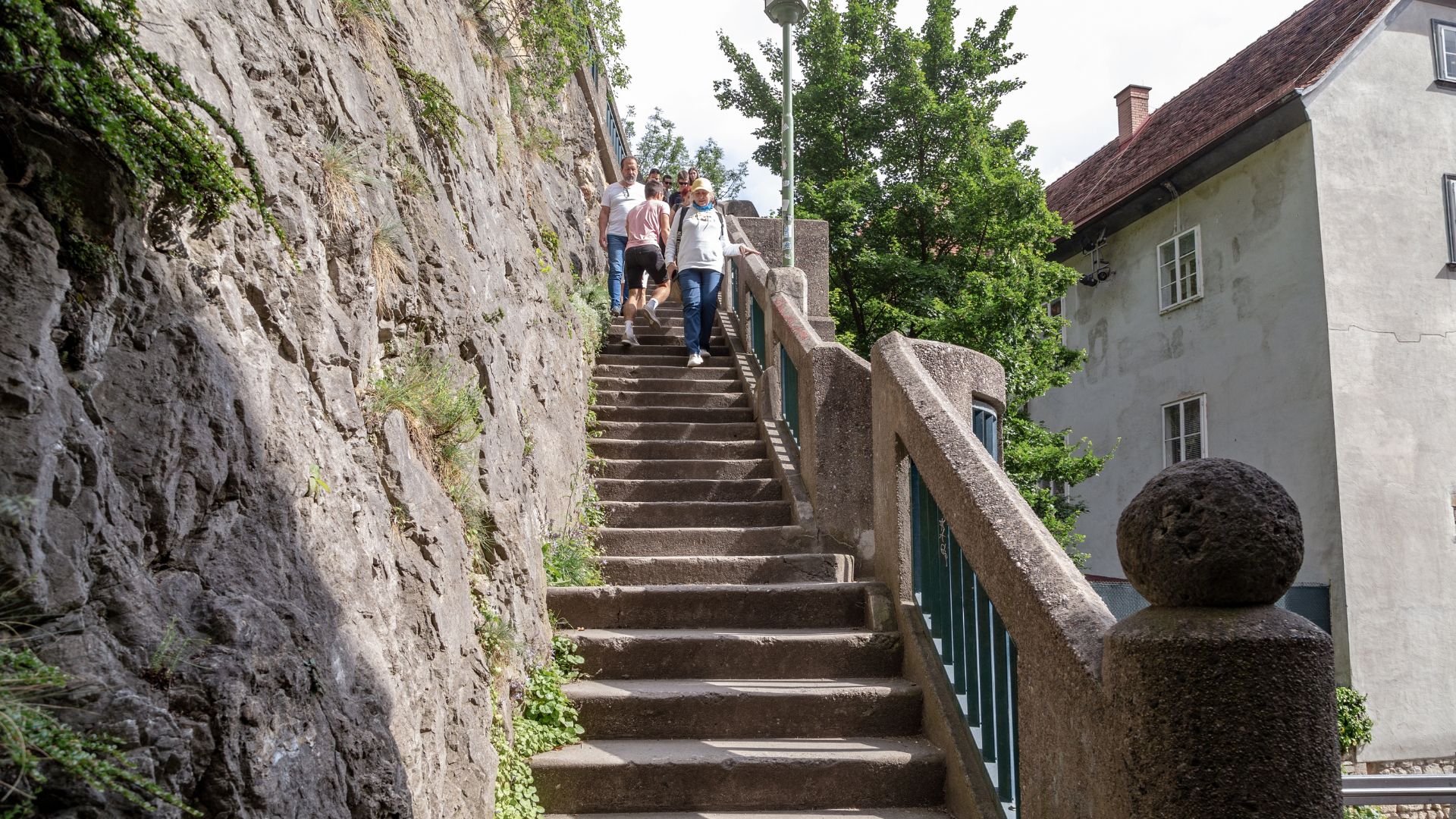
Rising above the city, Schlossberg is Graz’s most iconic landmark and a must-visit attraction. Home to the famous Clock Tower, scenic viewpoints, and historic fortifications, the castle hill offers panoramic city views and a perfect blend of history, nature, and relaxation.
Accessing the Hill: Multiple Routes Available
The Schlossberg dominates Graz’s skyline, rising 123 meters above the city center dramatically. The funicular railway climbs the steep slope in one minute, providing panoramic views. The outdoor staircase features 260 steps winding through a forested hillside, offering exercise.
A glass elevator carved through the mountain interior provides wheelchair-accessible transport alternatives. The modern engineering marvel contrasts dramatically with the surrounding medieval and natural elements. Children especially enjoy the elevator’s futuristic design and underground journey experience.
| Access Method | Cost | Duration | Best For |
| Funicular Railway | €2.60 | 1 minute | Quick access, everyone |
| Staircase | Free | 15-20 min | Active visitors, exercise |
| Glass Elevator | €1.50 | 2 minutes | Limited mobility, novelty |
Uhrturm: The Iconic Clock Tower
The clock tower symbolizes Graz appearing on postcards, souvenirs, and tourist materials. Built in 1560, this structure survived the Napoleonic troops’ demolition of other fortifications. Citizens paid a ransom to preserve the beloved landmark from destruction in 1809.
The unusual clock features hour hands larger than minute hands, confusing observers. This design allowed telling time from a distance when towers served practical purposes. The viewing platform surrounding the tower provides 360-degree city panoramas.
Interior exhibits explain Schlossberg’s military history and the clock tower’s detailed mechanical workings. Climbing the tower costs €4, though exterior viewing and photography remain free. Sunset visits create magical golden-hour lighting conditions for photography enthusiasts, particularly.
Bell Tower and Historic Features
The bell tower houses Liesl, Austria’s largest bell, weighing 5 tons impressively. Cast in 1645, the bell tolls daily, marking significant hours and occasions. The Turkish Well plunges 94 meters deep, carved through solid rock manually.
World War II air raid shelters carved into the mountain now serve as museums. The tunnel system accommodated thousands of civilians during bombing raids safely. Exhibits document daily life, fears, and survival strategies during wartime periods.
Modern Art: The Kunsthaus Experience
Kunsthaus Graz is a striking symbol of the city’s modern creative spirit. Known for its futuristic “Friendly Alien” design, this contemporary art museum showcases innovative exhibitions, digital art, and experimental installations, offering a bold contrast to Graz’s historic surroundings.
The Friendly Alien Architecture
This biomorphic blue building, nicknamed “Friendly Alien,” revolutionized Graz’s architectural landscape controversially. British architects Peter Cook and Colin Fournier designed this bubble-like structure in 2003. The building pulses with LED lights, creating nighttime media facade installations.
Rotating exhibitions showcase contemporary art from international and Austrian artists, regularly changing. Admission costs €9.50 for adults with free entry first Wednesday month. The futuristic interior features flowing spaces without traditional walls or corners.
The BIX media facade consists of 930 fluorescent tubes creating low-resolution displays. Evening programs transform the building’s exterior into urban-scale artwork visible throughout downtown. The café offers contemporary cuisine with Mur River views through bubble’s skin.
Neue Galerie: Modern Art Collection
Housed in a former palace, this gallery exhibits 19th and 20th-century art. The permanent collection emphasizes Austrian artists, though international works provide context. Paintings, sculptures, and multimedia installations occupy three floors of exhibition spaces.
Notable holdings include works by Klimt, Schiele, and contemporary Styrian artists. Special exhibitions rotate quarterly, bringing cutting-edge contemporary art to Graz audiences. Admission costs €8.5,0, including permanent and temporary exhibitions access completely.
Museums and Cultural Institutions Worth Visiting
Graz is home to a rich collection of museums and cultural institutions that reflect its deep history and vibrant creativity. From art and design to science, folklore, and history, these spaces offer engaging exhibitions, interactive displays, and insights into the city’s cultural evolution.
Landeszeughaus: World’s Largest Historical Armory
This four-story arsenal houses 32,000 pieces of armor, weapons, and equipment. The collection remains unchanged since 1645, preserving a complete military technology. Walking through rooms filled with armor creates an eerily impressive historical atmosphere.
Muskets, swords, cannons, and ceremonial armor fill every available space dramatically. Guides explain defensive strategies against Ottoman invasions, threatening the region repeatedly for centuries. Admission costs €9.50, including guided tours explaining collection highlights and contexts.
Eggenberg Palace: Baroque Splendor
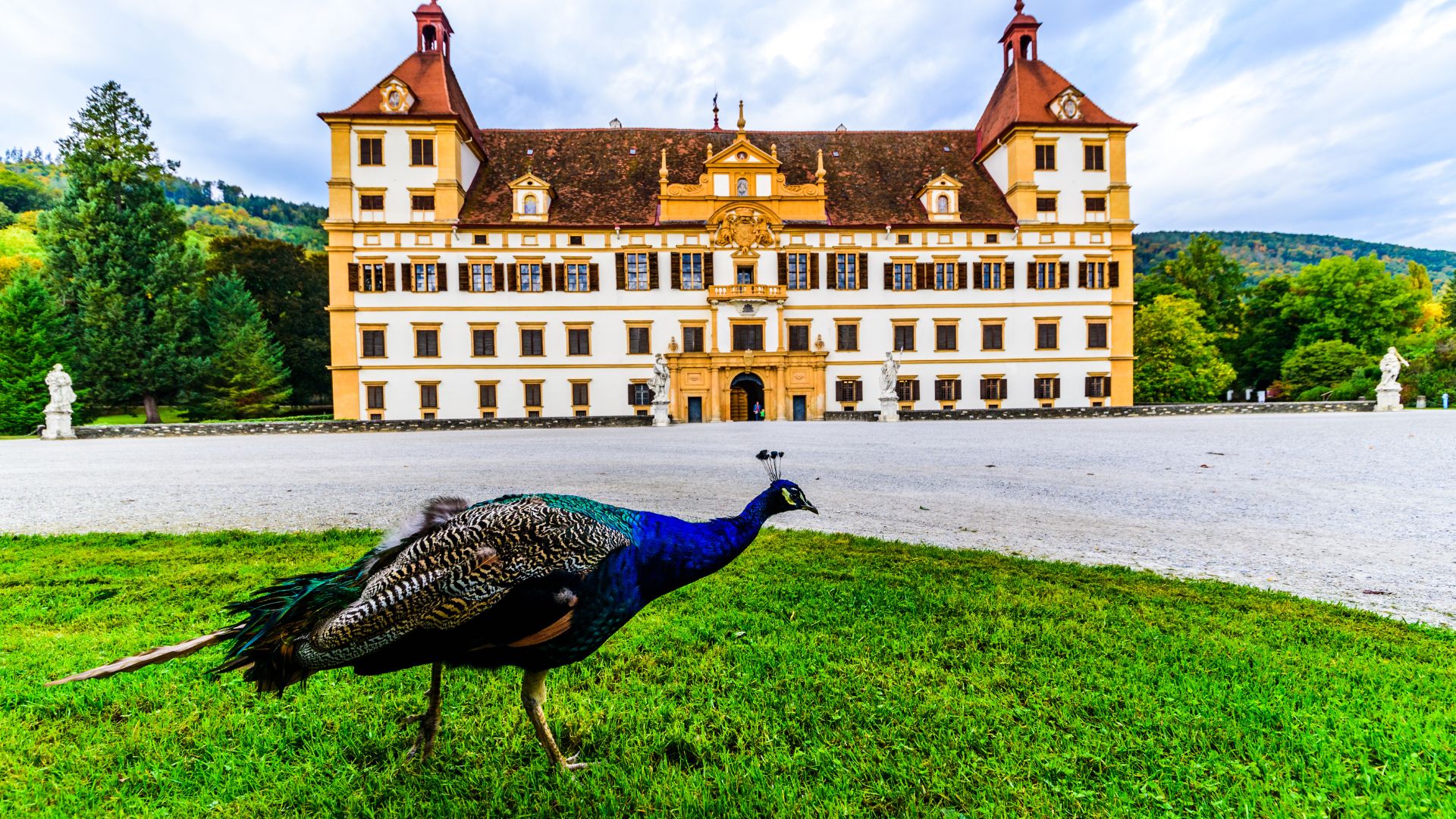
This UNESCO World Heritage palace sits on Graz’s western outskirts, surrounded by gardens. The State Rooms showcase baroque interior design with elaborate allegorical ceiling frescoes. The architectural symbolism represents a calendar with 365 windows and 24 rooms.
Peacocks roam the extensive gardens, creating photogenic moments for delighted visitors regularly. The Old Gallery displays medieval and baroque paintings in period-appropriate settings. English-language audio guides explain symbolism, history, and artistic details throughout the palace.
Combination tickets include the palace, gardens, and multiple museum sections, providing excellent value. Plan a minimum of three hours exploring the palace, gardens, and collections thoroughly without rushing. Public transportation reaches the palace directly from the city center conveniently via tram.
Culinary Scene: Styrian Gastronomy Delights
Graz’s culinary scene celebrates the rich flavors of Styria with fresh, regional ingredients and time-honored recipes. From traditional taverns serving pumpkin seed oil specialties to innovative fine-dining restaurants, the city offers a delicious blend of local authenticity and modern gastronomy.
Traditional Styrian Specialties
Styrian cuisine emphasizes pumpkin seed oil, farm-fresh produce, and hearty meat dishes. The dark green pumpkin seed oil adds a nutty flavor to soups and salads. Local farmers’ markets sell authentic oil directly from producers, ensuring quality.
Backhendl represents comfort food perfection when prepared with traditional techniques. Vermicelli served on dark bread satisfies lunch cravings economically and deliciously. Käferbohnensalat drizzled with pumpkin seed oil epitomizes regional tastes perfectly.
Must-Visit Restaurants and Dining
- Aiola Upstairs: Rooftop dining with innovative Styrian-international fusion cuisine.
- Der Steirer: Traditional gasthaus serving authentic regional dishes from generations-old recipes.
- Landhaus Keller: Historic vaulted cellar restaurant beneath a government building, atmospheric.
- Ginkgo: Vegetarian restaurant with creative plant-based Styrian interpretations.
Coffee Culture and Wine Taverns
Traditional Viennese coffee houses maintain cultural heritage with marble tables and newspapers. Coffee varieties extend beyond Americanos, including Melange, Einspänner, and Verlängerter preparations. Modern specialty coffee roasters bring third-wave culture with single-origin beans sourced.
Styria produces exceptional white wines, particularly Sauvignon Blanc and Welschriesling varieties. Local wine taverns serve house-produced wines with simple cold platters traditionally. The South Styrian Wine Road lies 40 minutes south, offering scenic drives.
Outdoor Activities and Green Spaces
Graz offers plenty of outdoor activities and lush green spaces that invite relaxation and adventure. Scenic parks, riverside trails, cycling paths, and nearby hills provide perfect settings for walks, picnics, and active exploration while enjoying the city’s natural beauty.
Stadtpark: Urban Green Oasis
This English-style landscape park provides an escape from urban density without leaving downtown. Walking paths meander past ponds, sculptures, and mature trees, offering contemplation. The Forum Stadtpark cultural center sits at park’s edge, hosting programming.
Playgrounds accommodate children while adults relax on benches, observing passing life. Summer concerts utilize natural amphitheater areas for free public performances regularly. The park connects to a larger green corridor following the Mur River through the city.
Mur River Activities and Walks
The Mur Island floating platform creates a unique recreational space mid-river architecturally distinctive. Designed by American artist Vito Acconci, the structure houses a café and an amphitheater. River walks extend in both directions from the city center, following paved paths continuously.
Cyclists share these paths, creating some congestion during peak commuting hours. Evening strolls provide romantic atmospheres with illuminated bridges and waterfront buildings reflected. The relatively flat terrain makes Graz accessible for all fitness levels.
Shopping: Boutiques, Markets, Design Stores
Shopping in Graz is a delightful mix of tradition and contemporary style. From charming boutiques and local markets to innovative design stores, the city offers unique fashion, handmade goods, regional products, and creative souvenirs for every taste.
Herrengasse: Main Shopping Street
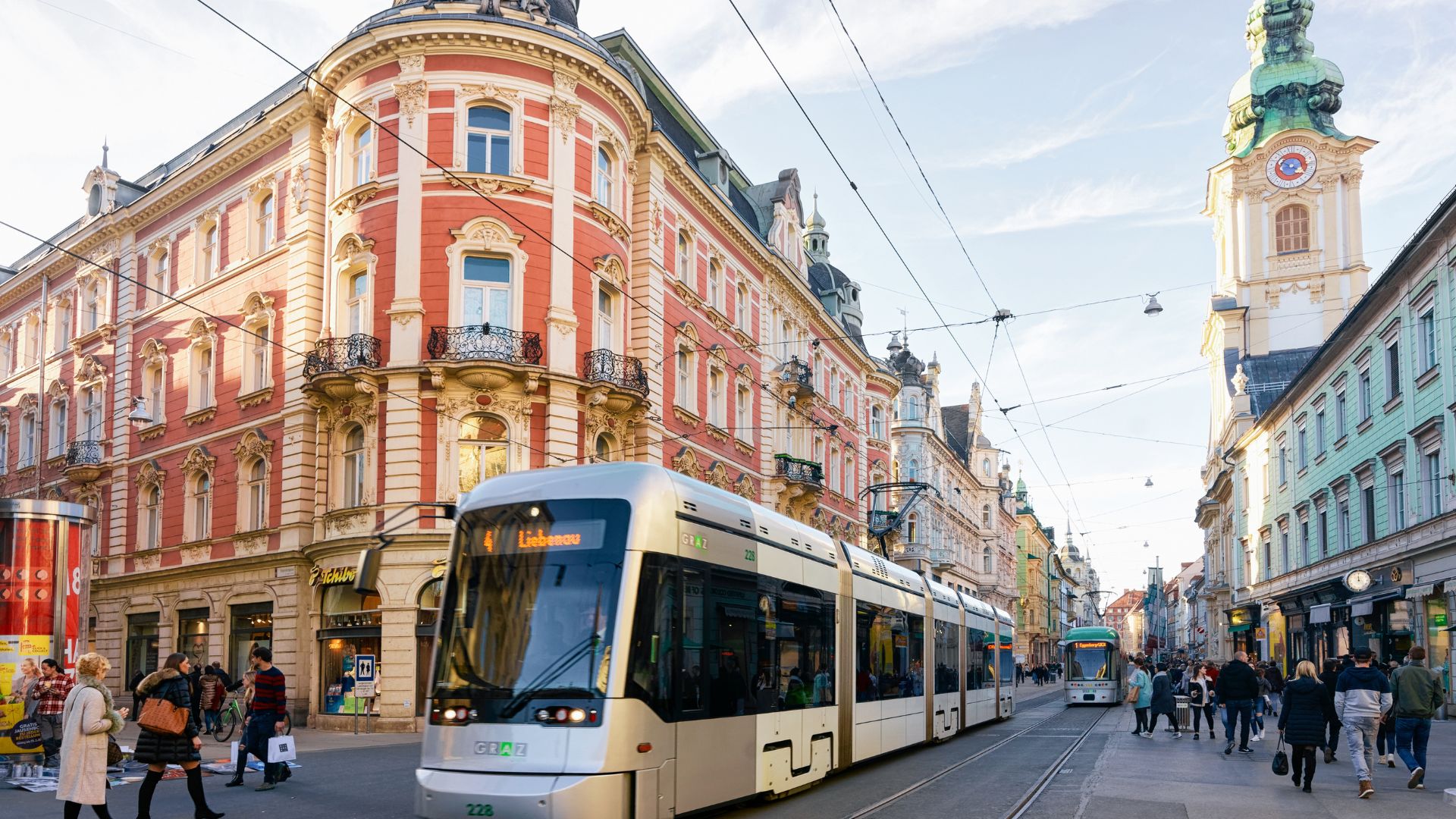
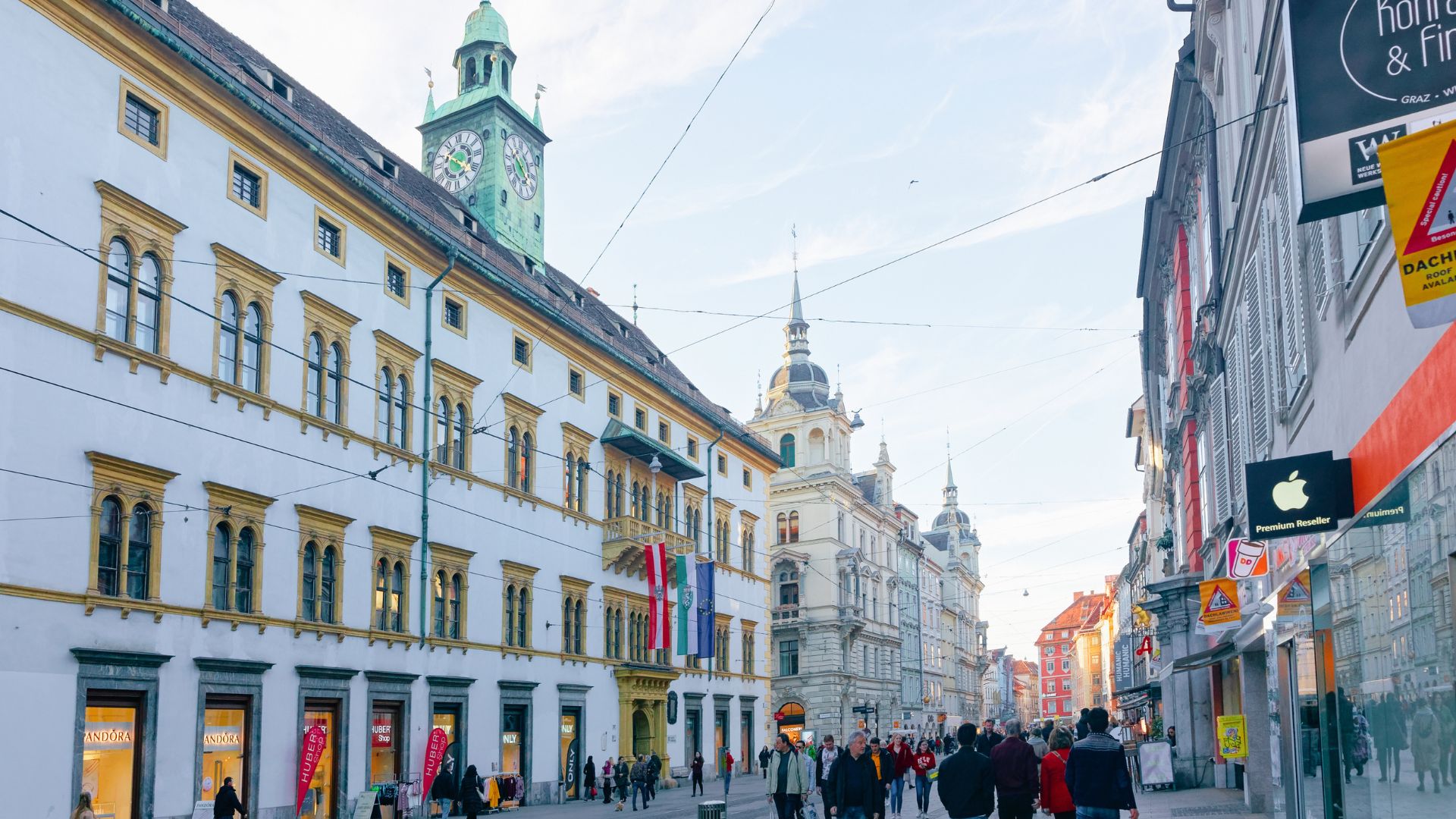
This pedestrianized avenue hosts international retail chains and local boutiques side-by-side. The architecture alone justifies window shopping with historic facades beautifully preserved. Department stores anchor the street while smaller shops fill gaps between them.
Jewelry stores, bookshops, and specialty food retailers maintain traditional commerce alongside outlets. Street musicians and performers create animated atmospheres, particularly during weekends and holidays. Seasonal decorations transform Herrengasse into a festive wonderland during Christmas markets.
Independent Boutiques and Markets
The Lend District attracts independent designers, vintage shops, and alternative retailers. Concept stores curate collections of local and international design objects thoughtfully. These establishments reflect Graz’s City of Design status through merchandising and curation.
Kaiser-Josef-Markt operates daily except Sundays, selling regional produce and specialties authentically. This historic market building dates from the 1880s, maintaining an authentic atmosphere perfectly. Vendors sell everything from fresh flowers to artisanal cheeses directly to customers.
Nightlife and Entertainment Options
Graz’s nightlife offers something for everyone, blending laid-back charm with vibrant energy. Cozy cafés, stylish bars, live music venues, theaters, and clubs come alive after sunset, making evenings in the city enjoyable for both relaxed outings and lively entertainment.
Student Bars and Music Venues
The university quarter features dozens of affordable bars attracting students and professionals. Pub crawls are organized regularly, though independent exploration proves equally rewarding and flexible. Happy hour specials make early evening drinking remarkably affordable, stretching budgets.
Live music ranges from acoustic singer-songwriters to punk rock bands throughout the week. P.P.C. represents Graz’s premier electronic music club with international DJs performing regularly. Door policies remain relaxed though dress codes request avoiding sportswear typically.
Theater and Cultural Performances
The Graz Opera House stages world-class opera and ballet productions throughout the seasons. Modern productions reinterpret classical works, attracting younger audiences beyond traditional fans. English subtitles are available for many performances, accommodating international visitors thoughtfully.
The Styriarte classical music festival attracts international performers during June and July. Jazz clubs host local and international musicians in intimate settings with an atmosphere. Music festivals throughout the summer bring free outdoor concerts to parks and squares.
Day Trips from Graz Worth Taking
Graz is an excellent base for memorable day trips across Styria and beyond. Nearby vineyards, charming towns, thermal spas, historic castles, and scenic countryside offer refreshing escapes, allowing travelers to experience nature, culture, and relaxation just a short journey away.
Austrian Open-Air Museum Stübing
This expansive museum preserves 100 historic buildings representing Austrian regional architectural styles. Traditional farmhouses, mills, and workshops relocated here, preventing demolition and preserving heritage. Costumed interpreters demonstrate traditional crafts during the summer months, educating visitors authentically.
The sprawling grounds require 3-4 hours exploring thoroughly on foot, walking the paths. Traditional farm animals graze in fields, adding authentic atmosphere and delighting children. The site restaurant serves regional dishes using historical recipes and methods.
Riegersburg Castle
This dramatic fortress perches atop volcanic rock, visible for kilometers. The fortress withstood Ottoman sieges, remaining unconquered militarily throughout history. Today, the castle houses museums documenting witchcraft trials and medieval warfare.
Climbing the fortress rock takes 15-20 minutes via steep medieval pathways. Alternatively, a panorama lift transports visitors to the castle courtyard conveniently and accessibly. The views across the Styrian countryside reward the journey magnificently on clear days.
Practical Information and Travel Tips
Planning your trip to Graz is easy with a few practical tips in mind. Efficient public transport, walkable streets, cash-friendly services, and traveler-safe neighborhoods ensure a smooth stay. Understanding local customs, seasonal weather, and basic etiquette helps visitors enjoy a comfortable, hassle-free experience.
Language and Currency
German serves as the official language, though English is widely spoken in tourist areas. Learning basic German phrases appreciated by locals genuinely and warmly received. Austria uses the Euro, with ATMs conveniently available throughout Graz.
Credit cards are accepted in most establishments, though cash is preferred in markets. Restaurant tips of 5-10% appreciated, though service charges are sometimes included in bills. Free WiFi is available in many cafés, public spaces, and accommodations throughout the city.
Safety and Emergency Services
Graz ranks as one of Europe’s safest cities with minimal violent crime. Standard precautions against pickpocketing are sufficient in crowded tourist and market areas. Emergency services number 112 connects police, fire, and medical assistance universally.
Pharmacy rotation ensures 24-hour medication access for emergencies rotating nightly schedule. Public hospitals provide excellent care, though travel insurance is recommended for non-EU citizens. Police presence remains visible though unobtrusive, maintaining security without militarization feelings.
Best Times to Visit
Late spring combines pleasant weather with fewer tourists and blooming parks beautifully. Early autumn offers warm temperatures, cultural events, and autumn colors spectacular views. The Christmas market season creates a magical festive atmosphere, though crowds increase significantly during the period.
Summer brings the warmest weather, though occasional afternoon thunderstorms disrupt outdoor plans. Winter remains coldest, though Graz’s lower altitude prevents extreme temperatures experienced elsewhere. Indoor attractions, museums, and cultural venues provide year-round appeal regardless of the seasons.
Budget Planning and Money-Saving Tips
Graz is a budget-friendly city with plenty of ways to save while traveling. Affordable public transport passes, free attractions, local eateries, and budget accommodations help manage expenses. Planning ahead and exploring local deals allows visitors to enjoy more while spending less.
Daily Budget Estimates
| Budget Level | Daily Cost | Includes |
| Budget | €50-70 | Hostel, street food, free attractions |
| Mid-Range | €100-150 | 3-star hotel, restaurants, paid sites |
| Luxury | €200-350+ | Boutique hotel, fine dining, premium |
Saving Money in Graz
Purchase 24-hour or 72-hour public transport passes for unlimited travel savings. Visit museums on free admission days occurring first Wednesday month. Eat lunch at restaurants where midday menus cost significantly less than dinners.
Shop at supermarkets and farmers’ markets for picnic supplies, economically reducing costs. Walk extensively, as a compact layout makes taxis largely unnecessary for tourists. Book accommodations early, securing better rates and increased availability for visits.
Festivals and Annual Events 2026
Graz hosts vibrant festivals throughout 2026, celebrating music, art, food, and culture. Events like Styriarte, La Strada, and seasonal markets fill the city with performances, local flavors, and lively experiences for visitors and residents alike.
Major Cultural Events
La Strada international street theater festival transforms public spaces dramatically during July. Styriarte classical music festival attracts world-renowned performers annually throughout June and July. Elevate Festival combines contemporary music and political discourse uniquely in March.
Steirischer Herbst avant-garde contemporary art festival runs from September through October provocatively. Christmas Markets operate late November through December with crafts, food, and wine. Long Night of Museums features extended hours with special programming city-wide.
Experience Graz: Where History Meets Modern Creativity
Graz masterfully balances medieval charm with cutting-edge contemporary culture, creating destinations. The UNESCO Old Town transports visitors centuries backward through preserved architectural treasures. Modern art institutions push boundaries, ensuring Graz remains culturally relevant and innovative.
The Schlossberg provides literal and metaphorical perspectives on city history and development. Accessible attractions, excellent public transport, and manageable size make Graz an ideal destination. Culinary traditions ground visitors in regional identity while international influences add variety.
Your Graz adventure begins with a single decision to explore this remarkable city. Book accommodations, pack curiosity, and prepare for surprises around every historic corner. The friendly alien, clock tower, and terracotta roofs await your arrival.
Hi, I’m Preeti Negi, a content writer who loves mixing creativity with smart strategy.
I have 3 years of experience writing about travel, digital marketing, and study abroad topics. I create content that is easy to read, engaging, and designed to connect with people while also performing well on Google.
When I’m not writing, I enjoy exploring new trends, learning new things, and thinking about fresh ideas for my next piece.
