

Germany surprises visitors with sixteen remarkable national parks protecting diverse ecosystems from Baltic coastlines to Alpine peaks, ancient forests to tidal wetlands. These protected areas showcase natural beauty while preserving endangered species and maintaining ecological balance across varied landscapes.
Whether exploring coastal mudflats, climbing mountain peaks, or wandering through ancient beech forests, Germany’s national parks deliver unforgettable encounters. This comprehensive guide explores the nation’s finest protected areas, providing essential information for planning your perfect natural adventure.
Please note that this article contains affiliate links. Learn more about it on our Disclosure page. We use ads to support our small business – we hope you don’t mind them too much.
An Introduction to Germany’s National Parks
Germany’s national parks offer breathtaking landscapes, diverse ecosystems, and untouched wilderness. Understanding their purpose helps travelers appreciate conservation efforts, wildlife protection, and the country’s commitment to preserving natural beauty.
From dense forests to dramatic coastlines, these protected areas showcase nature at its finest. Exploring them reveals ecological significance, outdoor opportunities, and why safeguarding these landscapes matters for future generations.
Conservation Philosophy and Management
Germany’s national park system, established relatively recently compared to American counterparts, follows strict protection principles emphasizing minimal human intervention. The motto “let nature be nature” guides management, allowing natural processes including forest decay, predator-prey dynamics, and succession.
This hands-off approach contrasts with traditional German forestry, creating controversy when bark beetle outbreaks devastate spruce forests naturally. Parks prioritize ecosystem health over aesthetic preferences, permitting deadwood accumulation and natural disturbances essential for biodiversity.
Visitor facilities concentrate in peripheral zones while core wilderness areas maintain strict protection limiting human impact and infrastructure. This zoning system balances public access with conservation goals, providing nature experiences while safeguarding sensitive ecosystems.
National Park Standards
| Requirement | Purpose |
| 75% Natural Processes | Minimal intervention, natural succession, wilderness character |
| Single Management Authority | Coordinated conservation, unified policies, efficient administration |
| Large Contiguous Area | Ecosystem integrity, species protection, natural dynamics |
| Scientific Monitoring | Research programs, biodiversity tracking, adaptive management |
| Environmental Education | Visitor centers, guided programs, conservation awareness |
German national parks must meet international criteria including significant size, ecological importance, and protection from commercial exploitation. These standards ensure genuine wilderness preservation rather than mere recreational parks with limited conservation value.
Visitor Expectations
German national parks emphasize education and sustainable tourism over intensive recreation, differing from commercial outdoor destinations. Facilities remain minimal preserving natural character though well-maintained trails, informative signage, and visitor centers provide excellent infrastructure.
Entrance remains free for all German national parks, reflecting the philosophy that nature belongs to everyone. This accessibility encourages visitation while educational programs foster environmental stewardship and conservation support among diverse publics.
General Visitor Guidelines:
- Stay on marked trails preventing erosion
- No camping outside designated areas
- Dogs leashed protecting wildlife
- Remove all trash and waste
- Respect wildlife maintaining safe distances
- Follow seasonal closures protecting breeding areas
Top 12 Must-Visit National Parks in Germany
Germany is home to stunning national parks, each offering unique landscapes, wildlife, and outdoor adventures. This list highlights 12 must-visit parks, presented in no particular order, for nature enthusiasts.
From dense forests to alpine peaks and coastal wetlands, these parks showcase Germany’s diverse ecosystems. Exploring them provides breathtaking scenery, rich biodiversity, and unforgettable outdoor experiences for every traveler.
1. Bavarian Forest National Park: Germany’s Wilderness Pioneer
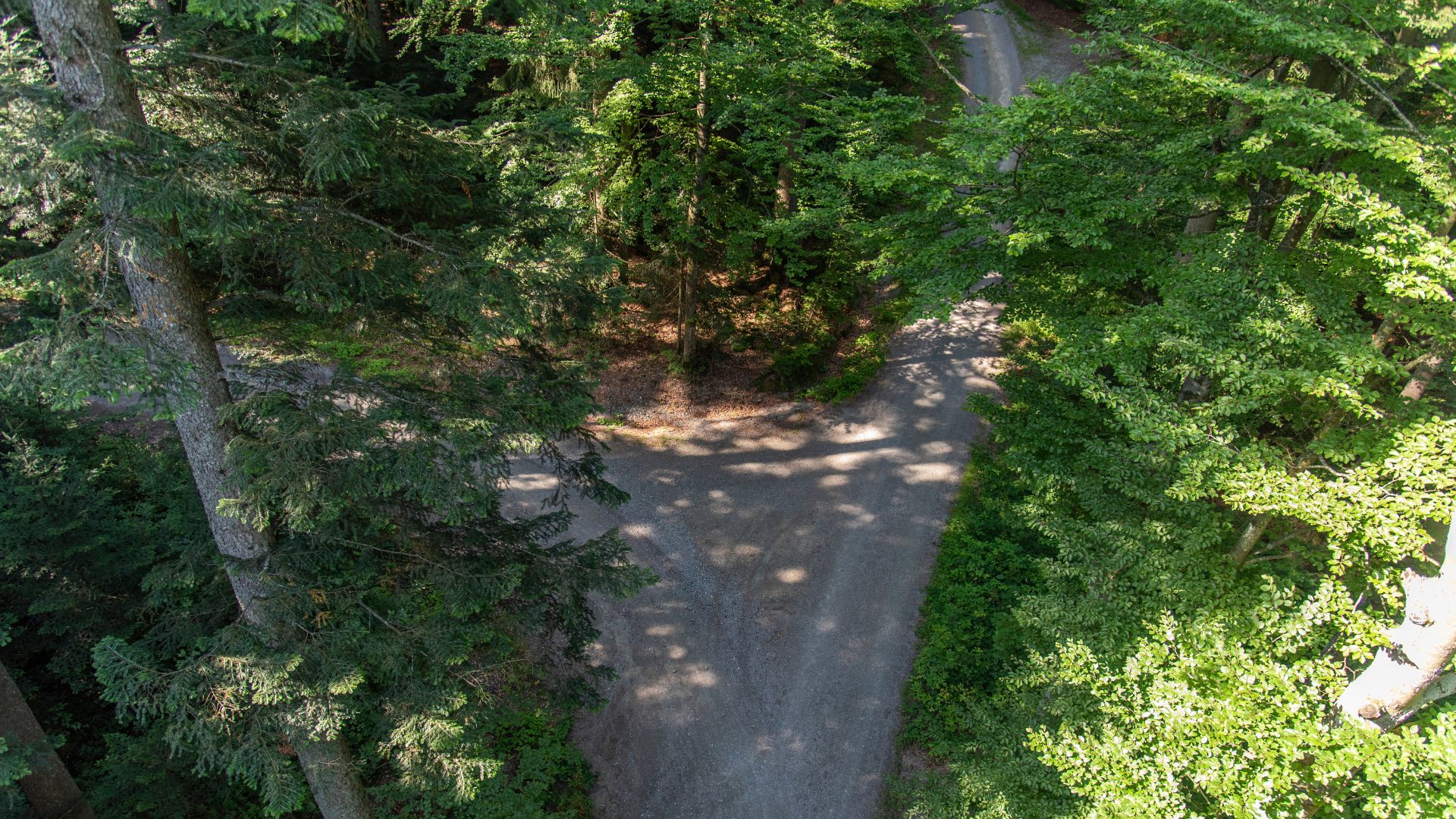
Bavarian Forest National Park, Germany’s first national park, is a haven for wildlife and wilderness lovers. Its dense forests and pristine landscapes offer a true escape into nature’s untouched beauty.
Home to lynxes, wolves, and diverse flora, the park demonstrates successful conservation efforts. Visitors can explore hiking trails, educational centers, and serene landscapes, experiencing Germany’s pioneering approach to protecting natural habitats.
Central Europe’s Largest Forest
Bavarian Forest National Park, established 1970 as Germany’s first national park, protects 24,250 hectares of mountain forest ecosystem. This pioneering park borders Czech Bohemian Forest creating transboundary wilderness of nearly 100,000 hectares.
The park’s “let nature be nature” philosophy allows natural forest succession including controversial bark beetle outbreaks transforming landscapes. Standing dead trees, fallen timber, and regenerating clearings demonstrate natural dynamics absent from managed forests.
Ancient mixed forests, containing trees over 400 years old, harbor extraordinary biodiversity including lynx, capercaillie, and numerous endangered species. These primeval remnants showcase forest ecosystems predating intensive human management across Central Europe.
Iconic Mountains and Landscapes
Bavarian Forest Highlights:
- Großer Rachel (1,453m): Summit views, glacial lake, moderate hiking
- Lusen (1,373m): Granite formations, rocky plateau, iconic peak
- Rachelkapelle Chapel: Mountain chapel, traditional pilgrimage site
- Rachel Lake: Glacial tarn, pristine waters, alpine setting
- Primeval Forest Trail: Ancient trees, minimal intervention, wilderness character
- Tree Top Walk: Elevated walkway, forest canopy, accessible viewing
Großer Rachel, the park’s highest peak, offers panoramic views across endless forest expanses extending into the Czech Republic. The challenging hike rewards effort with alpine meadows, glacial lakes, and a sense of wilderness rare in densely populated Germany.
Lusen’s distinctive rocky summit plateau, formed by glacial action, creates a unique microhabitat supporting specialized plant communities. The granite boulder fields, windswept and dramatic, contrast with surrounding dense forests creating landscape diversity.
Tree Top Walk and Visitor Centers
The Tree Top Walk near Neuschönau provides barrier-free forest canopy access via elevated wooden walkway culminating in an observation tower. This innovative attraction enables experiencing forest from a unique perspective while accommodating visitors with limited mobility.
The egg-shaped tower, rising 44 meters above ground, offers 360-degree panoramas across national park and Bohemian Forest. Interactive exhibits explain forest ecology while architectural design harmonizes with natural surroundings.
Multiple visitor centers throughout the park provide environmental education, exhibition spaces, and activity coordination for all ages and interests. The Hans-Eisenmann-Haus serves as the main center featuring permanent exhibitions, aquarium, and extensive programming.
Wildlife and Biodiversity
| Species | Status | Significance |
| Eurasian Lynx | Reintroduced successfully | Top predator, ecosystem indicator |
| Western Capercaillie | Endangered, protected habitat | Old-growth forest specialist |
| Three-Toed Woodpecker | Thriving on deadwood | Indicator of natural processes |
| European Otter | Population recovering | Clean water indicator |
| Pygmy Owl | Small population, monitored | Old-growth forest dependent |
Lynx reintroduction, beginning in the 1970s, successfully re-established this apex predator across the Bohemian Forest ecosystem after centuries. These elusive cats, numbering approximately eighty individuals, regulate deer populations while indicating healthy wilderness.
Visiting Bavarian Forest:
- Year-round access with winter snowshoeing
- Free shuttle buses connecting trailheads
- Extensive trail network all difficulties
- Multiple visitor centers throughout park
- Cross-border trails into Czech Šumava
- Guided ranger programs offered regularly
2. Berchtesgaden National Park: Alpine Wilderness
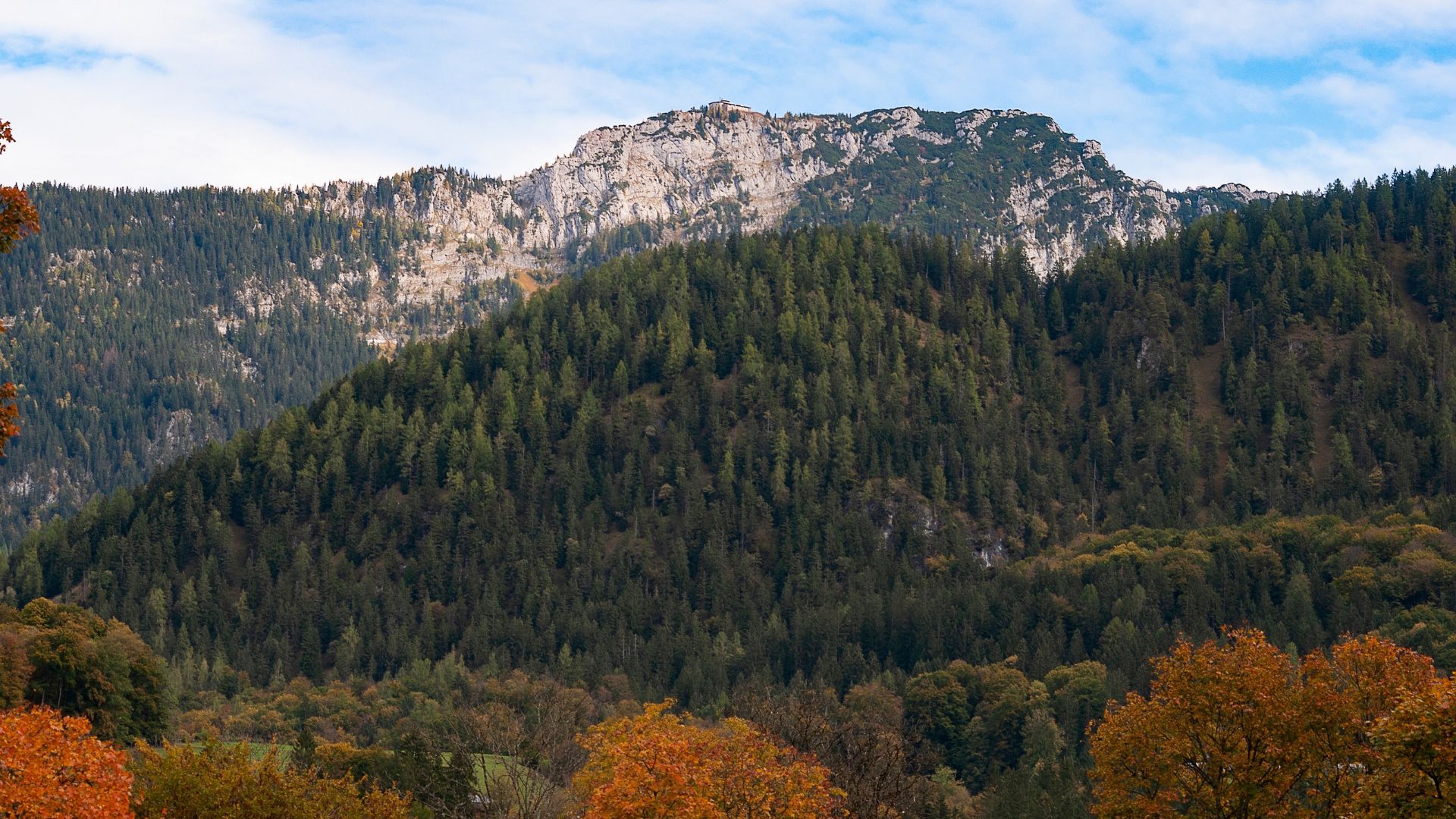
Berchtesgaden National Park, nestled in Germany’s Alps, offers breathtaking mountain landscapes. Towering peaks, deep valleys, and pristine lakes make it a paradise for nature lovers and outdoor adventure enthusiasts.
The park protects unique alpine ecosystems, home to chamois, eagles, and rare plant species. Hiking, wildlife spotting, and scenic viewpoints allow visitors to immerse themselves in Germany’s spectacular alpine wilderness.
Germany’s Only Alpine Park
Berchtesgaden National Park protects 210 square kilometers of pristine Alpine landscape in southeastern Bavaria near the Austrian border. This spectacular park, designated UNESCO Biosphere Reserve, encompasses dramatic peaks, glacial lakes, and Germany’s second-highest mountain.
The Watzmann massif, including Watzmann East Face’s legendary vertical wall, dominates park skyline creating iconic Alpine scenery. Numerous peaks exceeding 2,500 meters provide challenging mountaineering while valleys offer accessible hiking through dramatic landscapes.
Königsee, an emerald alpine lake surrounded by vertical cliff faces, represents the park’s most visited attraction accessible only by electric boat. The pristine waters, protected from motorized boats, maintain exceptional clarity while surrounding peaks create reflections.
Iconic Landscapes
Berchtesgaden Highlights:
- Königsee Lake: Electric boats, St. Bartholomä church, pristine waters
- Watzmann East Face: 1,800m vertical wall, legendary climbing
- Obersee: Upper lake, Röthbach waterfall, remote beauty
- Jennerbahn Cable Car: Easy alpine access, panoramic views
- Wimbachklamm: Dramatic gorge, hiking trail, geological wonder
- Alpine Wildlife: Ibex, chamois, golden eagles, marmots
St. Bartholomä pilgrimage church, accessible only by boat, sits on the peninsula beneath towering Watzmann creating Germany’s most photographed scene. The baroque onion-domed church, surrounded by vertical rock faces and pristine waters, epitomizes Alpine romance.
Röthbachwasserfall, Germany’s highest waterfall plunging 470 meters, cascades down Obersee’s cliff faces creating a spectacular natural display. The challenging hike beyond St. Bartholomä rewards persistent hikers with dramatic alpine scenery.
Wildlife and Conservation
Berchtesgaden’s alpine ecosystems support specialized wildlife including ibex reintroduced after extirpation during the nineteenth century. These sure-footed mountain goats now thrive on rocky precipices, numbering over 300 individuals throughout the park.
Golden eagles soar above peaks while chamois graze alpine meadows and marmots whistle warnings across rocky slopes. This intact alpine fauna, protected within park boundaries, demonstrates successful conservation efforts restoring historical ecosystems.
The park’s altitudinal range, spanning 600 to 2,713 meters, creates diverse habitats from valley forests to alpine tundra. This vertical diversity supports remarkable biodiversity within a relatively compact area.
Visiting Logistics
| Information | Details |
| Access | Electric boats to Königsee, parking at Schönau |
| Best Season | May-October for hiking, year-round for scenery |
| Difficulty | Easy lake walks to technical mountaineering |
| Facilities | Visitor center, mountain huts, boat services |
| Special Rules | No private boats, designated trails only |
Berchtesgaden Planning:
- Book boat tickets early summer weekends
- Arrive early morning avoiding day-trip crowds
- Respect alpine environment and wildlife
- Check weather before mountain hikes
- Consider multi-day hut-to-hut treks
- National park house provides excellent orientation
3. Wadden Sea National Parks: UNESCO Tidal Wonder
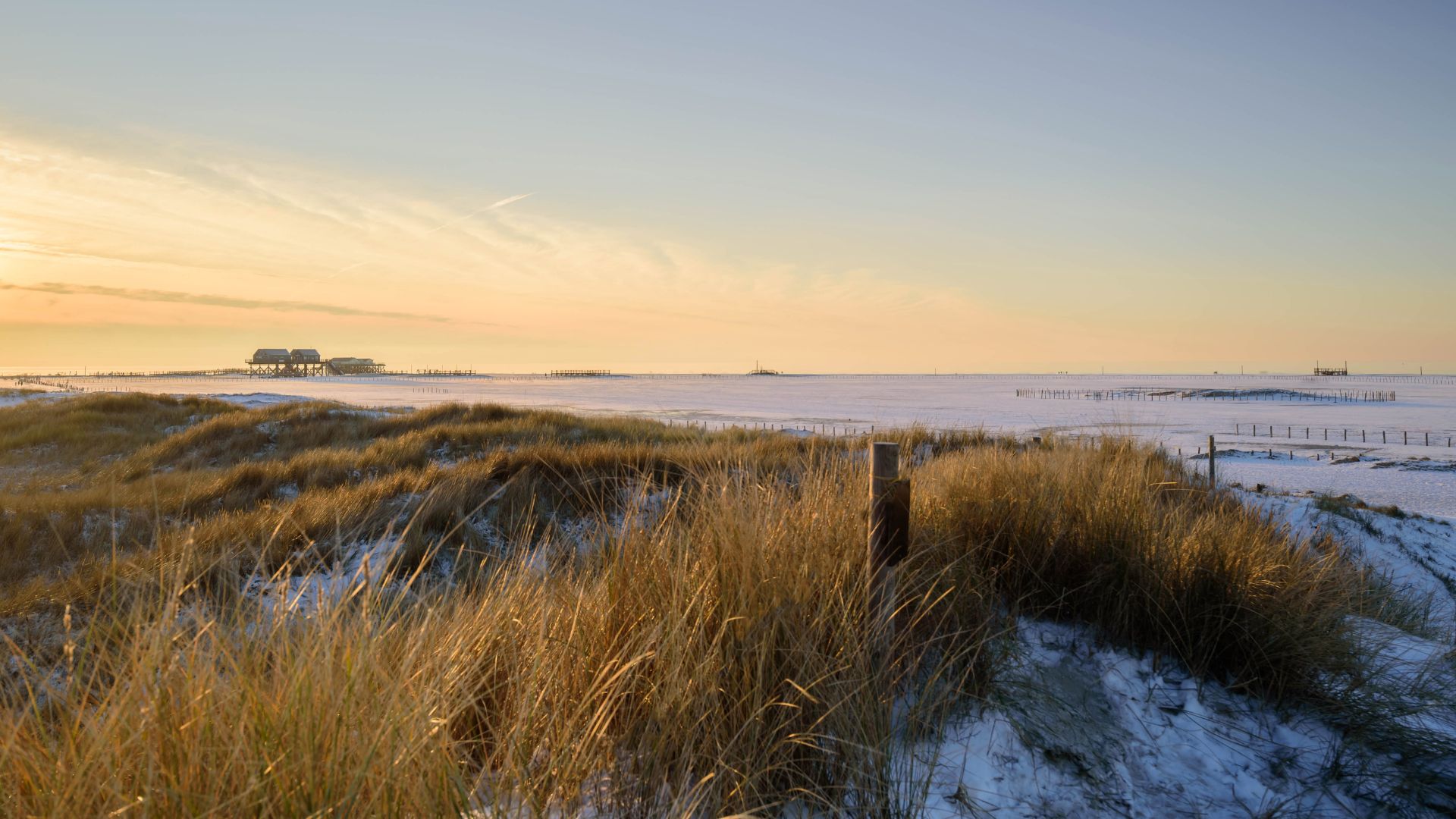
The Wadden Sea National Parks stretch along Germany’s North Sea coast, offering a unique tidal landscape. This UNESCO World Heritage site showcases mudflats, salt marshes, and vibrant coastal ecosystems.
Home to migratory birds, seals, and rare marine life, the parks highlight nature’s rhythms. Visitors can explore guided mudflat walks, birdwatching, and the remarkable interplay of land and sea.
Three Parks, One Ecosystem
Germany protects its Wadden Sea coastline through three national parks spanning Schleswig-Holstein, Hamburg, and Lower Saxony totaling approximately 3,450 square kilometers. This UNESCO World Heritage tidal landscape represents the world’s largest continuous mudflat system.
The Wadden Sea, shared with Netherlands and Denmark, creates a unique ecosystem where tides expose vast mudflats twice daily. These nutrient-rich intertidal zones support extraordinary biodiversity including ten million migratory birds annually.
Tidal dynamics, exposing and submerging mudflats rhythmically, create a constantly changing landscape revealing hidden marine life during low tide. This dynamic environment, neither land nor sea, harbors specialized organisms adapted to extreme salinity and temperature fluctuations.
Mudflat Hiking and Experiences
Wadden Sea Activities:
- Guided mudflat hiking across tidal zones
- Seal watching on sandbanks and beaches
- Birdwatching during migration seasons
- Island hopping between Frisian Islands
- Storm tide observation from safe locations
- Educational programs at visitor centers
Mudflat hiking, unique Wadden Sea experience, enables walking across exposed seabed to barrier islands during low tide. These guided tours, essential for safety, reveal burrowing clams, worms, crabs, and geological features.
Attempting mudflat crossings without experienced guides proves extremely dangerous due to rising tides, quicksand, and disorientation across featureless landscape. Fatal accidents occur when inexperienced visitors underestimate tidal speed and terrain challenges.
Wildlife Spectacle
The Wadden Sea serves as a crucial staging area for Arctic-breeding shorebirds refueling during marathon migrations between breeding and wintering grounds. Spring and autumn bring millions of birds including knots, dunlins, and oystercatchers.
Harbor and grey seals haul out on sandbanks during low tide, resting and nursing pups in relative safety. Population recovery, following near-extinction from hunting, now supports healthy colonies throughout protected areas.
| Season | Wildlife Highlights |
| Spring (Apr-May) | Northward bird migration, seal pupping begins |
| Summer (Jun-Aug) | Breeding birds, seal watching, warmest weather |
| Autumn (Sep-Oct) | Southward migration peak, storm watching season |
| Winter (Nov-Mar) | Seabirds, geese, grey seal pupping, storms |
Wadden Sea Planning:
- Join guided mudflat tours for safety
- Check tide tables before any activities
- Wear appropriate footwear and clothing
- Visit multiple islands experiencing diversity
- Bring binoculars for birdwatching opportunities
- Respect wildlife maintaining safe distances
4. Jasmund National Park: Chalk Cliffs and Beech Forests
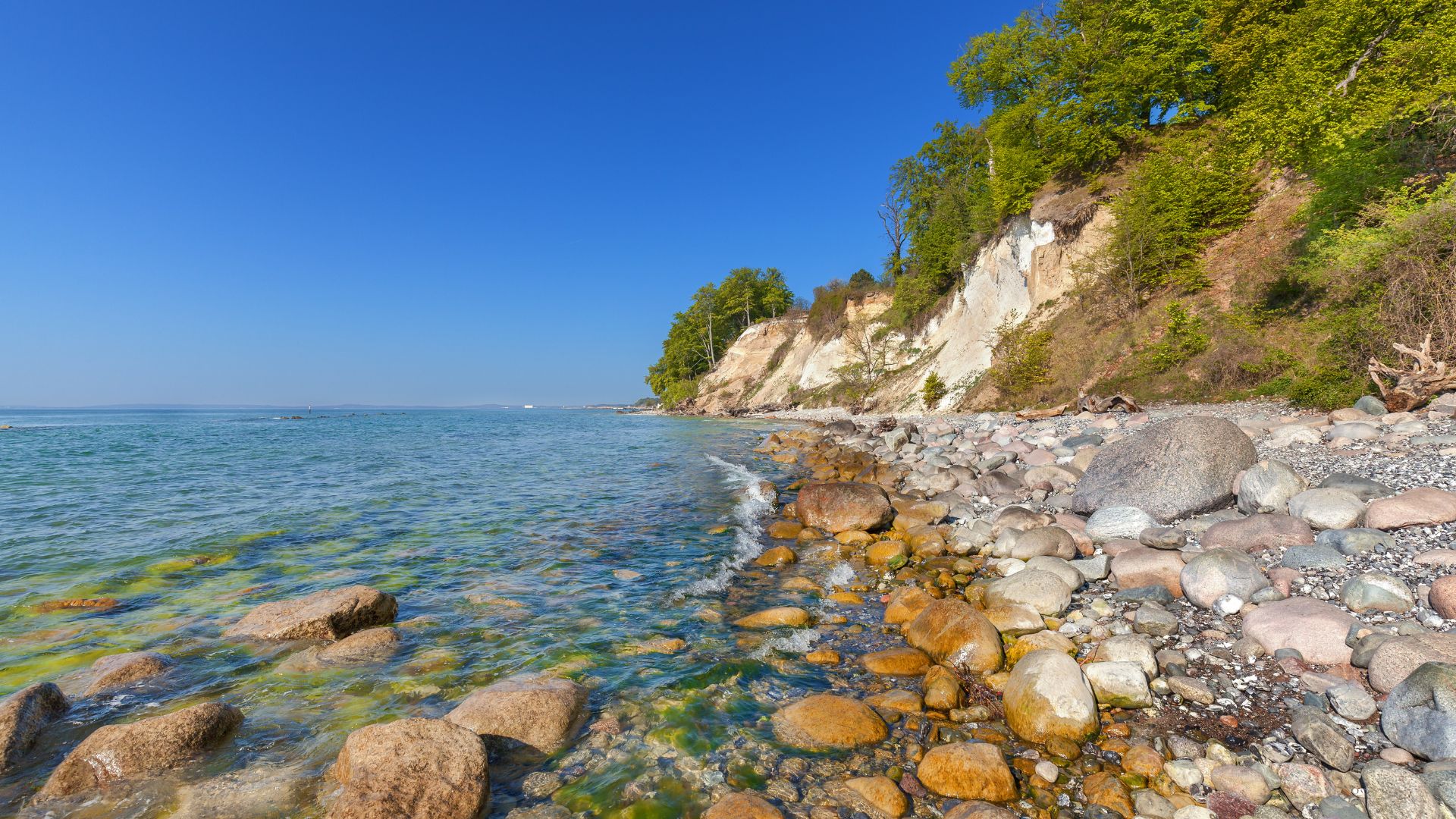
Jasmund National Park, located on Germany’s island of Rügen, is famous for its dramatic chalk cliffs. Towering white cliffs meet the Baltic Sea, creating one of the country’s most iconic landscapes.
The park’s ancient beech forests, a UNESCO World Heritage site, shelter diverse wildlife. Scenic trails and viewpoints allow visitors to experience both the striking cliffs and the serene, verdant forest interior.
Rügen’s White Cliffs
Jasmund National Park, Germany’s smallest at just 3,070 hectares, protects spectacular chalk cliffs on Rügen Island’s northeastern coast. The brilliant white cliffs, rising 118 meters above the Baltic Sea, create Germany’s most dramatic coastal scenery.
Königsstuhl (King’s Chair), park’s most famous viewpoint, offers vertiginous perspectives over turquoise Baltic waters from chalk precipice edge. This iconic landmark, painted by Romantic artist Caspar David Friedrich, symbolizes German natural heritage.
Ancient beech forests, designated UNESCO World Heritage Site, blanket clifftops creating a rare combination of old-growth forests and dramatic coastline. These primeval woodlands, untouched for decades, demonstrate natural beech forest character across northeastern Europe.
Coastal and Forest Trails
Jasmund Highlights:
- Königsstuhl viewpoint: Iconic chalk cliff, visitor center, panoramas
- Victoria View: Classic Friedrich painting perspective, dramatic cliffs
- Stubbenkammer: Cliff formations, forest trails, coastal scenery
- Ancient Beech Forests: UNESCO World Heritage, primeval character
- Coastal Trail: Cliff-edge hiking, Baltic views, challenging sections
- Chalk Museum: Geological history, formation explanations, interactive exhibits
The cliff-edge trail, following the Baltic coastline through forests and clearings, provides constantly changing perspectives on white cliffs. This challenging route requires sure-footedness navigating steep stairs and root-crossed paths along precipitous drops.
Beech forests create a cathedral-like atmosphere with soaring canopies filtering light onto moss-covered forest floors virtually free from undergrowth. These old-growth stands, protected from forestry, showcase natural forest dynamics including standing deadwood and regeneration.
Geological Wonder
The chalk formations, deposited during the Cretaceous period sixty-five million years ago from marine organism remains, create a unique geological landscape. Erosion constantly reshapes cliffs, with periodic collapses sending massive chalk blocks tumbling to beaches below.
Jasmund Practical Information:
- Access via Sassnitz town on Rügen
- Parking fees support park maintenance
- Königsstuhl viewing platform has entrance fee
- Coastal erosion creates dangerous cliff edges
- Stay on marked trails for safety
- Combine with Rügen’s seaside resort towns
5. Saxon Switzerland National Park: Sandstone Labyrinth
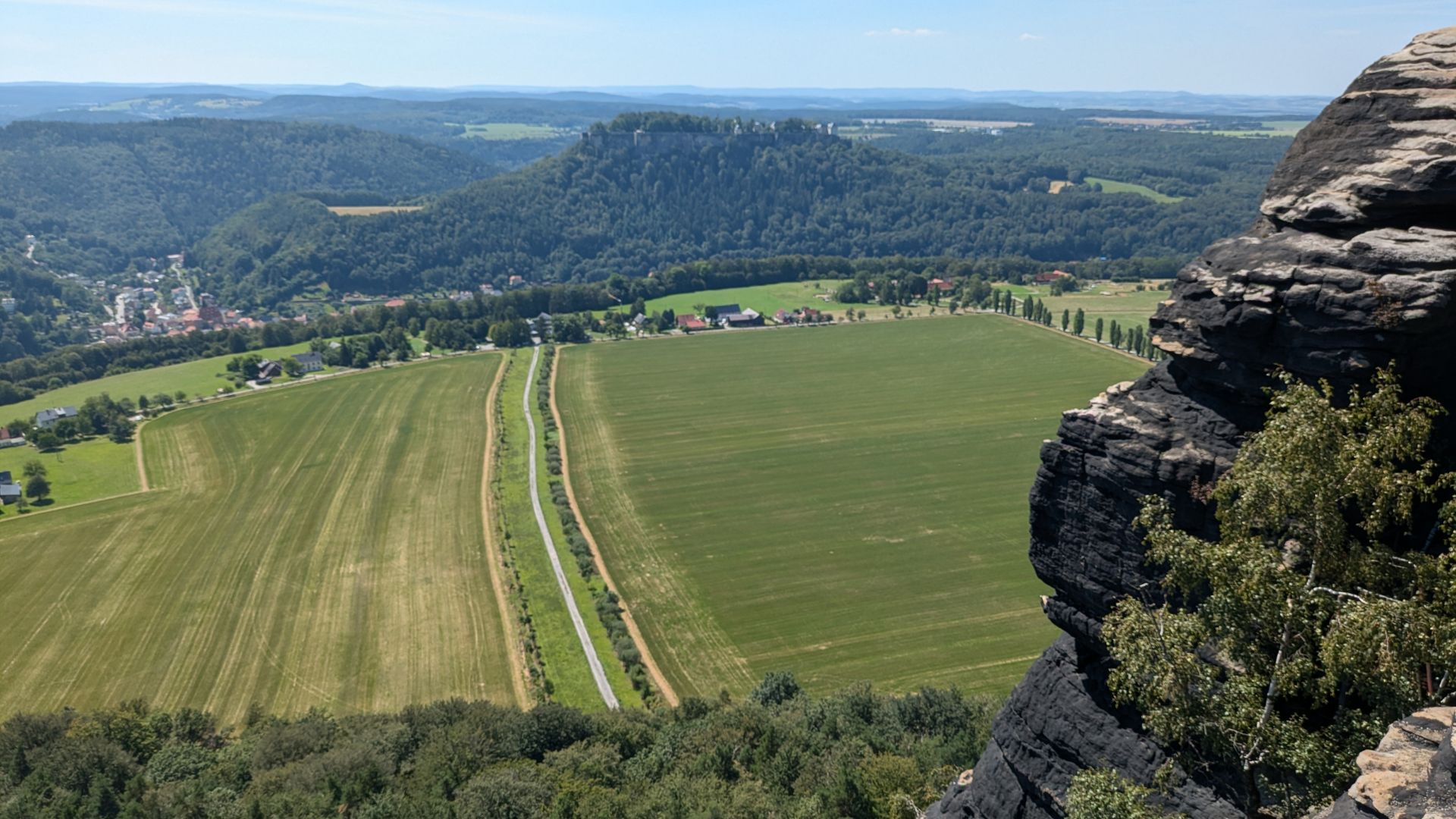
Saxon Switzerland National Park, in eastern Germany, features striking sandstone formations. Its rugged cliffs, deep gorges, and winding rock formations create a natural labyrinth, perfect for hikers and adventure seekers.
The park preserves unique flora and fauna amid dramatic landscapes. Visitors can explore hiking paths, rock-climbing routes, and panoramic viewpoints, experiencing the breathtaking beauty of Germany’s sandstone wilderness.
Elbe Sandstone Mountains
Saxon Switzerland National Park protects 93 square kilometers of extraordinary sandstone formations carved by erosion into fantastic shapes. This unique landscape, located near Dresden along the Czech border, attracts climbers, hikers, and nature lovers.
Bizarre rock pillars, natural stone bridges, and deep gorges create labyrinthine terrain unlike anywhere else in Germany. The Elbe River, cutting through sandstone plateaus, carved dramatic valleys while weathering sculpted isolated towers and plateaus.
The park’s name, bestowed by homesick Swiss artists during the Romantic period, references superficial similarity to Swiss Alps. Despite lacking actual mountains, the dramatic rock formations and forested valleys inspired countless paintings and literature.
Iconic Rock Formations
Saxon Switzerland Highlights:
- Bastei Bridge: Stone arch bridge, panoramic Elbe views
- Schrammsteine Ridge: Dramatic rock formations, scrambling routes
- Königstein Fortress: Hilltop fortress, military history, panoramas
- Kirnitzsch Valley: Gentle riverside hiking, tramway connections
- Affensteine: Remote rock labyrinth, wilderness character
- Lichtenhain Waterfall: Artificial falls, historic attraction
Bastei Bridge, spanning rock pillars above Elbe River, represents Germany’s most photographed natural landmark attracting millions annually. The stone arch bridge, built 1851, provides spectacular viewpoints while accessing castle ruins.
Schrammsteine ridge walk offers thrilling scrambling along narrow rock crests with vertiginous drops and steel ladders. This challenging route, requiring sure-footedness, rewards adventurous hikers with spectacular panoramas across sandstone wilderness.
Climbing Heritage
Saxon Switzerland pioneered free climbing traditions maintaining strict ethical codes prohibiting metal protection and permanent fixtures. This distinctive climbing culture, dating over centuries, influences worldwide climbing ethics and environmental protection standards.
Over 1,100 sandstone peaks offer routes from beginner to expert, with traditional Saxon rules creating unique climbing challenges. The soft sandstone requires careful techniques while ethical standards preserve rock integrity for future generations.
| Activity | Difficulty | Requirements |
| Bastei Circuit | Easy | Paved paths, suitable all ages |
| Schrammsteine Ridge | Difficult | Sure-footedness, no fear heights |
| Rock Climbing | Variable | Traditional techniques, local knowledge |
| Malerweg Trail | Moderate | Multi-day, 112km total, cultural route |
Saxon Switzerland Planning:
- Day trips from Dresden easily accessible
- Respect climbing areas and regulations
- Trail maps essential for navigation
- Combine with Czech Bohemian Switzerland
- Visit year-round though winter brings ice
- Photography opportunities exceptional throughout
6. Harz National Park: Central Mountain Wilderness
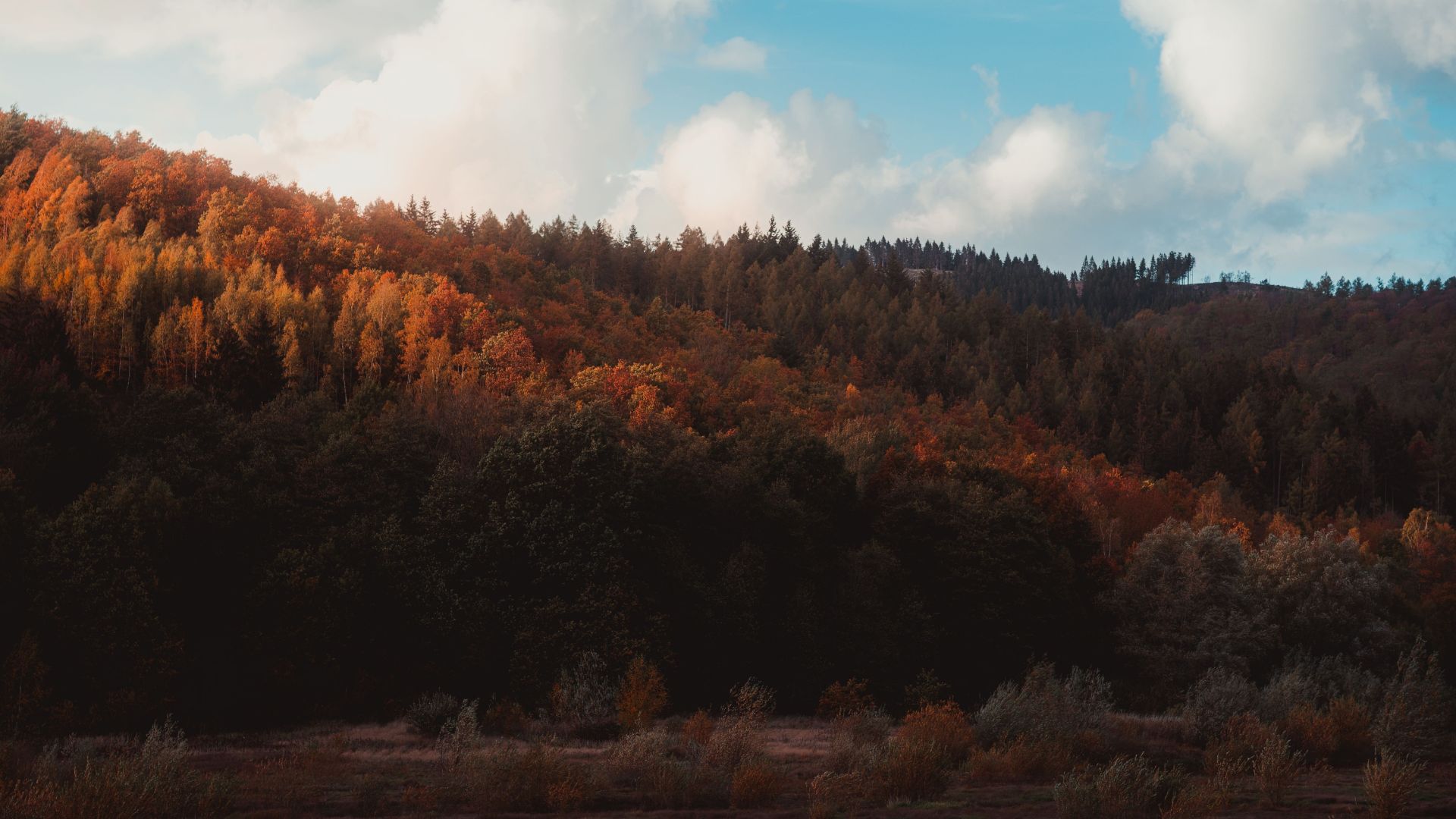
Harz National Park, in central Germany, spans dense forests and rugged mountains. Its mystical landscapes, streams, and valleys invite hikers and nature enthusiasts to explore a serene mountain wilderness.
The park is home to lynxes, deer, and diverse bird species, showcasing successful conservation. Visitors enjoy hiking trails, scenic vistas, and the enchanting beauty of Germany’s central highlands.
Germany’s Northern Mountains
Harz National Park protects 24,700 hectares across Lower Saxony and Saxony-Anhalt federal states in central Germany. This mountain wilderness, reaching 1,141 meters at Brocken peak, creates the largest forest national park in northern Germany.
The park’s establishment reunited formerly divided landscapes separated by inner-German border during Cold War division. This reunification enabled comprehensive ecosystem protection across the entire Harz mountain range.
Natural forest succession gradually transforms spruce plantations into mixed deciduous forests dominated by native beech, creating long-term transition. This rewilding process, spanning decades, demonstrates commitment to natural ecosystem restoration over quick aesthetic results.
Brocken Mountain
Harz Highlights:
- Brocken Summit: Highest peak, historic significance, panoramic views
- Brocken Railway: Steam train, nostalgic mountain access
- Lynx Trail: Wildlife tracking, reintroduction success story
- Oderteich Reservoir: Historic dam, mountain lake, hiking hub
- Granite Rock Formations: Unique geology, climbing opportunities
- Mountain Bogs: Rare ecosystems, specialized flora, conservation importance
Brocken, Harz’s highest and most famous peak, attracts visitors via hiking trails or historic narrow-gauge steam railway. The summit’s legendary associations with Walpurgis Night witches’ celebrations create cultural significance beyond natural attractions.
Historic border fortifications, remnants from German division, provide sobering reminders of recent history while hiking routes. These abandoned structures, gradually reclaimed by nature, demonstrate landscape healing after political reunification.
Wildlife Recovery
Lynx reintroduction, beginning 2000, successfully re-established these apex predators throughout the Harz ecosystem after 200-year absence. Wild cats, now numbering approximately ninety individuals, regulate deer populations while attracting wildlife enthusiasts.
The Lynx Trail, educational hiking route through prime habitat, explains reintroduction programs while providing potential wildlife observation opportunities. Information stations describe lynx ecology, conservation challenges, and monitoring techniques.
Harz Visiting Information:
- Year-round access with extensive trail network
- Brocken Railway operates daily all seasons
- Winter brings cross-country skiing opportunities
- Multiple visitor centers throughout park
- Ranger-led programs and wildlife tours
- Excellent base for multi-day exploration
7. Black Forest National Park: Dense Mountain Forests
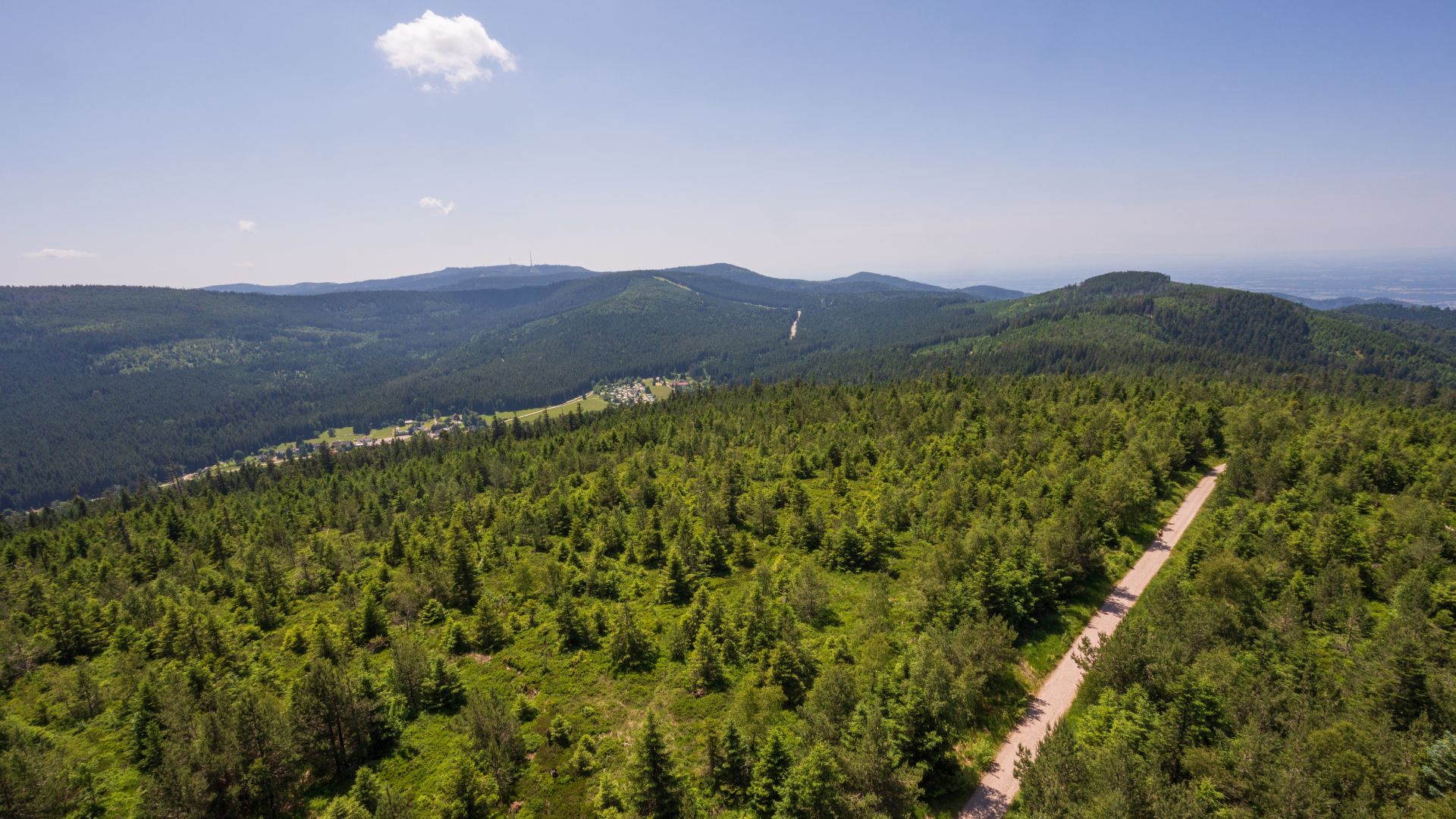
Black Forest National Park, in southwestern Germany, is renowned for its dense evergreen forests. Towering trees, misty valleys, and winding trails create an enchanting environment for nature lovers and hikers.
The park protects diverse wildlife and rare plant species while offering scenic walking paths and observation points. Visitors can immerse themselves in the rich, tranquil beauty of Germany’s iconic forested mountains.
Baden-Württemberg’s Wilderness
Black Forest National Park, established in 2014, protects 10,062 hectares in northern Black Forest mountains of Baden-Württemberg. This relatively young park, among Germany’s newest, emphasizes rewilding formerly managed forests into natural ecosystems.
The park’s location in densely populated southwestern Germany provides accessible wilderness experiences for millions living within short distances. This proximity creates both opportunities and challenges balancing conservation with recreational pressures.
Elevation ranging 650 to 1,164 meters creates diverse habitats from valley mixed forests to mountaintop spruce forests. The topographic variety supports varied ecosystems within compact areas while providing spectacular viewpoints.
Forest Landscapes
Black Forest Park Highlights:
- Hornisgrinde Summit: Highest northern Black Forest, moorland, views
- Wildnis Trail: Multi-day wilderness trail, 85km total
- Lotharpfad: Storm damage trail, natural succession demonstration
- Hoher Ochsenkopf: Peak viewpoint, forest scenery
- Mountain Moors: Rare ecosystems, specialized vegetation
- Visitor Centers: Environmental education, guided programs
Lotharpfad, an innovative trail through 1999 hurricane Lothar damage, demonstrates forest recovery through natural succession. The raised walkway, accessible for wheelchairs, enables observing regeneration from bare ground to young forest.
Mountain moors, rare ecosystems requiring constant moisture and cool temperatures, harbor specialized plant communities including sundews and cotton grass. These fragile habitats, protected within park boundaries, represent glacial relict ecosystems.
Wilderness Philosophy
The park embraces “nature being nature” allowing natural processes including windthrow, bark beetles, and forest succession without intervention. This management approach, sometimes controversial among traditional foresters, prioritizes ecosystem integrity over human aesthetic preferences.
Wilderness zones, ultimately comprising seventy-five percent of park area, exclude active management allowing uncontrolled natural dynamics. These core areas, essential for genuine wilderness character, contrast with managed landscapes dominating surrounding regions.
Black Forest Planning:
- Baden-Baden provides gateway access
- Multi-day Wildnis Trail offers immersion
- Year-round hiking with winter snowshoeing
- Less crowded than Bavaria parks
- Combine with Black Forest villages
- Strong environmental education programs
8. Hunsrück-Hochwald National Park: River Valleys and Forests
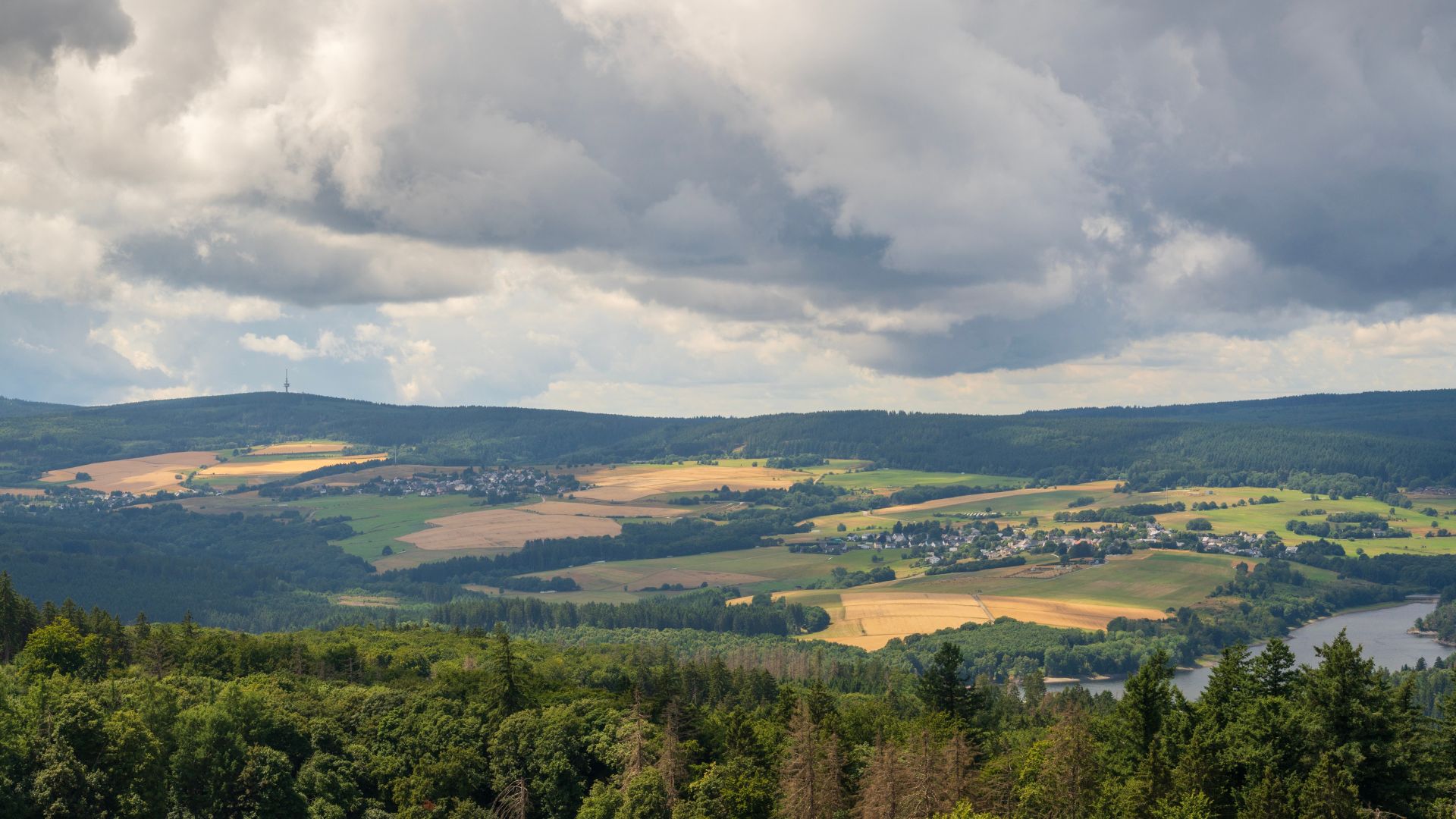
Hunsrück-Hochwald National Park, in western Germany, features lush forests and scenic river valleys. Its rolling hills and diverse landscapes make it an ideal destination for hiking, wildlife spotting, and nature exploration.
The park conserves rare species and vibrant ecosystems, blending rivers, woodlands, and meadows. Visitors can enjoy trails, guided tours, and peaceful escapes into the heart of Germany’s verdant wilderness.
Rhineland-Palatinate and Saarland Wilderness
Hunsrück-Hochwald National Park, established 2015, protects 10,230 hectares across Rhineland-Palatinate and Saarland states in western Germany. This park emphasizes beech forest protection while incorporating Celtic archaeological sites creating a cultural-natural landscape.
The park’s river valleys, carved through ancient mountain plateau, create diverse topography with streams, rock formations, and elevation changes. These valleys support riparian ecosystems contrasting with upland beech forests dominating hilltops.
Ancient Celtic ringwall fortifications, scattered throughout the park, demonstrate long human habitation while archaeological sites provide cultural context. These historical elements, integrated with natural features, create comprehensive landscape protection.
Natural and Cultural Features
Hunsrück Highlights:
- Erbeskopf Summit: Rhineland-Palatinate’s highest at 816m
- Celtic Ringwall: Archaeological sites, historical context
- Beech Forests: Natural succession, old-growth character
- Stream Valleys: Riparian ecosystems, geological features
- Wildcat Trail: Reintroduced species, conservation success
- Ranger Programs: Guided hikes, environmental education
The European wildcat, reintroduced after regional extinction, now thrives throughout the park’s forests hunting small mammals. These elusive felines, larger and more robustly built than domestic cats, indicate healthy prey populations.
Hunsrück Visit Information:
- Newest national parks with developing infrastructure
- Extensive trail network under expansion
- Year-round access with seasonal variations
- Combine with Moselle Valley wine region
- Less touristy than established parks
- Growing visitor facilities and programs
9. Kellerwald-Edersee National Park: Ancient Beech Forests
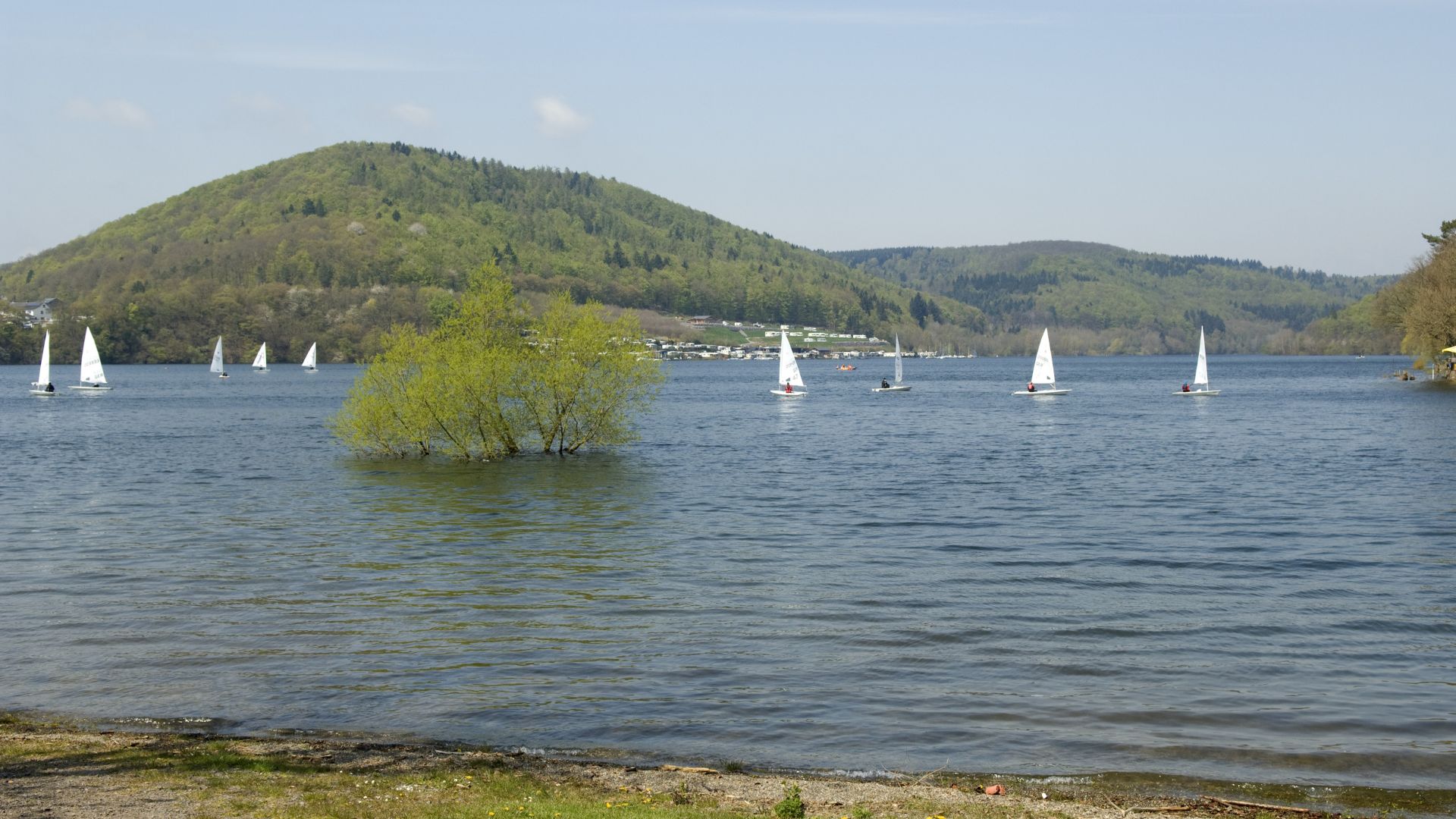
Kellerwald-Edersee National Park, in central Germany, is famous for its ancient beech forests. These UNESCO-protected woodlands offer a glimpse into primeval nature, with peaceful trails and rich biodiversity.
Home to deer, wildcats, and diverse plant life, the park showcases successful conservation efforts. Visitors can explore hiking paths, scenic viewpoints, and the serene beauty of Germany’s old-growth forests.
UNESCO World Heritage Woodlands
Kellerwald-Edersee National Park in Hesse protects 5,738 hectares of ancient beech forests designated UNESCO World Heritage Site. These primeval woodlands, among Central Europe’s largest unmanaged beech forests, demonstrate natural forest character.
The park borders Edersee reservoir, creating landscape contrast between wild forests and managed water body serving drinking supply. This juxtaposition highlights different land use philosophies within a single scenic area.
Old-growth beech trees, some exceeding 260 years, tower above forest floors covered with spring wildflowers creating cathedral-like atmosphere. These ancient stands, protected from logging, harbor exceptional biodiversity including rare fungi, insects, and bats.
Forest Exploration
Kellerwald Highlights:
- Ancient Beech Forests: UNESCO World Heritage, primeval character
- Tree Top Path: Elevated walkway, canopy perspective
- Urwaldsteig Trail: Wilderness trail, 68km circuit
- Edersee Lake: Reservoir, water recreation, forest backdrop
- Wildcat Observation: Elusive forest predator, conservation success
The Tree Top Path near Edersee provides barrier-free access to forest canopy via wooden walkway. This educational attraction explains forest ecology while offering unique perspectives impossible from ground level.
10. Eifel National Park: Developing Wilderness
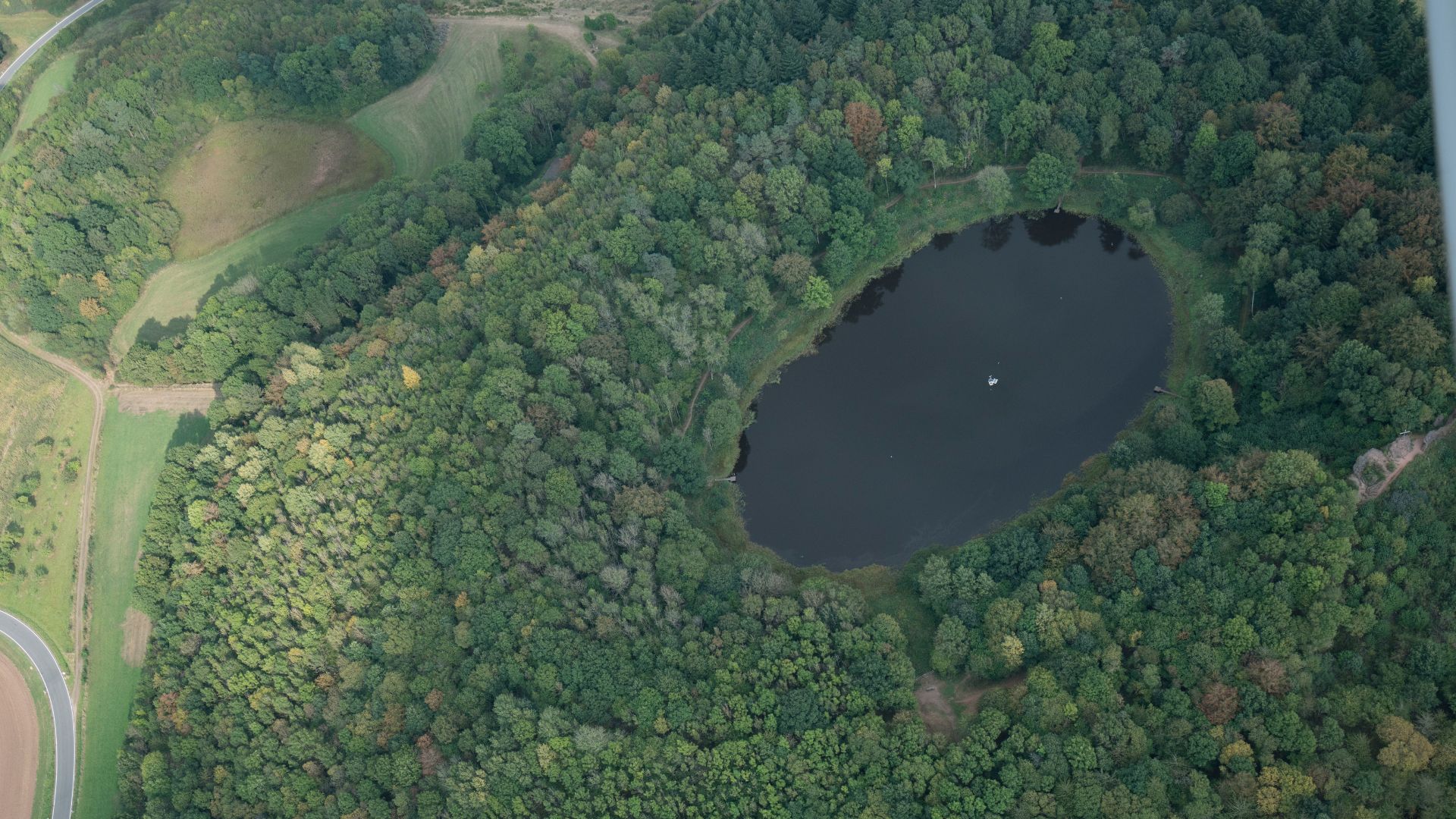
Eifel National Park, in western Germany, is a “developing wilderness” where nature is allowed to grow freely. Its forests, lakes, and volcanic landscapes create a dynamic, ever-changing environment.
The park supports diverse wildlife, including wildcats and rare birds. Visitors can explore hiking trails, observe natural regeneration, and experience Germany’s commitment to letting nature thrive independently.
North Rhine-Westphalia’s Wild Heart
Eifel National Park protects 10,770 hectares in western Germany near the Belgian border, emphasizing forest ecosystem restoration and rewilding. The park, established 2004, actively converts former spruce plantations to natural beech-oak forests.
Numerous lakes, streams, and wetlands create diverse aquatic habitats supporting specialized species including beavers and black storks. These water features, combined with forested hills, provide landscape variety within a compact area.
The park’s location near the densely populated Cologne-Bonn region provides accessible wilderness for millions while demonstrating nature conservation benefits. This proximity creates educational opportunities while fostering environmental awareness among urban populations.
Natural Development
Eifel Park Features:
- Wild Daffodil Valleys: Spring wildflower displays, unique phenomenon
- Urftsee Reservoir: Lake scenery, forest backdrop
- Beech Forest Restoration: Active rewilding, natural succession
- Black Stork Habitat: Rare breeding species, wetland protection
- Beaver Populations: Reintroduced successfully, ecosystem engineers
Wild daffodils, blooming in countless thousands each April, transform valleys into golden carpets creating spectacular displays. This natural phenomenon, rare in Germany, attracts photographers and nature lovers during brief blooming periods.
11. Müritz National Park: Lake District Wilderness
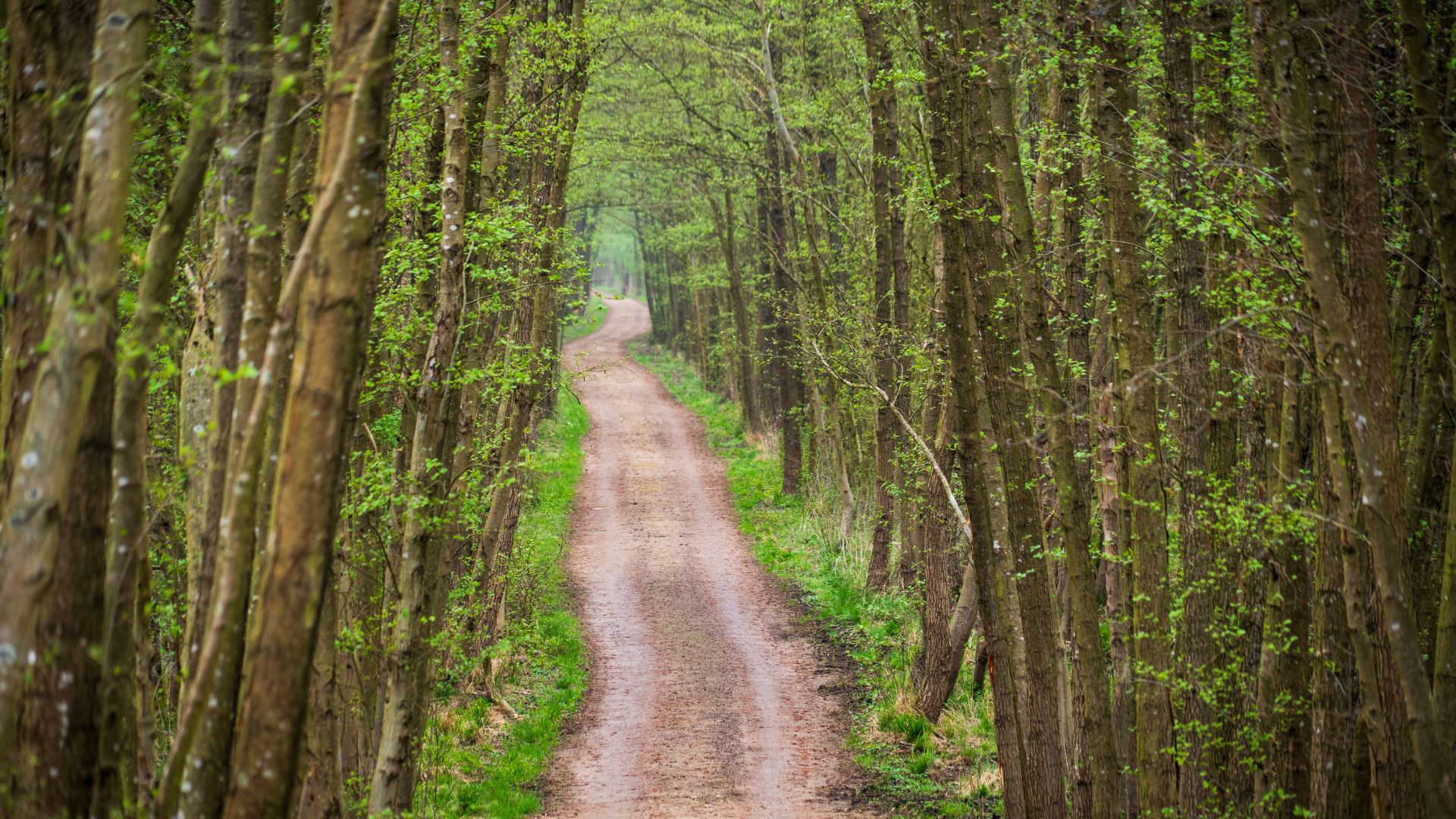
Müritz National Park, in northeastern Germany, lies in the heart of the country’s lake district. Its vast lakes, wetlands, and forests create a peaceful retreat for nature enthusiasts.
The park is home to diverse wildlife, including eagles, otters, and rare plants. Visitors can enjoy boating, hiking, and birdwatching while exploring Germany’s serene lake-filled wilderness.
Germany’s Largest Lake
Müritz National Park in Mecklenburg-Vorpommern protects 32,200 hectares of lake-studded forest landscape in northern Germany. The park, encompassing Germany’s largest lake entirely within national borders, combines aquatic and forest ecosystems.
Over 100 lakes, connected by streams and separated by forests, create intricate landscape patterns supporting extraordinary biodiversity. This lake district, formed by glacial action, provides crucial habitat for water birds, fish, and aquatic plants.
Ancient beech forests, some protected as UNESCO World Heritage Sites, alternate with wetlands creating a mosaic of habitats. This diversity supports specialized species requiring both forest and wetland conditions.
Water and Forest
Müritz Highlights:
- Müritz Lake: Germany’s largest domestic lake, water recreation
- Havel Source: River headwaters, wetland ecosystems
- Beech Forests: UNESCO sites, old-growth character
- Osprey Nesting: Rare breeding birds, observation opportunities
- Crane Migration: Autumn gatherings, thousands of birds
Ospreys, fish-eating raptors, breed successfully throughout the park’s lakeshores creating wildlife watching opportunities. These impressive birds, requiring clean lakes with abundant fish, indicate healthy aquatic ecosystems.
Müritz Planning:
- Excellent cycling and water trails
- Canoe routes through connected lakes
- Year-round access with seasonal highlights
- Birdwatching exceptional throughout seasons
- Combine with historic Hanseatic towns
12. Hainich National Park: Primeval Deciduous Forest
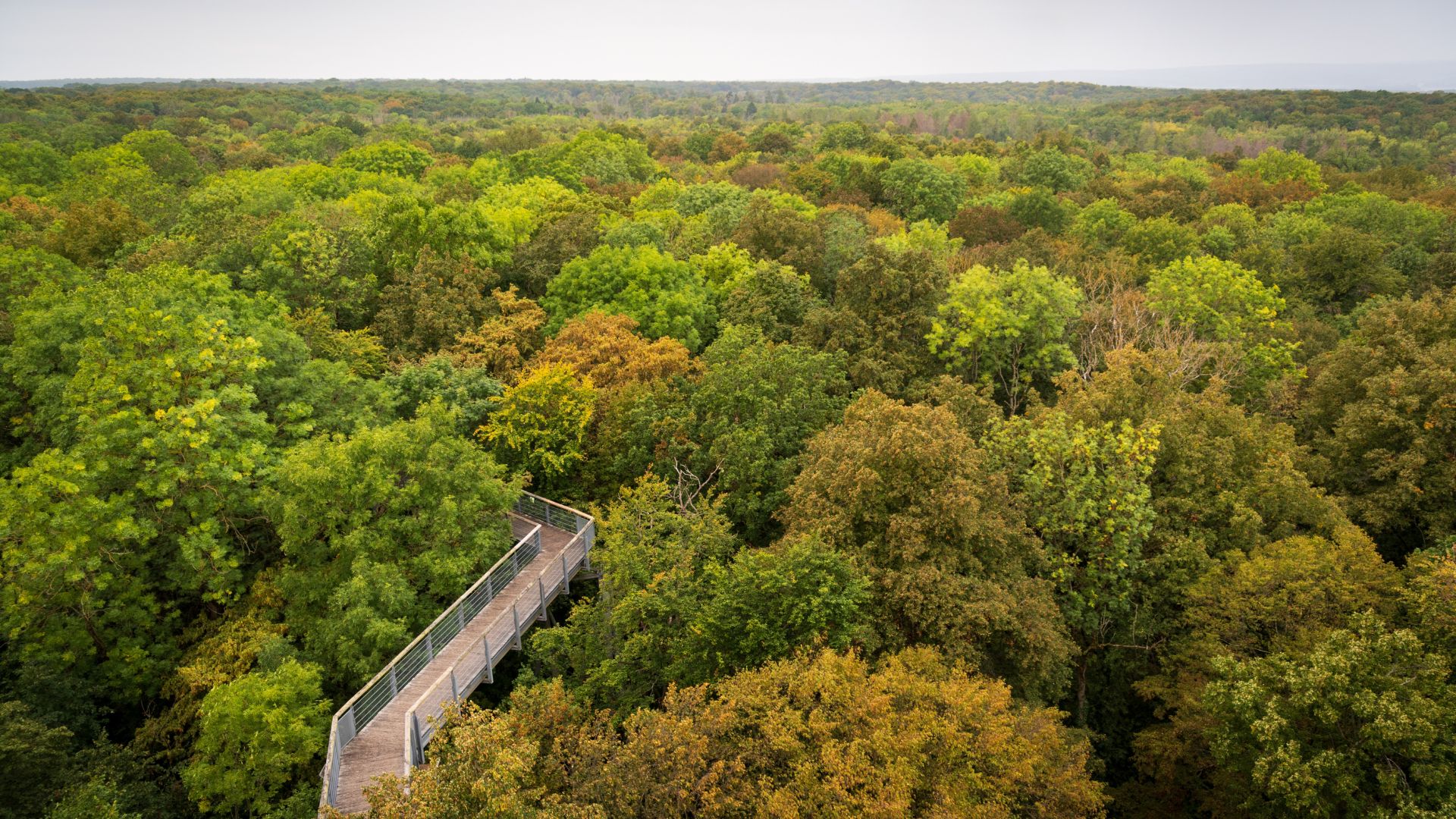
Hainich National Park, in central Germany, preserves primeval deciduous forests. Its ancient trees and lush greenery provide a rare glimpse into Europe’s original woodland landscapes, rich in biodiversity.
The park shelters numerous plant and animal species, including wildcats and rare birds. Visitors can explore canopy trails, hiking paths, and the untouched beauty of Germany’s historic forests.
Thuringia’s Green Heart
Hainich National Park protects 7,513 hectares of primeval deciduous forest in Thuringia, emphasizing unmanaged forest development. The park, established 1997, contains Germany’s largest contiguous deciduous forest permitted to develop naturally.
Ancient beech trees dominate alongside oak, ash, and maple creating a diverse canopy supporting extraordinary biodiversity. These old-growth characteristics, developing over decades of protection, demonstrate natural Central European forest character.
The Tree Top Path, winding through forest canopy, provides unique perspectives on forest ecology while remaining accessible. This elevated walkway, climbing to the observation tower, enables wildlife observation from above while explaining vertical forest stratification.
Ancient Forest Character
Hainich Features:
- Primeval forest trails through unmanaged woodland
- Tree Top Path with canopy walkway
- Wildcat populations in dense forests
- UNESCO World Heritage beech forests
- Exceptional biodiversity including rare beetles
Conservation Success:
- Wild cats thrive in protected forests
- Old-growth forest characteristics developing naturally
- Rare fungi and beetle species present
- Educational programs emphasize natural processes
- Regional conservation model for Central Europe
Planning Your National Park Visit
Planning a visit to Germany’s national parks ensures a memorable experience. Proper preparation helps you explore safely, enjoy nature fully, and make the most of scenic trails and wildlife encounters.
From choosing the right park to packing essentials and understanding park rules, thoughtful planning enhances your trip. It allows you to connect with nature while respecting Germany’s protected landscapes.
Choosing Parks by Interest
Germany’s diverse national parks cater to different interests from coastal mudflats to alpine peaks, ancient forests to sandstone formations. Select destinations matching preferences considering desired activities, physical abilities, and seasonal factors.
Coastal enthusiasts explore Wadden Sea experiencing unique tidal ecosystems impossible elsewhere while mountain lovers choose Berchtesgaden for alpine splendor. Forest aficionados select Bavarian Forest, Hainich, or Kellerwald experiencing primeval woodland character.
Best Seasons
| Season | Advantages | Considerations |
| Spring | Wildflowers blooming, bird migration, moderate temperatures | Variable weather, some trails muddy |
| Summer | Warmest weather, all facilities open, longest days | Crowds peak, accommodation expensive |
| Autumn | Fall colors spectacular, harvest time, comfortable hiking | Shorter days, weather deteriorating |
| Winter | Solitude, snow scenery, unique perspectives | Limited facilities, challenging conditions |
Each park offers year-round access though seasonal variations significantly affect experiences, accessibility, and wildlife observation opportunities. Summer provides easiest conditions though autumn colors and spring wildflowers create spectacular natural displays.
Essential Planning
Pre-Visit Preparation:
- Research specific park regulations and requirements
- Check visitor center hours and locations
- Download trail maps and park information
- Book accommodations early for popular parks
- Prepare appropriate gear for activities
- Consider guided ranger programs learning ecology
Germany’s national parks provide free entrance though some charge for parking or specific facilities like visitor centers. This accessibility reflects the conservation philosophy that nature belongs to everyone.
Sustainable Tourism
National park visits should minimize environmental impact following Leave No Trace principles throughout experiences. Staying on marked trails, removing all waste, and respecting wildlife closures protects sensitive ecosystems.
Support local communities through accommodations, dining, and shopping in gateway towns surrounding parks. This economic benefit demonstrates conservation’s value while fostering community support for protection efforts.
Final Words: Germany’s Natural Heritage
Germany’s sixteen national parks protect remarkable natural diversity from tidal mudflats to Alpine peaks, ancient forests to coastal cliffs. These carefully managed protected areas demonstrate successful conservation while providing accessible nature experiences.
Whether seeking wilderness adventure, wildlife observation, or peaceful forest walks, German national parks deliver exceptional experiences combining conservation with education. The parks’ commitment to natural processes creates genuine wilderness increasingly rare across densely populated Europe.
Begin planning your national park adventure today, selecting destinations matching interests from coastal wonders to mountain wilderness. Germany’s protected natural areas await, ready to reveal ecological treasures and unforgettable landscapes.
Hi, I’m Preeti Negi, a content writer who loves mixing creativity with smart strategy.
I have 3 years of experience writing about travel, digital marketing, and study abroad topics. I create content that is easy to read, engaging, and designed to connect with people while also performing well on Google.
When I’m not writing, I enjoy exploring new trends, learning new things, and thinking about fresh ideas for my next piece.
