

Germany is one of the finest cycling countries in the world. Its extensive network of dedicated cycle paths, its flat river valleys, its scenic countryside, and its culture of genuine respect for cyclists on the road make it an outstanding destination for two-wheeled exploration of every kind.
From the legendary Rhine Cycle Route following Europe’s most famous river to the historic Elbe Cycle Path connecting two of Germany’s greatest cities, the country offers cycling routes that range from gentle family-friendly riverside paths to challenging mountain ascents through spectacular Alpine and forest landscapes.
Germany has over 70,000 kilometres of signed cycling routes across the country. Whether you prefer a gentle day ride between wine villages, a multi-day touring adventure through medieval landscapes, or a challenging mountain bike descent through dense forest, Germany has a cycling route perfectly suited to your ability and ambition.
This guide covers 15 of the best cycling routes in Germany. Each one is numbered but not in priorities, fully described, and packed with practical information about distance, difficulty, highlights, and the best time of year to experience each route at its most rewarding and enjoyable.
Please note that this article contains affiliate links. Learn more about it on our Disclosure page. We use ads to support our small business – we hope you don’t mind them too much.
Quick Overview Table
| # | Cycling Route | Region | Distance | Difficulty |
| 1 | Rhine Cycle Route | Rhine Valley | 1,230 km total | Easy |
| 2 | Elbe Cycle Path | Saxony to Hamburg | 1,091 km total | Easy |
| 3 | Moselle Cycle Route | Rhineland-Palatinate | 311 km | Easy |
| 4 | Romantic Road | Bavaria/Baden-Württemberg | 460 km | Moderate |
| 5 | Danube Cycle Path | Bavaria | 365 km (Germany) | Easy |
| 6 | Baltic Sea Cycle Route | Mecklenburg coast | 630 km | Easy/Moderate |
| 7 | Weser Cycle Route | Lower Saxony | 500 km | Easy |
| 8 | Inn Cycle Route | Bavaria | 230 km | Easy/Moderate |
| 9 | Spreewald Cycle Network | Brandenburg | 300+ km | Easy |
| 10 | Black Forest Cycle Route | Baden-Württemberg | 400 km | Challenging |
| 11 | Altmühl Valley Cycle Path | Bavaria | 160 km | Easy |
| 12 | Main Cycle Route | Hesse/Bavaria | 600 km | Easy/Moderate |
| 13 | Harz Mountain Cycling | Saxony-Anhalt | Various | Challenging |
| 14 | Lake Constance Cycle Route | Baden-Württemberg | 270 km | Easy |
| 15 | Rügen Island Cycling | Mecklenburg | 200+ km | Easy |
1. Rhine Cycle Route — Germany’s Most Famous Cycling Path
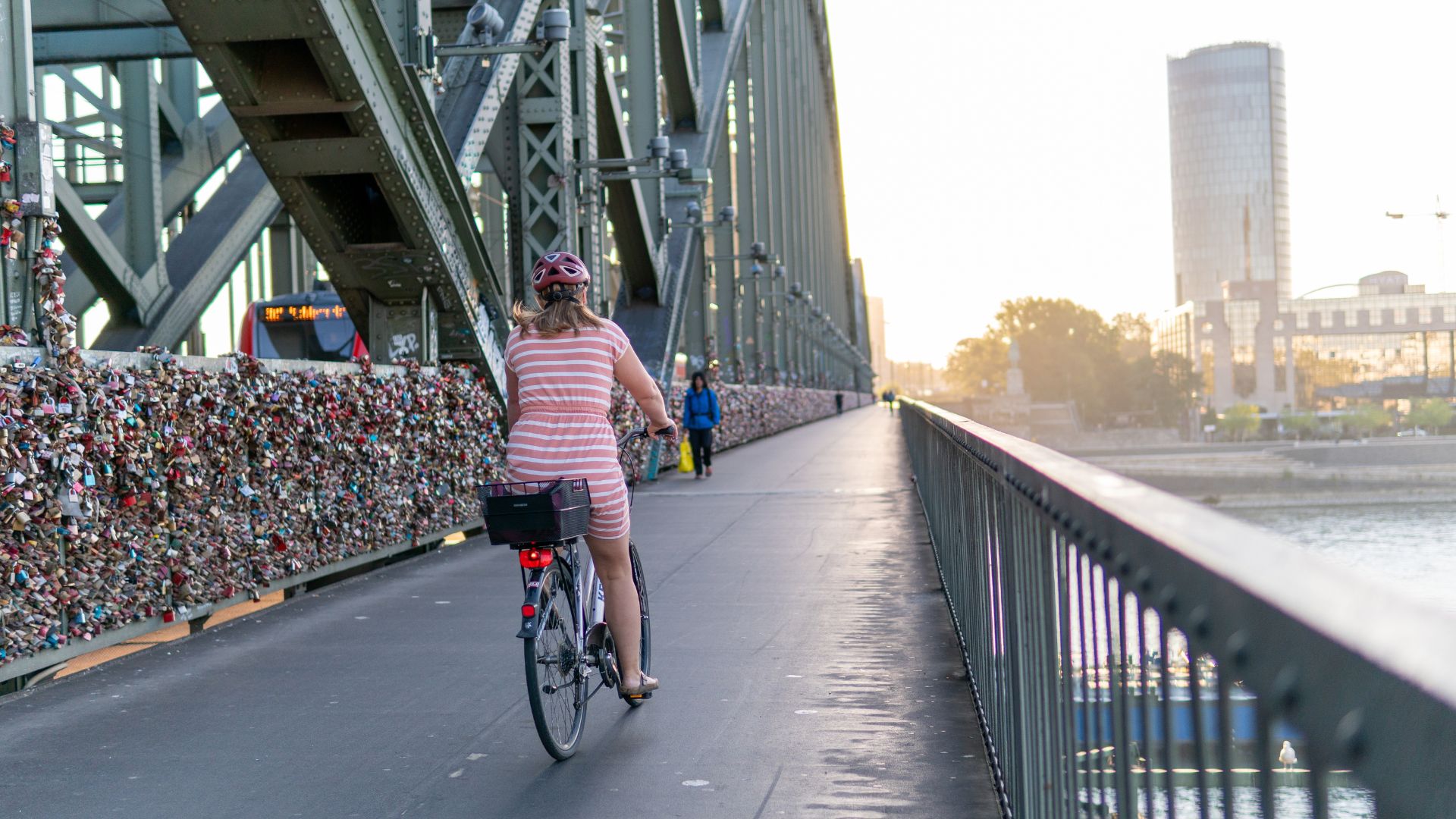
The Rhine Cycle Route is the most celebrated and most popular long-distance cycling route in Germany and one of the finest in all of Europe. Following the Rhine River from its Alpine source in Switzerland through Germany to the North Sea in the Netherlands, the German section alone covers over 800 kilometres of outstanding riverside cycling.
The route passes through some of the most historically significant and scenically spectacular landscapes in Germany. From the ancient Roman city of Cologne and the UNESCO Rhine Gorge to the Rheingau wine country and the dramatic Alsatian borderlands, the Rhine Cycle Route delivers constant variety and consistently outstanding scenery.
The Rhine Gorge section between Bingen and Koblenz is the undisputed highlight of the entire German Rhine cycling experience. Cycling through this UNESCO World Heritage landscape with medieval castles crowning every rocky ridge, terraced Riesling vineyards dropping to the riverbank, and the great river flowing powerfully beside the path is simply magnificent.
The route is almost entirely flat along both banks of the river, making it accessible to cyclists of all ages and abilities including families with children and older riders. Both the left and right banks offer well-maintained dedicated cycle paths, and taking different banks on the outward and return journeys provides completely fresh perspectives.
Highlights of the Rhine Cycle Route:
- Cycle the UNESCO Rhine Gorge section between Bingen and Koblenz past 40 medieval castles on the ridges above
- Stop at a Rheingau wine estate between Wiesbaden and Rüdesheim for a tasting of Germany’s finest Riesling wines
- Cycle through central Cologne with the Gothic cathedral twin spires rising above the Rhine waterfront ahead
- Cross the river by ferry between the two banks to experience the route from completely fresh perspectives
- Cycle the night before the Rhine in Flames festival for an extraordinary atmosphere in the decorated gorge villages
Distance and Difficulty: German section approximately 800 km. Mostly flat riverside path. Suitable for all abilities.
Best Season: May to October. September and October are the best for autumn colour and harvest festival atmosphere.
2. Elbe Cycle Path — Germany’s Most Popular Long-Distance Route
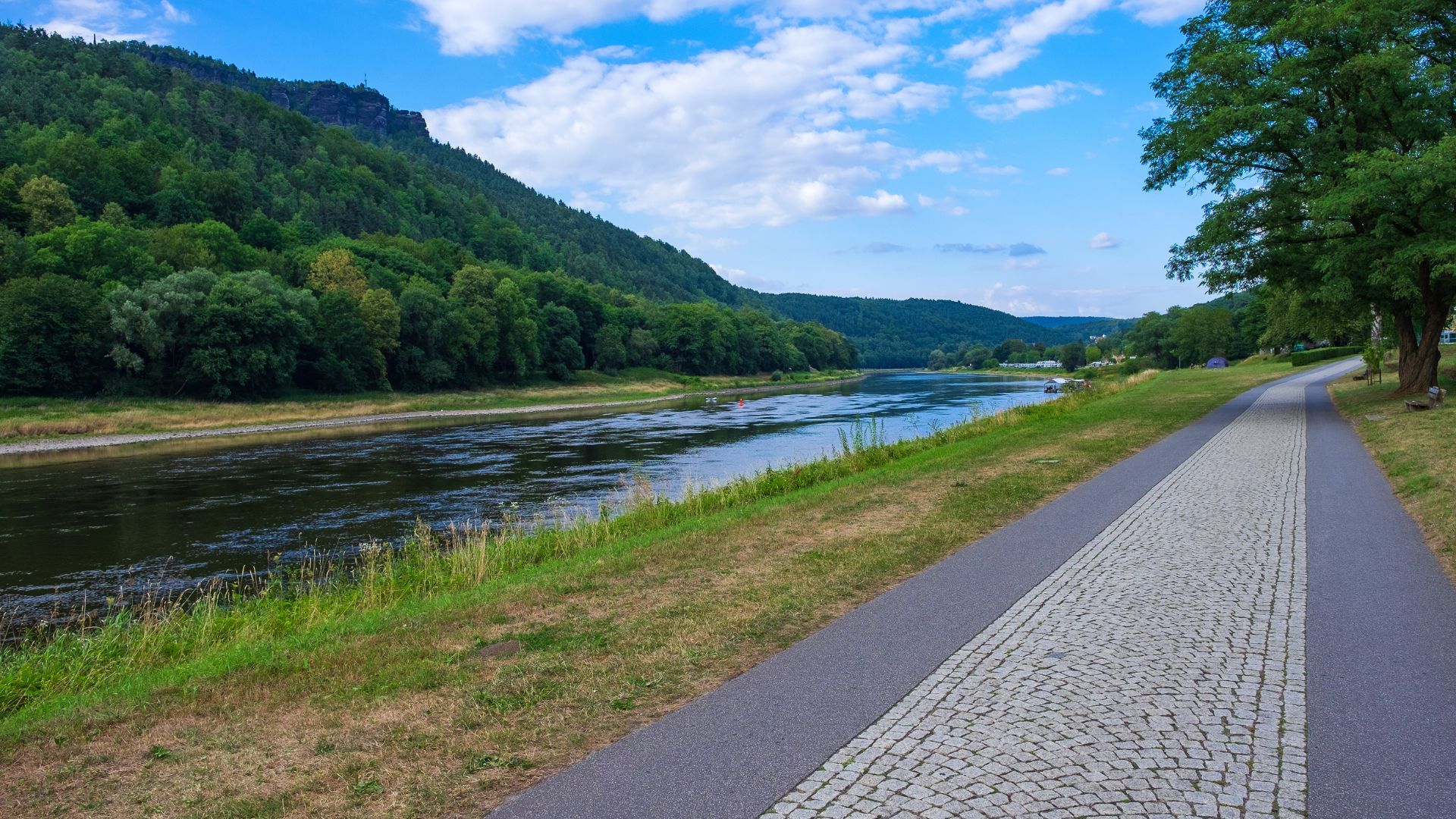
The Elbe Cycle Path from the Czech border through Saxony, Saxony-Anhalt, and Lower Saxony to Hamburg is Germany’s most popular long-distance cycling route and consistently ranks among the top five cycle touring routes in Europe. Its combination of UNESCO heritage landscapes, historic cities, and flat riverside terrain attracts over half a million cyclists annually.
The Saxon section between Dresden and Meissen is the most scenically dramatic part of the entire route. The Elbe cuts through the sandstone gorge of Saxon Switzerland National Park, and cycling beside the river with the extraordinary rock formations rising on both sides and the Bastei Bridge visible above creates an unforgettable opening to the journey.
Dresden provides the most magnificent urban cycling experience on the entire Elbe route. Cycling into the city along the riverside path with the famous Baroque skyline of the Frauenkirche, the Hofkirche, and the Semperoper gradually assembling itself above the Elbe waterfront is one of the great arriving-by-bicycle experiences in Germany.
The Saxony-Anhalt section passes through the heart of one of eastern Germany’s most historically rich regions. The UNESCO Dessau-Wörlitz Garden Realm, the Bauhaus buildings of Dessau, the Luther sites of Wittenberg, and the extraordinary Blue Band sky reflected in the broad Elbe create a cultural cycling journey of remarkable depth and variety.
Highlights of the Elbe Cycle Path:
- Cycle through Saxon Switzerland National Park beside the Elbe gorge with the extraordinary rock formations above
- Arrive in Dresden along the riverside path and watch the famous Baroque skyline assemble above the waterfront
- Explore the UNESCO Dessau-Wörlitz Garden Realm and the Bauhaus buildings of Dessau on a cultural cycling day
- Cycle through the Elbe meadows around Magdeburg and visit the free Gothic cathedral in the historic old town
- Arrive in Hamburg from the water by cycling the final dramatic stretch along the Elbe harbour waterfront
Distance and Difficulty: 1,091 km total, Czech border to Hamburg. Almost entirely flat. Suitable for all abilities.
Best Season: May to September. Late May offers the best combination of weather and manageable cycle path crowds.
3. Moselle Cycle Route — Germany’s Most Beautiful Wine Cycling Route
The Moselle Cycle Route between Perl on the Luxembourg border and Koblenz on the Rhine is one of the most beautiful and most enjoyable cycling routes in Germany. For 311 kilometres the route follows the Moselle River through its extraordinary landscape of steep vineyard terraces, medieval wine villages, and romantic castle ruins.
The route is almost entirely flat, following the river valley floor through its famous horseshoe bends. The Moselle’s extreme sinuosity means that cyclists constantly experience the sense of arriving at new and surprising river perspectives as the route loops back on itself through the dramatically curving valley landscape.
Cochem is the essential midpoint highlight of the Moselle cycling journey. The Reichsburg Castle rising 100 metres above the river bend provides the most photogenic and dramatic cycling arrival moment on the entire route, and the town’s half-timbered streets and excellent wine bars make it the perfect overnight cycling stop.
The tiny village of Beilstein, a short detour from the main route, is arguably the most perfectly preserved and most beautiful wine village on the entire Moselle. Leaning bicycles against the wall of its stepped market square and climbing to the ruined Metternich Castle above is one of those simple cycling pleasures that stay in the memory forever.
Highlights of the Moselle Cycle Route:
- Cycle into Cochem and look up at the Reichsburg Castle for the most dramatic cycling arrival moment on the route
- Detour to tiny Beilstein village and lean your bicycle against the wall of the stepped medieval market square
- Stop at family-run Riesling estates along the route for cycling-pace wine tasting on the terraced vineyard slopes
- Explore Trier and its extraordinary collection of Roman monuments on a dedicated cultural rest day
- Cycle the famous Bruttig-Fankel horseshoe bend for the most dramatic river loop view on the entire Moselle route
Distance and Difficulty: 311 km, Perl to Koblenz. Mostly flat with occasional gentle climbs. Suitable for most abilities.
Best Season: May to October. September and October for the harvest season and spectacular autumn vineyard colours.
4. Romantic Road Cycling Route — Bavaria’s Classic Cycling Journey
The Romantic Road cycling route between Würzburg in Franconia and Füssen in the Bavarian Alps is one of the most famous and most rewarding long-distance cycling journeys in Germany. For 460 kilometres it connects medieval fortified cities, Baroque pilgrimage churches, Renaissance market towns, and fairy-tale Alpine castles.
Würzburg is the magnificent northern starting point of the Romantic Road cycling journey. Its Baroque Residence palace, its hilltop Marienberg Fortress, and its famous Würzburg wine bars on the old bridge create an outstanding cultural launch point for what becomes one of Germany’s great cycling adventures through exceptional historical landscapes.
Rothenburg ob der Tauber at the midpoint of the route is the most perfectly preserved medieval walled city in Germany and the single most celebrated stop on the entire Romantic Road. Arriving by bicycle through the Rödertor gate and cycling the cobbled streets of this extraordinary time-capsule town is a genuinely magical experience.
The Bavarian section of the route between Augsburg and Füssen passes through the classic Allgäu foothills landscape of green meadows, onion-domed village churches, and increasingly dramatic Alpine views. The route becomes more challenging in this southern section but rewards cyclists with an ever-intensifying backdrop of Alpine grandeur.
Highlights of the Romantic Road Cycling Route:
- Start in Würzburg and cycle out over the old bridge with views up to the Marienberg Fortress above the river
- Arrive in Rothenburg ob der Tauber through the medieval gate and cycle the cobbled lanes of the walled city
- Cycle through the Allgäu foothills with increasingly dramatic Alpine views developing on the southern horizon
- Arrive at Neuschwanstein Castle by bicycle for the most satisfying finishing moment on any German cycling route
- Stop in the small Franconian market towns between Würzburg and Rothenburg for the most authentic route experiences
Distance and Difficulty: 460 km, Würzburg to Füssen. Mostly gentle terrain with some moderate climbs in the south.
Best Season: May to September. Late summer offers the best combination of warm weather and Alpine visibility.
5. Danube Cycle Path — Bavaria’s River Cycling Classic
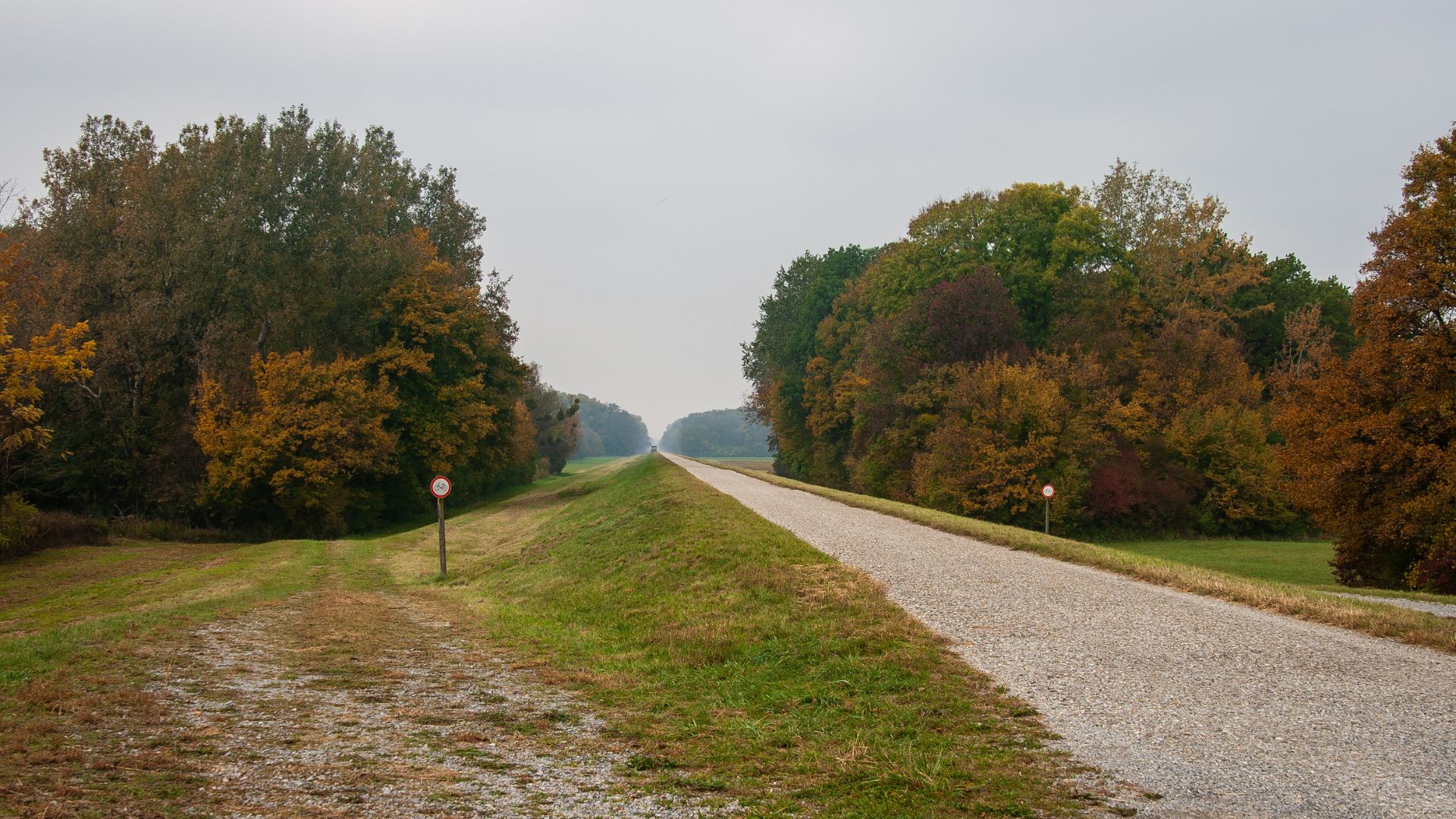
The Danube Cycle Path through Bavaria between Donaueschingen in the Black Forest and Passau on the Austrian border is one of the most consistently enjoyable and scenically rewarding cycling routes in southern Germany. For 365 kilometres the route follows Europe’s second-longest river through a landscape of historic monastery towns, medieval market cities, and riverside nature reserves.
Ulm at the midpoint of the Bavarian Danube route provides the most dramatic urban cycling experience on the entire path. The soaring spire of Ulm Minster, the tallest church spire in the world at 162 metres, rises above the Danube waterfront as cyclists approach along the riverside path in a moment of considerable architectural impact.
The UNESCO Danube river valley between Regensburg and Passau is the most scenically beautiful and historically rich section of the entire Bavarian route. The river cuts through a dramatic gorge of limestone cliffs between Weltenburg and Kelheim, and the Weltenburg Abbey on the riverside is one of the most beautifully situated monastic buildings in Germany.
Regensburg provides the finest overnight cycling stop on the entire Bavarian Danube route. Its UNESCO old town, its Stone Bridge across the Danube, its Gothic cathedral, and its famous 12th-century Wurstkuchl sausage kitchen on the riverbank create a historic city of extraordinary cycling destination quality.
Highlights of the Danube Cycle Path:
- Approach Ulm by riverside path and watch the record-breaking 162-metre Minster spire rise above the Danube
- Cycle the dramatic Weltenburg Gorge section and visit the beautifully situated Weltenburg Abbey on the riverside
- Stop in Regensburg for the finest city cycling experience on the route including the 12th-century Wurstkuchl
- Cycle through the UNESCO Regensburg to Passau section for the most scenically dramatic final stage of the route
- Arrive in Passau at the three-river confluence for one of Germany’s most spectacular cycling journey conclusions
Distance and Difficulty: 365 km in Germany, Donaueschingen to Passau. Mostly flat riverside paths. Suitable for all abilities.
Best Season: May to September. June and July offer the best combination of long daylight hours and reliable weather.
6. Baltic Sea Cycle Route — Coastal Cycling Along the German North
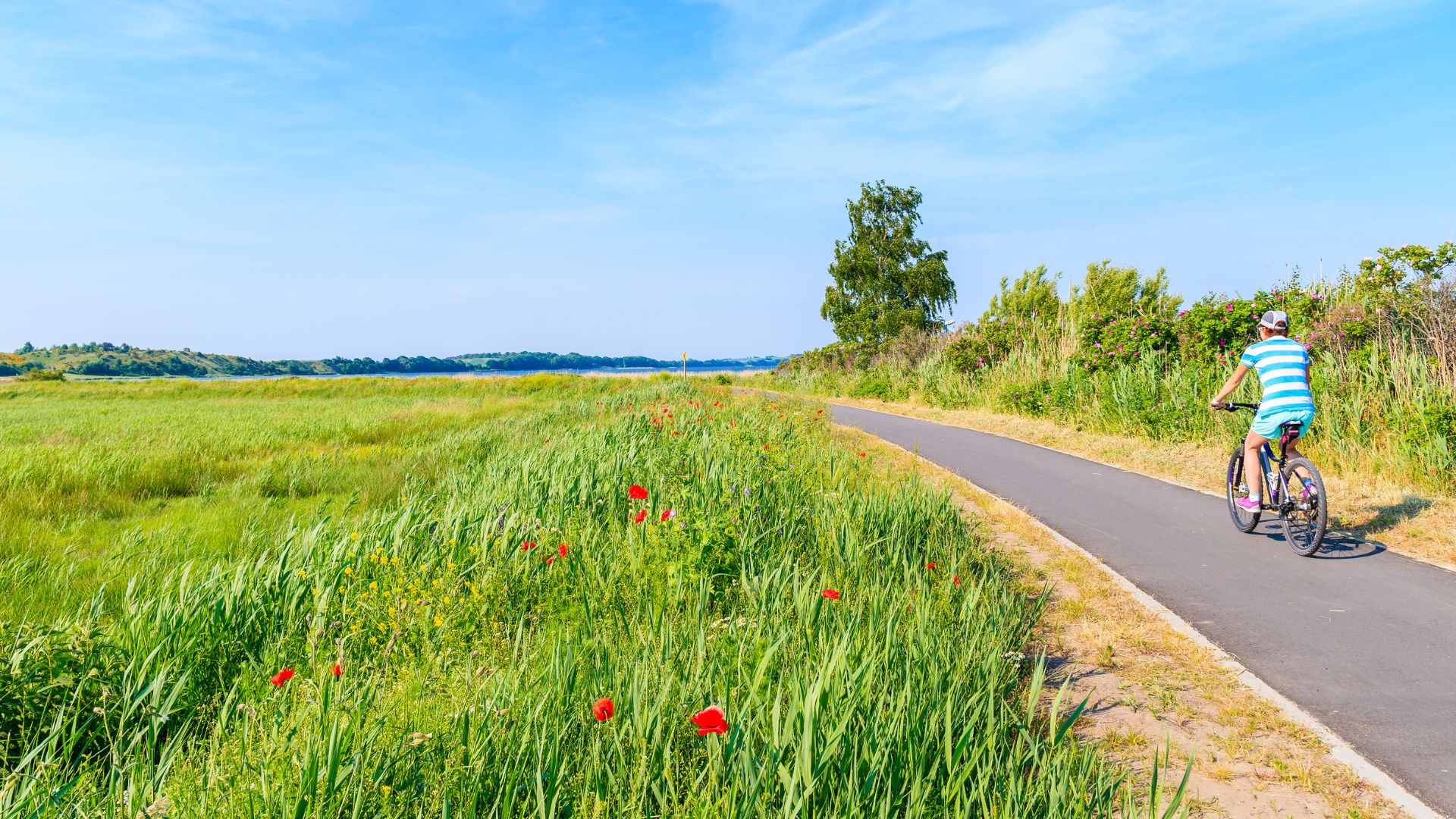
The Baltic Sea Cycle Route along Germany’s Mecklenburg-Vorpommern coast is one of the finest and most scenically varied coastal cycling routes in northern Europe. For 630 kilometres the route traces the German Baltic coastline through beach resort towns, chalk cliff national parks, island ferry crossings, and Hanseatic heritage cities.
The chalk cliff section along the Jasmund National Park coast of Rügen Island is the most dramatically beautiful part of the entire Baltic cycle route. Cycling through the ancient Stubnitz beech forest above the white chalk cliffs with the Baltic Sea visible through the trees below creates a natural cycling experience of rare and genuine beauty.
The historic Hanseatic cities of Stralsund, Greifswald, and Rostock provide outstanding cultural cycling stops along the coastal route. Each city has its own distinct Brick Gothic character, its own harbour atmosphere, and its own collection of beautifully preserved medieval buildings that reward careful cycling exploration at a leisurely pace.
The island sections of the Baltic coast route require short ferry crossings to Rügen and Usedom, adding a nautical adventure dimension to the predominantly land-based cycling journey. These ferry crossings also provide excellent opportunities to rest tired legs and enjoy the Baltic Sea views from the water between coastal cycling stages.
Highlights of the Baltic Sea Cycle Route:
- Cycle through the Stubnitz beech forest above the Rügen chalk cliffs for the most dramatic Baltic coastal scenery
- Explore the UNESCO Brick Gothic old towns of Stralsund and Greifswald on dedicated cultural cycling rest days
- Take the ferry to Rügen and Usedom and add nautical adventure to the predominantly coastal cycling journey
- Cycle the Darß peninsula through its ancient wind-shaped forest to the wild and unspoiled northern Baltic beach
- Finish the eastern route on the Usedom promenade cycling between the Three Kaiserbäder imperial spa resort towns
Distance and Difficulty: 630 km along German Baltic coast. Mostly flat with some gentle coastal undulations. Suitable for most abilities.
Best Season: June to September. July and August offer the warmest Baltic swimming conditions alongside cycling.
7. Weser Cycle Route — The Fairy Tale Road on Two Wheels
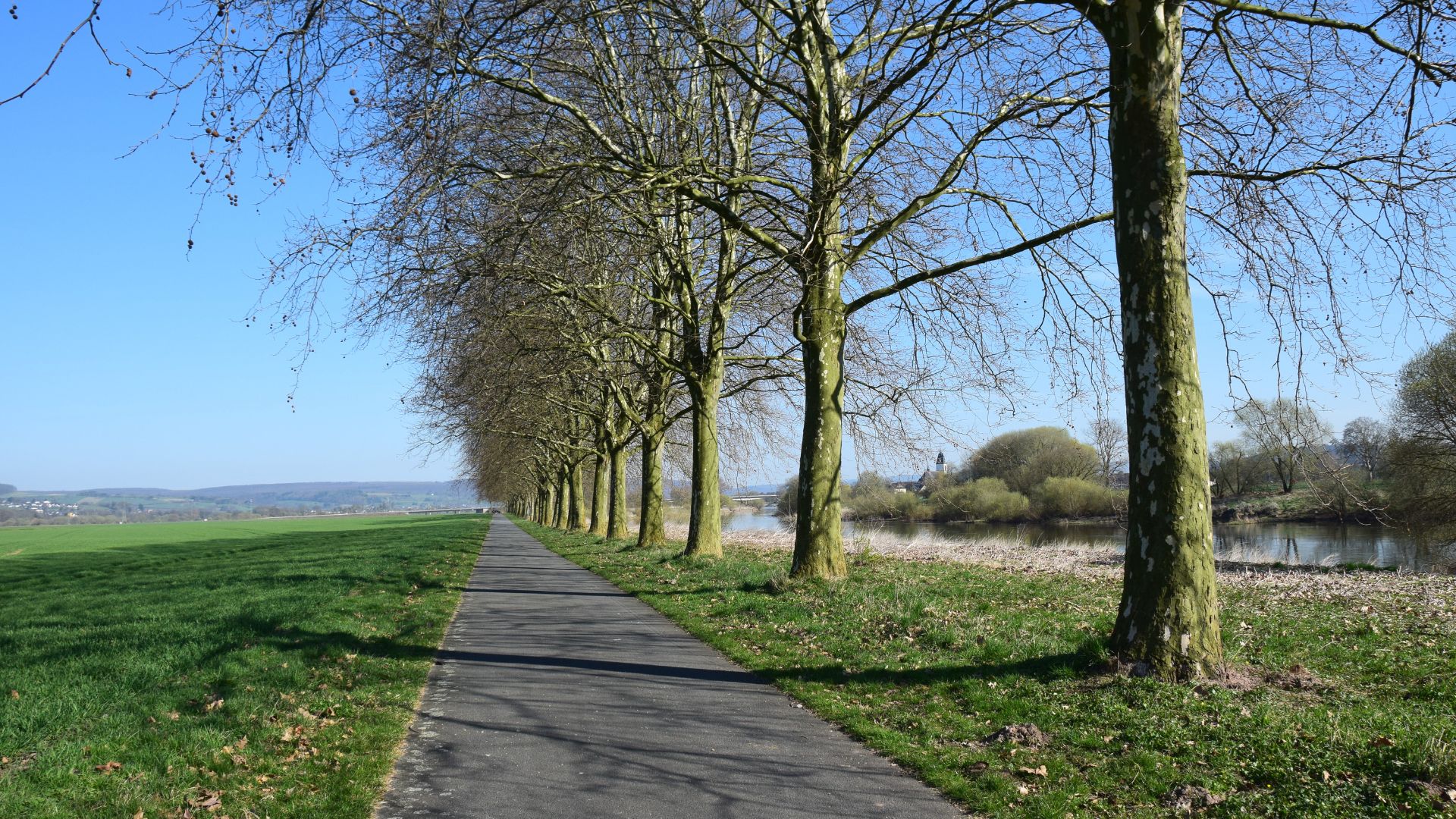
The Weser Cycle Route from Hannoversch Münden to Bremen follows the Weser River through the heart of the German Fairy Tale Road, connecting towns directly associated with the Brothers Grimm stories through 500 kilometres of wooded valley, medieval market towns, and the distinctive Weser Renaissance architectural landscape.
Hamelin is the most famous and most engaging stop on the entire Weser cycling route. The beautifully preserved Weser Renaissance old town, the Pied Piper story brought to life in street performances and museum exhibits, and the excellent riverside cycling infrastructure make Hamelin one of the finest cycling destination towns in Lower Saxony.
The Weser Renaissance architecture visible throughout the route towns is one of its great collective aesthetic pleasures. The elaborately ornamented stone facades, decorated gables, and intricate carved details of the town halls, merchant houses, and guild buildings in Hamelin, Bad Pyrmont, and Höxter create a uniquely consistent architectural character.
The Porta Westfalica gorge section where the Weser cuts through the narrow gap between two hill ranges is the most dramatically scenic part of the entire cycling route. Cycling through this natural gateway with the Kaiser Wilhelm Monument visible on the clifftop above creates a genuinely impressive and memorable cycling moment.
Highlights of the Weser Cycle Route:
- Cycle into Hamelin and follow the Pied Piper route through the beautifully preserved Weser Renaissance old town
- Pass through the Porta Westfalica gorge beneath the Kaiser Wilhelm Monument on the clifftop above the river
- Visit the extraordinary Wasserstraßenkreuz canal aqueduct crossing directly above the Weser River at Minden
- Stop at Bodenwerder and visit the Munchausen Museum dedicated to the legendary teller of impossible stories
- Arrive in Bremen along the Weser waterfront and explore the magnificent Gothic Rathaus and Roland statue
Distance and Difficulty: 500 km, Hannoversch Münden to Bremen. Mostly flat riverside terrain. Suitable for all abilities.
Best Season: May to September. Late spring offers the best combination of fresh green landscapes and manageable weather.
8. Inn Cycle Route — Alpine Rivers and Austrian Border Cycling
The Inn Cycle Route from Innsbruck in Austria through the Bavarian Alps to Passau where the Inn joins the Danube is one of the most scenically dramatic and geographically varied cycling routes available to cyclists visiting southern Germany. The 230-kilometre German section alone delivers outstanding Alpine river cycling of the highest quality.
The route enters Germany from Austria at Kiefersfelden and immediately delivers one of the most dramatic Alpine river valley cycling experiences in the country. The Inn cuts through a narrow gorge between steep limestone cliffs and forested mountain slopes, and cycling beside its powerful blue-green Alpine waters in this dramatic confined valley is extraordinary.
Rosenheim provides the first major German city on the Inn route and an excellent cultural cycling stop with a beautifully preserved old town centre, excellent Bavarian restaurants, and superb cycling infrastructure. The transition from the tight Alpine gorge cycling to the broader Inn plain around Rosenheim provides welcome scenic variety.
The route between Mühldorf and Simbach passes through a quieter and more rural section of the Bavarian Inn Valley that sees far fewer touring cyclists than the more celebrated Danube route to the north. This relative solitude and the authentic agricultural Bavarian landscape make this section particularly rewarding for cyclists seeking genuine off-the-beaten-path experiences.
Highlights of the Inn Cycle Route:
- Enter Germany from Austria and cycle through the dramatic Inn gorge between limestone cliffs and forested slopes
- Stop in Rosenheim for a cultural rest and explore the beautifully preserved old town centre and market square
- Cycle the quiet rural section between Mühldorf and Simbach for the most authentic and solitary Inn Valley experience
- Cross into Austria and visit the extraordinary Baroque Silberzeile market square in the town of Schärding
- Arrive in Passau at the three-river confluence for the most geographically satisfying cycling journey conclusion
Distance and Difficulty: 230 km in Germany from Kiefersfelden to Passau. Some moderate climbs in the Alpine section.
Best Season: May to September. June and July offer the best Alpine river levels and most reliable weather conditions.
9. Spreewald Cycle Network — Brandenburg’s Waterway Cycling Paradise
The Spreewald cycling network around Lübbenau and Lübben in Brandenburg is one of Germany’s most unique and most enjoyable cycling environments. Over 300 kilometres of flat, well-marked cycling paths thread through the UNESCO Biosphere Reserve landscape of ancient waterway channels, alder forest, and traditional Sorbian villages.
The network’s completely flat terrain and its entirely traffic-free character make it the most accessible and family-friendly cycling environment in eastern Germany. Parents with young children, older cyclists, and complete beginners can all explore the Spreewald cycling network comfortably and confidently from the first pedal stroke.
The cycling paths frequently run directly alongside the Spreewald waterway channels, creating a uniquely intimate relationship between the cycling route and the water landscape. Pedalling slowly through the alder forest with the dark channel water visible through the trees and kingfishers flashing across the path ahead is a cycling experience of genuine natural magic.
The traditional Sorbian villages connected by the cycling network each have their own character and their own particular appeal. Lehde, just a short cycle from Lübbenau, is perhaps the most picturesque, an open-air museum village of traditional Sorbian farmsteads set on a small island surrounded by waterway channels on all sides.
Highlights of the Spreewald Cycle Network:
- Cycle from Lübbenau to Lehde through the ancient alder forest along the waterway channel cycling paths
- Combine cycling with a Kahn punt boat ride and load the bicycle aboard for the narrowest channel sections
- Explore the Sorbian open-air museum village of Lehde and discover the traditional island farmstead architecture
- Cycle the network in autumn when the alder trees reflect their gold and amber colours in the dark channels below
- Buy locally produced Spreewald gherkins from farm stalls along the cycling route for the perfect cycling snack
Distance and Difficulty: 300+ km of flat paths. Entirely flat and traffic-free. Suitable for all abilities including beginners.
Best Season: May to October. Autumn is particularly beautiful for the exceptional forest colour along the waterway paths.
10. Black Forest Cycle Route — Germany’s Most Challenging Classic
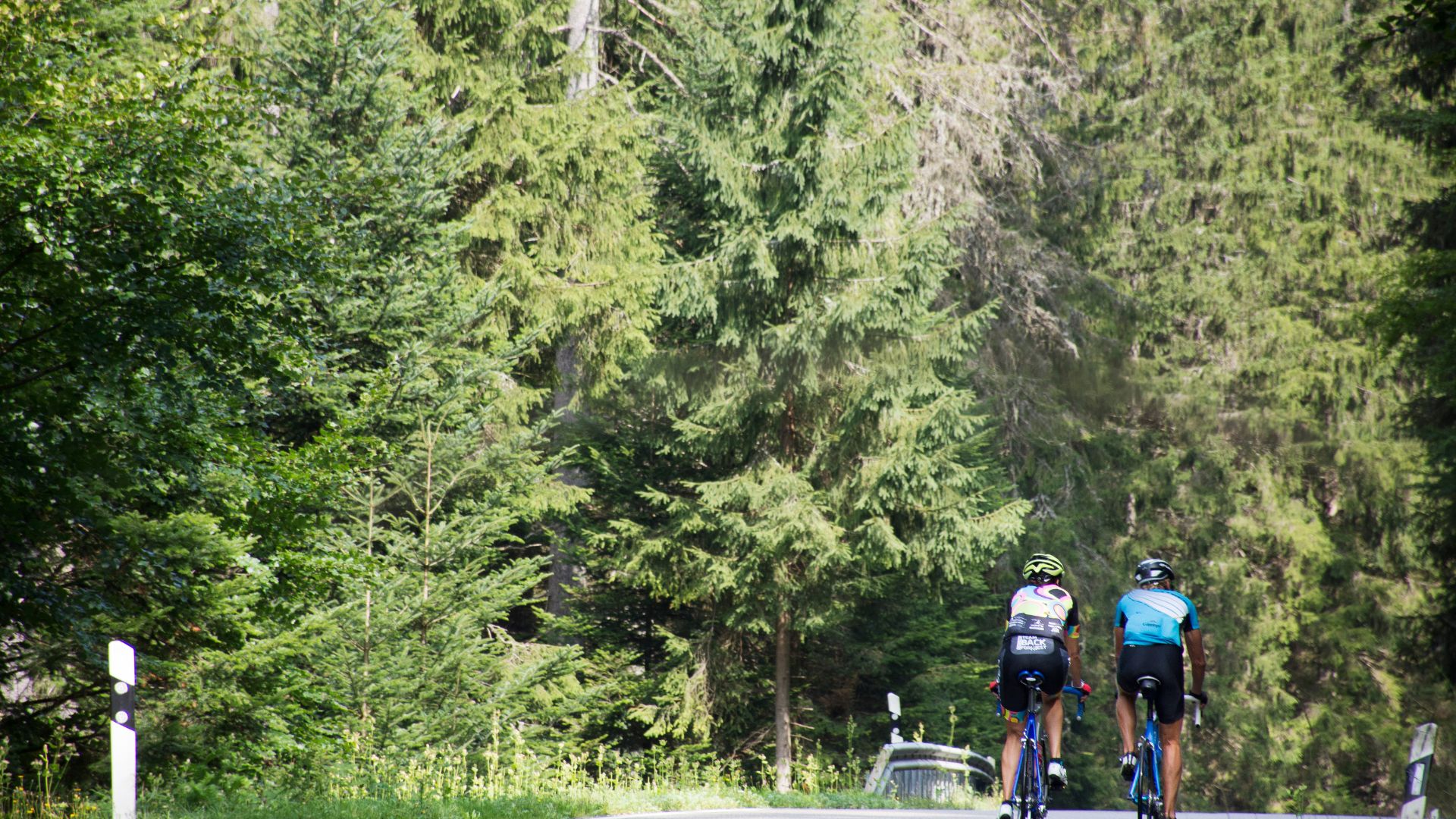
The Black Forest Cycle Route through Baden-Württemberg is Germany’s most celebrated challenging cycling route, combining the dense fir forests, panoramic ridge roads, dramatic river gorges, and elegant spa towns of one of Germany’s most iconic natural landscapes into a cycling journey of 400 kilometres of outstanding but demanding terrain.
The Schwarzwaldhochstrasse, the Black Forest High Road running along the main ridge between Baden-Baden and Freudenstadt, is the most panoramic and most challenging section of the entire route. Cycling this ridge road at altitude with views stretching across the Rhine Valley to the Vosges Mountains in France on clear days is a uniquely exhilarating experience.
Baden-Baden provides the most elegant and culturally rich starting point for any Black Forest cycling journey. Its magnificent thermal baths, its grand Kurhaus casino, its Lichtentaler Allee promenade, and its transition point between the flat Rhine Valley plain and the steep Black Forest ridge create a perfect cycling departure atmosphere.
The descent from the Black Forest ridge into the river valleys on either side provides some of the finest and most exhilarating cycling descents in Germany. The Kinzig Valley, the Gutach Valley, and the Wutach Gorge all provide dramatically different descent routes through the forest from the high ridge roads.
Highlights of the Black Forest Cycle Route:
- Cycle the Schwarzwaldhochstrasse ridge road for panoramic views over the Rhine Valley and into France beyond
- Descend the spectacular Wutach Gorge through dense forest for one of Germany’s most exciting cycling descents
- Stop in Baden-Baden and take the thermal baths at the Friedrichsbad as a perfect cycling muscle recovery experience
- Ride the dedicated mountain bike trails on the Schauinsland mountain above Freiburg for outstanding off-road cycling
- Arrive in Freiburg for the most culturally satisfying conclusion to any major Black Forest cycling journey
Distance and Difficulty: 400 km with significant climbs throughout. Challenging route recommended for experienced cyclists. Best Season: June to September. Higher altitude sections may have snow until May and after October.
11. Altmühl Valley Cycle Path — Bavaria’s Hidden Cycling Gem
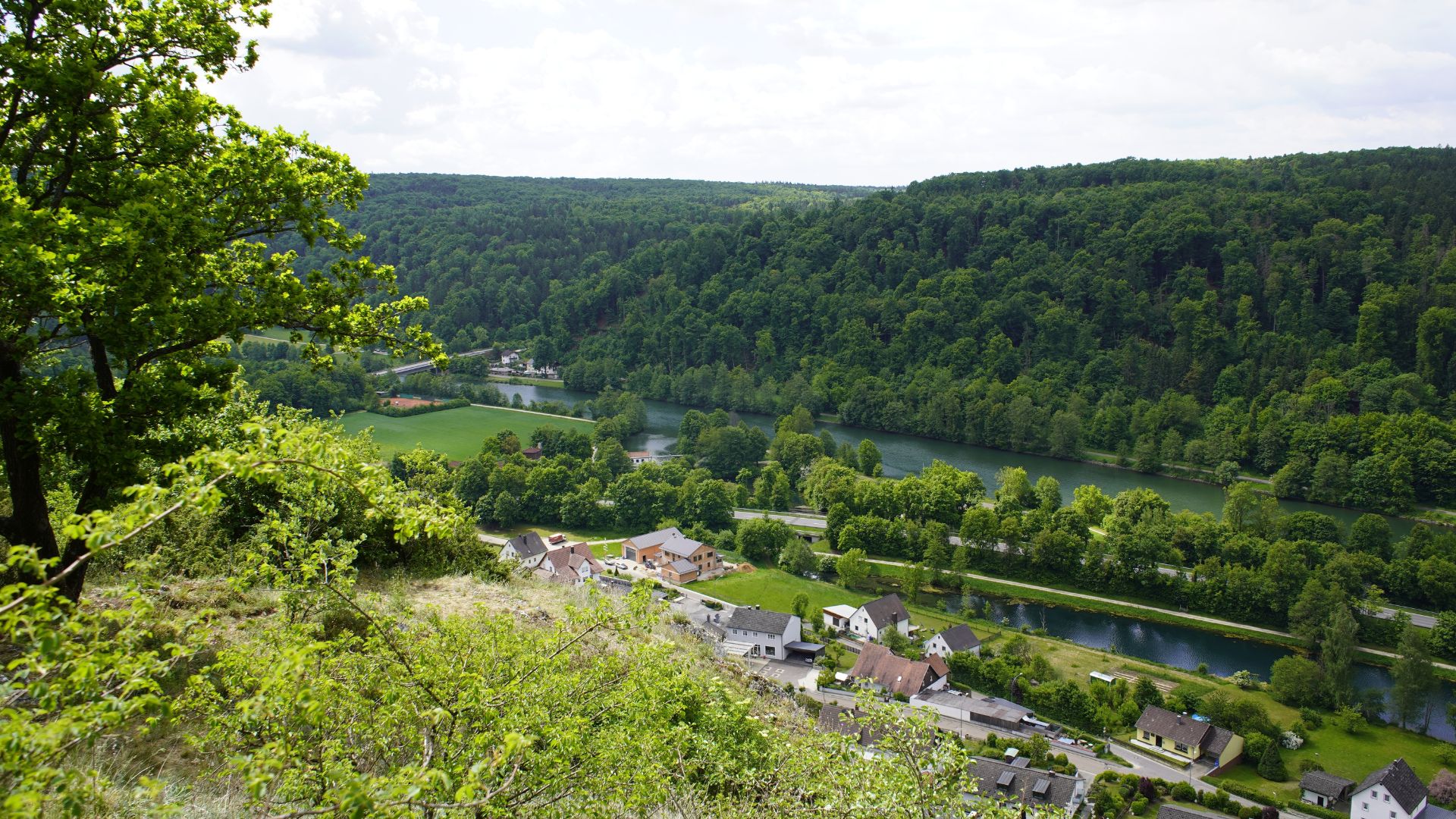
The Altmühl Valley Cycle Path through the Altmühltal Nature Park in Bavaria is one of Germany’s finest and most accessible medium-distance cycling routes. For 160 kilometres between Rothenburg ob der Tauber and Kelheim the route follows a gentle river valley through a landscape of limestone cliffs, medieval castles, and ancient market towns.
The Altmühl River itself is a small, calm, and crystal-clear stream that flows almost imperceptibly slowly through its wide prehistoric valley floor. Cycling beside this gentle river through flower-rich meadows, past limestone outcrops, and beneath enormous castle ruins creates a cycling experience of quite exceptional pastoral beauty.
Eichstätt is the most architecturally outstanding town on the entire Altmühl Valley cycling route. Its baroque cathedral city centre, its perfectly preserved bishop’s residence, and its university buildings create a compact baroque townscape of considerable sophistication that rewards a dedicated rest day of cycling-free exploration.
The limestone formations of the Altmühltal are world-famous in geological circles as the source of the finest Jurassic limestone fossils in the world. The quarries and geological museum at Solnhofen along the cycling route display extraordinary fossil specimens including Archaeopteryx impressions of international scientific significance.
Highlights of the Altmühl Valley Cycle Path:
- Cycle the peaceful valley floor beside the crystal-clear Altmühl River through flower-rich limestone meadows
- Explore the Baroque cathedral city of Eichstätt and its beautifully preserved bishop’s residence on a rest day
- Visit the Solnhofen fossil museum to see the extraordinary Jurassic limestone fossils including Archaeopteryx
- Cycle beneath the dramatic limestone cliff formations and medieval castle ruins throughout the valley landscape
- Conclude the route at Kelheim and climb to the Liberation Hall monument for panoramic views over the Danube
Distance and Difficulty: 160 km, Rothenburg to Kelheim. Mostly flat and gentle. Suitable for all abilities including families.
Best Season: May to September. Late spring offers the finest wildflower meadow scenery along the valley floor.
12. Main Cycle Route — Franconian Wine Country Cycling
The Main Cycle Route from the river’s source in the Fichtelgebirge mountains to its confluence with the Rhine at Mainz covers 600 kilometres through the heart of Franconian wine country, historic cathedral cities, and the finest medieval landscapes in central Germany in an outstanding long-distance cycling journey.
Bamberg on the Main provides the finest and most rewarding single urban cycling destination on the entire route. Its UNESCO old town, its nine historic breweries producing unique Rauchbier smoked beer, its Klein Venedig canal quarter, and its Cathedral Square create a cycling city destination of quite extraordinary cultural richness.
The Franconian wine country between Würzburg and Aschaffenburg produces excellent white wines in an immediately distinctive round-bottomed Bocksbeutel bottle unlike any other German wine vessel. Cycling past the famous Stein vineyard above Würzburg and stopping at riverside estate wineries for Silvaner and Müller-Thurgau tastings is a recurring and deeply enjoyable Main cycle pleasure.
Highlights of the Main Cycle Route:
- Spend a full rest day in Bamberg exploring its UNESCO old town, nine breweries, and the Klein Venedig canal quarter
- Stop at the Würzburg Stein vineyard above the river and taste the finest Franconian wines at a riverside estate
- Explore the medieval market square of Miltenberg and visit the ancient Gasthaus, reportedly Germany’s oldest hotel
- Cycle the Aschaffenburg section beneath the magnificent Johannisburg Renaissance Palace above the Main River
- Complete the route at the Rhine confluence at Mainz for a satisfying Main-to-Rhine cycling journey conclusion
Distance and Difficulty: 600 km total. Mostly gentle riverside cycling with some moderate sections. Suitable for most abilities.
Best Season: May to October. September and October for the spectacular Franconian autumn wine harvest atmosphere.
13. Harz Mountain Cycling — Northern Germany’s Greatest Cycling Challenge
The Harz Mountains in Saxony-Anhalt provide the finest and most challenging mountain cycling terrain in northern Germany. The UNESCO Harz region offers a comprehensive network of cycling routes ranging from gentle valley paths between the historic mining towns to demanding mountain climbs through ancient spruce and beech forest landscapes.
The Brocken mountain at 1,141 metres is the ultimate cycling challenge of the entire Harz region. The Brocken cycling route, climbing from Wernigerode through increasingly wild and atmospheric mountain forest to the famous summit plateau, is one of the most rewarding and demanding cycling ascents available north of the German Alps.
Wernigerode provides the finest base for Harz mountain cycling exploration. Its colourful half-timbered old town, its magnificent hilltop castle, its excellent cycling infrastructure, and its position at the foot of the Brocken cycling route combine to create the most perfectly situated and most enjoyable Harz cycling hub town.
The Selketal Valley in the southern Harz offers gentler and more accessible cycling through a beautifully wooded river valley with the historic Selketal narrow-gauge steam railway running alongside. Cycling beside the steam trains as they puff through the forest creates a delightfully atmospheric cycling companionship unique to this part of the Harz.
Highlights of the Harz Mountain Cycling:
- Climb the Brocken mountain from Wernigerode for the most demanding and most rewarding Harz cycling achievement
- Cycle the Selketal Valley beside the historic narrow-gauge steam railway through the beautifully wooded southern Harz
- Explore the colourful half-timbered old town of Wernigerode and visit its hilltop castle on a cultural rest day
- Cycle between the UNESCO mining heritage sites of Goslar and the Rammelsberg Mine on a dedicated cultural route
- Download the comprehensive Harz cycling network maps for the best range of route options across the entire region
Distance and Difficulty: Various routes from 20 to 200+ km. A mix of easy valleys and very challenging mountain climbs.
Best Season: May to October. Summer offers the longest daylight hours for the demanding higher altitude routes.
14. Lake Constance Cycle Route — Germany’s Most International Cycling Route
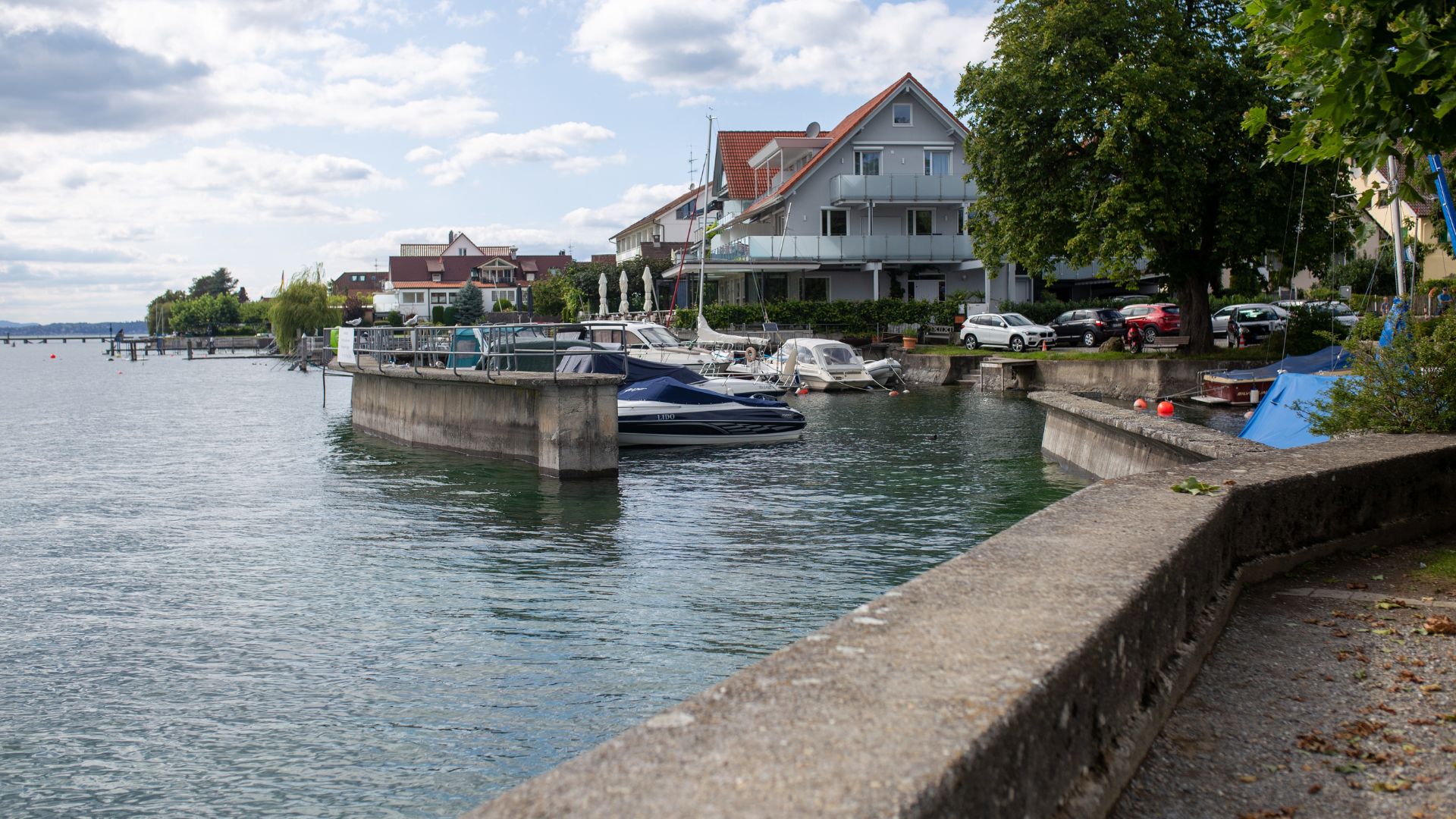
The Lake Constance Cycle Route circling the entire Bodensee through Germany, Austria, and Switzerland is one of the most popular and most internationally celebrated cycling routes in Europe. The 270-kilometre circuit crosses three national borders while delivering consistently outstanding lake scenery, Alpine backdrop views, and cultural variety.
The German section of the circuit between Konstanz and Lindau delivers the finest combination of lake scenery and cultural destinations on the entire three-country route. Cycling past the flower island of Mainau, through the vineyard landscapes above Meersburg, and along the palm-tree-lined promenades of the Bodensee shore creates a cycling experience of Mediterranean-like warmth.
Meersburg, on its steep lakeside slope, provides the most dramatically situated and most beautiful cycling stop on the German section of the route. Parking the bicycle at the harbour and climbing through the medieval wine village to the ancient Altes Schloss castle provides a welcome and rewarding leg-stretching diversion from the main circuit path.
The Austrian section between Bregenz and Rorschach in Switzerland delivers outstanding Alpine backdrop cycling with the snow-capped peaks of the Austrian and Swiss Alps reflected in the still lake water. The Bregenz festival backdrop and the Rhine delta nature reserve between the Austrian and Swiss sections add exceptional cultural and natural variety.
Highlights of the Lake Constance Cycle Route:
- Cycle past the tropical flower island of Mainau and stop to admire the extraordinary lakeside botanical gardens
- Visit Meersburg’s medieval Altes Schloss castle and enjoy the vine-covered hillside setting above the Bodensee
- Cross into Austria at Bregenz and cycle the Rhine delta nature reserve between the Austrian and Swiss sections
- Arrive at Lindau island town across the causeway, with the Alps reflected in the lake behind the lighthouse
- Complete the three-country circuit and celebrate cycling through Germany, Austria, and Switzerland in a single route
Distance and Difficulty: 270 km total circuit. Almost entirely flat lakeside paths. Suitable for all abilities including families.
Best Season: May to September. June and July offer the warmest conditions and the best Alpine panorama visibility.
15. Rügen Island Cycling — Baltic Island Cycling Paradise
Rügen Island off the Mecklenburg coast provides Germany’s finest island cycling experience, combining chalk cliffs, ancient beech forests, Baltic beach resorts, and the extraordinary landscape variety of Germany’s largest island into a comprehensive and deeply enjoyable cycling destination of several days duration.
The cycling route from Binz to Cape Arkona along the eastern coast and across the island’s northern tip covers the most scenically varied and most rewarding section of the entire Rügen cycling network. The route passes through the resort towns, the Jasmund National Park forest, and the Cape Arkona lighthouse landscape in a single outstanding day.
Jasmund National Park cycling through the Stubnitz beech forest to the chalk cliff viewpoints is one of the most beautiful and atmospheric cycling experiences on any German island. The ancient forest canopy, the forest floor carpeted in wild garlic and wood anemones in spring, and the Baltic views through the trees create an exceptional natural cycling environment.
The flat terrain of the western Rügen peninsula between Putbus and the Schaprode ferry port is the most accessible and most family-friendly cycling section on the island. The elegant Neoclassical planned town of Putbus with its theatrical circular market square and ornamental park provides an outstanding and unexpected cultural cycling stop.
Highlights of Rügen Island Cycling:
- Cycle from Binz to Cape Arkona along the eastern coast and through the national park in a single outstanding day
- Ride through the Stubnitz beech forest in Jasmund National Park to the chalk cliff viewpoints above the Baltic
- Explore the Neoclassical town of Putbus and its theatrical circular market square on a western Rügen cycling day
- Load the bicycle onto the Rasender Roland steam train for a nostalgic and practical inter-resort transport option
- Cycle the northern tip of the island from Cape Arkona to the Schaprode ferry for the most remote Rügen cycling
Distance and Difficulty: 200+ km of island cycling routes. Mostly flat with some gentle coastal gradients. Suitable for most abilities.
Best Season: May to September. June and July offer the warmest Baltic weather for beach cycling combination holidays.
Practical Travel Tips for Cycling in Germany
Cycling through Germany offers a unique way to explore its scenic landscapes, charming towns, and cultural landmarks. Practical travel tips help riders plan routes, choose suitable bikes, and navigate roads safely.
From packing essentials and preparing for weather changes to finding bike-friendly accommodations and local regulations, these tips guide travelers for a smooth cycling experience. Following them ensures enjoyable, safe, and memorable adventures across Germany’s diverse terrain.
| Category | Details |
| Best Travel Pass | Deutschlandticket at €49/month covers regional trains where bicycles are permitted in dedicated cycle carriages |
| Bike on Trains | Bicycles require a separate Fahrradkarte ticket on most German trains. Book cycle spaces in advance on busy routes |
| Bike Hire | ADFC-affiliated hire stations exist in most German cities and along major cycling routes with quality touring bikes |
| Navigation | Use Komoot or Outdooractive apps for the most comprehensive and reliable German cycling route navigation available |
| Accommodation | Bett und Bike certified accommodation network guarantees cyclist-friendly facilities including secure overnight bike storage |
| Best Maps | ADFC regional cycling maps at 1:150,000 scale are the gold standard for German long-distance cycling route planning |
Frequently Asked Questions
Q: What is the most popular cycling route in Germany? The Elbe Cycle Path is Germany’s most popular long-distance cycling route, attracting over half a million cyclists annually. The Rhine Cycle Route through the UNESCO gorge is the most famous and most celebrated scenic cycling route in Germany and one of the most iconic in all of Europe.
Q: Are German cycling routes suitable for beginners? Yes absolutely. The Rhine, Elbe, Moselle, Danube, Lake Constance, and Spreewald routes are almost entirely flat and suitable for cyclists of all abilities. The Black Forest and Harz Mountain routes are significantly more challenging and are better suited to experienced cyclists with good fitness levels.
Q: Can I take my bicycle on German trains? Yes, bicycles are permitted on most German regional trains with a separate Fahrradkarte bicycle ticket. ICE high-speed trains have limited cycle spaces that must be booked in advance. The Deutschlandticket covers passenger travel but a separate bicycle ticket is always required in addition.
Q: What is the best time of year for cycling in Germany? May to September offers the best cycling conditions across Germany. September and October provide outstanding autumn colour on the Rhine, Moselle, and Main routes during the wine harvest season. Summer offers the longest daylight hours for multi-day long-distance cycling route completion.
Wrapping Up Unforgettable Cycling Experiences in Germany
Germany’s cycling routes represent some of the finest two-wheeled travel experiences available anywhere in Europe. From the grand UNESCO spectacle of the Rhine Gorge to the intimate silence of the Spreewald forest channels, each route delivers a completely distinct and deeply rewarding way of experiencing this extraordinary country at the perfect human pace.
The diversity of Germany’s cycling landscape is its greatest strength. A single cycling holiday in Germany can combine medieval walled cities, Baroque palace gardens, ancient beech forests, terraced wine vineyards, Alpine river gorges, and Baltic coastal heaths in a journey of constantly changing and consistently outstanding natural and cultural scenery.
The best cycling routes in Germany share one essential quality: they reveal the country at a pace and proximity that no other form of travel can replicate. Cycling through a German landscape creates a personal and physical connection with the countryside, its history, and its people that remains long after the journey is completed and the bicycle is returned.
Hi, I’m Preeti Negi, a content writer who loves mixing creativity with smart strategy.
I have 3 years of experience writing about travel, digital marketing, and study abroad topics. I create content that is easy to read, engaging, and designed to connect with people while also performing well on Google.
When I’m not writing, I enjoy exploring new trends, learning new things, and thinking about fresh ideas for my next piece.
