

Germany is one of Europe’s most underrated food destinations. Beyond sausages and sauerkraut lies a rich and genuinely diverse culinary landscape shaped by centuries of distinct regional tradition, seasonal ingredients, and deeply embedded local food culture.
From the hearty pork roasts of Bavaria to the delicate North Sea fish of Hamburg, from the wine-paired cuisine of the Moselle Valley to the Sorbian dumplings of Lusatia, Germany offers an extraordinary food journey that rewards curious and adventurous travellers generously.
Understanding German food by region is the key to eating brilliantly throughout the country. Each German state has its own ingredients, cooking techniques, bread traditions, and sweet specialities that are deeply embedded in local identity and genuinely distinct from neighbouring regions.
Please note that this article contains affiliate links. Learn more about it on our Disclosure page. We use ads to support our small business – we hope you don’t mind them too much.
Quick Regional Food Overview
| Region | Signature Dish | Must-Try Food | Best Drink |
| Bavaria | Schweinshaxe | Weisswurst & Pretzel | Weissbier |
| Franconia | Schäufele | Nuremberg Bratwurst | Franconian Silvaner |
| Baden-Württemberg | Maultaschen | Spätzle & Flammkuchen | Spätburgunder |
| Rhineland-Palatinate | Saumagen | Zwiebelkuchen | Mosel Riesling |
| North Rhine-Westphalia | Sauerbraten | Himmel und Äd | Kölsch Beer |
| Hesse | Grüne Soße | Handkäse mit Musik | Apfelwein |
| Hamburg & North | Labskaus | Fischbrötchen | Alsterwasser |
| Schleswig-Holstein | Holsteiner Schnitzel | North Sea Shrimp | Baltic Pilsner |
| Mecklenburg | Rippenbraten | Smoked Baltic Eel | Baltic Pilsner |
| Saxony | Dresdner Stollen | Eierschecke | Elbe Valley Wine |
| Thuringia | Rostbratwurst | Klöße Dumplings | Thuringian Beer |
| Brandenburg | Spreewald Gherkins | Carp in Beer Sauce | Märkisches Landbier |
Top 8 Foods to Eat Regionally
Germany offers diverse culinary delights, from hearty Bavarian sausages and pretzels to Black Forest cakes and Rhineland wines. Each region brings unique flavors, ingredients, and traditional recipes for food lovers.
This list highlights 8 must-try foods across Germany. These dishes are not ranked in any specific order, yet each represents regional culture, culinary heritage, and unforgettable tasting experiences for travelers.
1. Bavaria — Heartland of German Comfort Food
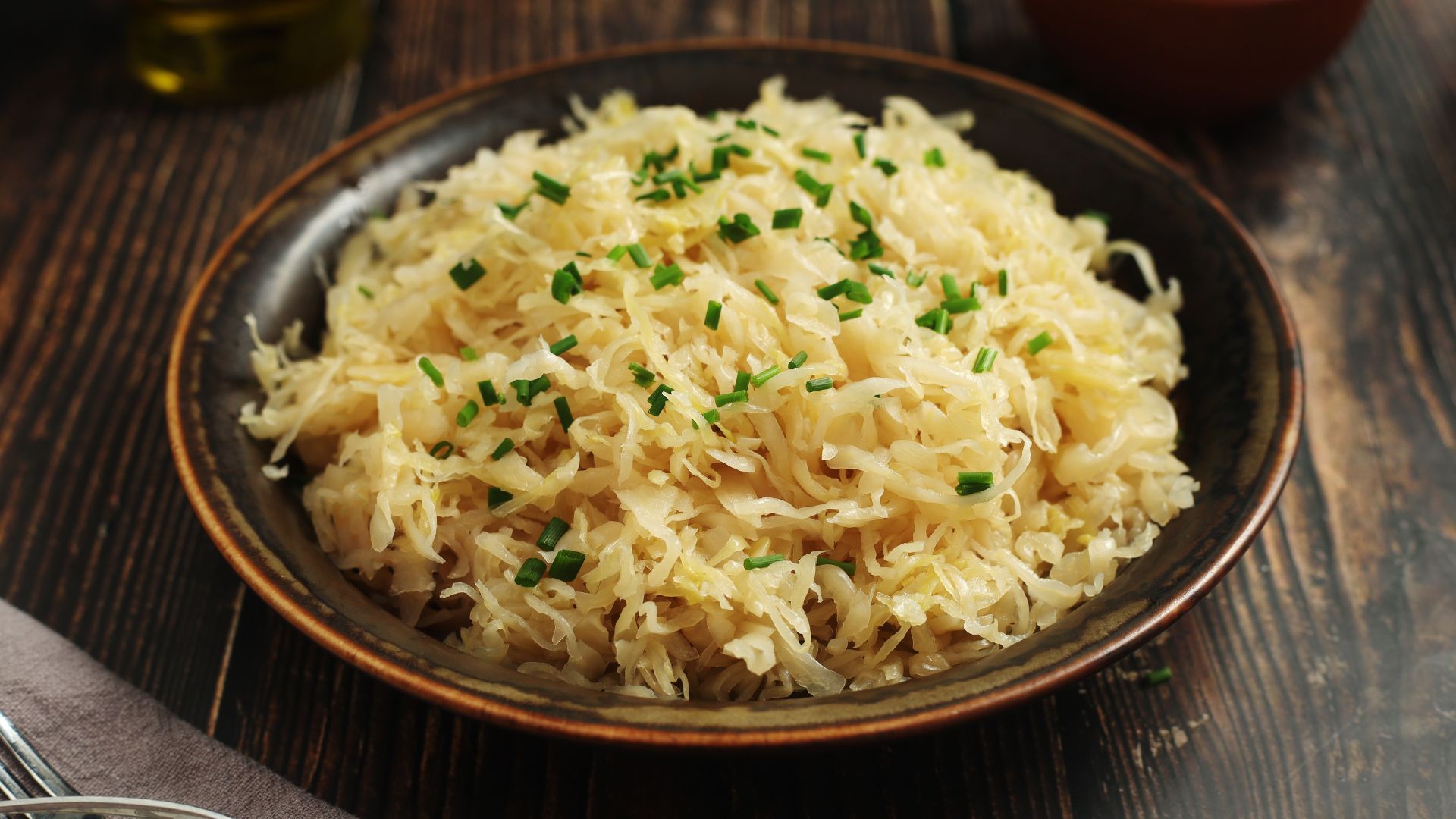
Bavaria is the region that defines Germany’s food reputation internationally. Its cuisine is hearty, generous, and rooted in centuries of agricultural and brewing tradition. Every dish is designed to accompany beer, and it does so with extraordinary success throughout the year.
Weisswurst is Bavaria’s most iconic sausage. This pale veal and pork sausage seasoned with parsley, lemon, and cardamom is traditionally eaten before noon, peeled from its skin and served with sweet Bavarian mustard, a fresh Brezn pretzel, and a Weissbier. This combination represents one of Germany’s finest breakfast rituals.
Schweinshaxe, the roasted pork knuckle, is the defining main course of Bavarian cuisine. A properly prepared Schweinshaxe has crackling skin of shattering crispness over tender, falling-apart pork, served with Semmelknödel bread dumplings and dark beer-braised sauerkraut in a genuinely magnificent and deeply satisfying combination.
The Bavarian Brezn pretzel is an art form entirely its own. A genuine Brezn is lye-dipped for its characteristic dark sheen, generously salted, crisp on the outside, and soft and chewy within. The difference between a genuine Bavarian Brezn and an imitation is unmistakable to anyone who has tasted both versions.
Obatzda, the Bavarian cheese spread made from soft cheese, butter, beer, onion, and paprika, is the essential beer garden snack. Served with radishes, chives, and dark bread at any Munich beer garden, it provides the perfect accompaniment to a cold Masskrug of Helles lager in the afternoon sunshine.
Kaiserschmarrn, the torn, shredded pancake served with plum sauce and icing sugar, is Bavaria’s finest and most indulgent dessert. This dish originated as a simple peasant food and was supposedly a favourite of Emperor Franz Joseph I. Every Bavarian restaurant serves its own version with varying degrees of buttery richness.
Must-Eat Foods in Bavaria:
- Weisswurst with sweet mustard and a Weissbier before noon at any traditional Bavarian Gasthof
- Schweinshaxe with Semmelknödel dumplings and sauerkraut for the most complete Bavarian main course
- Obatzda with radishes and dark bread is the essential Munich beer garden snack in any outdoor venue
- Kaiserschmarrn with plum sauce is the most indulgent and satisfying Bavarian dessert experience
- Leberkäse warm baked meat loaf in a bread roll with sweet mustard from any Bavarian bakery counter
2. Franconia — Sausages, Breweries, and Schäufele
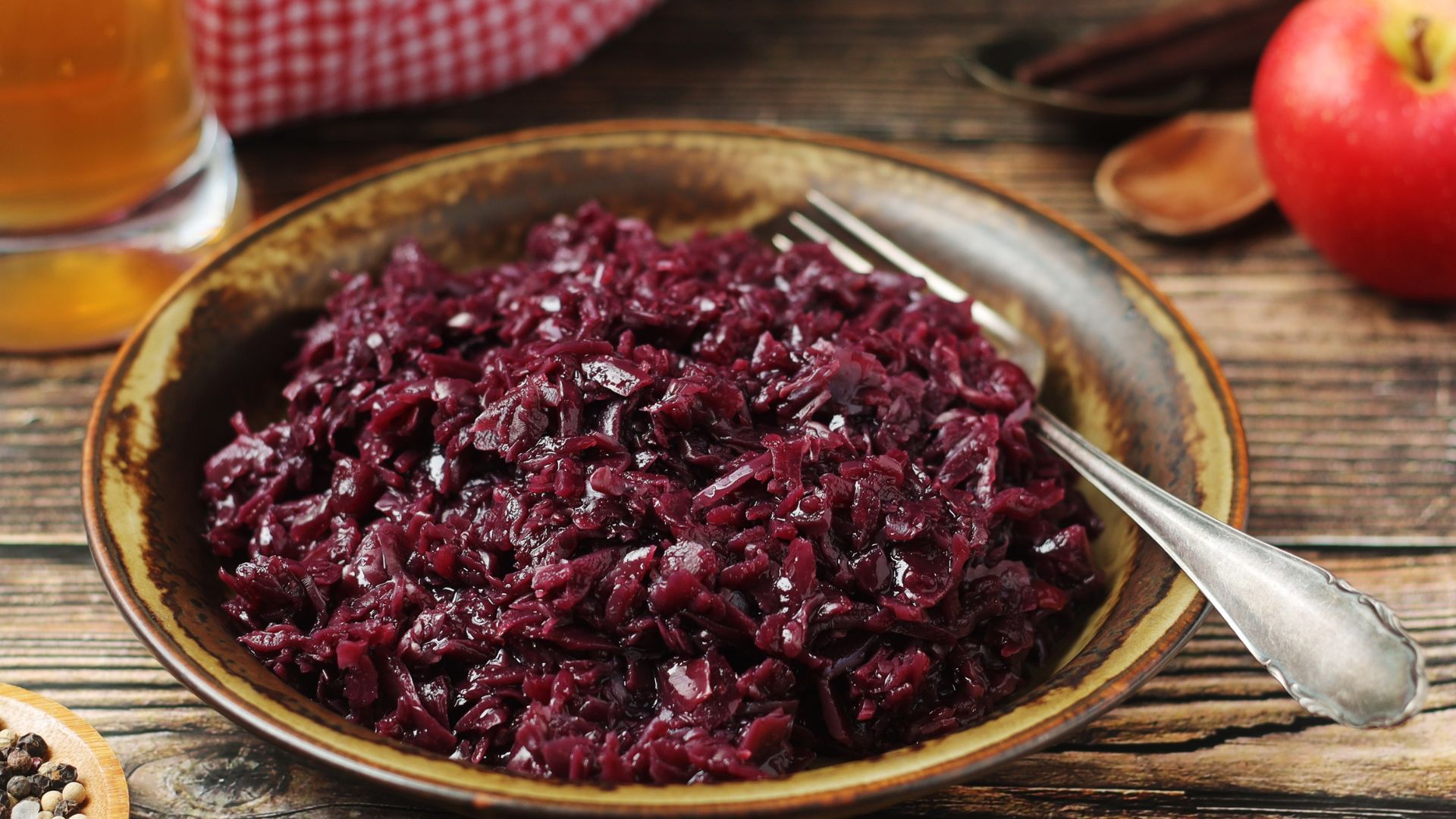
Franconia in northern Bavaria has a culinary identity entirely separate from southern Bavarian tradition. It is defined by outstanding pork preparations, nine world-famous breweries in Bamberg alone, and the finest and most imitated bratwurst tradition in all of Germany.
The Nuremberg Bratwurst is the most celebrated and most protected sausage in Germany. These small finger-length pork sausages seasoned with marjoram are grilled over beechwood and served in groups of six, eight, or twelve with sauerkraut and a bread roll on a traditional tin plate. Nothing in German street food quite matches this experience.
Schäufele is Franconia’s most celebrated pork roast and one of the finest underrated dishes in German cuisine. This braised pork shoulder with thin crackling is served with potato dumplings and dark beer gravy in Franconian restaurants. It remains almost entirely unknown outside the immediate region and is a genuine discovery for visiting food lovers.
Bamberg’s Rauchbier from the Schlenkerla brewery is one of the most distinctive and memorable beers in the world. Its intensely smoky character, derived from malt dried over beechwood, pairs remarkably well with the smoked and roasted meats that dominate the Bamberg culinary tradition throughout the year.
Franconian Silvaner wine in its distinctive round Bocksbeutel bottle is one of Germany’s most underappreciated white wines. The dry, mineral, and elegantly fruited Silvaners from the vineyards above Würzburg pair beautifully with the rich pork-dominated Franconian cuisine and reward any wine-curious visitor who seeks them out.
Must-Eat Foods in Franconia:
- Nuremberg Bratwurst grilled over beechwood at the Hauptmarkt stalls, served on a tin plate with sauerkraut
- Schäufele pork shoulder with dumplings and dark beer gravy at any traditional Franconian restaurant
- Rauchbier at the Schlenkerla taproom in Bamberg for the most distinctively smoky beer experience in Germany
- Franconian Silvaner from a Würzburg estate winery for the finest dry regional white wine experience
- Lebkuchen Nuremberg gingerbread from a specialist bakery for Germany’s most celebrated and beloved sweet treat
3. Baden-Württemberg — Maultaschen, Spätzle, and Black Forest Gâteau
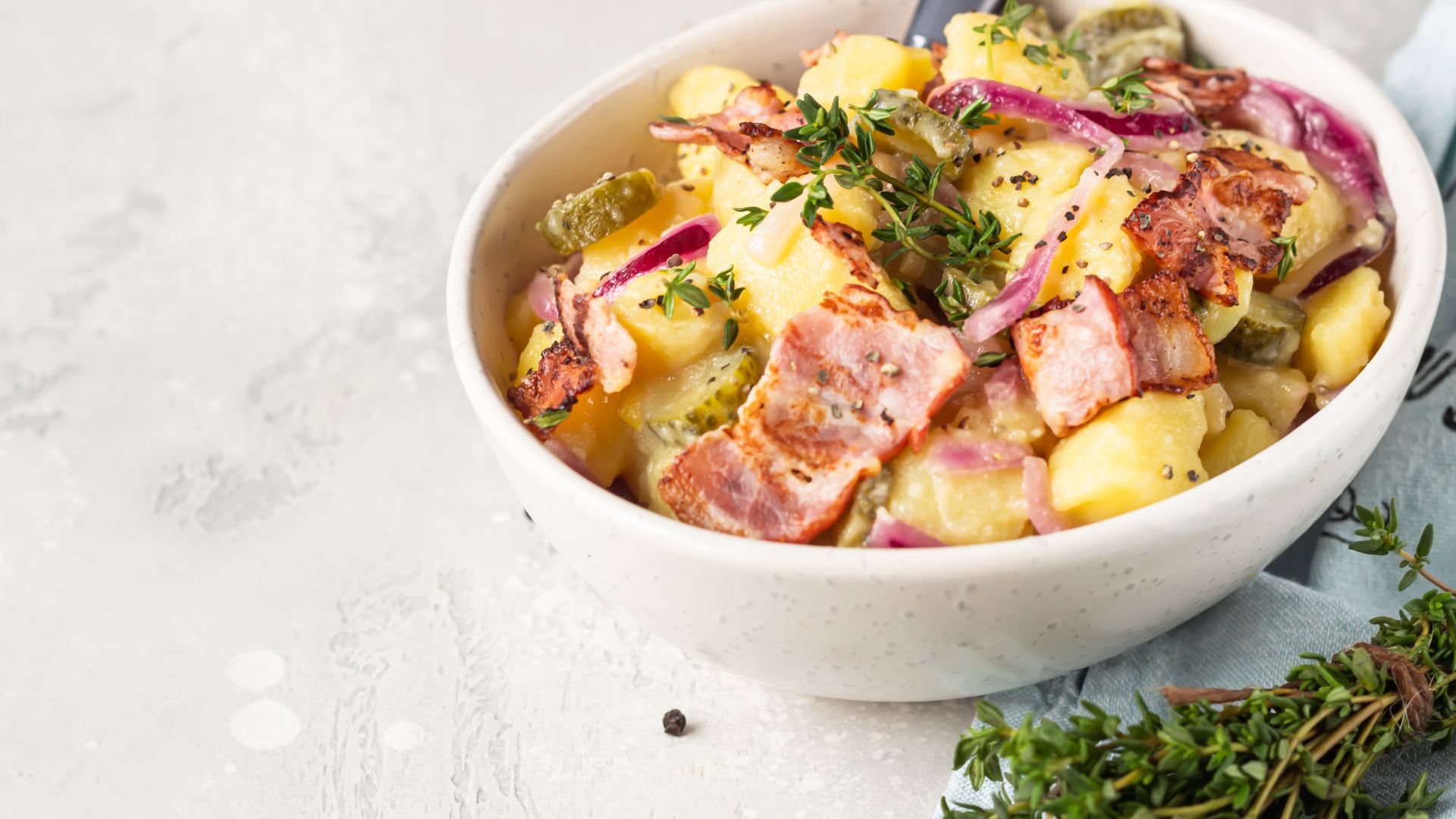
Baden-Württemberg has one of the most refined and varied regional cuisines in Germany. The Swabian pasta tradition of Stuttgart, the Baden wine country cooking of Freiburg, and the Lake Constance fish culture combine to create an outstanding and genuinely diverse regional food culture of considerable sophistication.
Maultaschen are Swabia’s most beloved and distinctive dish. These large pasta pockets stuffed with minced meat, spinach, and breadcrumbs are sometimes called Swabian ravioli. They are served in broth, pan-fried with onions, or cold in a salad. Legend claims they were created by monks to hide meat from God during Lent.
Spätzle are the essential Swabian pasta made from flour, eggs, salt, and water, scraped through a press into boiling water. They are served as a side dish throughout the region but reach their finest and most celebrated expression as Käsespätzle with melted cheese and crispy golden fried onions piled on top.
The Schwarzwälder Kirschtorte, the Black Forest Gateau, is Germany’s most internationally recognised cake and originates in the Baden region. Layers of chocolate sponge soaked in Kirschwasser cherry schnapps, filled with whipped cream and sour cherries, create Germany’s most iconic cake in its most authentic and genuinely regional version.
Flammkuchen, the thin-crust tart topped with crème fraîche, onions, and smoked bacon, is enormously popular throughout Baden. Baked in a wood-fired oven until the edges are slightly charred and the topping is bubbling, it is one of the simplest and most satisfying food experiences in south-western Germany.
Must-Eat Foods in Baden-Württemberg:
- Maultaschen in clear beef broth at a traditional Swabian restaurant in Stuttgart or Tübingen old town
- Käsespätzle with melted cheese and crispy fried onions is the most satisfying Swabian comfort dish
- Authentic Schwarzwälder Kirschtorte at a Black Forest café using genuine local Kirschwasser and fresh cream
- Flammkuchen from a wood-fired oven in a Baden wine village with a glass of local Spätburgunder red wine
- Bodensee-Felchen pan-fried lake whitefish at a lakeside restaurant in Konstanz or Meersburg, simply prepared
4. Hesse — Grüne Soße, Apfelwein, and Frankfurt Classics
Hesse has produced some of Germany’s most distinctive and most passionately defended regional specialities. Frankfurt’s Grüne Soße, the apple wine culture of Sachsenhausen, and the pungent Handkäse mit Musik together create a culinary identity that is immediately and unmistakably Hessian in every possible way.
Grüne Soße is Frankfurt’s most famous dish and its most fiercely locally defended food tradition. This cold herb sauce made from exactly seven specific fresh herbs, sour cream, and hard-boiled eggs, served with boiled potatoes, is considered the definitive summer dish of Frankfurt. The seven herbs are non-negotiable and deeply sacred to local cooks.
Handkäse mit Musik is one of Germany’s most pungent acquired-taste dishes. This intensely aromatic soured milk cheese served with raw onion rings and a caraway vinegar marinade is the quintessential companion to a glass of Frankfurt apple wine. The Music in the name refers humorously to the digestive consequences of the raw onions.
Frankfurt Apfelwein is the defining drink of the Frankfurt culinary experience. Served in traditional grey stoneware Bembel jugs in the apple wine taverns of Sachsenhausen, it is a tart, refreshing, and deeply local drink. Outsiders often find it challenging, but locals consume it with absolute and unwavering regional devotion.
Frankfurter Würstchen are the original Frankfurt sausages and the historical namesake for hot dogs worldwide. These slender smoked pork sausages, eaten from a market stall in a roll with mustard, represent one of Germany’s most historically significant and most genuinely satisfying simple street food traditions.
Must-Eat Foods in Hesse:
- Grüne Soße with boiled potatoes and eggs at a traditional Frankfurt restaurant during the summer herb season
- Handkäse mit Musik with cold Frankfurt Apfelwein in a traditional Sachsenhausen apple wine tavern
- Frankfurter Würstchen from a market stall in a bread roll with sharp Frankfurt mustard on the side
- Bethmännchen Frankfurt marzipan pastries decorated with three almond halves from any Frankfurt bakery
- Rippchen mit Kraut, cured pork ribs with sauerkraut as the most complete traditional Frankfurt pub meal
5. Hamburg and Northern Germany — Fish, Harbour Food, and Sailor’s Cooking
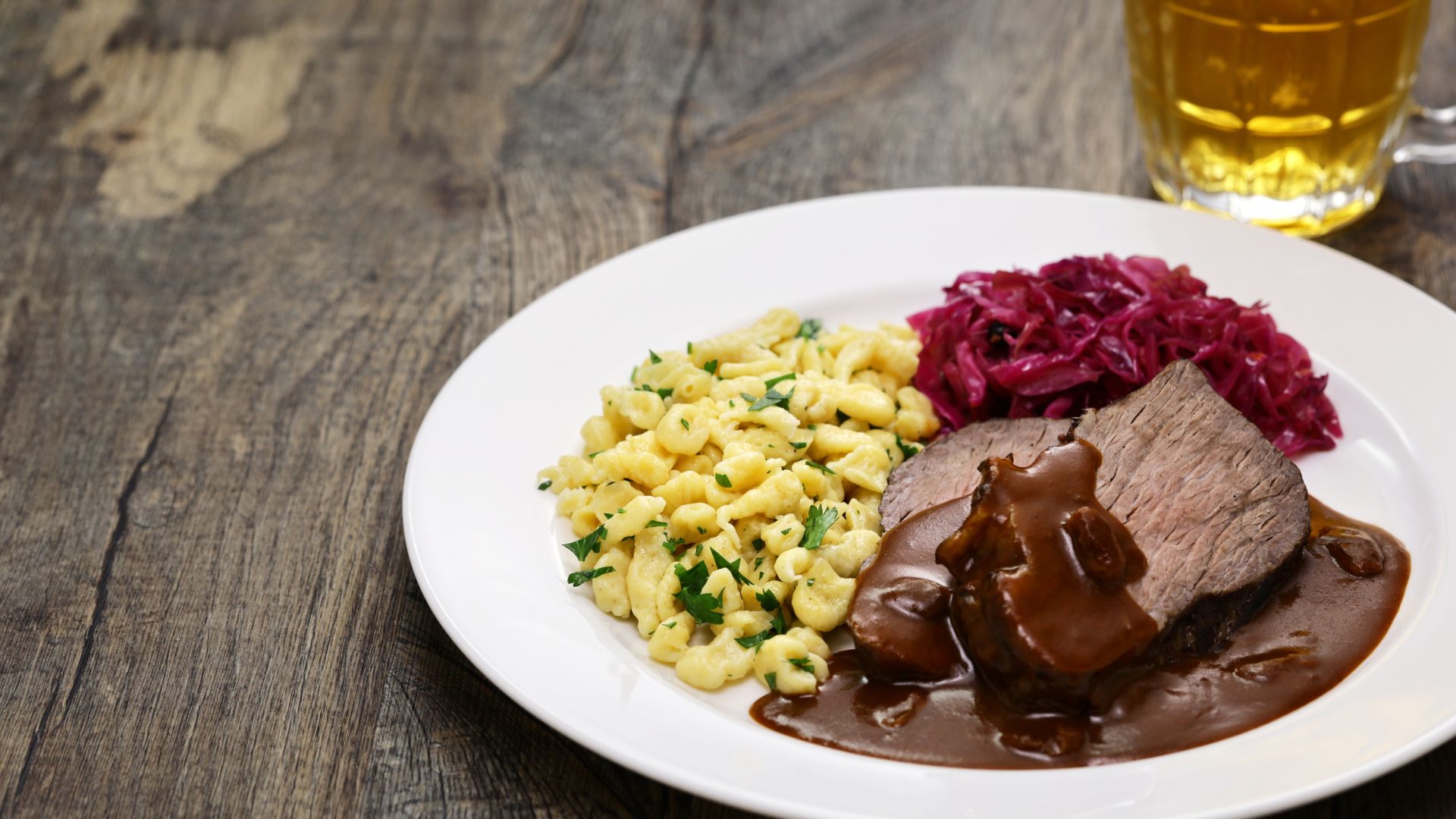
Hamburg and northern Germany have a cuisine entirely shaped by maritime character and historical trading port culture. The food here is dominated by fish, preserved meats, and the robust, practical cooking that sustained sailors and dock workers through the long, cold northern European winters.
Fischbrötchen is the defining street food of Hamburg and the entire northern German coast. Fresh herring, smoked mackerel, shrimp, or matjes raw herring in a crusty bread roll with remoulade sauce, onions, and pickles at a harbour fish market stall is the most authentic and most genuinely satisfying Hamburg food experience possible.
Labskaus is Hamburg’s most distinctive and most challenging traditional dish. This dense sailor’s meal of corned beef, mashed potato, pickled herring, beetroot, and a fried egg creates a crimson-coloured plate of considerable visual impact. The flavour combination is simultaneously strange, salty, and deeply satisfying to those who embrace it fully.
Matjes herring is the great seasonal delicacy of northern Germany, celebrated with genuine civic excitement when the first barrels of the new season arrive in Hamburg in late May. These young, lightly salted, silky herrings eaten with new potatoes, sour cream, and green beans are one of Germany’s finest and most eagerly anticipated seasonal food experiences.
Rote Grütze, the red berry compote, is the most beloved dessert of the entire northern German coast. Made from red currants, raspberries, and cherries with sugar and potato starch, served warm or cold with vanilla sauce or cream, it is a dessert of pure and simple seasonal perfection deeply embedded in northern German home cooking culture.
Must-Eat Foods in Hamburg and the North:
- Fischbrötchen with matjes herring and remoulade at the Hamburg Fischmarkt or any harbour fish stall
- Labskaus at a traditional Hamburg harbour restaurant for the most authentically challenging northern German meal
- New season Matjes with new potatoes and sour cream when the first barrels arrive in Hamburg in June
- Birnen, Bohnen und Speck, pears, beans, and bacon, at a traditional Hamburg Gasthaus for genuine home cooking
- Rote Grütze warm red berry compote with vanilla sauce, is the definitive northern German summer dessert
6. Saxony and Thuringia — Christmas Baking and Bratwurst Capital
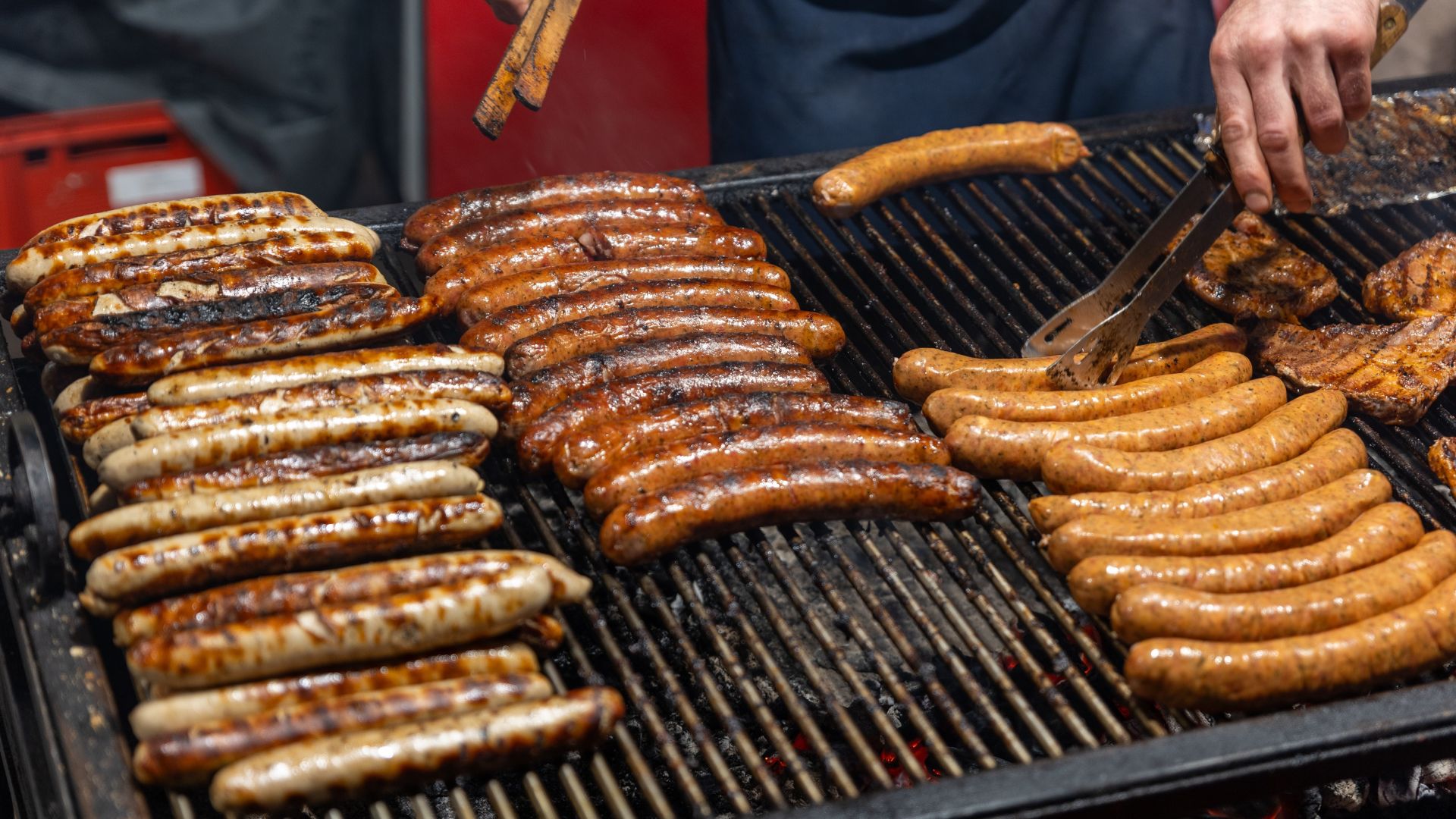
Saxony and Thuringia together represent the heart of central German culinary tradition. Dresden’s extraordinary Christmas baking culture, Thuringia’s fiercely protected bratwurst heritage, and the rich dumpling traditions of both states create a central German food identity of considerable depth and genuine regional pride.
Dresdner Stollen is Germany’s most famous Christmas bread and one of its most carefully regulated regional foods. This densely enriched bread, packed with candied citrus peel, raisins, almonds, and marzipan, coated in icing sugar over melted butter, is produced under strict quality guidelines by authorised Dresden bakers only.
Eierschecke is Saxony’s most beloved regional cake and one of Germany’s most underrated baking specialties. This triple-layered cake of yeast dough, quark cheesecake, and egg cream topping creates a texture and flavour combination entirely unique to Saxon baking that is deeply missed by anyone who has grown up eating it regularly.
The Thuringian Rostbratwurst is one of Germany’s most legally protected and geographically indicated foods. Seasoned with marjoram, caraway, and garlic and grilled over beechwood charcoal, eating one from a market stall at the Erfurt cathedral steps is an essential and deeply satisfying central German regional food experience.
Thuringian Klöße potato dumplings are made from a precise mixture of raw grated potato and cooked potato creating a dumpling of unique and deeply satisfying textural density. The precise ratio of raw to cooked potato is a matter of fierce family debate and represents one of the most seriously contested regional food questions in Germany.
Must-Eat Foods in Saxony and Thuringia:
- Dresdner Stollen from an authorised Dresden bakery during the Christmas season for Germany’s finest festive bread
- Eierschecke triple-layer Saxon cheesecake at a traditional Dresden coffee house near the Frauenkirche square
- Thuringian Rostbratwurst grilled over beechwood charcoal at the Erfurt cathedral steps market stall
- Thuringian Klöße with Sauerbraten gravy for the most complete and most satisfying regional dumpling experience
- Quarkkeulchen Saxon quark and potato pancakes dusted with icing sugar from any traditional Dresden café
7. North Rhine-Westphalia and the Rhineland — Sauerbraten, Kölsch, and Carnival Food
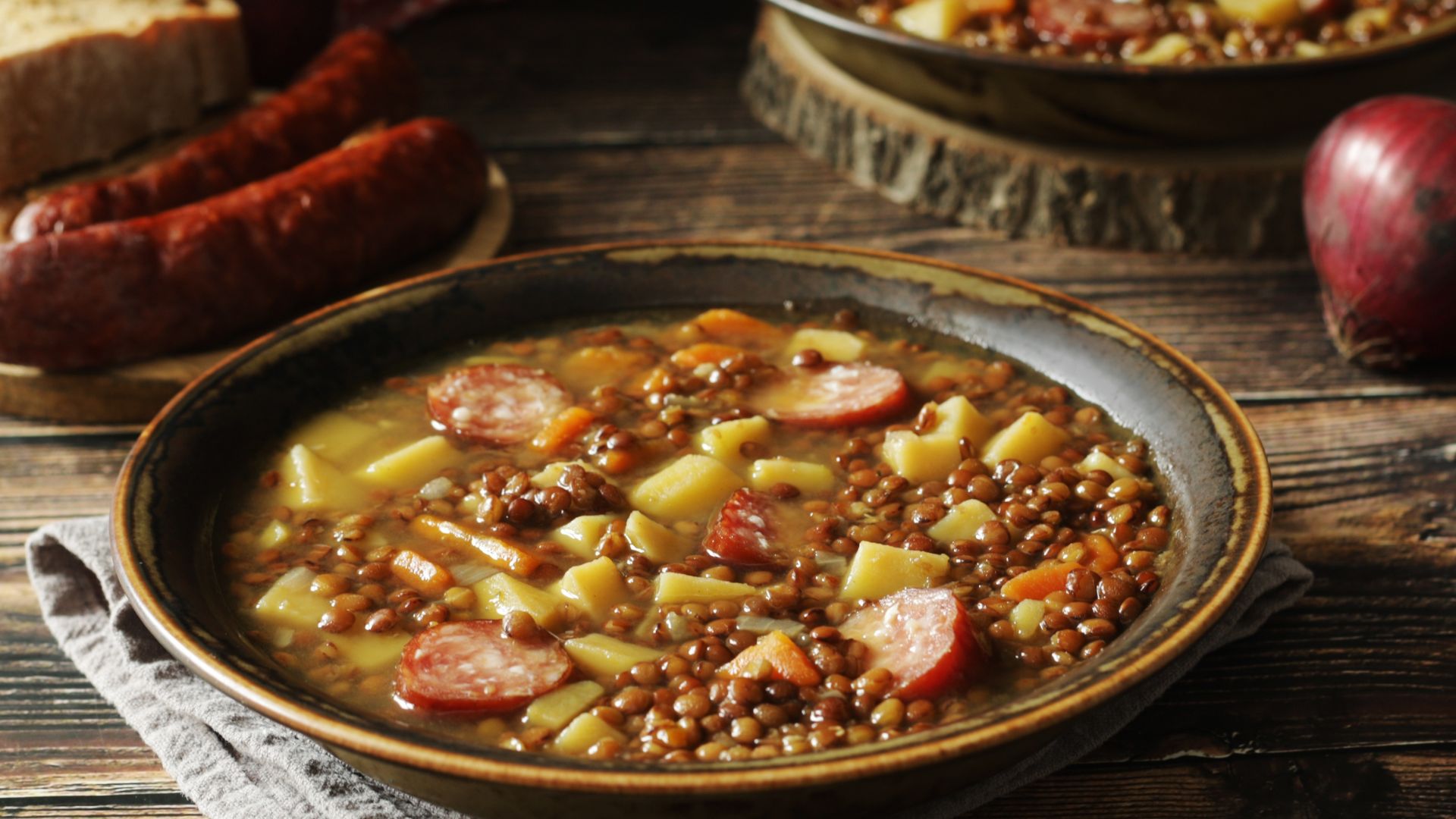
North Rhine-Westphalia has a cuisine reflecting the hearty and unpretentious character of Rhineland cooking. Cologne and Düsseldorf have developed their own fierce culinary and beer identities that are as distinctive and as passionately defended as any regional food tradition anywhere in Germany.
Sauerbraten is the most celebrated dish of Rhineland cooking and one of the great classic preparations of the entire German culinary tradition. This pot-roasted beef marinated for several days in vinegar, red wine, and spices develops a deeply complex and uniquely tangy flavour that is unlike any other German roast preparation.
The Rhineland version of Sauerbraten uniquely includes raisins in the sauce, a sweetness that adds an additional layer of complexity to the already rich and tangy flavour. Served with Rotkohl braised red cabbage and potato dumplings in a traditional Cologne restaurant, it is one of Germany’s most satisfying meals.
Himmel und Äd, Heaven and Earth, is one of the most beloved dishes of Rhineland cooking. This combination of mashed potato mixed with apple compote, topped with fried black pudding and crispy onions, sounds improbable but tastes extraordinary. It is a dish of genuine, deeply satisfying, and utterly memorable comfort food character.
Reibekuchen potato pancakes fried until golden and crisp are northern Germany’s most popular street food. Sold at Christmas markets and weekly markets throughout the Rhineland with apple sauce or sour cream, they represent the most perfect and most universally loved simple comfort food of the entire north-western German region.
Must-Eat Foods in North Rhine-Westphalia:
- Sauerbraten with raisins, Rotkohl, and dumplings at a traditional Cologne brewery restaurant in the Altstadt
- Himmel und Äd with black pudding and fried onions at any authentic Rhineland Gasthaus for genuine comfort food
- Reibekuchen potato pancakes with apple sauce at a Cologne Christmas market stall in late November
- Kölsch beer in slender glasses served continuously by white-aproned waiters in traditional Cologne brewery restaurants
- Halve a Hahn rye bread roll with aged Gouda cheese as the essential and most traditional Cologne pub snack
8. Brandenburg and the Spreewald — Gherkins, Lake Fish, and Sorbian Food
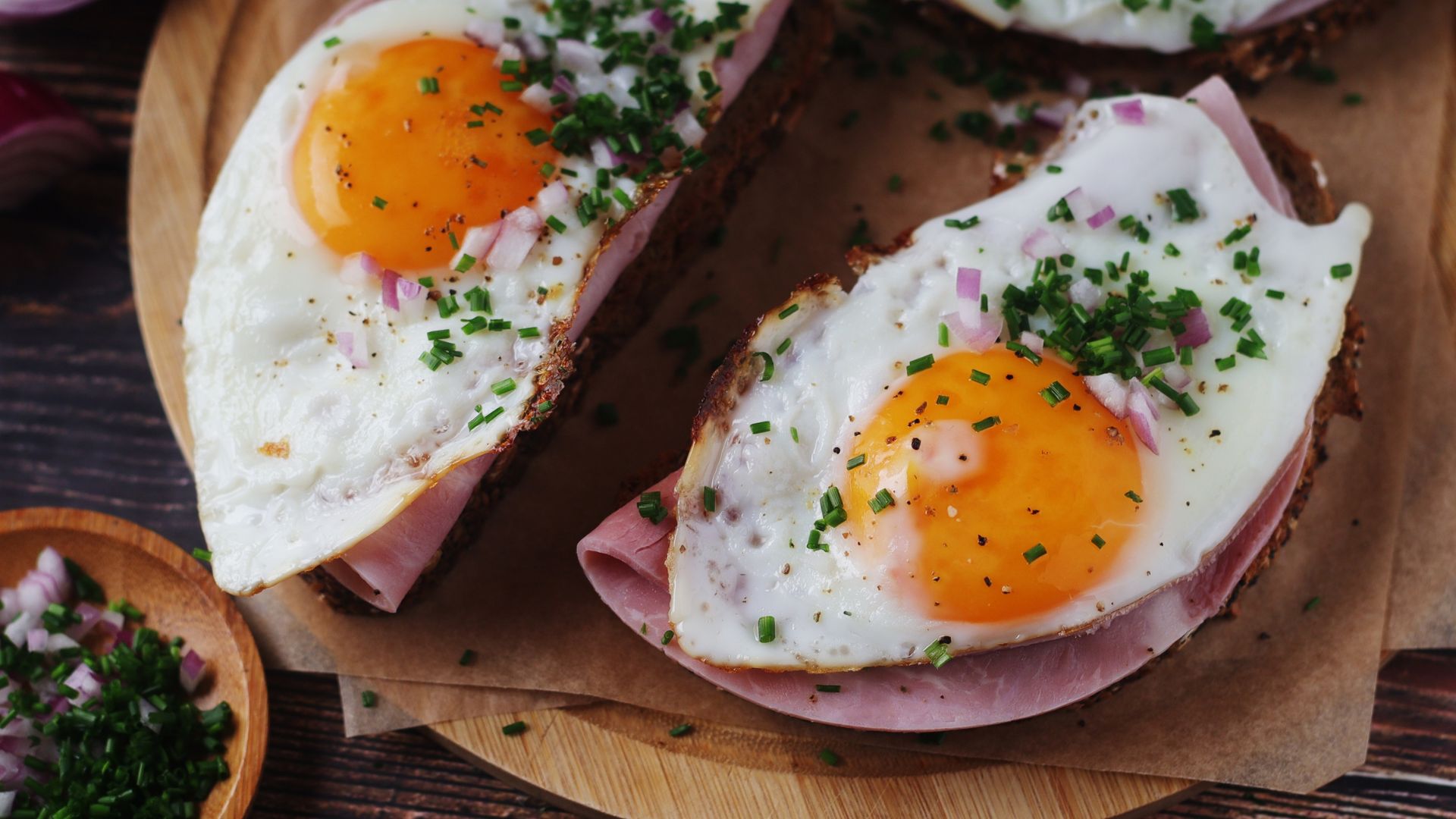
Brandenburg surrounding Berlin is best known in food terms for the extraordinary Spreewald gherkin tradition and the rich freshwater fish culture of its lake-dotted landscape. The Sorbian culinary heritage of Lusatia adds a further and entirely distinct dimension to the regional food identity of this fascinating eastern German region.
Spreewald gherkins hold a protected geographical indication status and are among the most carefully regulated regional food products in Germany. These small, crunchy cucumbers pickled with dill, mustard seeds, horseradish, and garlic have a flavour entirely distinct from industrial pickled cucumbers and deeply characteristic of the Spreewald region.
Buying gherkins directly from a Spreewald farm stall along the waterway cycling paths and eating them with dark bread and butter is one of the simplest and most authentic regional food experiences in all of eastern Germany. Nothing prepared industrially or purchased in a supermarket comes remotely close to the genuine article.
Brandenburg’s lakes and rivers produce excellent freshwater fish including carp, pike, and perch. Traditional Brandenburg carp in dark beer sauce appears on restaurant menus throughout the lake district during the autumn carp season and represents one of eastern Germany’s most distinctive and most rewarding regional culinary traditions.
Sorbian cuisine from the Lusatia region is one of Germany’s most little-known and most genuinely distinctive regional food traditions. Baked carp with sour cream, buckwheat pancakes, traditional Easter bread with elaborate decorations, and various dumpling preparations create a culinary identity of remarkable individuality and historical depth.
Must-Eat Foods in Brandenburg:
- Spreewald gherkins from a farm stall along the waterway cycle paths with dark bread and good butter
- Brandenburg carp in dark beer sauce at a lake district restaurant during the autumn carp season
- Sorbian buckwheat pancakes at a traditional restaurant in Bautzen or Cottbus for the most authentic experience
- Teltower Rübchen tiny Teltow turnips braised in butter as the finest and most distinctive Brandenburg vegetable dish
- Berliner Pfannkuchen filled doughnut from any traditional Brandenburg or Berlin bakery for the classic regional sweet
Practical Food Tips for Eating in Germany
Eating in Germany can be a delightful experience, but knowing a few practical tips helps you navigate menus, local customs, and portion sizes. These tips make dining more enjoyable and stress-free.
From understanding regional specialties and finding authentic eateries to budgeting, ordering, and trying seasonal dishes, practical food tips guide travelers to savor Germany’s culinary culture fully. Following them ensures memorable and delicious dining experiences.
| Category | Details |
| Best Food Markets | Weekly Wochenmarkt markets in every German town offer the finest and most affordable regional food experiences |
| Lunch Strategy | Order the Mittagstisch daily lunch special at any German restaurant for the best value sit-down meal |
| Bakery Breakfast | German bakeries open from 6am and provide the finest and most affordable breakfast in all of Europe |
| Beer Gardens | Bring your own food to Munich beer gardens where the tradition of outside food remains entirely acceptable |
| Food Festivals | Germany’s regional food festivals including Oktoberfest and Würstmarkt offer outstanding seasonal food experiences |
| Supermarket Tips | REWE and Edeka supermarkets stock excellent regional products for self-catering and picnic food preparation |
Frequently Asked Questions
Q: What is the most famous German food? Bratwurst is Germany’s most internationally recognised food. However, the regional variety of German sausages, roasts, dumplings, and baked goods means that the best German food is always the most locally specific and most regionally authentic version rather than any single nationally representative dish.
Q: What should I eat for breakfast in Germany? A traditional German bakery breakfast of fresh bread rolls, cold cuts, cheese, soft-boiled eggs, and strong filter coffee is one of Europe’s finest morning meals. In Bavaria, a Weisswurst with sweet mustard and a Weissbier before noon represents the most celebrated and most distinctively regional German breakfast tradition.
Q: Is German food only meat and potatoes? Absolutely not. German regional cuisine includes outstanding freshwater and North Sea seafood, sophisticated wine-country cooking, excellent vegetable dishes, world-class baking and confectionery traditions, and a growing contemporary restaurant scene that draws deeply and creatively on the country’s rich and varied regional food heritage.
Q: Where can I find the best German food? The best German food is found in the most unpretentious settings. A Bratwurst stand in Nuremberg, a brewery taproom in Bamberg, an apple wine tavern in Frankfurt, or a harbour fish market stall in Hamburg will consistently outperform any tourist-oriented restaurant in delivering authentic and deeply satisfying regional German flavours.
Savoring Germany: Final Reflections on Local Cuisine
Germany’s regional food culture is one of its greatest and most underappreciated travel assets. Eating across the country’s distinct culinary regions reveals a depth and variety of flavour, tradition, and local pride that transforms any German trip from a sightseeing journey into a genuine cultural and sensory adventure.
The best German food is almost always found in the simplest and most locally embedded settings. Markets, brewery taprooms, harbour fish stalls, Christmas market stands, and family-run Gasthöfe consistently deliver more authentic and more rewarding flavours than any tourist-focused restaurant ever can or will.
Eating locally and seasonally is the single most important principle for experiencing German regional food at its finest. The asparagus season of spring, the strawberry markets of June, the new wine season of autumn, and the Christmas baking traditions of December create a food calendar of extraordinary richness and genuine seasonal discovery throughout the year.
Hi, I’m Preeti Negi, a content writer who loves mixing creativity with smart strategy.
I have 3 years of experience writing about travel, digital marketing, and study abroad topics. I create content that is easy to read, engaging, and designed to connect with people while also performing well on Google.
When I’m not writing, I enjoy exploring new trends, learning new things, and thinking about fresh ideas for my next piece.
