

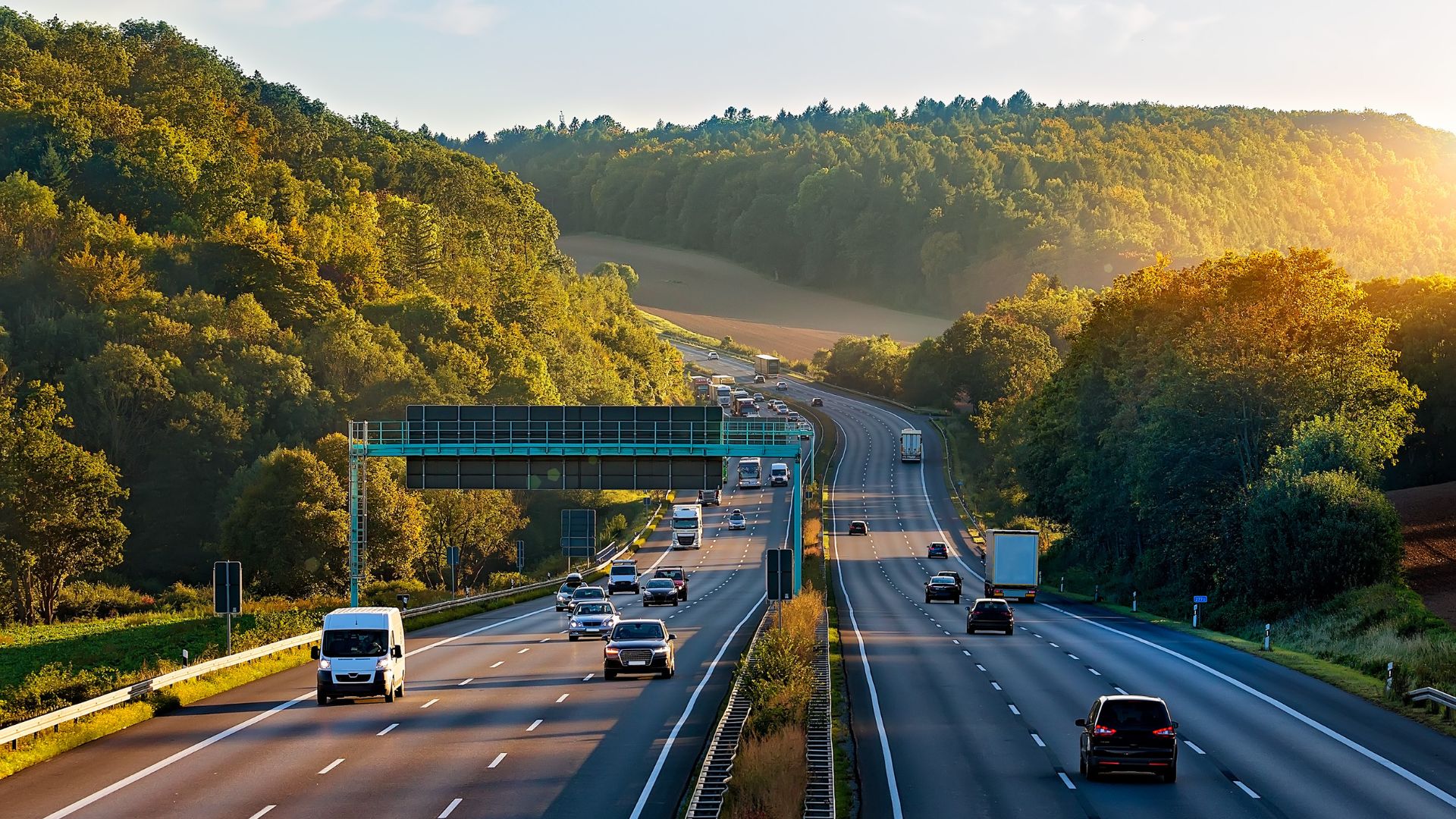
The German Autobahn is one of the most famous road networks in the entire world. With over 13,000 kilometres of motorway stretching across Germany, the Autobahn is celebrated globally for its engineering quality, its disciplined traffic culture, and its legendary sections without any speed limit.
Few driving experiences anywhere in the world compare to the sensation of cruising on a well-maintained stretch of open Autobahn. The smooth tarmac, the precision engineering of a well-tuned German car, and the extraordinary clarity of the road markings create an experience of genuine and memorable road travel excellence.
However, the Autobahn is not a free-for-all racing track. It is a precisely regulated and strictly enforced motorway system governed by detailed rules, etiquette expectations, and serious legal consequences for violations. Understanding these rules before driving is essential for both safety and a genuinely enjoyable experience.
Many international visitors arrive in Germany with misconceptions about the Autobahn formed by films, television, and popular mythology. The reality is far more nuanced, far more regulated, and far more interesting than the popular legend suggests. This guide clarifies every important rule and tip for driving safely and confidently.
This complete guide covers everything a driver needs to know before joining the Autobahn. It includes speed rules, lane discipline, legal requirements, emergency procedures, road signs, seasonal tips, and practical advice for making the most of this extraordinary driving experience in Germany.
Please note that this article contains affiliate links. Learn more about it on our Disclosure page. We use ads to support our small business – we hope you don’t mind them too much.
Quick Overview Table
| Category | Key Rule | Penalty for Violation |
| Minimum speed | 60 km/h on Autobahn | Fine and liability |
| Left lane | Overtaking only — never cruise | Fine up to €200 |
| Tailgating | Strictly prohibited | Fine up to €400 |
| Hard shoulder | Emergency use only | Fine up to €3,500 |
| Alcohol limit | 0.05% BAC (0.02% under 21) | Fine, ban, or prosecution |
| Mobile phone | Hands-free only | €100 fine and 1 point |
| Breakdown | Warning triangle required | Fine and liability |
| Fuel | Never run out on Autobahn | Fine up to €70 |
1. Understanding the Autobahn — History and Network

The Autobahn network was first developed in Germany during the 1930s. The first section opened between Cologne and Bonn in 1932, predating the National Socialist period. By 1938, over 3,000 kilometres of motorway had been constructed across the country, establishing the foundation of today’s network.
The modern Autobahn network spans over 13,000 kilometres making it the fourth longest motorway system in the world. The network connects every major German city, crosses into neighbouring countries, and forms the backbone of European freight and passenger transport throughout the continent.
The Autobahn is designated by the letter A followed by a number on all road signs. Odd-numbered Autobahnen generally run north to south while even-numbered routes run east to west. This logical numbering system makes navigation considerably easier once the basic pattern is understood by drivers.
German Autobahn construction and maintenance standards are among the highest in the world. The road surface, drainage systems, lighting, safety barriers, emergency phone placements, and signage all meet exceptionally rigorous engineering standards maintained by constant monitoring and investment throughout the entire network.
Key Autobahn network facts:
- Over 13,000 kilometres of motorway connecting all major German cities and regions
- Approximately 30 percent of the network has no permanent speed limit at any time
- Emergency phones placed every two kilometres throughout the entire Autobahn network
- Motorway service areas called Raststätten located at regular intervals throughout Germany
- Over 800,000 vehicles use the Autobahn network every single day throughout Germany
2. Speed Limits — The Truth About the Unlimited Sections
The most famous feature of the German Autobahn is the absence of a permanent speed limit on certain sections. These unrestricted sections, marked by the end-of-restriction sign, allow drivers to travel at whatever speed their vehicle and conditions safely permit without any legally defined maximum.
However, the reality of unlimited Autobahn sections is more nuanced than popular mythology suggests. Variable speed limit signs, weather conditions, construction zones, and heavy traffic mean that unrestricted driving at very high speeds is actually possible far less frequently than international visitors often expect.
The recommended speed on unrestricted sections is 130 kilometres per hour, known as the Richtgeschwindigkeit. This is an advisory limit rather than a legal maximum. Exceeding it is not automatically illegal but significantly affects liability in the event of an accident or insurance claim.
Speed limits do apply in many situations on the Autobahn. Fixed limits are posted near cities, in construction zones, at dangerous curves, near bridges, and in areas of frequent fog or ice. Temporary variable speed limits are displayed on electronic overhead gantry signs that change according to real-time traffic and weather conditions.
| Speed Limit Type | Marking | When Applies |
| No limit | White circular sign with diagonal stripe | Open rural Autobahn sections |
| Advisory 130 | Yellow sign with 130 | Guidance on unrestricted sections |
| Variable limit | Electronic overhead gantry | Weather, traffic, construction |
| Fixed limit | Red-bordered circular sign | Cities, construction, danger zones |
| Temporary limit | Orange-bordered sign | Roadworks and construction areas |
Driving significantly above the recommended speed on unrestricted sections carries serious consequences if an accident occurs. German courts consistently rule against very high-speed drivers in accident liability cases, regardless of whether a legal speed limit was in force at the time of the incident.
3. Lane Discipline — Germany’s Strictest Unwritten Rule
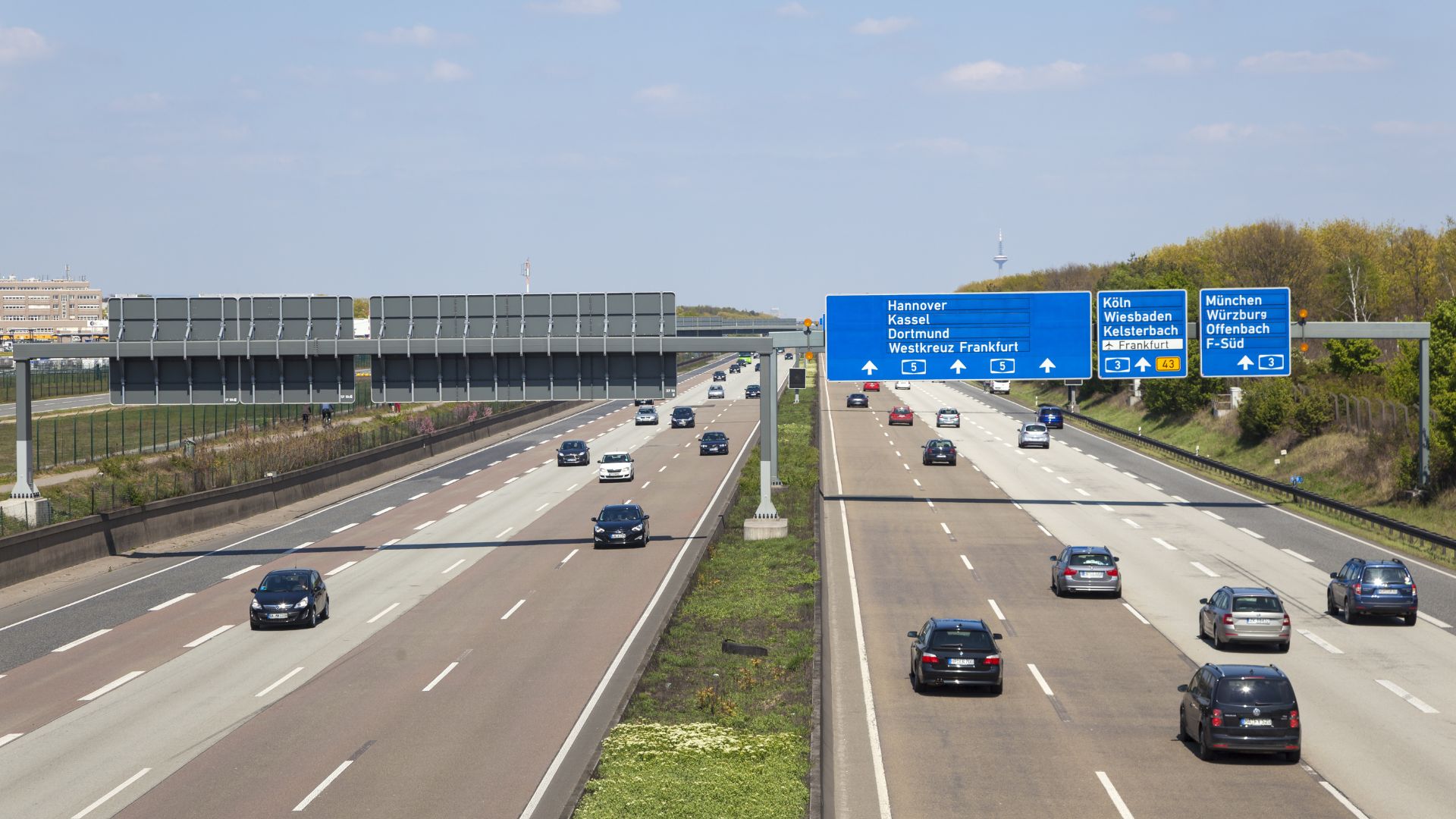
Lane discipline on the German Autobahn is one of the most strictly observed and most seriously enforced aspects of the entire German driving culture. The fundamental rule is absolute and completely non-negotiable: the left lane is exclusively for overtaking and must be vacated immediately after completing each pass.
Driving continuously in the left lane, known as Linksfahren, is one of the most serious traffic violations a driver can commit on the Autobahn. It is not merely considered impolite but is explicitly illegal under German traffic law and is actively prosecuted by police throughout the network.
The correct procedure is always to return to the rightmost available lane after every single overtaking manoeuvre without exception. This applies regardless of whether you are travelling faster than most other traffic. The discipline of continuously moving right after every pass is what makes high-speed driving on the Autobahn genuinely safe.
Undertaking, meaning passing another vehicle on the right side, is completely prohibited on the German Autobahn. This law is enforced seriously and violations carry significant fines and licence points. Even if a driver in a left lane is moving slowly and blocking your progress, you must never pass on the right.
Lane discipline rules summary:
- Right lane is the default driving lane for all vehicles at all times on the Autobahn
- Centre lane is used only when the right lane is occupied by slower vehicles needing overtaking
- Left lane is exclusively for overtaking and must be vacated immediately after each single pass
- Undertaking on the right is completely prohibited under all circumstances throughout Germany
- Lane changes must always be preceded by indicator signal and mirror and blind-spot checks
4. Tailgating — A Serious and Costly Offence
Tailgating on the German Autobahn is one of the most aggressively prosecuted traffic violations in the country. German traffic law specifies that a driver must maintain a minimum following distance equal to half the speedometer reading in metres. At 100 km/h this means a minimum 50-metre gap between vehicles.
The German term for tailgating is Drängeln and it is treated with extraordinary seriousness by German authorities. Speed cameras specifically designed to measure following distances operate throughout the Autobahn network and violations are prosecuted strictly regardless of the speed at which the tailgating is occurring.
Penalties for serious tailgating violations are severe. Fines begin at around €75 for minor violations and rise to €400 or more for serious cases. Licence points, mandatory retraining, and temporary driving bans are all possible consequences for persistent or particularly dangerous tailgating behaviour on the motorway.
Flashing headlights at the vehicle ahead as a signal to move is also illegal in Germany and carries its own fine. While this behaviour is common on the Autobahn in practice, it is officially prohibited and visitors should be aware that they can be prosecuted if observed by police using this technique to pressure drivers.
Safe following distance guidelines:
- At 80 km/h maintain a minimum following distance of 40 metres at all times
- At 100 km/h maintain a minimum following distance of 50 metres at all times
- At 130 km/h maintain a minimum following distance of 65 metres at all times
- At 160 km/h maintain a minimum following distance of 80 metres at all times
- During rain or poor visibility always double the minimum following distance requirement
5. Legal Requirements for Driving in Germany
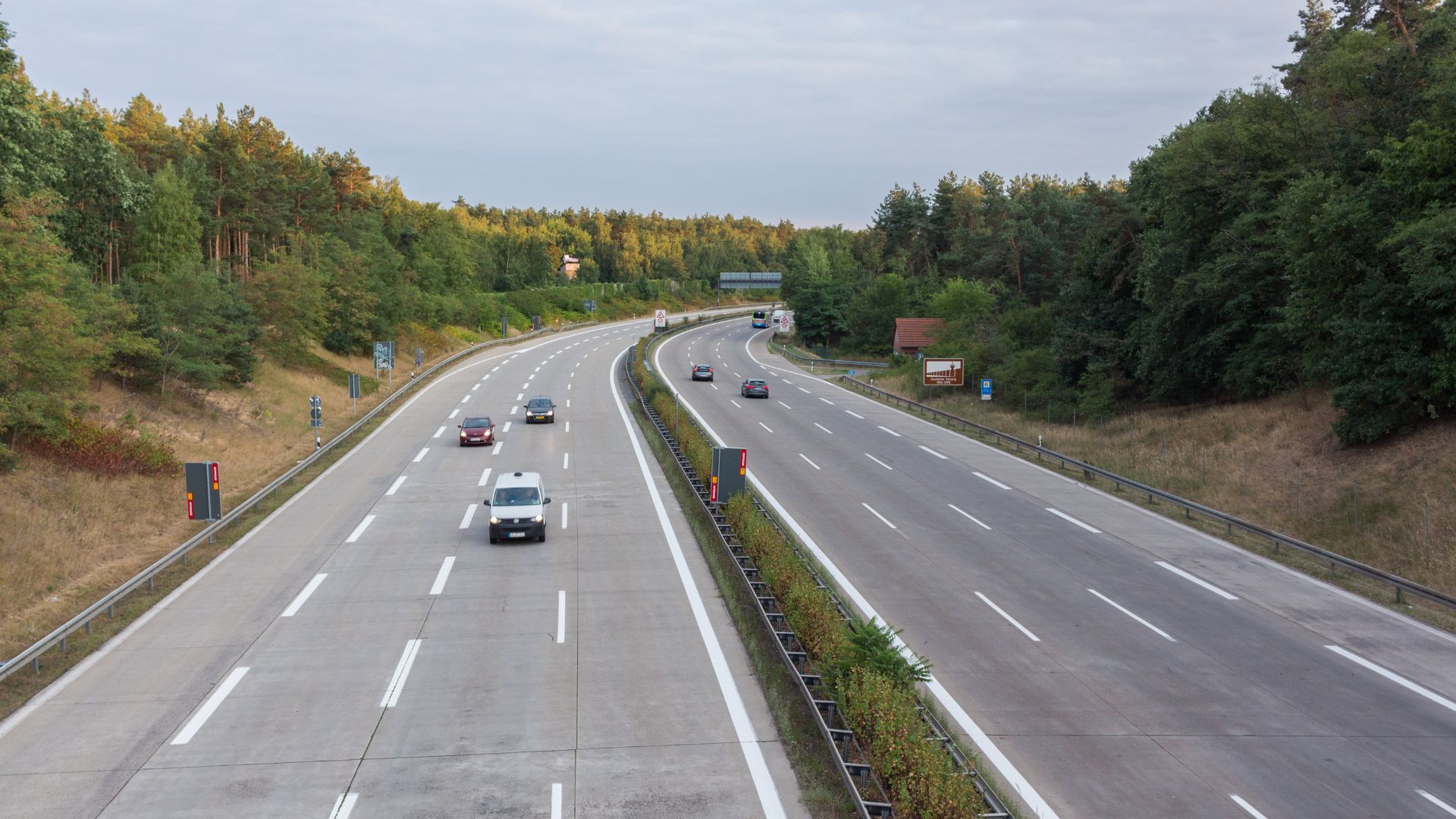
Every driver on the German Autobahn must carry specific documents and have specific equipment present in the vehicle at all times. Failure to comply with these requirements can result in fines regardless of whether any other traffic violation has occurred during the journey.
Essential documents required:
- Valid driving licence — international licences from non-EU countries may require an International Driving Permit
- Vehicle registration document proving ownership or permission to drive the vehicle legally
- Valid motor insurance certificate showing at minimum third-party liability coverage throughout Germany
- Passport or national identity card for all occupants as German police may request identification at any stop
Mandatory vehicle equipment:
- Warning triangle for use behind a broken-down vehicle at the required distance behind the vehicle
- First aid kit — must be unexpired and German-specification kits are required throughout Germany
- High-visibility safety vest — at least one required and must be accessible from the driver’s seat immediately
- Spare tyre or run-flat tyre system — some rental cars provide tyre repair kits instead of spare tyres
Foreign drivers should note that requirements may differ slightly from their home country. EU licence holders may drive on German roads using their standard European licence without needing any additional permit or documentation throughout the period of their stay.
The vehicle must also be in roadworthy condition throughout the journey. Driving with defective lights, worn tyres, or a failed MOT equivalent is illegal and severely penalised. German police conduct roadside vehicle inspections and have authority to prohibit a vehicle from continuing if it fails a basic safety check.
6. Alcohol and Drug Rules
Germany’s legal blood alcohol limit for driving is 0.05 percent, which is stricter than the United Kingdom but more permissive than countries like Sweden and Norway. Drivers under 21 years old and those who have held a licence for less than two years face a zero-tolerance limit of 0.02 percent.
Penalties for drunk driving in Germany are serious and escalate significantly with blood alcohol level. At 0.05 to 0.109 percent BAC, the penalty is typically a €500 fine and one month driving ban for a first offence. Above 0.11 percent, criminal prosecution becomes likely regardless of driving ability observed.
Drug driving is treated with equal seriousness. Any detectable trace of illegal substances in a driver’s system is a criminal offence regardless of whether impairment is evident. Police conduct random roadside drug testing throughout Germany and the Autobahn network and the tests are highly sensitive and reliable.
Prescription medications that may affect driving ability should be checked carefully before driving in Germany. Some legally prescribed medications carry warnings about driving impairment and driving while taking them could constitute a legal violation even though the medication itself is entirely lawful for the driver to possess.
7. Motorway Signs — Reading the Autobahn Correctly
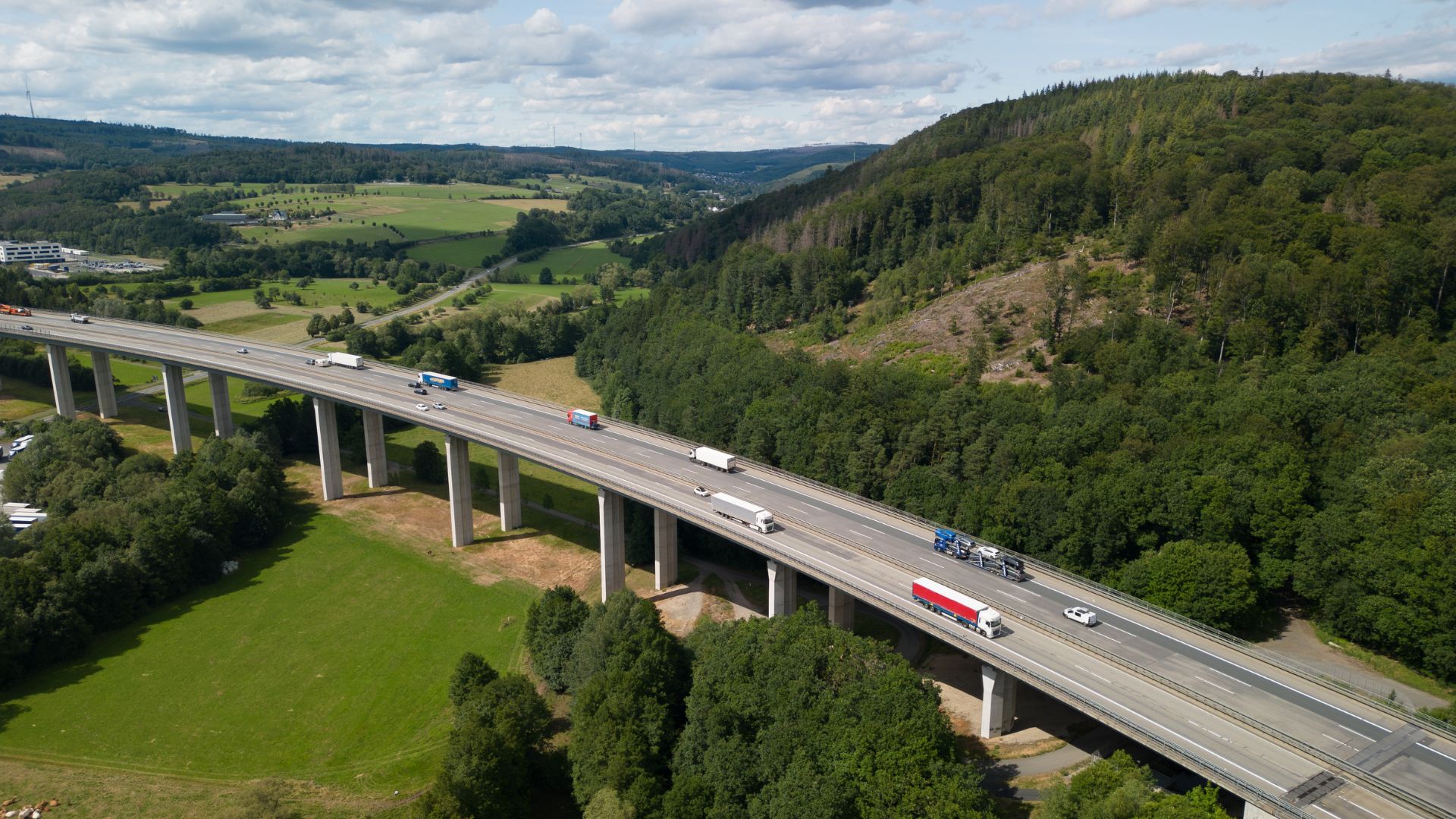
Understanding German Autobahn signs is essential for navigating the network safely and correctly. German road signs follow the standard European convention but have specific Autobahn-specific signs that differ from ordinary road signage and must be understood before joining the motorway.
Essential Autobahn signs explained:
- Blue rectangular signs with white text indicate Autobahn destinations and junction numbers throughout Germany
- The Autobahn symbol, a white A on a blue background, marks the beginning of motorway regulations
- A white diagonal stripe through a circular sign ends the speed restriction zone and begins unrestricted sections
- Orange signs indicate temporary routing through construction zones and must be followed precisely by all drivers
- Yellow diamond signs indicate priority road status and white diamond signs with cross indicate end of priority status
Junction signs on the Autobahn show the exit number in a small box at the top right corner of the blue sign. Memorising your exit number before beginning a journey is strongly recommended as the signs appear at 2,000 metres, 1,000 metres, and 500 metres before the exit ramp begins.
Electronic gantry signs showing red X symbols above a lane indicate that the lane is completely closed. Drivers must immediately move to an open lane when they see a red X above their current lane. Continuing in a closed lane is extremely dangerous and carries serious legal and insurance consequences.
The Stau warning sign, a red triangle showing two cars bumper to bumper, indicates traffic queuing ahead. When this sign appears, begin reducing speed immediately and prepare for the Stauende, the end of the traffic jam, which is often the location of the most serious Autobahn accidents in Germany.
8. Breakdown Procedures — What to Do
Breaking down on the German Autobahn can be a frightening experience but the correct procedure is clearly defined and must be followed precisely. Failing to follow breakdown procedure correctly significantly increases the risk of a secondary accident and carries serious legal consequences for the driver.
Step-by-step breakdown procedure:
- Turn on hazard warning lights immediately as soon as you notice a problem with the vehicle
- Move the vehicle to the hard shoulder or emergency stopping area as far right as possible
- Turn the steering wheel toward the barrier so the vehicle rolls away from traffic if hit
- All occupants must exit the vehicle immediately and move behind the safety barrier
- Place the warning triangle at least 100 metres behind the vehicle on the hard shoulder
- Call for assistance using the emergency phones located every 2 kilometres along the Autobahn
The orange emergency phones on the hard shoulder are free to use and automatically communicate your location to the emergency services. Small arrows on the delineator posts along the hard shoulder indicate the direction of the nearest emergency phone in case you are unsure which way to walk.
Never attempt to repair a tyre or any other fault while remaining on or near the carriageway. The hard shoulder of the Autobahn is statistically one of the most dangerous places on any road in Germany due to vehicles striking stopped cars. Always move completely behind the barrier before stopping to assess the vehicle.
Rescue lane formation, known as Rettungsgasse, is legally required when traffic slows. Vehicles in the left lane move as far left as possible while all other vehicles move as far right as possible, creating a clear central emergency access corridor for ambulances and police throughout the stationary traffic queue.
9. Autobahn Etiquette — Unwritten Rules Every Driver Must Know
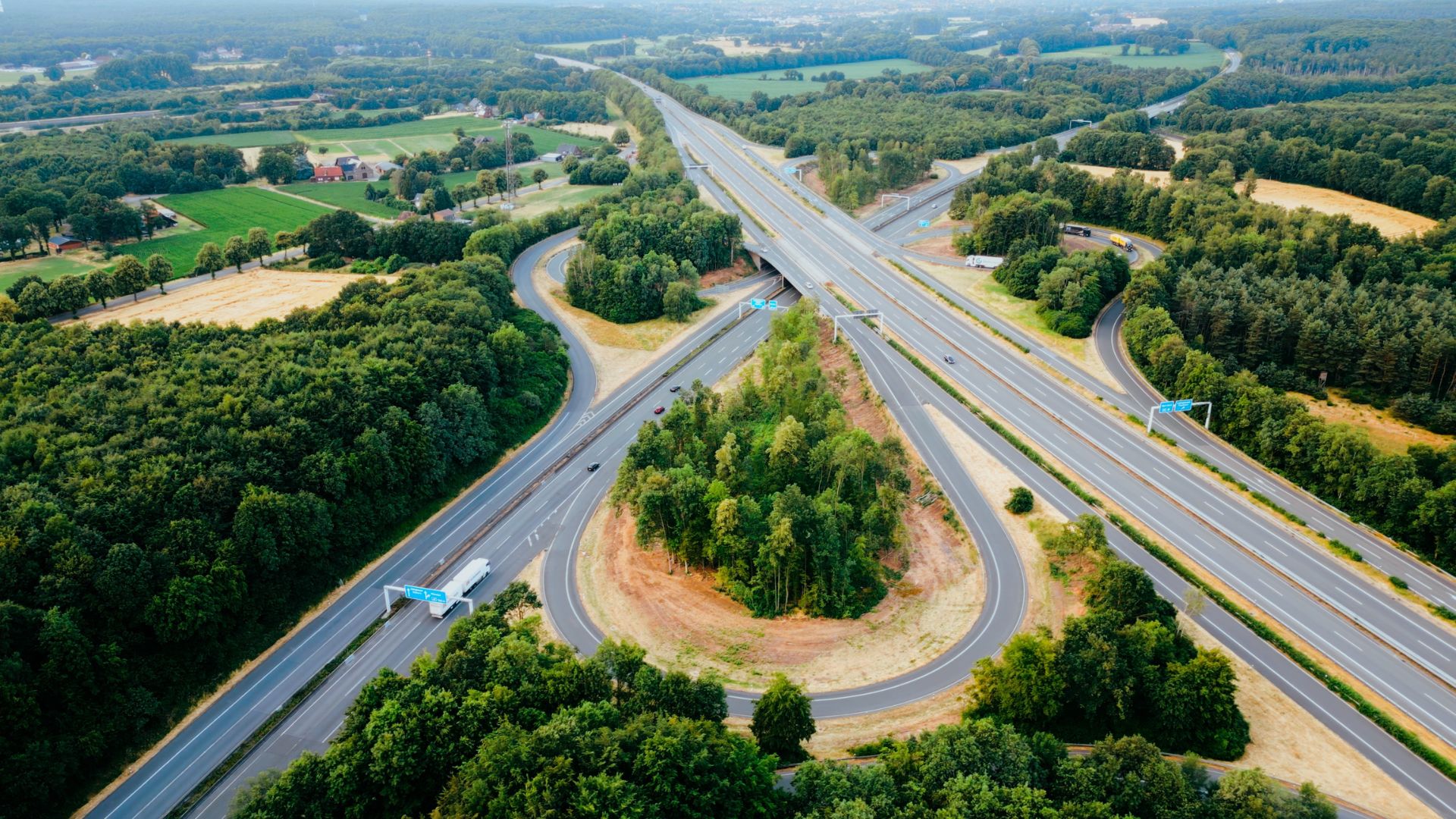
Beyond the legal requirements, the German Autobahn operates according to a deeply embedded culture of driving etiquette that experienced drivers understand and observe automatically. Violating this etiquette, even without breaking any specific law, marks you as an inexperienced or inconsiderate driver immediately.
Essential etiquette rules:
- Indicate every single lane change without exception — signalling is not optional but absolutely mandatory
- Merge onto the Autobahn using the full length of the acceleration lane to reach appropriate speed before joining
- Never stop on the hard shoulder unless there is a genuine mechanical emergency requiring an immediate stop
- Always acknowledge courteous driving behaviour from other drivers with a brief wave of appreciation
- Reduce your speed proactively in worsening weather without waiting for official speed limit signs to appear
The zipper merge, known as Reissverschlussverfahren, is the legally required merging method when two lanes reduce to one. Each vehicle alternates in turn when the lanes merge. Attempting to force ahead without waiting your turn is illegal and drivers who do so are frequently challenged aggressively by other motorists.
Truck overtaking on the Autobahn follows specific rules. Trucks are prohibited from overtaking other trucks on the right lane on three-lane or wider Autobahn sections. Heavy vehicles must also maintain greater following distances and are subject to lower speed limits than passenger cars throughout the network.
Service area etiquette requires vehicles to park in designated bays only. Parking on the approach road or blocking fuel pump areas beyond the time required for refuelling creates congestion and is actively discouraged. Truck rest areas are separate from passenger car areas at most major service facilities.
10. Driving in Different Weather Conditions
The Autobahn can transform dramatically in different weather conditions and adjusting driving behaviour appropriately is both a legal requirement and a basic safety necessity. The German concept of angepasste Geschwindigkeit, adapted speed, requires drivers to reduce speed to match actual road conditions at all times.
Weather condition guidelines:
| Condition | Recommended Max Speed | Key Hazard |
| Dry, clear | Up to unrestricted limit | Traffic speed differentials |
| Light rain | 120 km/h recommended | Spray and reduced visibility |
| Heavy rain | 80–100 km/h maximum | Aquaplaning risk increases significantly |
| Fog below 50m | 50 km/h legal maximum | Rear-end collision risk extremely high |
| Black ice | Maximum 50 km/h | Total loss of traction without warning |
| Snow | 50–80 km/h recommended | Reduced stopping distances dramatically |
Winter tyres are not legally required year-round in Germany but are strongly recommended during cold weather months. However, if you are driving on winter roads with summer tyres and cause an accident, your insurance coverage may be significantly reduced or voided entirely by your insurer.
Aquaplaning is a serious risk on the Autobahn during heavy rain. At speeds above 80 kilometres per hour, a shallow layer of water can cause the tyres to lose contact with the road surface entirely. If aquaplaning occurs, remove your foot from the accelerator gently and steer straight without braking sharply.
11. Motorway Service Areas — Raststätten
German motorway service areas, called Raststätten, are operated primarily by two companies, Tank und Rast and Autobahn Tank und Rast, and are located at regular intervals throughout the entire network. Services include fuel, food, toilets, parking, overnight accommodation, and information for drivers throughout Germany.
What you find at a German Raststätte:
- Petrol and diesel fuel available 24 hours at all major service areas throughout the network
- Restaurant or cafeteria serving hot food, sandwiches, coffee, and convenience items around the clock
- Clean toilet facilities with facilities typically located near the main building entrance for easy access
- Truck parking and shower facilities in separate dedicated areas away from passenger vehicle parking
- Electric vehicle charging points increasingly available at modern service areas throughout the network
Fuel prices at Autobahn service areas are significantly higher than at petrol stations in nearby towns. Experienced German drivers always fill up before joining the Autobahn at a cheaper town station rather than relying on service area fuel prices throughout a long journey.
Running out of fuel on the Autobahn is classified as a preventable breakdown and carries a fine of up to €70. Always ensure the tank has sufficient fuel before joining and plan fuel stops at service areas well before the warning light activates. Running dry on an Autobahn can be extremely dangerous for you and other drivers.
12. Electric Vehicles on the Autobahn
Electric vehicles are increasingly common on the German Autobahn network. Germany has invested significantly in expanding its motorway charging infrastructure, but the charging network remains less comprehensive than the petrol station network. Planning charging stops carefully is essential for long Autobahn journeys in electric vehicles.
The Ionity charging network provides high-speed DC charging at many German Autobahn service areas. Charging speeds of up to 350 kilowatts are available at premium stations. Journey planning apps such as ABRP and the manufacturer’s own navigation systems calculate charging stops automatically based on real-time battery and range data.
Range anxiety management on the Autobahn requires discipline with speed. At 130 kilometres per hour, most electric vehicles consume significantly more battery than at motorway speeds typical in other European countries. Reducing speed to 110 or 120 kilometres per hour substantially extends range between charging stops.
Electric vehicle Autobahn tips:
- Always plan your charging stops before departure using a dedicated EV journey planning application
- Charge to at least 80 percent before beginning each section between charging stops for comfortable margin
- Avoid high speeds on unrestricted sections to preserve battery range for the complete planned journey
- Use regenerative braking on approach to congestion to recover energy and extend available range effectively
- Download the relevant charging network apps before departure to ensure seamless payment at all charging stations
13. Driving as a Foreign Visitor
International visitors can drive on the German Autobahn with a valid driving licence from their home country, though requirements vary depending on origin. EU licence holders drive without restriction. Non-EU visitors from many countries including the United States, Canada, and Australia may drive for up to six months.
Visitors from countries not on the recognised licence list require an International Driving Permit alongside their national licence. This permit is obtained from the national automobile association before departure and translates the licence into the standardised international format accepted by German authorities.
Rental cars in Germany are typically well-maintained and modern. However, visitors should check tyre condition, tyre type, first aid kit expiry, warning triangle presence, and high-visibility vest availability before accepting any rental vehicle. The rental company’s roadside assistance number should be saved in your phone before departure.
Tips specifically for foreign visitors:
- Familiarise yourself with German road signs before driving as many differ from non-European conventions
- Download an offline map application before departure as mobile coverage can be unreliable in some tunnel sections
- Never enter an Autobahn section marked with a red X above your lane as this indicates full lane closure
- Remember Germans drive on the right side of the road and always turn left onto the Autobahn from correct lane
- Purchase a European breakdown cover policy before departure as standard travel insurance rarely covers roadside rescue
Practical Autobahn Driving Tips Summary
Driving on Germany’s Autobahn is a unique experience known for its high-speed sections and excellent road infrastructure. Understanding the rules, speed limits, and driving etiquette helps ensure a safe and enjoyable journey.
A practical Autobahn driving tips summary can help travelers prepare before getting behind the wheel. Knowing lane discipline, safety practices, and road signs allows drivers to navigate these famous highways confidently.
| Tip Category | Key Advice |
| Before you drive | Check tyres, fuel, documents, first aid kit, and warning triangle before every motorway journey |
| Speed selection | Match your speed to conditions regardless of any posted limit or absence of posted limit |
| Lane use | Return to the right lane after every single overtaking manoeuvre without any exception whatsoever |
| Following distance | Maintain minimum half-speedometer-reading in metres distance from the vehicle ahead at all times |
| Breakdowns | Exit vehicle immediately, move behind barrier, and use emergency phone located every two kilometres |
| Bad weather | Reduce speed proactively in rain, fog, and ice without waiting for variable limit signs to appear |
| Fuel management | Fill up before joining Autobahn and never allow fuel to run critically low during any motorway journey |
| Emergency services | Know the rescue lane formation law and execute it immediately whenever motorway traffic slows significantly |
Frequently Asked Questions
Q: Is there really no speed limit on the German Autobahn? Approximately 30 percent of the Autobahn network has no permanent speed limit. However, variable limits apply in bad weather, construction zones, and near cities. The advisory recommended speed on unrestricted sections is 130 km/h and exceeding this significantly increases liability in accidents.
Q: What happens if I drive too slowly on the Autobahn? The minimum permitted speed on the Autobahn is 60 km/h. Driving significantly below the general flow of traffic without justification is illegal and dangerous. Vehicles that cannot maintain at least 60 km/h are not permitted to use the Autobahn under any circumstances.
Q: Can motorcycles use the Autobahn freely? Motorcycles may use the Autobahn and are subject to the same rules as cars. Filtering between lanes in stationary or slow traffic is generally not permitted in Germany. Motorcyclists must follow the same speed, lane discipline, and following distance rules as all other motorway users throughout Germany.
Q: Are there toll charges on the German Autobahn? Passenger cars do not pay any tolls on the German Autobahn. Heavy goods vehicles pay distance-based tolls through the Toll Collect system. A planned car toll system was discussed and subsequently abandoned in recent years, so passenger car travel on the Autobahn remains completely free of charge.
Q: What should I do if I miss my Autobahn exit? Never reverse on the Autobahn under any circumstances. Continue to the next exit and plan an alternative route. Reversing on a motorway is one of the most dangerous actions possible and carries a fine of up to €200 plus serious liability for any resulting accident throughout Germany.
Final Thoughts
Driving on the German Autobahn is one of the most rewarding and most memorable road experiences available anywhere in the world. The engineering quality, the disciplined traffic culture, and the genuine sense of freedom on an open unrestricted section combine to create a driving experience of extraordinary and lasting impression.
The key to enjoying the Autobahn fully is preparation, respect, and discipline. Understanding the rules completely, observing lane etiquette without exception, maintaining safe following distances, and adapting speed to conditions transforms the Autobahn from an intimidating prospect into a genuinely pleasurable and truly excellent driving environment.
Germany’s Autobahn represents the highest expression of a country that takes driving seriously, values engineering excellence, and trusts its citizens with significant personal responsibility on the road. Driving it correctly and confidently is one of the most distinctively German experiences any visitor or resident can enjoy.
Hi, I’m Preeti Negi, a content writer who loves mixing creativity with smart strategy.
I have 3 years of experience writing about travel, digital marketing, and study abroad topics. I create content that is easy to read, engaging, and designed to connect with people while also performing well on Google.
When I’m not writing, I enjoy exploring new trends, learning new things, and thinking about fresh ideas for my next piece.
