

Germany’s railway network stretches across one of Europe’s most geographically diverse and most visually spectacular countries. From the dramatic coastline of the Baltic Sea in the north to the snow-capped peaks of the Bavarian Alps in the south, the country’s landscape changes constantly and dramatically as you travel through it by train.
The German railway system was built across the 19th and early 20th centuries by engineers who routed lines through terrain that modern planners would consider impossible. These historic alignments, following river valleys and threading through mountain ranges rather than tunnelling beneath them, created some of the most naturally beautiful rail corridors on the entire European continent.
This complete guide covers the finest scenic train routes in Germany in numbered order. Each route description covers the journey experience, the key scenic highlights, the best season for travel, practical ticketing information, and tips for getting the very most from every kilometre of each extraordinary journey throughout Germany.
Please note that this article contains affiliate links. Learn more about it on our Disclosure page. We use ads to support our small business – we hope you don’t mind them too much.
Quick Reference: Germany’s Best Scenic Train Routes
Germany offers many beautiful train journeys that showcase stunning landscapes and charming regions. This quick reference highlights some of the most scenic routes, helping travelers discover memorable rail experiences across the country.
| Rank | Route | Distance | Journey Time | Best Season |
| 1 | Rhine Valley — Cologne to Mainz | 185 km | 1h 50min | Spring, Autumn |
| 2 | Bavarian Alps — Munich to Garmisch | 90 km | 1h 20min | All year |
| 3 | Moselle Valley — Koblenz to Trier | 140 km | 1h 30min | Summer, Autumn |
| 4 | Berchtesgaden — Freilassing to Berchtesgaden | 34 km | 40 min | Summer, Winter |
| 5 | Black Forest — Offenburg to Konstanz | 150 km | 2h 30min | Summer |
| 6 | Harz Narrow Gauge — Wernigerode to Brocken | 60 km | 1h 45min | All year |
| 7 | Romantic Road — Würzburg to Donauwörth | 180 km | 2h 30min | Spring, Summer |
| 8 | Saxon Switzerland — Dresden to Schöna | 60 km | 1h 10min | Spring, Summer |
| 9 | Baltic Coast — Lübeck to Travemünde | 20 km | 30 min | Summer |
| 10 | Allgäu Alps — Kempten to Oberstdorf | 55 km | 1h | All year |
| 11 | Elbe Valley — Dresden to Bad Schandau | 45 km | 45 min | Spring, Summer |
| 12 | Mosel Bahn — Bullay to Traben-Trarbach | 24 km | 30 min | Autumn |
| 13 | Lake Constance — Radolfzell to Lindau | 75 km | 1h | Summer |
| 14 | Zugspitze — Garmisch to Zugspitzplatt | 19 km | 1h 15min | Winter, Summer |
| 15 | Rugen Island — Putbus to Göhren | 30 km | 1h | Summer |
15 Amazing Scenic Train Trips in Germany
Germany is known for its beautiful landscapes, charming towns, and impressive railway network. Scenic train routes allow travelers to enjoy mountains, rivers, forests, and historic cities while experiencing comfortable and relaxing journeys.
In this guide, we explore 15 of the best scenic train routes in Germany. These routes are selected for their beauty and travel experience, and the order does not represent ranking or preference.
Route 1 — Rhine Valley: Cologne to Mainz
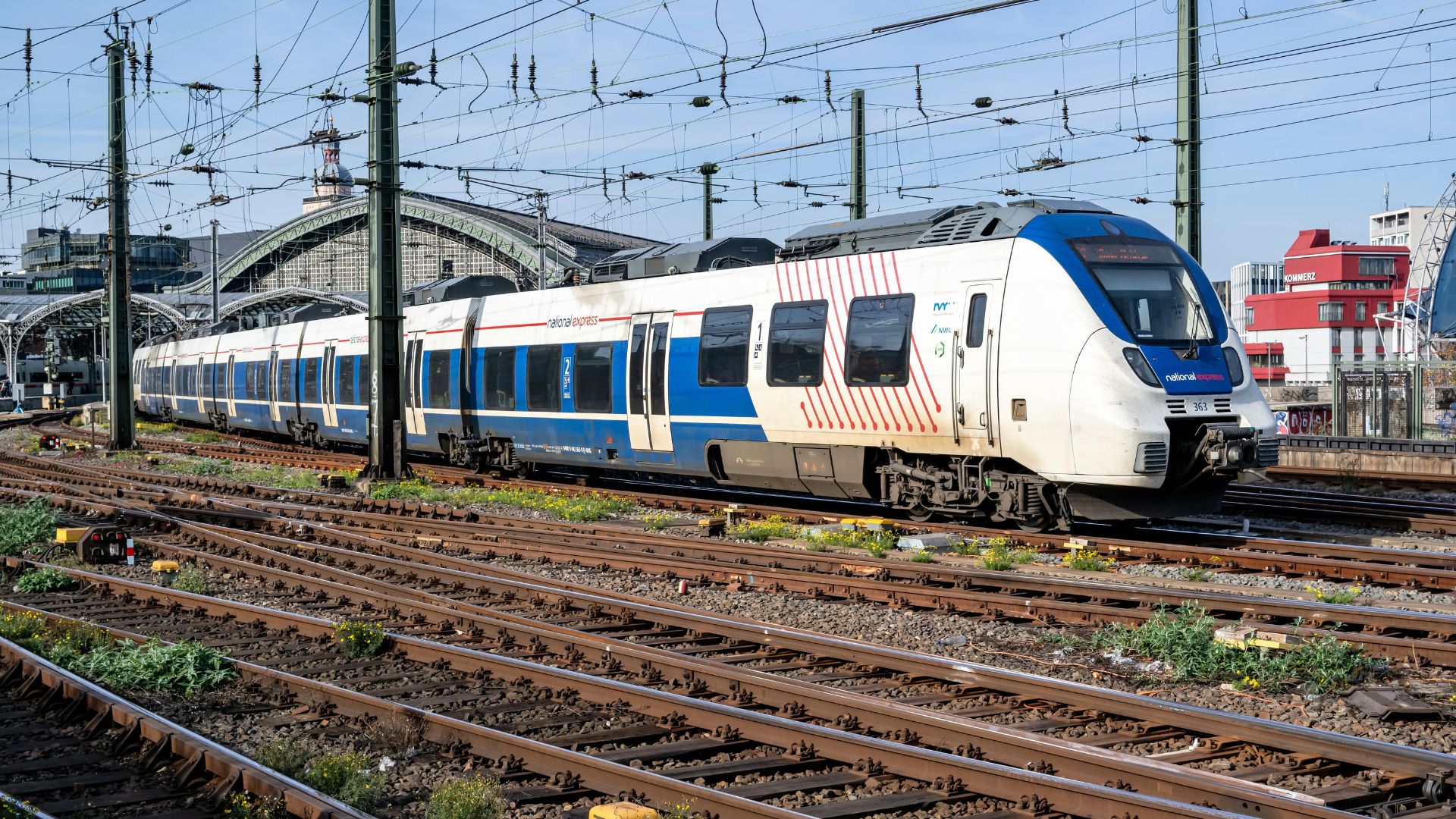
Rhine Valley: Cologne to Mainz is one of Germany’s most scenic train journeys. The route offers a relaxing travel experience with beautiful landscapes, historic surroundings, and picturesque views that make the journey memorable for travelers.
The Most Famous Scenic Railway in All of Germany
The Rhine Valley railway between Cologne and Mainz is the single most celebrated and most visually spectacular scenic train journey in Germany and arguably in the whole of western Europe. This route follows the mighty Rhine River through the UNESCO World Heritage-listed Upper Middle Rhine Valley for 65 kilometres of continuous and breathtaking scenery.
The journey between Cologne and Mainz takes approximately one hour and fifty minutes on the Regional Express service, and every single minute of that time delivers something extraordinary to look at through the carriage window. Medieval castles perch on rocky outcrops above the river. Vineyard terraces descend in perfect geometric rows to the water’s edge. Ancient wine villages cluster at the base of steep slate cliffs beside the Rhine.
The Upper Middle Rhine Valley section between Bingen and Koblenz is the most dramatically beautiful portion of the entire route. This 65-kilometre section contains more castles per kilometre than any comparable stretch of river in the entire world — over 40 castles, and castle ruins visible from the train in rapid succession create an experience unlike anything available on any other railway journey in Germany.
The key scenic highlights of the Rhine Valley route:
- Drachenfels Castle ruins above the river near Königswinter, just south of Bonn
- The Siebengebirge hills rise steeply from the eastern bank as you leave Cologne
- Linz am Rhein, a beautifully preserved medieval town directly visible from the train window
- Andernach, one of the oldest towns in Germany, with its famous medieval town walls
- Marksburg Castle near Braubach, the only Rhine castle never destroyed, is perfectly preserved above the river
- Loreley Rock near St Goarshausen, the legendary slate cliff rising 132 metres directly above the Rhine
- Bacharach, the most perfectly preserved medieval wine village on the entire Rhine Valley
- Bingen am Rhein, the southern gateway of the UNESCO heritage section, with Mäuseturm island tower
Practical information for the Rhine Valley route:
| Detail | Information |
| Train type | RE Regional Express — not ICE |
| Ticket type | Regional ticket or Deutschland-Ticket valid |
| Best seat | Right side of train travelling south from Cologne |
| Frequency | Every hour throughout the day |
| Best time | April to October for maximum visibility |
| Combine with | Wine tasting at Bacharach or Rüdesheim stop |
Seasonal travel advice: Spring delivers the most colourful experience as the vineyard slopes burst with fresh green growth and the valley villages host wine blossom festivals throughout April and May. Autumn transforms the same vineyards into a palette of gold, amber, and deep red that reflects magnificently in the Rhine River during the October harvest season.
Route 2 — Bavarian Alps: Munich to Garmisch-Partenkirchen
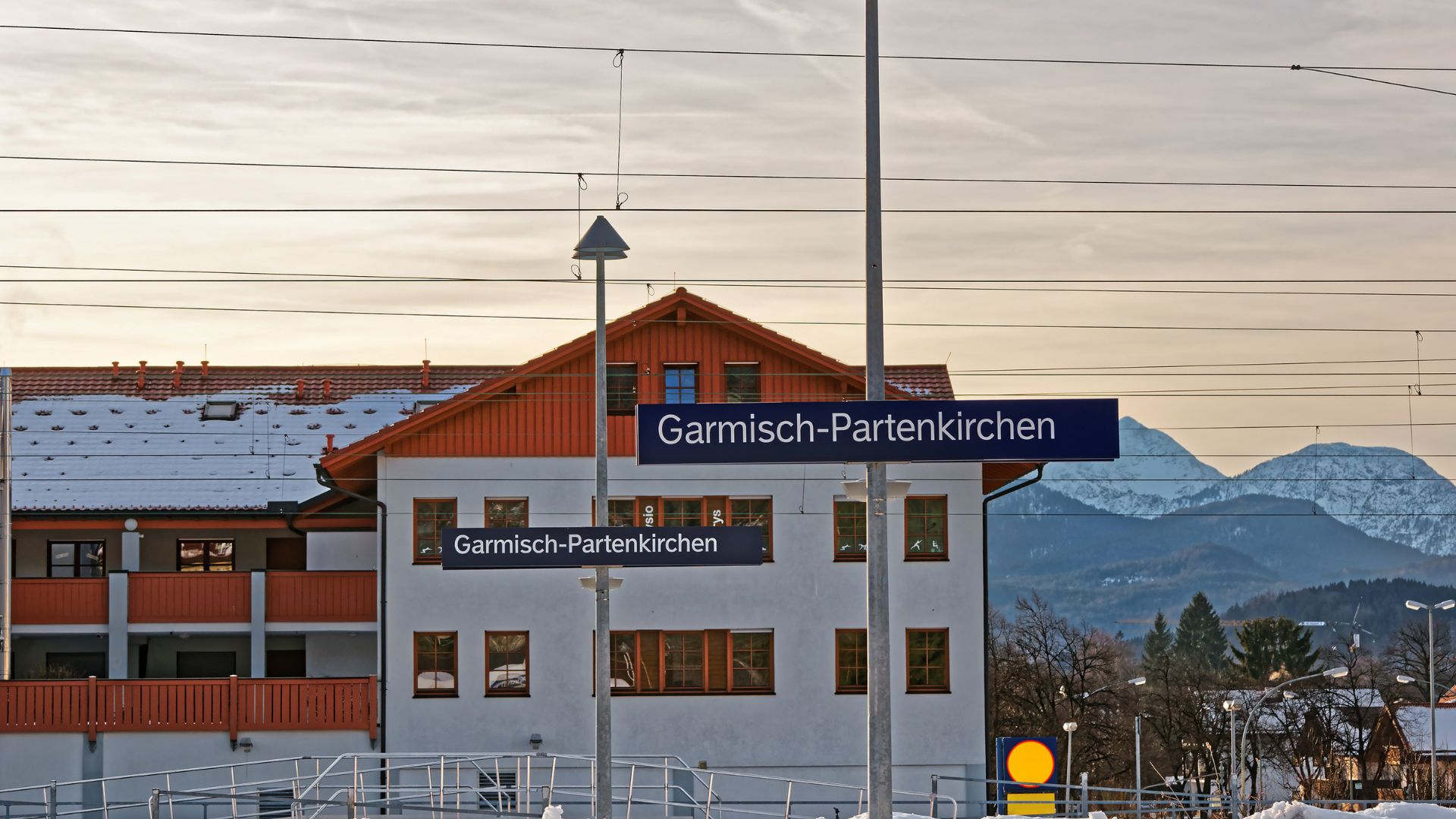
Bavarian Alps: Munich to Garmisch-Partenkirchen offers one of the most picturesque train journeys in southern Germany. The route provides a relaxing travel experience with stunning alpine scenery and charming surroundings along the way.
Bavaria’s Most Dramatic Alpine Railway Journey
The railway from Munich to Garmisch-Partenkirchen is one of Germany’s most beloved and most frequently travelled scenic routes, delivering passengers from the Bavarian capital’s urban bustle through increasingly dramatic Alpine scenery to the foot of the Zugspitze — Germany’s highest mountain at 2,962 metres above sea level.
The journey of approximately one hour and twenty minutes covers 90 kilometres of terrain that changes almost continuously from the suburban sprawl of Munich’s southern edge through the gently rolling Bavarian pre-Alps, across the stunning Loisach Valley, and into the full drama of the Bavarian Alps with their jagged limestone peaks, glacial lakes, and traditional white-walled Bavarian villages.
The first genuinely breathtaking moment of the journey comes at Tutzing on the western shore of Lake Starnberg, where the lake stretches away to the north in a broad panorama before the train turns southward toward the Alps. From here, the mountains grow steadily larger in the southern horizon with every kilometre of progress until they fill the entire view from the carriage windows.
Key highlights of the Munich to Garmisch route:
- Lake Starnberg is visible from the western bank near Tutzing station
- Benediktbeuern, with its magnificent baroque monastery, is visible from the train
- Bad Tölz and the Isar River valley, narrowing between increasingly steep forested hillsides
- First views of the full Wetterstein mountain range as the train enters the Alpine zone
- Murnau am Staffelsee, with its picturesque old town and artists’ quarter visible from the platform
- Eschenlohe, where the Loisach gorge creates a dramatic, narrow section of outstanding natural scenery
- Garmisch-Partenkirchen arrival with the full Zugspitze massif filling the southern sky completely
Practical information:
| Detail | Information |
| Train type | RE Regional Express from Munich Hauptbahnhof |
| Ticket | Bayern-Ticket outstanding value for groups |
| Frequency | Every hour from Munich throughout the day |
| Best seat | Any window seat — scenery on both sides |
| Best season | December to March for snow, June to September for hiking |
| Extend journey | Continue to the Zugspitze summit by the rack railway from Garmisch |
Route 3 — Moselle Valley: Koblenz to Trier
Moselle Valley: Koblenz to Trier is a scenic train journey known for its relaxing travel experience and beautiful surroundings. The route passes through charming landscapes and historic regions, offering travelers a memorable rail trip.
Germany’s Great Wine Railway Through Ancient Landscapes
The Moselle Valley railway follows the Moselle River from Koblenz through 140 kilometres of Germany’s most celebrated wine country to the ancient Roman city of Trier. This route delivers one of the most consistently beautiful and most culturally rich rail journeys available anywhere in Germany throughout the entire year.
The Moselle River is famous for its extraordinary winding course through the Rhenish Massif highlands. The river makes a series of dramatic horseshoe bends that the railway follows precisely, curving back and forth through the valley in long sweeping arcs that constantly reveal new perspectives on the steeply terraced vine slopes and the ancient villages clustered along the riverside below them.
Moselle Riesling wine is among Germany’s most celebrated, and the wine produced on these steep slate slopes enjoys a worldwide reputation for its exceptional minerality and extraordinary longevity. The vineyards visible from the train window are among the steepest cultivated in all of Europe, with gradients exceeding 70 percent in some sections, requiring hand harvesting by experienced local workers throughout the autumn season.
Key highlights along the Moselle Valley route:
- Koblenz Deutsches Eck, the dramatic confluence of the Moselle and Rhine rivers visible from the departure
- Winningen with its ancient single-span stone bridge over the Moselle river
- Cochem, with its dramatically positioned Reichsburg Castle perched on a conical hill above the river
- The Bremm horseshoe bend, the tightest and most dramatic of all Moselle curves visible from the train
- Zell am Moselle and its famous Schwarze Katz vineyard on the steep slope directly above the town
- Traben-Trarbach, a beautifully preserved Art Nouveau spa town straddling both banks of the Moselle
- Bernkastel-Kues, the most picturesque of all Moselle wine towns, with its half-timbered market square
- Trier’s arrival, Germany’s oldest city, with its extraordinary Roman heritage, including the Porta Nigra gate
Practical information:
| Detail | Information |
| Train type | RB Regionalbahn — slow but maximises scenery |
| Ticket | Deutschland-Ticket fully valid throughout |
| Frequency | Hourly from Koblenz throughout the day |
| Best seat | Left side travelling from Koblenz toward Trier |
| Best season | Deutschland-Ticket is fully valid throughout |
| Stop recommended | Cochem for castle visit and wine tasting |
Route 4 — Berchtesgaden: Freilassing to Berchtesgaden
Berchtesgaden: Freilassing to Berchtesgaden is a stunning train journey through southern Germany. Travelers enjoy breathtaking alpine landscapes, charming villages, and serene surroundings, making it a memorable and picturesque rail experience.
The Most Dramatically Alpine Short Railway in Germany
The railway from Freilassing to Berchtesgaden is the most concentrated and most dramatic scenic railway experience in Germany, relative to its short distance of just 34 kilometres. This branch line penetrates deep into the Berchtesgaden Alps, following the Salzach and then the Berchtesgadener Ache rivers through increasingly spectacular mountain terrain.
The journey begins unassumingly at Freilassing near Salzburg and builds steadily in drama with every kilometre. The valleys narrow, the mountains close in on both sides, waterfalls appear on the cliff faces above the track, and the train threads through a sequence of short tunnels and open sections that reveal fresh Alpine panoramas with each emergence into daylight throughout the journey.
The destination of Berchtesgaden is surrounded by five mountain peaks exceeding 2,000 metres and sits at the heart of the Berchtesgaden National Park, Bavaria’s only Alpine national park and one of the most ecologically pristine mountain landscapes in Germany. The Königssee, often described as Germany’s most beautiful lake, is accessible from Berchtesgaden station by bus.
Key highlights of the Berchtesgaden route:
- The Salzach River gorge south of Freilassing, where the valley narrows dramatically
- Bad Reichenhall, with its famous salt works and the towering Hochstaufen peak behind the town
- The first views of the Berchtesgaden Alps appear above the tree line as the train climbs
- Bayerisch main halt surrounded by Alpine meadows and traditional farmhouses
- The dramatic final approach to Berchtesgaden through the Berchtesgadener Ache gorge
Route 5 — Black Forest Railway: Offenburg to Konstanz
Black Forest Railway: Offenburg to Konstanz is a scenic train route showcasing Germany’s famous Black Forest region. Travelers experience dense forests, rolling hills, and charming towns, creating a relaxing and picturesque journey.
Germany’s Most Celebrated Mountain Railway Engineering Achievement
The Black Forest Railway between Offenburg and Konstanz is one of Germany’s greatest railway engineering achievements and one of its finest scenic experiences. Built between 1863 and 1873 through terrain of extraordinary difficulty, this line climbs from the Rhine Plain into the heart of the Black Forest using a combination of spiral tunnels, loops, and viaducts that rank among the most ingenious railway engineering solutions in European history.
The most celebrated section of the route is between Offenburg and Donaueschingen, where the line climbs over 600 metres using the famous Triberg spiral — a section where the train loops through a complete circle inside a tunnel to gain height on a gradient otherwise impossible for a standard railway alignment. Passengers who know to look can identify the same valley visible from different heights as the train spirals upward through the mountain.
Triberg is the highlight of the journey and home to Germany’s highest waterfalls, the famous Black Forest cuckoo clock industry, and some of the most photographed traditional Black Forest landscapes in the entire country. The station at Triberg serves as the perfect midpoint stop for passengers wishing to explore the waterfalls and town before continuing their journey southward toward Lake Constance.
Key highlights of the Black Forest route:
- The Rhine plain is visible behind you as the train begins its dramatic climb from Offenburg
- Hausach, where the Kinzig Valley narrows, and the forested hillsides become dramatically steep
- The Triberg spiral tunnel section, where the train loops to gain an impossible gradient height
- Triberg’s famous waterfalls — Germany’s highest — visible from the hillside above the station
- St Georgen with its panoramic views across the Black Forest highlands in all directions
- Donaueschingen, source of the Danube River, marking the transition from the Black Forest plateau
- The dramatic descent toward Lake Constance through vineyards and orchards in the final section
- Konstanz’s arrival on the shores of Lake Constance with views across to the Swiss Alps beyond
Practical information:
| Detail | Information |
| Train type | RE Regional Express on main section |
| Ticket | Deutschland-Ticket valid throughout |
| Best stop | Triberg for waterfalls and Black Forest experience |
| Best season | May to September for clearest visibility |
| Engineering highlight | RE Regional Express on the main section |
| Extension | Continue around Lake Constance by train or ferry |
Route 6 — Harz Narrow Gauge Railway: Wernigerode to Brocken
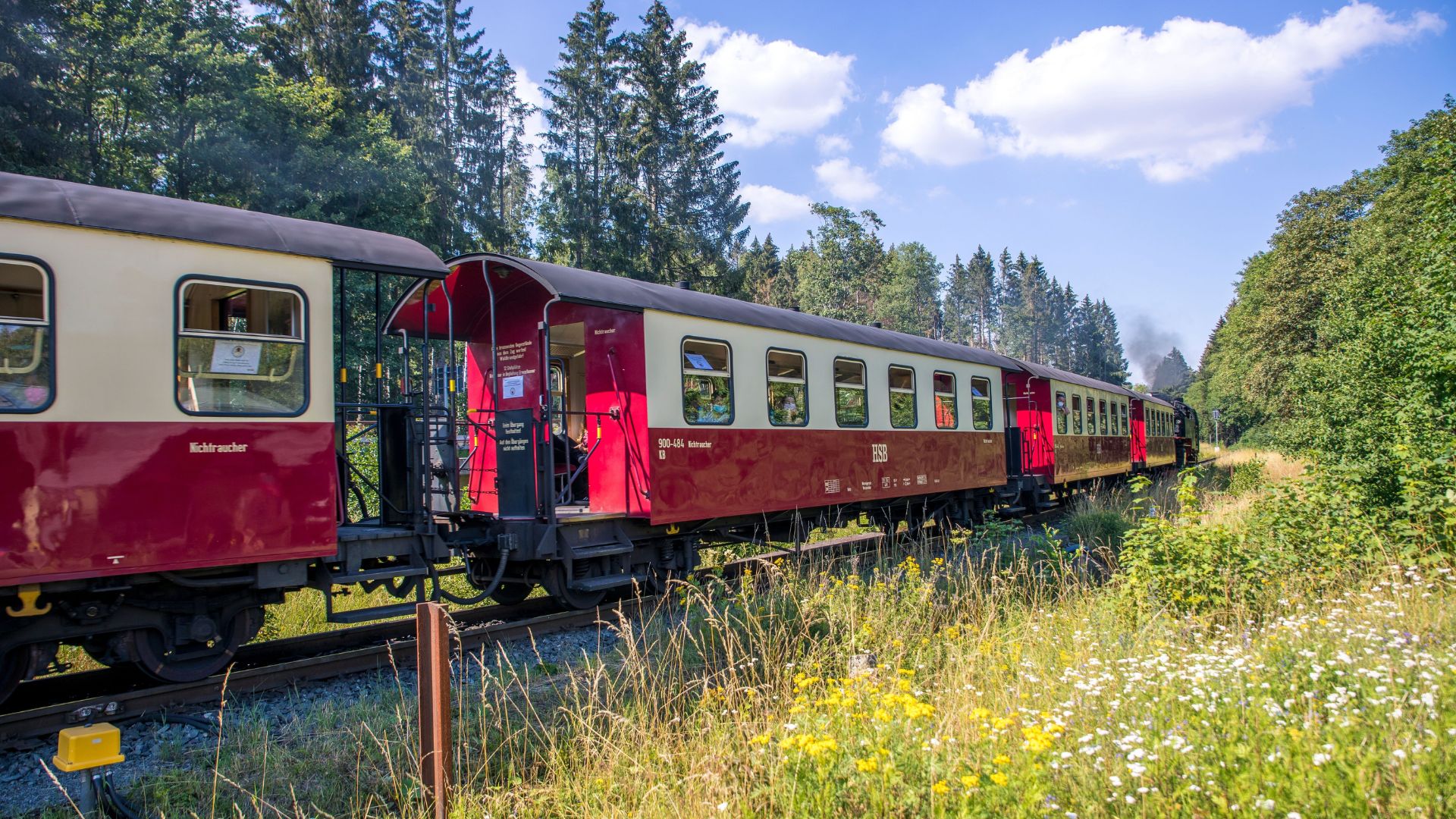
Harz Narrow Gauge Railway: Wernigerode to Brocken is a charming and scenic train journey in northern Germany. Travelers enjoy historic steam trains, dense forests, and panoramic mountain views along this unique route.
Germany’s Most Extraordinary Steam-Hauled Mountain Railway
The Harz Narrow Gauge Railways, known in German as the Harzer Schmalspurbahnen, operate the largest narrow gauge steam railway network in Germany and one of the most atmospheric and most historically significant railway experiences in the entire country. These steam-hauled trains have been operating through the Harz Mountains since 1899 without interruption.
The most dramatic route in the network is the Brocken Railway from Wernigerode climbing to the summit of the Brocken at 1,141 metres — the highest point in northern Germany. This 60-kilometre journey through dense spruce forests, past ancient rock formations, and above the treeline onto the exposed Brocken plateau takes approximately one hour and forty-five minutes of continuous and atmospheric steam railway travel.
The Brocken is one of Germany’s most legendary mountains, associated with Walpurgis Night and the witchcraft mythology that inspired Goethe’s Faust. The summit is frequently shrouded in cloud, and the journey into the mist behind a steam locomotive creates an experience of genuinely otherworldly atmosphere that no other railway journey in Germany approaches for sheer drama and historical resonance.
Key highlights of the Harz Narrow Gauge experience:
- Wernigerode station, with its magnificently preserved timber-framed medieval old town nearby
- The steam locomotive preparation is visible at the depot before departure from Wernigerode
- Drei Annen Hohne junction, where the Brocken Railway branches from the main narrow gauge network
- The Harz forest section where ancient spruce trees press close to both sides of the narrow track
- The treeline crossing where the landscape opens suddenly onto exposed upland moorland
- Brocken summit arrival with its meteorological station and extraordinary panoramic views
Practical information:
| Detail | Information |
| Train type | Historic steam locomotive — narrow gauge |
| Ticket | Separate HSB ticket required — not covered by DB passes |
| Booking | Advance seat reservation strongly recommended |
| Best season | October for autumn colours, December for snow |
| Journey duration | 1 hour 45 minutes Wernigerode to Brocken |
| Special service | Walpurgis Night steam special on 30 April annually |
Route 7 — Romantic Road: Würzburg to Donauwörth
Romantic Road: Würzburg to Donauwörth is a picturesque train journey through southern Germany. Travelers experience charming towns, scenic countryside, and historic landscapes, making it a delightful and memorable rail adventure.
Following Germany’s Most Famous Tourist Route by Rail
The Romantic Road is Germany’s most famous tourist route, connecting medieval towns, baroque churches, and fairy-tale castles across 460 kilometres of Bavarian and Swabian countryside. While most visitors travel the Romantic Road by coach or car, the railway parallel to this route delivers a genuine and surprisingly authentic scenic rail experience through some of Germany’s most historically rich and most architecturally beautiful landscapes.
The route from Würzburg through Rothenburg ob der Tauber and Dinkelsbühl to Donauwörth passes through a landscape that has changed relatively little over the centuries. Medieval town walls, half-timbered market squares, baroque monastery churches, and rolling agricultural countryside characterise every section of this journey through the heart of historic southern Germany.
Rothenburg ob der Tauber is the jewel of the Romantic Road and justifiably one of Germany’s most visited historic destinations. The town’s medieval walls are completely intact, its half-timbered buildings have been preserved in extraordinary condition, and its narrow cobblestone streets create an atmosphere of genuine medieval Germany that no amount of tourism has managed to dilute significantly throughout its long history.
Key stops and highlights along the Romantic Road rail route:
- Würzburg departure with views of Marienberg Fortress above the Main River
- Steinach bei Rothenburg junction for the branch line to Rothenburg ob der Tauber
- Rothenburg ob der Tauber — the most completely preserved medieval town in Germany
- Dinkelsbühl — a smaller and less visited but equally beautiful walled medieval town
- Nördlingen — a town built inside a meteor impact crater with intact medieval city walls
- Harburg — a dramatically positioned castle directly above the Wörnitz River valley
- Donauwörth — historic market town at the confluence of the Danube and Wörnitz rivers
Route 8 — Saxon Switzerland: Dresden to Schöna
Saxon Switzerland: Dresden to Schöna is a breathtaking train journey through eastern Germany. Travelers enjoy dramatic sandstone cliffs, lush valleys, and scenic river views, creating an unforgettable and picturesque rail experience.
The Most Dramatic Sandstone Landscape in Germany
The railway from Dresden through Saxon Switzerland to the Czech border at Schöna follows the Elbe River through one of Germany’s most extraordinary and most visually dramatic natural landscapes. Saxon Switzerland National Park contains a landscape of towering sandstone pillars, deep gorges, forested plateaus, and the dramatic Elbe valley that has inspired artists and explorers for over two centuries.
The journey from Dresden takes the train through the eastern suburbs of the city before the Elbe Valley suddenly transforms into the remarkable sandstone landscape of the national park. The sandstone formations, eroded over millions of years into the shapes of towers, bridges, and amphitheatres, appear increasingly dramatic as the train progresses deeper into the park from Pirna to Bad Schandau and beyond.
Bad Schandau is the main gateway town for Saxon Switzerland National Park and an excellent base for exploring the area’s extraordinary hiking trail network. The Bastei Bridge, one of Germany’s most photographed natural landmarks, is accessible by a 45-minute walk from the Rathen station on this line and provides the most dramatic viewpoint over the Elbe gorge and sandstone towers below.
Key highlights of the Saxon Switzerland route:
- Dresden departure with views of the baroque city skyline from the Elbe bridge
- Pirna, with its beautifully preserved old town and the first sandstone outcrops appearing
- Rathen station for the Bastei Bridge walk — Germany’s most dramatic sandstone viewpoint
- Bad Schandau, the national park gateway town, with its historic spa quarter
- Schöna at the Czech border, where the Elbe enters the narrow Bohemian gorge section
- The entire Elbe gorge section, with its continuous sandstone cliff scenery throughout
Practical information:
| Detail | Information |
| Train type | S-Bahn S1 from Dresden — RB on outer section |
| Ticket | Deutschland-Ticket fully valid |
| Best stop | Rathen for Bastei Bridge walk |
| Best season | May to June for wildflowers, October for autumn |
| Extend journey | S-Bahn S1 from Dresden — RB on the outer section |
| Photography | Continue into the Czech Republic to Děčín by train |
Route 9 — Baltic Coast: Lübeck to Travemünde
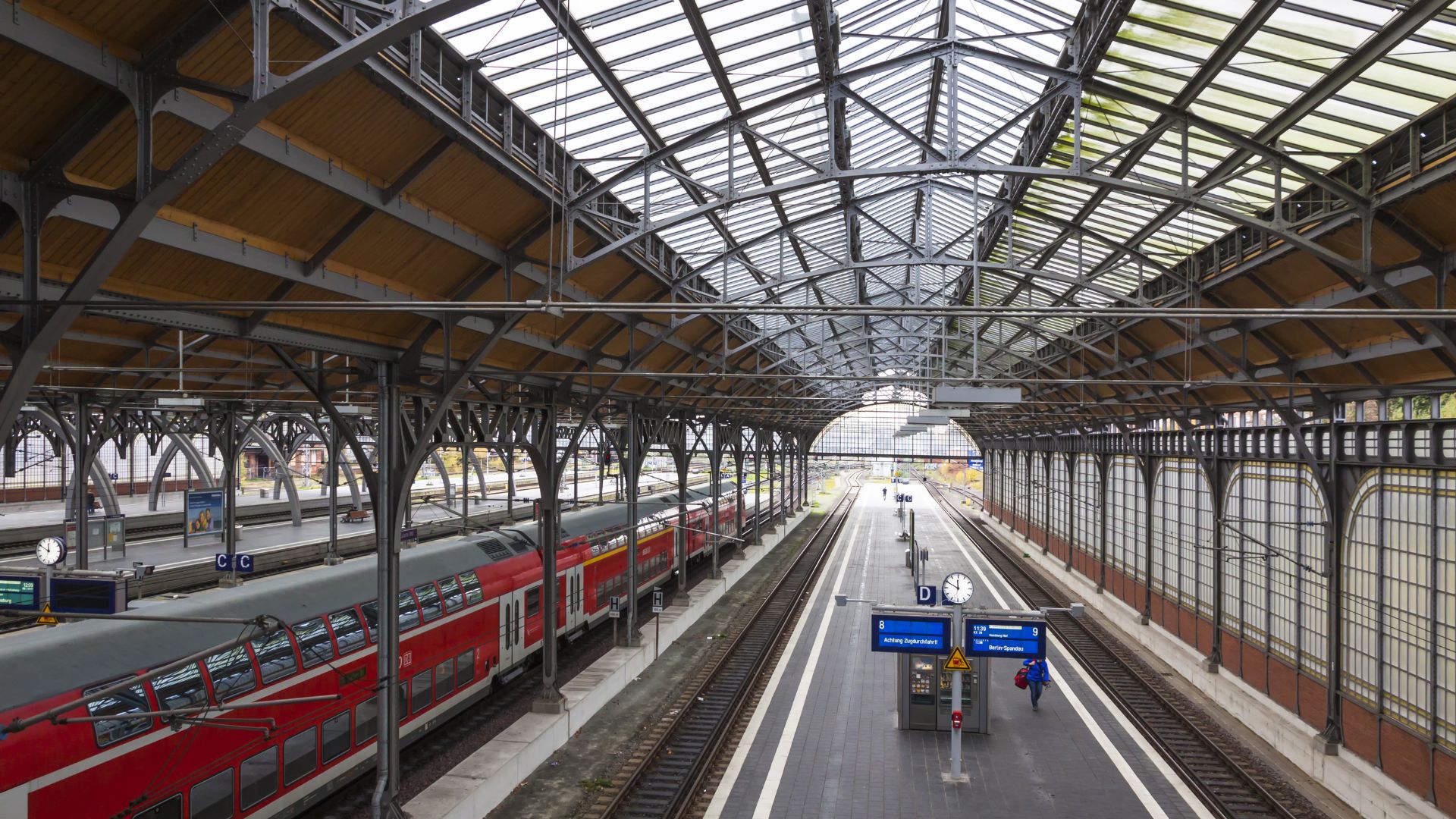
Baltic Coast: Lübeck to Travemünde is a scenic train journey along northern Germany’s coastline. Travelers enjoy picturesque seaside views, charming towns, and tranquil landscapes, making the route perfect for a relaxing rail experience.
Germany’s Most Atmospheric Coastal Railway Journey
The short railway from the Hanseatic city of Lübeck to the Baltic Sea resort of Travemünde delivers one of Germany’s most pleasantly atmospheric and most seasonally rewarding coastal rail experiences in just thirty minutes of travel. This compact journey connects the UNESCO-listed medieval city of Lübeck with the oldest seaside resort in Germany.
Lübeck’s UNESCO-listed old town, dominated by the famous twin-spired Holstentor gate and surrounded by the Trave River, is itself one of northern Germany’s greatest attractions. Combining a morning exploring Lübeck’s medieval Hanseatic architecture with an afternoon journey to the Baltic beach at Travemünde creates one of Germany’s most satisfying and complete day trip experiences by regional rail.
Travemünde has been a fashionable Baltic resort since the 18th century and retains much of its traditional coastal character with its long sandy beach, historic lighthouse, traditional fishing harbour, and the famous Priwall beach peninsula accessible by a short ferry crossing from the town centre throughout the summer season.
Route 10 — Allgäu Alps: Kempten to Oberstdorf
Allgäu Alps: Kempten to Oberstdorf is a stunning train journey through southern Germany. Travelers enjoy breathtaking alpine scenery, rolling hills, and charming villages, offering a peaceful and memorable rail experience.
The Gateway to Germany’s Most Beautiful Alpine Corner
The railway from Kempten to Oberstdorf in the Allgäu region of Bavaria delivers passengers into one of Germany’s finest and least overcrowded Alpine landscapes. Oberstdorf, Germany’s southernmost town, sits in a valley surrounded on three sides by Alpine peaks and serves as the starting point for some of the country’s most spectacular mountain walking and winter sports experiences.
The journey south from Kempten follows the Iller River through a landscape of increasing Alpine drama, passing through the Allgäu foothills, before the full mountain panorama of the Allgäu Alps appears in the final approach to Oberstdorf. The Allgäu region is famous throughout Germany for its dairy farming, its distinctive farmhouse architecture, and its extraordinary concentration of Alpine scenery within a relatively compact and easily accessible area.
Key highlights of the Kempten to Oberstdorf route:
- Kempten’s baroque old town is visible briefly as the train departs southward
- Immenstadt im Allgäu, with the Alpsee lake and Immenstadt Castle visible from the train
- Sonthofen, where the Iller gorge narrows and the mountains close in dramatically on both sides
- Fischen im Allgäu, with its traditional Allgäu farmhouses and the first full mountain panoramas
- Oberstdorf arrival surrounded by Fellhorn, Nebelhorn, and Rubihorn peaks on all sides
Route 11 — Elbe Valley: Dresden to Bad Schandau
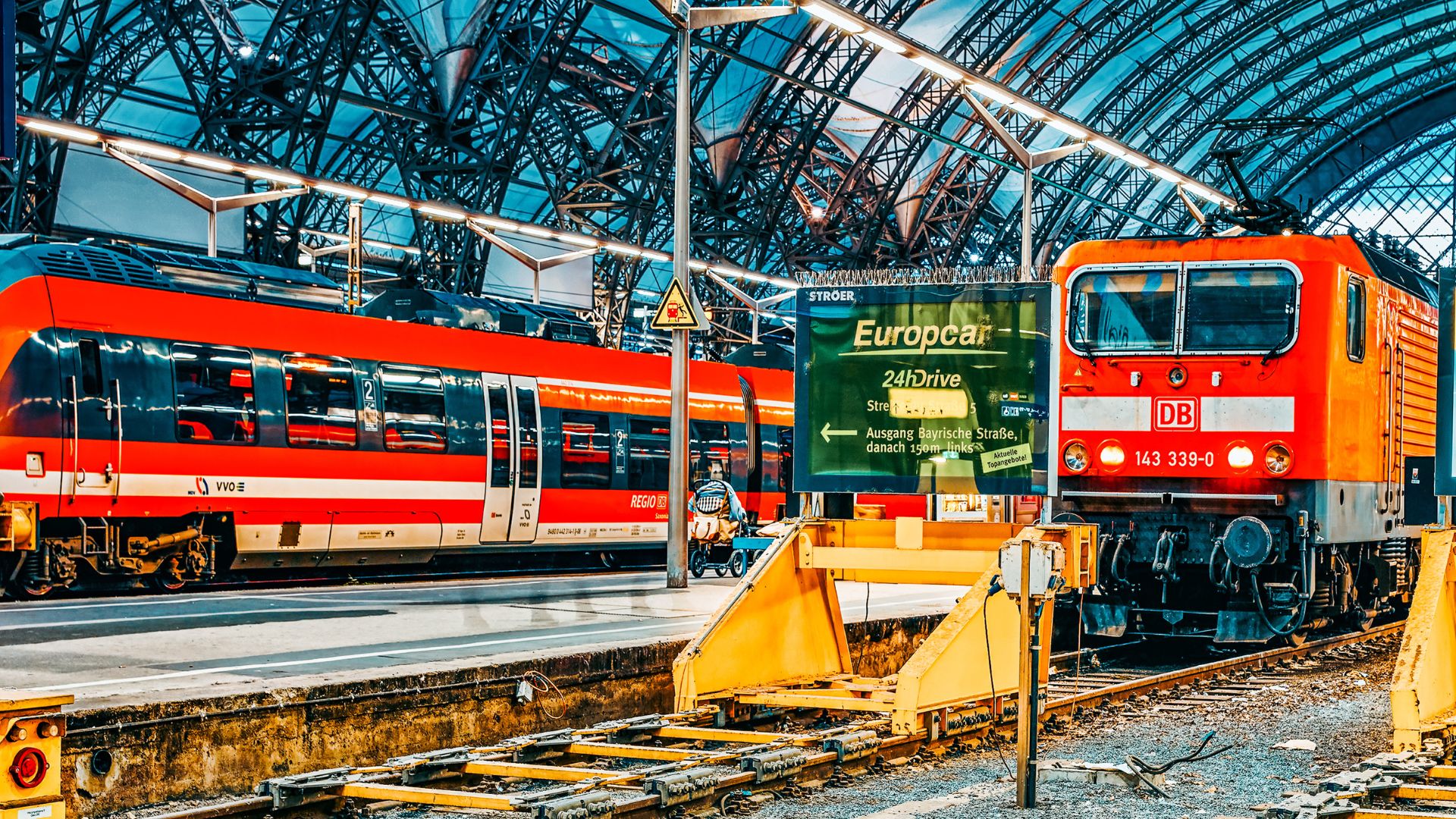
Elbe Valley: Dresden to Bad Schandau is a picturesque train journey along the Elbe River in eastern Germany. Travelers enjoy dramatic cliffs, lush forests, and charming riverside towns, creating a relaxing and scenic rail experience.
Where Baroque Splendour Meets Natural Drama
The railway along the Elbe Valley from Dresden to Bad Schandau provides an outstanding 45-minute introduction to the contrasting worlds of baroque Dresden and the wild sandstone landscape of Saxon Switzerland. This route is entirely within the S-Bahn network, covered by the Deutschland-Ticket, and provides one of the best value scenic rail experiences available anywhere in Germany.
The journey begins with the extraordinary Dresden skyline — the Frauenkirche dome, the Semper Opera, the Zwinger palace, and the baroque Elbe bridges creating one of Germany’s most magnificent urban panoramas as the train crosses the river at the start of the journey. This view alone justifies the journey before the natural scenery of Saxon Switzerland even begins to appear in earnest.
Route 12 — Mosel Bahn: Bullay to Traben-Trarbach
Mosel Bahn: Bullay to Traben-Trarbach is a scenic train route along Germany’s Moselle River. Travelers enjoy winding river views, vineyard-covered hills, and charming historic towns, making the journey a memorable and picturesque experience.
The Moselle’s Most Secret and Most Beautiful Branch Line
The Mosel Bahn branch line from Bullay to Traben-Trarbach follows the Wolf Valley for 24 kilometres through some of the most intimate and least touristed wine landscapes in all of Germany. This short but extraordinarily beautiful journey passes through dense woodland, past ancient vineyards, and along the rushing Wolf stream in a valley so narrow that sunlight barely reaches the valley floor during the winter months.
Traben-Trarbach is one of the most architecturally distinctive towns on the entire Moselle with its remarkable collection of Art Nouveau buildings, its ruined Grevenburg Castle above the town, and its beautiful riverfront promenade along the Moselle itself. The town hosts Germany’s most celebrated wine festival each July and is an outstanding base for exploring the central Moselle wine region by bicycle throughout the warm summer months.
Route 13 — Lake Constance: Radolfzell to Lindau
Lake Constance: Radolfzell to Lindau is a scenic train journey along southern Germany’s beautiful Lake Constance. Travelers enjoy stunning lake views, charming towns, and serene landscapes, creating a relaxing and memorable rail experience.
Along the Shore of Germany’s Most Beautiful Lake
The Lake Constance railway follows the northern shore of the Bodensee — Lake Constance — from Radolfzell to Lindau through a landscape of orchards, vineyards, reed beds, and panoramic lake views with the Swiss Alps rising beyond the water in the southern distance on clear days throughout the year.
Lake Constance is Germany’s largest lake and one of the most scenically beautiful bodies of water in central Europe. Shared between Germany, Austria, and Switzerland, the lake covers 536 square kilometres and provides a dramatic backdrop to every section of this lakeside railway journey. On exceptionally clear days the Swiss Alps beyond the southern shore are visible in extraordinary detail from the train window throughout the journey.
Key stops along the Lake Constance route:
- Constance, with its beautiful old town, Romanesque cathedral, and busy ferry terminal
- Allensbach with its nature reserve, reed beds, and the first open lake panoramas
- Überlingen with its beautifully preserved medieval old town above the lake
- Meersburg ferry crossing connection for the most photographed Constance castle
- Friedrichshafen with its Zeppelin Museum and ferry connection to Konstanz
- Lindau arrival on the island town with its famous lion statue harbour entrance
Route 14 — Zugspitze Railway: Garmisch to Zugspitzplatt
Zugspitze Railway: Garmisch to Zugspitzplatt is a breathtaking train journey ascending Germany’s highest peak. Travelers enjoy panoramic alpine views, snow-capped mountains, and dramatic landscapes, making it an unforgettable and scenic rail experience.
Germany’s Most Spectacular Mountain Railway Experience
The Zugspitzbahn rack railway from Garmisch-Partenkirchen to the Zugspitzplatt glacier plateau is the most extraordinary and most technically remarkable mountain railway experience in Germany. This narrow gauge rack railway climbs nearly 2,000 metres of altitude in just 19 kilometres of track, using the rack and pinion system to grip a central toothed rail on gradients impossible for any conventional train to navigate.
The journey begins conventionally enough at Garmisch-Partenkirchen station before the Zugspitzbahn diverges from the main line and begins its dramatic climb through the Partnach gorge and into the Reintal valley. The line then enters the Zugspitz tunnel for a dramatic eight-kilometre underground section through the heart of the mountain before emerging at the Zugspitzplatt glacier station at 2,588 metres above sea level.
Practical information for the Zugspitze railway:
| Detail | Information |
| Operator | Bayerische Zugspitzbahn — not Deutsche Bahn |
| Ticket | Separate purchase required — day ticket available |
| Journey time | 1 hour 15 minutes Garmisch to Zugspitzplatt |
| Best season | December to April for snow, July to August for glacier |
| Summit access | Cable car from Zugspitzplatt to summit at 2,962 metres |
| Return option | Cable car descent to Eibsee for different return experience |
Route 15 — Rügen Island: Putbus to Göhren
Rügen Island: Putbus to Göhren is a scenic train journey across Germany’s largest island. Travelers enjoy coastal landscapes, charming seaside towns, and lush natural surroundings, offering a relaxing and picturesque rail experience.
Germany’s Last Great Coastal Narrow Gauge Railway
The Rasender Roland, literally the Racing Roland, is the affectionate nickname given to the narrow gauge steam railway operating on the Baltic island of Rügen between Putbus and Göhren. Despite its nickname the train travels at a pleasantly unhurried pace through 30 kilometres of Rügen’s extraordinary coastal landscape, beach resorts, and chalk cliff scenery throughout the summer season.
Rügen is Germany’s largest island and one of the Baltic’s most beloved summer destinations. Its famous chalk cliffs at Jasmund National Park, its traditional seaside resort architecture at Binz and Sellin, its sandy beaches stretching for dozens of kilometres, and its remarkably unspoiled rural interior combine to make it one of Germany’s most rewarding island travel experiences throughout the year.
Key stops on the Rügen narrow gauge route:
- Putbus with its neoclassical white buildings and the famous circus-shaped market square
- Binz, Rügen’s most elegant and most visited resort with its grand Wilhelmine beach architecture
- Jagdschloss Granitz halt below the historic hunting lodge visible above the beech forest
- Sellin with its famous pier extending over the Baltic and its dramatic cliff-top setting
- Baabe is in the quietest and most unspoiled section of the eastern Rügen peninsula
- Göhren at the peninsula tip with its two beaches facing in different directions
Practical information:
| Detail | Information |
| Operator | Rügensche Bäderbahn — separate from Deutsche Bahn |
| Ticket | A separate day ticket or journey ticket is required |
| Best season | June to September for beaches and full service |
| Steam traction | Separate day ticket or journey ticket is required |
| Combine with | Chalk cliffs at Königsstuhl in Jasmund National Park |
| Island access | Train from Stralsund across the Rügendamm causeway |
Tips for Getting the Best from Germany’s Scenic Rail Routes
To enjoy Germany’s scenic train journeys to the fullest, plan ahead, choose window seats, travel during daylight, and keep your camera ready. Knowing schedules, routes, and local highlights enhances the overall experience.
Choosing the right seat matters enormously. On the Rhine Valley route, the right-hand side travelling south from Cologne provides closer views of the castle-lined right bank. On the Munich to Garmisch route, both sides deliver outstanding scenery. On the Moselle Valley route, the left side, travelling from Koblenz, stays closest to the river throughout. Research seating recommendations for your specific route before boarding.
Travel in the off-peak shoulder seasons. The most popular scenic routes in Germany, including the Rhine Valley and the Munich to Garmisch line, can be extremely busy during peak summer weekends. April, May, September, and October deliver the combination of excellent visibility, manageable crowds, outstanding natural colours, and comfortable travelling temperatures throughout Germany.
Use the Deutschland-Ticket for maximum flexibility. The €49 monthly Deutschland-Ticket covers most of the scenic routes on this list, including the Rhine Valley, Moselle Valley, Saxon Switzerland, Black Forest, and Lake Constance routes. For visitors planning to explore multiple scenic routes across several days or weeks, it delivers extraordinary value compared with individual journey tickets purchased separately.
Plan photography positions in advance. Germany’s most dramatic scenic moments happen quickly and without warning. Knowing that the Loreley Rock appears on the right side of the train at a specific point, or that the Bastei viewpoint is visible from the left at Rathen, allows you to position your camera in advance rather than scrambling for position when the moment arrives.
Combine scenic rail with walking and cycling. Germany’s scenic rail routes are designed to work alongside the country’s outstanding cycling and walking trail networks. The Rhine Cycle Path, the Moselle Cycle Path, and the Saxon Switzerland hiking trails all run parallel to their respective railway routes, allowing combination journeys that use the train for the approach and return while exploring the landscape on foot or by bicycle in between.
Frequently Asked Questions
Are seat reservations needed on scenic train routes? Most scenic routes in Germany operate on Regional Express and Regionalbahn services, where seat reservations are not available or necessary. The Zugspitze railway and the narrow gauge steam railways require separate tickets and, in some cases, advance booking. Check the specific requirements for your chosen route before travelling.
Is the Deutschland-Ticket sufficient for most scenic routes? Yes, for the majority of routes on this list. The Deutschland-Ticket covers all Regional Express, Regionalbahn, and S-Bahn services throughout Germany, making it valid on the Rhine Valley, Moselle Valley, Black Forest, Saxon Switzerland, Munich to Garmisch, Lake Constance, and most other routes listed. The Harz narrow gauge, Zugspitze, and Rügen narrow gauge railways require separate tickets from their respective private operators.
What is the best single-day scenic rail itinerary from Frankfurt? The Rhine Valley route from Cologne to Mainz is perfectly accessible as a day trip from Frankfurt. Take an early ICE to Cologne, board the RE along the Rhine Valley to Mainz with stops at Bacharach or Bingen, and return to Frankfurt by ICE in the early evening for a complete and deeply satisfying day of German scenic rail travel.
Which route is best for families with children? The Harz Narrow Gauge Railway, with its historic steam locomotives, is overwhelmingly the most exciting and engaging route for children of any age. The Zugspitze rack railway is equally compelling for older children interested in mountain environments. Both routes deliver a genuine sense of adventure and novelty that conventional rail routes cannot match for young travellers.
Final Words: Plan Your Scenic Train Adventure Across Germany
Germany’s scenic train routes represent one of the finest collections of railway landscape experiences available anywhere in Europe. From the fairy-tale castle panoramas of the Rhine Valley to the steam-hauled drama of the Harz Mountains, from the Alpine grandeur of the Zugspitze to the coastal charm of Rügen Island, Germany’s railways connect passengers with natural and cultural landscapes of extraordinary diversity and depth.
Every route on this list rewards repeat visits in different seasons. The Rhine Valley in spring blossom and in autumn harvest colour are two completely different experiences on the same tracks. The Bavarian Alps, under winter snow and during summer wildflower season, deliver landscapes that feel entirely distinct from each other. Germany’s scenic railways are not a single experience but a lifetime of returning journeys on tracks that never exhaust their capacity to surprise and delight throughout every season of the year.
Hi, I’m Preeti Negi, a content writer who loves mixing creativity with smart strategy.
I have 3 years of experience writing about travel, digital marketing, and study abroad topics. I create content that is easy to read, engaging, and designed to connect with people while also performing well on Google.
When I’m not writing, I enjoy exploring new trends, learning new things, and thinking about fresh ideas for my next piece.
