

transaction. It is a cultural ritual governed by regional customs, specific vocabulary, and unwritten rules that locals follow instinctively throughout their entire drinking lives.
The visitor who understands these rules does not merely order a drink more efficiently. They signal respect for one of the world’s oldest and most seriously observed food and drink traditions, earning a different and genuinely warmer reception from bartenders and brewing staff throughout Germany.
German beer culture varies dramatically between regions, between cities, and between individual establishments in ways that make a single universal approach to ordering entirely inadequate. What is correct in a Munich beer hall is wrong in a Cologne brewpub and completely different again in a Hamburg bar.
This complete guide provides everything needed to order beer in Germany with genuine local confidence — the vocabulary, the customs, the glassware knowledge, the tipping conventions, and the regional etiquette that transforms a beer order from a tourist transaction into a genuine cultural participation throughout Germany.
Please note that this article contains affiliate links. Learn more about it on our Disclosure page. We use ads to support our small business – we hope you don’t mind them too much.
Understanding Germany’s Rail Network
Germany’s rail network is one of the most extensive and efficient in Europe, connecting major cities, towns, and regions. Understanding how it operates helps travelers plan journeys, navigate routes, and make the most of their trips.
The Scale and Structure of Deutsche Bahn
Deutsche Bahn is one of the largest transport companies in the entire world. It operates passenger rail services across 33,000 kilometres of track throughout Germany and manages an infrastructure network that handles both passenger and freight traffic simultaneously across the entire country every day of the year.
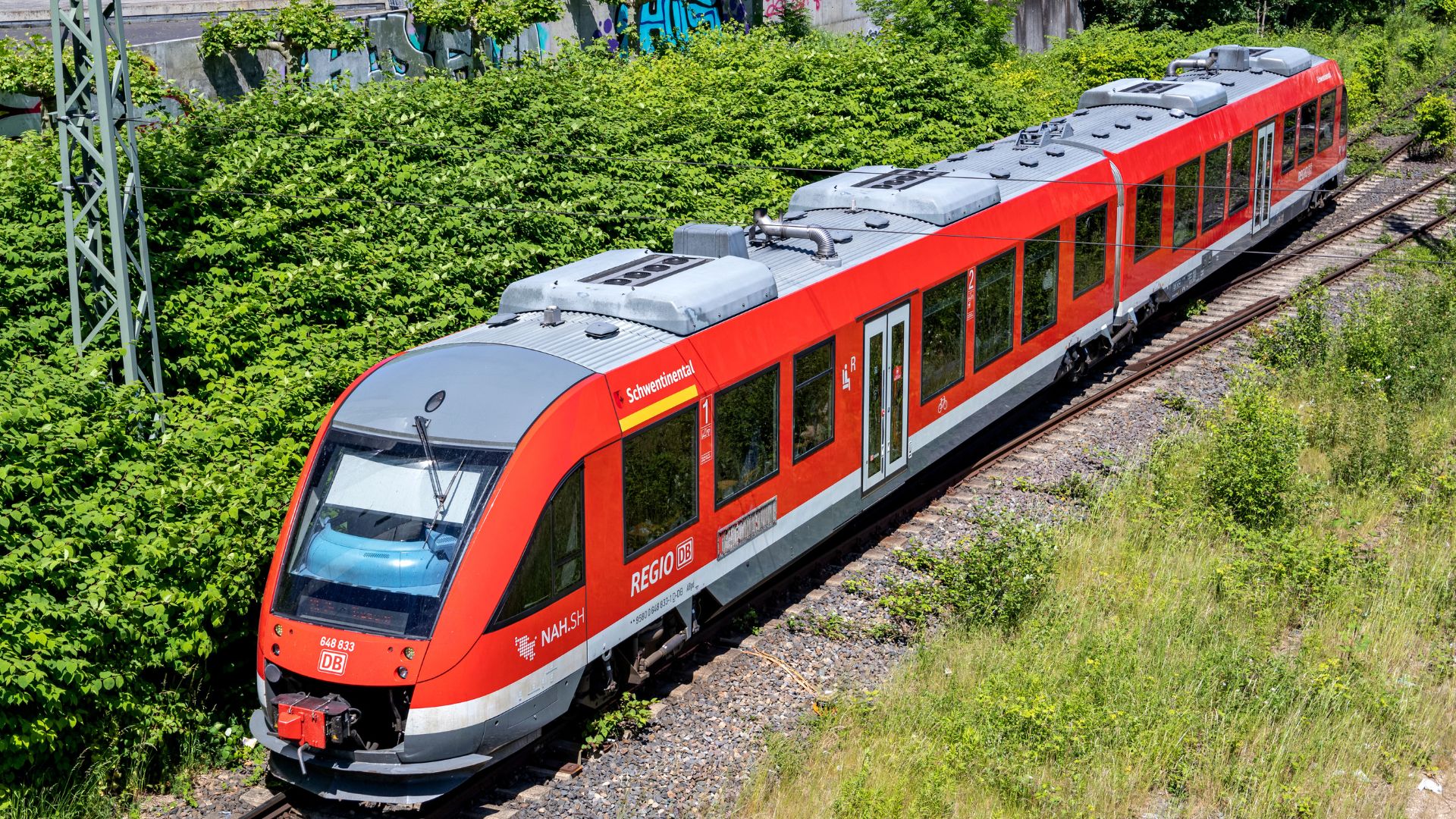
The network divides naturally into two main categories. The long-distance network handles ICE and IC express services connecting Germany’s major cities at high speed with maximum comfort. The regional network handles RE, RB, and S-Bahn services connecting smaller cities, towns, villages, and suburbs throughout every German state.
Understanding this two-tier structure is the foundation of understanding German rail travel. Long-distance trains prioritise speed and require specific ticket types. Regional trains prioritise accessibility and coverage and accept a broader range of ticket products including the remarkably affordable Deutschland-Ticket throughout Germany.
Key Statistics Worth Knowing
| Statistic | Figure |
| Total track length | 33,000+ kilometres |
| Daily passengers | 5+ million |
| Train stations | 5,400+ throughout Germany |
| ICE trains in fleet | 350+ high-speed trains |
| Daily train services | 40,000+ scheduled departures |
| Cities directly connected | Every major city in Germany |
| International connections | 150+ European destinations |
| On-time performance target | 80%+ long-distance punctuality |
Private Rail Operators
Deutsche Bahn is not the only rail operator in Germany. Market liberalisation has introduced numerous private operators running regional services on specific routes throughout the country. Companies like Abellio, Transdev, Go-Ahead, and National Express operate regional services that have won competitive tenders from German state transport authorities.
Private operator services are generally integrated into the German ticketing system and accept the same regional tickets as Deutsche Bahn services including the Deutschland-Ticket. The passenger experience is typically comparable to Deutsche Bahn regional services and the distinction matters mainly to transport policy enthusiasts rather than to everyday rail travellers throughout Germany.
Train Types Explained Simply
Understanding Germany’s train type hierarchy is essential because different train types accept different tickets, stop at different stations, and offer different levels of comfort and speed throughout the network.
Long-Distance Trains
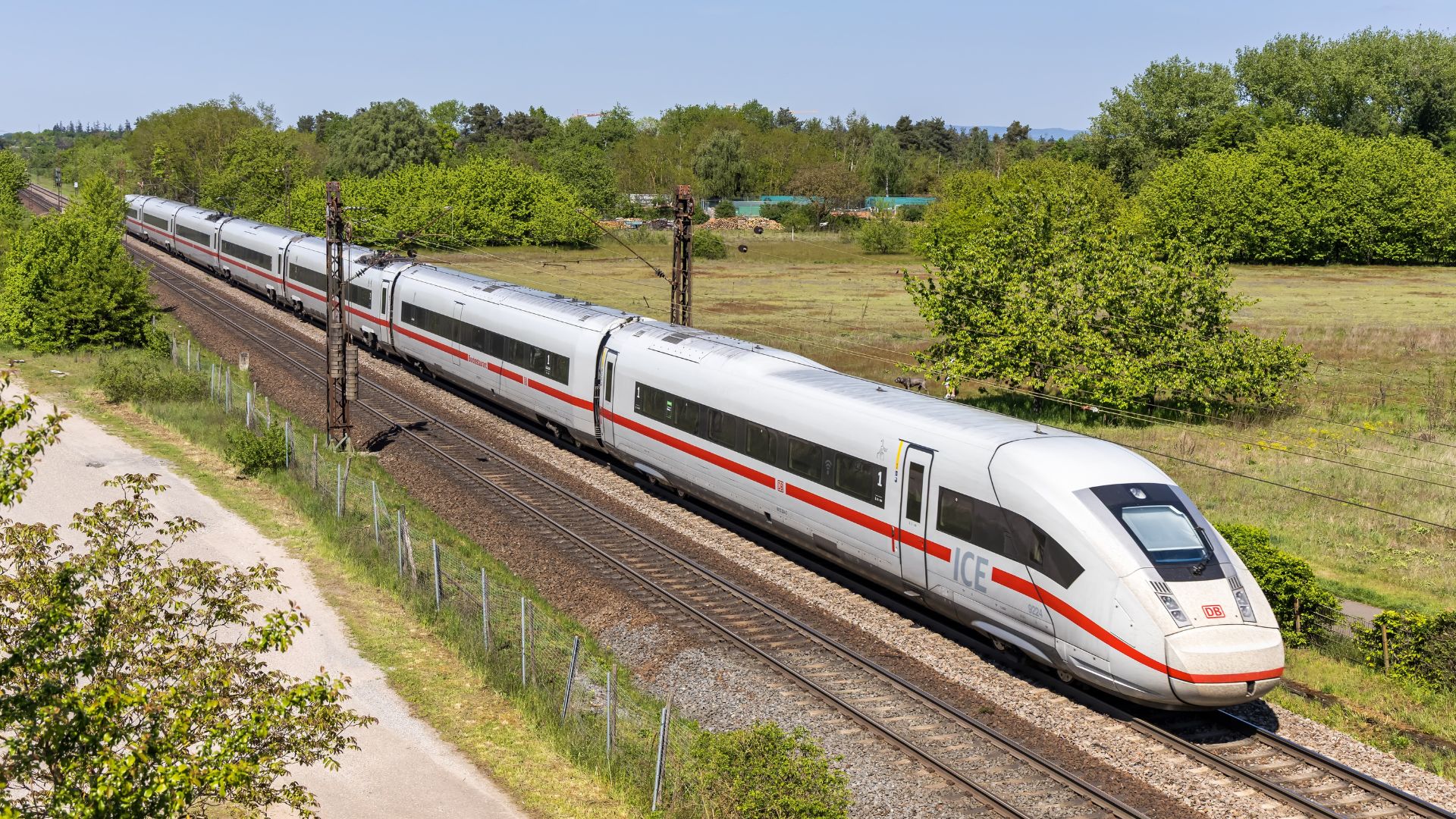
ICE — Intercity Express is Germany’s flagship high-speed train and the premium product of the entire Deutsche Bahn network. These white aerodynamic trains travel at up to 300 kilometres per hour on dedicated high-speed tracks, connecting Germany’s major cities with journey times that rival or beat flying when total door-to-door time is honestly compared.
Onboard ICE trains passengers find comfortable reclining seats, power sockets at every position, free WiFi with improving reliability, restaurant and bistro car service, accessible toilets throughout the train, and a smooth and quiet riding quality that makes even long journeys genuinely pleasant. First class offers wider seats in a one-plus-two layout with a noticeably quieter and more spacious environment.
IC and EC — Intercity and Eurocity trains operate at up to 200 kilometres per hour on conventional tracks and connect cities and regions not served by the ICE network. The onboard experience is very good with restaurant service, comfortable seating, and adequate amenities for all journey lengths. EC trains extend these services internationally across German borders into neighbouring European countries throughout the continent.
Regional Trains
RE — Regional Express trains connect medium-sized cities and regional centres at up to 160 kilometres per hour, stopping at major and medium-sized stations along their routes. These trains are the workhorses of German regional travel and are covered by the Deutschland-Ticket making them the most accessible and most affordable option for regional exploration throughout Germany.
RB — Regionalbahn trains are the most local service type, stopping at every station along their route including the smallest rural village halts. They travel at lower speeds but provide access to destinations that no other train type serves directly. For explorers venturing into rural Germany, wine country, and forest landscapes the Regionalbahn is an essential and irreplaceable part of the journey.
S-Bahn suburban rail services connect city centres with suburbs, satellite towns, and airports within German metropolitan areas. They operate frequently throughout the day with services every five to twenty minutes during peak periods and are covered by city transport tickets and the Deutschland-Ticket throughout Germany.
Complete Train Type Reference
| Train | Speed | Coverage | Ticket Needed | Reservation |
| ICE | 300 km/h | Major cities | ICE ticket | Recommended |
| IC | 200 km/h | Cities and regions | IC ticket | Recommended |
| EC | 200 km/h | International | IC/EC ticket | Recommended |
| RE | 160 km/h | Regional | Regional or D-Ticket | Not available |
| RB | 120 km/h | Local and rural | Regional or D-Ticket | Not available |
| S-Bahn | 140 km/h | City suburban | City or D-Ticket | Not available |
Planning Your German Rail Journey
Careful planning is key to a smooth German rail journey. Knowing routes, train types, schedules, and ticket options helps travelers save time, avoid confusion, and enjoy a more comfortable travel experience.
Deciding Your Route
Germany’s geography rewards thoughtful route planning. The country is not simply a collection of cities to check off a list but a landscape of dramatically different regions each with its own character, cuisine, architecture, and natural environment that becomes apparent only when you travel between them slowly enough to notice the transitions.
A journey from Hamburg in the north to Munich in the south covers the entire length of Germany and passes through the North German Plain, across the rolling hills of central Germany, through Franconia, and into the pre-Alpine landscape of Bavaria. Each section reveals a different Germany that a direct ICE journey covers too quickly to fully appreciate from the window.
Building scenic variety into your routing adds enormous value to the German rail experience without necessarily adding cost. Routing via the Rhine Valley instead of directly from Frankfurt to Cologne takes slightly longer but delivers one of Germany’s most spectacular railway panoramas as compensation for the additional hour of travel time involved.
How Long Do You Need?
Germany rewards time. Rushing between major cities on ICE trains is efficient but misses the texture and depth that slower regional exploration provides. The following guide helps calibrate realistic duration expectations for different types of German rail itineraries throughout the country.
| Itinerary Type | Duration | Key Limitation |
| Major cities only — Berlin, Munich, Hamburg, Frankfurt | 7–10 days | Surface level experience |
| Major cities plus scenic routes | 10–14 days | Better regional balance |
| Cities plus wine regions and smaller towns | 14–21 days | More authentic experience |
| Comprehensive Germany exploration | 21–30 days | Genuinely deep exploration |
| Single region in depth — Bavaria, Rhine etc | 5–7 days | Excellent regional focus |
Building a Sample Itinerary
A well-structured German rail itinerary balances fast ICE connections between major cities with slower regional journeys into the landscapes between them. The following two-week sample demonstrates how this balance works in practice throughout Germany.
Sample two-week Germany by train itinerary:
| Day | Journey | Train Type | Highlight |
| 1–2 | Arrive Frankfurt — explore | Local transport | Old town, museums |
| 3 | Frankfurt — Cologne via Rhine Valley | RE scenic route | Rhine castles |
| 4 | Cologne day — explore | S-Bahn | Cathedral, old town |
| 5 | Cologne — Hamburg | ICE | 4 hours, fast connection |
| 6–7 | Hamburg — explore | S-Bahn | Harbour, Reeperbahn |
| 8 | Hamburg — Berlin | ICE | 1h 45min journey |
| 9–10 | Berlin — explore | S-Bahn and U-Bahn | All major sights |
| 11 | Berlin — Dresden | RE scenic | Saxon Switzerland |
| 12 | Dresden — Munich via Nuremberg | ICE connections | Historic cities |
| 13–14 | Munich and Bavaria — explore | RE day trips | Alps, Neuschwanstein |
How to Buy Tickets
Buying train tickets in Germany is straightforward with multiple options available. Travelers can purchase tickets online, via apps, at station ticket machines, or at ticket counters, ensuring a convenient and stress-free travel experience.
The Four Methods
Purchasing tickets correctly is the most important practical skill in German rail travel. Getting the fare type and booking method right saves significant amounts of money on even a modest German rail itinerary. The following methods cover every available purchasing channel throughout Germany.
The DB Navigator App is the recommended method for the vast majority of travellers and the best starting point for anyone planning German rail travel. It is free to download, available in English, and handles every aspect of ticket purchasing from Super Sparpreis advance booking through to same-day regional journey purchases throughout Germany.
Setting up the app before your journey begins rather than after arrival is essential. Creating your account, adding payment details, and downloading tickets offline takes fifteen minutes at home and eliminates every avoidable moment of confusion at a German station when you need to board a train and are under time pressure throughout your journey.
The bahn.de website provides identical functionality to the app in a desktop browser format that suits complex journey planning and itinerary comparison more comfortably than a phone screen. The website offers a price calendar view showing the cheapest available travel day across an entire month, which is particularly useful for travellers with some date flexibility in their planning.
Ticket machines at German stations are available in English and cover all ticket types from local regional journeys to long-distance ICE connections. They are the appropriate choice for same-day travel when you have no app, need a physical printed ticket, or are purchasing a regional day pass on the morning of travel without any advance booking requirement.
The ticket counter at the DB Reisezentrum is the right choice for complex group bookings, ticket changes and refunds, BahnCard purchases, and any situation requiring personalised assistance from a trained Deutsche Bahn agent. Queues can be long during peak periods so arriving with plenty of time before your planned departure is always advisable.
Understanding Fare Types
| Fare | Price Level | Flexibility | Best For |
| Super Sparpreis | Lowest — from €17.90 | None — specific train | Fixed advance plans |
| Sparpreis | Mid-range | Change with fee | Most leisure travel |
| Flexpreis | Highest | Any train on day | Business, uncertainty |
| Deutschland-Ticket | €49 per month | Unlimited regional | Extended stays |
| Bayern-Ticket | €29 per day | Regional Bavaria | Group day trips |
The Super Sparpreis fare at €17.90 for almost any ICE journey in Germany when booked sufficiently in advance is one of the best-kept secrets of German rail travel. Many international visitors assume German trains are expensive and pay full flexible fares unnecessarily. Booking eight or more weeks ahead consistently delivers these exceptional prices on even the longest ICE journeys.
The Deutschland-Ticket — The Game Changer
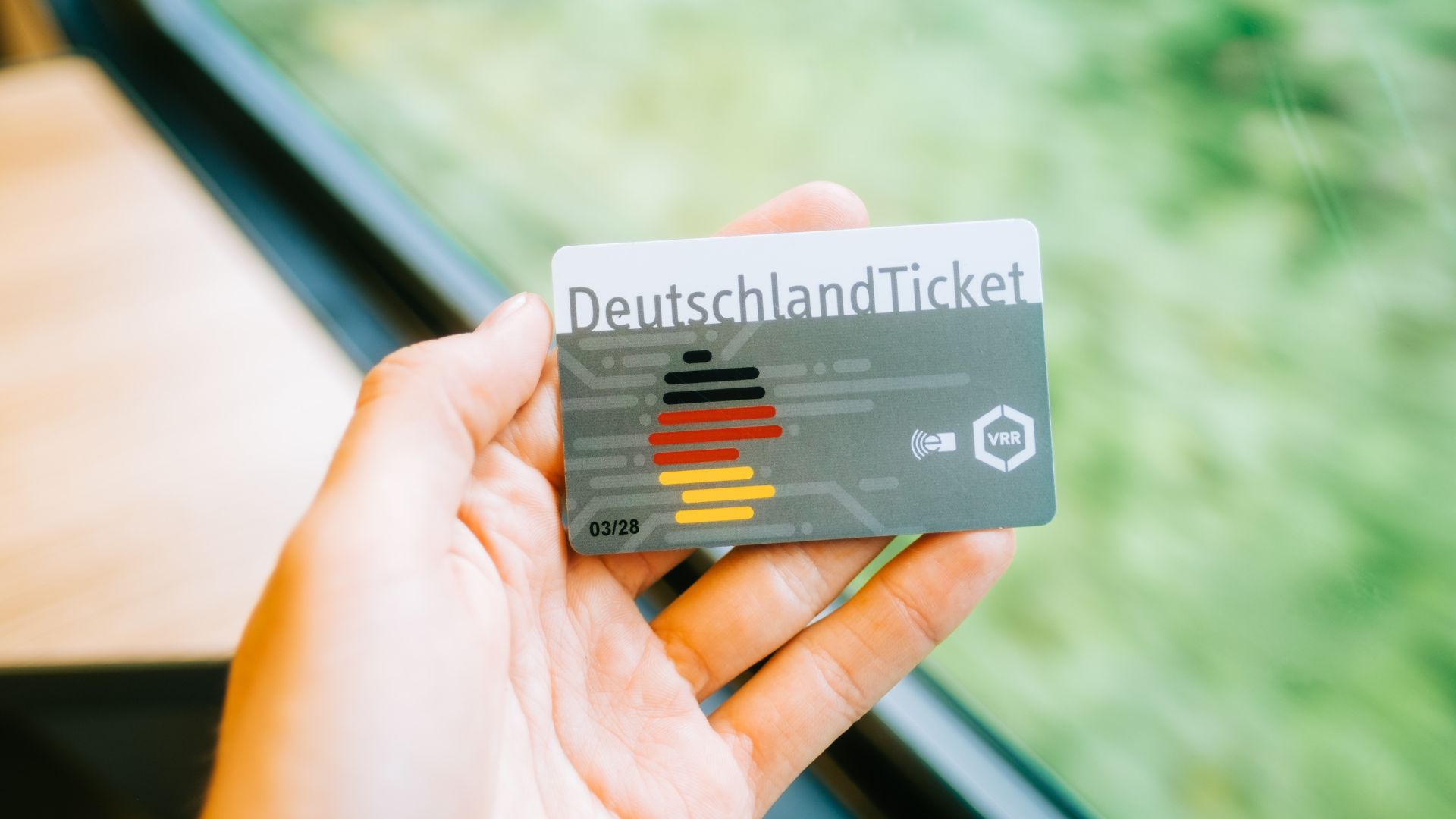
The Deutschland-Ticket at €49 per month deserves special emphasis as it has fundamentally transformed German rail travel economics since its launch in May 2023. This single monthly pass covers all Regional Express, Regionalbahn, S-Bahn, U-Bahn, tram, and regional bus services throughout Germany without any journey-specific booking or travel day limitations whatsoever.
What the Deutschland-Ticket covers:
- All RE Regional Express trains throughout Germany
- All RB Regionalbahn local trains on every route
- All S-Bahn services in every German city
- All U-Bahn metro services throughout Germany
- All tram services operated by public transport authorities
- All regional buses nationwide
What it does not cover:
- ICE high-speed long-distance express trains
- IC and EC intercity long-distance trains
- Seat reservations on any service
- Private operators outside the integrated network
- International services crossing German borders
For visitors spending two or more weeks in Germany who plan to use regional trains extensively for scenic routes and regional exploration, the Deutschland-Ticket is almost always the most economical ticketing strategy available regardless of which other options are considered throughout the stay.
Using the DB Navigator App
The DB Navigator app is the single most important tool for German rail travel and understanding its key features transforms the travel experience from potentially confusing to genuinely straightforward. The following features cover the most important and most frequently used functions of the application throughout any German rail journey.
Journey Planning
Enter your departure station and destination in the search fields and select your preferred date and time. Results display all available connections with departure and arrival times, journey duration, number of changes, train types involved, and lowest available fares. Tapping any result opens the full journey detail with platform information and connection times.
The via station option routes your journey through a specific intermediate point, which is particularly useful for incorporating scenic detours into journeys that would otherwise take more direct and less interesting routings. Adding Bacharach as a via point on a Cologne to Frankfurt journey, for example, incorporates the Rhine Valley scenic section into what would otherwise be a direct and entirely unremarkable ICE connection.
Live Tracking and Delays
The live train tracking feature shows the current position of any train on the German network in real time, displays actual arrival times at each upcoming stop, and sends push notifications when your booked service is delayed, cancelled, or subject to platform changes. Enabling these notifications before your journey begins is strongly recommended for every traveller.
When delays affect your journey, DB Navigator automatically identifies alternative connections and displays them within the affected journey view. This automatic alternative identification eliminates the need to queue at information points or service counters for the most common types of disruption encountered during routine German rail travel.
Digital Tickets
Tickets purchased through DB Navigator appear immediately in the My Journeys section as QR codes ready for conductor scanning. These digital tickets work completely offline once downloaded to your device and require no printing, no collection from a machine, and no internet connection during presentation to the conductor throughout your journey.
Screenshot every QR code immediately after purchase as a secondary backup accessible without any app functionality. Conductors who cannot scan your ticket due to technical problems may issue penalties regardless of your explanation, making an accessible screenshot the most important thirty-second precaution available to any digital ticket holder throughout Germany.
Seat Reservations Explained in Simple Words
Seat reservations in Germany operate differently from many other countries and the distinction requires clear understanding before travelling. A reservation is entirely separate from your travel ticket and does not entitle you to travel alone. It merely guarantees a specific numbered seat on a specific booked train service.
Reservations cost €4.50 per seat per journey and are available for ICE, IC, and EC trains only. Regional RE, RB, and S-Bahn services do not offer reservations and operate on a first-come first-served seating basis throughout every journey regardless of the time of day or level of passenger demand on the route.
When reservations are strongly recommended:
- Friday afternoon and Sunday evening ICE journeys across all major German routes
- School holiday periods when families travel in large numbers throughout Germany
- Oktoberfest weekends in September for all Munich-bound services from any direction
- Christmas and New Year travel when the entire Deutsche Bahn network operates at maximum capacity
- Any ICE journey exceeding two hours on a popular route during peak travel periods
Seat selection options available:
| Preference | Options |
| Position | Window or aisle seat |
| Direction | Forward or backward facing |
| Zone | Quiet zone or family zone |
| Deck | Upper or lower on double-decker trains |
| Table | Four-seat table compartment |
| Accessibility | Wheelchair space and companion seat |
The quiet zone on ICE trains is strictly enforced by conductors and genuinely observed by German passengers. Telephone calls are prohibited, conversations must be kept at minimal volume, and entertainment must be consumed with headphones at all times. Choosing a quiet zone seat provides a noticeably more peaceful environment for long ICE journeys throughout Germany.
Navigating Germany’s Train Stations Easily
Germany’s train stations are large and busy, serving millions of passengers daily. Understanding layouts, signage, and facilities helps travelers move efficiently, find platforms, and access services, ensuring a smooth and stress-free journey.
Major Hub Stations
Germany’s major railway stations are significant destinations in their own right. Frankfurt Hauptbahnhof is one of Europe’s busiest and most complex stations handling hundreds of thousands of passengers daily across its many platforms serving ICE, IC, regional, S-Bahn, and international services simultaneously throughout every hour of operation.
Key German station facts:
| Station | City | Platforms | Daily Passengers |
| Frankfurt Hauptbahnhof | Frankfurt | 24 | 350,000+ |
| Hamburg Hauptbahnhof | Hamburg | 14 | 450,000+ |
| Munich Hauptbahnhof | Munich | 32 | 350,000+ |
| Berlin Hauptbahnhof | Berlin | 14 | 300,000+ |
| Cologne Hauptbahnhof | Cologne | 13 | 280,000+ |
| Stuttgart Hauptbahnhof | Stuttgart | 16 | 180,000+ |
| Leipzig Hauptbahnhof | Leipzig | 26 | 120,000+ |
| Nuremberg Hauptbahnhof | Nuremberg | 16 | 100,000+ |
Finding Your Platform
German station platform numbering is consistent and logical. Platforms are called Gleise and numbered sequentially throughout each station. Departure boards display your train’s assigned platform typically fifteen to twenty minutes before departure time. At the largest stations like Frankfurt and Munich, some platforms require five to ten minutes of walking time from the main concourse to reach comfortably.
The DB Navigator app displays platform information in real time and updates immediately when Deutsche Bahn changes a platform assignment, which happens frequently at busy stations particularly when services are running behind schedule. Checking the app rather than relying solely on the physical departure boards gives you the most current and most reliable platform information available.
Station Facilities
German stations are exceptionally well-equipped with facilities that make waiting time genuinely comfortable. Major stations contain supermarkets, bakeries, pharmacies, book shops, luggage storage, shower facilities, waiting lounges, lost property offices, and DB Service Points staffed by trained agents throughout most operating hours of the day.
Facilities at major German stations:
- DB Reisezentrum ticket office with trained staff during business hours
- DB Service Point for journey assistance, complaints, and information
- Luggage storage lockers available in various sizes for short-term storage
- Waiting lounges with seating — DB Lounges available for first class pass holders
- ATM machines and currency exchange services at most international stations
- Supermarkets including REWE, Edeka, or Netto for supplies before long journeys
- Pharmacy and medical facilities at the largest hub stations throughout Germany
On the Train — What to Expect
Traveling on German trains is comfortable and efficient. Passengers can expect clean carriages, reserved seating options, onboard facilities, punctual service, and helpful announcements, making journeys smooth and enjoyable across cities and regions.
Boarding and Finding Your Seat
Trains in Germany arrive at platforms and open their doors typically a few minutes before the scheduled departure time. Passengers board immediately and find their seats without any gate process or boarding pass scanning that passengers familiar with air travel might expect. Simply walk along the platform, enter through any carriage door, and proceed to your seat.
Each carriage has a number displayed clearly on the outside and on the platform signage showing where each carriage will stop. Finding your reserved carriage before the train arrives and positioning yourself at the correct section of the platform makes boarding faster and more comfortable particularly when carrying significant luggage throughout your German journey.
First class carriages are clearly marked with the number 1 on the exterior. Second class carriages are marked with the number 2. Quiet zone carriages display the quiet zone symbol on their exterior. Checking which carriage contains your reserved seat in the DB Navigator app before arrival at the platform helps you position yourself correctly without searching after boarding.
Conductor Ticket Inspection
Train conductors in Germany inspect tickets throughout most journeys though inspection does not occur on every single train without exception. When a conductor approaches, have your DB Navigator app open at the ticket QR code or your physical ticket ready for scanning. The inspection process takes seconds and conductors are generally professional and courteous throughout.
Travelling without a valid ticket is taken very seriously in Germany. The penalty fare for travelling without a valid ticket is €60 per incident on top of the applicable fare for the journey. Conductors are authorised to request identification from ticketless passengers and to issue formal penalty notices that are legally enforceable throughout Germany.
Onboard Amenities by Train Type
| Amenity | ICE | IC | RE | RB |
| Restaurant or bistro | Yes | Yes | No | No |
| WiFi | Yes — improving | Limited | Rarely | No |
| Power sockets | Yes — all seats | Most seats | Rarely | No |
| Toilet | Yes — accessible | Yes | Most | Some |
| Air conditioning | Yes | Yes | Yes | Most |
| Luggage rack | Yes | Yes | Yes | Yes |
| Bike space | No | Some | Yes | Yes |
| Quiet zone | Yes | Some | No | No |
Food and Drink on German Trains
The ICE bistro and restaurant car is one of the genuine pleasures of long-distance German rail travel. Deutsche Bahn’s onboard catering offers hot meals, sandwiches, pastries, hot drinks, cold drinks, and alcoholic beverages throughout the journey. Prices are higher than equivalent items in a city café but the quality is generally good and the experience of dining at speed through the German landscape is genuinely enjoyable.
Regional train passengers should pack food and drinks before boarding as no onboard catering exists on RE and RB services. German station bakeries and supermarkets offer excellent options for self-catering before departure including fresh bread rolls, regional specialities, and a full range of snacks and beverages appropriate for journeys of any length throughout Germany.
Handling Delays and Disruptions
Train delays are a reality of German rail travel and handling them correctly requires both knowledge of your rights and knowledge of the practical steps that minimise disruption to your journey when things do not proceed as planned throughout Germany.
Your Legal Rights When Delayed
| Delay Duration | Your Entitlement |
| 20+ minutes | Free rebooking on next available alternative service |
| 60 minutes | 25% refund of ticket price |
| 120 minutes | 50% refund of ticket price |
| Any significant delay | Refreshment vouchers from DB service point |
| Overnight stranding | Hotel accommodation arranged by Deutsche Bahn |
| Missed connection | Full rerouting to destination at no additional cost |
Practical Delay Management
When your train is delayed check the DB Navigator app immediately for alternative connections and updated journey information. The app automatically identifies alternative routing options and displays them within your affected journey view without requiring any navigation through additional menus or search functions.
For delays of 60 minutes or more you are entitled to file a compensation claim through Deutsche Bahn’s Fahrgastrechte passenger rights system. Submit your claim through the DB Navigator app by finding the affected journey in My Journeys and selecting the compensation option. Processing typically takes two to four weeks and compensation is paid to your original payment method.
When Plans Change Completely
If a major disruption makes your planned journey impossible for several hours, consider whether pausing at an interesting intermediate city makes more practical and more enjoyable sense than waiting on a crowded platform. Germany’s excellent city infrastructure means almost every intermediate station city offers cafes, museums, old towns, and parks worth exploring while services normalise throughout the disruption period.
Scenic Routes Worth Prioritising
Some of Germany’s most rewarding rail experiences come not from racing between cities on ICE trains but from deliberately choosing slower regional routes through landscapes of extraordinary beauty. Building at least a few scenic regional journeys into any German rail itinerary transforms the experience from efficient city-hopping into genuine landscape immersion.
The essential scenic routes for any German rail itinerary:
| Route | Journey | Best Feature | Duration |
| Rhine Valley | Cologne to Mainz | 40+ medieval castles | 1h 50min |
| Bavarian Alps | Munich to Garmisch | Alpine panoramas | 1h 20min |
| Moselle Valley | Koblenz to Trier | Vineyard terraces | 1h 30min |
| Saxon Switzerland | Dresden to Schöna | Sandstone cliff scenery | 1h 10min |
| Black Forest | Offenburg to Konstanz | Spiral tunnel engineering | 2h 30min |
| Harz Mountains | Wernigerode to Brocken | Historic steam railway | 1h 45min |
The Rhine Valley route between Cologne and Mainz is the single most essential scenic rail experience in Germany and the journey no visitor should miss. The UNESCO World Heritage Upper Middle Rhine Valley section delivers continuous castle, vineyard, and river panoramas for 65 uninterrupted kilometres that no photograph or description adequately prepares you for throughout the journey.
City Transport — Connecting the Last Mile
Arriving at your destination station by train solves only half the connectivity challenge. Getting from the station to your hotel, attraction, or neighbourhood requires understanding each city’s public transport network, which varies considerably in structure and coverage between Germany’s major urban centres.
Integrated Transport in German Cities
German cities operate highly integrated public transport networks where S-Bahn suburban rail, U-Bahn underground metro, trams, and buses connect seamlessly into a single system with unified ticketing throughout the metropolitan area. The Deutschland-Ticket covers all of these services in every German city, making it the single most convenient solution for urban transport alongside regional rail travel.
City transport networks in major German cities:
| City | S-Bahn | U-Bahn | Tram | Main App |
| Berlin | Yes | Yes | Yes | BVG FahrInfo |
| Munich | Yes | Yes | Yes | MVV App |
| Hamburg | Yes | Yes | No | HVV App |
| Frankfurt | Yes | Yes | Yes | RMV App |
| Cologne | Yes | Yes | Yes | KVB App |
| Stuttgart | Yes | Yes | Yes | VVS App |
| Dresden | Yes | No | Yes | DVB App |
| Leipzig | Yes | No | Yes | LVB App |
Getting Around Without the Deutschland-Ticket
Without the Deutschland-Ticket, city transport requires separate ticket purchases from the local transport authority. Day tickets offer excellent value for full days of city exploration and are available from ticket machines at every station and through the relevant city transport app throughout Germany.
Single journey tickets are the most expensive per-kilometre option and should be avoided for any day involving more than two or three individual journeys within a single city. Day tickets typically pay for themselves after three or four individual journeys and provide the freedom to use public transport spontaneously without calculating each individual fare throughout the day.
Essential Practical Tips
Traveling smoothly in Germany requires practical planning. Being prepared, aware of schedules, and organized ensures a comfortable journey. Simple strategies help travelers navigate stations, trains, and connections efficiently throughout their trip.
Always check your train type before purchasing. The single most common and most expensive mistake in German rail travel is buying a regional ticket and boarding an ICE train without a valid ICE supplement. Confirm your train type in the search results before completing any ticket purchase and ensure your chosen ticket covers that specific service category throughout Germany.
Download the DB Navigator app before arriving. Setting up the app, creating your account, adding payment details, and downloading any pre-purchased tickets before landing in Germany eliminates every avoidable moment of station stress. A pre-configured app ready to use from the moment you arrive is worth far more than any guidebook advice printed on a page.
Arrive at platforms early at large stations. Frankfurt Hauptbahnhof, Munich Hauptbahnhof, and Hamburg Hauptbahnhof all require significant walking time between the main concourse and outer platforms. Adding an extra ten minutes to your platform arrival time at major hub stations eliminates the most stressful element of German rail travel for most international visitors throughout their journey.
Validate tickets where required. On some regional train lines in Germany, particularly in Bavaria and Baden-Württemberg, certain ticket types require validation in orange machines on the platform or at the station entrance before boarding. Look for validation machines when purchasing regional day tickets and check whether your specific ticket type requires stamping before travelling.
Carry small amounts of cash. While card payment is widely accepted at ticket machines and counters, some smaller station facilities and platform kiosks remain cash-only operations. Carrying €20 to €50 in cash provides a comfortable buffer for unexpected purchases, locker fees, and the occasional cash-only situation encountered at smaller regional stations throughout rural Germany.
Frequently Asked Questions
Is German rail travel expensive? German rail travel can be either very affordable or quite expensive depending entirely on your booking approach. Super Sparpreis advance tickets from €17.90 make ICE travel genuinely cheap for planned journeys. Last-minute Flexpreis tickets on popular routes cost significantly more. The Deutschland-Ticket at €49 per month makes regional travel extraordinarily affordable throughout Germany.
Do German trains have WiFi? ICE trains offer free WiFi throughout the train with quality improving steadily as Deutsche Bahn upgrades its fleet and infrastructure. IC trains have limited or no WiFi on many services. Regional RE and RB trains generally do not offer WiFi at all. Download entertainment content before boarding regional services and treat ICE WiFi as a useful bonus rather than a guaranteed reliable connection.
Can I bring luggage on German trains? German trains have no formal luggage restrictions or weight limits for passengers. You may bring as much luggage as you can manage independently without blocking aisles or obstructing other passengers. Large luggage racks at carriage ends accommodate big suitcases on ICE and IC trains. Folding your luggage plan around station lift availability at smaller stations is advisable when travelling with large bags.
Are German trains accessible for wheelchair users? Deutsche Bahn provides comprehensive accessibility services including wheelchair-accessible carriages on ICE and IC trains, station lifts throughout the network, boarding ramps on request, and the Mobilitätsservice assistance programme bookable through the DB Navigator app. Request assistance at least 20 hours before travel for most station services throughout Germany.
What if I miss my train? If you hold a Super Sparpreis ticket your options are limited and typically involve purchasing a new ticket for the next available service. If you hold a Flexpreis ticket you simply board the next available train on the same route without any additional payment required. If your missed connection was caused by a delayed Deutsche Bahn service you are entitled to rerouting at no additional cost regardless of the fare type on your original ticket.
Wrapping Up Your German Train Travel Guide
Travelling Germany by train is one of the genuinely great travel experiences available to the curious and well-prepared visitor. The combination of world-class infrastructure, extraordinary natural and cultural landscapes, remarkably affordable advance fares, and a comprehensive network reaching virtually every corner of the country creates a rail travel environment that rewards exploration generously and consistently throughout every season of the year.
The keys to getting the very best from German rail travel are consistent throughout this entire guide. Book early for the lowest fares on long-distance journeys. Download and configure the DB Navigator app before departure. Consider the Deutschland-Ticket for extended regional exploration. Build scenic regional routes into your itinerary alongside fast ICE city connections. Know your rights when delays occur and claim your compensation without hesitation.
Germany by train is not merely a transport choice but a complete travel philosophy. It is a decision to experience the country at human pace, through its landscapes rather than above them, arriving in city centres rather than airports, and moving between destinations with the quiet confidence of someone who understands and genuinely loves one of Europe’s most magnificent railway networks from its fastest ICE corridor to its most charming rural branch line throughout the country.
Hi, I’m Preeti Negi, a content writer who loves mixing creativity with smart strategy.
I have 3 years of experience writing about travel, digital marketing, and study abroad topics. I create content that is easy to read, engaging, and designed to connect with people while also performing well on Google.
When I’m not writing, I enjoy exploring new trends, learning new things, and thinking about fresh ideas for my next piece.
