

August in Germany is the busiest and most expensive travel month, where school holidays, peak tourism, and summer heat combine. Careful planning rewards travelers with great experiences, while spontaneous trips often face crowds, high costs, and limited availability.
This month offers warm weather, excellent lake swimming, and vibrant festivals, showcasing Germany at its most energetic. However, it also brings dense crowds, premium prices, and intense competition for bookings across major cities and popular destinations.
Travelers who plan ahead, visit early, explore lesser-known spots, and embrace the lively atmosphere enjoy August best. Understanding its demands helps unlock a rewarding experience, making preparation essential for navigating Germany’s peak summer season successfully.
Please note that this article contains affiliate links. Learn more about it on our Disclosure page. We use ads to support our small business – we hope you don’t mind them too much.
Germany in August: Essential Overview
Germany in August offers peak summer intensity with warm weather, vibrant festivals, crowded attractions, and high travel demand. It combines energy and challenges, requiring early planning while rewarding visitors with lively culture and memorable seasonal experiences.
August at a glance:
| Factor | Detail | Notes |
| Average temperature | 19°C to 27°C | Peak summer heat |
| Weather character | Hot with thunderstorms | Classic German summer peak |
| Daylight hours | 13–15 hours | Shortening from July |
| Tourist crowds | Maximum — absolute peak | All German states on holiday |
| Hotel prices | Annual maximum throughout | Book 3–6 months ahead |
| School holidays | All German states in holiday | Maximum domestic pressure |
| Swimming lakes | Warmest of year | Peak swimming season |
| Beer gardens | Maximum capacity | Best atmosphere of year |
| Harvest season | Beginning in wine regions | First harvest events |
| Key events | Folk festivals, wine, outdoor | Most events of any month |
Germany August Weather: Peak Summer Heat
August in Germany brings peak summer heat with long sunny days, rising temperatures, and occasional heatwaves. Cities can feel warm and busy, while lakes, rivers, and shaded areas offer refreshing escapes during the hottest parts of the day.
Weather remains generally stable, with sunshine dominating most regions, though brief rain or thunderstorms may appear. Coastal areas stay cooler with breezes, while inland regions experience higher temperatures, shaping diverse travel experiences across the country.
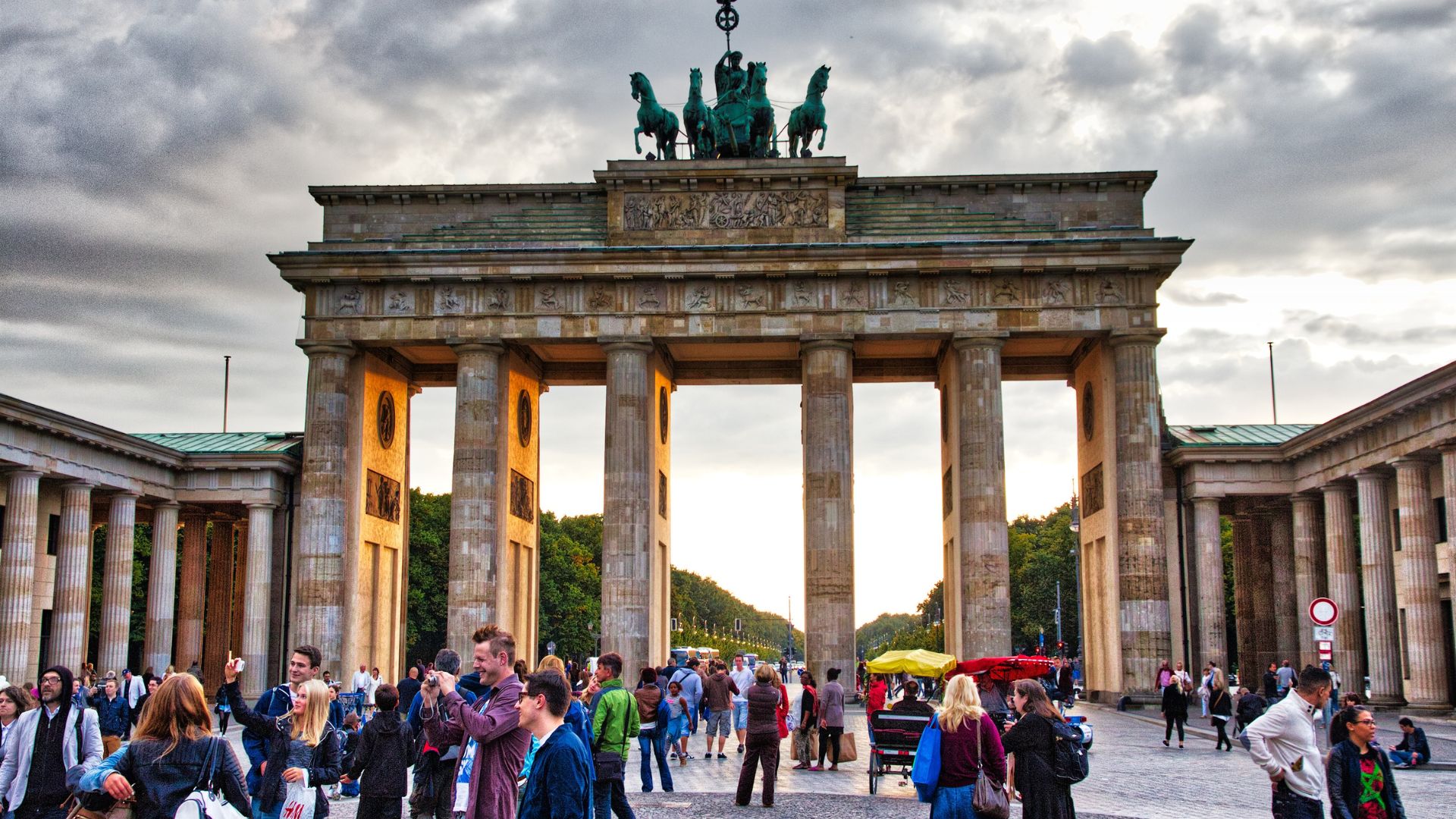
What German High Summer Delivers in Its Final Peak Month
Germany’s final peak summer month delivers intense energy with warm weather, packed festivals, busy attractions, and vibrant outdoor life. It blends excitement and demand, offering unforgettable experiences while requiring smart planning to navigate crowds and peak-season pressures.
Germany’s August Climate Overview
August delivers Germany’s highest temperatures of the entire year alongside the July peak, with the combination of accumulated summer warmth, maximum solar radiation, and the urban heat island effect in Germany’s major cities creating temperature conditions that can genuinely challenge comfortable tourism throughout the hottest periods of the peak summer month.
The average August temperatures across Germany range from 19°C in Hamburg to 27°C or above in Frankfurt, Freiburg, and the Rhine valley, with heat waves regularly pushing temperatures above 35°C in the hottest cities and creating conditions that require genuine adaptation of tourism strategies throughout the extreme heat periods.
August thunderstorms continue the July pattern of afternoon convective storms, with the combination of maximum surface heating and high atmospheric moisture creating conditions for dramatic storms that build rapidly in the afternoon heat and deliver intense but brief rainfall throughout the storm season.
The shortening days of August — from approximately fifteen hours at the month’s start to thirteen hours by the end — create a perceptible seasonal transition that distinguishes August from July, with the earlier sunsets and the first cool nights of late August providing the first hints of the autumn that will follow throughout the seasonal transition.
Regional August Temperature Guide:
| Region | Average High | Heat Wave Possible | Evening Temp | Summer Character |
| Munich | 24°C | 35°C+ | 14°C | Hot days — cool Alpine nights |
| Berlin | 24°C | 37°C+ | 14°C | Urban heat — Wannsee relief |
| Hamburg | 22°C | 32°C | 14°C | Maritime moderation |
| Frankfurt | 27°C | 39°C+ | 16°C | Germany’s hottest city |
| Cologne | 25°C | 37°C+ | 16°C | Rhine valley heat |
| Dresden | 25°C | 38°C+ | 15°C | Continental heat waves |
| Freiburg | 27°C | 39°C+ | 16°C | Warmest — Black Forest relief |
| Mosel Valley | 26°C | 37°C | 16°C | Intense valley heat |
| Bavarian Alps | 21°C | 28°C | 11°C | Best relief from heat |
| Baltic Coast | 21°C | 28°C | 14°C | Sea breeze moderates |
Heat Management Strategies for August Germany
The practical reality of August heat in German cities requires specific adaptation strategies that experienced Germany visitors develop over multiple visits, with the combination of the country’s limited air conditioning provision in historical buildings and residential accommodation making proactive heat management genuinely important throughout the hottest August days.
Germany’s cultural heritage buildings — historic churches, castle interiors, and medieval old town architecture — provide natural cooling through their thick stone walls and high ceilings, making cultural visits to historic buildings simultaneously excellent tourism and effective heat management throughout the hottest afternoon hours.
The German Biergarten under chestnut trees provides one of the world’s finest natural heat management solutions, with the dense canopy providing consistent shade and the cold beer providing immediate relief throughout the hottest August afternoons in a setting of considerable cultural charm.
Heat management guide for August Germany:
| Strategy | How | Best For |
| Early morning tourism | Before 09:00 — cooler and less crowded | Outdoor attractions |
| Cultural afternoon | Museums, churches 13:00–17:00 | Peak heat period |
| Lake swimming | Bavarian lakes — free and world-class | Afternoon cooling |
| Beer garden shade | Chestnut canopy — natural cooling | Social afternoon |
| Evening outdoor culture | 18:00 onwards — cooling | Best outdoor time |
| Medieval buildings | Natural stone cooling | Historic centres |
| River cruising | Natural breeze on deck | Rhine and Danube |
| Alpine day trips | Mountains — 10°C cooler | Extreme heat relief |
August School Holidays: Germany’s Maximum Domestic Tourism
August in Germany sees maximum domestic tourism as school holidays align across federal states, sending families across the country. Popular destinations fill quickly, with beaches, lakes, and cities experiencing intense visitor numbers throughout peak summer weeks.
This surge creates a lively atmosphere but also strains accommodation and transport availability. Early bookings become essential, while flexible travel plans help manage crowds, allowing visitors to still enjoy Germany’s vibrant and energetic summer holiday season.
Understanding the Full Holiday Convergence
August is the only month when every German federal state is simultaneously in school summer holiday, creating the maximum domestic tourism pressure of the entire year throughout every popular German destination.
The convergence of all sixteen German state school holidays in August — combined with the Austrian, Swiss, Dutch, Czech, and broader European school holiday peak — creates total tourist pressure at Germany’s most popular destinations that exceeds any other month by a meaningful margin throughout the August peak.
Bavaria and Baden-Württemberg — with the latest school holiday start dates of mid-to-late July — contribute their enormous tourism populations to the August peak throughout the entire month, with the specific pressure on Munich, the Bavarian Alps, and the Black Forest reaching its annual maximum throughout the school holiday convergence.
The motorway network surrounding Germany’s most popular August destinations — the A95 Munich to Garmisch, the A7 toward Füssen and Neuschwanstein, and the coastal routes toward Rügen and Sylt — experiences its annual worst congestion throughout August weekends, with traffic delays of two to four hours representing genuine peak season reality throughout the motorway network.
August crowd levels at major German destinations:
| Destination | August Crowd Level | Best Visit Time | Alternative |
| Neuschwanstein | Extreme — hours of queuing | Before 08:00 or book online | Hohenschwangau instead |
| Munich old town | Very high throughout | Early morning weekday | Nymphenburg Palace quieter |
| Rhine Gorge | Very high weekends | Tuesday-Thursday | Moselle instead |
| Rügen beaches | Extreme weekends | Weekday morning | Rügen east coast quieter |
| Sylt | Extreme throughout | Weekday — no real escape | Föhr or Amrum instead |
| Rothenburg ob der Tauber | Extreme midday | Before 09:00 or after 18:00 | Dinkelsbühl instead |
| Zugspitze cable car | Very high | Book online — early start | Alpspitze cable car instead |
| Heidelberg | Very high weekends | Weekday morning | Burg Eltz instead |
August Events: Germany’s Richest Festival Month
August is one of Germany’s richest festival months, filled with music events, cultural celebrations, open-air shows, and local fairs across the country. Cities and regions come alive with nonstop summer entertainment and vibrant public gatherings.
These festivals create an energetic atmosphere, drawing both locals and tourists into shared experiences. From large-scale events to smaller community celebrations, August showcases Germany’s dynamic culture, making it a highlight of the peak summer calendar.
Every Major August Event Across Germany
August in Germany features a packed calendar of major events, from music festivals and cultural fairs to open-air concerts and local celebrations, creating a lively atmosphere across cities and regions throughout the vibrant peak summer season.
Frankfurt Museumsuferfest — Germany’s Greatest Free Festival
The Frankfurt Museumsuferfest — Museum Embankment Festival — is Germany’s largest free open-air cultural festival, a three-day celebration held on the last weekend of August that transforms Frankfurt’s Main riverbank into an extraordinary outdoor festival of art, culture, food, and music throughout the event.
The festival combines free access to all eighteen museums along the river embankment with outdoor stages, food stalls representing cuisines from throughout the world, craft and design markets, and the particular atmosphere of Frankfurt’s magnificent riverside setting throughout the three-day event.
Over three million visitors attend the Museumsuferfest across the three days, making it one of Germany’s most attended single annual events and creating a crowd energy of considerable intensity and considerable joy throughout the festival weekend.
Museumsuferfest practical guide:
| Detail | Information | Notes |
| Dates | Last weekend August — Friday to Sunday | Check specific year |
| Location | Both Main river banks — 3km | Between Eiserner Steg and Holbeinsteg |
| Admission | Free — wristband for museum access | Museum wristband costs small fee |
| Museums | 18 museums — free with wristband | World-class collections |
| Food | International — outstanding quality | Frankfurt Apfelwein essential |
| Music | Multiple outdoor stages | All genres represented |
| Crowds | 3 million over 3 days | Extremely crowded Saturday |
| Best time | Friday evening or Sunday afternoon | Lower crowds than Saturday |
| Transport | S-Bahn and U-Bahn — no driving | All rail lines to Frankfurt Hbf |
| Hotel | Book 4–6 months ahead | Festival weekend fills Frankfurt |
Cannstatter Volksfest — Stuttgart’s Great Folk Festival
The Cannstatter Volksfest — Stuttgart Folk Festival — is Germany’s second largest folk festival after Oktoberfest, a three-week celebration held on the Cannstatter Wasen from late September but with its August preview events and early September opening creating significant August relevance throughout the Stuttgart festival programme.
The festival’s beer tents, funfair rides, and traditional Swabian food culture provide an outstanding alternative to Oktoberfest for visitors to southwestern Germany throughout the autumn festival season, with the Swabian character of the celebration creating a distinctly different and distinctly regional atmosphere throughout the event.
Düsseldorf Rheinkirmes — Germany’s Largest Rhine Festival
The Düsseldorf Rheinkirmes — Rhine Funfair — is Germany’s largest funfair event held on the Rhine meadows, a nine-day event in mid-July that continues its atmosphere into early August with the Rhine festival programme providing outstanding outdoor entertainment throughout the Rhine city.
The combination of Germany’s finest funfair rides, traditional Rhineland food and drink, outdoor stages, and the extraordinary Rhine riverside setting creates a festival atmosphere of genuine quality and genuine scale throughout the event.
Heidelberg Schlossbeleuchtung — Castle Illumination
Heidelberg’s Schlossbeleuchtung — castle illumination — events held three times per year including in August transform the magnificent ruined castle above the Neckar river into a spectacular firework and light display of genuine beauty, with the illuminated castle ruins reflecting in the Neckar creating one of Germany’s most romantically spectacular annual visual events.
The August Schlossbeleuchtung attracts enormous crowds to Heidelberg’s already very busy summer programme, with the combination of the fireworks, the castle, and the old bridge providing a visual triptych of genuine magnificence throughout the illumination evening.
Schleswig-Holstein Music Festival — August Concerts
The Schleswig-Holstein Music Festival continues its outstanding classical music programme throughout August, with the combination of world-class musical performances in remarkable locations — historic country houses, barns, outdoor settings — and the particular beauty of the northern German late-summer landscape creating a music festival experience of extraordinary atmospheric quality.
The festival’s commitment to bringing classical music to unusual and intimate venues throughout the Schleswig-Holstein region produces performance experiences of a kind unavailable in conventional concert halls, with the acoustic intimacy and the pastoral settings creating a musical atmosphere of remarkable authenticity.
Weinlesefest and Harvest Festival Previews
While the main German wine harvest — Weinlese — typically occurs in October, the early grape varieties begin their harvest throughout August in the warmest German wine regions, with the Pfalz, Baden, and some Rheingau estates conducting the first harvest operations and the first new wine preview events throughout the late August period.
The Dürkheimer Wurstmarkt — Bad Dürkheim — considers itself the world’s largest wine festival and takes place in mid-September, but the Pfalz wine festival programme throughout August provides excellent preview access to the region’s outstanding wines in the outdoor festival format throughout the summer season.
August events calendar:
| Event | Location | Dates | Character |
| Frankfurt Museumsuferfest | Frankfurt | Last weekend August | Germany’s greatest free festival |
| Heidelberg Schlossbeleuchtung | Heidelberg | August — check dates | Castle fireworks spectacular |
| Schleswig-Holstein Music Festival | Schleswig-Holstein | Throughout August | World-class rural classical |
| Düsseldorf Rheinkirmes | Düsseldorf | Mid-July to early August | Rhine funfair — massive |
| Tollwood Summer | Munich | Throughout August | Alternative cultural festival |
| Stadtfeste | Throughout Germany | Every weekend | City outdoor festivals |
| Wine festivals | Rhine, Mosel, Pfalz | Throughout August | Summer wine season |
| Open-air cinema | All major cities | Throughout August | Freiluftkino peak season |
| Hamburg CSD | Hamburg | August | Maritime pride |
| Berlin long night of museums | Berlin | Mid-August | Lange Nacht der Museen |
Berlin’s Lange Nacht der Museen
Berlin’s Lange Nacht der Museen — Long Night of the Museums — held in mid-August provides access to over 70 Berlin museums, galleries, and cultural institutions between 18:00 and 02:00, with a single ticket providing unlimited access throughout the night in one of Europe’s finest single-night cultural events.
The combination of the Berlin summer evening atmosphere, the extraordinary cultural depth of the city’s museum landscape, and the unique experience of exploring world-class collections at midnight creates an August Berlin experience of remarkable quality and remarkable distinction throughout the night.
Practical Long Night of Museums guide:
| Detail | Information |
| Date | Usually second Saturday of August |
| Hours | 18:00 to 02:00 |
| Ticket | Single ticket — all museums |
| Shuttle buses | Connect all participating venues |
| Cost | Approximately €18 per person |
| Highlights | Pergamon, Deutsches Historisches, Jewish Museum |
| Best strategy | Plan 4–5 priority venues — not rushing |
| Atmosphere | Extraordinary — summer night Berlin |
August Lake Culture: Germany’s Finest Swimming Month
August is Germany’s finest month for lake culture, with warm temperatures and sunlit days drawing locals and tourists to crystal-clear waters. Lakes across the country become social hubs for swimming, relaxation, and outdoor enjoyment.
From Alpine lakes to northern water bodies, conditions are ideal for refreshing swims and scenic escapes. Surrounded by nature and summer energy, these lakes offer a perfect balance of activity, calm, and seasonal beauty.
Germany’s Lakes at Their Warmest and Most Beautiful
August delivers Germany’s warmest lake temperatures of the entire year, with the Bavarian Alpine lakes, the Mecklenburg lakes, and the northern German coastal waters all reaching their summer maximum temperatures and providing the finest outdoor swimming conditions available throughout the German summer season.
Bavaria’s pre-Alpine lakes in August provide a combination of water quality, Alpine scenery, and swimming conditions that represent one of the world’s finest free outdoor bathing experiences, with the Tegernsee, Chiemsee, Ammersee, and Starnberger See all offering water temperatures of 21°C to 24°C alongside the extraordinary visual backdrop of the Alps throughout the peak swimming month.
The challenge of August lake culture in Bavaria is the competition for the finest swimming spots, with popular lake shores becoming genuinely crowded throughout weekends as the domestic German holiday population claims every available patch of lakeside grass throughout the warm weekend days.
Bavarian lake August swimming guide:
| Lake | Water Temp August | Crowd Level | Best Approach | Highlight |
| Tegernsee | 22–24°C | Very high weekends | Weekday — arrive early | Most beautiful setting |
| Starnberger See | 21–23°C | Very high | S-Bahn early morning | Most accessible from Munich |
| Ammersee | 21–23°C | High | Weekday recommended | Relaxed atmosphere |
| Chiemsee | 20–22°C | Very high | Boat to quieter shores | Island palace boats |
| Walchensee | 18–20°C | Moderate | Any time | Coldest — clearest water |
| Königssee | 17–19°C | Extreme | Very early morning | Most dramatic scenery |
| Schliersee | 21–23°C | Moderate | Good August choice | Quieter than main lakes |
| Sylvenstein | 19–21°C | Low | Excellent August choice | Undiscovered beauty |
Berlin’s Lake Culture — The Wannsee and Beyond
Berlin’s extraordinary abundance of lakes — the city contains over 50 lakes within its boundaries — provides the capital’s population with an outstanding August swimming culture that is remarkably accessible and remarkably beautiful throughout the peak summer month.
The Wannsee — Berlin’s most famous bathing lake — provides a classic Berlin summer experience at the Strandbad Wannsee lido, one of Europe’s largest inland beach facilities, with the combination of the white sand beach, the warm lake water, and the historic 1920s lido architecture creating an August swimming experience of genuine historical charm.
The Müggelsee in eastern Berlin, the Tegeler See in the north, and the dozens of smaller lakes throughout the Grunewald and Köpenick forests provide less crowded alternatives throughout the August swimming season, with the city’s extensive S-Bahn network making virtually every Berlin lake accessible without a car throughout the summer.
August Wine Tourism: First Harvest Excitement
August marks the beginning of wine harvest excitement in Germany, as vineyards prepare for the upcoming season. Visitors experience early tastings, vineyard tours, and a lively atmosphere across regions like the Rhine and Moselle.
This period blends summer warmth with growing anticipation, offering a unique glimpse into winemaking traditions. Scenic landscapes, local events, and fresh flavors make August an engaging time for wine tourism and cultural exploration.
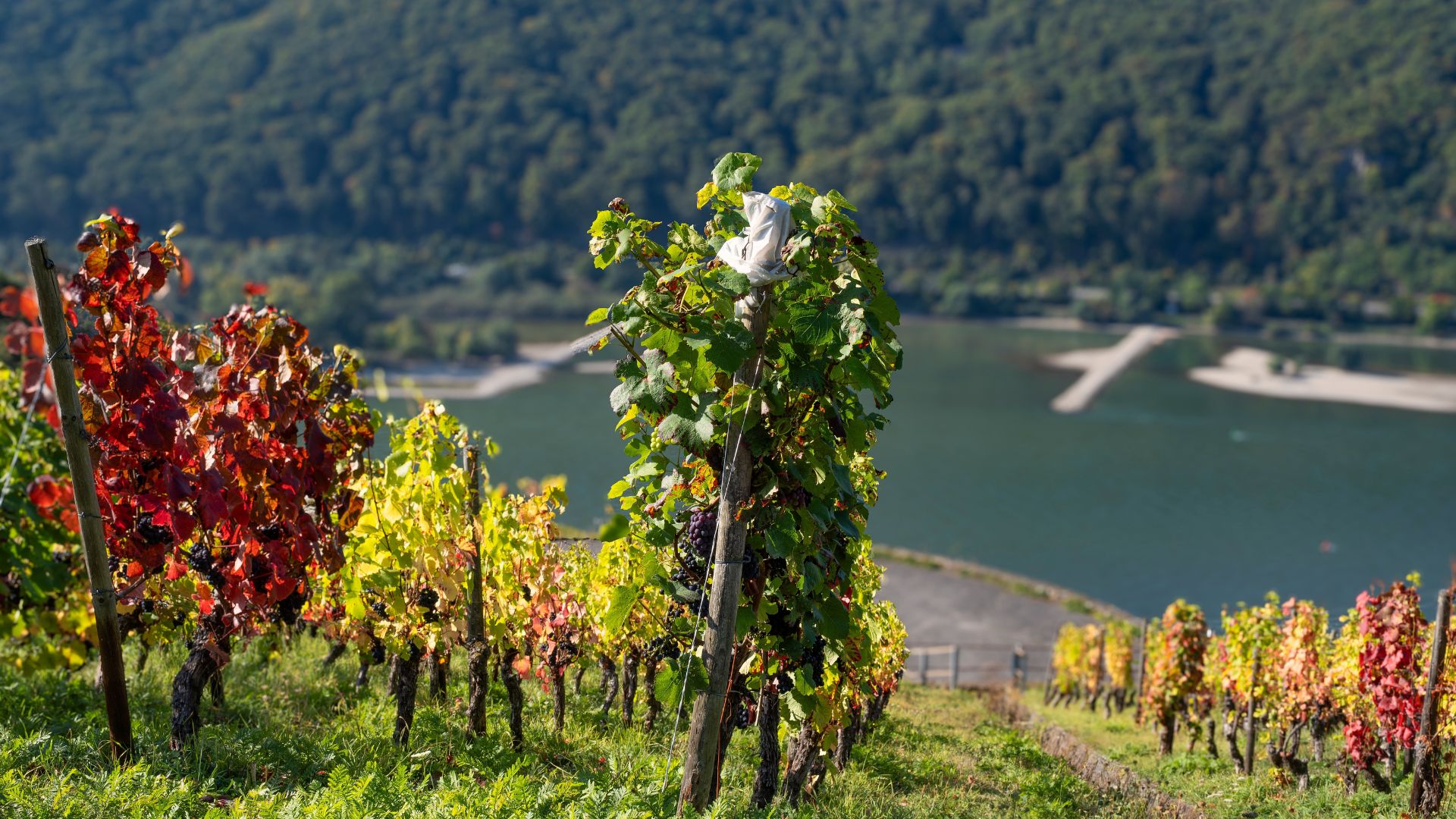
Germany’s Wine Regions as Summer Transitions to Harvest
The German wine regions in August provide a particularly rewarding combination of summer outdoor culture and the first stirrings of the harvest season, with the vineyards at their most lushly green and heavy with approaching vintage grapes creating landscapes of considerable beauty and considerable agricultural excitement throughout the wine country.
The Pfalz wine region in August is Germany’s warmest and most Mediterranean wine destination, with temperatures regularly reaching 30°C or above, creating an outdoor wine tasting culture of unusual intensity and genuine pleasure in the shaded courtyards of the region’s estates and wine villages throughout the August heat.
The Moselle valley in August provides one of Germany’s finest combinations of river swimming, cycling, and wine tasting, with the valley temperatures remaining manageable due to the valley’s natural ventilation and the slate soil’s heat retention, creating warm evenings of extraordinary quality for outdoor wine culture throughout the late summer weeks.
August wine region guide:
| Region | August Character | Primary Appeal | Temperature |
| Pfalz | Warmest — Mediterranean | Outdoor tasting, cycling | 28–32°C typical |
| Mosel | River swimming plus wine | Cycling and Riesling | 24–28°C typical |
| Rheingau | River and vineyard | Walking and Riesling | 24–27°C typical |
| Baden-Kaiserstuhl | Warm — first harvest | Grauburgunder and cycling | 27–31°C typical |
| Ahr | Dramatic valley — cooler | Spätburgunder and hiking | 22–26°C typical |
| Franken | Main valley summer | Silvaner and cycling | 24–28°C typical |
August Cycling: Long-Distance Season Peak
August is peak season for long-distance cycling in Germany, with warm weather, extended daylight, and well-maintained routes attracting riders across the country. Scenic trails along rivers, countryside, and coastal paths offer ideal conditions for endurance journeys.
Cyclists enjoy a mix of active travel and natural beauty, passing through charming towns and landscapes. While popular routes can be busy, early starts and thoughtful planning help create a smooth and rewarding cycling experience.
Germany’s Cycle Routes in Peak Summer Conditions
August provides the maximum infrastructure availability for long-distance cycling throughout Germany, with every major cycle route fully operational, every Bett+Bike certified accommodation open, and the combination of long days and warm evenings creating cycling conditions of exceptional quality throughout the peak season.
The Rhine Cycle Route from Basel to Rotterdam — with the German section covering approximately 900 kilometres — provides the finest long-distance cycling of the August season, combining the Rhine Gorge’s extraordinary castle scenery with the river valley’s outdoor summer culture and the excellent infrastructure of the major European cycling route throughout any multi-day August ride.
The Elbe Cycle Route from Dresden to Hamburg in August provides an outstanding ten-to-fourteen day cycling adventure, with the river valley landscape in its final summer green and the historic cities providing outstanding cultural depth throughout the journey’s magnificent destinations.
The Black Forest Cycle Route provides Germany’s most challenging and most scenically spectacular August cycling, with the combination of demanding climbs, extraordinary panoramic views, and the reward of cooling forest shade creating a cycling experience of genuine physical satisfaction throughout the mountain route.
August cycle route conditions:
| Route | August Conditions | Crowd Level | Infrastructure | Recommendation |
| Mosel Cycle Route | Excellent — warm | Busy but manageable | Outstanding | Highest recommendation |
| Rhine Cycle Route | Excellent | Busy weekends | Excellent | Plan midweek |
| Elbe Cycle Route | Very good | Moderate | Excellent | Outstanding multi-day |
| Danube Cycle Route | Very good | Busy in Bavaria | Good | Classic route |
| Baltic Sea Route | Very good | Busy — summer peak | Good | Beach culture bonus |
| Black Forest Route | Challenging heat | Moderate | Good | Mountain relief |
The Munich Beer Garden in August
Munich’s beer gardens in August are lively and full, with locals and tourists gathering under chestnut trees to enjoy fresh beer, traditional food, and warm summer evenings in a relaxed, social atmosphere.
These spaces become cultural hubs where conversations, music, and laughter flow easily. The combination of outdoor seating, long daylight hours, and festive energy makes beer gardens a highlight of Munich’s peak summer experience.
Bavaria’s Greatest Summer Institution at Its Annual Peak
Munich’s beer gardens reach their absolute annual peak in August, with the combination of the school holiday population, the maximum tourist influx, and the finest weather of the year creating an atmosphere of extraordinary communal joy and extraordinary Bavarian summer culture throughout the peak month.
The Englischer Garten’s Chinesischer Turm beer garden in August is the finest single beer garden experience available anywhere in Germany, with the combination of the 7,000-capacity garden, the Chinese tower backdrop, the revolving programme of traditional Bavarian music, and the extraordinary social energy of Munich’s peak summer season creating an atmosphere of genuinely unmatchable outdoor culture throughout the August evenings.
The practical challenge of August beer garden culture in Munich is arriving early enough to secure a table, with the most popular gardens filling to capacity by noon on warm weekends and the combination of Stammtisch reserved tables and the first-come-first-served open seating creating a competitive but good-natured table-securing process throughout the peak season.
Munich beer garden August strategy:
| Beer Garden | Capacity | Arrive By | Best Day | Notes |
| Chinesischer Turm | 7,000 | 11:00 weekends | Wednesday | Most atmospheric |
| Hirschgarten | 8,000 | 12:00 weekends | Thursday | World’s largest |
| Augustiner Keller | 5,000 | 11:00 weekends | Tuesday | Most traditional |
| Viktualienmarkt | 1,000 | 10:00 weekends | Any weekday | Most central |
| Hofbräukeller | 3,000 | 12:00 weekends | Any weekday | Classic Munich |
Stuttgart Wine Village — Stuttgarter Weindorf
Stuttgart Wine Village, known as Stuttgarter Weindorf, is one of Germany’s most celebrated wine festivals, bringing together regional wines, traditional cuisine, and a lively atmosphere in the heart of the city during late summer.
The event transforms Stuttgart into a vibrant gathering space where locals and visitors enjoy wine tastings, music, and cultural experiences. It reflects the region’s rich wine heritage and offers a warm, social celebration of German traditions.
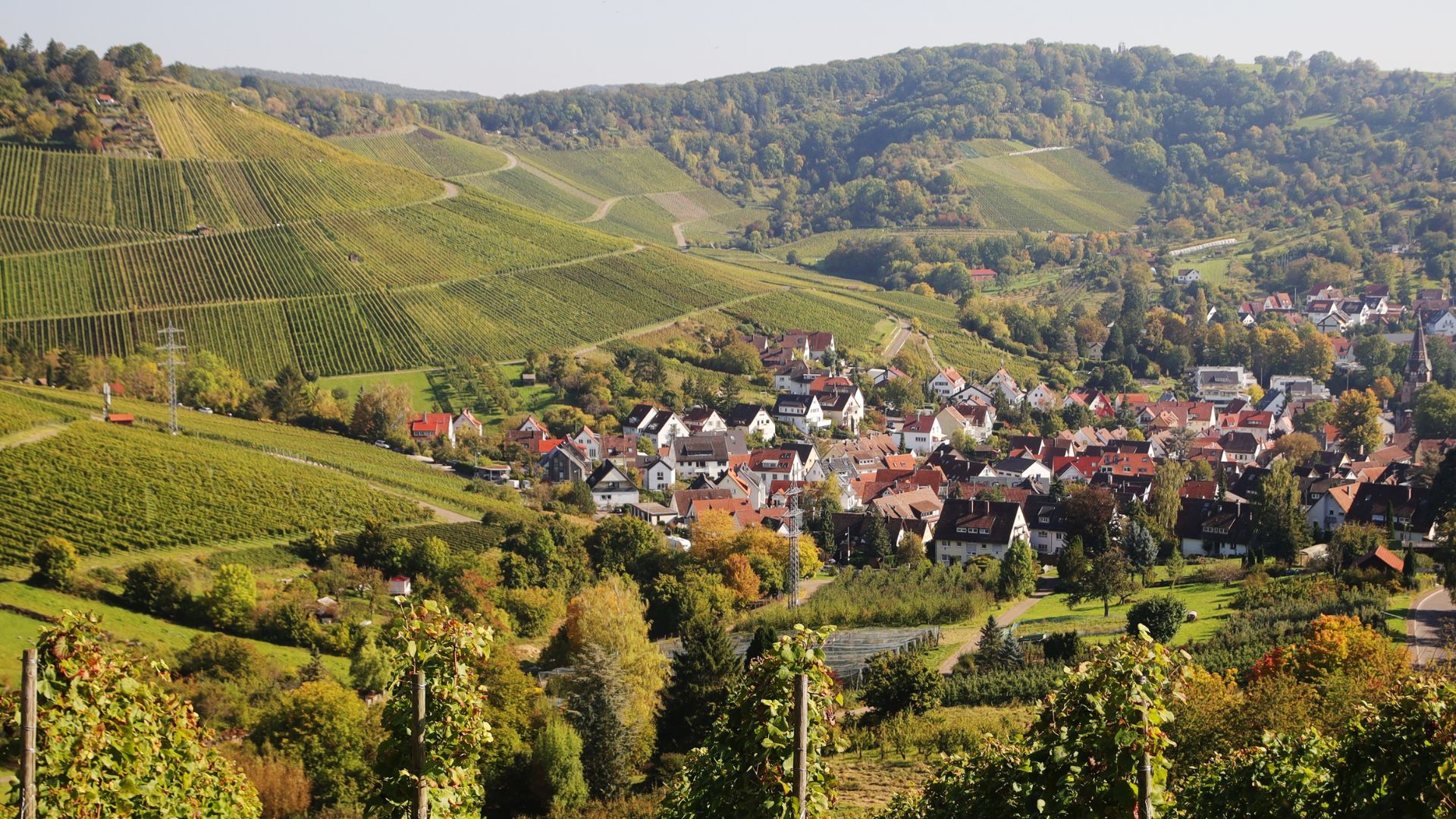
Germany’s Largest Open-Air Wine Festival
The Stuttgarter Weindorf — Stuttgart Wine Village — is Germany’s largest open-air wine festival, a ten-day event held in late August and early September that transforms Stuttgart’s Schillerplatz and surrounding streets into an outdoor wine village of extraordinary atmosphere and extraordinary wine quality throughout the festival.
Over 120 Württemberg wine producers present their wines at the Weindorf, providing an extraordinary concentrated access to Germany’s most underappreciated wine region in the outdoor festival format that makes wine tasting simultaneously educational, social, and genuinely pleasurable throughout the event.
The Stuttgart Wine Village’s Trollinger, Lemberger, Riesling, and Weissburgunder wines represent the full diversity of Württemberg wine culture, with the combination of the outdoor festival atmosphere, the Stuttgart setting, and the genuine engagement of the producing estates creating a wine festival experience of considerable distinction throughout the late August event.
Stuttgarter Weindorf practical guide:
| Detail | Information | Notes |
| Dates | Late August to early September | Check specific year |
| Location | Schillerplatz and Kirchstraße | Stuttgart city centre |
| Producers | 120+ Württemberg estates | Most comprehensive regional selection |
| Format | Individual producer booths | Buy by glass or bottle |
| Food | Swabian specialities | Maultaschen, Zwiebelkuchen |
| Admission | Free entry | Pay per glass |
| Best time | Weekday lunchtime or Thursday evening | Avoid Saturday peak |
| Getting there | S-Bahn to Stuttgart Stadtmitte | No driving recommended |
August Food Culture: Late Summer Abundance
Stuttgart Wine Village, known as Stuttgarter Weindorf, is one of Germany’s most celebrated wine festivals, bringing together regional wines, traditional cuisine, and a lively atmosphere in the heart of the city during late summer.
The event transforms Stuttgart into a vibrant gathering space where locals and visitors enjoy wine tastings, music, and cultural experiences. It reflects the region’s rich wine heritage and offers a warm, social celebration of German traditions.
Germany’s Most Abundant Seasonal Table
August’s German food culture celebrates the absolute peak of summer produce abundance, with the combination of stone fruits, summer vegetables, first vintage wine previews, and the outstanding outdoor grilling culture creating a seasonal food experience of remarkable richness throughout the peak summer month.
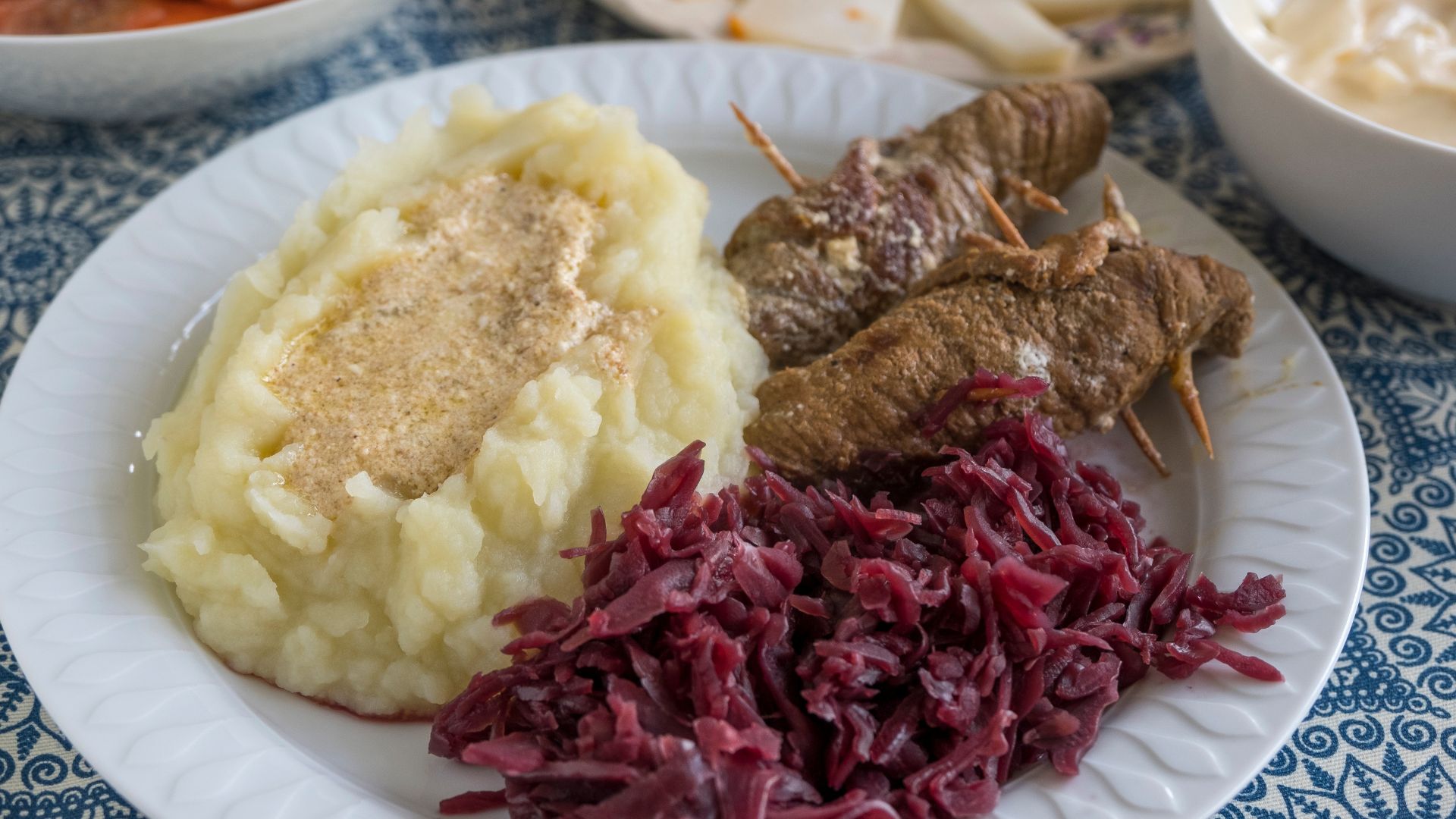
The Zwetschge — Italian prune plum — begins its brief but magnificent August season in the warmest German growing regions, providing the essential ingredient for Zwetschgendatschi — Bavaria’s most celebrated plum sheet cake — and the outstanding Zwetschgenkuchen that appears in every German bakery and Konditorei throughout the August season.
The Heidelbeere — blueberry — reaches its peak in the Black Forest and Bavarian highlands throughout August, with the wild blueberry picking tradition in forest clearings providing one of Germany’s most charming late-summer outdoor activities and the market stalls of the surrounding towns filling with the local harvest throughout the peak picking weeks.
August seasonal food and drink highlights:
| Item | Type | August Status | Notes |
| Zwetschgen | Italian prune plums | Season opening August | Zwetschgendatschi essential |
| Heidelbeeren | Wild blueberries | Peak August | Black Forest and Alps |
| Himbeeren | Raspberries | Peak season | Outstanding quality |
| Tomaten | German outdoor tomatoes | Peak August | Finally fully ripe |
| Mais | Sweetcorn | First harvest | Grilling culture staple |
| Broiler | German rotisserie chicken | Summer peak | East German tradition |
| Federweisser preview | New wine preview | Season opening in August | First taste of vintage |
| Zwetschgendatschi | Plum sheet cake | August special | Bavarian seasonal treasure |
| Radler | Beer-lemon refreshment | Peak demand | Essential hot day drink |
| Augustinerbier | Augustiner summer brew | Peak season | Munich’s favourite |
Zwetschgendatschi — Bavaria’s August Plum Cake
The Zwetschgendatschi is Bavaria’s most beloved seasonal cake, a sheet pan cake of enriched yeasted dough covered with halved Italian prune plums that caramelise slightly during baking to create a combination of tart fruit and sweet dough that represents one of Germany’s finest simple seasonal pleasures throughout the August baking season.
The Zwetschgendatschi season is brief and precious — limited to the few weeks of the Italian plum harvest in August and early September — making each encounter with this outstanding seasonal cake genuinely worth celebrating throughout the summer’s final abundant weeks.
August Travel Costs: Managing Peak Season Expenses
August in Germany brings peak travel costs, with accommodation, flights, and transport prices at their highest due to strong demand. Popular destinations become expensive, making early booking and budget planning essential for travelers.
Managing expenses requires flexibility, comparing options, and considering less crowded locations. With smart planning, travelers can balance costs while still enjoying Germany’s vibrant summer experiences during this busy and high-demand travel period.
The Reality of Germany’s Most Expensive Travel Month
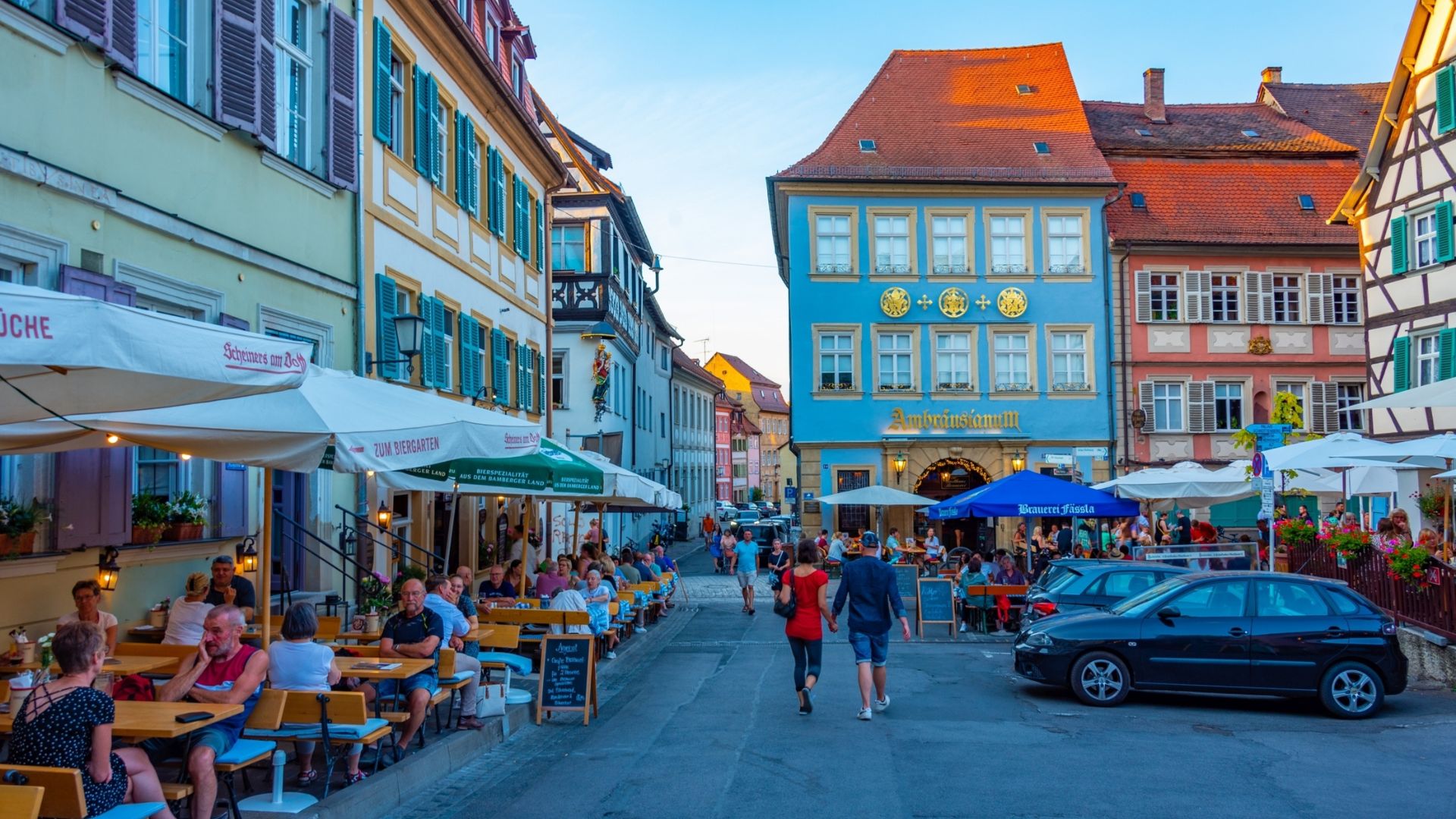
August represents Germany’s most expensive travel month across virtually every cost category — accommodation, transport, tourist attractions, and popular restaurant pricing all reflect the maximum annual demand throughout the peak holiday period.
The practical reality of August German accommodation costs requires either very early advance booking — six to eight months for the most popular destinations — or significant budget flexibility, with the combination of domestic German family holidays, European tourist peak, and the convergence of all state school holidays creating genuine supply constraint throughout the most popular destinations.
Budget strategies for August Germany that genuinely work include camping throughout the excellent German campsite network, staying in smaller towns, and travelling to popular destinations by regional train, using the Deutschlandticket for maximum regional flexibility, and exploring Germany’s genuinely magnificent, less-visited regions where both crowd levels and prices remain manageable throughout the peak month.
August hotel price guide:
| City | August Range | Book This Far Ahead | Cheaper Alternative |
| Munich | €150–230 | 4–6 months | Hostel €35–60/night |
| Berlin | €130–200 | 3–5 months | Hostel €25–50/night |
| Hamburg | €130–200 | 3–5 months | Hostel €30–55/night |
| Frankfurt | €140–210 | 3–5 months | Hostel €30–55/night |
| Cologne | €120–190 | 3–4 months | Hostel €25–50/night |
| Rhine valley | €100–170 | 4–6 months | Camping €15–28/night |
| Baltic coast | €100–190 | 5–8 months | Camping €15–30/night |
| Bavarian Alps | €90–180 | 4–6 months | Mountain hut €45–75 |
| Mosel valley | €90–160 | 3–5 months | Weingut rooms €75–110 |
The German Camping Option in August
Germany’s camping infrastructure is genuinely excellent, with the ADAC campsite network maintaining consistent quality standards throughout the national network and providing an affordable August accommodation solution of surprising comfort and surprising appeal throughout the peak season.
Lakeside camping in Bavaria — at the Chiemsee, Ammersee, and Tegernsee — provides an outstanding August accommodation experience that combines affordability with genuine beauty, with the combination of lake swimming, Alpine backdrop, and campfire culture creating memories that are genuinely more vivid than hotel alternatives throughout the peak summer.
Booking German campsites for August requires advance reservation of several months at the most popular lakeside locations, with the finest positions at Bavarian lake campsites booking out entirely throughout any spontaneous attempt during the peak holiday period.
August’s Less-Visited Germany: Genuine Alternatives
August in Germany isn’t only about crowded hotspots—many lesser-visited regions offer peaceful alternatives with equally stunning landscapes, charming towns, and authentic experiences away from peak tourist pressure.
Exploring these hidden areas allows travelers to enjoy better prices, relaxed atmospheres, and deeper cultural connections. With thoughtful planning, August can become a more balanced and rewarding journey beyond the usual popular destinations.
Outstanding August Destinations Without Peak Season Crowds
Beyond the crowded hotspots, Germany in August reveals outstanding destinations filled with scenic beauty, calm atmospheres, and authentic charm, offering travelers a refreshing escape where summer can be enjoyed without the pressure of peak-season crowds.
Thuringia — Germany’s Undervisited Heart
Thuringia provides one of Germany’s finest August alternatives to the overcrowded Alpine and Rhine destinations, with Weimar’s extraordinary concentration of classical German cultural heritage, Erfurt’s perfectly preserved medieval old town, and the Thuringian Forest’s outstanding hiking all combining to create an August destination of genuine depth and genuine value.
Weimar’s association with Goethe, Schiller, Bach, Liszt, and the Bauhaus movement creates a cultural density that is genuinely extraordinary for a city of its modest size, with the combination of the Goethe-Nationalmuseum, Schiller’s residence, the Bauhaus Museum, and the Duchess Anna Amalia Library providing an August cultural experience of outstanding quality throughout the relatively uncrowded city.
Sauerland — North Rhine-Westphalia’s Natural Escape
The Sauerland region of North Rhine-Westphalia provides an excellent August alternative to Bavaria’s crowded Alpine resorts, with the Rothaargebirge mountains, the Biggesee reservoir, and the extensive cycling and hiking infrastructure providing outdoor summer activities of good quality without the extreme crowds of the southern German alternatives.
Sauerland’s accessibility from the entire Rhine-Ruhr metropolitan region makes it the natural summer escape for millions of North Rhine-Westphalians, creating a well-developed tourism infrastructure of consistent quality at prices considerably below the Bavarian equivalent throughout the August season.
Eifel — Volcanic Landscape Near Cologne
The Eifel volcanic region directly accessible from Cologne and Trier provides outstanding August outdoor culture in a landscape of considerable geological interest and considerable natural beauty, with the crater lakes — Maare — of the Vulkaneifel and the outstanding cycling and hiking routes creating a destination of genuine quality throughout the summer season.
The Eifel’s Nürburgring motor racing circuit provides motorsport events and experiences throughout the August season alongside the natural landscape attractions, creating a diverse appeal that distinguishes this accessible and affordable region from the more one-dimensional natural destinations throughout the comparison.
Practical Tips for Visiting Germany in August
Navigating Germany in August is all about smart choices and timing. With peak crowds and high demand, early bookings, flexible plans, and visiting attractions during quieter hours can make your travel experience smoother and more enjoyable.
Staying prepared enhances comfort during the busy season. Pack light summer clothing, stay hydrated, and explore lesser-known spots alongside popular ones. Balancing planning with spontaneity helps you enjoy Germany’s vibrant August atmosphere without unnecessary stress.
Essential Advice for Every August Visitor
Tip 1 — Book everything between three and six months in advance. August is Germany’s peak travel month, and the gap between three-months-ahead booking and three-weeks-ahead is the gap between good options at reasonable prices and expensive options or unavailability throughout the peak season planning.
Tip 2 — Visit Neuschwanstein before 08:00 or skip it for a quieter alternative. Neuschwanstein in August without an online-booked timed entry ticket means waiting three to four hours in summer heat, making either pre-booking or the quieter alternative of Hohenschwangau Castle the more sensible August strategy throughout the tourist peak.
Tip 3 — Attend the Frankfurt Museumsuferfest for Germany’s greatest free event. The last August weekend Museumsuferfest combines free world-class museum access with outstanding outdoor festival atmosphere in one of Germany’s most spectacular riverside settings, making it a genuinely unmissable August Frankfurt experience throughout the event weekend.
Tip 4 — Swim in Bavaria’s lakes every day possible. The Bavarian lakes in August provide water temperatures of 21°C to 24°C with world-class Alpine scenery — entirely free by S-Bahn from Munich — creating the finest outdoor bathing experience in Germany throughout the peak summer month.
Tip 5 — Use early morning hours exclusively for outdoor iconic attractions. The difference between visiting Neuschwanstein, Rothenburg ob der Tauber, or the Rhine Gorge at 08:00 versus 11:00 in August is the difference between a genuinely beautiful and a genuinely frustrating experience throughout the peak crowd period.
Tip 6 — Experience the Stuttgart Wine Village for August’s finest wine event. The Stuttgarter Weindorf in late August provides access to over 120 Württemberg wine producers in an outstanding outdoor festival setting, representing one of Germany’s finest wine experiences at genuinely accessible prices throughout the late-summer wine festival.
Tip 7 — Eat Zwetschgendatschi at every Bavarian bakery encountered. The August plum sheet cake season is brief and genuinely special, with the combination of caramelised Italian plums and enriched yeasted dough providing one of Germany’s most distinctively seasonal and most genuinely delicious baking traditions throughout the peak plum harvest.
Tip 8 — Explore genuinely less-visited German regions for outstanding August value. Thuringia, the Sauerland, the Eifel, and the Mecklenburg Lake District all provide outstanding August experiences at prices 40 to 60 percent below comparable Bavarian and Rhine valley alternatives, with crowd levels that allow genuine relaxed exploration throughout the peak season.
Frequently Asked Questions
Is August a good time to visit Germany? August is excellent for visitors who plan very far in advance, embrace the peak summer energy, appreciate warm weather and lake swimming, want the richest possible outdoor festival calendar, and accept the peak season crowd and cost reality. The combination of outstanding weather, an extraordinary festival programme, and full outdoor culture makes August genuinely rewarding for thoroughly prepared visitors throughout the peak month.
How far in advance should I book for August in Germany? Quality accommodation in Munich, Berlin, Hamburg, the Rhine valley, and Baltic coast destinations should be booked three to six months in advance for August, with the most popular smaller destinations and coastal resorts requiring even longer lead times throughout the extreme peak season planning.
What are the best August events in Germany? August’s outstanding events include the Frankfurt Museumsuferfest — Germany’s greatest free cultural festival — on the last weekend, the Berlin Lange Nacht der Museen, the Stuttgarter Weindorf wine festival, the Heidelberg Schlossbeleuchtung castle illumination, the continuing Rhine in Flammen fireworks, and the extraordinary programme of Stadtfeste and wine festivals throughout every German region.
Where are the best places to swim in Germany in August? Bavaria’s pre-Alpine lakes — Tegernsee, Starnberger See, Ammersee, and Chiemsee — provide Germany’s finest outdoor swimming in August with water temperatures of 21°C to 24°C and extraordinary Alpine scenery. Berlin’s Wannsee and Müggelsee offer outstanding urban lake swimming, while the Baltic coast provides Germany’s finest beach swimming throughout the summer peak.
How can I avoid the worst August crowds in Germany? The most effective strategies for managing August crowds are arriving at popular attractions before 09:00, visiting on Tuesday through Thursday rather than weekends, booking timed entry tickets online for the most crowded specific attractions, and exploring genuinely less-visited regions — Thuringia, the Eifel, the Sauerland — alongside the famous destinations throughout the peak period.
Final Thoughts
August in Germany rewards the visitor who approaches it with thorough advance preparation, strategic crowd management, and genuine openness to both the iconic experiences and the magnificent less-visited alternatives that this rich and diverse country offers throughout its most challenging and most abundantly rewarding month.
Book early, swim in Bavarian lakes, enjoy Zwetschgendatschi, attend Frankfurt’s Museumsuferfest, visit attractions early, and embrace August’s demanding yet vibrant energy, where peak summer intensity creates unforgettable German travel experiences filled with culture, beauty, and lasting memories.
Hi, I’m Preeti Negi, a content writer who loves mixing creativity with smart strategy.
I have 3 years of experience writing about travel, digital marketing, and study abroad topics. I create content that is easy to read, engaging, and designed to connect with people while also performing well on Google.
When I’m not writing, I enjoy exploring new trends, learning new things, and thinking about fresh ideas for my next piece.
