

September occupies a position of genuine supremacy in the German travel calendar, combining the finest weather of the entire year with the dramatic reduction of school holiday crowds, the extraordinary spectacle of Oktoberfest, the beginning of the wine harvest season, and the first magnificent hints of autumn colour throughout Germany’s remarkable landscape.
The month delivers what Germans themselves describe as the Goldener Oktober — golden October — a few weeks early, with the combination of warm sunny days, cool crisp nights, and the extraordinary quality of the late-summer light creating an atmospheric beauty that photographers, walkers, cyclists, and wine tourists consider the absolute peak of the German outdoor experience throughout the year.
The school holiday crowds that made August’s most popular destinations genuinely overwhelming have largely departed, yet the tourism infrastructure remains fully operational and the weather remains magnificent, creating the specific September magic of a country fully alive but finally accessible again throughout the post-holiday transition.
Understanding September in Germany means experiencing Oktoberfest in Munich, wine harvest festivals, Bundesliga excitement, final outdoor events, and early autumn colors that transform landscapes, creating a rich blend of culture, celebration, and seasonal beauty.
Please note that this article contains affiliate links. Learn more about it on our Disclosure page. We use ads to support our small business – we hope you don’t mind them too much.
Germany in September: Essential Overview
Germany in September feels like a perfect balance—summer’s warmth gently fades into autumn’s charm, creating a season of festivals, scenic beauty, and relaxed travel, where culture, color, and comfort come together beautifully.
September at a glance:
| Factor | Detail | Notes |
| Average temperature | 14°C to 22°C | Perfect autumn warmth |
| Weather character | Warm, golden, increasingly crisp | Germany’s finest weather month |
| Daylight hours | 12–14 hours | Shortening pleasantly |
| Tourist crowds | Moderate — falling from August peak | Post-holiday improvement |
| Hotel prices | Moderate-high — Oktoberfest premium | Munich requires early booking |
| Oktoberfest | Mid-September to first October weekend | Munich’s greatest event |
| Wine harvest | Beginning throughout wine regions | Weinlese season opening |
| School holidays | German states back in school | Significant crowd reduction |
| Autumn colours | Beginning in northern regions | Full colour from mid-month |
| Key events | Oktoberfest, harvest festivals, wine | Germany’s richest event month |
Germany September Weather: The Finest Month
September in Germany offers some of the finest weather, with mild temperatures, comfortable sunshine, and fewer crowds. It creates ideal conditions for sightseeing, outdoor activities, and enjoying the country’s natural beauty without peak summer intensity.
The transition into autumn brings cooler evenings, clearer skies, and the first hints of seasonal color. This balanced climate enhances travel experiences, making September one of the most pleasant and rewarding months to explore Germany.
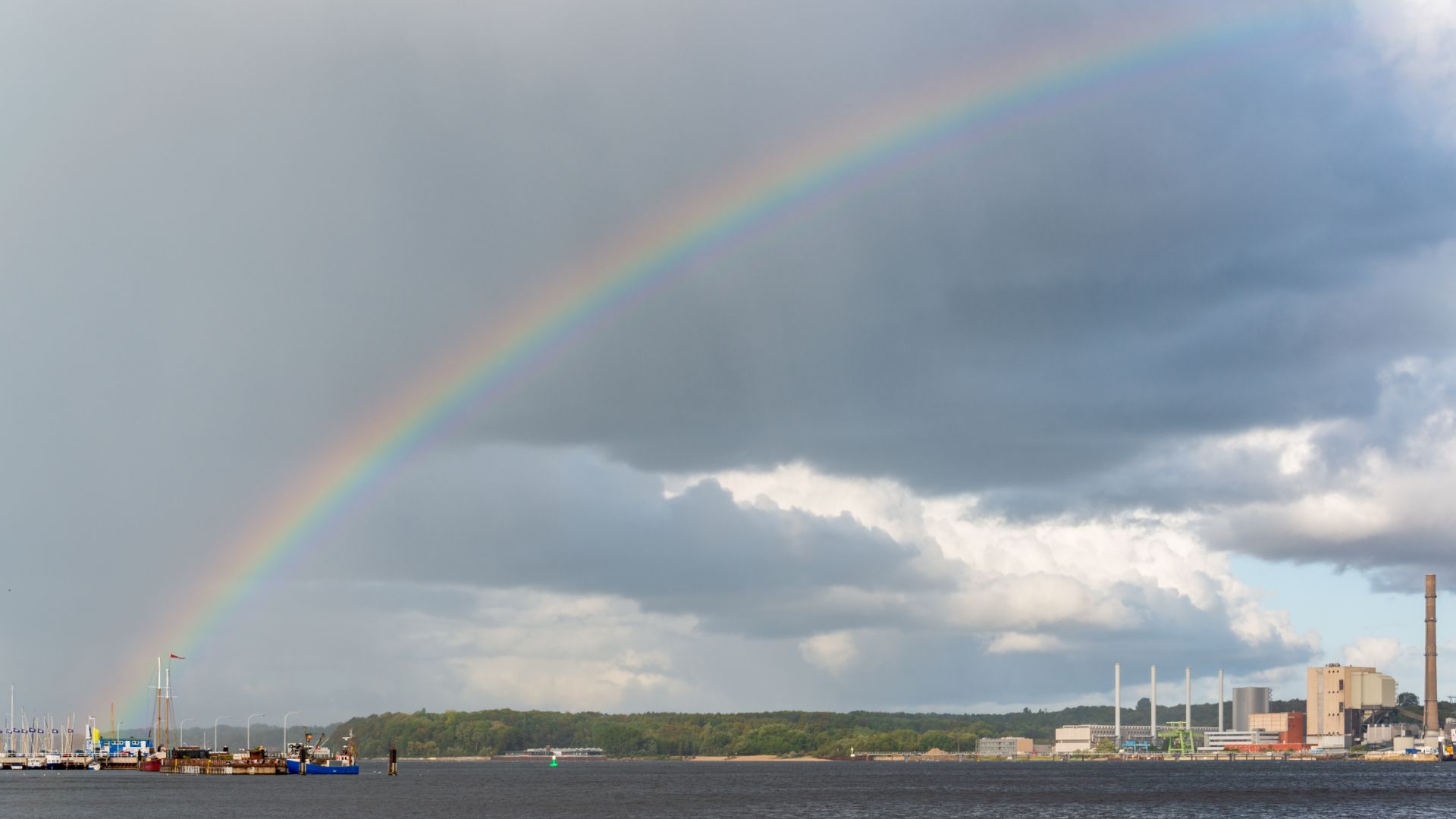
What Golden September Actually Delivers
Golden September in Germany delivers mild weather, soft sunlight, early autumn colors, vibrant festivals, and a relaxed atmosphere, offering travelers a perfect blend of scenic beauty, cultural richness, and comfortable exploration after the peak summer crowds fade.
Germany’s September Climate Overview
September delivers what experienced Germany travellers consistently rate as the country’s finest weather month, a combination of genuine warmth without the oppressive heat of July and August, extraordinary atmospheric clarity, and the particular quality of the late-summer light that makes everything from beer garden sitting to vineyard walking a genuinely beautiful sensory experience throughout the month.
The average September temperatures of 14°C to 22°C across Germany represent the ideal range for virtually every tourism activity — warm enough for outdoor dining and lake swimming in early September, cool enough for comfortable walking and cycling throughout, and providing the perfect conditions for the outdoor festival culture of Oktoberfest and the harvest festivals without the July-August heat discomfort.
The September weather phenomenon of Altweibersommer — old women’s summer, Germany’s equivalent of Indian summer — brings extended periods of extraordinary warm and hazy sunshine throughout September and into October, creating atmospheric conditions of remarkable beauty with morning mist burning off over vineyard valleys and the warm afternoon light golden on the harvest landscape throughout the season.
September rainfall increases slightly from the summer months but remains moderate, with the month’s characteristic pattern of clear sunny periods and brief showers creating freshly washed landscapes and brilliant atmospheric clarity throughout the autumn transition.
Regional September Temperature Guide:
| Region | Average High | Average Low | Sunshine Hours | Special Character |
| Munich | 21°C | 10°C | 190 hours | Oktoberfest perfection |
| Berlin | 19°C | 10°C | 185 hours | Parks turning golden |
| Hamburg | 17°C | 10°C | 170 hours | Maritime autumn beauty |
| Frankfurt | 21°C | 11°C | 190 hours | Rhine-Main autumn finest |
| Cologne | 20°C | 11°C | 180 hours | Rhine valley golden |
| Dresden | 20°C | 10°C | 185 hours | Elbe valley magnificent |
| Freiburg | 22°C | 11°C | 200 hours | Germany’s warmest September |
| Mosel Valley | 21°C | 11°C | 195 hours | Vineyard harvest beauty |
| Black Forest | 17°C | 8°C | 185 hours | First autumn colours |
| Bavarian Alps | 17°C | 6°C | 185 hours | Alpine autumn spectacular |
The Altweibersommer Effect
The Altweibersommer — old women’s summer — is Germany’s most beloved seasonal atmospheric phenomenon, a period of warm and hazy late-summer sunshine typically occurring between mid-September and mid-October that bathes the harvest landscape in a golden quality of light that German painters, poets, and photographers have celebrated throughout centuries of cultural production.
The specific quality of Altweibersommer light — warm and slightly hazy, casting long golden shadows across vineyards, meadows, and forest edges — creates landscape photography conditions of extraordinary quality that no other season in Germany can fully replicate throughout the annual cycle.
The Altweibersommer conditions at the Moselle valley, Rhine Gorge, and Bavarian Alps create some of Europe’s most photographically spectacular autumn landscapes during this specific meteorological window, with the combination of golden vineyard colours, harvest activity, and atmospheric light creating images of lasting beauty throughout any September photographic expedition.
Oktoberfest: Complete Guide to Germany’s Greatest Event
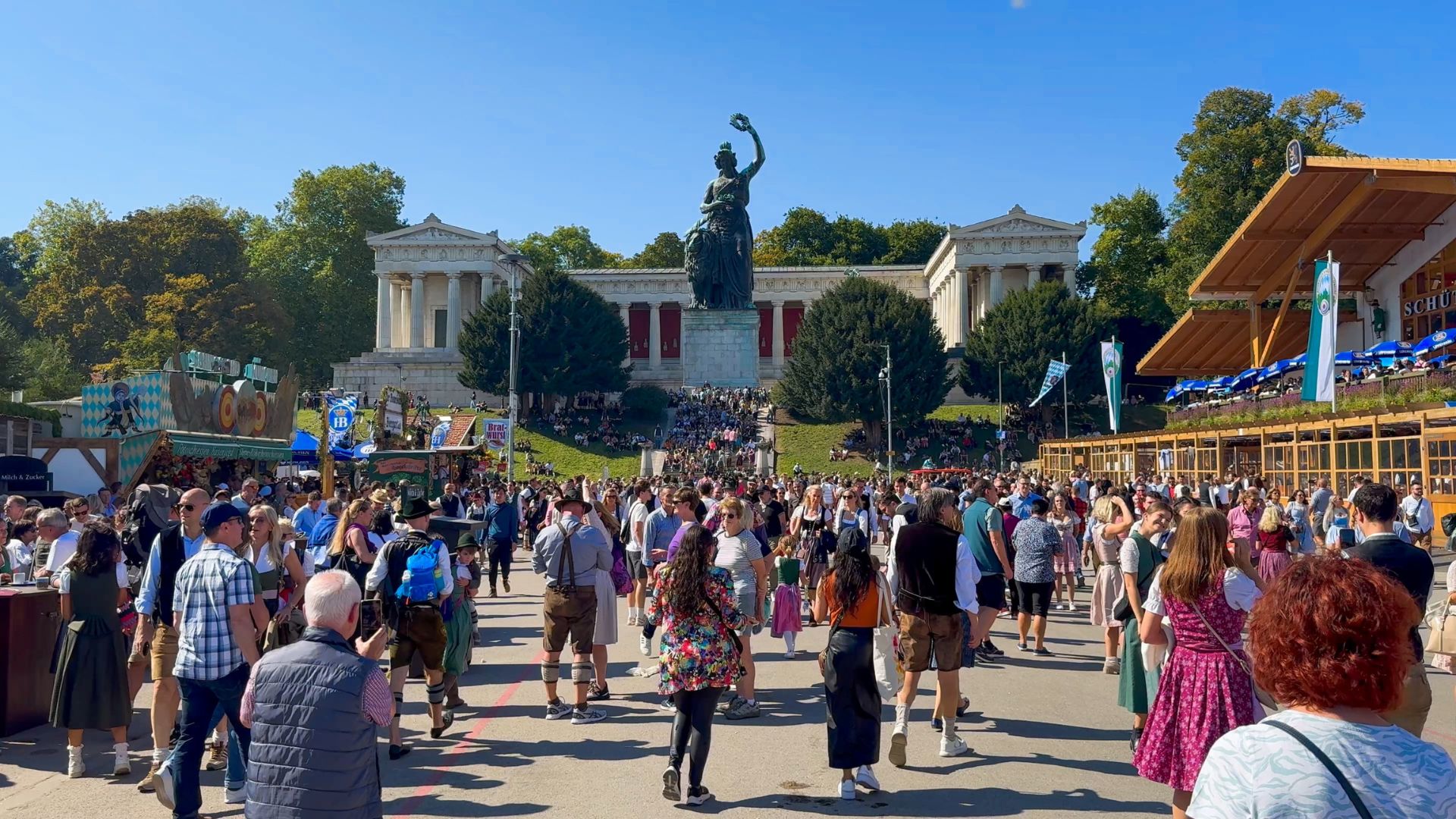
Oktoberfest in Munich is Germany’s most iconic celebration, where tradition, culture, and festivity come together in a vibrant spectacle of beer tents, music, and Bavarian spirit, attracting visitors from around the world each year.
Beyond the beer, Oktoberfest offers rich cultural experiences, from traditional costumes and lively parades to local food and community energy. It’s a unique blend of heritage and celebration, making it an unforgettable highlight of Germany’s event calendar.
Munich’s World-Famous Festival in Full Detail
Munich’s world-famous festival, Oktoberfest, unfolds as a grand celebration of Bavarian culture, filled with lively beer tents, traditional music, authentic cuisine, and a festive atmosphere that draws millions from around the world each year.
The History and Meaning of Oktoberfest
Oktoberfest is genuinely the world’s largest folk festival, a sixteen-to-eighteen-day celebration held annually on Munich’s Theresienwiese that attracts approximately six million visitors from throughout Germany and the world, consumes approximately seven million litres of beer, and generates economic activity of extraordinary scale throughout the Munich metropolitan economy.
The festival’s origins in the wedding celebration of Crown Prince Ludwig of Bavaria and Princess Therese of Saxony-Hildburghausen on 12 October 1810 created a horse racing tradition that gradually evolved through the nineteenth century into the beer tent festival that the world recognises today, with the specific character of the modern Oktoberfest reflecting both its aristocratic origins and the democratic beer hall culture that Munich’s great breweries developed throughout the nineteenth century.
The six Munich brewery tents — Augustiner, Hofbräu, Paulaner, Löwenbräu, Spaten-Franziskaner, and Hacker-Pschorr — each maintain their distinct character, their distinct Oktoberfest beer, and their distinct atmosphere throughout the festival, creating meaningfully different experiences within the single festival site throughout the Theresienwiese grounds.
The Oktoberfest’s cultural significance extends far beyond a beer-drinking event into a genuine expression of Bavarian identity, with the Tracht — traditional Bavarian costume — culture, the brass band music, the specific Oktoberfest beer that the breweries produce exclusively for the festival, and the communal energy of the tent celebrations creating an experience of genuinely irreplaceable cultural character throughout the festival.
Oktoberfest 2025 Dates and Practical Information:
| Detail | Information | Notes |
| Opening date | Third Saturday of September | Tap ceremony at noon |
| Closing date | First Sunday of October | Weather can affect final days |
| Location | Theresienwiese — Munich | U4/U5 U-Bahn — Theresienwiese stop |
| Opening ceremony | Saturday 12:00 — Mayor taps first keg | O’zapft is — It’s tapped |
| First Sunday | Traditional costume parade | Trachtenumzug through city |
| Beer | Oktoberfest Märzen and Helles | Served in Maß — one litre |
| Beer price | Approximately €14–16 per Maß | Increases annually |
| Admission | Free entry — tent table needed | Tent reservations essential |
| Tent reservations | Book from January | Online through official brewery websites |
| Dress code | Tracht welcomed — not required | Lederhosen and Dirndl fitting in |
The Oktoberfest Tents: Complete Guide
Each of the major Oktoberfest beer tents has its own distinct character, its own crowd profile, and its own specific atmosphere that makes the selection of the right tent as important as attending the festival itself throughout the visitor experience.
The Augustiner-Festhalle tent is widely considered the most authentic and most genuinely Bavarian of the major tents, serving the only Oktoberfest beer still poured from wooden barrels throughout the festival and maintaining an atmosphere of traditional character that attracts the most local and most discerning Munich clientele throughout the tent programme.
The Hofbräu tent is the most internationally famous and most visited by international tourists, with the combination of the Hofbräuhaus brand recognition and the location near the main entrance creating the most cosmopolitan and most loudly celebratory atmosphere of any of the major tents throughout the festival.
Complete Oktoberfest tent guide:
| Tent | Brewery | Capacity | Character | Best For |
| Augustiner-Festhalle | Augustiner | 6,000 | Most authentic Bavarian | Local atmosphere |
| Hofbräu-Festzelt | Hofbräu | 10,000 | Most international | Party atmosphere |
| Paulaner-Festzelt | Paulaner | 8,450 | Traditional quality | Good balance |
| Löwenbräu-Festzelt | Löwenbräu | 5,700 | Energetic — lion roars | Fun group atmosphere |
| Hacker-Festzelt | Hacker-Pschorr | 9,300 | Himmel der Bayern — best decoration | Visual spectacle |
| Spaten-Franziskaner | Spaten | 5,900 | Traditional Munich | Relaxed quality |
| Schottenhamel | Spaten | 10,000 | Oldest tent — opening ceremony | Historic significance |
| Käfer’s Wiesn-Schänke | Premium | 1,300 | Celebrity — most expensive | Premium experience |
Booking Oktoberfest Tent Reservations
Securing a tent table reservation at Oktoberfest’s most popular tents requires booking in January or February for the September festival, with the allocation system for each brewery tent operating through the official brewery websites, and the reality that most reserved tables sell out within days of the booking opening throughout the advance reservation period.
The booking process for each tent operates through the specific brewery’s official website — requiring the creation of an account, the selection of date and session, the payment of a minimum food and drink deposit, and the receipt of official reservation confirmation throughout the online booking process.
Unreserved tables at Oktoberfest — particularly in the most popular tents — become progressively harder to secure as the festival progresses into its second and third weekends, with the weekend sessions of the first two weekends being genuinely impossible for walk-in table access at premium tents throughout the peak attendance period.
Oktoberfest reservation strategy guide:
| Tent | Booking Opens | Difficulty | Walk-in Possible |
| Augustiner | January | Very high | Limited weekdays |
| Hofbräu | January | Extreme | Rare |
| Paulaner | January | Very high | Limited weekdays |
| Schottenhamel | January | Extreme | Very rare |
| Hacker | January | Very high | Limited |
| Smaller tents | Later | Lower | More possible |
| Weekday lunchtimes | Throughout | Moderate | Most achievable |
Oktoberfest Tracht: The Costume Culture
The Tracht tradition at Oktoberfest — traditional Bavarian clothing, including Lederhosen, leather breeches for men, and Dirndl, traditional dresses for women — has evolved from a historical remnant to a genuinely vibrant contemporary fashion culture that sees the majority of Oktoberfest visitors arriving in traditional dress throughout the festival.
Renting Tracht in Munich for Oktoberfest is straightforward and recommended for visitors who want to participate fully in the costume culture without the investment of purchasing their own, with numerous rental shops throughout the Munich city centre providing complete Lederhosen and Dirndl outfits at reasonable daily rates throughout the festival period.
Purchasing Tracht for Oktoberfest requires visiting specialist Trachtengeschäfte — traditional clothing shops — in Munich city centre, with the quality ranging from the affordable mass-produced versions available at the Theresienwiese market stalls through to the expensive handcrafted traditional pieces from specialist Munich Trachten tailors throughout the quality spectrum.
Tracht guide for Oktoberfest visitors:
| Option | Cost | Quality | Where |
| Rent Lederhosen | €30–60 per day | Good — festival appropriate | Munich rental shops |
| Rent Dirndl | €35–70 per day | Good — festival appropriate | Munich rental shops |
| Buy affordable | €60–120 complete outfit | Adequate | Theresienwiese stalls |
| Buy mid-range | €150–400 complete | Good quality | Munich Trachten shops |
| Buy premium | €500–2,000+ | Genuine craftsmanship | Specialist Trachten tailors |
Oktoberfest Food: Beyond the Beer
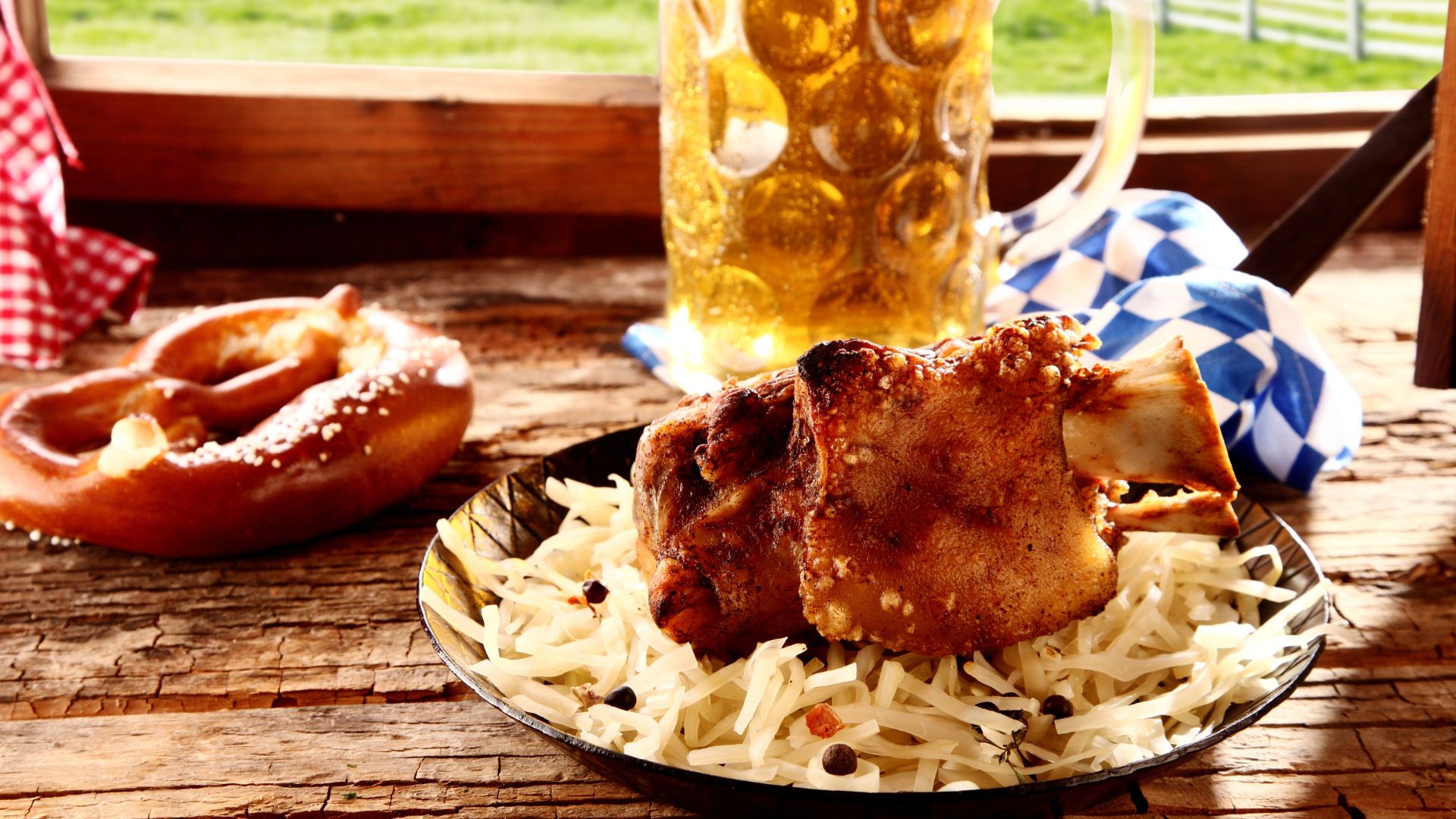
Oktoberfest food is an integral and genuinely outstanding component of the festival experience, with the combination of traditional Bavarian festival dishes and the specific Oktoberfest versions of classic items creating a food culture of considerable quality throughout the festival grounds.
The Hendl — roasted half chicken — is Oktoberfest’s most beloved food item, with the golden roasted chickens turning on spits throughout the tent kitchens and providing a genuinely outstanding combination of crispy skin and tender meat that pairs perfectly with the Märzen or Helles throughout the festival meal.
The Haxn — roasted pork knuckle — is Oktoberfest’s most dramatically presented food, with the enormous golden-skinned pork knuckle served on a wooden board creating an immediate and lasting impression throughout any first Oktoberfest food encounter.
Oktoberfest food guide:
| Dish | Description | Price Range | Recommendation |
| Hendl | Roasted half chicken | €14–18 | Essential — outstanding |
| Haxn | Roasted pork knuckle | €18–24 | Traditional — impressive |
| Steckerlfisch | Grilled whole fish on stick | €10–14 | Outdoor grill classic |
| Brez’n | Giant pretzel — 500g | €5–8 | Essential accompaniment |
| Obatzda | Spiced Camembert spread | €7–10 | Classic Bavarian |
| Schweinsbraten | Roast pork with gravy | €16–22 | Traditional Sunday roast |
| Käsespätzle | Cheese noodles | €12–16 | Vegetarian classic |
| Dampfnudel | Sweet steamed bun | €8–12 | Traditional dessert |
| Apfelstrudel | Apple strudel | €7–10 | Dessert classic |
| Leberkas Semmel | Meat loaf roll | €6–8 | Market area snack |
Getting to Oktoberfest
The Theresienwiese is served directly by Munich’s U-Bahn U4 and U5 lines, with the dedicated Theresienwiese station placing visitors at the festival entrance within thirty seconds of exiting the train throughout the journey.
The U-Bahn is the only practical transport to Oktoberfest, with the surrounding roads closed to private vehicles throughout the festival and the combination of six million visitors and Munich’s excellent public transport infrastructure making rail the universal transport solution throughout the festival period.
Walking from Munich city centre — approximately fifteen to twenty minutes from Marienplatz — is a genuinely pleasant approach on fine September days, with the route through the Ludwigsvorstadt neighbourhood providing interesting urban character throughout the approach.
German Wine Harvest: The Weinlese Season
The Weinlese season in Germany marks the beginning of the grape harvest, when vineyards come alive with activity, celebration, and anticipation. Rolling landscapes transform into vibrant scenes of tradition, craftsmanship, and seasonal beauty.
This period blends culture and flavor, as wine regions host festivals, tastings, and local gatherings. Visitors experience the rhythm of harvest life, enjoying fresh wines, scenic views, and the warm, welcoming spirit of Germany’s wine heritage.
Germany’s September Harvest Festivals in Full Detail
September marks the opening of Germany’s wine harvest season — Weinlese — a period of extraordinary agricultural activity, genuine festive celebration, and outstanding wine tourism that transforms the Rhine, Mosel, Pfalz, and Baden wine regions into genuinely spectacular destinations throughout the harvest weeks.
The Weinlese typically begins in the Pfalz and Baden in early September with the earliest ripening varieties and progresses through October as later-ripening Riesling grapes in the Mosel and Rheingau reach their optimum sugar levels, creating a harvest window of several weeks throughout which the wine regions offer genuinely extraordinary visitor experiences.
The specific experience of walking through harvesting vineyards — watching the pickers working the steep Mosel slate slopes, the tractors carrying grape bins along the valley roads, and the estates beginning their pressing operations — provides a genuine and genuinely moving connection to the agricultural tradition that has sustained these communities throughout centuries of viticulture.
Germany’s major September harvest festivals:
| Festival | Location | Typical Dates | Character |
| Bad Dürkheim Wurstmarkt | Bad Dürkheim, Pfalz | Second and third September weekends | World’s largest wine festival |
| Rüdesheimer Weinfest | Rüdesheim, Rheingau | Second September weekend | Rhine classic |
| Bernkastel-Kues Wine Festival | Bernkastel-Kues, Mosel | First September weekend | Mosel’s finest setting |
| Winzer von Württemberg | Stuttgart area | Throughout September | Württemberg harvest |
| Neustadt Weinlesefest | Neustadt, Pfalz | Early October — September preview | Weinkönigin crowning |
| Nackenheim Weinblütenfest | Rheinhessen | September | Quiet — authentic |
| Deidesheimer Weinfest | Deidesheim, Pfalz | Late August-September | Premium Pfalz estates |
Bad Dürkheim Wurstmarkt: The World’s Largest Wine Festival
The Bad Dürkheim Wurstmarkt — officially considered the world’s largest wine festival by Guinness World Records — is a four-day festival held on the second and third weekends of September that fills the Dürkheimer Riesenfass — the world’s largest wine barrel, converted into a restaurant — and the surrounding festival grounds with an extraordinary concentration of Pfalz wine culture.
The Wurstmarkt’s name — sausage market — reflects its medieval origins as a combined wine and sausage trading event that has evolved into Germany’s most impressive regional wine festival, with the Palatinate wines flowing freely throughout the wooden market booths and the atmosphere of genuine regional pride creating a festival experience of considerable authenticity.
The Dürkheimer Riesenfass — an enormous barrel-shaped building capable of accommodating 450 diners — provides the Wurstmarkt’s most visually distinctive element, with dining inside the world’s largest wine barrel creating a uniquely German experience of considerable charm throughout the festival days.
Bundesliga: Germany’s Football Season Opens
The Bundesliga season opens with excitement in September, bringing energy back to stadiums across Germany. Fans gather to support their teams, creating an electric atmosphere filled with passion, chants, and competitive spirit.
Matches become a key part of cultural life, drawing both locals and visitors into the experience. From iconic clubs to rising teams, the season’s start offers thrilling action and a chance to witness Germany’s deep love for football.
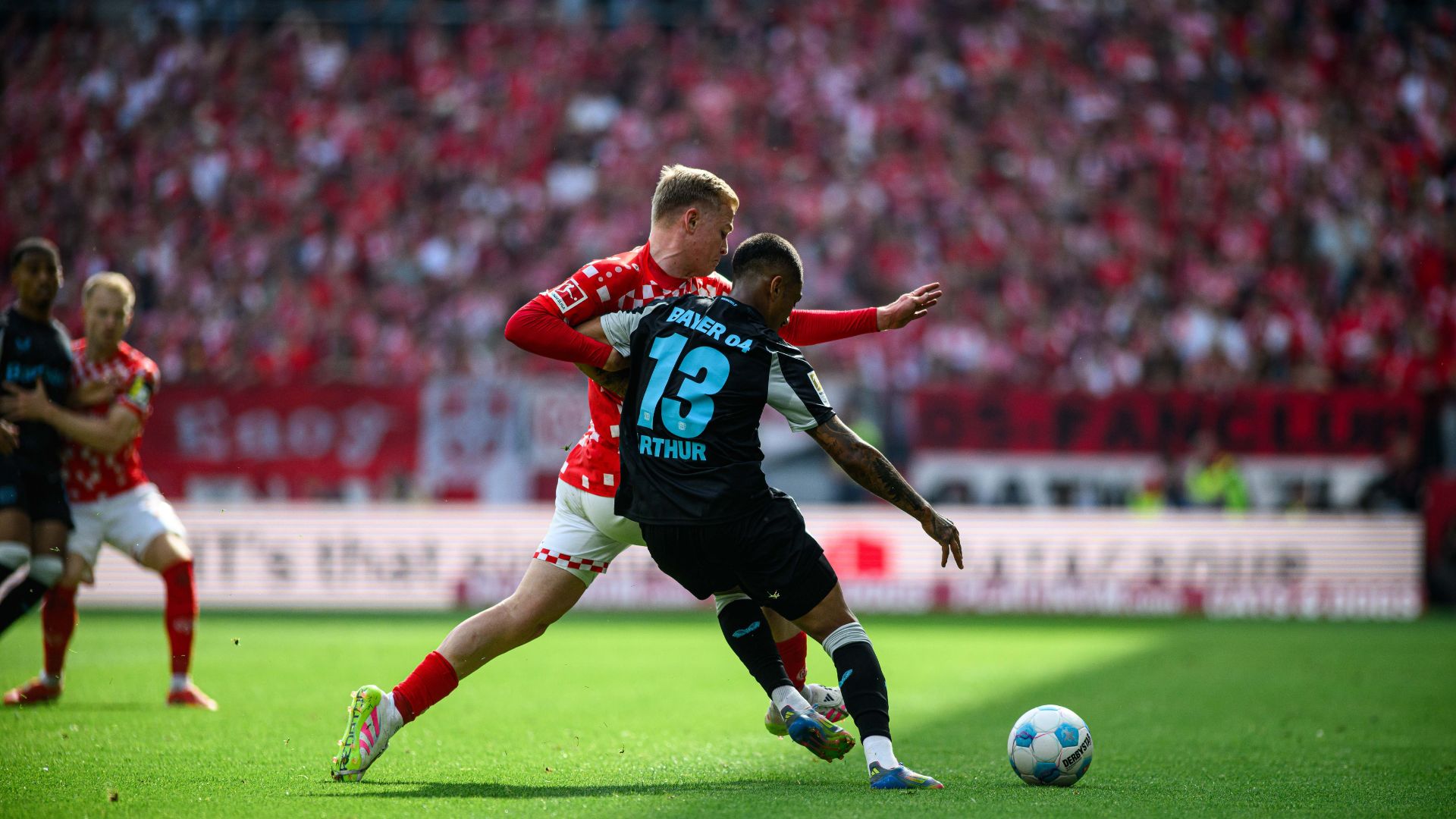
Attending Germany’s World-Class Football in September
The German Bundesliga season opens in August and reaches its first major rhythm throughout September, with the combination of full crowd attendance, the first title contention from the table taking shape, and the particular atmosphere of German football in the early-season excitement creating outstanding spectator sport throughout the month.
German football stadiums provide the finest football spectator experience in the world according to the consistent judgement of international football visitors, with the combination of standing terrace culture — particularly the famous Yellow Wall at Borussia Dortmund — the passionate but good-natured crowd atmosphere, and the excellent stadium facilities creating an experience that Premier League, La Liga, and Serie A equivalents cannot match throughout the attendance comparison.
September provides some of the finest Bundesliga attendance conditions of the entire season, with the warm autumn weather making both the journey to the stadium and the standing terrace experience genuinely comfortable, the early-season fixtures often featuring competitive and exciting football, and the pre-match Bratwurst and beer culture in the stadium surrounds operating at its most vibrant throughout the autumn season opening.
September Bundesliga attendance guide:
| Club | Stadium | September Atmosphere | Ticket Availability | Travel |
| Borussia Dortmund | Signal Iduna Park | World’s best terrace | Book weeks ahead | Train from Cologne/Düsseldorf |
| Bayern Munich | Allianz Arena | Outstanding | Very difficult | S-Bahn from Munich |
| Borussia M’gladbach | Borussia-Park | Passionate — accessible | Moderate | Train from Cologne |
| RB Leipzig | Red Bull Arena | Modern — growing | Moderate | Train from Leipzig Hbf |
| Bayer Leverkusen | BayArena | Compact — intense | Easier | Train from Cologne |
| Eintracht Frankfurt | Deutsche Bank Park | Fantastic atmosphere | Moderate | S-Bahn from Frankfurt |
| VfB Stuttgart | MHPArena | Excellent | Moderate | S-Bahn from Stuttgart |
| SC Freiburg | Europa-Park Stadion | Most atmospheric small | Easier | Tram from Freiburg |
September Day Trips and Regional Excursions
September is perfect for day trips and regional excursions across Germany, with mild weather, fewer crowds, and scenic landscapes. It’s an ideal time to explore nearby towns, the countryside, and cultural sites at a relaxed pace.
From charming villages to river valleys and historic cities, regional travel becomes more enjoyable and flexible. Clear skies and early autumn colors enhance every journey, making short trips both refreshing and visually rewarding.
Germany’s Finest September Destinations
Germany’s finest September destinations combine scenic beauty, cultural richness, and seasonal charm, offering mild weather, fewer crowds, and vibrant landscapes. From historic cities to wine regions and countryside escapes, travel becomes relaxed, colorful, and deeply rewarding.
Rhine Gorge in September — Finest Conditions
The Rhine Gorge between Bingen and Koblenz in September provides Germany’s finest single river valley experience, with the combination of the late-summer light on the vineyard slopes, the medieval castles emerging from their summer green cover as the first autumn colours arrive, and the comfortable temperatures creating river cruise and cycling conditions of absolute perfection throughout the month.
The Rhine in Flames finale event — typically held in September at St Goarshausen and Koblenz — provides the dramatic conclusion to the season’s firework programme, with the castle-lit Rhine Gorge at night providing a genuinely spectacular visual finale to the summer season throughout the September event.
Moselle Valley September — Harvest Season Paradise
The Moselle valley in September provides Germany’s most concentrated combination of outstanding wine, spectacular harvest landscape, and comfortable autumn tourism, with the combination of the harvest activity in the vineyards, the wine festival programme in the valley towns, and the cycling and walking routes at their finest September condition creating an experience of extraordinary sensory richness.
The specific combination of cycling the Mosel Cycle Route while the harvest is in progress — passing through villages where tractors carry full grape bins, the air fragrant with fermenting juice, and the estate cellars illuminated for the first pressing operations — provides one of Europe’s most genuinely evocative and genuinely rewarding cycling experiences throughout the September harvest weeks.
Black Forest in September
The Black Forest in September begins its most beautiful season, with the first autumn colours appearing throughout the forest canopy and the combination of comfortable hiking temperatures, full operational status of all mountain facilities, and the harvest culture of the Baden wine estates on the forest’s eastern edge creating a destination of extraordinary variety throughout the autumn transition.
The Schwarzwaldtäler — Black Forest valleys — of the Kinzig, Murg, and Wolf rivers provide outstanding September walking, with the waterfalls still running well from summer rainfall and the forest showing its first transformation of colour throughout the valley sides.
Cultural Events and Programs in September
September in Germany is rich with cultural events and programs, from music festivals and art exhibitions to theatre performances and local celebrations. Cities and towns host diverse experiences that reflect the country’s vibrant artistic and cultural spirit.
As summer transitions into autumn, these events take on a special charm, blending indoor and outdoor experiences. Visitors can enjoy a more relaxed atmosphere while exploring Germany’s deep cultural heritage and creative expressions.
Germany’s Autumn Culture Season Opens
Germany’s autumn cultural season opens in September with a programme of considerable ambition and considerable quality, with the great opera houses, concert halls, and theatre companies launching their new seasonal productions throughout the month in a cultural renewal that makes September one of the finest months for serious cultural engagement throughout the country.
The Berlin Philharmonic’s season-opening concerts in September — the Saisoneröffnung — represent one of the most significant moments in the German classical music calendar, with the opening programme typically combining major orchestral works with the particular excitement of a new season’s beginning throughout the concert hall culture.
The Munich Philharmonic, Hamburg Elbphilharmonie, and Frankfurt Alte Oper all programme major season opening events throughout September, providing access to some of the world’s finest orchestras and conductors at a time when the summer touring season has ended, and the full ensemble complement is back in residence throughout the home concert halls.
Berlin Music Festival — Berliner Festspiele
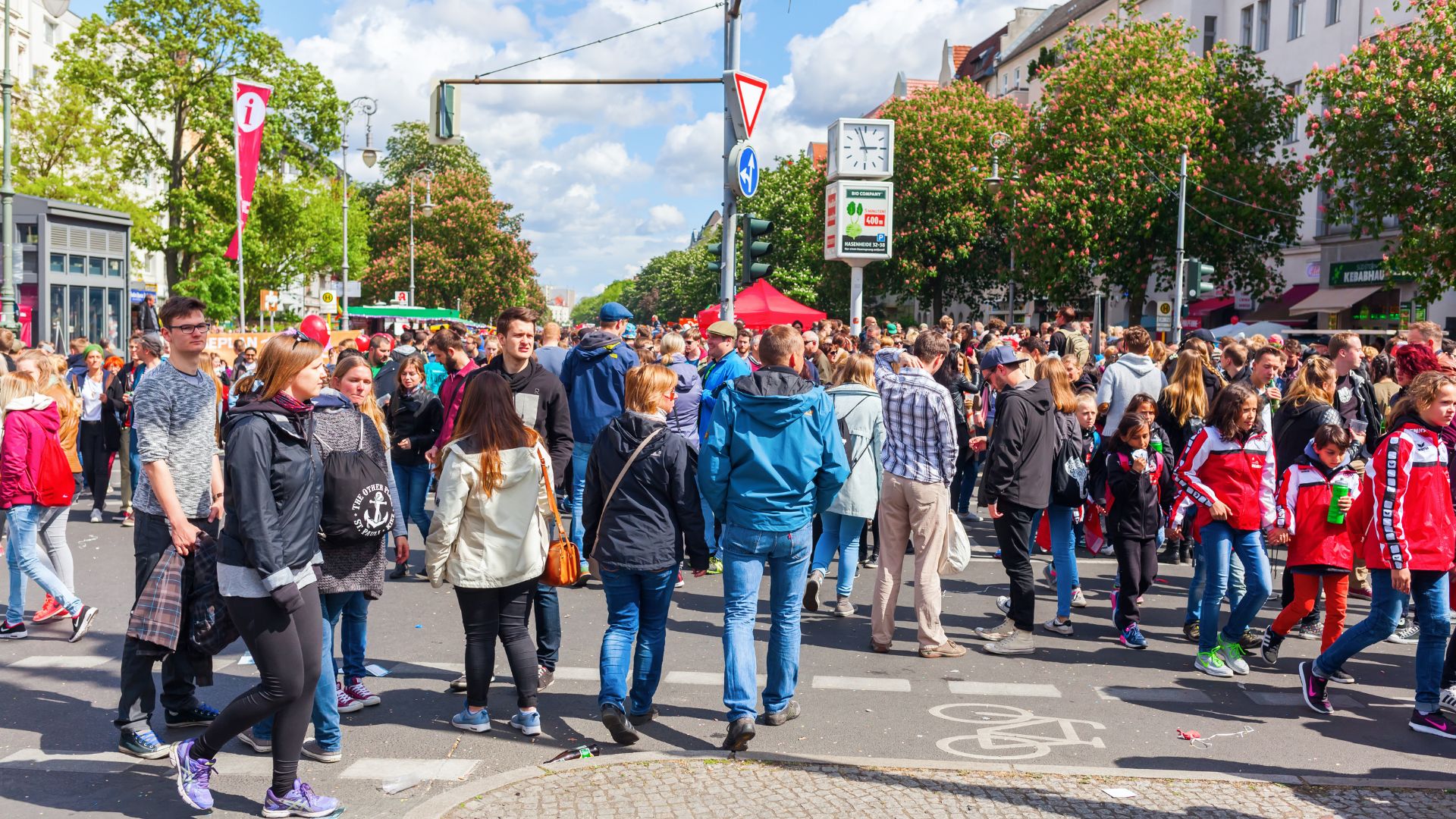
The Berliner Festspiele — Berlin Festival — is one of Europe’s most prestigious autumn cultural events, a multi-week festival of classical music, contemporary music, and cultural events that transforms Berlin’s cultural landscape throughout September and October with a programme of exceptional artistic ambition.
The festival’s multiple components — the Berliner Festspiele, the MaerzMusik contemporary music festival, and the Jazzfest Berlin — collectively create one of Europe’s most comprehensive autumn cultural programmes, attracting major international performers and producing some of the year’s most significant cultural events throughout the Berlin cultural calendar.
September Food Culture: Harvest Abundance
Golden harvest flavors define September in Germany, where fresh produce, seasonal dishes, and regional specialties take center stage. Markets overflow with fruits, vegetables, and early wines, creating a rich culinary atmosphere.
From vineyard tastings to hearty autumn meals, the season blends flavor with tradition. Mild days and cool evenings enhance dining experiences, making September ideal for enjoying Germany’s authentic, harvest-inspired food culture.
Germany’s Autumn Table at Its Most Abundant
September’s German food culture celebrates the harvest abundance of late summer and early autumn simultaneously, with the combination of the final summer fruits, the first autumn produce, and the new wine harvest creating a seasonal food table of extraordinary variety and extraordinary quality throughout the harvest month.
The Federweisser — new wine — is one of September’s most distinctive and most purely seasonal German food and drink experiences, with the partially fermented new wine appearing in wine shops and restaurants throughout the Rhine and Mosel regions in late September and creating a drink of unique character — sweet, fizzy, low-alcohol, and genuinely delicious — available only for a few brief weeks throughout the fermentation season.
The traditional pairing of Federweisser with Zwiebelkuchen — onion tart — is one of Germany’s most perfectly matched seasonal food combinations, with the slight sweetness and effervescence of the new wine providing ideal contrast to the rich savoury onion filling of the Swabian and Baden autumn tart throughout the harvest season.
September seasonal food highlights:
| Item | Type | September Status | Notes |
| Federweisser | New wine — partially fermented | Season opening | Rhine and Mosel regions |
| Zwiebelkuchen | Onion tart | Perfect Federweisser pairing | Swabia and Baden |
| Zwetschgen | Italian plums | Final weeks | Zwetschgendatschi finale |
| Pilze | Wild mushrooms — first season | Season opening | Black Forest and Bavaria |
| Kürbis | Pumpkin season opens | First availability | Soups and roasting |
| Birnen | Pears — peak season | Outstanding September | Desserts and markets |
| Weintrauben | Fresh grapes — harvest | Available from estates | Eat at vineyard |
| Nüsse | First walnuts and hazelnuts | Season opening | Fresh from trees |
| Oktoberfest Märzen | Festival beer | September release | Munich beer culture |
| Neuer Wein | First pressed grape juice | Before fermentation | Estate visits |
Wild Mushroom Season — Pilzsaison
September opens Germany’s most eagerly anticipated foraging season — the wild mushroom harvest — with the combination of the late summer’s accumulated warmth and the September rainfall creating ideal conditions for the appearance of Steinpilze ceps, Pfifferlinge chanterelles, and the full range of autumn forest mushrooms throughout Germany’s extensive deciduous and mixed forests.
The Bavarian and Black Forest mushroom hunting tradition is genuinely deeply rooted in German outdoor culture, with families making specific woodland excursions on September mornings to collect the day’s mushrooms and return to prepare the classic German mushroom preparations of cream sauce, risotto, and pasta throughout the foraging season.
German restaurant menus throughout September reflect the mushroom season’s abundance, with the Steinpilz — cep — appearing in sauces, soups, and pasta dishes throughout the finest German kitchens in a genuinely seasonal response to the forest’s autumn offering throughout the harvest month.
September Travel Costs: Perfect Value Month
September in Germany offers excellent travel value, with prices easing after the summer peak while weather and experiences remain outstanding. It’s a perfect balance of affordability, comfort, and quality for travelers.
Lower demand means better availability for accommodation and transport, making planning easier and more flexible. Visitors can enjoy top destinations, cultural events, and scenic beauty without the high costs and crowds of peak season.
Why September Offers Germany’s Best Price-Quality Ratio
September provides Germany’s finest combination of hotel quality, availability, and price outside the low winter season, with the departure of the school holiday crowds creating meaningful price reductions from August levels while the weather and event programme maintain their peak quality throughout the month.
Hotel prices in September drop 20 to 30 percent from August levels in most German destinations, with the exception of Munich during Oktoberfest where prices peak even above August throughout the festival period, creating a bifurcated September pricing environment that rewards visitors to non-Oktoberfest destinations with outstanding value.
The September value proposition is genuinely compelling — the finest weather, the lowest post-summer crowds, the harvest festival programme, and hotel prices noticeably below August peaks — making it the single best month for combining quality experience with reasonable cost throughout the entire German travel year outside the low season months.
September hotel price guide:
| City | September Standard | Oktoberfest Period Munich | August Comparison |
| Munich — Oktoberfest | €180–280 | Maximum — book 6+ months | Higher than August |
| Munich — non-festival | €120–175 | N/A | 20% below August |
| Berlin | €100–155 | N/A | 20–25% below August |
| Hamburg | €100–155 | N/A | 20–25% below August |
| Frankfurt | €110–165 | N/A | 20% below August |
| Cologne | €95–150 | N/A | 20% below August |
| Rhine valley | €85–140 | N/A | 15–20% below August |
| Mosel valley | €85–140 | N/A | Similar to August |
| Bavarian Alps | €85–155 | Similar to August | Harvest premium |
Practical Tips for Visiting Germany in September
Visiting Germany in September is smooth and enjoyable with light planning. Pack layers for warm days and cool evenings, and book key experiences early, especially popular events like Oktoberfest.
Take advantage of fewer crowds by exploring at a relaxed pace, mix cities with countryside trips, and enjoy seasonal food and wine. Flexible plans and early starts help you make the most of this comfortable travel month.
Essential Advice for Every September Visitor
Tip 1 — Book Munich Oktoberfest accommodation twelve months ahead. Munich accommodation during the Oktoberfest weeks is the most competitive booking environment in Germany’s entire annual calendar, with quality hotels within walking distance of the Theresienwiese booking out completely within days of the booking window opening throughout the twelve-month advance period.
Tip 2 — Secure tent reservations in January for the following September Oktoberfest. The major brewery tent reservations open in January and the most popular tents — Augustiner, Hofbräu, Schottenhamel — sell their reserved tables within days of opening, requiring immediate action in the first days of January throughout the advance reservation process.
Tip 3 — Visit the Moselle harvest for a genuinely extraordinary September experience. The combination of cycling the Mosel valley during the harvest, stopping at estate cellars for new vintage tastings, and drinking Federweisser with Zwiebelkuchen at outdoor vineyard restaurants provides a September wine tourism experience of genuine world-class quality throughout the harvest weeks.
Tip 4 — Attend a Bundesliga match for the finest football experience in the world. The early-season September Bundesliga atmosphere in German stadiums combines passionate supporter culture, outstanding facilities, and the specific energy of the season’s beginning to create football spectator experiences that consistently exceed international visitor expectations throughout the autumn opening weeks.
Tip 5 — Experience the Bad Dürkheim Wurstmarkt for authentic German wine festival culture. The world’s largest wine festival in Bad Dürkheim during the second and third September weekends provides genuine Palatinate wine culture in an authentic German folk festival setting that is entirely free of the international tourist overlay that characterises Oktoberfest throughout the festival experience.
Tip 6 — Walk or cycle the Rhine Gorge for September’s finest landscape. The specific combination of the Altweibersommer golden light, the vineyard harvest activity, and the first autumn colours on the castle-topped hillsides makes September the absolute finest month for the Rhine Gorge experience, surpassing even the spring blossom season in its atmospheric richness throughout any comparison.
Tip 7 — Seek wild mushrooms in Bavarian and Black Forest woods. The September mushroom season in Germany’s finest forest regions provides one of Europe’s most rewarding foraging experiences, combining the pleasure of woodland walking with the genuine satisfaction of finding and collecting the prized Steinpilze and Pfifferlinge that will provide the finest possible wild food throughout the evening meal.
Tip 8 — Use September for Munich beyond Oktoberfest. The Nymphenburg Palace grounds, the English Garden, the Pinakothek museum complex, and the Marienplatz with its relatively manageable September crowds provide a Munich cultural experience of extraordinary quality throughout the non-Oktoberfest weeks, making September the finest month for genuinely balanced Munich tourism throughout the visit.
Oktoberfest Versus the Rest of Germany in September
In September, Oktoberfest creates a unique contrast with the rest of Germany. Munich becomes crowded, expensive, and high-energy, while other regions remain relaxed, scenic, and more affordable for travelers.
Beyond Oktoberfest, Germany offers quieter experiences with wine harvest festivals, cultural events, and beautiful autumn landscapes. Travelers can choose between the festival’s excitement or explore calmer destinations for a more balanced and peaceful September journey.
The Strategic Choice for September Visitors
The fundamental September Germany planning decision is whether to include Oktoberfest in the itinerary — with all the advance booking demands, premium costs, and specific experience it entails — or to enjoy the rest of Germany’s extraordinary September programme while Munich is at its most logistically complex throughout the festival period.
Both approaches provide genuinely outstanding September Germany experiences — the Oktoberfest experience is irreplaceable and genuinely extraordinary, while the rest of Germany in September provides a quietly magnificent alternative of exceptional value and exceptional beauty throughout the harvest season.
The pragmatic resolution for many visitors is to combine a short Oktoberfest visit of two to three days — including one tent experience, one parade, and the market grounds exploration — with a longer visit to the wine harvest region, the Rhine valley, or another September destination throughout the remainder of the visit.
Strategic comparison:
| Approach | Oktoberfest Focused | Harvest Germany Focused |
| Cost | High — premium Munich | Moderate — good value |
| Booking difficulty | Extreme | Moderate |
| Crowd experience | Intense and festive | Comfortable and authentic |
| Cultural depth | Bavarian folk culture peak | Wine and harvest culture |
| Weather enjoyment | Limited by tent focus | Full outdoor September |
| Uniqueness | Irreplaceable globally | Very rare experience |
| Value | Lower — premium everything | Higher — outstanding September |
| Best for | Once-in-lifetime experience | Wine lovers, outdoor, value |
Frequently Asked Questions
When exactly is Oktoberfest in September 2025? Oktoberfest 2025 runs from the third Saturday of September — 20 September 2025 — through the first Sunday of October — 5 October 2025, with the opening ceremony tapping of the first keg by Munich’s mayor taking place at noon on the opening Saturday throughout the traditional opening ritual.
Is September too crowded for Germany travel outside Oktoberfest? September outside Munich’s Oktoberfest weeks is one of Germany’s least crowded months relative to its quality, with the departure of school holiday tourists creating dramatically better conditions than August throughout every major German destination while the weather remains outstanding and the harvest festival programme provides rich cultural activity.
What should I wear to Oktoberfest? Traditional Bavarian Tracht — Lederhosen for men and Dirndl for women — is strongly recommended for the full Oktoberfest experience, with the majority of attendees wearing traditional dress throughout the festival. Rental is available throughout Munich city centre at reasonable daily rates for visitors who do not own their own Tracht throughout the festival period.
What is Federweisser and where can I try it? Federweisser is Germany’s partially fermented new wine — sweet, slightly fizzy, and low in alcohol — available only for a few weeks in September and October as the grape harvest ferments in the Rhine, Mosel, and Pfalz wine regions. It is best tried at wine estates and traditional restaurants in the wine regions, traditionally paired with Zwiebelkuchen onion tart throughout the seasonal pairing.
Is September good for cycling in Germany? September provides Germany’s finest cycling conditions of the entire year, combining the comfortable temperatures of 14°C to 22°C, the extraordinary autumn landscape beginning its colour transition, the harvest activity in the wine regions, and the post-school-holiday reduction in road traffic throughout the major cycling routes.
Final Thoughts
September in Germany delivers a travel masterpiece, blending Oktoberfest, wine harvest beauty in the Rhine and Mosel, golden Altweibersommer light, and fewer crowds, creating accessible, atmospheric, and unforgettable experiences across the country.
Book Oktoberfest early, cycle the Mosel during harvest, attend a Bundesliga match, enjoy Federweisser with Zwiebelkuchen, and experience September’s perfect balance of summer warmth and autumn charm, creating lasting travel memories.
Beyond the highlights, Germany in September offers relaxed travel, scenic landscapes, and rich cultural moments, where every region feels more accessible, every experience more immersive, and every journey shaped by the calm beauty of early autumn.
Hi, I’m Preeti Negi, a content writer who loves mixing creativity with smart strategy.
I have 3 years of experience writing about travel, digital marketing, and study abroad topics. I create content that is easy to read, engaging, and designed to connect with people while also performing well on Google.
When I’m not writing, I enjoy exploring new trends, learning new things, and thinking about fresh ideas for my next piece.
