

First time in Vienna (2026): what to see, etiquette, transport & safety is the essential question for every traveler visiting Austria’s elegant capital for the first time. Vienna is a city that effortlessly blends imperial grandeur, cultural richness, and modern conveniences, making it one of the most appealing destinations for newcomers to Europe. For a first-time visitor, planning is crucial—understanding where to go, how to move around, what to expect socially, and how to stay safe ensures that your trip is both enjoyable and stress-free.
From the iconic spires of St. Stephen’s Cathedral to the ornate courtyards of Schönbrunn Palace, Vienna is a city that rewards curiosity, patience, and attention to detail. Its grand architecture, world-class museums, and classical music heritage are complemented by modern cafés, efficient public transport, and a calm, safe atmosphere. Unlike many European capitals, Vienna is both manageable and welcoming, allowing travelers to explore on foot or by metro without feeling rushed or overwhelmed.
Moreover, Vienna’s charm extends beyond its landmarks. Hidden courtyards, serene gardens, charming coffeehouses, and vibrant neighborhoods offer countless opportunities for first-time visitors to experience the city like a local. Seasonal variations from summer concerts to Christmas markets also provide unique experiences for different types of travelers.
This guide will help you navigate the city with confidence, showing you the top sights, essential etiquette, smart transport options, and safety tips. Whether you are visiting for art, music, history, food, or simply to soak in the Viennese atmosphere, this blog will prepare you for an unforgettable first-time experience in Vienna.
Why Vienna is Perfect for First-Time Visitors
Visiting a new European capital can be exciting and overwhelming, but Vienna offers a balance of elegance, history, and modern convenience that makes it ideal for newcomers. If you are planning your first time in Vienna (2026): what to see, etiquette, transport & safety, understanding the city’s rhythm will help you get the most out of your trip. Vienna blends imperial grandeur with a relaxed, manageable pace, allowing first-time visitors to experience both the highlights and the subtle charms of everyday life. The city’s low crime rate, reliable transport, and friendly locals create a safe and stress-free environment, making it ideal for solo travelers, families, and couples alike.
A City of History and Modernity
Vienna’s charm lies in its seamless combination of history and modernity. The Habsburg Empire’s legacy is evident in grand palaces, ceremonial squares, and museums brimming with treasures. At the same time, Vienna embraces modern innovation through contemporary art spaces, trendy cafés, sustainable urban design, and efficient public transport. For first-time visitors, this blend ensures a rich cultural experience while maintaining comfort and convenience. Exploring Vienna feels like walking through a living museum while enjoying the perks of a contemporary city.
Compact and Walkable Districts
One of the greatest advantages for first-time travelers is Vienna’s compact layout. Many major attractions, such as St. Stephen’s Cathedral, the Hofburg Palace, the Albertina Museum, and the Vienna State Opera, are within walking distance of each other. The Ringstrasse boulevard circles the historic Innere Stadt, making navigation simple. For those willing to venture beyond the center, districts like Neubau, Leopoldstadt, Mariahilf, and Landstrasse offer quieter streets, local markets, and artistic corners. This combination of walkable central areas and easily accessible neighborhoods gives first-time visitors both convenience and variety.
Safe and Secure Travel
Vienna is among Europe’s safest capitals. Streets remain well-lit and secure even at night, public transport is reliable, and crime rates are low. This safety allows travelers to focus on enjoying the city rather than worrying about their surroundings. Solo travelers, in particular, appreciate Vienna’s calm and orderly environment. Public areas, transport hubs, and tourist districts are monitored and maintained to ensure peace of mind. Even during busy times, such as festivals or Christmas markets, the city remains well-organized, making safety a seamless part of the visitor experience.
Culture and Attractions for Every Interest
First-time visitors will find Vienna overflowing with cultural experiences. Art enthusiasts can explore the Belvedere Palace galleries, the Kunsthistorisches Museum, and the Leopold Museum. Music lovers can attend concerts at the Musikverein or the Vienna State Opera, or enjoy street performances around the city. History buffs can dive into Schönbrunn Palace, the Imperial Treasury, and the Jewish Museum. Even those seeking relaxation can enjoy peaceful gardens, riverside promenades, and cafés where time seems to slow. Each traveler can tailor their visit according to their interests, making the city versatile and accommodating.
Vienna’s Café and Culinary Culture
Cafés play a central role in the Viennese experience. UNESCO recognizes the Viennese coffeehouse culture, which provides not only beverages but also a social and cultural ritual. Sitting in a traditional café allows visitors to soak in the ambiance—marble tables, dark wood interiors, and soft music creating a timeless atmosphere. The city also boasts an evolving culinary scene. Classic dishes like Wiener schnitzel, goulash, and apple strudel coexist with modern, international cuisine. First-time visitors should balance traditional experiences with the city’s diverse contemporary offerings to enjoy the full culinary spectrum.
Accessibility and Comfort
Vienna is known for being traveler-friendly. Streets are clean, public transport is accessible, and information is available in multiple languages. Visitors with mobility challenges, families with children, and older travelers find the city easy to navigate. Most attractions are equipped with ramps or elevators, trams have low floors, and metro stations include elevators and tactile paving. Hotels frequently provide accessible rooms, and public spaces, parks, and squares are comfortable for all ages. This accessibility enhances the experience for first-time visitors, allowing them to focus on exploration rather than logistics.
Understanding Vienna’s Transport System
For first-time travelers, knowing how to get around is key. Vienna’s public transport is highly efficient and easy to use. The U-Bahn, S-Bahn, trams, and buses cover every part of the city. Most visitors quickly adapt to the ticketing system, line maps, and station layouts. In 2026, improvements such as touchless payments, digital signage, and multilingual instructions make navigation even easier. For short stays, options like the 24, 48, or 72-hour Vienna City Card offer unlimited travel plus discounts on attractions. Efficient transport allows visitors to explore both central areas and outlying districts with minimal hassle.
Seasonal Highlights and Planning Tips
Vienna offers a distinct experience in every season. Summer provides outdoor concerts, river activities, and garden events. Autumn brings golden hues to parks and gardens. Winter transforms the city into a magical landscape with Christmas markets and festive lights, while spring offers mild weather and blooming gardens with fewer crowds. Understanding seasonal differences helps first-time visitors plan effectively, whether prioritizing sightseeing, photography, or festival experiences.
Day Trips and Surrounding Attractions
Even for a first visit, Vienna offers excellent day-trip options. Nearby destinations include Bratislava, the Wachau Valley, Salzburg, and Hallstatt. Reliable train connections make these trips feasible for a single day. These excursions add diversity to your itinerary, allowing visitors to experience more of Austria and neighboring countries without complicated planning. Day trips also enhance your perspective of Vienna’s cultural and geographic context.
Vienna’s Atmosphere and Lifestyle
The city’s charm is reflected in its calm, orderly streets, quiet parks, and peaceful cafés. Even in busy areas, the atmosphere remains refined and relaxed. Locals value punctuality, politeness, and efficiency, which contribute to an environment that feels secure and welcoming. Street performers, café conversations, and the aroma of fresh pastries create memorable sensory experiences. This gentle rhythm is particularly appealing for first-time visitors who want to explore without feeling rushed or overwhelmed.
Technology and Modern Conveniences
Vienna embraces modern tools to make traveling easier. Visitors can rely on mobile apps for museum information, transport schedules, and navigation. Cashless payments are widely accepted, Wi-Fi is available in public areas, and digital ticketing simplifies access to attractions. These conveniences enhance the overall experience for first-timers, reducing stress and allowing more focus on exploration and cultural enjoyment.
Key Takeaways for First-Time Travelers
Planning your first time in Vienna (2026): what to see, etiquette, transport & safety ensures a smooth and memorable visit. The city rewards travelers who are prepared, respectful, and observant. By combining historical exploration, cultural experiences, culinary indulgence, and modern conveniences, you can create a visit that feels rich yet manageable. Observing local etiquette, using public transport, and staying aware of seasonal conditions will maximize comfort and enjoyment.
Vienna is more than a collection of landmarks—it is a city of experiences. Its beauty emerges in grand architecture and quiet moments alike: the soft music drifting from a street corner, the taste of a fresh pastry, or a serene stroll along the Danube Canal. Each of these contributes to a first-time visitor’s understanding of Vienna’s elegance and personality.
Introduction to Vienna’s Sights
When visiting a new city, one of the most exciting parts of planning your trip is deciding what to see. For your first time in Vienna is not just a practical question—it’s the blueprint for an unforgettable journey. Vienna is a city of layered experiences, where imperial palaces, historic squares, vibrant neighborhoods, and hidden corners coexist in perfect harmony. Its beauty lies not only in grand architecture but also in smaller, intimate experiences: a quiet café, a tree-lined alley, or a street musician performing in a square.
The city’s attractions range from iconic landmarks to hidden gems, appealing to travelers of all interests—history enthusiasts, art lovers, music aficionados, and casual tourists seeking picturesque streets and scenic views. For first-time visitors, understanding the must-see highlights alongside off-the-beaten-path spots will help create a balanced itinerary that maximizes enjoyment while minimizing stress.
The Inner City (Innere Stadt) — Heart of Vienna
At the heart of Vienna lies the Innere Stadt, a historic district enclosed by the Ringstrasse. This area is home to many of the city’s most famous sights and is easily walkable, making it perfect for first-time visitors.
St. Stephen’s Cathedral (Stephansdom)
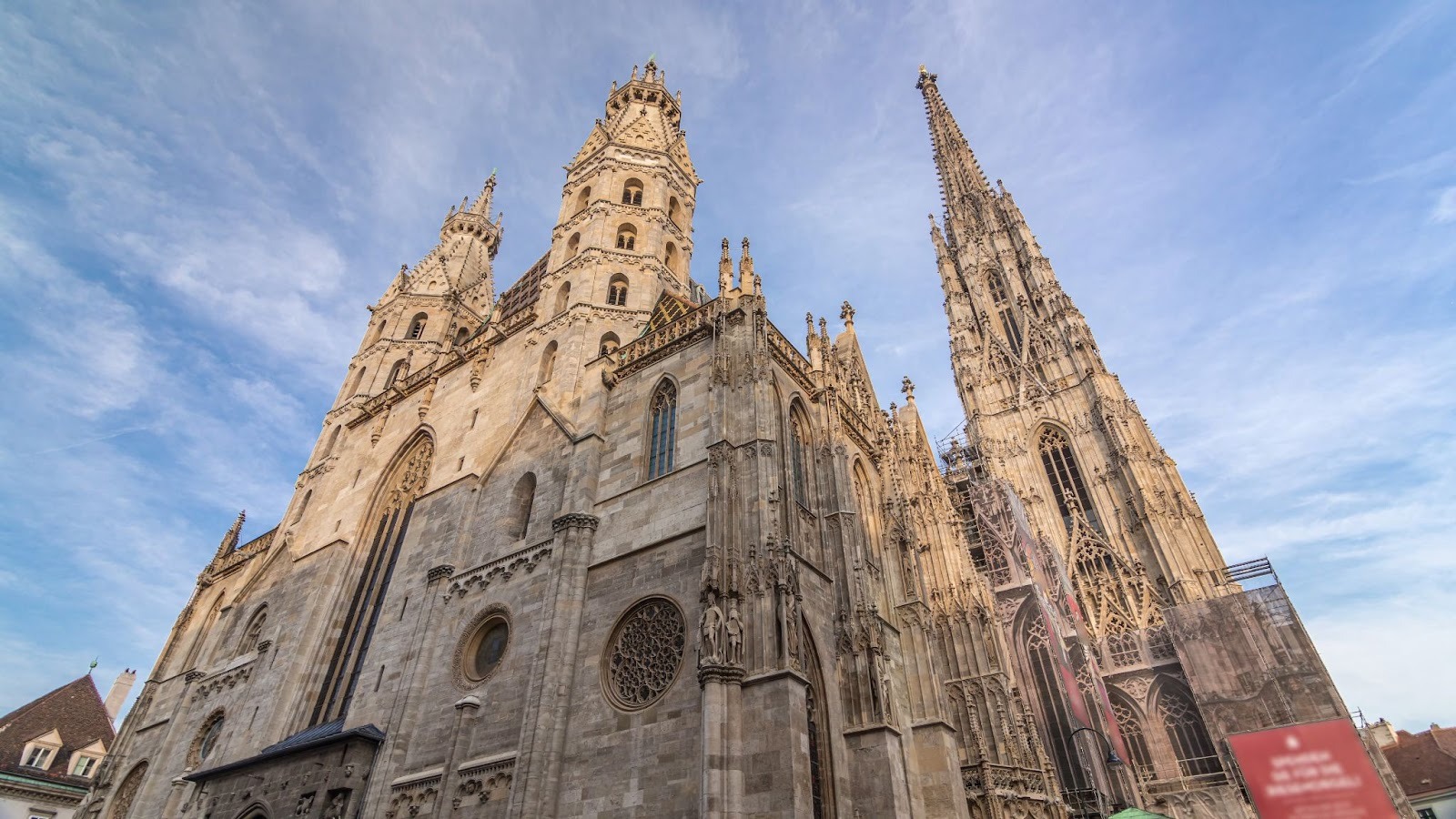
No visit to Vienna is complete without seeing St. Stephen’s Cathedral. This Gothic masterpiece dominates the city skyline with its colorful tiled roof and towering spires. Visitors can explore the interior, which features intricate altars, chapels, and impressive stained glass windows. Adventurous travelers may climb the 343 steps of the South Tower for panoramic views of the city.
Hofburg Palace
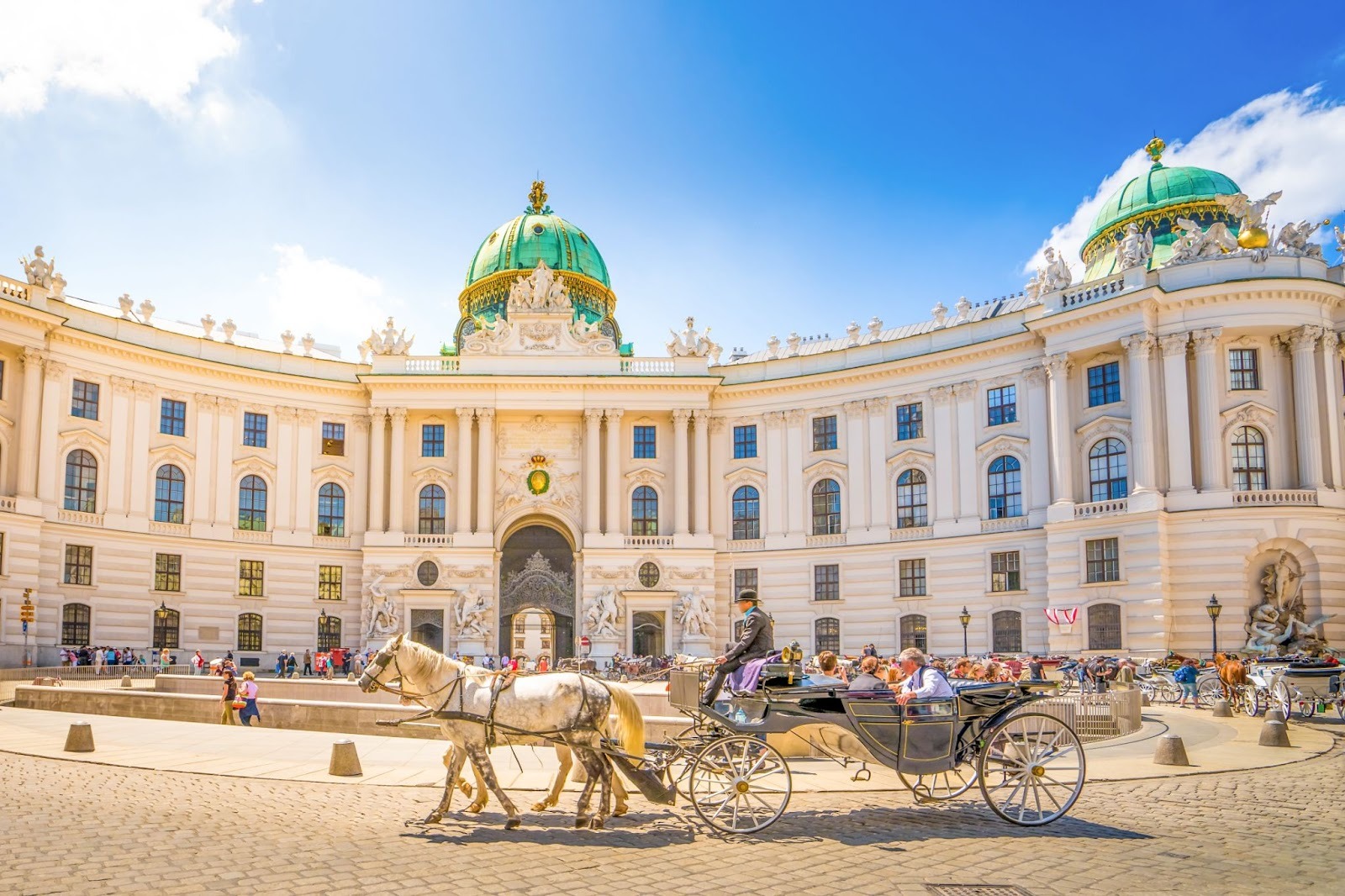
The Hofburg Palace served as the political center of the Habsburg Empire for centuries. Today, it houses museums, the Spanish Riding School, and the Imperial Apartments. Walking through its courtyards and halls provides a sense of Vienna’s imperial past. For first-time visitors, guided tours are highly recommended to understand the historical significance and architectural details.
Albertina Museum
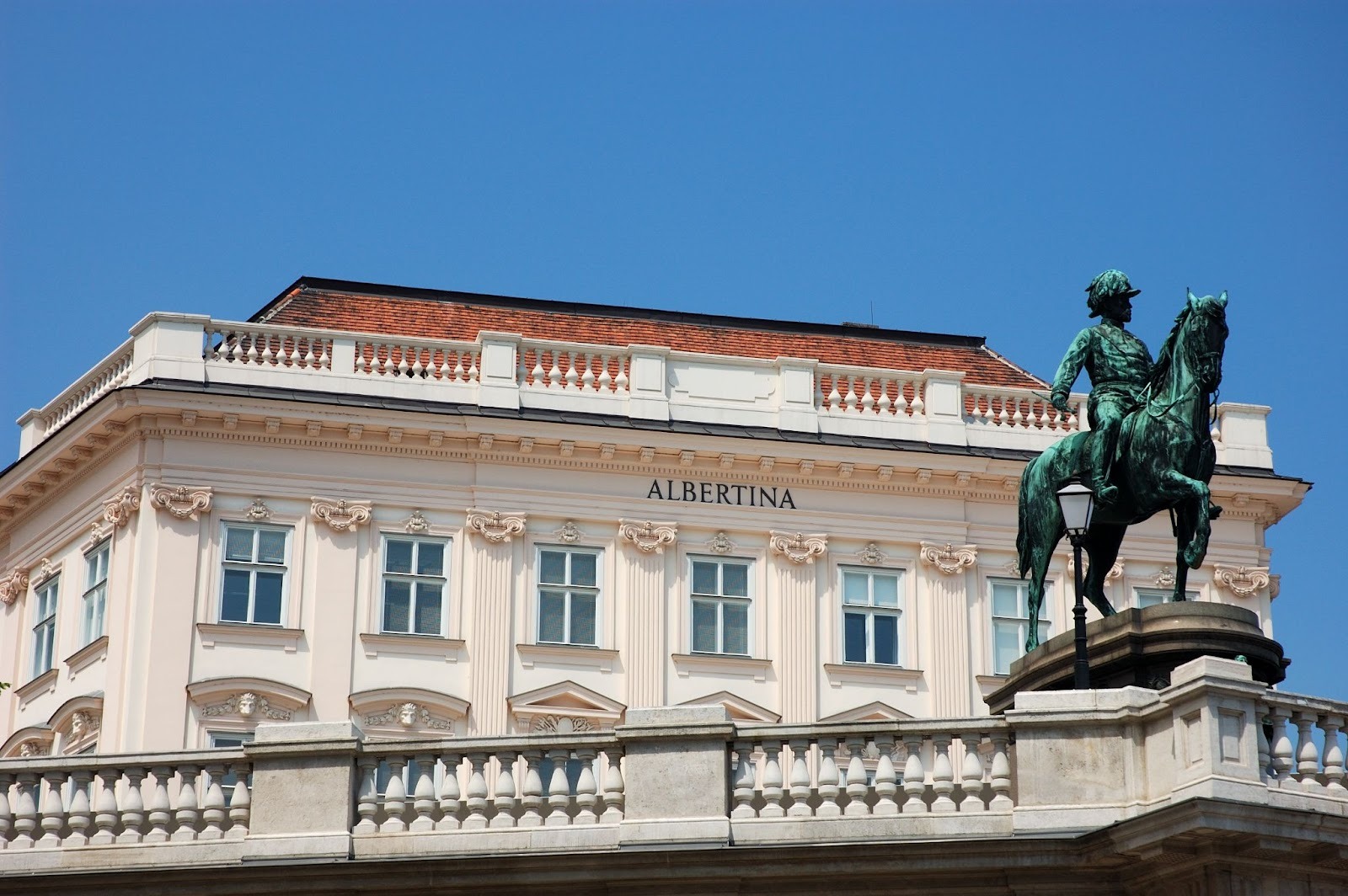
The Albertina houses one of the world’s most important graphic art collections, including works by Dürer, Monet, and Picasso. Beyond art, its architecture blends Baroque and modern styles. Its location in the city center makes it easy to combine with other nearby attractions.
Ringstrasse and Architectural Highlights
The Ringstrasse boulevard encircles the Innere Stadt and is lined with architectural masterpieces. Walking or taking a tram along this route offers a snapshot of Vienna’s grandeur.
Vienna State Opera (Wiener Staatsoper)
This iconic opera house is renowned for its performances and ornate interior. First-time visitors can attend a guided tour or, for a more budget-friendly option, purchase standing-room tickets for a world-class performance.
Parliament and City Hall (Rathaus)
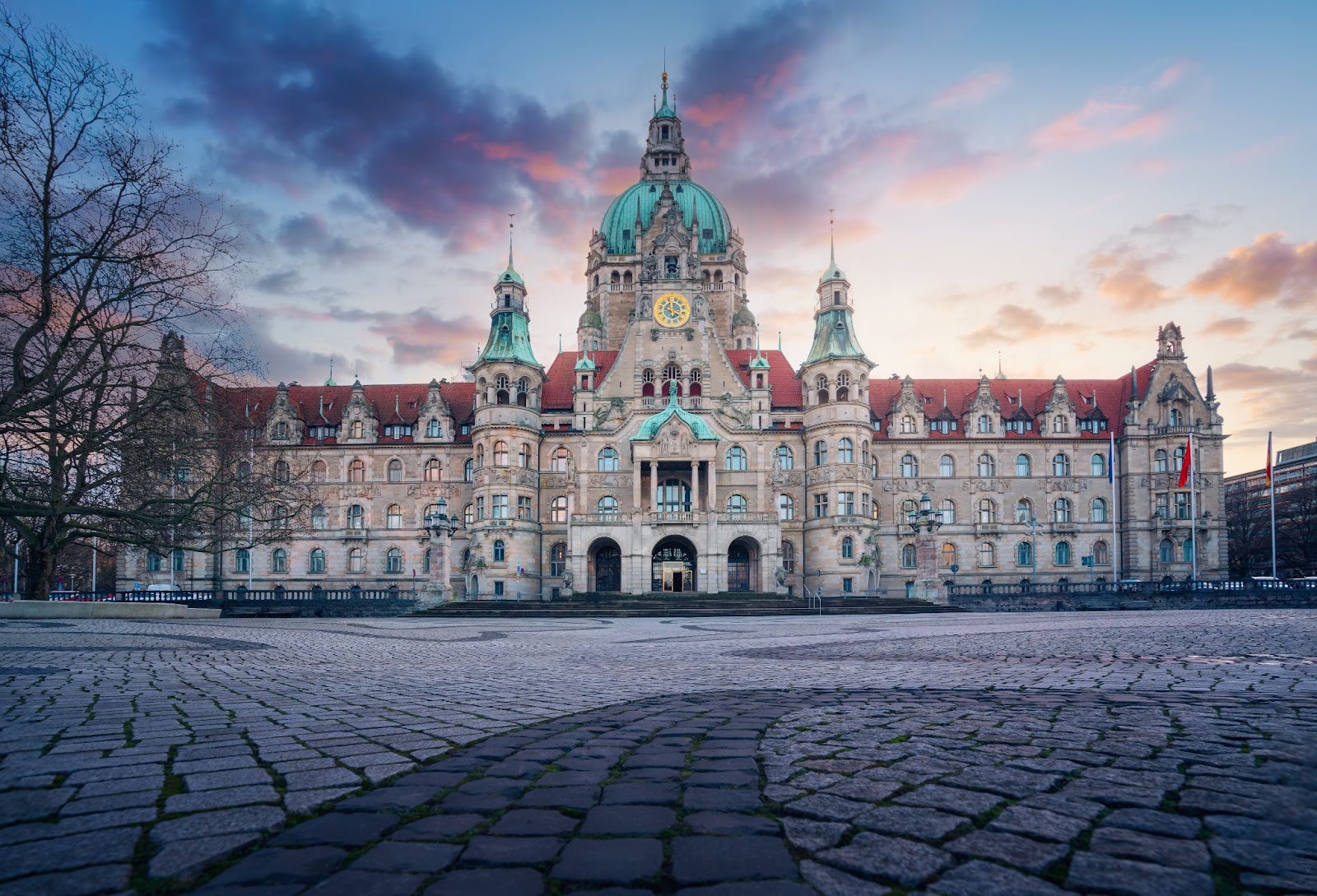
These historic buildings reflect Vienna’s political history and architectural brilliance. City Hall is particularly spectacular during winter when the Christmas market surrounds it with lights and festive stalls.
Burgtheater
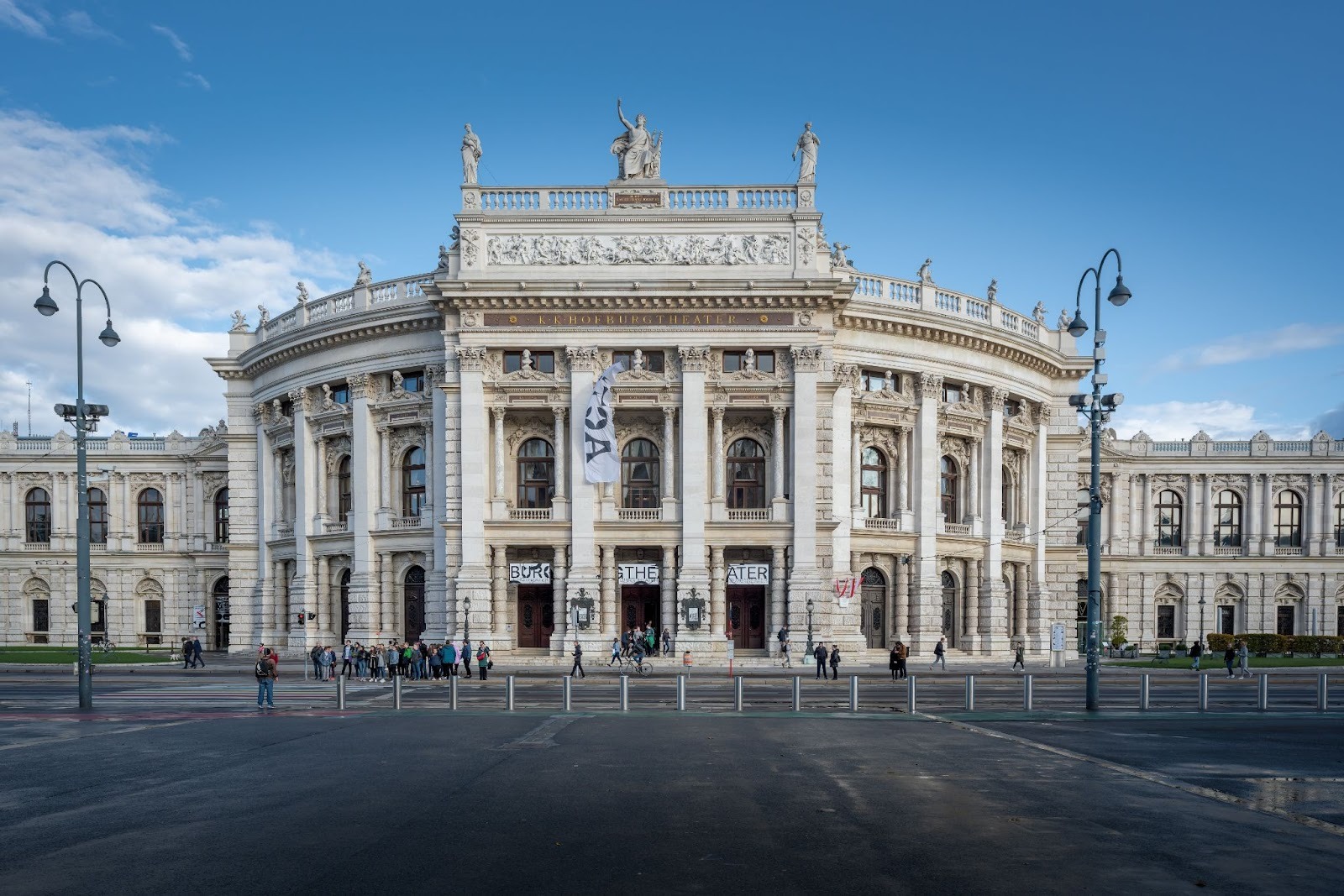
As Austria’s National Theatre, the Burgtheater hosts performances in German and occasionally in English. Even if you don’t attend a show, its exterior is impressive and often photographed.
Palaces Beyond the Center
Schönbrunn Palace
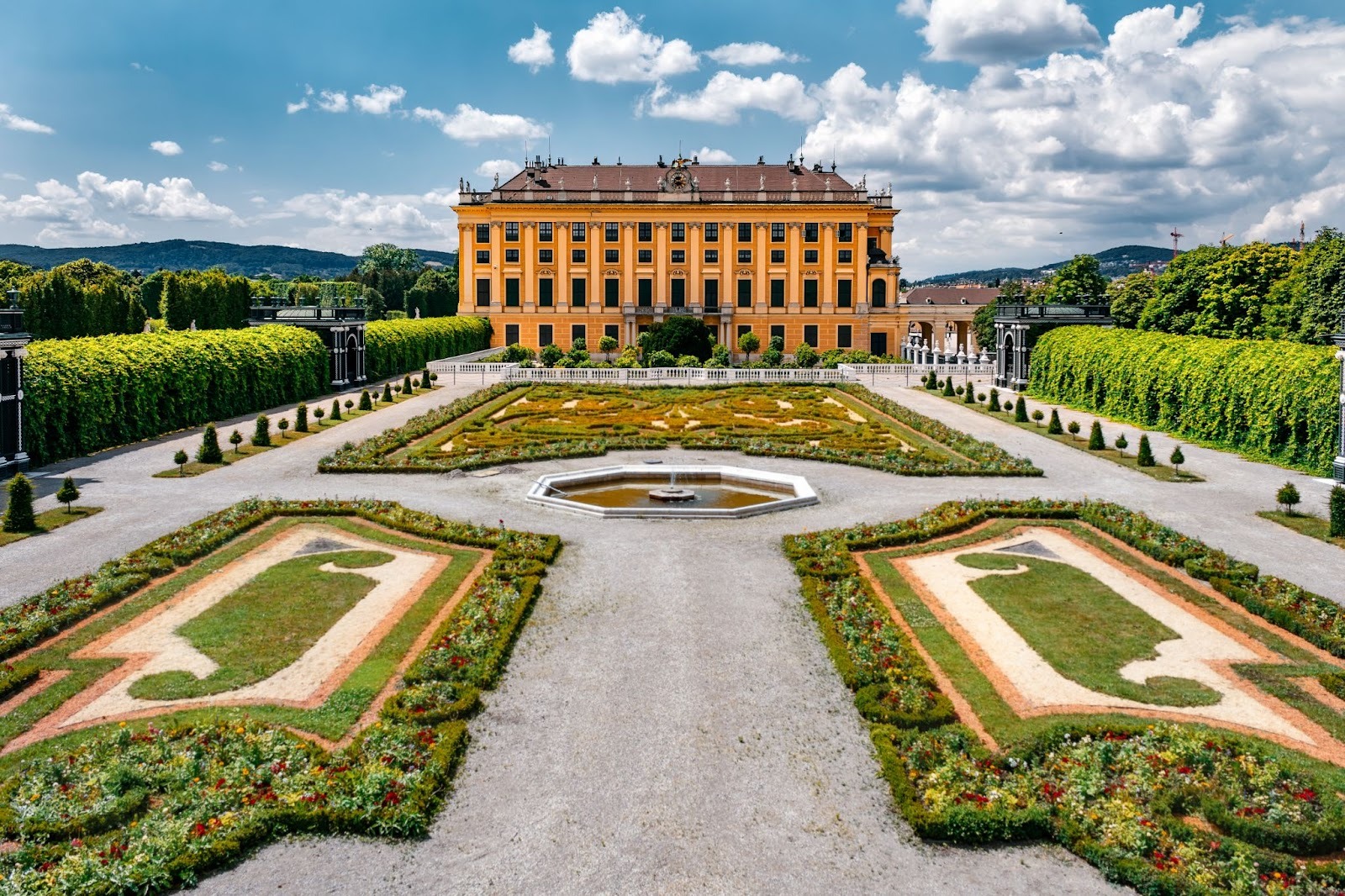
One of Vienna’s crown jewels, Schönbrunn Palace, was the summer residence of the Habsburgs. Its Baroque rooms, imperial gardens, and Gloriette hill offer breathtaking views. First-time visitors should allocate several hours to explore the palace, gardens, and the Schönbrunn Zoo, the oldest zoo in the world.
Belvedere Palace
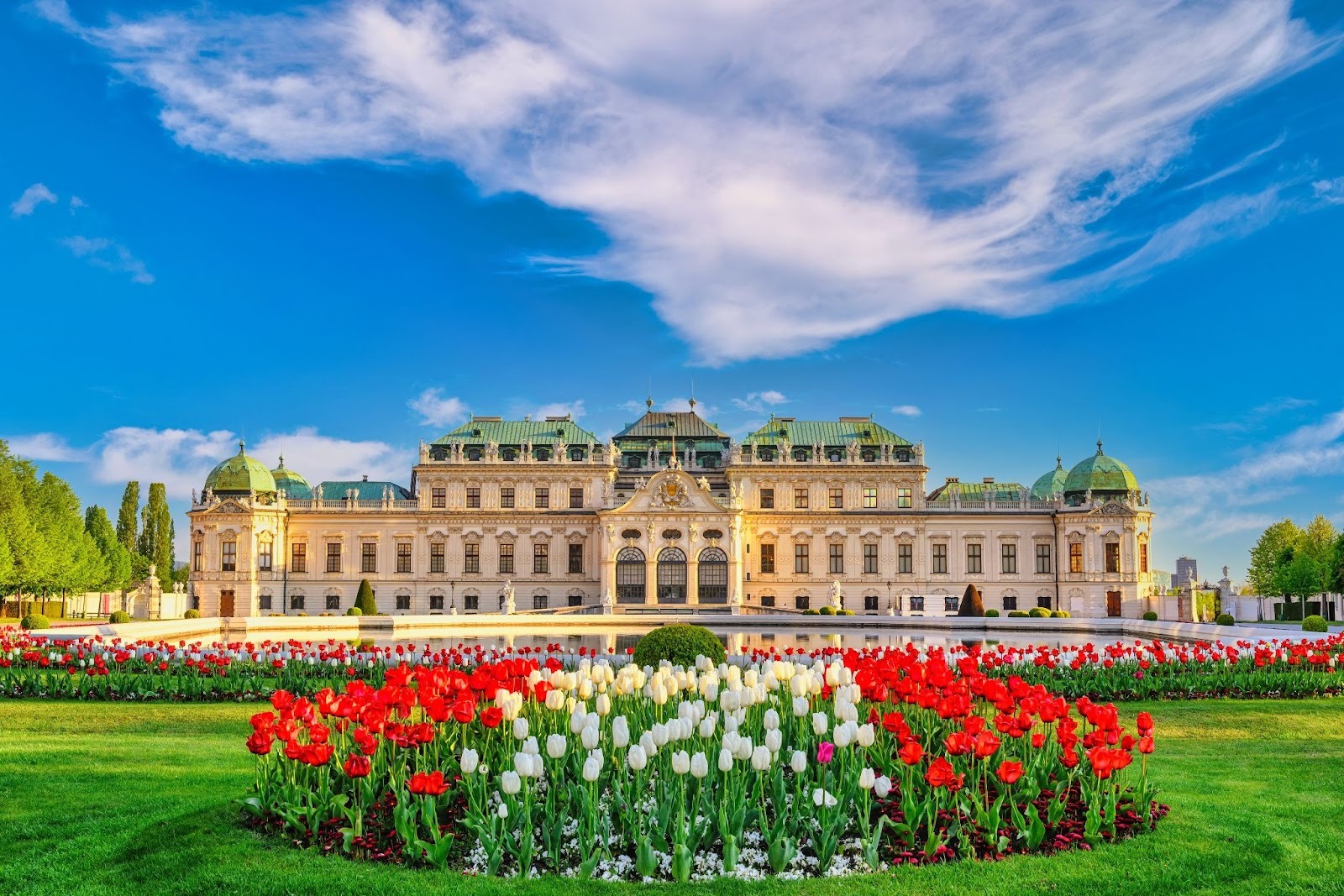
The Belvedere is divided into Upper and Lower Palaces, hosting artworks including Klimt’s The Kiss. The gardens connecting the palaces are perfect for leisurely walks, photography, and relaxation.
Kunsthistorisches Museum
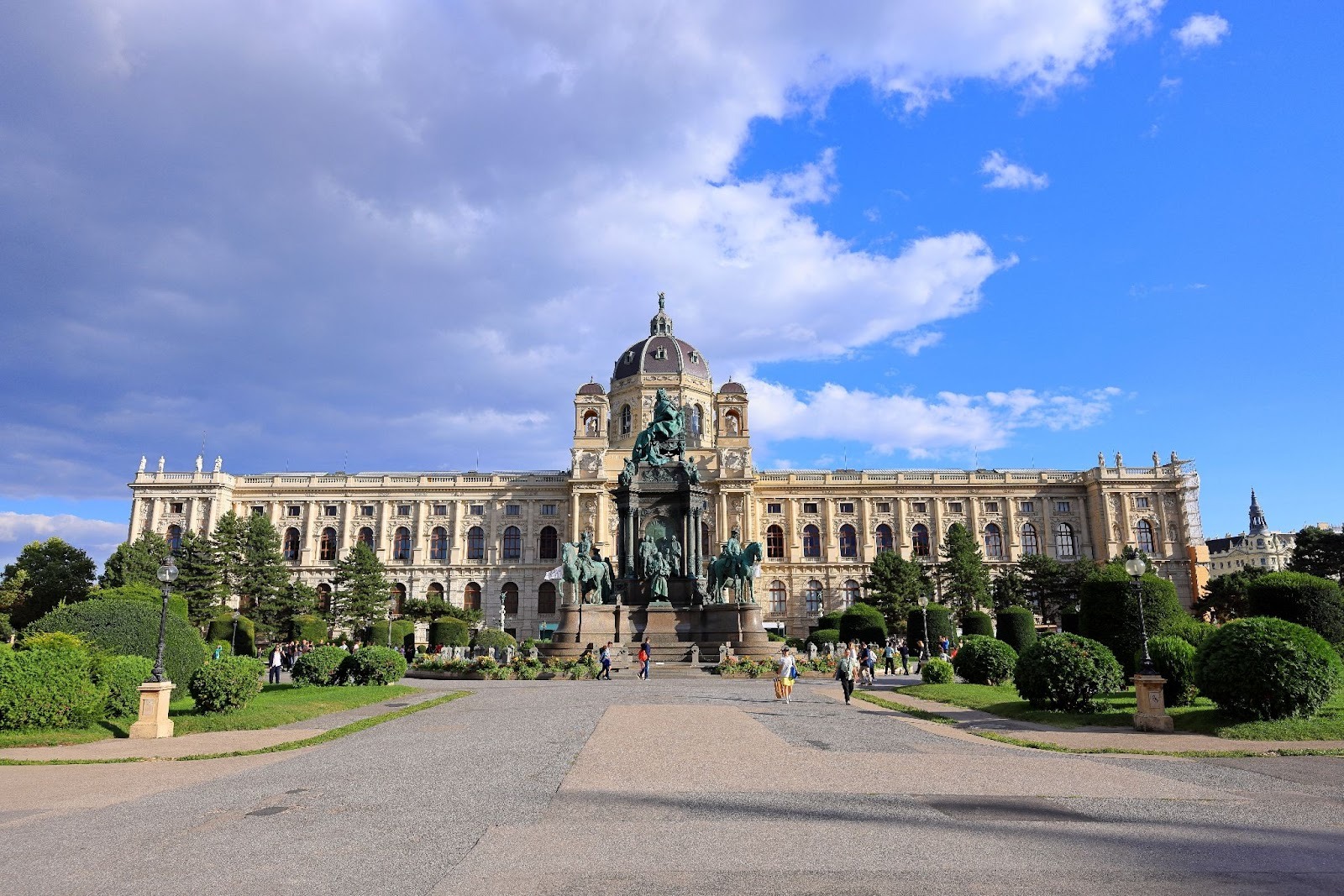
Vienna’s Museum of Art History houses masterpieces by Caravaggio, Bruegel, and Titian. Its grand halls and ceilings are works of art in themselves. For those focused on art, this museum is a must-see destination.
Museums and Cultural Centers
Leopold Museum
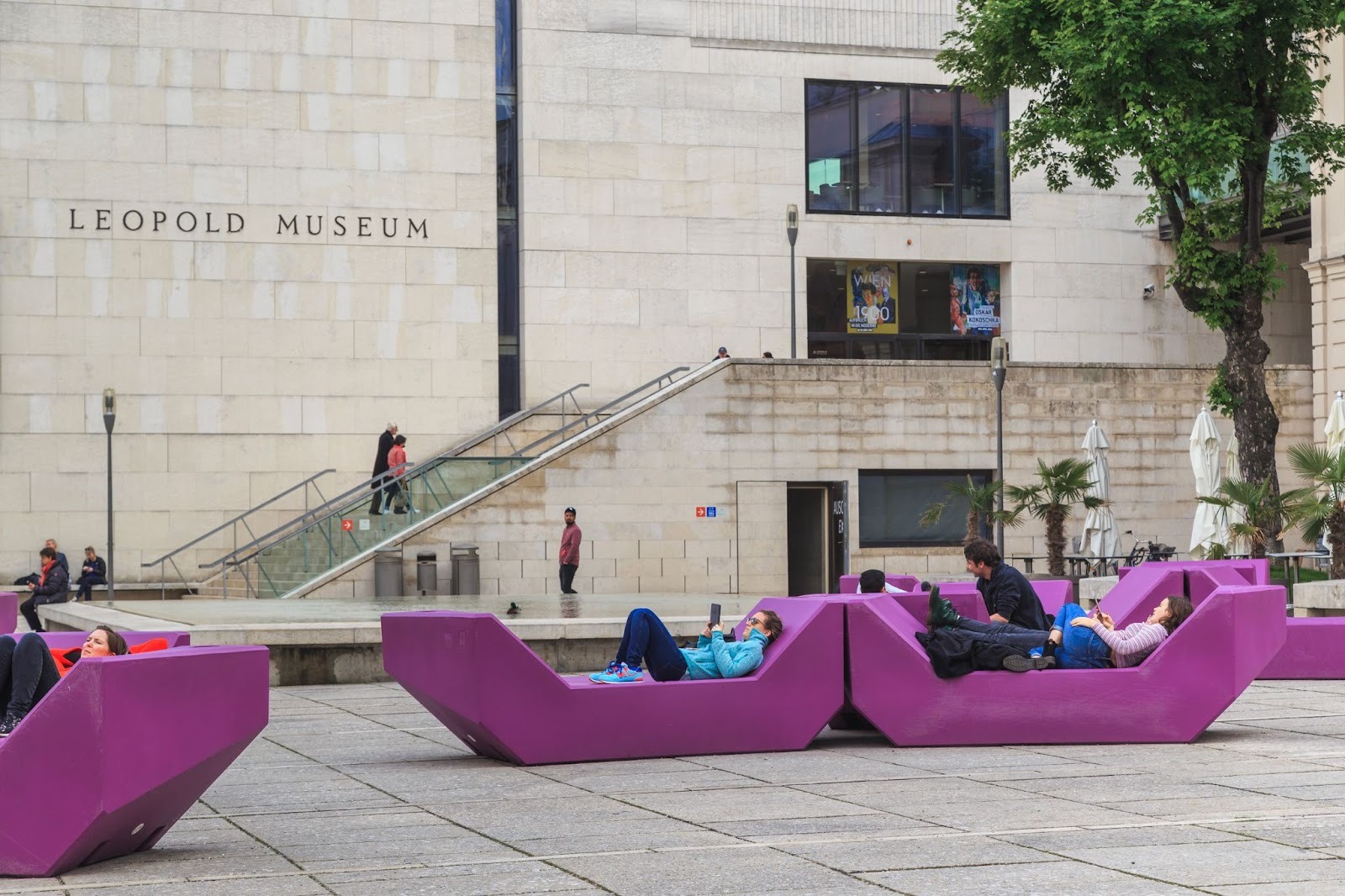
Located in the MuseumsQuartier, the Leopold Museum features modern Austrian art, including works by Egon Schiele. Its contemporary design contrasts beautifully with Vienna’s historic architecture.
MuseumsQuartier (MQ)
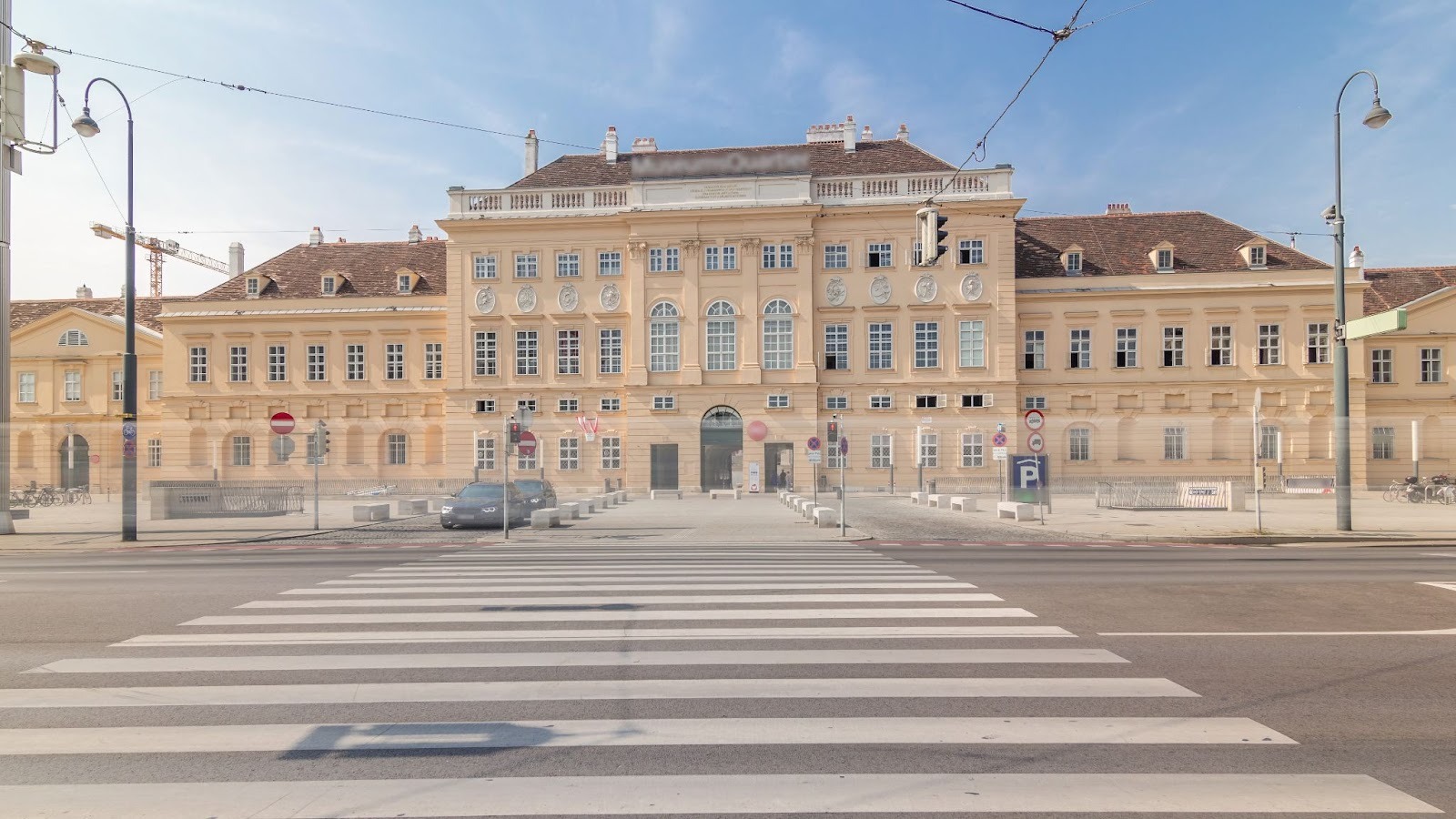
This cultural hub blends modern and historic architecture and hosts exhibitions, installations, cafés, and performance spaces. First-time visitors can enjoy the artistic atmosphere without committing to extensive museum tours.
Natural History Museum
Perfect for families, this museum exhibits dinosaurs, minerals, and rare natural specimens. Its interactive displays are engaging for both adults and children.
Parks, Gardens, and Outdoor Spaces
Stadtpark
Home to the famous Johann Strauss monument, Stadtpark is ideal for a relaxing stroll. Its ponds, bridges, and tree-lined paths offer peaceful breaks from busy city streets.
Prater and Giant Ferris Wheel (Wiener Riesenrad)
The Prater is Vienna’s iconic amusement park. Its giant Ferris wheel provides panoramic city views, and the park is suitable for both leisurely walks and family fun.
Augarten
A historic park with Baroque gardens and the Augarten Porcelain Factory. Its wide avenues make it ideal for cycling or jogging while enjoying a cultural backdrop.
Hidden Gems and Neighborhood Exploration
Spittelberg Quarter
Spittelberg is a quaint, historic neighborhood with narrow alleys, small art galleries, and boutique cafés. Its charm lies in the preserved architecture and cozy atmosphere.
Grinzing and Vienna Woods
For a taste of rural Vienna, head to Grinzing and the surrounding vineyards. Wine taverns (Heurigen) allow visitors to enjoy local wine and traditional food amidst scenic landscapes.
Danube Canal and Modern Street Art
For contemporary culture, the Danube Canal features vibrant street art, urban cafés, and riverfront walks. It provides a contrast to the city’s imperial past and is perfect for photography enthusiasts.
Religious and Spiritual Sites
St. Peter’s Church (Peterskirche)
A Baroque gem near the Graben shopping street. Its ornate interior and ceiling frescoes are stunning and often less crowded than St. Stephen’s.
Votive Church (Votivkirche)
Known for its neo-Gothic architecture, the Votive Church is impressive both inside and out. Visitors interested in architecture and photography will appreciate its details.
Karlskirche (St. Charles Church)
Karlskirche features a dome fresco and unique columns inspired by Trajan’s Column in Rome. The reflection pool outside is ideal for photos, especially at sunset.
Modern Vienna and Contemporary Experiences
Hundertwasserhaus
This colorful, irregular apartment building, designed by Friedensreich Hundertwasser, is a visual delight. It contrasts sharply with Vienna’s orderly architecture and is an Instagram-worthy stop.
MuseumsQuartier Modern Art Installations
Beyond the Leopold and MUMOK museums, the MQ hosts temporary installations and performances that showcase modern creativity.
Naschmarkt
Vienna’s most famous market, Naschmarkt, is a culinary paradise. Vendors sell fresh produce, local specialties, international cuisine, and artisanal goods. It’s ideal for food lovers and casual strolls.
Riverside and Panoramic Views
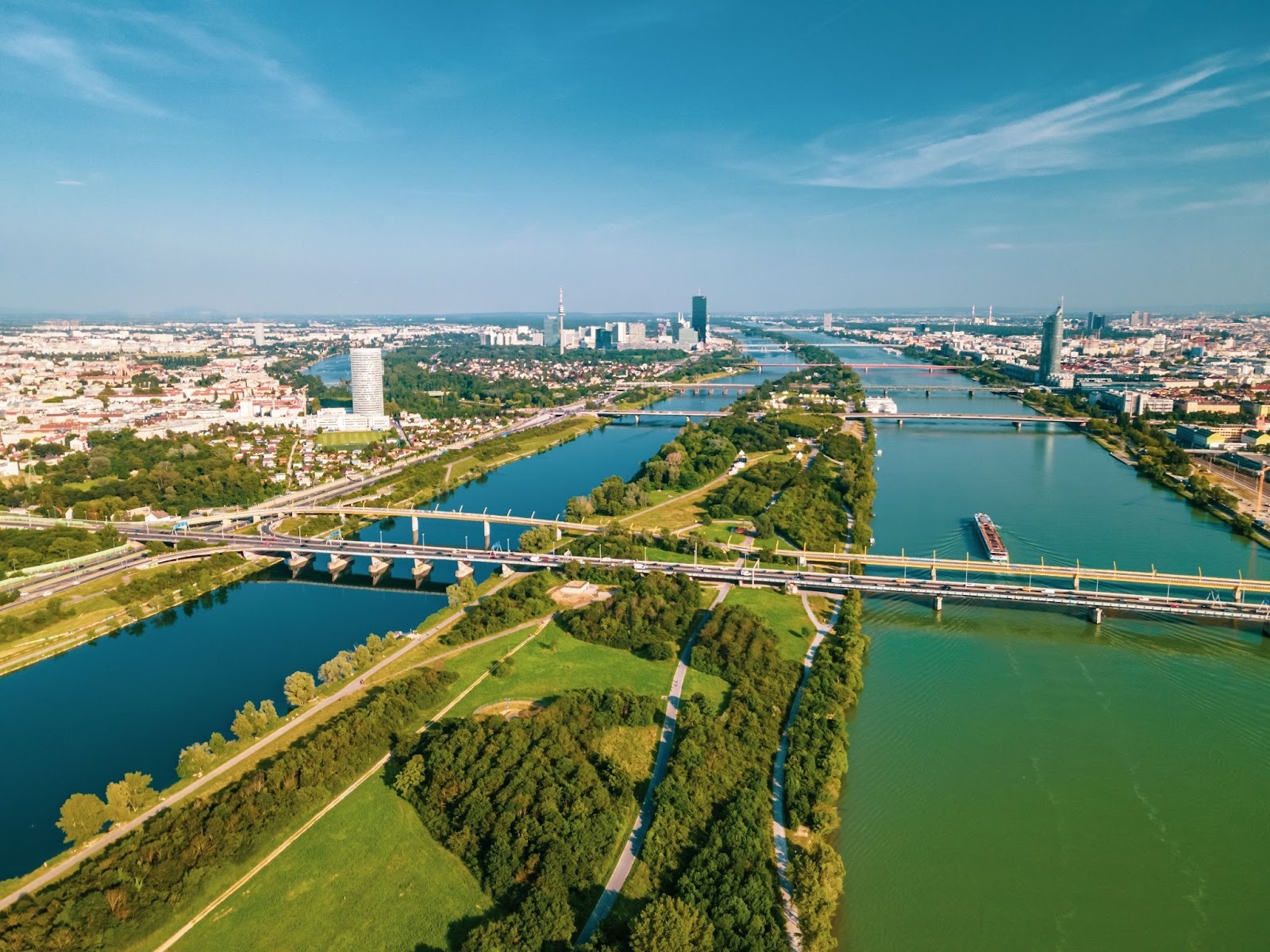
Danube River
Walking along the Danube or taking a river cruise offers a different perspective of Vienna. First-time visitors can enjoy the skyline, bridges, and the mix of historic and modern architecture.
Kahlenberg Hill
A short trip from the city center, Kahlenberg offers panoramic views of Vienna and the Danube. It’s perfect for sunset photography or a quiet picnic.
Gloriette at Schönbrunn Palace
Climbing to the Gloriette hill rewards visitors with sweeping views of the palace grounds, gardens, and Vienna’s skyline.
Tips for First-Time Sightseeing
- Prioritize your must-see attractions to avoid fatigue.
- Combine indoor and outdoor activities for variety.
- Use public transport passes to reach distant palaces efficiently.
- Take guided tours for historical context; self-guided exploration works for more casual sightseeing.
- Start early for popular attractions to avoid crowds.
- Balance famous landmarks with hidden gems for a fuller Vienna experience.
How to Get Around Vienna — Transport Master Guide
When planning your trip to Vienna, understanding the city’s transport system is essential. Vienna is one of Europe’s most efficient capitals for public transport, with an extensive network of metro, tram, buses, and suburban trains. For first-time travelers, this system is both reliable and intuitive, making it easy to explore central districts and more distant attractions without hassle. Unlike many large cities, Vienna’s layout allows visitors to combine walking and public transport, creating a comfortable balance between sightseeing and mobility.
The city’s transport network is clean, punctual, and well-maintained, reflecting Vienna’s reputation for safety and order. Metro stations and buses are well signposted in multiple languages, and digital maps are widely available. Travelers can plan routes using online tools, mobile apps, or traditional maps. Accessibility is also a key feature, with most stations equipped for travelers with mobility challenges. By understanding the different modes of transport, ticketing options, and tips for efficient travel, first-time visitors can enjoy a seamless and stress-free experience.
Vienna International Airport (Flughafen Wien-Schwechat)
For most international travelers, Vienna’s journey begins at the airport, located about 18 kilometers southeast of the city center. Modern, efficient, and well-signposted, the airport offers multiple ways to reach central Vienna:
City Airport Train (CAT)
The City Airport Train is a high-speed option, reaching Wien Mitte station in 16 minutes. It is slightly more expensive than the metro or bus, but ideal for travelers with limited time or who prefer a direct connection.
S-Bahn (Suburban Train)
The S7 suburban train is an affordable alternative, connecting the airport to Wien Mitte and other central stations. It takes roughly 25 minutes and is comfortable for luggage, offering a budget-friendly option for first-time visitors.
Airport Bus and Taxis
Airport buses link the airport to major hotels and transit hubs. Taxis are available but are significantly more expensive. Ride-hailing apps operate legally and offer convenience for travelers unfamiliar with local routes.
Vienna U-Bahn (Metro) System
The U-Bahn is the backbone of Vienna’s public transport. It consists of six lines (U1, U2, U3, U4, U6, with U5 added in 2025) and connects nearly all districts efficiently.
Key Features
- Trains run from approximately 5:00 am to midnight, with night services on weekends.
- Signage is multilingual, with clear station maps and line colors.
- Trains are frequent—every 2–5 minutes during peak hours.
Tips for First-Time Visitors
- Validate tickets at the entrance or use mobile apps for digital tickets.
- Keep an eye on station exits to ensure you leave at the correct stop.
- For sightseeing, lines U1, U2, and U3 cover most central attractions.
Trams and Buses
Vienna’s tram network is historic yet modernized, offering scenic views along some of the city’s most iconic streets. Buses supplement the metro and tram system, reaching areas not covered by rail.
Tram Highlights
- Tram line 1 passes key central sights and is ideal for sightseeing.
- Line D runs around the Ringstrasse, offering a moving panorama of palaces and government buildings.
Bus Services
- Buses reach parks, suburbs, and major train stations.
- Night buses operate when U-Bahn service stops, ensuring continuous connectivity.
Tips
- Combine trams and the metro for a comprehensive sightseeing route.
- Use tram lines for a slower, more scenic experience of Vienna’s neighborhoods.
S-Bahn (Suburban Rail) and Regional Trains
The S-Bahn links central Vienna with suburban areas, day-trip destinations, and the airport.
Popular Lines for Visitors
- S7 connects the airport to Wien Mitte and the city center.
- S1 and S2 run to suburban towns, ideal for those planning excursions to places like Baden or Klosterneuburg.
Advantages
- Comfortable for longer rides than the metro or tram.
- Tickets are valid across multiple transport modes, depending on the fare.
- Quiet and spacious, suitable for luggage or family travel.
Ticketing Options for First-Time Visitors
Single Tickets
Single tickets are valid for one journey on any mode of public transport. They must be validated before boarding.
24, 48, and 72-Hour Vienna Cards
These passes offer unlimited travel for the duration selected. They are ideal for first-time travelers who want to explore intensively.
Weekly Passes
If your visit spans several days, the weekly pass is cost-effective. It covers all metro, tram, and bus services.
Special Discounts
Many museums and attractions offer discounts when combined with the Vienna City Card, making it a convenient all-in-one option.
Practical Tips for Navigating Public Transport
Planning Your Route
- Google Maps and the Wiener Linien app provide real-time schedules.
- Map out the nearest metro station to your accommodation in advance.
- Consider the fastest route, but also scenic tram lines for leisurely travel.
Safety and Etiquette
- Tickets are checked frequently; always validate your fare.
- Keep personal belongings close in crowded trains.
- Stand to the right on escalators to allow faster travelers to pass.
Accessibility Considerations
- Most metro stations have elevators and ramps.
- Low-floor trams accommodate wheelchairs and strollers.
- Tactile paving guides visually impaired travelers.
Cycling and Walking in Vienna
Bike Rentals and City Bikes
Vienna encourages cycling with dedicated bike lanes, bike-sharing programs, and rental services. First-time visitors can rent a bike for a few hours or a full day to explore the city at their own pace.
Walking Tours
The compact layout of the Innere Stadt makes walking an excellent way to see historic streets, squares, and alleys. Walking allows visitors to notice small details often missed when traveling by metro or tram.
Combination Travel
For maximum flexibility, combine metro, tram, and walking. Start your day with a U-Bahn ride to a central district, then explore nearby sights on foot, and return via tram for a scenic route.
Taxis, Ride-Hailing, and Car Services
Taxis
Taxis are available but more expensive than public transport. They are suitable for late-night travel, airport transfers, or groups.
Ride-Hailing Apps
Legally operating apps provide convenience for first-time travelers unfamiliar with local taxi services.
Car Rentals
For most first-time visitors, renting a car is unnecessary due to efficient public transport and expensive parking in the city center. However, it may be useful for day trips to the surrounding regions.
Tips for First-Time Travelers in 2025
Digital Tools
- Use the Wiener Linien app for schedules and real-time alerts.
- Mobile ticketing is widely accepted, reducing the need for cash.
Seasonal Considerations
- Winter services are reliable, but check for snow-related delays during rare heavy snowfall.
- Summer sees increased tourist traffic; plan early for crowded metro stations.
Efficient Sightseeing Routes
- Combine the metro and tram to visit multiple attractions in one day.
- Consider walking tours for neighborhoods like Spittelberg or Grinzing.
Navigating Vienna Like a Local
For your first time in Vienna (2026): what to see, etiquette, transport & safety, learning how locals navigate the city is incredibly useful. Most Viennese rely on a combination of walking, cycling, and public transport. They tend to walk short distances rather than take the metro, especially within the Innere Stadt. This means first-time visitors can save money while discovering hidden streets, small squares, and local cafés. Walking is not just economical—it allows you to soak in Vienna’s architecture, street art, and daily life, giving you a richer experience than using transport exclusively.
Tips for Using the U-Bahn Efficiently
- Peak hours: Morning (7–9 am) and evening (4–6 pm) can be crowded. Travel slightly earlier or later if possible.
- Transfers: Check maps carefully; some transfers between lines require a short walk across corridors.
- Accessibility: If traveling with a stroller or wheelchair, plan routes around stations with elevators.
Tram Insights
Trams in Vienna are scenic and often overlooked by tourists in favor of the U-Bahn. Lines like 1, D, and 71 are great for sightseeing, connecting museums, palaces, and the Ringstrasse. For photography enthusiasts, the slow pace of trams allows you to capture architecture and street life without rushing.
Bus Services
While buses cover less central areas, they are crucial for neighborhoods like Hietzing, Kagran, and Donaustadt. Many bus lines operate only during off-peak hours when metro services are less frequent. Night buses run all over the city, maintaining 24-hour connectivity. Always check schedules online or via apps for first-time travelers to avoid long waits.
Cycling and Bike Rentals
Vienna is extremely bike-friendly. In 2026, the city continues to expand cycling lanes and rental options. First-time visitors can use Citybike Wien to rent bikes for a few hours or the whole day. Popular routes include the Danube Canal, Prater Park, and Ringstrasse, giving both locals and visitors safe and scenic alternatives to public transport. Bikes are also useful for exploring districts like Leopoldstadt and Mariahilf, which combine cultural sights with cafes and boutique shops.
Ticketing Hacks
Understanding ticket options is key to cost-efficient travel:
- Single tickets are convenient but more expensive if used multiple times a day.
- 24/48/72-hour passes are ideal for tourists planning intensive sightseeing.
- The Vienna City Card combines transport with attraction discounts, especially useful for first-timers on a short visit.
- Validation: Always remember to validate paper tickets in yellow machines before boarding to avoid fines.
Seasonal Travel Considerations
- Winter: Snow and ice are rare but can slow trams and buses slightly. Prepare with comfortable shoes and extra travel time.
- Summer: Metro and trams can get crowded. Take advantage of shaded walking routes or early morning travel.
- Festivals: During Christmas markets or summer concerts, stations near central attractions may be busier, so plan accordingly.
Day Trips and Regional Travel Tips
Beyond the city, the S-Bahn and regional trains provide easy access to nearby attractions. Bratislava is a short 1-hour trip, while Wachau Valley, Salzburg, and Hallstatt can be reached in 2–3 hours. First-time visitors can combine a day in Vienna with one of these trips using the ÖBB or Westbahn trains. Booking tickets online in advance ensures a smooth experience.
Safety Tips for Transport
- Vienna’s public transport is very safe, but pickpockets exist in crowded stations. Keep bags zipped and wallets secure.
- Avoid distractions like phones or headphones in very busy areas, especially at major interchange stations.
- Night travel is generally safe, but using official night buses or ride-hailing apps is recommended after late evenings.
Combining Transport Modes
A practical approach for first-time travelers is to combine modes:
- Metro for speed: U-Bahn lines are fastest between distant points.
- Trams for sightseeing: Slower pace, scenic views, ideal for photos.
- Walking for details: Historic districts, hidden courtyards, and café hopping.
- Cycling for flexibility: Parks, canals, and less crowded streets.
By combining walking, public transport, and occasional cycling, visitors can cover the city efficiently while also enjoying Vienna’s charm.
Technology and Apps
Apps like Wiener Linien, Google Maps, and Citymapper are invaluable for first-time visitors. Real-time updates, digital tickets, and route suggestions make navigation stress-free. In 2026, Vienna has expanded multilingual support on transport apps, helping non-German speakers plan routes, check disruptions, and estimate travel times accurately.
Planning an Efficient Daily Route
For a first-time visit, planning your daily route reduces backtracking and saves energy. Example strategy:
- Morning: Metro to central attractions like St. Stephen’s Cathedral and Hofburg Palace.
- Midday: Walk to nearby cafés or museums.
- Afternoon: Tram along Ringstrasse for sightseeing and photos.
- Evening: Cycle or walk along the Danube Canal or visit a night market.
Etiquette & Everyday Behavior in Vienna
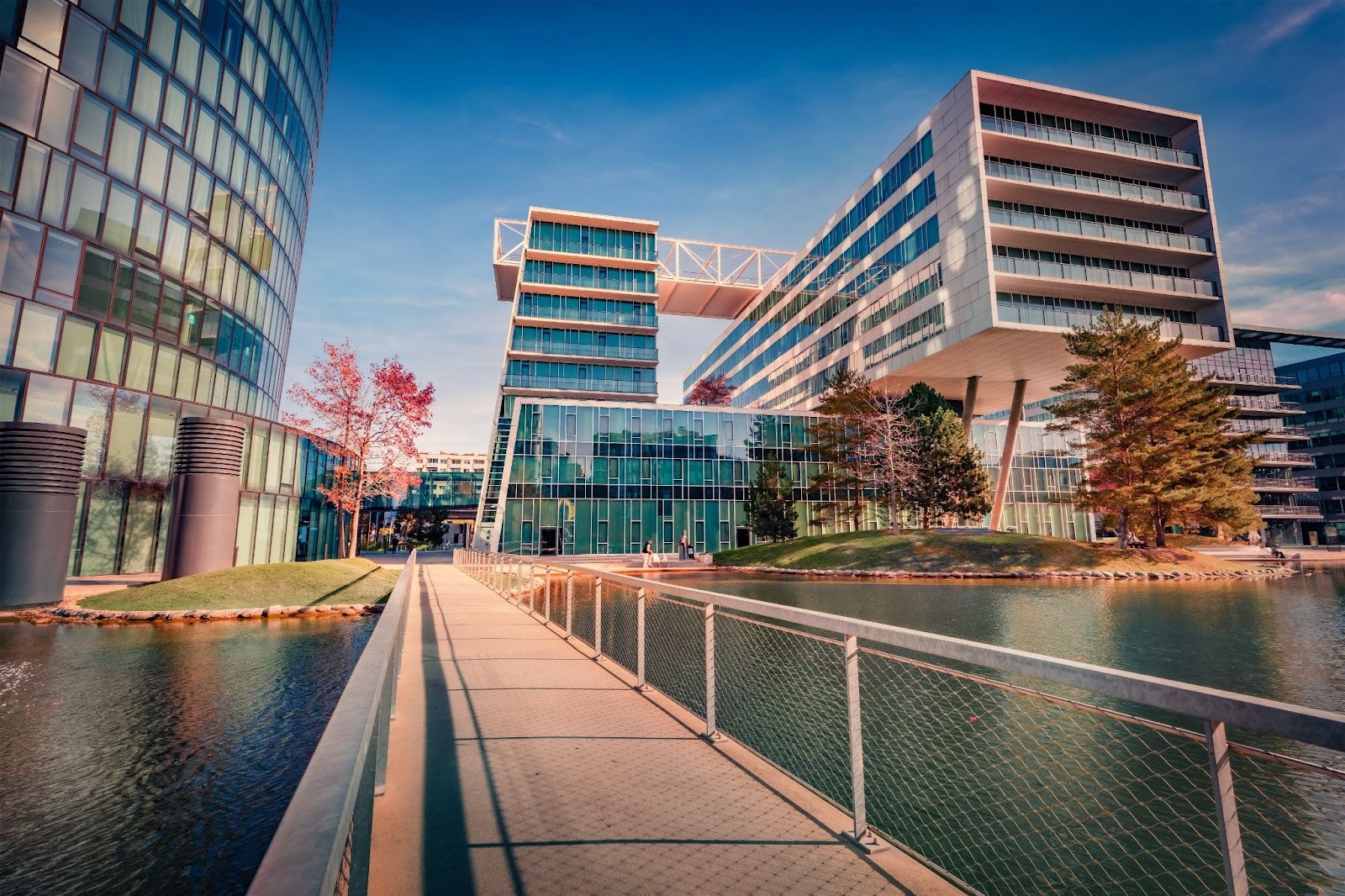
Visiting Vienna is more than sightseeing—it’s about understanding local culture, respecting traditions, and blending into everyday life. Vienna is known for its politeness, orderliness, and respect for social norms. Observing local etiquette enhances the travel experience, avoids misunderstandings, and allows visitors to connect with locals more genuinely.
Small gestures matter: saying “Danke” when exiting a shop, keeping your voice low in public spaces, and showing respect in formal interactions will be noticed and appreciated. Even minor breaches of etiquette, such as cutting a line or speaking loudly in a museum, can stand out in a city where calm, orderly behavior is the norm.
For first-time visitors, learning these nuances helps in restaurants, cafés, public transport, shops, and cultural sites. This section provides detailed guidance on greetings, dining, public transport behavior, and social norms so that travelers can confidently navigate Vienna.
Greetings and Politeness
Formal Greetings
A polite greeting is essential in Vienna. When entering shops, restaurants, or offices, a simple “Guten Tag” (Good day) or “Grüß Gott” (formal hello) is standard. Shaking hands is common in formal or business settings. Overly casual greetings like “Hi” are usually reserved for friends or younger locals.
First-time visitors often underestimate the importance of greetings. For example, in small boutiques or family-run cafés, a friendly “Grüß Gott” upon entry establishes goodwill and may improve service.
Using Titles
Viennese people value proper use of titles. Addressing someone as “Herr” or “Frau” followed by their surname is polite. In professional or official settings, always use the correct title, especially in offices, embassies, or government institutions. Misusing titles may unintentionally come across as disrespectful.
Politeness in Conversation
Viennese communication is calm and thoughtful. Interrupting, raising your voice, or speaking aggressively is frowned upon. Express gratitude, apologize for minor mistakes, and use polite phrases consistently.
Scenario Example: At a café, if your order is slightly delayed, a gentle “Entschuldigung” (excuse me) and a smile are appreciated instead of showing frustration.
Public Behavior and Manners
Quiet in Public Spaces
The city values serenity. Loud conversations, shouting, or boisterous behavior in public transport, streets, or cafés is seen as rude. Maintaining a moderate voice is essential, especially in indoor spaces like museums, libraries, or public offices.
Queueing and Waiting Your Turn
Queuing is taken seriously. Always wait your turn at trams, supermarkets, or ticket counters. Cutting in line is considered highly disrespectful and can attract disapproving looks or verbal warnings.
Personal Space
A moderate personal distance is maintained in public. Avoid standing too close to strangers in elevators, shops, or on public transport. Leaning on someone or brushing past them is frowned upon.
Dining Etiquette
Cafés and Coffeehouses
Viennese cafés are more than just places to eat—they are cultural institutions. Visitors should order politely, avoid lingering excessively during peak hours, and respect the calm atmosphere. Typical etiquette includes:
- Ordering when seated or at the counter if required.
- Paying attention to the staff and using polite language.
- Leaving the table after finishing to allow others to sit.
Tipping of 5–10% is customary. Even rounding up the bill is acceptable if service was standard.
Restaurants and Table Manners
- Wait to be seated if a host is present.
- Keep elbows off the table during meals.
- Use utensils in the continental style: fork in the left hand, knife in the right.
- Refrain from speaking loudly; conversations should remain moderate.
Example: During dinner at a traditional Viennese restaurant, avoid talking on your phone or asking for excessive substitutions. Politeness is more valued than assertiveness.
Tipping
Tipping is polite, not obligatory. Around 5–10% is standard for good service. In cafés, small cash tips are often preferred over rounding on a card payment.
Shopping and Market Etiquette
Polite Interaction with Vendors
Greeting the vendor and saying “Danke” when leaving is customary. Haggling is not common except in flea markets. Visitors should be aware that negotiating in standard shops may be perceived as rude.
Handling Goods
Do not touch fragile or valuable items without asking. Always check if the item can be examined closely or photographed.
Payment Etiquette
Cash is still widely used in smaller stores. Hand over money politely, avoid placing it on the counter, and accept change graciously. Using cards is increasingly common in central stores but not universal in local markets.
Public Transport Etiquette
Quiet and Orderly Travel
- Speak softly on U-Bahn, tram, and buses.
- Avoid loud phone calls.
- Priority seats for elderly, disabled, or pregnant passengers should be respected.
Boarding and Alighting
Allow passengers to exit before entering. Stand to the right on escalators and walk on the left.
Ticket Validation
Always validate tickets before boarding. Inspectors check frequently, and traveling without a valid ticket results in fines.
Common Mistake: First-time visitors often board without validating tickets, assuming a pass purchased online is automatically valid. Always check for the yellow validation machines.
Photography and Cultural Sensitivity
Respect Private Property
Avoid taking photos in private homes, courtyards, or non-public spaces without permission. Many historic palaces and museums restrict photography inside.
Public Landmarks
Photographing streets, monuments, and squares is generally allowed. Be considerate of locals, avoid blocking walkways, and do not climb on statues or barriers.
Cultural Events
During concerts, exhibitions, or religious ceremonies, switch off phone notifications, avoid talking, and follow event-specific rules.
Social Etiquette in Vienna
Politeness and Punctuality
Punctuality is highly valued. Arriving late for tours, meetings, or appointments is disrespectful. If delayed, inform your host or guide.
Gift-Giving
Small gifts such as flowers, chocolates, or wine are appreciated when invited to a local’s home. Avoid extravagant gifts unless in a formal context.
Conversations
Avoid personal finance or political debates with strangers. Focus on neutral topics like culture, history, or travel experiences.
Religious and Cultural Respect
Churches and Religious Sites
Dress modestly when entering churches, covering shoulders and knees. Follow rules regarding photography and maintain a low voice.
Public Holidays and Local Customs
Be aware of national holidays like Christmas, Easter, and National Day. Shops may be closed, and streets quieter than usual. Participating respectfully in local events is appreciated.
Nightlife and Social Behavior
Bars and Music Venues
Evening venues encourage social interaction but loud or aggressive behavior is frowned upon. Respect personal space and moderate alcohol consumption.
Public Transportation at Night
Night buses and trains operate on weekends. Maintain quiet behavior and avoid obstructing other passengers. Ride-hailing apps are convenient after late-night events.
Family and Children Etiquette
Parks and Public Spaces
Children should be supervised in playgrounds, parks, and pedestrian zones. Littering or leaving children unsupervised is frowned upon.
Cultural Awareness for Kids
Teach children basic phrases like “Bitte” and “Danke.” Encourage quiet behavior in cafés, museums, and transport.
Environmental Etiquette
Recycling and Trash Disposal
Separate trash for paper, plastic, and organic waste. Littering is fined in Vienna.
Sustainable Travel Tips
- Use public transport instead of taxis when possible.
- Avoid single-use plastics.
- Respect parks, riversides, and gardens.
Seasonal Etiquette and Holiday Tips
Winter Markets
During Christmas, local markets are crowded. Be patient, queue properly, and avoid loud conversations while exploring stalls.
Summer Festivals
Vienna hosts music festivals, art events, and outdoor concerts. Keep noise levels moderate, respect private property, and follow instructions at public venues.
Religious Holidays
During Easter or Corpus Christi, attend respectfully if visiting churches or processions. Dress appropriately, maintain decorum, and avoid taking intrusive photos.
Common Mistakes First-Time Visitors Make
- Speaking loudly in cafés or public transport.
- Failing to greet shopkeepers or service staff.
- Not validating tickets on trams or U-Bahn.
- Ignoring queueing norms.
- Overlooking seasonal etiquette like quieter behavior during holidays.
By being aware of these, travelers can blend in and enjoy authentic local experiences.
Safety, Rules & Legal Tips in Vienna
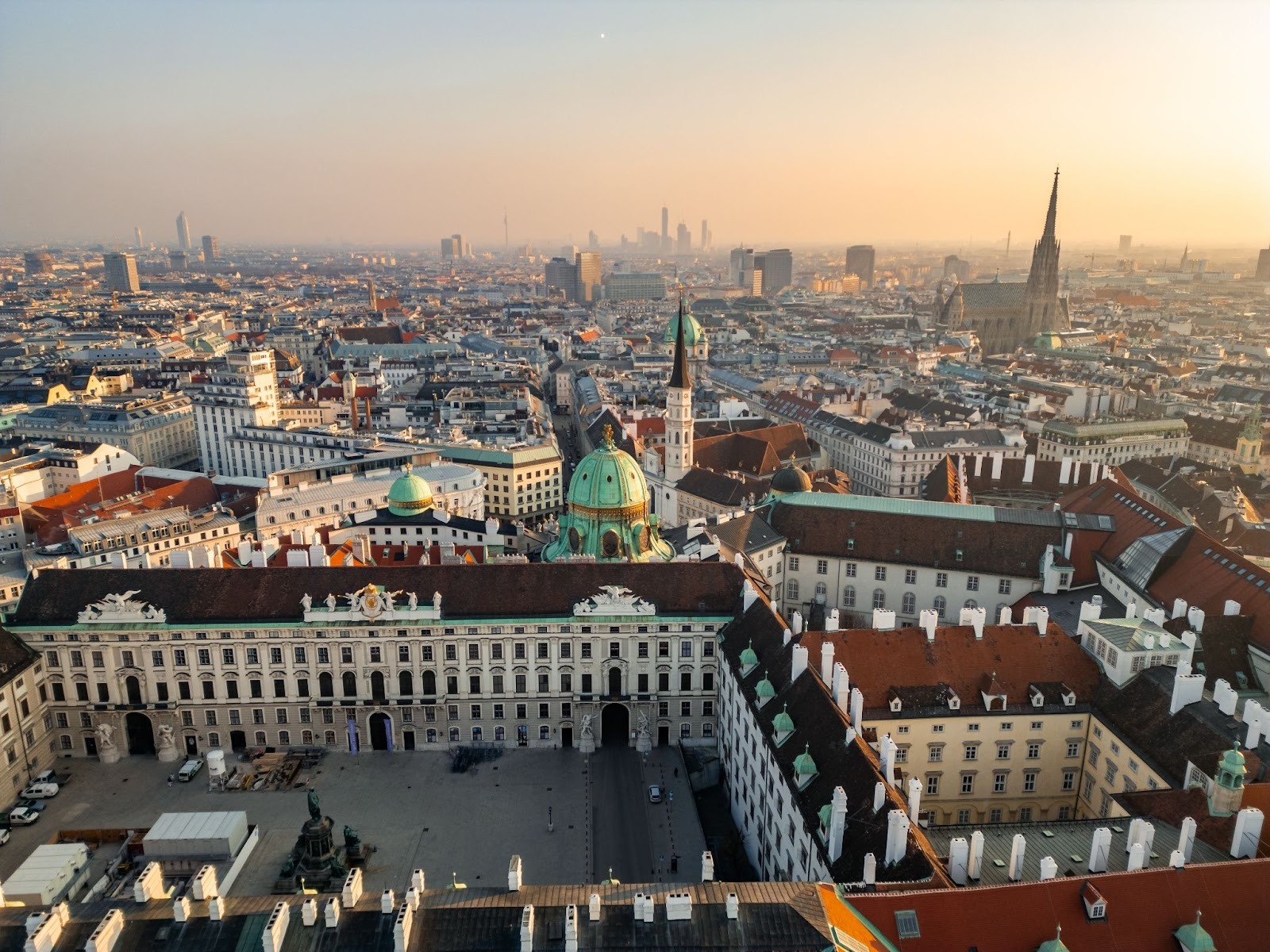
Vienna is widely regarded as one of Europe’s safest capitals. Crime rates are low, public services are efficient, and the city’s layout makes it easy to navigate. However, first-time visitors should still be aware of safety protocols, local laws, and practical precautions to ensure a smooth trip. Understanding these rules helps avoid fines, legal issues, and uncomfortable situations, and allows travelers to enjoy the city confidently.
Public safety in Vienna is supported by visible police presence, CCTV in key areas, and well-maintained streets. Emergency services are reliable, with quick response times. While violent crime is rare, petty theft, especially pickpocketing in crowded tourist areas, can occur. Following simple precautions ensures a worry-free experience.
This section covers practical advice on personal safety, transportation rules, legal regulations, emergency contacts, and tips for respecting local laws, providing first-time visitors with a comprehensive safety guide.
General Safety Tips
Street Safety
- Vienna is safe to walk at most hours, including late evenings.
- Stick to well-lit streets and avoid secluded areas after dark.
- Use main squares, promenades, and busy streets when navigating on foot.
Pickpocketing Awareness
- Popular tourist spots like St. Stephen’s Cathedral, Schönbrunn Palace, and Naschmarkt may attract pickpockets.
- Keep wallets and phones in front pockets or zipped bags.
- Avoid leaving personal belongings unattended in cafés, trains, or trams.
Emergency Numbers
- Police: 133
- Fire Brigade: 122
- Ambulance / Emergency Medical Services: 144
- General European Emergency Number: 112
Carrying these numbers, or saving them in a mobile phone, ensures rapid assistance in case of emergencies.
Transportation Rules and Safety
Public Transport Regulations
- Validate tickets on trams, buses, and U-Bahn. Inspectors patrol frequently, and fines for fare evasion are strict.
- Priority seating is for elderly, pregnant, or disabled passengers.
- Keep bags and luggage close in crowded vehicles.
Biking Rules
- Cycle lanes are clearly marked; always ride in the designated lane.
- Helmets are recommended but not legally required.
- Follow traffic signals and pedestrian crossing rules; fines may apply for violations.
Taxi and Ride-Hailing Safety
- Official taxis are metered and easy to identify.
- Ride-hailing apps like Bolt and Free Now operate legally in Vienna.
- Avoid unlicensed cabs; check that drivers display identification.
Street Laws and Regulations
Traffic Rules
- Pedestrians have the right of way at crossings.
- Crossing outside designated pedestrian areas can lead to fines.
- Drivers must yield to pedestrians; cyclists must follow traffic signals.
Parking Regulations
- Pay attention to parking zones and time limits.
- Illegal parking results in fines or towing.
- Many central streets are restricted to residents; use public transport when visiting city center areas.
Alcohol and Public Behavior
- Drinking in public is allowed in certain areas but excessive intoxication can attract police attention.
- Vienna has strict rules against public drunkenness causing disruption.
- Carry identification at all times; police may request ID in public spaces.
Safety in Crowded Places
Tourist Areas
- Major sights attract both crowds and opportunistic thieves.
- Keep valuables secure and be aware of surroundings.
- Avoid unsolicited offers from strangers for guided tours or souvenirs.
Markets and Festivals
- During Christmas markets or summer festivals, large crowds increase the risk of pickpocketing.
- Maintain a secure bag and monitor children closely.
- Avoid leaving belongings unattended while enjoying food or performances.
Public Events
- Vienna hosts concerts, parades, and cultural events throughout the year.
- Follow event rules and posted signage.
- Stay within marked areas, and do not cross barriers or restricted zones.
Health and Medical Safety
Hospitals and Clinics
- Vienna has excellent hospitals and private clinics.
- For non-emergency care, general practitioners can be consulted; many speak English.
Pharmacies (Apotheken)
- Open during regular business hours, with a rotating emergency schedule at night.
- Emergency pharmacies are posted online and in local newspapers.
Travel Insurance
- Comprehensive travel insurance covering health, accidents, and theft is recommended.
- Keep policy details, emergency contacts, and medical cards accessible.
Legal Regulations First-Time Visitors Should Know
ID Requirements
- Carry a passport or ID at all times. Police may request identification during checks.
- Copies of important documents should be stored separately in case of loss or theft.
Smoking Regulations
- Smoking is banned in most indoor public spaces, including restaurants, cafés, and public transport.
- Designated outdoor smoking areas exist.
Noise and Public Disturbance Laws
- Loud music, shouting, or public disturbances can lead to fines.
- Residential areas enforce quiet hours, especially at night.
Photography and Drones
- Photography of public spaces is generally allowed, but private property requires permission.
- Drone usage is heavily regulated; permits are required for certain zones, particularly near government buildings or historic sites.
Natural Disasters and Environmental Safety
Weather Precautions
- Vienna’s weather is generally mild, but winters can be cold and icy.
- Wear suitable clothing and shoes, particularly when walking on cobblestone streets.
Flooding and Danube Safety
- The Danube and its canals rarely flood, but occasional alerts are issued.
- Swimming in rivers is restricted to designated areas.
Family Safety Tips
Children in Public Spaces
- Always supervise children in crowded areas like markets, trains, and parks.
- Teach them basic phrases like “Hilfe” (help) and how to find authorities if lost.
Family-Friendly Areas
- Vienna is highly family-friendly, with parks, museums, and playgrounds.
- Stroller accessibility is good in most modern transport facilities, but some historic sites may have stairs.
Lost and Found
- Many public areas, museums, and transport hubs maintain lost and found offices.
- Report missing items quickly and provide detailed descriptions.
Street Scams and Tourist Traps
Common Scams
- Avoid strangers offering unofficial tours or selling tickets aggressively.
- Beware of street performers or “helpful” individuals asking for money.
- Only book tickets from official vendors or authorized agencies.
ATM and Card Safety
- Use ATMs in banks or well-lit areas.
- Cover PIN numbers and avoid using public machines at isolated locations.
- Notify your bank of travel dates to avoid card blocking.
Seasonal Safety Tips
Winter Safety
- Cobblestone streets can be icy; wear non-slip shoes.
- Tram and metro platforms are cleared promptly, but caution is necessary.
Summer Safety
- Vienna experiences heat waves occasionally; stay hydrated and avoid prolonged sun exposure.
- Outdoor festivals may be crowded—keep valuables secure and maintain situational awareness.
Holiday Periods
- Christmas and Easter markets attract tourists and large crowds.
- Plan routes in advance, avoid congested areas, and monitor children closely.
Emergency Preparedness
Know the Nearest Police Station
- Keep addresses of nearby police stations handy.
- In case of an emergency, local authorities respond quickly.
Medical Emergencies
- Note the nearest hospitals or urgent care facilities near your accommodation.
- Carry a basic first-aid kit for minor injuries.
Communication
- Save emergency contacts on your phone.
- Learn basic German phrases for emergencies like “Hilfe” (help) and “Notarzt” (emergency doctor).
Practical Scenarios for First-Time Visitors
Handling Lost Belongings
Even in a safe city like Vienna, losing items can happen. If a wallet, phone, or bag goes missing, act quickly:
- Retrace your steps to the last location.
- Report the loss to the nearest police station. Provide detailed descriptions of items.
- Contact your bank immediately if cards are lost.
Public transport hubs, museums, and tourist centers maintain well-organized lost and found offices. Keeping a photocopy of important documents separately can save time and stress.
Dealing with Minor Accidents
If you slip on icy pavements during winter, or sustain a minor injury while cycling, first aid is available at pharmacies or emergency rooms. Vienna’s medical facilities are highly efficient. Most pharmacies can provide basic care and direct you to appropriate services if necessary.
Extended Transport Safety Tips
Metro and Tram Etiquette
During peak hours, trains can be crowded. Stand clear of doors, hold onto handrails, and keep children close. Pickpockets tend to operate in crowded vehicles.
Bicycles and Pedestrian Interactions
Cyclists must always yield to pedestrians on crosswalks. First-time visitors may underestimate how strictly these rules are enforced, especially in busy central districts. Wearing visible clothing and following traffic signals helps prevent accidents.
Night Travel Precautions
While Vienna is generally safe, late-night travel warrants extra care:
- Stick to well-lit stations and main streets.
- Travel in pairs or groups when possible.
- Avoid engaging with strangers offering unsolicited help or tours.
Detailed Seasonal Safety Considerations
Winter Hazards
- Snow and ice can make cobblestone streets slippery. Wear sturdy, non-slip shoes.
- Tram and metro platforms are often cleared, but caution is still required.
- Carry warm clothing, scarves, gloves, and hats.
Summer Considerations
- Summer heat can reach uncomfortable levels. Stay hydrated and use sunscreen.
- Outdoor festivals may lead to congested streets and pickpocketing opportunities. Keep wallets in front pockets and monitor personal items.
Holiday Periods
- Christmas and Easter markets are busy with tourists.
- Keep an eye on children, as crowds can be overwhelming.
- Be aware of potential closures of shops, museums, and public offices.
Family Safety Tips Expanded
Children in Crowded Spaces
Children should remain supervised at all times, especially in high-traffic tourist zones. Consider using identification bracelets with parent contact numbers for younger kids.
Child-Friendly Emergency Measures
- Teach children to find a police officer or station if they get lost.
- Provide a meeting point in case of separation during busy events.
- Encourage polite behavior in cafés, museums, and transport to avoid conflicts with locals.
Navigating Historical Sites with Children
Many palaces, museums, and churches have stairs or uneven surfaces. Carry a small first-aid kit and ensure children wear appropriate footwear. Vienna’s public transport and streets are generally stroller-friendly, but some older buildings may require lifts or ramps.
Tourist Scams and How to Avoid Them
Common Street Scams
- Be cautious of strangers approaching with “helpful” offers, such as carrying luggage or providing directions.
- Avoid unofficial guided tours and ticket sellers.
- Check prices beforehand at cafés, restaurants, or markets to avoid inflated tourist rates.
ATM and Card Safety
- Use ATMs located in banks or busy, well-lit areas.
- Cover your PIN number while entering it.
- Notify your bank of travel dates to prevent card blocks.
Fake Police or Officials
- Always ask for identification if someone claiming to be an official requests personal information or money.
- Vienna police are professional; genuine requests for ID usually occur in stations, not on streets.
Emergency Preparedness Expanded
Knowing Local Authorities
- Familiarize yourself with nearby police stations, hospitals, and fire stations near your accommodation.
- Carry addresses or save them on your phone.
Medical Preparedness
- Keep a small first-aid kit for minor cuts, scrapes, or headaches.
- Identify nearby pharmacies and hospitals before starting daily excursions.
Communication in Emergencies
- Learn basic German phrases like:
- “Hilfe” (help)
- “Notarzt” (emergency doctor)
- “Polizei” (police)
- Mobile phones work reliably throughout the city; store emergency numbers for quick access.
Environmental and Street Awareness
Flooding and Water Safety
- Vienna is located along the Danube, which rarely floods. However, temporary water level alerts may occur.
- Swimming is allowed only in designated areas; avoid river sections with strong currents.
Sustainable Travel Safety
- Respect pedestrian crossings and traffic lights to prevent accidents.
- Avoid leaving trash or food scraps in public areas to prevent attracting pests.
Navigating Public Spaces
- Cobblestones, tram tracks, and uneven sidewalks are common in the historic city center. Pay attention while walking, especially during wet conditions.
- Hold children’s hands in busy streets, squares, and parks.
Extended Advice for Nightlife Safety
Bars and Clubs
- Drink responsibly and be aware of surroundings.
- Do not accept drinks from strangers without supervision.
- Always know the route home, whether via taxi, ride-hailing app, or public transport.
Public Transport at Night
- Stick to official night buses or trains.
- Avoid walking alone in poorly lit streets; use main roads or transport hubs.
Top Sights, Attractions & Hidden Gems in Vienna
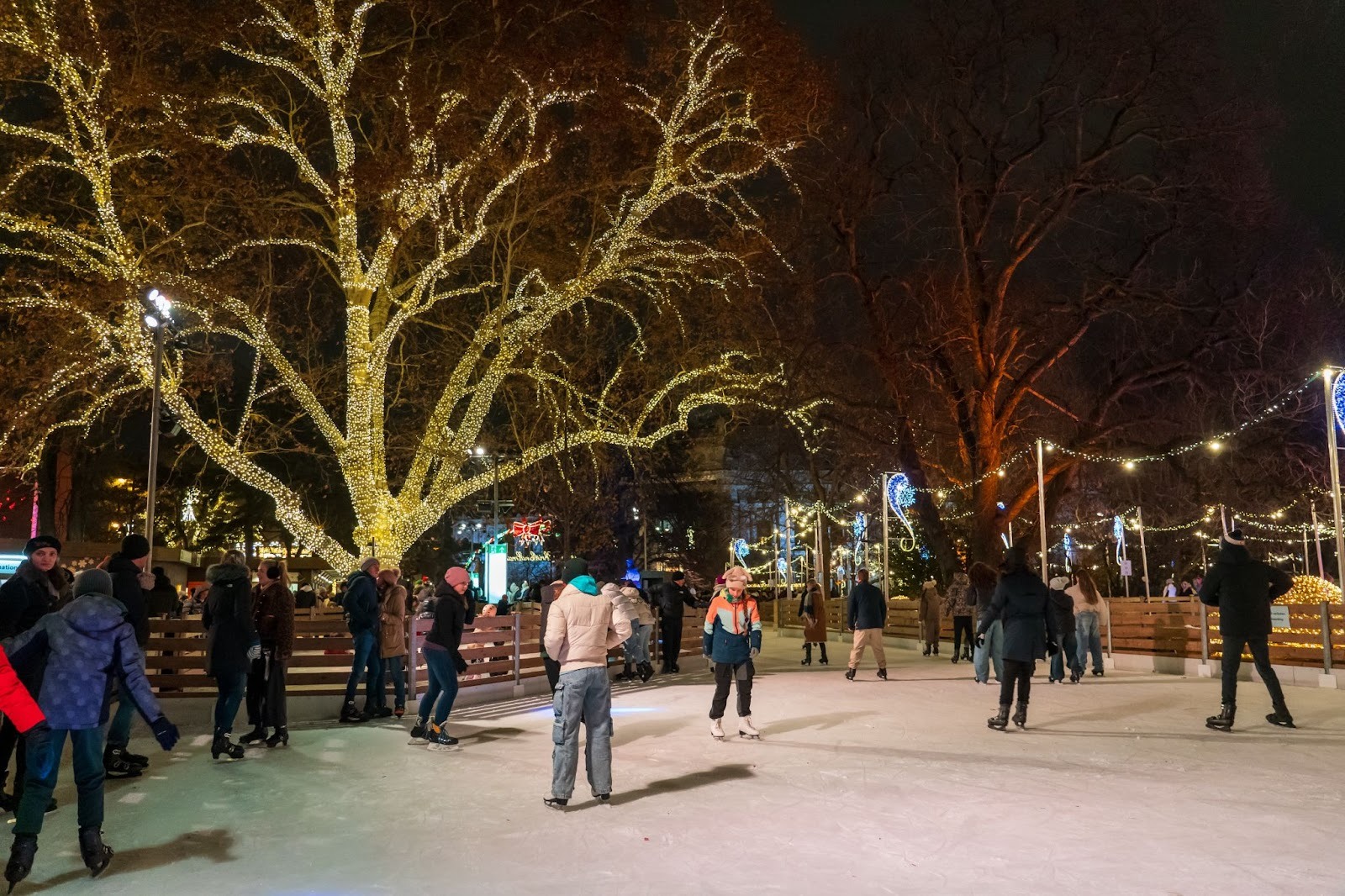
Vienna is a city of history, art, and architecture. From imperial palaces to contemporary museums, the capital offers a mix of classic and modern attractions. First-time visitors can easily spend days exploring the central districts, while hidden gems scattered throughout the city reward those willing to wander beyond the usual tourist trails.
This section provides a comprehensive guide to must-see landmarks, museums, cultural experiences, and lesser-known spots. By combining the famous sights with offbeat attractions, visitors can enjoy a complete experience of Vienna’s charm, history, and vibrant lifestyle.
Imperial Palaces and Historic Buildings
Schönbrunn Palace
Schönbrunn Palace is one of Vienna’s most iconic attractions. The former summer residence of the Habsburgs offers:
- Ornate palace rooms showcasing imperial life.
- Expansive gardens with fountains, statues, and the Gloriette viewpoint.
- Family-friendly attractions such as the maze and the historic zoo, Tiergarten Schönbrunn.
Visitors should allocate at least half a day to explore the palace and its grounds thoroughly. Booking timed tickets online helps avoid long lines during peak seasons.
Hofburg Palace
Located in the city center, Hofburg was the primary residence of the Habsburg dynasty. Key highlights include:
- The Imperial Apartments, revealing opulent 19th-century interiors.
- The Sisi Museum, dedicated to Empress Elisabeth.
- The Austrian National Library, with its baroque architecture and historic collections.
The Hofburg area is also home to the Spanish Riding School, where visitors can watch classical dressage performances.
Belvedere Palace
Belvedere Palace consists of Upper and Lower sections connected by gardens. Highlights include:
- The Upper Belvedere, housing Gustav Klimt’s famous painting The Kiss.
- Stunning baroque architecture and landscaped gardens.
- Temporary exhibitions featuring Austrian and international art.
Belvedere’s gardens offer beautiful photo opportunities, particularly in spring and autumn.
Iconic Religious and Cultural Sites
St. Stephen’s Cathedral
A symbol of Vienna, St. Stephen’s Cathedral features:
- Gothic architecture with intricate spires and stonework.
- Panoramic views from the tower, accessible via stairs or elevator.
- Historical crypts and catacombs, providing insight into Viennese history.
Visitors should attend a short guided tour to fully appreciate its history and architectural details.
Karlskirche (St. Charles Church)
Karlskirche is an architectural masterpiece blending Baroque and Rococo elements. Highlights include:
- Stunning frescoed interior and high domed ceilings.
- A modern glass elevator allowing close-up views of ceiling artwork.
- Seasonal concerts offering classical music in a historic setting.
Capuchin Church and Imperial Crypt
The Capuchin Church houses the imperial crypt, where over 140 Habsburg royals are interred. First-time visitors often find the crypt both fascinating and solemn, reflecting centuries of imperial tradition.
Museums and Art Galleries
Kunsthistorisches Museum
Vienna’s Museum of Art History houses one of the world’s finest art collections:
- Works by European masters, including Caravaggio, Rembrandt, and Vermeer.
- Egyptian, Greek, and Roman antiquities.
- Ornate interiors enhancing the cultural experience.
Albertina
Albertina features:
- A vast collection of graphic arts and prints.
- Temporary exhibitions of modern and contemporary art.
- A beautiful palace courtyard ideal for photography.
Museum Quarter (MuseumsQuartier)
- A vibrant cultural hub combining museums, art installations, and cafés.
- Home to Leopold Museum, MUMOK (Museum of Modern Art), and contemporary galleries.
- Outdoor spaces frequently host events and performances.
Hidden Gems and Offbeat Attractions
Hundertwasserhaus
An architectural marvel, Hundertwasserhaus is known for its colorful, whimsical façade and uneven floors. While it is a residential building, visitors can admire the exterior and explore the nearby Hundertwasser Village for shops and cafés.
Naschmarkt
A bustling market popular with locals:
- Fresh produce, cheeses, and international foods.
- Cafés and small restaurants offering Austrian and international cuisine.
- Ideal for sampling local flavors and observing daily Viennese life.
Prater Park and Giant Ferris Wheel
- Expansive green space for walking, cycling, and picnics.
- Home to the historic Giant Ferris Wheel (Riesenrad), offering panoramic city views.
- Seasonal amusement attractions and traditional Austrian rides.
Minoritenkirche and Other Lesser-Known Churches
Vienna is dotted with smaller churches like Minoritenkirche and Votivkirche. These sites often surprise visitors with intricate stained glass, peaceful interiors, and fewer crowds than major landmarks.
Scenic Streets, Squares, and Photo Spots
Ringstrasse
Vienna’s historic boulevard is lined with:
- Architectural landmarks such as the State Opera, City Hall (Rathaus), and Parliament.
- Wide sidewalks and tram lines offer easy access to cultural attractions.
- Photography opportunities with historic buildings framed by green spaces and statues.
Graben and Kohlmarkt
- Famous shopping streets with luxury stores and historic buildings.
- Pedestrian-friendly areas perfect for casual strolls and people-watching.
- Ideal for capturing the blend of old-world charm and modern elegance.
Danube Canal and Banks
- Trendy street art, cafés, and walking paths along the canal.
- Evening light reflects beautifully on the water, making it a favored spot for photography.
- Seasonal events like open-air concerts and markets create lively atmospheres.
Vienna’s Parks and Outdoor Spaces
Volksgarten
- A rose garden with beautifully arranged flower beds.
- Ideal for relaxation, reading, or leisurely strolls.
- Statues and fountains add to the park’s photogenic appeal.
Stadtpark
- Famous for the golden Johann Strauss monument.
- Large green lawns, ponds, and sculptures create a peaceful retreat in the city center.
- Suitable for families with children and picnics.
Augarten
- Historic park featuring Baroque gardens and the Vienna Porcelain Factory.
- Wide-open lawns for cycling, jogging, and walking.
- Less crowded than the central parks, providing a tranquil experience.
Seasonal Events and Experiences
Christmas Markets
- Schönbrunn, Rathausplatz, and Spittelberg markets attract visitors with festive lights, handcrafted gifts, and local delicacies.
- Seasonal music performances enhance the festive mood.
Summer Festivals
- Open-air concerts, film screenings, and food fairs are popular.
- MuseumsQuartier and Danube Island host art, music, and cultural events.
- Planning ahead ensures entry to limited-capacity events.
Classical Music Concerts
- Vienna is synonymous with classical music.
- Venues include the Musikverein, Wiener Konzerthaus, and smaller concert halls in palaces.
- Tickets for first-time visitors can be booked online or through hotel concierge services.
Tips for Exploring Attractions Efficiently
- Prioritize major landmarks early in the day to avoid crowds.
- Combine nearby attractions like Hofburg, St. Stephen’s Cathedral, and the State Opera for walking tours.
- Use public transport or bicycles for outlying sites like Schönbrunn Palace or Prater Park.
- Reserve tickets online for popular museums and concerts to skip long queues.
- Plan offbeat stops like Hundertwasserhaus or hidden gardens between major attractions for variety.
Planning, Costs, Accommodation & Travel Tips in Vienna
Planning a trip to Vienna involves more than booking flights and hotels. First-time visitors benefit from understanding accommodation options, daily costs, transport passes, and practical tips to navigate the city efficiently. Vienna’s well-connected public transport, walkable neighborhoods, and variety of lodging choices make it accessible, but proper planning ensures a smooth, enjoyable stay.
This section covers budgeting, accommodation areas, transportation passes, costs of attractions and meals, tips for saving money, and other practical advice to help first-time visitors maximize their time and experience in Vienna.
Budgeting for Vienna
Daily Expenses
- Meals: €10–€25 per casual meal, €30–€60 for fine dining.
- Coffee and pastries: €3–€6 per café item.
- Public transport: €2.40–€2.60 per single ride, depending on zones.
Attractions
- Museums: €10–€20 per adult ticket; many offer free or discounted entry for students and children.
- Palaces: €15–€25 depending on guided tours or garden access.
- Concerts: Classical music performances range €30–€150 depending on the venue and seating.
Accommodation
- Budget hostels: €25–€50 per night.
- Mid-range hotels: €80–€150 per night.
- Luxury hotels: €200+ per night, particularly in city center or near historic landmarks.
Tips for Cost Savings
- Use public transport instead of taxis.
- Purchase combined museum passes for discounted entry.
- Eat at local markets or casual cafés instead of high-end restaurants every day.
- Consider Vienna City Cards for transport and attraction discounts.
Accommodation Options and Areas
Innere Stadt (1st District)
- Heart of historic Vienna; close to major attractions like St. Stephen’s Cathedral and Hofburg.
- Offers luxury hotels, boutique options, and serviced apartments.
- Pros: Walkable to landmarks, picturesque streets.
- Cons: Expensive, busy with tourists.
Leopoldstadt (2nd District)
- Residential area with markets, canals, and Prater Park.
- Offers mid-range hotels and guesthouses.
- Pros: Quieter than city center, good transport connections.
- Cons: Slightly further from some historic sites.
Mariahilf (6th District) & Neubau (7th District)
- Trendy neighborhoods with cafés, shops, and galleries.
- Suitable for budget and mid-range stays.
- Pros: Vibrant nightlife, local vibe.
- Cons: Can be noisy in summer months.
Landstraße (3rd District)
- Close to Belvedere Palace and city transport hubs.
- Mix of business hotels and boutique options.
- Pros: Convenient for sightseeing and public transport.
- Cons: Less historic charm than central districts.
Transportation: Getting Around
Public Transport
- Vienna has an extensive network of U-Bahn (subway), trams, buses, and S-Bahn (commuter trains).
- Tickets are valid across all modes of transport for the specified time.
- Popular options:
- Single Ticket: €2.40–€2.60
- 24-hour Ticket: €8
- Vienna City Card (24–72 hours): Includes unlimited transport + discounts at attractions.
Biking
- City bikes (Citybike Wien) are available for short trips.
- Bike lanes are well-marked, especially near parks and along the Danube Canal.
Taxis & Ride-Hailing
- Taxis are regulated and metered; apps like Bolt and Free Now operate legally.
- Recommended for late-night travel or when public transport is unavailable.
Walking
- Central districts are pedestrian-friendly.
- Many attractions are within 15–20 minutes’ walk from each other.
Planning Your Daily Itinerary
Suggested Approach
- Group attractions by proximity to save travel time.
- Alternate busy sightseeing days with lighter days for cafés, markets, or parks.
- Include at least one evening for a classical concert or Heurigen wine tavern.
Sample Day Plan
- Morning: Schönbrunn Palace tour and gardens.
- Afternoon: Naschmarkt for lunch, then Kunsthistorisches Museum.
- Evening: Classical concert or dinner at a traditional Viennese restaurant.
Seasonal Planning
- Winter: Focus on indoor activities like museums and cafés; Christmas markets.
- Summer: Parks, Danube Island, outdoor concerts, and Heurigen visits.
Tickets, Passes & Entry Tips
Museums & Attractions
- Many museums offer timed-entry tickets; book online in advance.
- Combined passes save money if planning to visit multiple sites.
- Children under 19 often have free or reduced entry.
Transport Passes
- Vienna City Card: Unlimited transport + museum discounts.
- 24-, 48-, 72-hour Tickets: Convenient for short stays.
- Validate tickets before boarding to avoid fines.
Guided Tours
- Walking tours, hop-on-hop-off buses, and thematic tours (music, history, food) enhance first-time visitors’ understanding.
- Pre-booking popular tours is recommended in the high season.
Budgeting Tips for First-Time Visitors
Food & Drink
- Eat breakfast at cafés rather than hotels.
- Lunch specials at casual restaurants are more affordable.
- Tap water is safe and free; avoid purchasing bottled water unnecessarily.
Transport
- Multi-day passes reduce cost if planning multiple daily trips.
- Walking or biking short distances is cost-efficient and scenic.
Sightseeing
- Free walking tours are available (tips-based).
- Certain museums have free days or discounted evenings.
Practical Travel Tips
Safety & Etiquette
- Vienna is safe, but stay vigilant in crowded areas.
- Carry ID and keep valuables secure.
- Respect local customs, such as queuing and polite greetings.
Connectivity & Apps
- Download apps for public transport schedules, maps, and translation.
- The Vienna Tourist Board website provides updated event and transport information.
Language
- German is the official language; English is widely understood in tourist areas.
- Learning a few basic phrases enhances interactions.
Seasonal Considerations
- Summer: Book accommodations and attractions early due to high tourist influx.
- Winter: Dress warmly and account for shorter daylight hours.
Accessibility & Family Travel Tips
Accessibility
- Most public transport is wheelchair-friendly.
- Major attractions have ramps or elevators.
- Hotels and restaurants in central districts increasingly accommodate accessibility needs.
Traveling with Children
- Prater Park, Schönbrunn Zoo, and MuseumsQuartier are family-friendly.
- Carry snacks and plan breaks in cafés or parks.
Pet Travel
- Small pets are allowed on public transport with a ticket.
- Many parks are dog-friendly, but leashes are required.
Final Checklist for First-Time Visitors
- Documents: Passport, ID, travel insurance, tickets, transport passes.
- Packing: Comfortable walking shoes, season-appropriate clothing, adapters.
- Transport: Download transport apps, validate tickets, know nearest stations.
- Planning: Pre-book museums, concerts, and guided tours.
- Money: Mix of cash and card; notify bank of travel.
- Emergency Info: Save police, medical, and embassy contacts.
- Cultural Awareness: Learn basic phrases, etiquette, and local laws.
Photography Spots, Safety, Etiquette & Travel Planning in Vienna
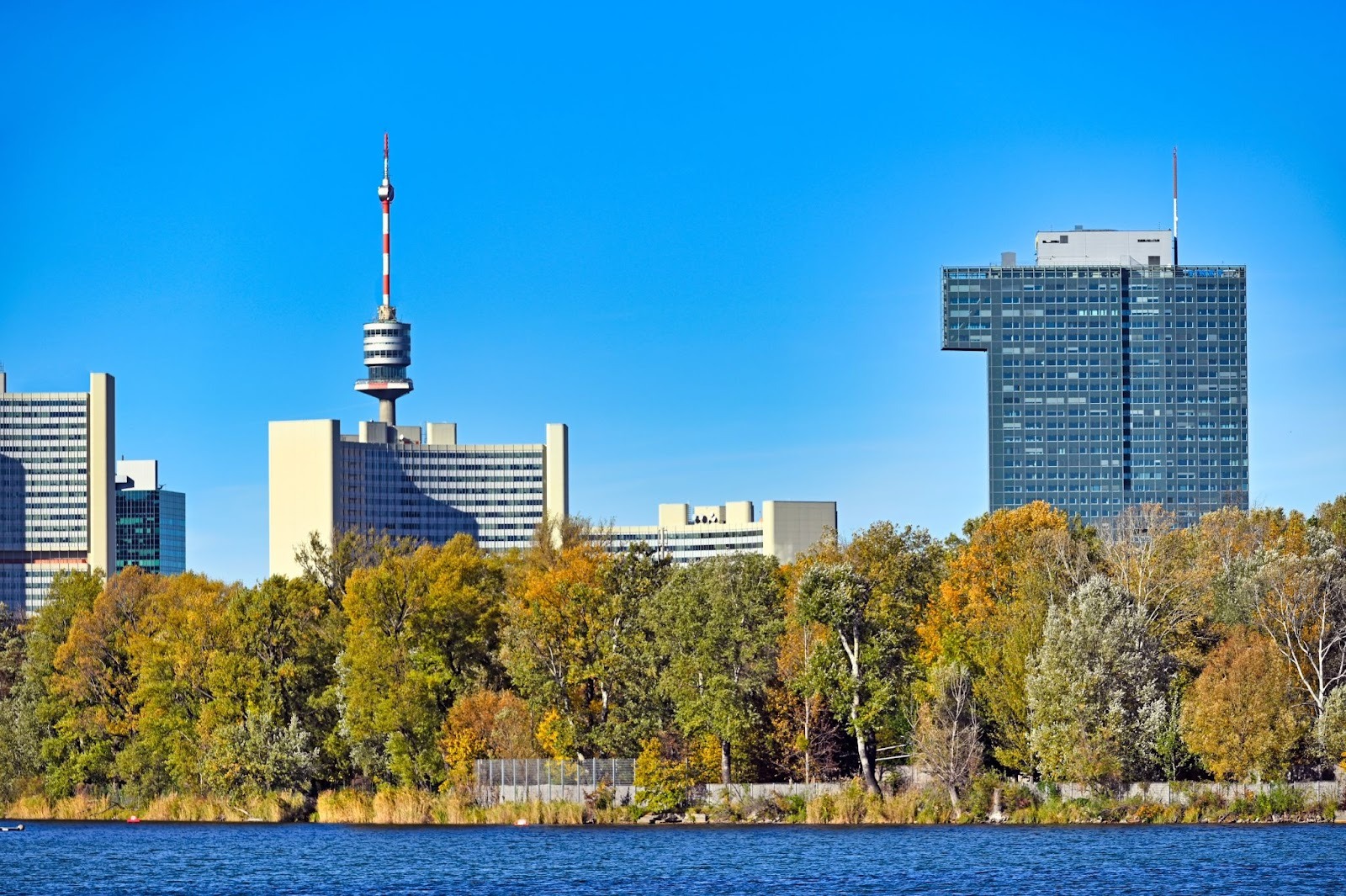
Vienna is a city that combines imperial grandeur with modern vibrancy, making it a paradise for photographers and travelers alike. First-time visitors are often eager to capture the architectural beauty, scenic parks, and iconic landmarks, while also ensuring they remain safe and respectful of local norms.
This section covers the best photography locations, safety tips, local etiquette, accessibility considerations, family travel advice, and planning checklists. By following these tips, visitors can maximize their experience and return home with both memories and stunning photos.
Photography Spots and Scenic Views
Iconic Landmarks
- St. Stephen’s Cathedral: Capture the Gothic spires from Stephansplatz or climb the tower for panoramic city views.
- Schönbrunn Palace Gardens: Early morning or late afternoon light is perfect for photographing fountains, statues, and the Gloriette.
- Hofburg Palace: Wide-angle shots of the courtyard and surrounding architecture showcase imperial elegance.
Hidden Photo Gems
- Hundertwasserhaus: Vibrant, irregular architecture makes a unique subject.
- Minoritenkirche: Stained glass and historic interiors provide contrast to more famous churches.
- Danube Canal: Street art along the canal walls creates colorful urban photo opportunities.
City Streets and Squares
- Ringstrasse: Iconic boulevard with statues, historic buildings, and green spaces.
- Graben and Kohlmarkt: Perfect for capturing cobblestone streets, luxury shops, and urban life.
- Rathausplatz: Seasonal markets and festivals make dynamic subjects for photography.
Parks and Natural Settings
- Stadtpark: Golden Johann Strauss statue surrounded by landscaped gardens.
- Volksgarten: Roses in bloom during spring and summer provide vibrant colors.
- Augarten: Quiet park with Baroque gardens, ideal for serene compositions.
Safety Tips for First-Time Visitors
General Safety
- Vienna is generally very safe, but petty theft and pickpocketing can occur in crowded areas.
- Always secure personal belongings in backpacks or crossbody bags.
- Keep photocopies of important documents separately from originals.
Transport Safety
- Validate tickets to avoid fines on trams and metro.
- At night, use well-lit stations and travel in groups if possible.
- Bike lanes are marked, but always follow traffic rules to avoid accidents.
Seasonal Safety Considerations
- Winter: Watch for icy pavements, especially on cobblestone streets. Wear non-slip shoes.
- Summer: Stay hydrated, use sunscreen, and be mindful of crowded outdoor festivals.
Local Etiquette and Cultural Norms
Politeness and Greetings
- Greet with a simple “Grüß Gott” or “Hallo” when entering shops, restaurants, or cafés.
- Say “Danke” (thank you) and “Bitte” (please) to maintain politeness.
Café Etiquette
- Enjoy coffee slowly; laptops and loud phone calls are uncommon in traditional cafés.
- It’s acceptable to sit for hours as long as you order something.
Dining Etiquette
- Wait for the host or server to seat you.
- Keep your hands visible on the table, not in your lap.
- Tipping around 5–10% is customary.
Public Behavior
- Avoid jaywalking; use crosswalks and follow pedestrian signals.
- Keep noise levels moderate in residential areas and public transport.
Accessibility Considerations
Transport Accessibility
- Most U-Bahn stations have elevators or ramps.
- Buses and trams are generally wheelchair accessible.
- City bike stations have adaptive bikes available at certain locations.
Attractions
- Major palaces, museums, and concert halls provide ramps or elevators.
- Some historic buildings may have limited access; check online before visiting.
Accommodation
- Many central hotels provide wheelchair-accessible rooms and services.
- Check for step-free access and elevator availability when booking.
Family Travel Tips
Child-Friendly Attractions
- Schönbrunn Palace & Zoo: Offers interactive exhibits for children.
- Prater Park: Ferris wheel, playgrounds, and seasonal attractions.
- MuseumsQuartier: Hands-on exhibits and family programs.
Traveling with Children
- Carry snacks, water, and lightweight strollers.
- Establish meeting points in case of separation in busy areas.
- Teach children basic phrases in German, like “Hilfe” (help).
Safety for Families
- Keep children within sight in crowded markets, squares, and festivals.
- Ensure kids wear comfortable shoes for walking on cobblestones.
Planning Checklist for First-Time Visitors
Documents and Essentials
- Passport or ID, travel insurance, tickets, and transport passes.
- Copy of hotel address, emergency contacts, and embassy information.
- Local currency (Euros) and cards; notify your bank about travel dates.
Clothing and Packing
- Comfortable walking shoes, season-appropriate clothing, rain gear in spring.
- Power adapters for electronics.
- Small backpack or day bag for daily excursions.
Tech and Connectivity
- Download maps, transport apps, and translation tools.
- Ensure mobile data or SIM card is active for navigation and emergencies.
Health & Safety Items
- First aid kit, medications, reusable water bottle, sunscreen, and masks (if needed).
Sightseeing Planning
- Pre-book popular attractions, concerts, and guided tours.
- Group nearby attractions to save time and transport costs.
- Check seasonal events like markets or festivals for scheduling.
Hospital and Medical Services
- Vienna General Hospital (AKH): Largest hospital, English-speaking staff.
- Pharmacies: Widely available; ask for “Apotheke.”
Tourist Support
- The Vienna Tourist Board provides visitor information and emergency guidance.
- Hotel concierge and local guides can assist with directions, transport, and safety tips.
Final Tips for Enjoying Vienna
To make the most of your Vienna trip, start your days early to explore popular landmarks before crowds arrive. Plan your itinerary efficiently, grouping nearby attractions together to save travel time. Use public transport or stroll through the city to enjoy scenic views and charming streets. Respect local customs, including dining etiquette and public behavior. Don’t forget your camera—sunrise and sunset provide ideal lighting for photos. Stay flexible to accommodate weather changes, seasonal events, and unexpected discoveries that make your trip memorable.
Final Words: Making the Most of Your Vienna Adventure
Visiting Vienna for the first time in 2026 is an unforgettable experience. The city offers a harmonious blend of history, culture, and modern lifestyle, ensuring that travelers of all kinds can find something to enjoy. From imperial palaces to cozy cafés, from bustling markets to serene parks, every corner reveals a story waiting to be discovered.
Following proper planning, including understanding transportation options, local etiquette, safety precautions, and family-friendly tips, allows visitors to navigate the city confidently. Exploring hidden gems alongside iconic landmarks ensures a balanced experience that goes beyond the typical tourist trail. Photography spots, seasonal events, and cultural experiences add layers of depth to your journey, making each day memorable.
Vienna’s culinary scene, from traditional Wiener Schnitzel and Apfelstrudel to modern dining experiences, offers a taste of Austrian heritage alongside international flavors. Combining sightseeing with food tours, concerts, and local markets enriches your understanding of the city and its people.
By using this guide, first-time visitors can plan their itinerary effectively, enjoy the city safely, capture incredible moments, and fully immerse themselves in Vienna’s unique charm. Whether it’s your first day exploring historic streets or your last evening at a Heurigen wine tavern, Vienna promises an enchanting experience filled with culture, beauty, and lasting memories.
