

Vienna is one of those rare cities that effortlessly blends imperial history, modern culture, soothing green spaces, and world-class museums—all while offering an impressive number of experiences completely free of cost. For a first-time visitor, the Austrian capital can feel like a masterpiece that is best enjoyed slowly, one elegant street at a time. Every corner carries a story, every park feels meticulously designed, and every museum showcases centuries of art and intellect. Yet what surprises most travelers is how much of this beauty is accessible without spending a single euro. If you’re visiting Vienna for the first time in 2026, this guide will show you how to explore its most iconic places and unforgettable activities without stretching your budget.
Vienna often earns global recognition as one of the world’s most livable cities, but it also stands out as one of the most budget-friendly European capitals—if you know where to look. While the city is known for luxury opera houses, imperial palaces, and fine cafés, it balances this grandeur with public spaces, cultural institutions, and outdoor attractions that welcome everyone. The city government invests heavily in public accessibility, sustainability, and cultural participation, which means that many parks, museums, and community events remain open to all. Whether you love art, architecture, history, music, nature, or lively local events, Vienna gives you countless ways to enjoy it all for free.
Why Vienna is Perfect for Budget-Friendly Travel
Vienna is an incredibly easy city to enjoy on a budget because it prioritizes public access to culture and quality of life. First, the layout of the city allows you to explore major landmarks entirely on foot. You can walk from one royal palace to another, pass through baroque gardens, and wander into old courtyards without ever needing to pay an entry fee. The Ringstrasse alone—a grand boulevard circling the historic center—offers a visually stunning outdoor museum of architecture. As you walk along it, you’ll see the Vienna State Opera, the Austrian Parliament, the University of Vienna, and the Kunsthistorisches Museum—all without purchasing a ticket.
Next, Vienna’s green spaces play a major role in making the city accessible to budget travelers. Nearly half of the city consists of parks, riverside areas, forests, and recreational zones. Places like Prater Park, the Danube Island, Augarten, and the Schönbrunn Palace Gardens are massive, beautifully maintained, and free to enter. Whether you want to enjoy a morning run, watch the sunrise from a hilltop viewpoint, or relax under a shady tree with a classic Viennese pastry, you’ll never run out of open natural spaces.
Vienna’s museums also help travelers save money. Many offer free entry on specific days, and some are free year-round. These include district museums, contemporary art galleries, and specialized institutions covering themes like currency, photography, or media history. Experiencing Vienna’s art scene becomes remarkably easy, even if you’re traveling on a tight budget.
Finally, Vienna’s cultural events extend the city’s generosity. Outdoor concerts, film festivals, markets, and seasonal celebrations attract thousands of locals and tourists every year—without charging a cent. From free opera screenings to open-air jazz events to the magical Christmas markets that light up the winter streets, Vienna lets you participate in its cultural heartbeat for free.
What Makes 2026 a Great Year to Explore Its Free Attractions
Traveling to Vienna in 2026 specifically brings several advantages. The city has been investing in tourism accessibility, sustainability, and cultural programming, making this year especially rich with free events, redesigned public spaces, and community-friendly activities.
In 2026, several museums and heritage institutions are expanding or renovating their free-entry programs to encourage cultural participation. Many parks have added better walking paths, improved signage, and revitalized viewpoints. The city is also focusing on climate-friendly tourism, making it easier than ever to enjoy outdoor attractions like hiking trails, river swimming areas, and botanical gardens.
Vienna is also using 2026 to celebrate its long-standing traditions with fresh energy. Seasonal events—such as the Rathausplatz Film Festival, the Donauinselfest (Danube Island Festival), and New Year’s Path celebrations—are expected to have stronger participation and wider programming than previous years. Outdoor music events, street performances, and free workshops will help visitors experience Vienna not just as a historical destination but as a vibrant cultural hub.
Another advantage for 2026 travelers is the continued improvement in public transportation and digital navigation. Free walking routes, self-guided audio tours, and city-supported mobile apps make it easy to explore landmarks, parks, and neighborhoods independently. This benefits budget travelers who want to explore deeply without paying for guided tours.
Even everyday aspects of traveling—such as water access—are incredibly convenient. Vienna has hundreds of public drinking fountains with crystal-clear mountain spring water. This small but useful feature helps travelers save money in simple, meaningful ways.
Overview of Parks, Museums, Viewpoints & Cultural Experiences
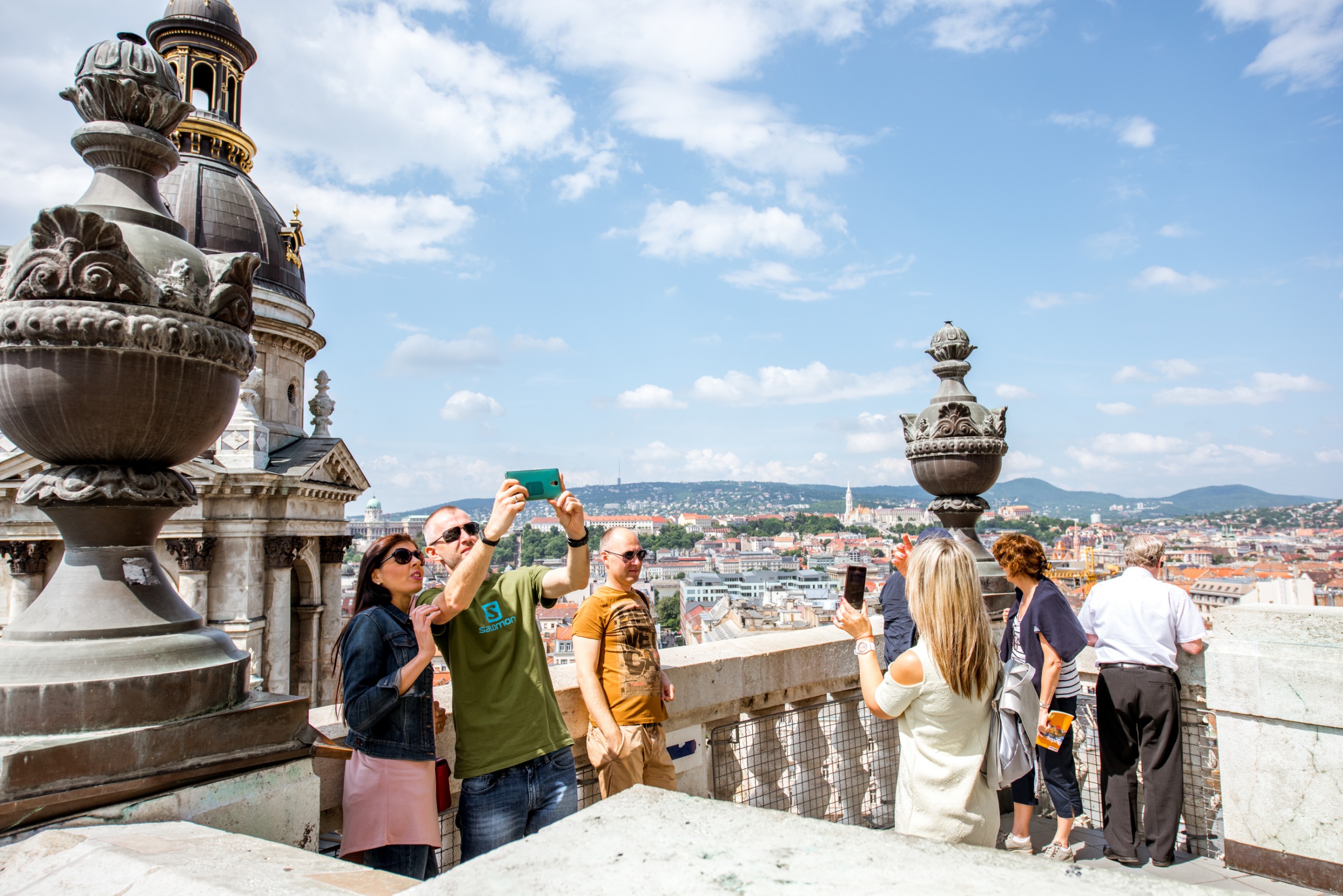
To help you plan your first visit to Vienna and enjoy the best free attractions, here is a simple overview table showing the main categories you’ll explore in this guide. Whether you love nature, art, viewpoints, or lively events, this breakdown will help you understand what the city offers in 2026.
Table: Overview of Free Things to Do in Vienna
| Category | What You Can Experience for Free | Best Places / Examples |
| Parks & Nature | Relax in historic gardens, explore forests, walk riverside paths, cycle through open landscapes | Prater Park, Danube Island, Stadtpark, Augarten, Schönbrunn Gardens |
| Museums & Galleries | Monthly free-entry days, district museums, contemporary art, special exhibitions | MUSA Startgalerie, District Museums, Money Museum, Wien Museum (free areas) |
| Viewpoints & Scenic Spots | City panoramas, riverside views, hilltop photo spots, architectural viewpoints | Kahlenberg, Leopoldsberg, Donaukanal, Donaupark, MuseumsQuartier courtyards |
| Cultural Experiences & Events | Concerts, film festivals, street performances, holiday markets, public celebrations | Rathausplatz Film Festival, Free Philharmonic rehearsals, Christmas markets, Silvesterpfad |
| Architecture & History | Free cathedral areas, palace courtyards, historical walks | St. Stephen’s Cathedral (free zone), Hofburg grounds, Belvedere gardens, Ringstrasse |
Free Parks & Nature Experiences in Vienna
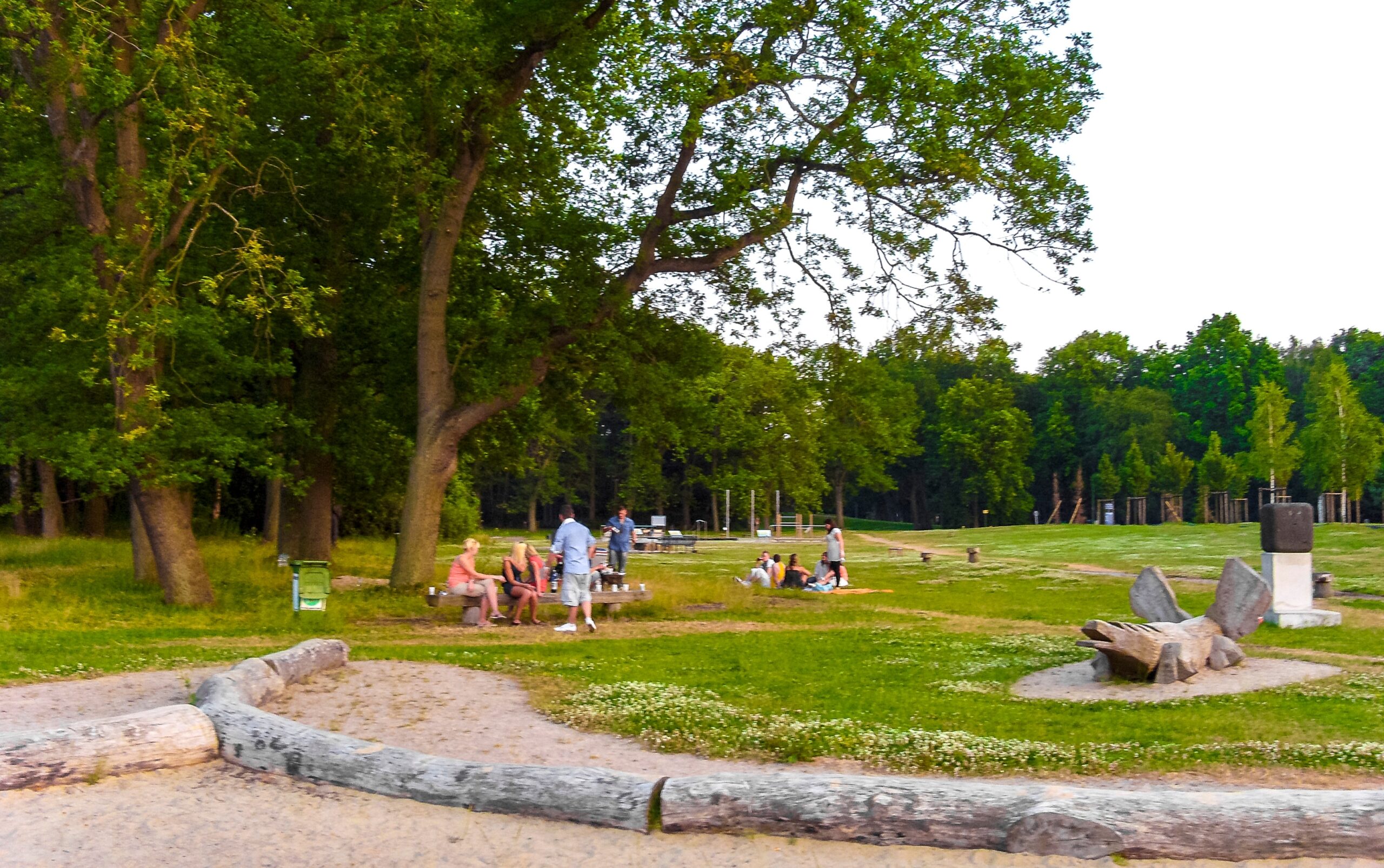
Vienna is one of Europe’s greenest capitals, offering lush landscapes, historic gardens, expansive forests, and river islands—all completely free to explore. For a first-time visitor in 2026, the city’s parks create the perfect balance between relaxation, culture, and outdoor activity. Whether you want to stroll through elegant palace gardens, bike along the Danube, or enjoy romantic rose-filled parks, Vienna’s nature escapes give you endless free experiences. Below is a complete breakdown of the city’s top parks and natural spaces that welcome every visitor without a ticket.
Stadtpark: Vienna’s Iconic Urban Oasis
Stadtpark is one of Vienna’s most photographed green spaces and a must-visit for first-time travelers. Located between the historic city center and the upscale Ringstrasse, this landscaped 19th-century park blends nature with art, architecture, and a touch of imperial charm. When you enter the park, you immediately notice its elegant layout—wide paths, shady trees, flowerbeds, ponds, and decorative bridges that create postcard-perfect views throughout the year.
One of the biggest attractions in Stadtpark is its collection of iconic monuments, especially the world-famous golden Johann Strauss statue. Travelers often stop here for their first Vienna photo because it reflects the city’s deep connection to classical music. You’ll also find statues of Franz Schubert, Franz Lehár, and other legendary Austrian composers scattered across the park. Each monument sits in a picturesque setting, making it easy to explore casually on foot.
Stadtpark’s peaceful lakeside area also offers a serene escape. You can sit beside ducks and swans gliding across the water or relax on one of the many benches positioned to capture the best views of the surrounding greenery. The park’s small bridges—especially the stone arc bridge—are perfect for photography or simply enjoying a quiet moment.
Best Free Activities in Stadtpark (2026)
- Morning and evening strolls: Ideal times to experience Vienna’s softer light and quiet atmosphere.
- Picnic by the lake: The park’s open spaces let you enjoy a peaceful lunch with scenic views.
- Photography: Capture classic Viennese monuments, blooming flowerbeds, and charming pathways.
- People-watching: Locals come here to read, sketch, or relax, making it a perfect cultural snapshot.
- Free music events (seasonal): In summer, occasional public performances and cultural pop-ups appear around the park.
Prater Park: A Massive Playground of Nature and Activity
No trip to Vienna is complete without visiting Prater Park, one of Europe’s largest public parks and a symbol of the city’s outdoor lifestyle. Stretching nearly 6 kilometers, this massive green space offers forests, meadows, long avenues, and endless trails suitable for walking, jogging, cycling, or simply wandering freely.
The park is open 24/7 and completely free to enter. What most first-time visitors don’t realize is that the amusement area—the famous Wurstelprater with the giant Ferris wheel—is just a small part of the overall Prater. The real beauty lies behind it, where miles of natural landscapes create a peaceful contrast to the funfair atmosphere.
Open Access Areas
The central avenue, Prater Hauptallee, is the park’s most iconic feature. This wide, straight, tree-lined boulevard stretches from Praterstern to the Lusthaus, offering shade and fresh air throughout the day. Runners love it, families enjoy long leisurely walks, and cyclists ride comfortably without the interruption of city traffic.
Along the way, you’ll encounter large meadows, forested zones, open picnic areas, and quiet benches hidden beneath tall chestnut trees. It’s one of Vienna’s best places to unwind after exploring the historic center.
Walking & Cycling Trails
- Prater Hauptallee: Best for long walks, inline skating, and cycling.
- Meadow loops: Soft paths perfect for a slow walk or a peaceful morning stretch.
- Forest trails: Shaded routes ideal for summer exploring.
You don’t need to rent a bike to enjoy the park, but if you choose to, rental stations are easy to find near the main entrance.
Augarten: Baroque Gardens With Quiet Corners and History
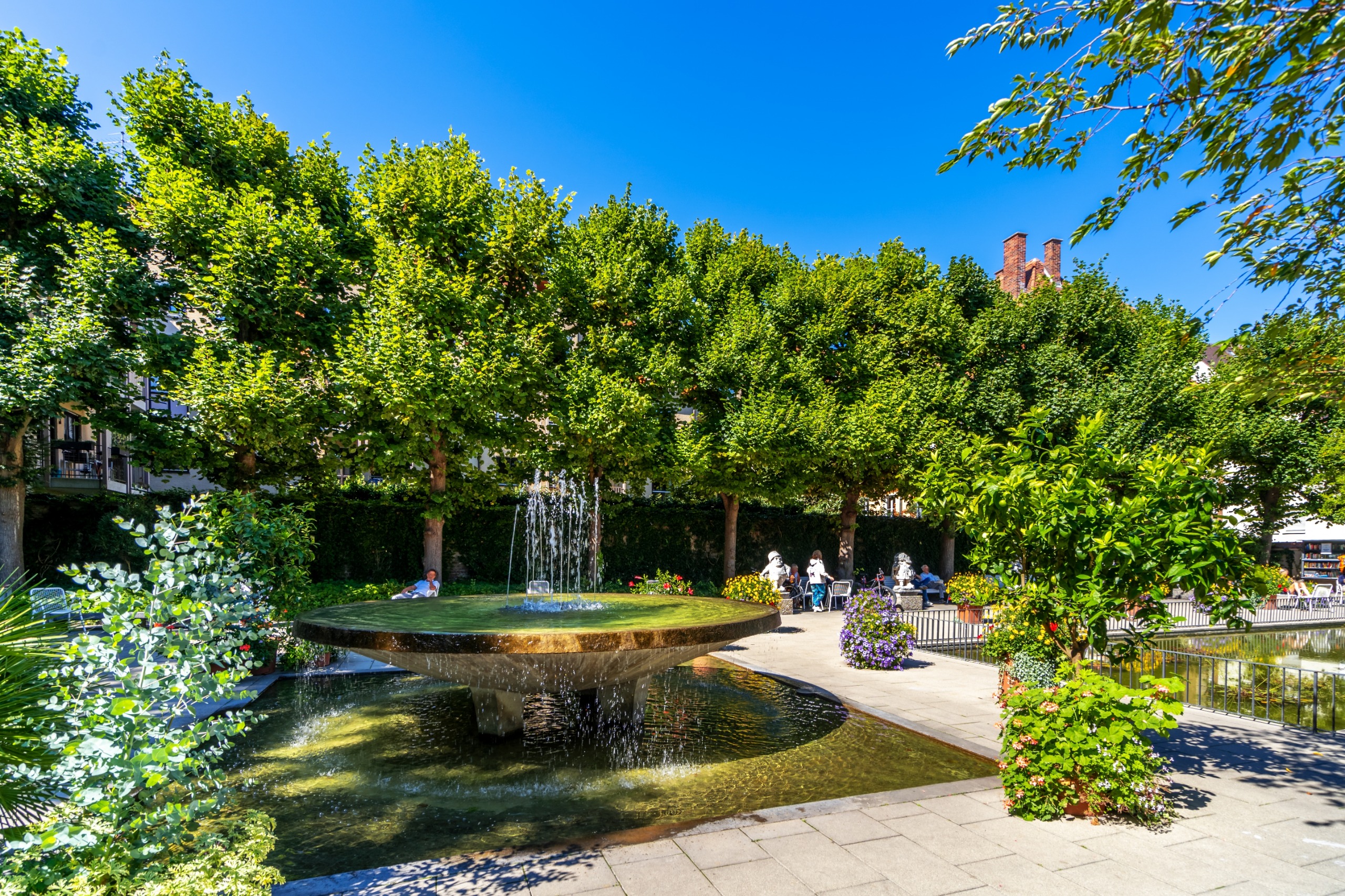
Augarten is one of Vienna’s oldest Baroque parks and offers a different kind of charm—structured gardens, quiet open lawns, and atmospheric walking paths set around grand 18th-century design. First-time visitors appreciate how the park feels both historic and peaceful, with plenty of open spaces perfect for reading, picnicking, or enjoying a calm afternoon.
The symmetrical layout of the gardens reflects their imperial past. Long avenues lined with chestnut and maple trees create elegant corridors that guide you through the park. The large lawns are excellent for sunbathing, relaxing, or stretching out with a book during warm months.
Baroque Gardens & Peaceful Green Spaces
Augarten is much quieter than Stadtpark or Prater, making it ideal for travelers seeking a slow, reflective walk. If you enjoy photography, the manicured lawns and long tree-lined paths produce beautiful shots at any time of day.
Families also love Augarten because of its playgrounds and large, safe open spaces. Even at peak hours, the park rarely feels crowded due to its expansive layout.
Free Historical Architecture Views
One of Augarten’s most interesting features is the presence of two large World War II flak towers. These concrete giants stand in sharp contrast to the elegant gardens around them, creating a dramatic and historically significant backdrop. You can walk around the base of the towers for free and learn about their purpose through informational signs.
The Augarten Palace, which houses the porcelain factory and the Vienna Boys’ Choir rehearsal hall, also stands within the grounds. While interior entry is paid, the exterior architecture and surrounding courtyards are stunning and free to enjoy.
Danube Island (Donauinsel): Vienna’s Ultimate Nature Escape
If you’re looking for wide-open nature, riverside views, and pure freedom, Danube Island—known locally as Donauinsel—is your paradise. This 21-kilometer artificial island sits between two branches of the Danube River and offers countless free recreational zones. It’s one of Vienna’s top destinations for outdoor adventure, especially in spring and summer.
Danube Island is huge, but that’s exactly why it’s beloved by locals. You can walk for miles without hearing city traffic, swim in natural river bays, bike along scenic paths, or simply sit by the water and watch the sunset.
Swimming Spots, Biking, and Picnic Areas
- Beaches and swimming bays: The clear, calm waters along the island are perfect for a refreshing dip on warm days.
- Endless cycling paths: Smooth, flat routes attract bikers of all ages.
- Picnic zones: Grassy riverbanks stretch for kilometers, offering countless places to relax.
The island also has designated barbecue spots—some free, some requiring reservation—making it ideal for group gatherings.
Free Recreational Zones
In 2025, Donauinsel continues to expand its free sports areas, including:
- Beach volleyball courts
- Outdoor gyms
- Skate parks
- Water-side yoga platforms
Every summer, the island hosts the Donauinselfest, one of Europe’s largest free open-air music festivals—an unforgettable experience for any traveler.
Schönbrunn Palace Gardens: Imperial Beauty Without a Ticket
Schönbrunn Palace is one of Vienna’s crown jewels, but what many travelers don’t know is that you can explore its vast palace gardens for free. For a first-time visitor, walking through the gardens offers a grand introduction to imperial Vienna.
You enter the gardens through elegant gates that open into a perfectly designed world of tree-lined avenues, flowerbeds, fountains, statues, and wide lawns. The atmosphere feels royal yet welcoming.
What Is Free & What Is Paid
Free areas include:
- Main garden avenues
- Neptune Fountain exterior
- Large lawns and flowerbeds
- Maze exterior viewing points
- Palm House exterior
- Gloriette viewpoint from the base area
Paid areas include:
- The Gloriette rooftop terrace
- The Maze interior
- The Palm House interior
- Schönbrunn Zoo (adjacent but separate)
Even without entering paid areas, you get stunning palace views.
Best Viewpoints Inside the Free Garden Area
The best free viewpoint is the Gloriette Hill. You can walk up the sloping pathway behind the palace to reach the base of the Gloriette structure. From here, you’ll enjoy breathtaking panoramic views of Schönbrunn Palace, Vienna’s skyline, and the surrounding hills—all for free.
The Neptune Fountain area also creates a spectacular backdrop for photos, especially when the palace sits perfectly framed above it.
Burggarten & Volksgarten: Romantic Gardens in the Heart of Vienna
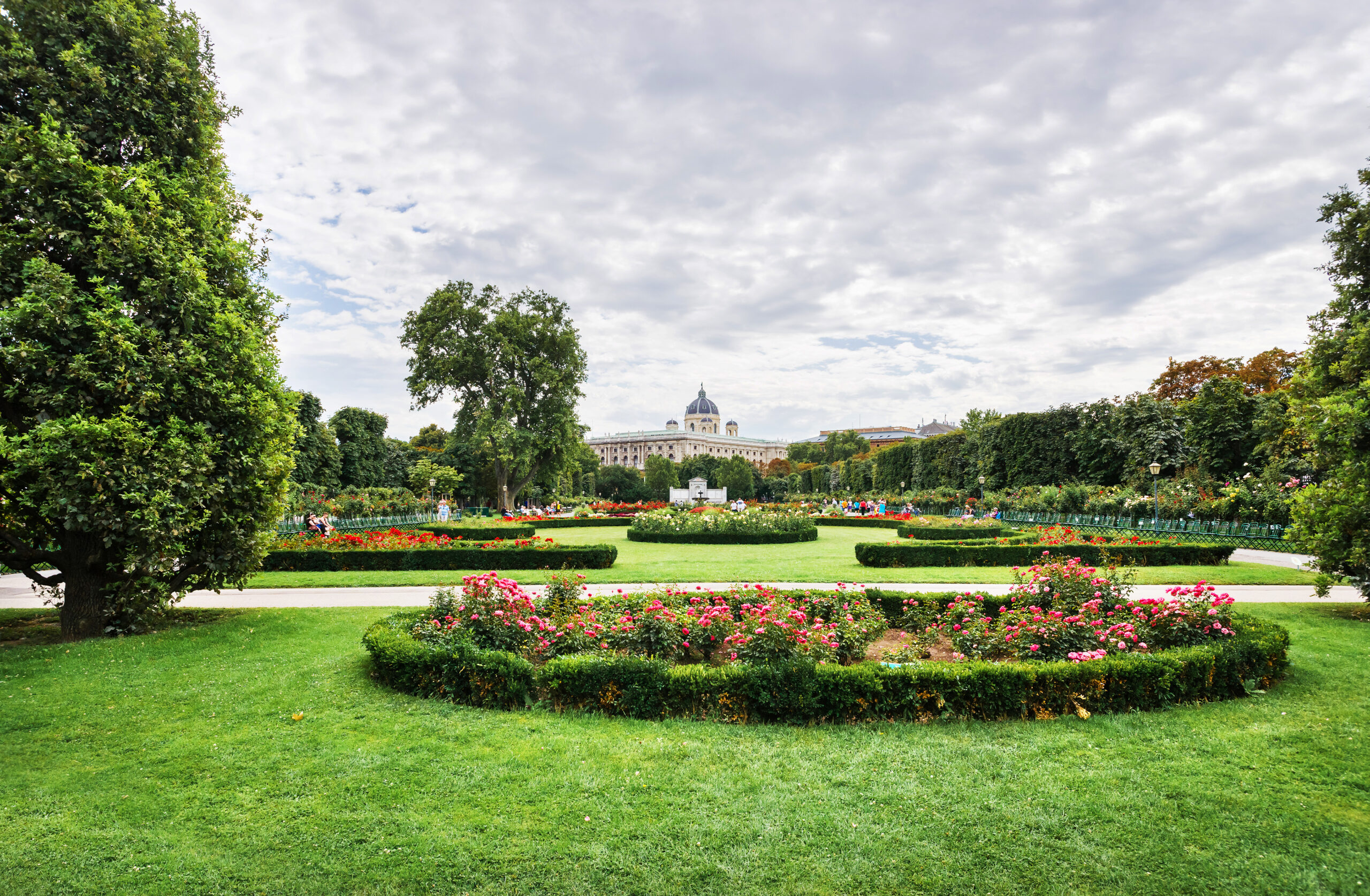
If you want to experience Vienna’s romantic side, Burggarten and Volksgarten offer two of the most charming and historically rich gardens in the city.
Volksgarten: Famous Roses and Elegant Walkways
Volksgarten is known worldwide for its enormous collection of roses—more than 3,000 rose bushes bloom here every spring and summer. Walking through the garden feels like entering a fragrant oasis where every path leads to vibrant colors and sweet scents. The symmetrical layout, classical fountains, and benches under blossoming arches make it ideal for slow, relaxing walks.
For first-time visitors, it’s also a perfect spot to capture classic Viennese photos with roses in full bloom and the Parliament or Burgtheater in the background.
Burggarten: Mozart, Palms, and Imperial Atmosphere
Right across from the Hofburg Palace sits Burggarten, a beautiful garden with a more intimate feel. Its most famous feature is the Mozart statue, a graceful white monument surrounded by a heart-shaped flowerbed that makes it one of Vienna’s most photographed landmarks.
Burggarten also features:
- A peaceful pond
- Expansive lawns
- The exterior of the Palm House, one of the city’s most elegant Art Nouveau buildings
You can relax on the grass, enjoy shade under tall trees, or admire the palace architecture rising behind the garden.
Free Museums in Vienna
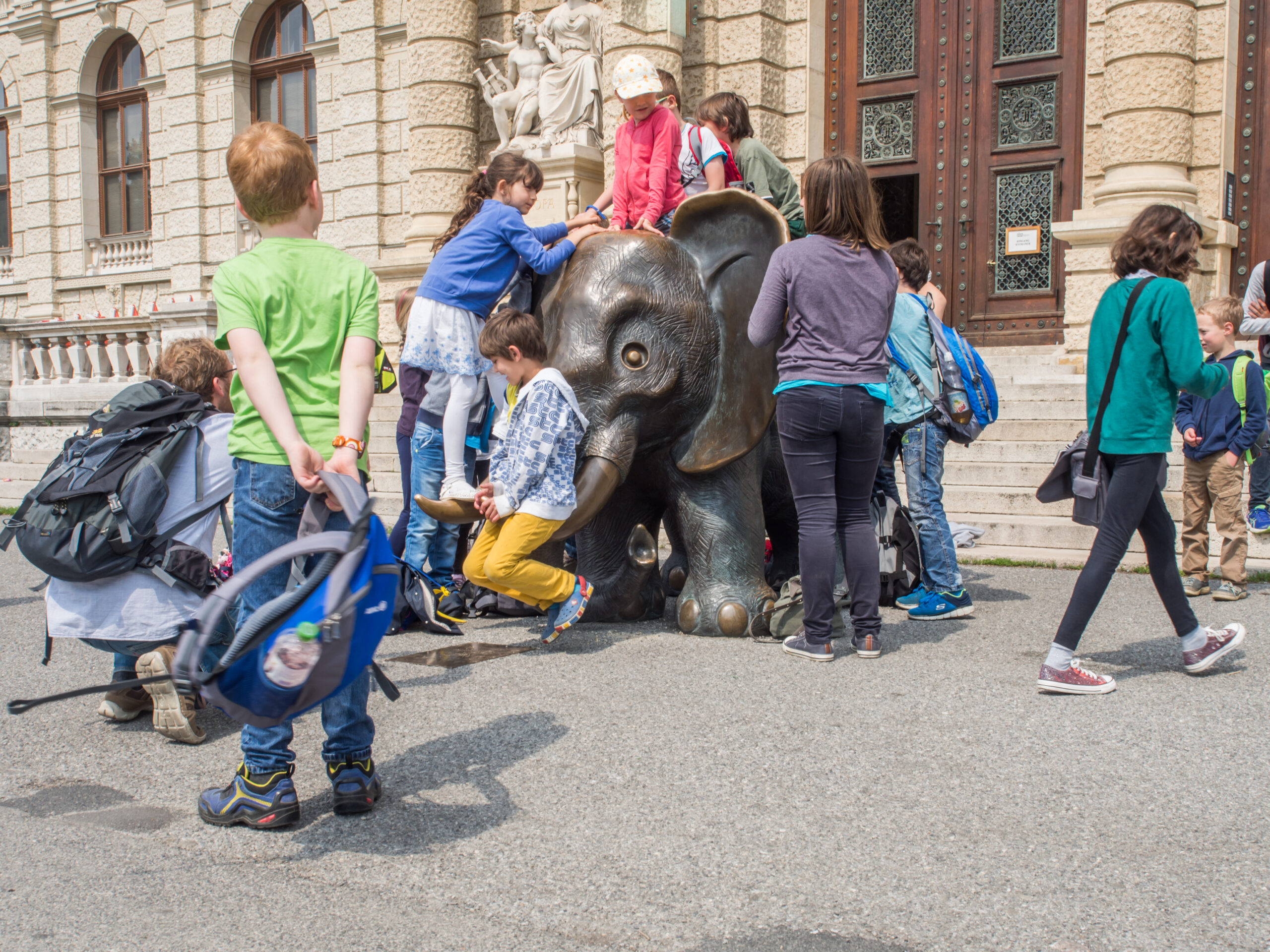
Vienna is one of Europe’s most culturally rich cities, famous for its classical music heritage, royal palaces, and world-class museums. But what surprises many first-time visitors is how much of its artistic and historical treasure is accessible for free. Whether you love contemporary installations, local history, photography, architecture, or niche collections, Vienna provides dozens of ways to explore its culture without paying an entrance fee.
In 2026, the city continues to expand its free-entry options, making it easier than ever to enjoy museums on a budget. Free museum Sundays, district museum networks, and several year-round free-entry galleries create a deep cultural experience for travelers. Below are the most important institutions you should explore if you’re visiting Vienna for the first time.
Free Museum Days in Vienna: Your Best Chance to Explore Big Museums
Vienna’s “Free Museum Sundays” remain one of the best opportunities for travelers to access major museums. On the first Sunday of every month, several respected institutions open their doors for free, giving you the chance to explore art, archaeology, city history, and architecture.
For a first-time visitor, the experience is incredibly rewarding. Instead of choosing one or two paid museums, you can spend an entire day enjoying a curated lineup of Vienna’s best cultural spaces—without worrying about entrance fees.
These museums typically participate:
- Wien Museum (Main Museum)
- Römermuseum
- Uhrenmuseum (Clock Museum)
- Otto Wagner Pavilion
- MAK (select sections or events on free Sundays)
Although some museums get busy, early mornings and late afternoons tend to be calmer. If you’re planning a trip in 2026, mark the first Sundays on your calendar. It’s your golden ticket to Vienna’s grand museum scene.
District Museums (Bezirksmuseen Wien): Local Culture Through Free Access
Vienna is divided into 23 districts, and each district has its own museum dedicated to local community history. These Bezirksmuseen are completely free to enter, making them perfect for travelers who enjoy discovering hidden cultural layers.
These museums explore:
- Everyday Viennese life
- Neighborhood development
- Local traditions
- Historical photographs
- Old maps, costumes, and tools
For a first-time visitor, these museums offer an authentic sense of how Vienna’s neighborhoods evolved. They show you a side of the city that major tourist attractions often don’t capture. Because they receive fewer crowds, you can explore at your own pace and even talk to curators who are passionate about their district’s history.
Popular district museums include:
- Museum of the 1st District (Inner City)
- Leopoldstadt District Museum
- Neubau District Museum
- Favoriten District Museum
Each collection feels personal, charming, and full of local character.
MUSA Museum Startgalerie: Free Contemporary Art in the Heart of Vienna
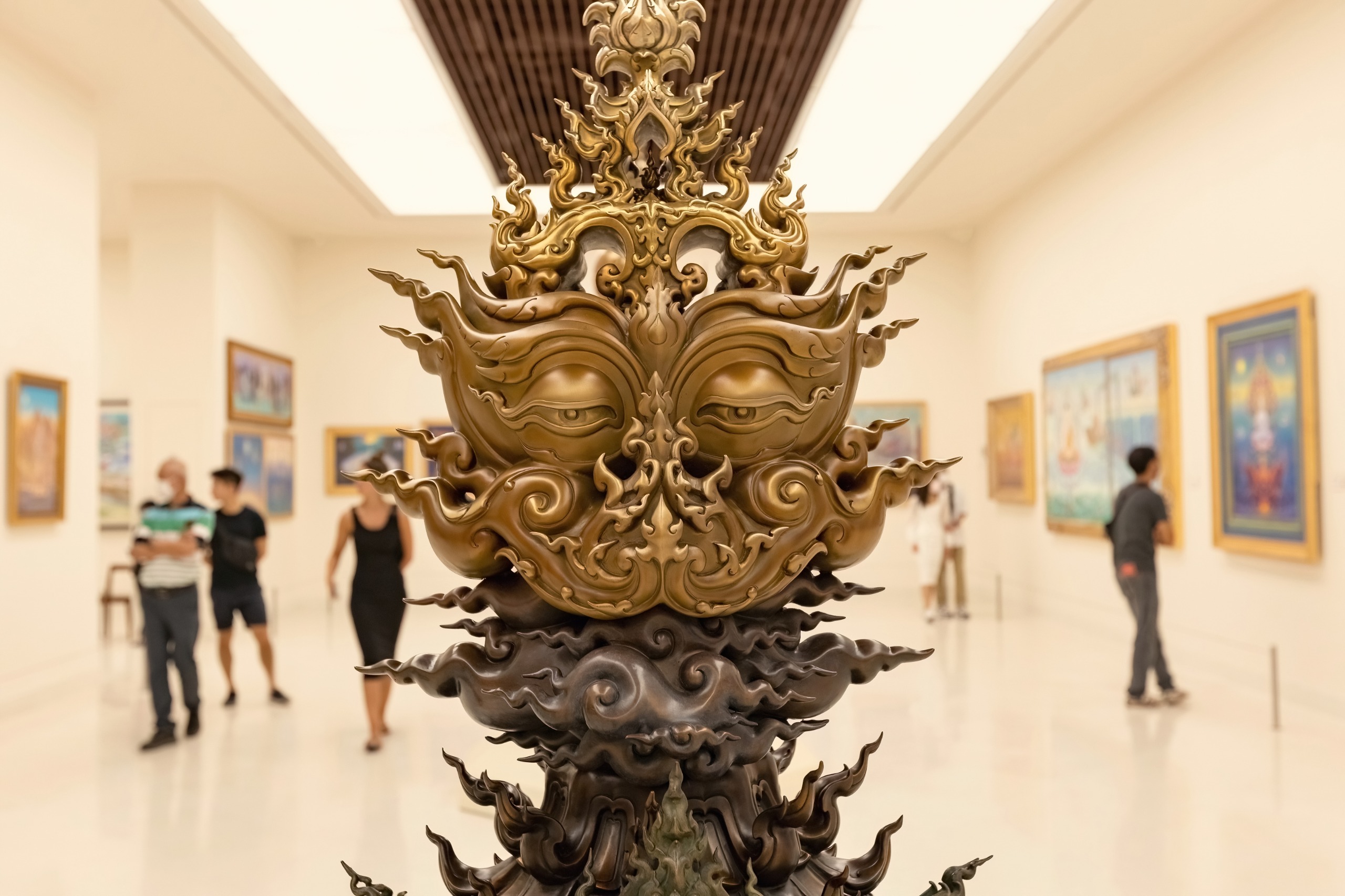
If you love modern art, the MUSA Museum Startgalerie should be at the top of your list. This free-entry museum near City Hall focuses on emerging artists and Vienna’s dynamic contemporary art scene. The exhibitions change regularly, reflecting new themes, innovative mediums, and experimental ideas.
For first-time visitors, MUSA feels refreshing. It’s bold, creative, and distinctly modern—very different from Vienna’s imperial museums. Sculptures, installations, mixed media, and conceptual works take center stage here. Because it is free, you can stop by even for a short visit without feeling pressured to stay long.
In 2026, the museum continues its mission to support young Vienna-based artists through rotating exhibitions known as the Startgalerie shows. This makes every visit unique. You may discover new talent or artworks that reflect modern social themes, urban issues, or experimental forms of expression.
Wien Museum: Free Areas and Cultural Programs for 2026
The newly renovated Wien Museum reopened with modern architecture and a strong public-access vision. While the main museum requires paid tickets, several public zones remain free, and the museum hosts frequent free-entry days and open cultural events throughout 2026.
The free-access areas include:
- The spacious entrance hall with displays
- Selected free exhibitions
- Public terraces and viewpoints
- Seasonal cultural programs and educational sessions
For a first-time visitor, the Wien Museum introduces you to Vienna’s cultural layers—Roman origins, medieval life, baroque development, and modern urban evolution. Even the free areas contain a surprising amount of content.
During special events, the museum’s courtyard often hosts free concerts, lectures, art talks, and interactive workshops. These experiences are ideal for travelers who enjoy learning directly from artists, historians, and curators.
Money Museum of the Austrian National Bank (OeNB): A Unique Free Museum Experience
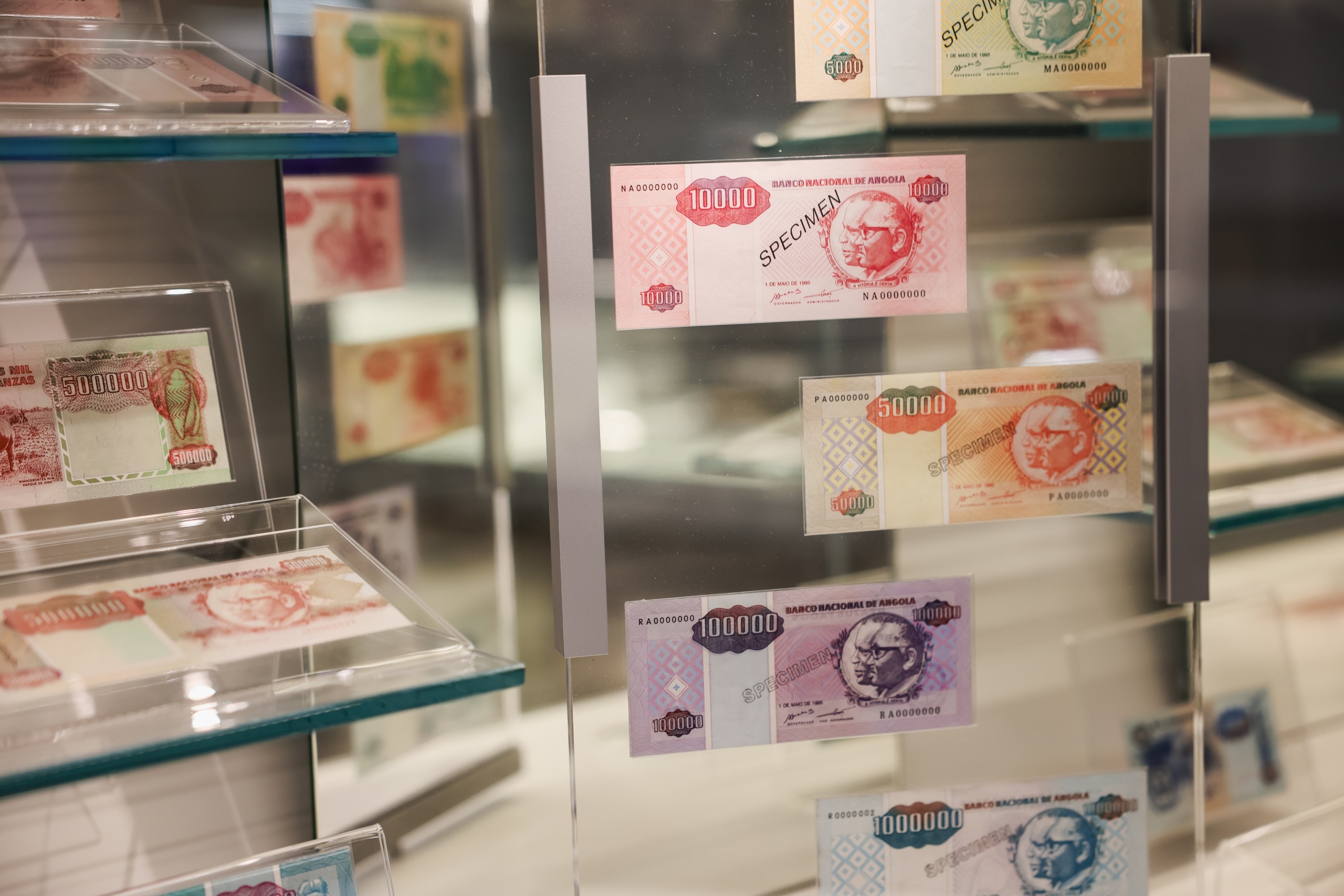
One of the most interesting and fully free museums in Vienna is the Money Museum. Operated by the Austrian National Bank, it offers a fascinating look at money, currency history, financial systems, and security features.
First-time visitors appreciate how interactive the museum is. Exhibits include:
- A collection of coins from ancient to modern times
- Rare banknotes
- Displays explaining inflation, banking, and monetary policy
- A station where you can examine security marks on euro notes
- Multimedia presentations ideal for students and curious travelers
Because entry is always free, this museum is a great addition to your itinerary, especially if you want to explore something outside the standard art-and-history route. Guided tours are also offered free of charge, but they often require advance booking.
University of Vienna Library & Museum: A Glimpse Into Academic Vienna
The University of Vienna is one of the oldest universities in Europe, and its historic library and museum offer a rich cultural experience. Several public areas are free to enter, and they give you a chance to appreciate Austria’s scholarly tradition.
The library’s architecture alone is worth a visit. Tall shelves, ornate reading rooms, and an academic atmosphere create a peaceful environment. Many first-time visitors enjoy simply wandering through the public areas, soaking in the intellectual energy.
The University Museum also features free exhibitions covering:
- Academic history
- Scientific discoveries
- Famous professors
- Cultural artifacts
- University traditions
While some specialty exhibits may have fees, the general access areas allow you to explore at no cost.
Architekturzentrum Wien (AZW): Free Courtyard Exhibitions and Open Spaces
Located in MuseumsQuartier, the Architekturzentrum Wien offers paid exhibitions inside, but its outdoor and courtyard areas often host free exhibits, installation art, and architecture displays. These rotating exhibitions highlight urbanism, housing development, and architectural innovation.
For a first-time visitor, it’s a great way to explore Vienna’s modern architectural story without paying a fee. The museum’s surrounding area also has free seating, cultural installations, and contemporary design elements that add to the experience.
Wien Library in City Hall: Free Exhibits and Cultural Displays
Inside the stunning Vienna City Hall building, the Wienbibliothek hosts free exhibitions that explore topics like literature, urban history, newspapers, posters, and archival materials. The exhibitions change throughout the year, making each visit feel new.
The building itself is a highlight. Gothic Revival corridors, elegant staircases, and warm reading rooms create an inspiring cultural environment. For anyone interested in Vienna’s literary and historical life, the Wien Library offers an engaging free-entry option.
Jewish Museum Vienna (Free Events & Public Spaces)
Although the main museum requires an entry fee, several public cultural programs, courtyard events, outdoor exhibits, and special community days are free. When walking by the museum, you may also encounter exterior installations or open-access displays that explore Vienna’s Jewish heritage.
For first-time visitors, these moments offer meaningful insight into the city’s cultural and historical depth.
MuseumsQuartier Courtyards: Open-Air Art and Cultural Energy
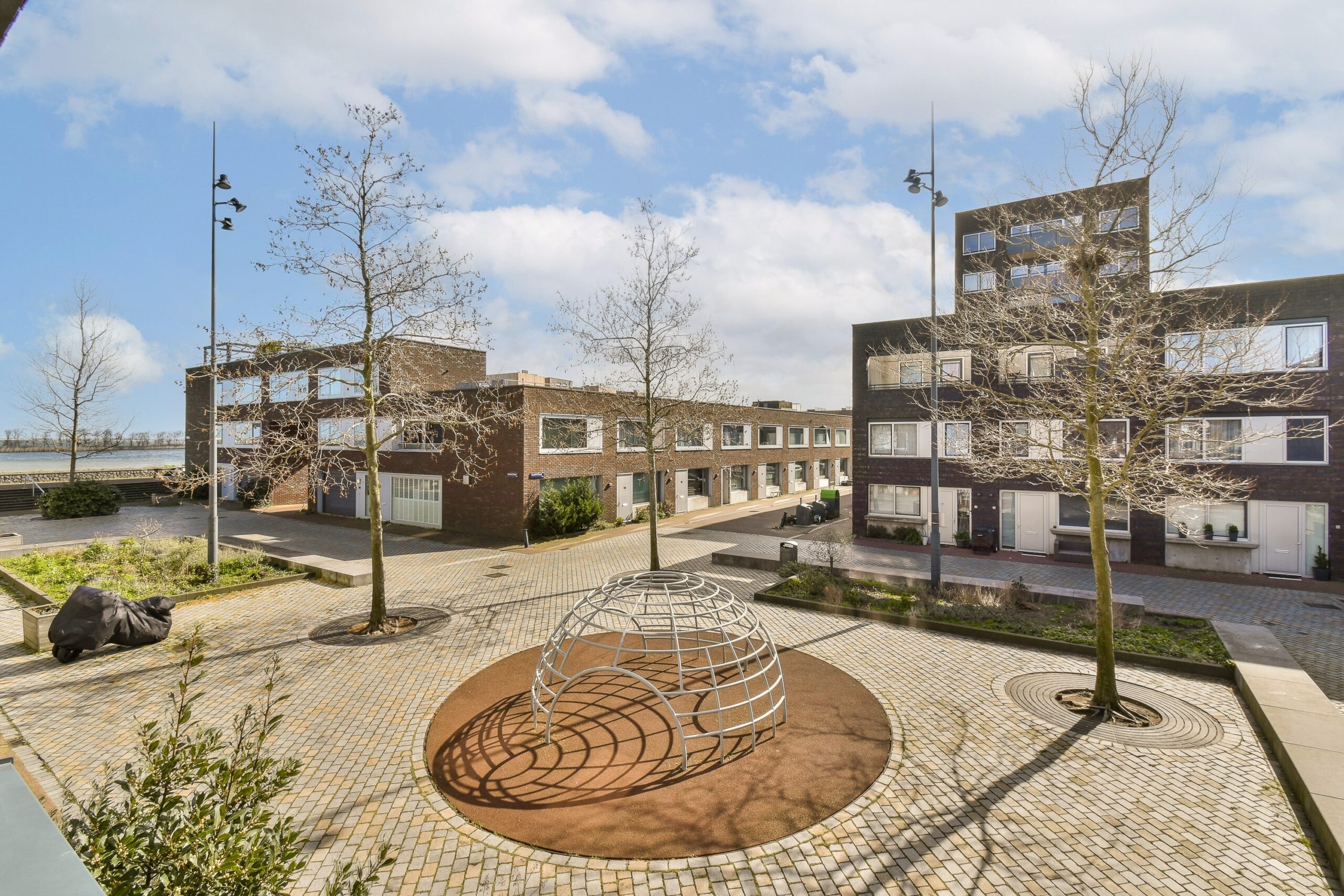
MuseumsQuartier (MQ) is one of Vienna’s most vibrant cultural spaces, and while its major museums require tickets, the outdoor cultural atmosphere is completely free. You can walk through the courtyards, enjoy street art, watch open-air performances, and relax in stylish public seating.
In summer, MQ transforms into a cultural hotspot with:
- Free installations
- Art displays
- Open-air concerts
- Light shows
- Design exhibitions
The best part is that every experience feels modern and urban, offering a refreshing contrast to Vienna’s historical landmarks.
House of Music (Exterior Installations and Free Zones)
The House of Music features paid exhibitions inside, but several outdoor sound installations and public interaction zones remain free. You can explore these open-access features outside the main building, making it a fun stop for music lovers.
Free Viewpoints & Scenic Spots in Vienna
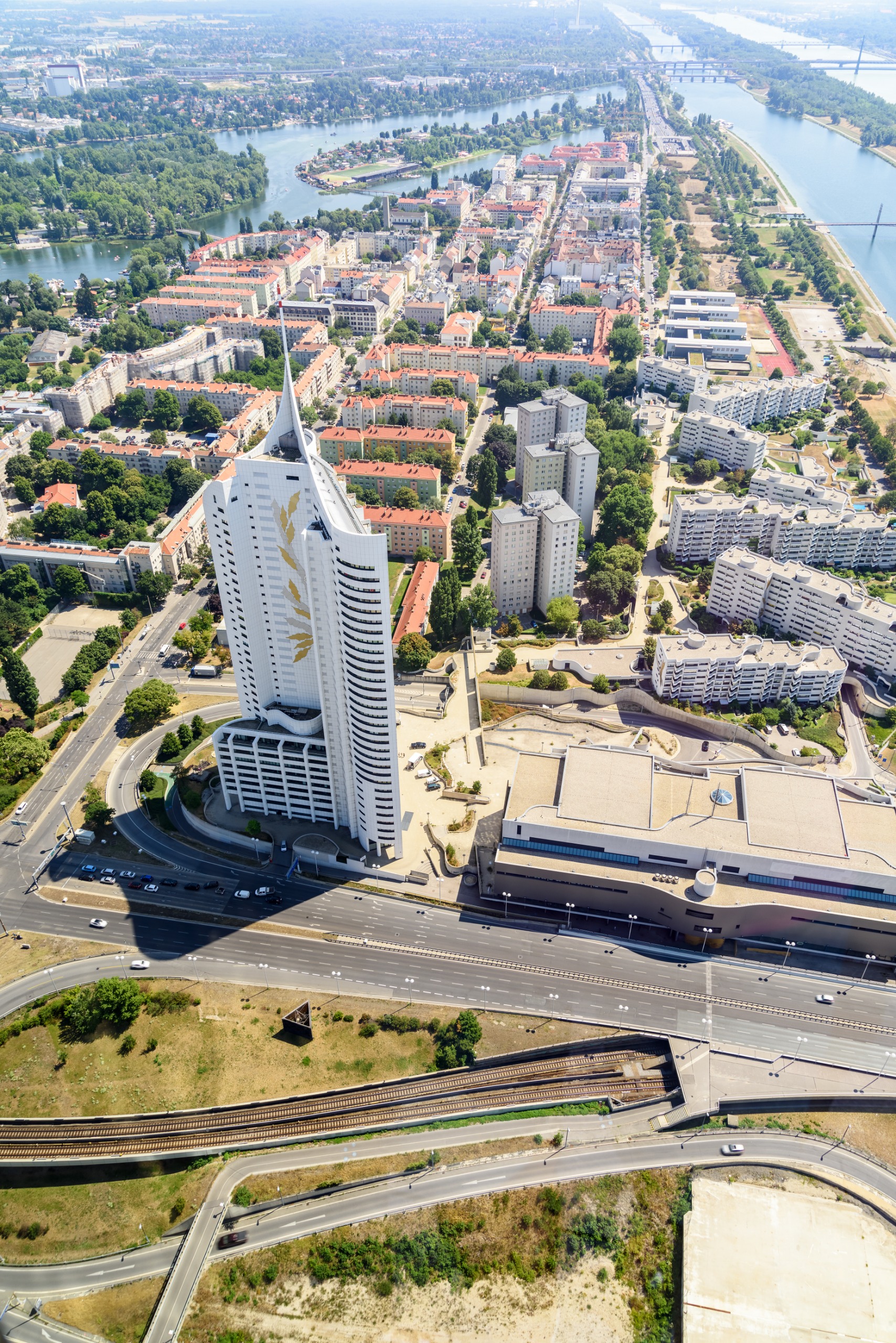
Vienna offers countless ways to enjoy its stunning skyline, riverside landscapes, and artistic public spaces without spending a single euro. Whether you love city views, peaceful green corners, or creative urban backdrops, the city gives you access to memorable viewpoints for free. For first-time travelers, these scenic spots help you understand Vienna’s character—historic, modern, artistic, and naturally beautiful.
This section explores the best free places to enjoy breathtaking views in 2026, including hilltops, waterfront promenades, cultural courtyards, and sprawling green parks.
Kahlenberg: Vienna’s Most Famous Free Panorama
Kahlenberg remains one of Vienna’s most popular viewpoints, offering a sweeping panorama that stretches across the city, the Danube River, and the surrounding vineyards. For a first-time visitor, the climb to Kahlenberg immediately shows you why locals consider it a must-see natural landmark.
You can reach Kahlenberg easily using public transportation. Once you arrive, you step into a peaceful world of forest paths, open viewing terraces, and scenic picnic spots. The highlight, of course, is the free viewing platform, which gives you an unobstructed look at Vienna’s skyline—from St. Stephen’s Cathedral to the modern Donau City towers.
Panoramic Views of Vienna
Kahlenberg’s viewpoint feels designed for photography. You can capture:
- The historic city center and its iconic church spires
- The long blue stretch of the Danube
- Donauinsel’s greenery
- The modern skyline of Vienna International Center
The view changes colors throughout the day. Mornings feel misty and calm, while sunsets turn the entire city golden. It’s one of the best free romantic viewpoints in Vienna.
Free Hiking Routes
Kahlenberg features multiple hiking trails, all completely free:
- City Hiking Trail 1, a scenic route from Nußdorf to Kahlenberg through vineyards
- Forest trails that wind through the Vienna Woods
- Viewpoint loops connecting Kahlenberg and Leopoldsberg
These routes suit all fitness levels. You walk through peaceful forest air, vineyard paths, and open viewpoints, making it a refreshing outdoor break for travelers.
Leopoldsberg: A Quieter Hilltop With Stunning Views
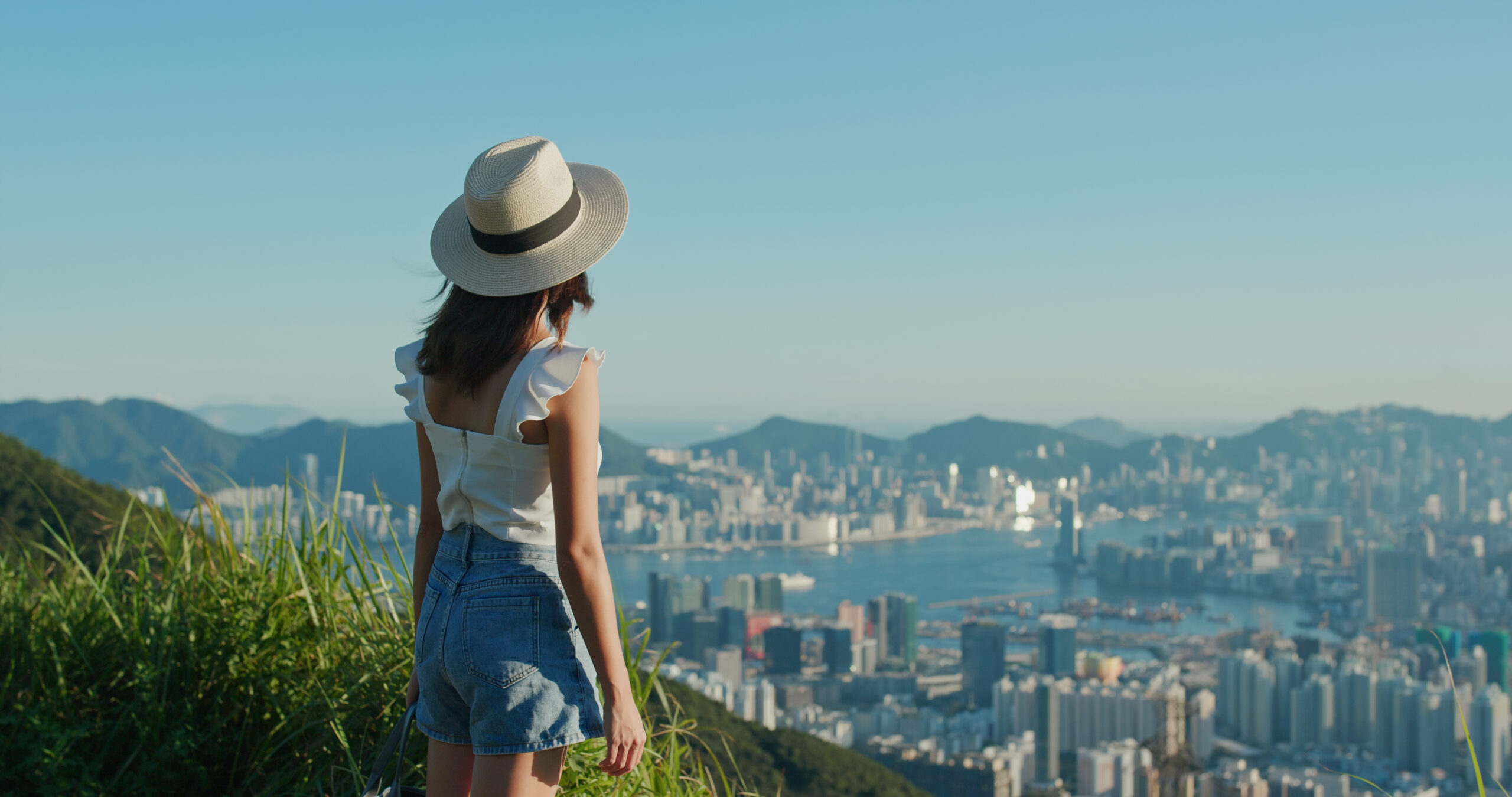
Just a short walk from Kahlenberg, Leopoldsberg offers a calmer atmosphere with equally impressive vistas. It rises slightly higher, giving you a more elevated view of Vienna, the Danube, and the hills of Lower Austria.
For first-time travelers looking for fewer crowds, Leopoldsberg acts as a serene alternative. You can relax at an old fortress-like terrace area or wander the forest trails surrounding the hill.
Scenic Walking Paths & Viewpoints
Leopoldsberg is famous for its atmospheric paths. You can follow trails that feel more intimate and sheltered, leading to several small lookout spots perfect for photography or quiet reflection.
Some views highlight:
- The curve of the Danube River near Klosterneuburg
- Vienna’s skyline in the distance
- Thick forest canopies of the Vienna Woods
The hill offers a peaceful environment that contrasts beautifully with the busy streets of central Vienna.
Danube Canal Promenade: Urban Views & Riverside Vibes
If you prefer an urban viewpoint instead of a hilltop, the Danube Canal Promenade gives you a dynamic and creative riverside walkway right in the heart of Vienna. This free scenic spot blends water views with street art, relaxed walking paths, and open seating areas.
For first-time visitors, it’s a perfect place to see Vienna’s youthful, artistic side. You’ll find bold murals, waterfront steps, and lively public spaces where locals gather throughout the year.
Street Art, Cafes (View Only), and Riverside Walks
You can enjoy:
- Colorful graffiti walls that make perfect backdrops for photos
- A long waterside promenade ideal for walking or jogging
- Outdoor seating areas where you can relax and take in the river view
- Music and cultural energy during warm months
While many cafes and bars line the canal, sitting and enjoying the view is completely free. You can bring your own snacks or simply enjoy the atmosphere.
The canal feels especially beautiful at sunset when reflections paint the water in warm colors.
Donaupark: Open Green Views & Tower Backdrops
Donaupark, located near the iconic Danube Tower, offers a huge open landscape of lawns, flowerbeds, and lakeside paths. It is a favorite among locals because it feels peaceful, clean, and full of natural light.
For a first-time visitor, Donaupark gives you access to wide photo-friendly views without crowds. The space feels airy, making it ideal for walking, relaxing, or taking pictures.
Tower Views From Outside
You don’t need to pay to enjoy the famous Danube Tower. From the park, you can admire its height, silhouette, and modern architecture from multiple angles. It stands proudly above the park, offering one of Vienna’s best skyline contrasts—nature meets modern design.
Best Photo Points
Some of the most photogenic areas in Donaupark include:
- The large flower meadows in spring and summer
- The lake area reflecting the Danube Tower
- Long tree-lined paths with perfect symmetry
- Open fields that capture Vienna’s modern buildings in the distance
It’s an ideal free attraction for travelers who love outdoor photography.
MuseumsQuartier Courtyards: Cultural Views & Creative Spaces
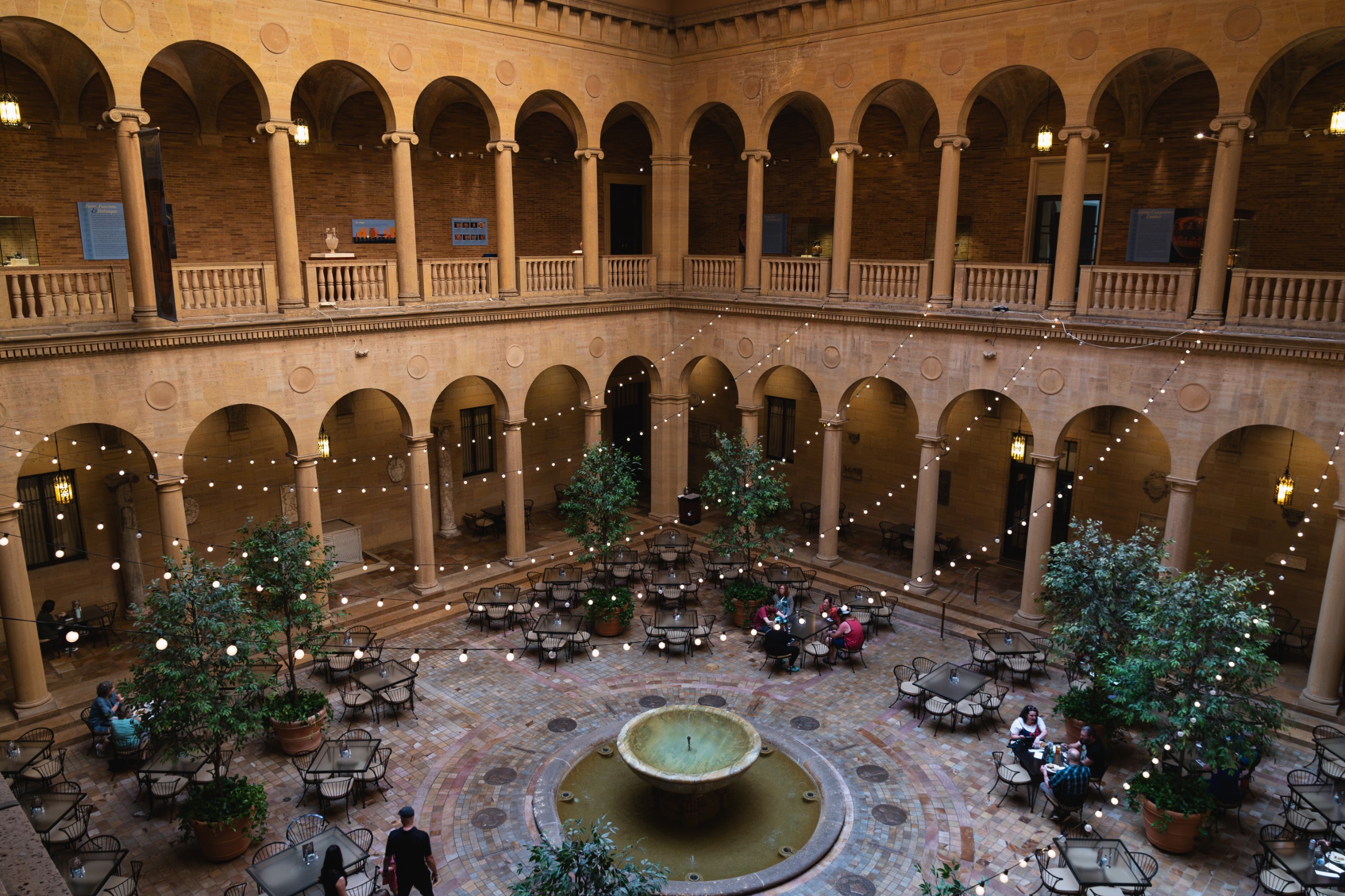
MuseumsQuartier (MQ) stands among Vienna’s most vibrant cultural hubs. While the museums inside require tickets, the courtyards remain completely free and give you access to an inspiring space filled with public art, modern seating, and architectural angles perfect for photos.
For first-time visitors, MQ offers a unique urban viewpoint—artistic, modern, and social. The open courtyards stay lively from morning until late evening, especially during spring and summer.
Free Seating, Cultural Vibe & Open Public Art
You can enjoy:
- Colorful lounge chairs where visitors relax or read
- Public art installations that change seasonally
- Stunning architectural contrasts between Baroque and contemporary buildings
- A vibrant atmosphere with events, music, and outdoor gatherings
The MQ courtyards work perfectly as a break spot during a long day of sightseeing or a place to experience Vienna’s modern cultural energy without spending money.
Free Cultural Experiences & Events in Vienna
Vienna stands among the world’s most culturally rich cities, yet many travelers don’t realize how much of that culture is accessible for free. In 2026, the city continues to offer open-air concerts, free-entry festivals, public performances, and lively seasonal celebrations that let first-time visitors experience Vienna’s music, art, and traditions without spending anything.
This section highlights the most exciting free cultural events and experiences you can enjoy across Vienna in 2026—ranging from iconic orchestral rehearsals to street performances, Christmas markets, film festivals, and New Year celebrations. These events give you a deeper look into Vienna’s artistic heartbeat and allow you to connect with the local community in the most authentic way.
Vienna Philharmonic Open-Air Rehearsals: A Free Classical Music Gift
Few cultural experiences in the world match the atmosphere of hearing the Vienna Philharmonic—one of the most respected orchestras on the planet—perform live. In 2026, travelers can once again enjoy free open-air rehearsals held before major concerts. These sessions give you an intimate glimpse of the orchestra preparing its world-class performances while surrounded by Vienna’s historic beauty.
For a first-time visitor, attending an open-air rehearsal feels unforgettable. You get to hear classical music played at the highest professional level, yet the environment remains relaxed and welcoming. Locals gather quietly, families sit on the grass, and music flows through the air, creating an atmosphere you cannot replicate indoors.
Dates & Access Information
- Rehearsals typically occur in late spring and early summer, often tied to the Philharmonic’s annual Summer Night Concert at Schönbrunn Palace.
- Entry is entirely free, and you do not need a reservation.
- Arrive at least 60–90 minutes early to secure a good viewing spot.
- Bring a light jacket—even summer evenings in Vienna can feel cool.
You’ll find a mix of travelers, classical music lovers, and locals enjoying the rehearsal as if it were a full concert. It’s easily one of the best free cultural moments Vienna offers each year.
Rathausplatz Film Festival (Free Entry): Vienna’s Biggest Open-Air Cinema
Each summer, Vienna transforms the square in front of the magnificent City Hall (Rathaus) into a lively cultural zone with the Rathausplatz Film Festival. This completely free event runs for several weeks and welcomes audiences from early evening until late night. For a first-time visitor, it delivers the perfect blend of culture, entertainment, and community spirit.
The setting feels magical: a giant outdoor screen, warm summer nights, and Vienna’s glowing City Hall providing a cinematic backdrop. You’ll find visitors of all ages gathering here—not just for films, but also for concerts, opera broadcasts, ballet performances, and musical highlights.
Free Screenings and Musical Performances
The festival offers:
- Free nightly screenings of classical concerts, operas, ballet shows, jazz performances, and international musical productions
- A lively food village where you can walk around and enjoy smells and sounds (buying food is optional)
- A family-friendly atmosphere where you can sit, relax, and enjoy the show
You can bring your own blanket, snacks, or soft drinks and enjoy the cultural experience without spending a cent.
In 2026, expect the film festival to continue its tradition of featuring recordings from:
- The Vienna State Opera
- The Vienna Philharmonic
- Famous opera performers
- International orchestras and dance companies
This is one of the city’s most beloved free events, and a must-visit for any traveler exploring Vienna in summer.
Free Walking Tours (Tips-Based): Learn Vienna’s History for Any Budget
Free walking tours have become a global travel favorite, and Vienna’s tours rank among Europe’s most informative. Although the tours operate on a tips-based model, joining them is technically free, giving travelers with any budget the chance to explore Vienna’s history and culture.
For first-time visitors, these tours offer the fastest and most enjoyable way to understand the city. Knowledgeable guides lead you through Vienna’s medieval streets, baroque squares, hidden courtyards, and important monuments while sharing stories, legends, architectural insights, and historical facts.
Best Free Tour Providers
Vienna offers several reputable free tour companies, including:
- Good Vienna Tours: Known for lively storytelling and structured routes.
- Prime Tours Vienna: Offers thematic tours such as history walks and modern Vienna routes.
- Vienna Free Tour: Focuses on must-see landmarks and beginner-friendly explanations.
You can simply show up at the meeting point or reserve a spot online.
What to Expect in 2026
In 2026, free tours continue to cover important sites such as:
- St. Stephen’s Cathedral
- Hofburg Palace exterior
- Graben and Kohlmarkt streets
- Michaelerplatz
- Spanish Riding School exterior
- State Opera House
- Historic old-town squares
Guides typically spend 1.5 to 2.5 hours guiding you through both iconic areas and lesser-known corners. You walk at a comfortable pace, making this perfect for travelers who want to learn the city layout quickly.
These tours help you understand Vienna beyond its attractions—its storytelling, humor, and cultural roots come alive during the experience.
Street Performances in Stephansplatz & Kärntner Straße
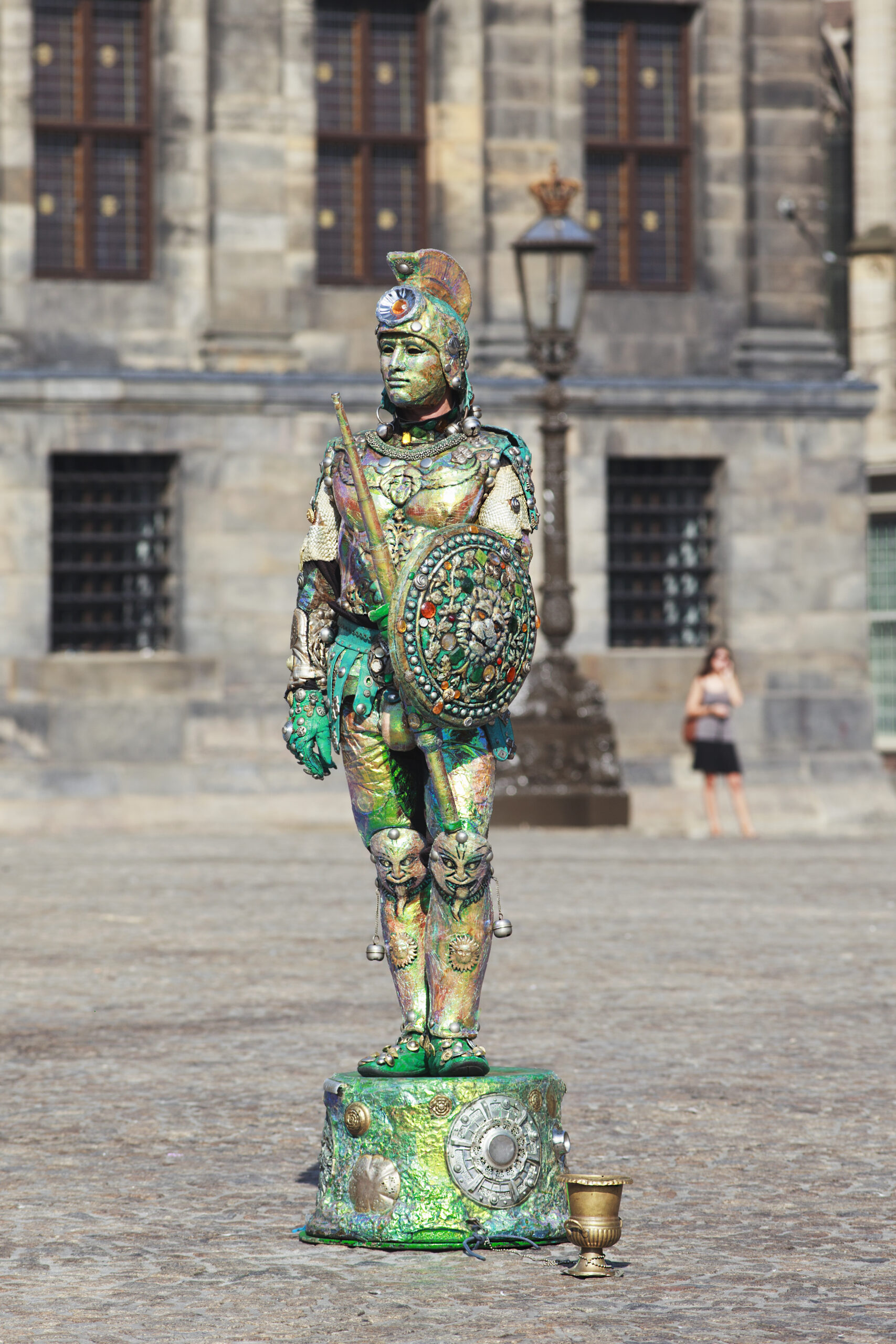
Vienna’s historic city center doesn’t just showcase architecture—it also acts as a vibrant stage filled with talented street performers. The areas around Stephansplatz and Kärntner Straße attract musicians, dancers, magicians, and creative entertainers throughout the year.
For a first-time visitor, these performances offer free cultural entertainment while you explore the pedestrian zones. You may encounter opera singers performing classic arias, classical guitarists playing Viennese waltzes, or modern performers creating lively moments for passersby.
Best Areas for Free Street Shows
You can enjoy quality performances at:
- Stephansplatz: Right in front of St. Stephen’s Cathedral
- Kärntner Straße: A long pedestrian shopping street filled with energy
- Graben: Surrounded by historic buildings and lively crowds
- Albertinaplatz: Near the State Opera, with frequent musicians
While tipping performers is appreciated, watching them is completely free. You can pause, listen, take photos, and continue exploring at your own pace.
These performances add life, sound, and emotion to your visit, allowing you to feel Vienna’s artistic soul right on the street.
Christmas Markets (Free to Enter): Vienna’s Most Magical Winter Experience
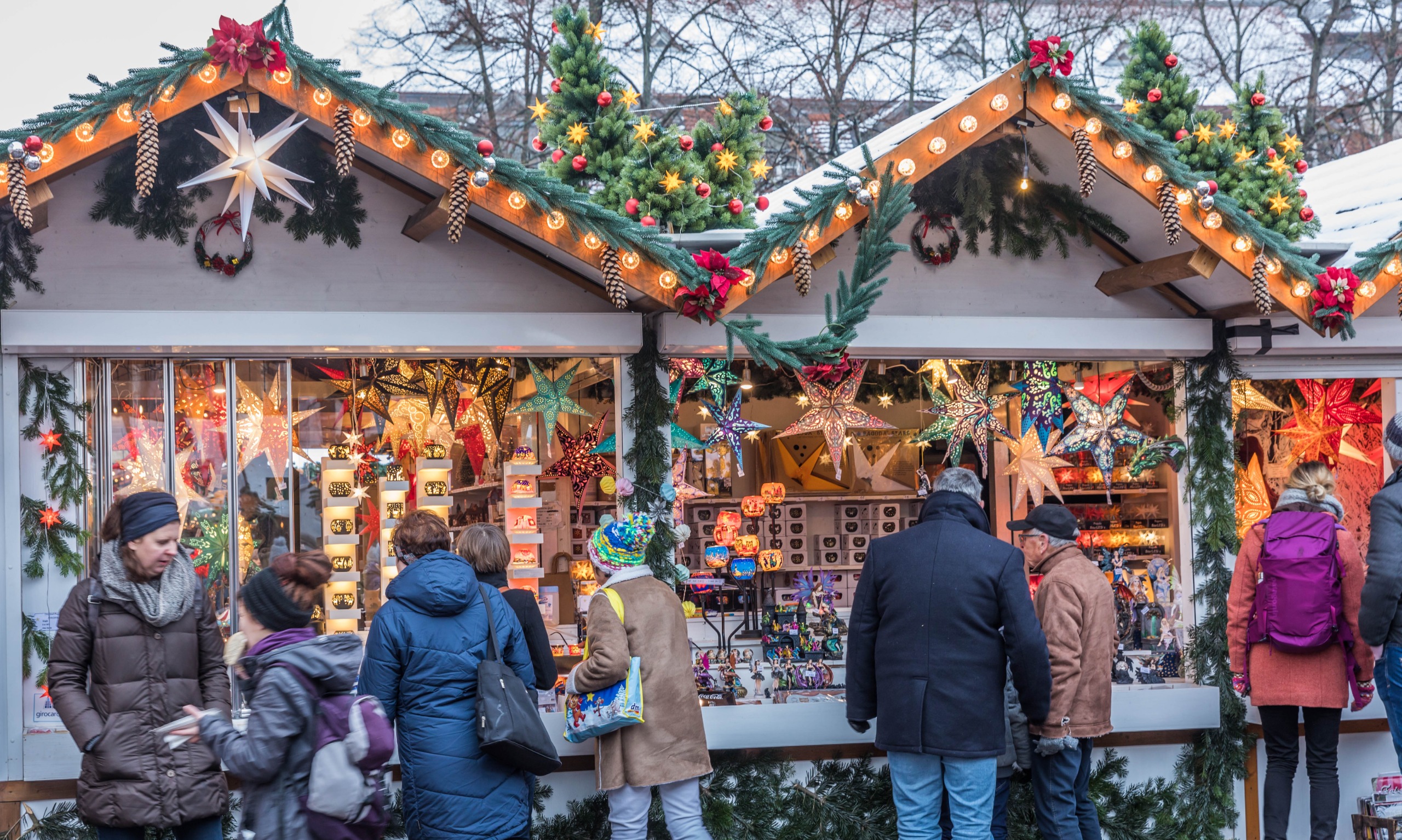
Vienna’s Christmas markets remain a highlight of the winter season, and all major markets are free to enter. As a first-time visitor, walking through these markets in December feels like stepping into a holiday postcard. You’ll find glowing lights, charming wooden stalls, festive decorations, and warm aromas floating through the air.
While food, drinks, and souvenirs cost money, exploring the markets, soaking in the ambiance, and taking photos cost nothing.
Schönbrunn Christmas Market
Held in front of the elegant Schönbrunn Palace, this market offers a luxurious and fairy-tale atmosphere. You can walk through courtyards filled with lights, handcrafted decorations, and classical music performances. Even without buying anything, the palace backdrop makes the visit extraordinary.
Rathausplatz Christmas Market
This is Vienna’s most iconic and largest Christmas market. The trees, lights, and ice-skating rink create a magical scene. You can stroll past hundreds of stalls, admire illuminated decorations, and enjoy free open-air concerts throughout the season.
Belvedere Christmas Market
Located beside the stunning Belvedere Palace, this market offers one of Vienna’s most photogenic settings. The palace reflects beautifully in the pond, especially at night, making it perfect for travelers who want holiday photos without spending money.
Each market showcases a unique atmosphere, and together, they highlight Vienna’s winter charm.
New Year’s Path (Silvesterpfad): Vienna’s Largest Free Celebration
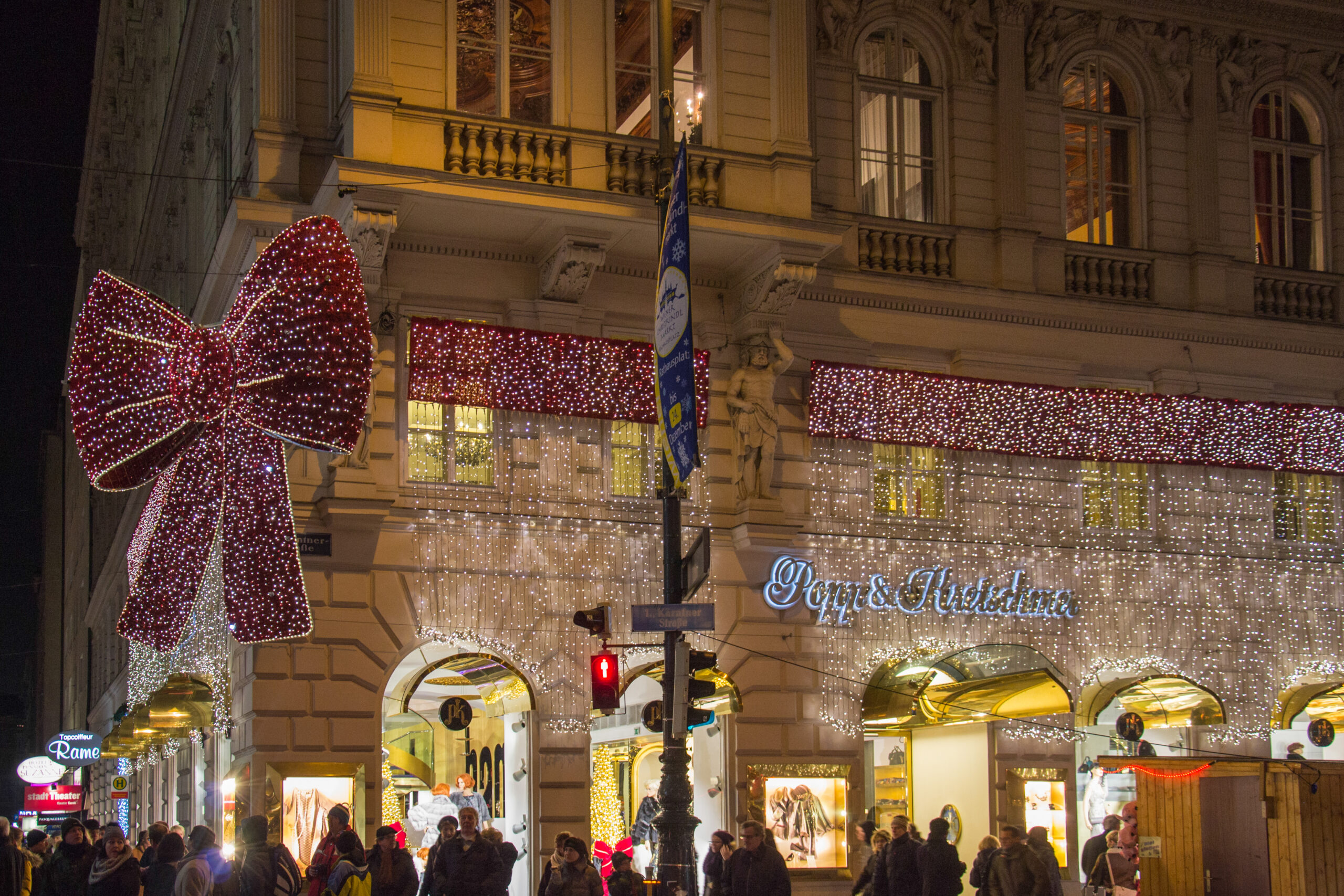
Vienna celebrates New Year’s Eve with one of Europe’s most exciting open-air parties—the Silvesterpfad (New Year’s Path). This free event transforms the city center into multiple stages filled with music, dancing, food stalls, and countdown celebrations.
For first-time visitors, Silvesterpfad offers an energetic, welcoming way to experience Vienna’s festive spirit. You can join crowds enjoying live concerts, DJs, classical music zones, and midnight fireworks that light up iconic buildings.
Free Concerts & Celebrations
The event includes:
- Multiple stages offering live pop, rock, classical, and folk music
- Free open-air ballroom dancing areas
- Countdown zones with festive lighting
- Street food alleys (buying food is optional)
- Midnight fireworks over the city
The entire celebration feels joyful, safe, and communal. Locals and visitors share the moment together, creating a friendly and festive environment.
If you want a memorable New Year’s Eve without spending money, this event gives you everything—music, culture, atmosphere, and celebration.
Free Historical & Architectural Attractions in Vienna
Vienna stands as one of Europe’s most architecturally impressive cities, with monumental palaces, Gothic cathedrals, Baroque masterpieces, and elegant 19th-century boulevards that reflect centuries of imperial history. What makes the city even more appealing is that many of these architectural wonders can be admired completely free, offering travelers a rich historical experience without any cost.
For first-time visitors, these free historical and architectural landmarks provide the perfect introduction to Vienna’s cultural identity. You can walk through centuries of Habsburg legacy, admire royal facades, enjoy palace gardens, and witness the city’s balanced blend of medieval, Renaissance, Baroque, and modern architecture—all without paying for entry.
This section explores the best free historical attractions to visit in Vienna in 2025 and explains what you can enjoy without spending anything.
St. Stephen’s Cathedral: Free Entry to Vienna’s Gothic Icon
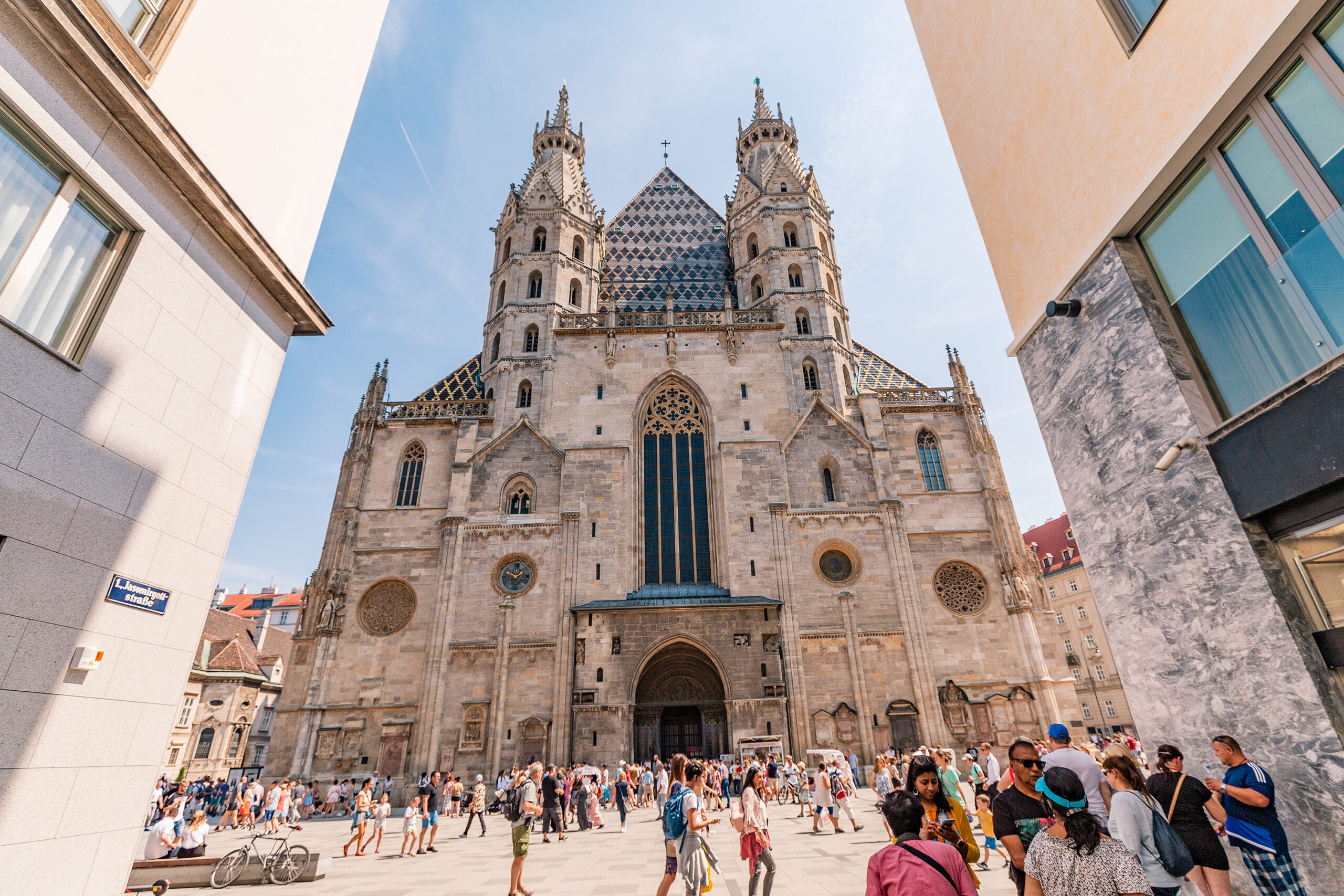
St. Stephen’s Cathedral (Stephansdom) stands at the very heart of Vienna and remains the city’s most recognizable symbol. Its towering Gothic spire, patterned roof tiles, and centuries-old stone carvings make it one of Europe’s most captivating cathedrals. While some areas of the cathedral require tickets, a significant section of the interior remains free to enter, offering visitors a meaningful cultural and spiritual experience at no cost.
What You Can Explore for Free
Inside the free entry area, you can admire:
- The central nave, with its high Gothic arches and dramatic stone columns
- Stained-glass windows dating back to medieval craftsmanship
- Religious sculptures and altars representing Vienna’s artistic traditions
- Historic chapels, visible from designated viewing zones
- The cathedral’s grand organ, an impressive feature even from a distance
The free section still allows you to feel the cathedral’s spiritual grandeur. Light streams through colored glass, the stonework rises above you in intricate detail, and the atmosphere feels both sacred and monumental.
Outside, you can walk around the cathedral to photograph:
- The colorful mosaic roof
- The South Tower (Steffl), Vienna’s tallest medieval structure
- Gothic doorways decorated with biblical carvings
Visiting St. Stephen’s Cathedral offers a powerful introduction to Vienna’s historical heart and you enjoy all of this without spending anything.
Karlskirche Exterior & Karlsplatz: A Baroque Masterpiece Reflected in Water
Karlskirche (St. Charles Church) stands as one of Vienna’s most stunning Baroque buildings, known for its enormous dome, twin columns inspired by Trajan’s Column in Rome, and its wide symmetrical façade. While entering the church requires a ticket, the exterior and entire Karlsplatz area remain completely free for visitors.
Free Pond Reflections
The pond in front of Karlskirche creates a perfect mirror-like reflection of the church. This natural reflection makes the church one of the most photographed landmarks in Vienna.
At sunset, the golden light enhances the effect, turning Karlsplatz into a dreamlike scene ideal for photography lovers.
Architecture Photography
From outdoors, you can admire:
- The grand dome, one of the largest Baroque domes in Central Europe
- The spiral narrative columns, decorated with sculpted scenes
- The festive façade, perfectly symmetrical and iconic
- The open square surrounded by historic buildings and modern installations
Karlsplatz is also a lively cultural space. Depending on the season, you may find live music, art installations, open-air exhibitions, or festivals taking place—all visible for free.
Hofburg Imperial Palace Grounds: Walk Through Habsburg History for Free
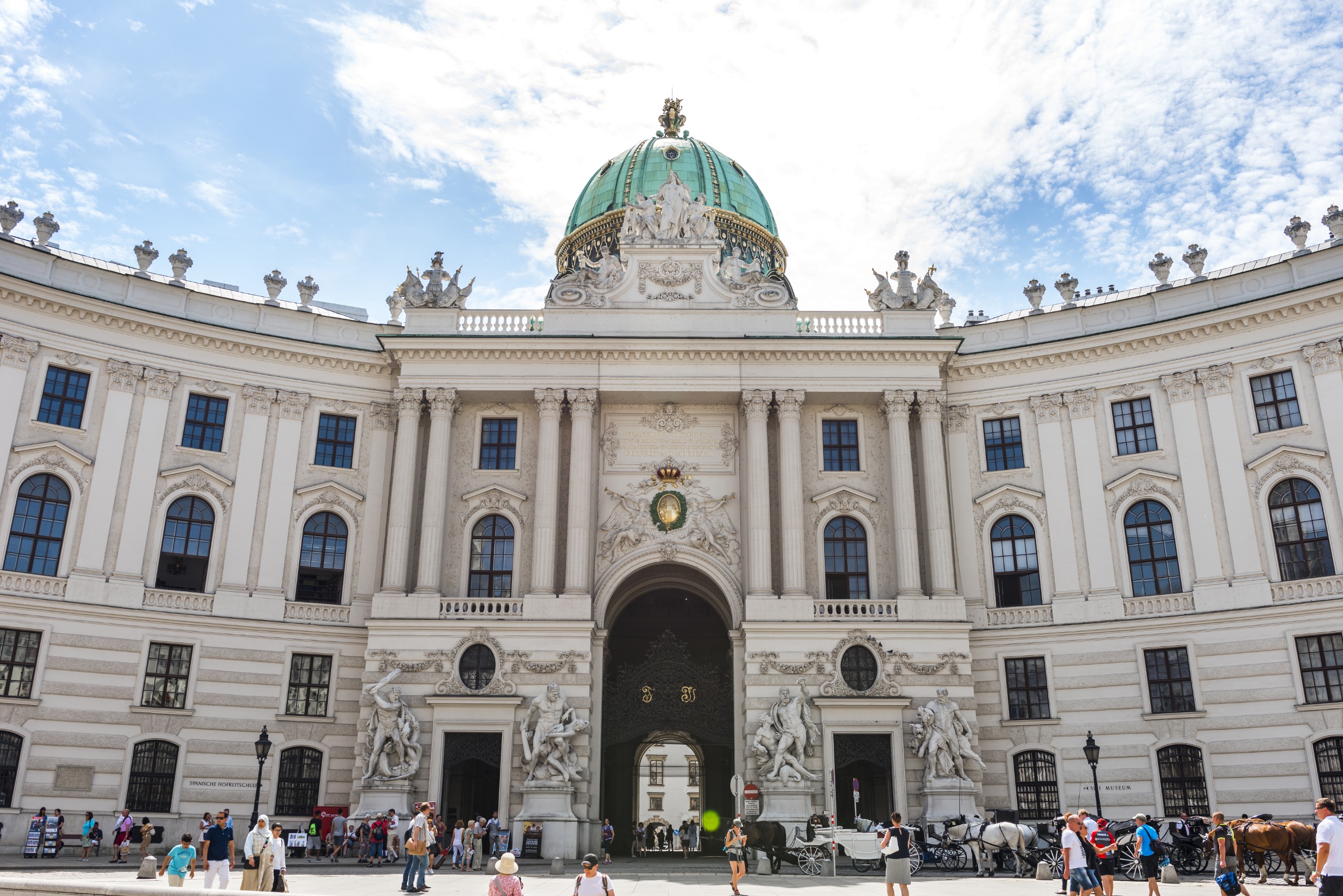
The Hofburg Imperial Palace once served as the political and ceremonial heart of the Habsburg Empire. Today, it remains one of Vienna’s most impressive landmarks, with sprawling architectural wings, historic courtyards, manicured squares, and monumental gateways.
While certain museums inside the palace require tickets, exploring the palace grounds is entirely free. For a first-time visitor, walking through Hofburg feels like stepping into imperial history.
Open Courtyards
The palace features multiple courtyards, each offering a different architectural style:
- Michaelerplatz: Famous for its domed entrance and Roman excavations
- Swiss Courtyard: Home to the palace’s oldest buildings
- Inner Castle Court: Surrounded by statues, arches, and Habsburg symbols
- Heldenplatz: A grand open square with monumental views
These courtyards remain open to the public day and night. You can walk through them, take photos, sit on benches, and admire the many details carved into the palace’s facades.
National Library Exterior Views
The Austrian National Library, located within the Hofburg complex, features one of the most beautiful Baroque facades in Europe. Even if you don’t enter the library, you can enjoy:
- Massive stone columns
- Classical statues
- Elegant windows and sculpted pediments
The square in front of the library offers fantastic photo angles, especially during sunset when the building glows gold.
Belvedere Garden: Free Baroque Landscapes & Palace Views
Belvedere Palace remains one of Vienna’s most picturesque attractions. While entering the Upper or Lower Belvedere museums requires tickets, the formal Baroque gardens between the two palaces are completely free. This makes the gardens one of Vienna’s best-cost-free architectural experiences.
For first-time visitors, Belvedere offers postcard-perfect scenery from every angle. You can walk between terraced gardens, fountains, sculptures, and manicured hedges—all leading toward two grand palaces that symbolize Vienna’s imperial beauty.
Free Landscape and Palace Views
Inside the free garden area, you can enjoy:
- Symmetrical lawns designed by Baroque landscape architects
- Decorative fountains surrounded by sculptures
- Terraced walkways offering elevated palace views
- Wide-angle photography spots with both palaces in the frame
- Seasonal flowers and greenery that transform the garden throughout the year
One of the most impressive free viewpoints allows you to see the Lower Belvedere behind you and the Upper Belvedere rising majestically ahead. The sight feels almost cinematic—especially at sunrise or in early evening light.
Belvedere Gardens offer both beauty and calm. You can stroll peacefully, watch visitors from afar, or sit along the pathways to enjoy Vienna’s refined atmosphere.
Ringstrasse Walk: A Free Journey Through Vienna’s Grand Architecture
The Ringstrasse is one of Europe’s most spectacular boulevards. Built in the 19th century during the Habsburg modernization of Vienna, this circular road is lined with historic buildings, museums, palaces, and monumental architecture. Walking the Ringstrasse is completely free, and for first-time visitors, it’s one of the best ways to understand Vienna’s identity as a city of culture, power, and elegance.
Major Architectural Sites Along the Route
As you walk along the Ringstrasse, you can admire several world-famous landmarks, including:
- Vienna State Opera: An iconic Neo-Renaissance masterpiece
- Parliament Building: Featuring grand columns inspired by ancient Greece
- City Hall (Rathaus): A Gothic Revival landmark with a dramatic tower
- Burgtheater: One of Europe’s most prestigious theaters
- University of Vienna: A stunning academic building with arcaded courtyards
- Museum of Natural History & Museum of Art History: Twin palaces facing each other
- Hofburg Palace wings: Including Heldenplatz and the monumental facades
You can follow the Ringstrasse on foot or by tram, but walking helps you notice the many details from sculptures and arches to fountains and gardens.
The entire boulevard surrounds Vienna’s historic center and feels like an open-air architectural museum.
Free Activities for Families in Vienna
Traveling with family in Vienna feels effortless because the city blends safety, accessibility, and culture with dozens of free attractions. Parents appreciate how the city keeps kids entertained without straining the budget, and children love the natural spaces, interactive installations, and outdoor play areas. Here’s a detailed guide to the best free family-friendly activities that offer fun, exploration, and memorable experiences in the heart of Austria’s capital.
Playgrounds at Prater & Danube Island
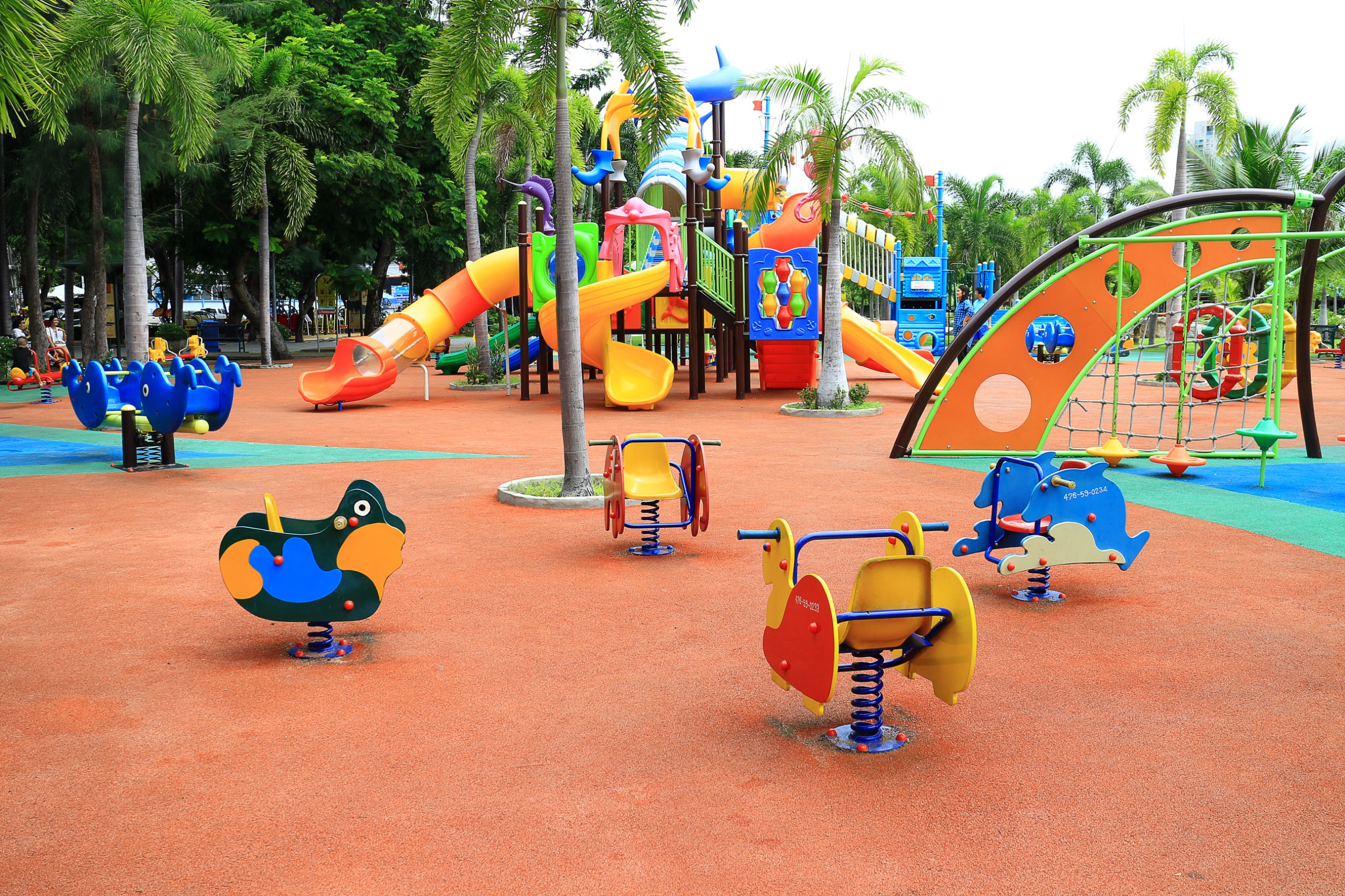
Prater’s Family Playgrounds
Prater is more than its amusement park rides—it’s a massive green playground for kids. Families regularly visit Prater’s open play zones, where children run, climb, swing, and explore the creatively designed equipment. The playgrounds include rope towers, wooden forts, giant slides, and sand areas that allow young travelers to burn off energy while parents enjoy the calm of Vienna’s oldest public park.
Because Prater offers wide, open spaces, families with strollers find navigation easy. You can enjoy shaded benches, long pedestrian paths, and grassy areas perfect for picnics. Many visitors appreciate that the playgrounds sit away from the crowds of the main amusement rides, allowing kids to play safely in quieter zones.
Danube Island’s Outdoor Fun
Danube Island (Donauinsel) is another excellent family stop offering nature, water views, and multiple playgrounds. The island is car-free, which makes it a relaxing space for families with young children. You can bring bikes, scooters, or picnic blankets and spend the day exploring the riverside trails.
Children love the island’s themed play zones, especially the water-themed features where they can splash, climb, and experiment with water mechanisms. Danube Island also includes family swimming spots, open fields, and relaxing gazebos for parents. The area stays lively in the summer with free festivals and kid-friendly events, making it a perfect spot for a full day of no-cost entertainment.
Butterfly Garden Exterior Viewing Area
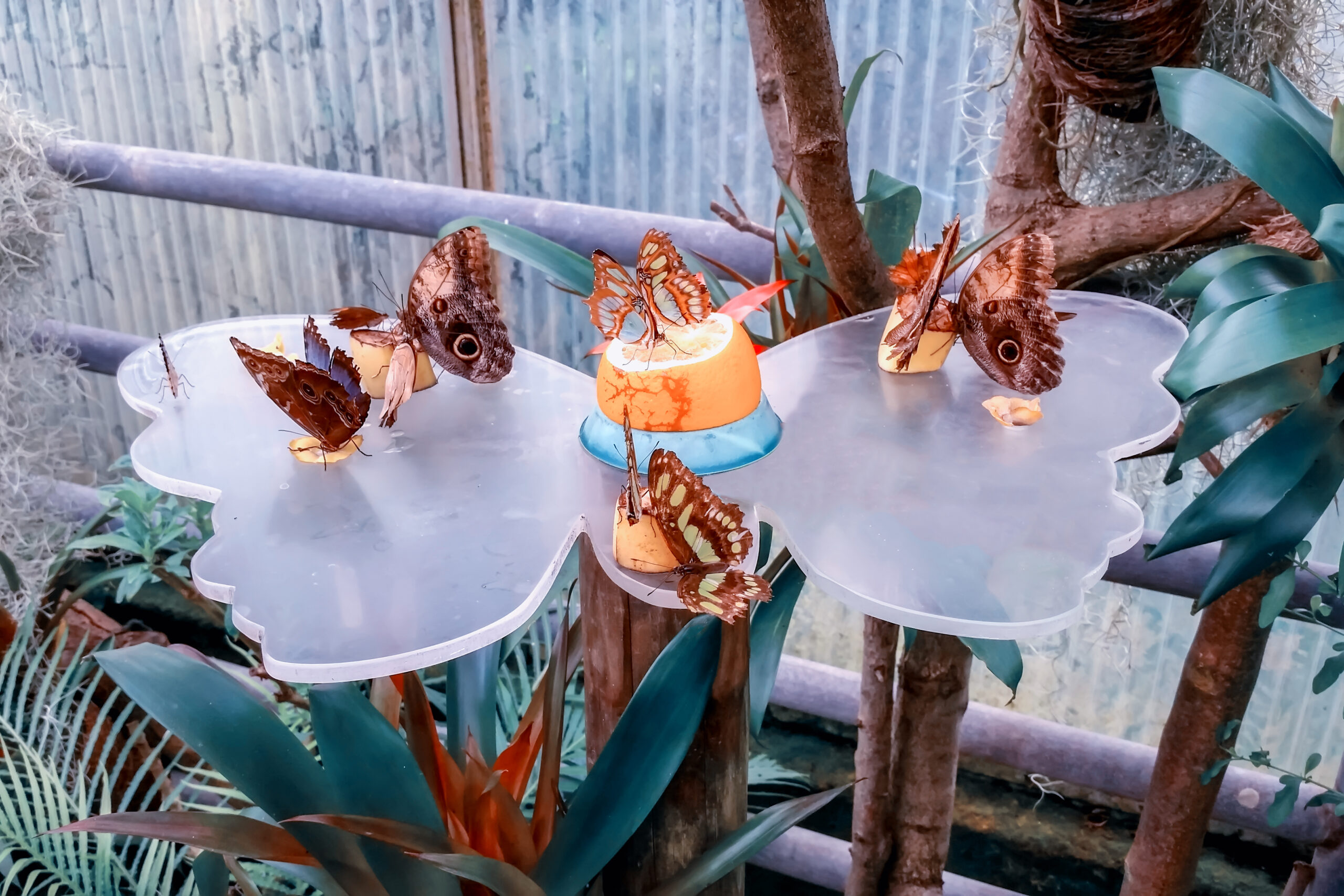
The Schmetterlinghaus (Butterfly House) in Burggarten is a tropical paradise filled with exotic butterflies, but its exterior viewing area also delights families for free. Parents can bring children to watch butterflies flit around the glass façade, especially during warm daylight hours when the creatures remain active.
The surrounding park creates a safe and scenic space for families to relax. Kids often enjoy running on the grassy lawns, observing ducks in nearby ponds, or taking pictures near the Palm House structure. While the indoor space requires paid entry, the exterior area gives families a glimpse of Vienna’s beauty and biodiversity without any cost.
Family Workshops on Free Museum Days
Vienna’s museums frequently host free entry days, and many of them include family-friendly workshops. These interactive sessions teach kids about history, art, and nature through fun activities such as:
- Drawing sessions
- Sculpture-making
- Storytelling programs
- Interactive quizzes
- Hands-on science experiments
The museums typically adapt the workshops to different age groups, making them ideal for families with multiple children. Parents like these events because they provide structured learning experiences and offer a cultural break after outdoor sightseeing.
Although you must check museum schedules ahead of time, these free workshop days add tremendous value to a family vacation. They allow children to connect with Vienna’s artistic and historical heritage in an entertaining, memorable way.
ZOOM Children’s Museum (Free Events – Limited)
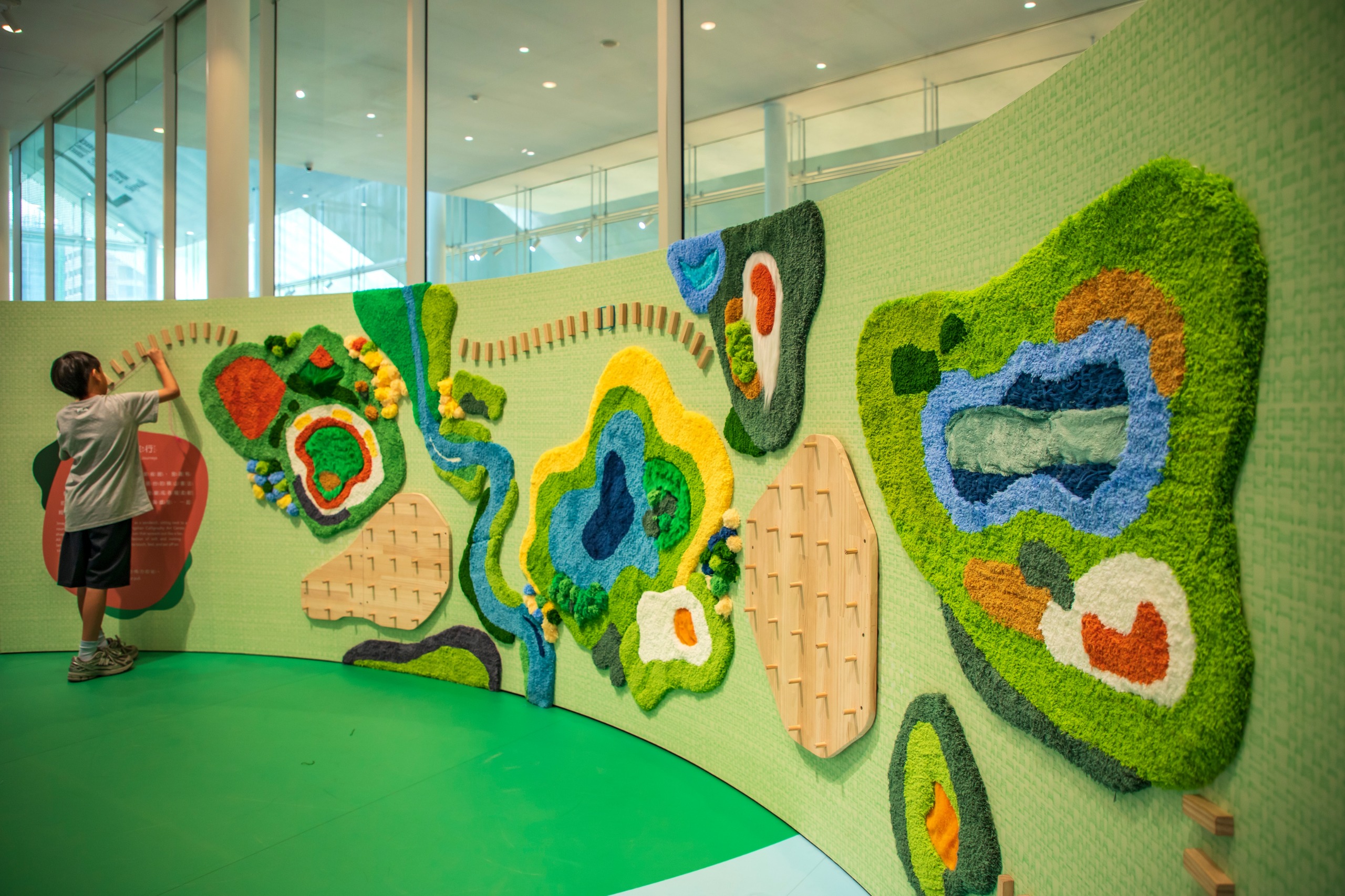
ZOOM Children’s Museum at MuseumsQuartier is one of Vienna’s most loved family attractions. While most exhibitions require a ticket, ZOOM occasionally offers free events or outdoor programs for children. These limited free sessions include:
- Open art studios
- Creative outdoor labs
- Sensory-based play activities
- Kids’ crafts and workshops
ZOOM’s staff focuses on hands-on learning, allowing children to paint, build, touch, and explore. Because spots fill up quickly, families benefit from checking the museum’s event calendar in advance. Even without entering the museum, the outdoor MQ courtyards provide kids with space to run and explore while parents enjoy the artistic atmosphere.
Free Activities for Solo Travelers & Students
Vienna treats solo travelers and students exceptionally well. The city’s transportation network is efficient, public spaces feel safe, and cultural institutions welcome curious learners. Whether you’re studying abroad, backpacking across Europe, or taking a solo trip, Vienna offers a treasure trove of free experiences that enrich your journey without affecting your budget.
Public Libraries & Study Spaces
Vienna’s public libraries give students and solo travelers clean, quiet, and comfortable study environments. The Main Library at Urban-Loritz-Platz is especially popular for its modern architecture, open design, and panoramic rooftop views.
Why Libraries Are Great for Visitors
- Free Wi-Fi
- Spacious desks and reading corners
- Quiet atmosphere
- Multilingual collections
- Cultural events, author readings, and exhibitions
Students love the libraries because they provide focused study zones, while solo travelers enjoy peaceful browsing sessions between sightseeing activities. Some libraries feature outdoor seating where you can relax with a book under the Viennese sky.
Free Community Events at MuseumsQuartier (MQ)
MuseumsQuartier stands out as one of Vienna’s cultural powerhouses—and one of the best free gathering spots in the city. Solo travelers and students often use MQ as a social hub because the courtyards host continuous free events, performances, and pop-up art activities.
Popular Free MQ Activities
- Outdoor film screenings
- Live music sessions
- Street performances
- Public art installations
- Open-air exhibitions
- Student meetups and creative workshops
The iconic Enzi loungers offer comfortable seating, making MQ a favorite place for people-watching, reading, or chatting with fellow travelers. The atmosphere feels both artistic and relaxed, which appeals especially to young adults exploring the city alone.
University Botanical Garden
Located near Belvedere Palace, the University Botanical Garden is a serene, educational escape ideal for solo travelers. Students visit for quiet study breaks, while nature lovers enjoy walking through its lush plant zones.
What Makes This Garden Appealing
- Free entry year-round
- Peaceful walking paths
- Rare plant species
- Shaded benches for reading
- Photography opportunities
Solo visitors often appreciate the ability to wander the garden at their own pace, observing seasonal blooms and unique plant collections. The setting encourages reflection, creativity, and relaxation, making it a perfect break from the city’s busier attractions.
Free Architecture Tours (Self-Guided)
Vienna’s architecture is one of its greatest treasures, and you can explore it freely with self-guided walking tours. Students and solo travelers love these routes because they offer flexibility, independence, and a chance to experience the city without spending money.
Highlights of Free Architecture Walks
- Ringstrasse’s grand buildings
- Jugendstil (Art Nouveau) masterpieces
- Historic residential courtyards
- Gothic and Baroque façades
- Modernist designs and contemporary structures
You can download free maps or follow online guides to learn about architectural styles and history. These walks allow visitors to connect deeply with Vienna’s aesthetic identity and discover streets, hidden corners, and neighborhoods typically missed by standard tours.
Summary Table: Free Activities for Families & Solo Travelers
| Category | Attraction | Highlights | Ideal For |
| Families | Prater Playgrounds | Creative play zones & open lawns | Kids 2–12 |
| Families | Danube Island | Water play, bike trails, picnic spots | All ages |
| Families | Butterfly Garden (Exterior) | Outdoor viewing & park space | Toddlers & young kids |
| Families | Museum Free Days | Workshops & art sessions | Families with multiple kids |
| Families | ZOOM Free Events | Creative labs & art programs | Ages 4–12 |
| Solo/Students | Public Libraries | Study spaces, Wi-Fi, rooftop views | Students, digital nomads |
| Solo/Students | MQ Events | Music, exhibitions, cultural gatherings | Youth & creatives |
| Solo/Students | Botanical Garden | Peaceful walks & plant variety | Nature lovers |
| Solo/Students | Self-Guided Architecture Tours | Flexible sightseeing | Independent travelers |
Free Neighborhoods to Explore in Vienna
Vienna’s neighborhoods tell the city’s story far beyond museums and palace walls. Each district, known locally as a “Bezirk,” offers its own identity shaped by architecture, history, culture, and community life. Exploring these areas costs nothing and gives first-time visitors an authentic feel for the real Vienna—its rhythm, flavors, and everyday charm. Whether you’re walking through grand imperial streets or discovering artistic corners, you can experience Vienna like a local without paying a single euro.
Below is a detailed guide to the best free neighborhoods to wander as a first-time traveler.
Innere Stadt (Old Town)
Innere Stadt, Vienna’s historic first district, is the city’s core and a UNESCO World Heritage Site. Even if you spend hours here, you won’t run out of free things to see. The cobblestone streets, Gothic spires, and Baroque façades transport you back in time, and almost every street corner reveals another postcard-worthy moment.
What You Can Explore for Free
- Narrow medieval alleys
- St. Stephen’s Cathedral exterior
- Graben and Kohlmarkt luxury shopping streets
- The elegant Pestsäule (Plague Column)
- Spanish Riding School courtyard
- Michaelerplatz Roman ruins
- Hofburg Palace exteriors and arcades
The Old Town feels like an open-air museum. You can walk through its historic lanes with no entry fee and take in centuries of architecture. The city keeps these streets pedestrian-friendly, making wandering safe and enjoyable. If you’re traveling alone, you’ll appreciate the relaxed pace; if you’re traveling as a couple or with friends, the ambiance adds romance and cultural depth.
Innere Stadt also offers hidden courtyards and arcades known as “Durchhäuser.” These passageways connect streets through elegant residential courtyards and give you a quiet escape from the busy main squares.
Neubau
Neubau, Vienna’s Seventh District, gives you a completely different vibe from the imperial center. It’s Vienna’s creative hub—filled with boutiques, street art, indie galleries, and design shops. First-time visitors often fall in love with Neubau because it’s effortlessly cool, walkable, and full of character.
Why Neubau Is Perfect for Free Exploration
- Bohemian cafés
- Trendy fashion streets like Neubaugasse
- Independent bookstores
- Artisan workshops
- Vibrant street murals
- MuseumsQuartier’s outdoor cultural spaces
MuseumsQuartier (MQ), located at the edge of Neubau, acts as the district’s creative heart. The courtyards host free exhibitions, performances, and seasonal events. Students, artists, and travelers gather on colorful “Enzi” loungers to enjoy the sun or listen to live music.
Neubau rewards curious wanderers. The more you explore, the more you discover—hidden staircases, vintage stores, quiet alleys, and pop-up galleries. It’s the perfect district for travelers who love culture and creativity without spending money.
Josefstadt
Josefstadt is Vienna’s smallest district, but it’s one of its most charming. Known for its residential calm, elegant buildings, and intellectual atmosphere, Josefstadt offers a peaceful escape just minutes from the busy Ringstrasse.
What Makes Josefstadt Worth Exploring
- Baroque façades and quiet courtyards
- Historic theaters such as Theater in der Josefstadt (exterior)
- Local cafés lining Josefsgasse and Piaristengasse
- Old bookstores and academic institutions
- Street sculptures and preserved townhouses
Josefstadt is a neighborhood you stroll through slowly. The district doesn’t rely on big attractions; instead, it charms visitors with refined streets, warm community vibes, and hidden gems. Many travelers visit after exploring the Rathaus (City Hall), as Josefstadt sits right behind it.
If you enjoy photography, Josefstadt offers stunning compositions—arched doorways, pastel façades, leafy balconies, and narrow lanes that capture Vienna’s classic residential beauty.
Landstraße
Landstraße combines elegance, history, and modern culture. As Vienna’s Third District, it offers free attractions, beautiful parks, and lively shopping streets. Even though it houses famous paid sites like Belvedere Palace and Hundertwasser House, you can still explore much of its cultural landscape without spending a cent.
Top Free Highlights in Landstraße
- Belvedere Gardens
- Botanical Garden (free entry)
- Hundertwasser Village (free to enter, browsing allowed)
- Artisanal stores and quirky cafés on Löwengasse
- City Park edges extending into the district
Belvedere Gardens are a major draw for first-time visitors. Their manicured lawns, reflective ponds, and panoramic palace views feel straight out of a period film. You can walk the full length of the gardens, take photos, relax near the fountains, and admire sculptures decorating the walkways.
Landstraße also connects well by public transport, making it an easy district to include in a one-day itinerary.
Leopoldstadt
Leopoldstadt, Vienna’s Second District, sits between the Danube Canal and the Danube River. It’s one of the city’s greenest districts and offers endless free outdoor activities. Whether you enjoy nature, community life, or historical architecture, Leopoldstadt gives you a diverse mix.
Best Free Spots in Leopoldstadt
- Prater public park
- Danube Island (Donauinsel)
- Karmelitermarkt (market browsing is free)
- Augarten, a historic baroque park
- Riverside walking paths along the Danube Canal
Leopoldstadt feels particularly vibrant in warm weather. Families picnic in Prater, cyclists fill the riverside paths, and visitors relax under shady trees. Augarten adds a historical touch with its porcelain factory exterior, WWII flak towers (seen from outside), and peaceful walking gardens.
For first-time visitors, Leopoldstadt reveals Vienna’s local lifestyle—weekend markets, runners along the river, and neighborhoods full of life.
Free Seasonal Activities in Vienna
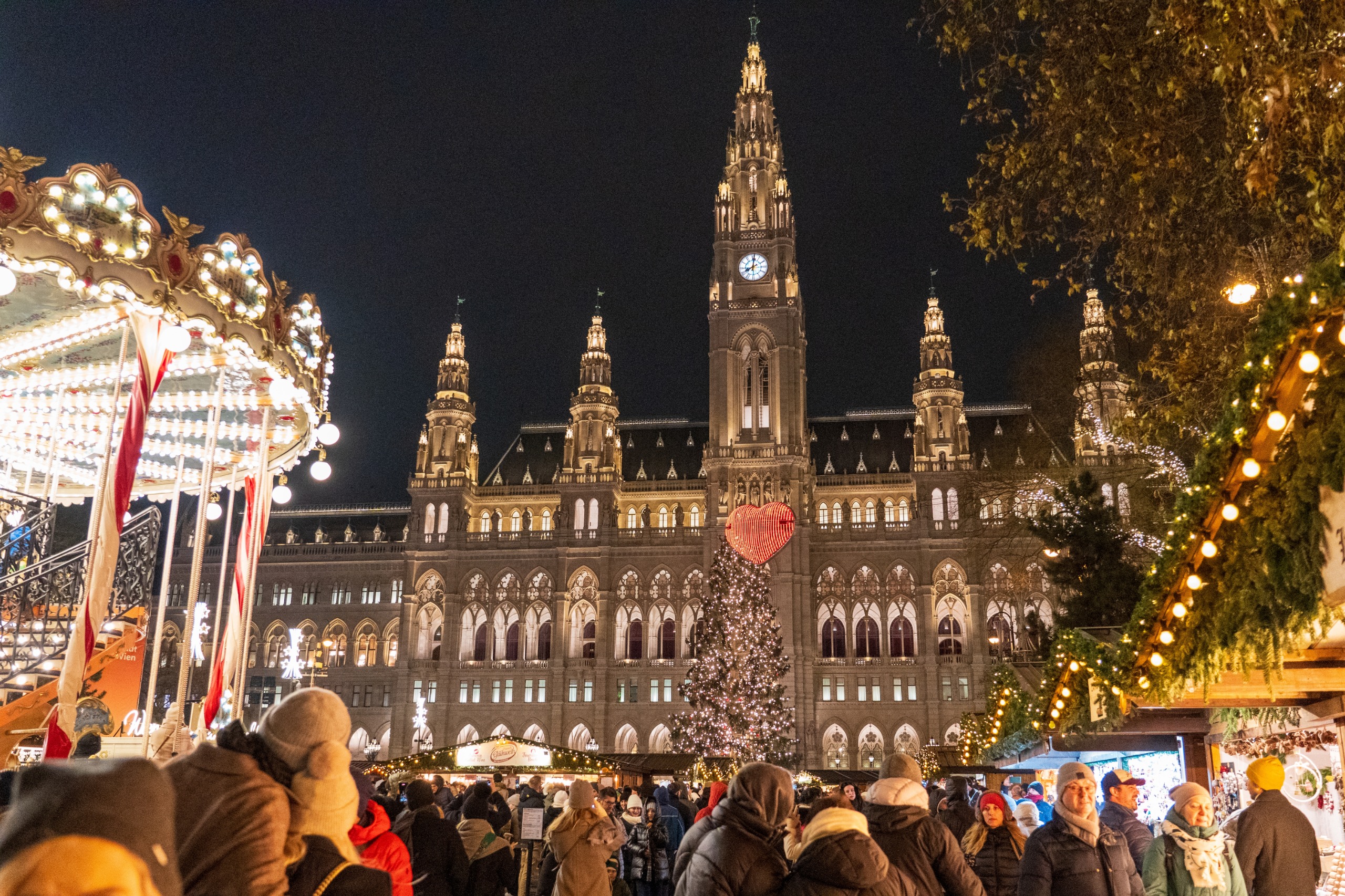
Vienna changes beautifully with every season. Spring bursts with blossoms, summer brings open-air festivals, autumn paints vineyards in gold, and winter transforms the city into a glowing Christmas postcard. First-time visitors can enjoy unique, free activities throughout the year without stretching their budget. Below is a detailed seasonal guide covering the best free events and experiences.
Spring in Vienna
Spring arrives in Vienna with fresh colors, mild temperatures, and outdoor festivities. First-time travelers love this season because the city looks vibrant and the parks feel inviting.
Top Free Spring Activities
Cherry Blossoms
Parks like Stadtpark, Türkenschanzpark, and the gardens around the University of Vienna erupt in pink and white blossoms. These spots become popular photography locations, especially in April. Walking under the blooming trees feels magical and costs nothing.
Strolling Through Parks
Vienna’s parks transform into outdoor living rooms for locals. You can enjoy:
- Open lawns at Burggarten
- Lakeside paths at Donaupark
- Flower gardens at Volksgarten
- Rose blooms in May and June
Spring is the best time for picnics, reading breaks, and relaxed family outings.
Easter Markets (Browsing for Free)
Vienna hosts colorful Easter markets in:
- Schönbrunn Palace
- Freyung Square
- Am Hof Square
You can browse decorated eggs, handmade crafts, and seasonal displays for free. The atmosphere feels festive even if you don’t buy anything.
Summer in Vienna
Summer brings long daylight hours and outdoor culture across the city. First-time visitors enjoy this season because Vienna truly comes alive with music, festivals, and river activities.
Best Free Summer Activities
Outdoor Concerts
Vienna hosts numerous free concerts:
- Classical music at Rathausplatz
- Jazz at open-air stages
- Community music in local districts
- Street performers at Kärntnerstrasse and Stephansplatz
The Film Festival at Rathausplatz is the highlight of summer. While the films require paid seating for some areas, the plaza offers free entry and live atmosphere for everyone.
Danube Island Free Events
Danube Island becomes the city’s summer hotspot. You can:
- Swim in clean, calm waters
- Attend free concerts and community events
- Cycle or skate along miles of pathways
- Join beach volleyball games
- Enjoy sunset views over the river
The famous Donauinselfest, one of Europe’s largest free outdoor festivals, also takes place here.
Autumn in Vienna
Autumn in Vienna feels warm, colorful, and romantic. The city’s parks shift to orange and gold, and the air becomes crisp. For first-time visitors, this is one of the most picturesque seasons.
Free Autumn Activities
Wine Hiking Trails at Kahlenberg & Nussberg
Vienna is one of the few global capitals with its own vineyards. In autumn, you can hike:
- Kahlenberg Ridge
- Nussberg Vineyards
- Grinzing paths
- Cobenzl trails
These trails offer breathtaking views of the city skyline, rolling vineyards, and the Danube River. Many wineries open their terraces, allowing visitors to sit freely, enjoy views, and if they choose, purchase a glass of wine—not mandatory.
Park Walks
Parks showcase rich fall colors, especially in:
- Schönbrunn Gardens
- Augarten
- Türkenschanzpark
- Belvedere Gardens
These spots are perfect for photography, quiet walks, and picnics.
Winter in Vienna
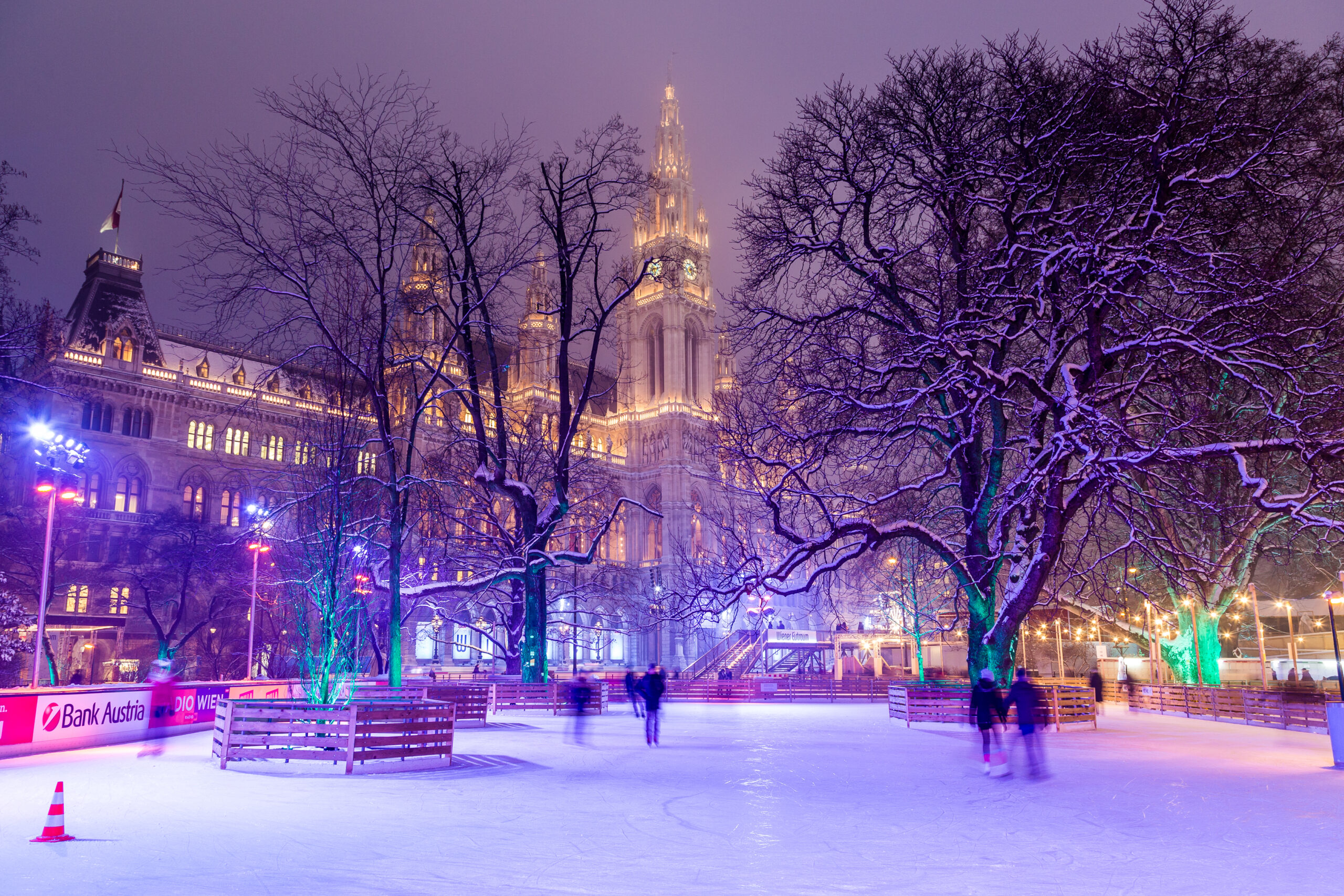
Winter turns Vienna into a fairy-tale setting. The lights, decorations, and festive atmosphere make the city feel magical for first-time visitors. Even without spending, you can enjoy the best parts of the season.
Free Winter Activities
Christmas Decorations
Vienna’s Christmas lights create a breathtaking nighttime experience. Wander through:
- Kärntnerstrasse
- Graben
- Rathausplatz
- Rotenturmstrasse
- Maria-Theresien-Platz
Every district decorates differently, creating endless photo opportunities.
Free Access to Christmas Market (Browsing Allowed)
Vienna’s famous Christmas markets are free to enter. You can explore:
- Rathausplatz Christkindlmarkt
- Belvedere Palace Market
- Spittelberg Market
- Schönbrunn Christmas Market
Even if you don’t buy anything, the atmosphere, music, and festive displays feel enchanting.
Final Thoughts: Experience Vienna’s Best Without Spending a Euro
Vienna proves that world-class travel doesn’t need a luxury budget. The city blends imperial beauty, modern culture, and natural landscapes in ways that stay completely accessible to every traveler—including those exploring freely in 2026. From strolling through elegant palace gardens to wandering historic alleys, joining open-air festivals, listening to free concerts, exploring green parks, or simply enjoying the city’s architectural masterpieces, Vienna offers countless experiences that feel rich yet cost nothing.
For first-time visitors, these free attractions create the perfect introduction to Vienna’s incredible charm. You can begin your mornings with panoramic views from Kahlenberg, spend afternoons discovering lively neighborhoods like Neubau or Leopoldstadt, and close your evenings at vibrant public spaces like MuseumsQuartier or Rathausplatz. Every season brings something unique—spring blossoms, summer concerts, autumn vineyard hikes, and winter’s magical Christmas lights—all free and open to everyone.
Vienna’s true value lies in its openness. The city invites you to slow down, explore, wander, and absorb its culture at your own pace. Whether you’re traveling solo, with family, or with friends, these free experiences help you feel the soul of Vienna without rushing through paid attractions.
As you plan your 2026 trip, embrace the freedom to enjoy Vienna your way. The city rewards curiosity, and its best sights—its parks, riverbanks, viewpoints, courtyards, markets, and iconic streets—are waiting for you at no cost. Vienna proves that unforgettable travel moments don’t come from spending more; they come from discovering more.
