

Vienna in 2026 stands out as one of Europe’s most accessible capitals, thanks to its thoughtful design, well-planned urban upgrades, and strong commitment to barrier-free travel. For first-time visitors, especially travelers who depend on step-free routes, accessible elevators, mobility aids, or easy-to-navigate public transit, the city offers an experience grounded in independence and comfort. Vienna makes exploring art museums, historic palaces, parks, neighborhoods, and shopping districts surprisingly effortless—even if mobility, sensory, or cognitive accessibility is essential.
What sets Vienna apart is not only the presence of ramps, elevators, tactile paving, or low-floor trams, but the seamless way these features blend into everyday movement. Whether you’re arriving from the airport, taking the U-Bahn to the city center, or strolling through pedestrian streets in Innere Stadt, the city ensures minimal obstacles and clear guidance. Vienna has also invested heavily in digital accessibility, real-time elevator information, and visitor-friendly maps, so travelers can move confidently without needing constant assistance.
In 2026, the city’s accessibility achievements earned it international recognition, reaffirming its role as a model for inclusive urban design. This blog explores why Vienna leads in accessibility and how its infrastructure makes travel smoother for every visitor.
Why Vienna is Considered a Leader in Urban Accessibility

Vienna has earned global recognition as one of the most accessible cities in the world, and its latest achievements in 2026 highlight exactly why travelers with reduced mobility, seniors, families with strollers, and individuals with sensory disabilities feel comfortable navigating the city. Whether you are visiting Vienna for the first time or returning to explore the city more deeply, you will immediately notice how seamlessly accessible features blend into the city’s historic beauty, modern infrastructure, and everyday lifestyle.
Vienna’s accessible design is not accidental. It results from decades of strategic planning, continuous improvements, and a firm belief that a world-class city must serve every resident and every visitor, regardless of physical ability. From step-free subway entrances to low-floor trams and accessible museum entrances, Vienna demonstrates what truly inclusive urban mobility looks like.
The Access City Award 2026 and What It Means for Visitors
Vienna’s accessibility reputation reached new heights when the city received the Access City Award 2026, a prestigious European honor that celebrates cities offering exceptional accessibility across public spaces, transportation systems, and civic services. For first-time visitors, this award is more than a symbolic recognition; it’s a practical reassurance that Vienna takes accessibility seriously, implements improvements consistently, and supports visitors who rely on barrier-free travel.
The award reflects the city’s focus on several key accessibility pillars:
1. Uninterrupted Step-Free Mobility Across the City
Vienna has prioritized step-free access in as many public transport stations, sidewalks, pedestrian crossings, and public buildings as possible. Travelers using wheelchairs or mobility aids benefit from barrier-free entrances, elevators at transport stations, and gentler routes designed to reduce physical strain. For first-time visitors unfamiliar with European cities—many of which struggle to modernize historic infrastructure—Vienna offers a refreshing, confidence-building experience. You can arrive at the airport, transfer to the city center, explore museums, and ride the metro without needing assistance at every turn.
2. Accessible Public Transportation
The award recognizes Vienna’s commitment to a public transport network that remains accessible for everyone—from low-floor trams and buses to subway systems with elevators, tactile guidance, and wide boarding platforms. A traveler with limited mobility can move independently through the city and trust the reliability of accessible transport infrastructure.
For many Americans visiting Europe, this level of accessibility in public transportation can feel surprising and impressive, especially when compared with cities that lack universal infrastructure updates. Vienna stands out because it consistently makes accessibility upgrades citywide rather than in isolated zones.
3. Comprehensive Citywide Information Systems
Accessible Vienna means more than just ramps and lifts. The city ensures that information—digital and physical—is easy to understand and available to everyone. You will find audio announcements, visual signage, tactile ground markers, and detailed accessibility guidance in apps and travel websites. This communication approach helps first-time visitors make informed decisions before they arrive and navigate confidently once they do.
4. Continuous Improvement and Future-Focused Upgrades
The Access City Award rewards not only what a city has achieved, but also what it plans to do next. Vienna continues to expand its network of barrier-free stations, modernize vehicles, and upgrade historic buildings while respecting heritage preservation laws. These improvements reassure visitors that the city’s accessibility strengths will keep growing year after year.
5. A Model for Other European Cities
Because Vienna’s upgrades follow thoughtful long-term planning, it now sets international benchmarks. Its policies influence global accessibility standards and encourage other cities to adopt similarly inclusive systems. As a visitor, this means your experience in Vienna may become the benchmark you measure accessibility against in other cities.
In summary, the Access City Award 2026 confirms that Vienna is not simply “accessible enough”—it is one of the most reliably, consistently, and thoughtfully accessible cities you can visit. The award represents trust, reliability, independence, and ease of movement for all travelers.
Vienna’s Overall Commitment to Inclusion and Barrier-Free Infrastructure
Vienna’s accessibility success stems from its “barrier-free first” mindset, an approach that guides urban development, building renovations, transportation upgrades, and public service reforms. The city believes inclusive design benefits everyone—people with disabilities, travelers with luggage, older adults, children, and everyday residents—and integrates that belief into every aspect of city planning.
Below are the core pillars of Vienna’s accessible infrastructure strategy and how each one directly improves the experience of first-time visitors.
1. Barrier-Free Public Transport: A System You Can Trust
Vienna’s public transit network—subways, trams, buses, and regional trains—functions as one of the most accessible systems in Europe. The city designed transportation to eliminate common challenges travelers face in older cities: steps at entrances, uneven platforms, tight spaces, and confusing signage.
What First-Time Visitors Will Notice Immediately
- Step-free station entrances: Most metro stations include ramps or elevators. You don’t need to climb steep staircases or rely on staff assistance.
- Low-floor vehicles: Nearly all buses and many trams offer smooth boarding without a step. This makes entering with a wheelchair, stroller, or walker far easier.
- Wide-door access: Vehicles offer space for wheelchairs and mobility devices, allowing comfortable movement inside.
- Audio and visual announcements: Perfect for visitors with vision or hearing impairments—and extremely helpful for American tourists unfamiliar with German-language signage.
- Tactile paving: Ground-level markings help visually impaired travelers navigate platforms safely.
Every design choice aims to make the transportation experience intuitive and stress-free. For first-time visitors, this means fewer surprises, fewer obstacles, and less reliance on other people for help.
2. Accessible Streets, Sidewalks & Pedestrian Zones
Vienna’s walkable core is one of the city’s biggest attractions—but walkability also means little without accessibility. The city invests heavily in smooth pedestrian pathways, curb cuts, and gentle routes that make city exploration possible even for travelers with reduced mobility.
Key Accessibility Highlights
- Curb ramps at most intersections
- Wide sidewalks in central zones
- Gentle slopes instead of steep inclines in redesigned areas
- Rest areas with benches for travelers who need short breaks
- Accessible pedestrian signals, including audible signals
- Traffic-calming zones for safer crossings
For first-time visitors, these features create a welcoming environment where exploration feels safe and easy.
3. Barrier-Free Access to Cultural Institutions & Tourist Attractions
Vienna’s museums, palaces, theaters, and cultural landmarks embrace accessibility as a core value. This is particularly impressive because most major attractions occupy historic buildings—spaces that typically pose accessibility challenges.
How Vienna Makes Historic Sites Accessible
- Adding elevators, stairlifts, or platform lifts
- Designing step-free entrances without disturbing architectural heritage
- Providing audio guides, tactile displays, and captions for exhibitions
- Offering staff assistance trained in mobility and sensory accessibility
- Installing wide doors and spacious elevators
This approach gives visitors of all abilities equal access to world-class attractions like the Schönbrunn Palace, the Belvedere, the Kunsthistorisches Museum, and the Vienna State Opera.
4. Accessibility Information: Clear, Reliable, and Easy to Find
A city becomes truly accessible when it communicates effectively. Vienna understands this, which is why it offers detailed barrier-free information before and during your trip.
Tools First-Time Visitors Find Helpful
- City travel apps that show elevator status, low-floor vehicles, and accessible routes
- Clear signage in stations, tourist centers, and public buildings
- Maps and guides dedicated to accessibility
- Customer service support for disability-related questions
Vienna ensures first-time visitors have essential information at their fingertips, reducing stress and improving independence.
5. Focus on Inclusion Beyond Mobility
Vienna views accessibility as more than ramps and elevators. The city invests in accessibility for a wide range of needs:
- Braille and tactile indicators for blind travelers
- Subtitled and sign-language materials for hearing-impaired visitors
- Quiet rooms or sensory-friendly spaces in museums
- Accessible public restrooms in high-traffic zones
- Training for public employees in accessibility and sensitivity
These details ensure that the city works for every type of traveler—something first-time visitors quickly recognize and appreciate.
6. A Culture That Values Accessibility
Beyond architecture and design, what truly elevates Vienna is its cultural mindset. Residents, transit workers, museum staff, and service professionals generally demonstrate patience, awareness, and willingness to assist without making people feel uncomfortable.
This supportive social environment makes a major difference, particularly for first-time American visitors who may worry about navigating a foreign city’s transport system or language barriers.
Navigating Public Transport in Vienna with Reduced Mobility
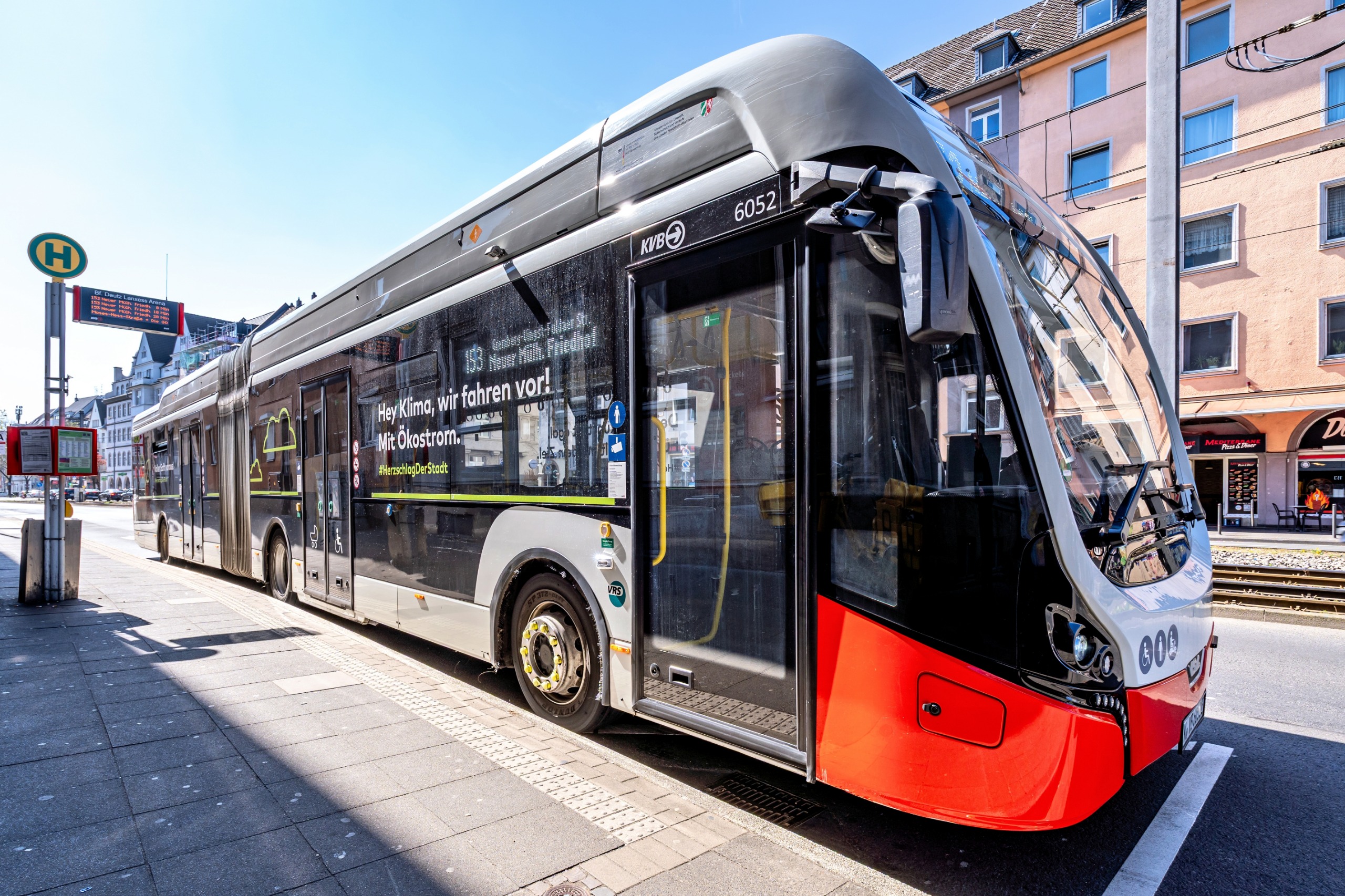
Vienna’s public transport network is one of Europe’s most accessible, efficient, and user-friendly systems. Whether you use a wheelchair, walk with a cane, travel with a stroller, or simply prefer gentler routes, Vienna makes mobility easy through barrier-free stations, low-floor vehicles, step-free transfers, and clear signage. First-time visitors often feel surprised by how well the city integrates accessibility into everyday movement. You don’t need to be familiar with the city to feel confident using buses, trams, or the U-Bahn—everything from platform design to audio announcements works together to support travelers of all abilities.
This section will help you understand exactly how to move around Vienna comfortably, especially if you have reduced mobility. You’ll learn where elevators are located, how ramps work, what to expect at transfer points, how to access long-distance trains, and how to use airport connections without barriers. With these tips, you can explore Vienna’s museums, palaces, cafés, parks, and neighborhoods with independence and comfort.
Barrier-Free Metro (U-Bahn): Elevators, Ramps and Accessibility Features
Vienna’s U-Bahn is the backbone of the city’s mobility system, and it offers some of the best accessibility features in Europe. As a first-time visitor, you’ll likely use the metro many times, and the good news is that nearly all metro stations are barrier-free, with working elevators, wide gates, accessible platforms, and consistent guidance systems.
Step-Free Access from Entrance to Train
Most U-Bahn stations are equipped with:
- At least one elevator per platform, usually located near the main entrance
- Wide automatic doors that open with sensors
- Low ticket machines at user-friendly heights
- Gates wide enough for wheelchairs, strollers, scooters, walkers, and luggage
- Level boarding depending on the line and train model
Vienna uses a “whole-route accessibility” approach. That means you should be able to reach a platform without stairs, board a train without assistance, and exit the station step-free on the other end. The design prioritizes predictable layouts so you don’t need to search long distances for accessible routes.
Where to Find Elevators
Elevators are:
- Clearly marked with the international accessibility symbol
- Visible on all station maps
- Listed in real-time on the Wiener Linien mobile app
- Monitored daily for maintenance
If an elevator is temporarily out of service, the app notifies users instantly and suggests alternative routes. This is extremely helpful if you prefer not to encounter surprises on your travel route.
Platform Design for Easy Boarding
Metro platforms include:
- Marked wheelchair waiting areas
- Extra space near the first and last cars
- Gap minimization technology that reduces the step between train and platform
- Tactile paving that guides visually impaired users along safe paths
Most trains provide nearly level boarding. The U1, U2, and U3 lines offer the most consistent alignments, while some older U4 and U6 stations may require very slight wheeling adjustments but still remain fully functional for wheelchair users.
Visual and Audio Announcements
Every train includes:
- Clear electronic displays for upcoming stations
- Audio station calls in German
- Flashing door lights when trains open or close
- Priority seating zones near doors
Onboard screens also show transfer options and connections, which is especially helpful if you’re unfamiliar with the network.
Accessible Restrooms and Facilities
Many major U-Bahn interchanges include accessible restrooms with:
- Wide doors
- Emergency buttons
- Grab bars
- Step-free entry
These are usually available at larger stations like Karlsplatz, Stephansplatz, Westbahnhof, and Praterstern.
Streetcars (Trams) & Buses: Low-Floor Vehicles, Folding Ramps and Access Guidelines
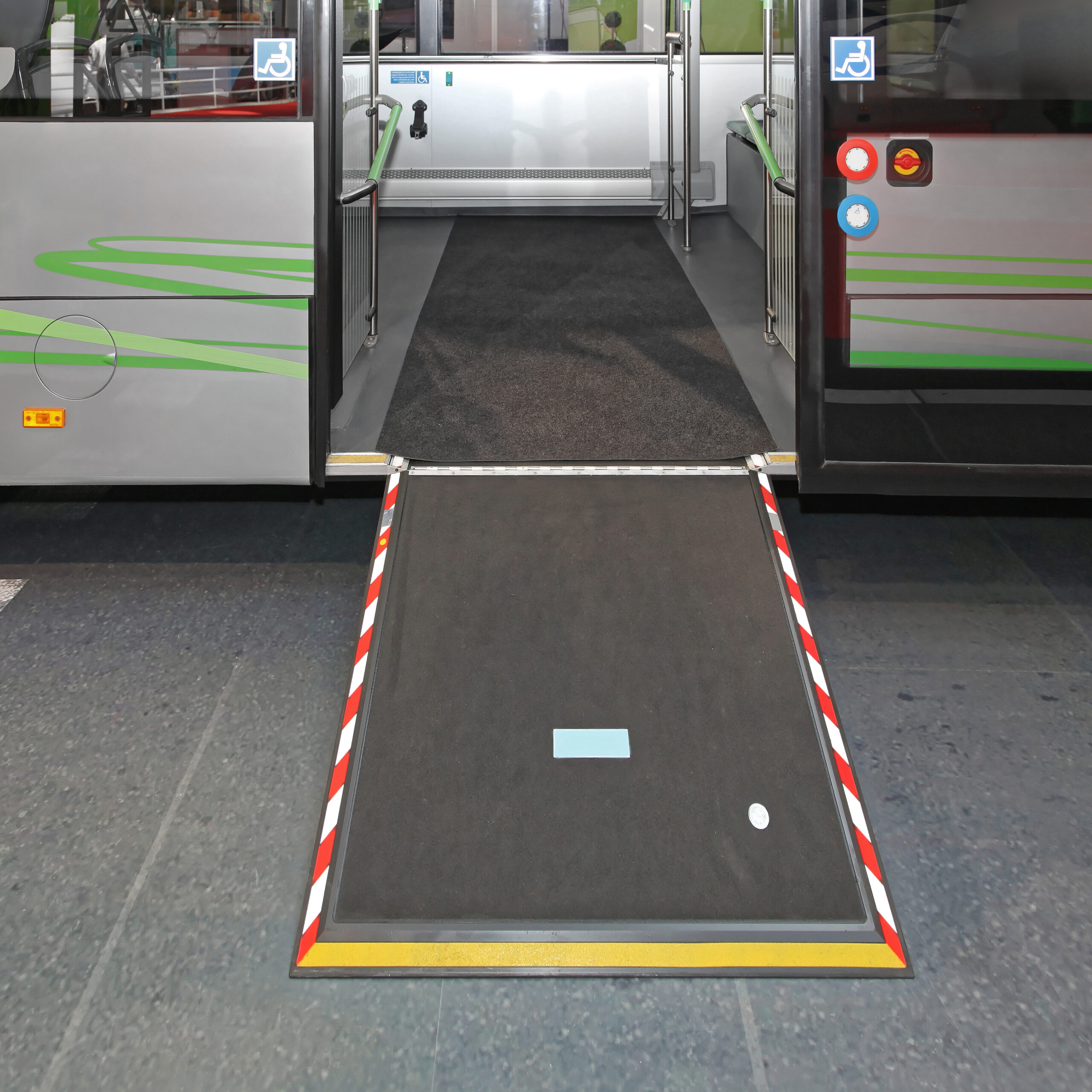
Vienna’s streetcars and buses make it easy to reach destinations not directly connected to the metro. They are highly accessible and designed for quick, comfortable boarding.
Low-Floor Trams Across the Network
A large portion of Vienna’s trams are low-floor models, especially on major lines like 1, 2, D, 71, and 62. These modern trams feature:
- Wide central doors
- Minimal or zero steps
- Reserved wheelchair spaces
- Visual screens and audio announcements
- Large push buttons that open doors
Each tram stop displays a symbol indicating whether that line uses low-floor vehicles. You can also check real-time low-floor availability in the official app.
How Boarding Works
When a tram arrives:
- Look for the wide center door, which is designated for accessibility.
- If needed, press the blue wheelchair request button so the driver knows you require more time or ramp assistance.
- The ramps unfold automatically on most low-floor trams. Older models may require the driver to activate the ramp manually.
Since Vienna’s tram platforms align well with tram floors, boarding is usually quick and simple.
Accessible Buses with Folding Ramps
Every regular city bus in Vienna is:
- Low-floor
- Fully air-conditioned
- Equipped with folding ramps
- Fitted with dedicated wheelchair/stroller zones
You can easily request ramp deployment by pressing the wheelchair button near the front door. Drivers are trained to assist passengers with reduced mobility and always stop long enough for safe boarding.
Priority Seating and Signals
All trams and buses include:
- Clearly marked priority seats
- Handrails at different heights
- Visual stop display
- Audio announcements
- Stop request buttons located low for easy access
Drivers also wait longer at stops if they see a passenger with a mobility device preparing to board.
Long-Distance Trains, Airport Transfer & Intercity Connections
If you plan to visit neighboring cities or travel to and from Vienna Airport, you’ll also find excellent accessibility options.
ÖBB Railjet and Intercity Trains
Austria’s national railway, ÖBB, places a strong focus on barrier-free travel. Long-distance trains include:
- Dedicated wheelchair seating areas
- Boarding lifts or level boarding depending on the station
- Accessible restrooms with extra space
- Wide aisles in designated coaches
When booking a Railjet or Intercity ticket, you can choose an accessible seat online, and a staff member can be requested for assistance if needed.
Accessible Train Stations
Major intercity stations such as Hauptbahnhof, Meidling, and Westbahnhof offer:
- Multiple elevators to every platform
- Clear signage and tactile strips
- Step-free access from entrance to train
- Customer service desks trained in mobility assistance
Most platforms have a gentle slope rather than stairs, making them ideal for smooth travel.
Vienna Airport Accessibility
The airport features:
- Wheelchair-friendly terminals
- Accessible restrooms
- Service counters at low heights
- Priority security lanes for passengers with reduced mobility
- Clear tactile guidance pathways
Getting from the airport to the city is simple:
City Airport Train (CAT)
- Fully accessible
- Step-free boarding
- Large luggage areas
- Runs every 30 minutes
ÖBB S-Bahn (Local Train)
- Low-floor trains
- Ideal for budget travel
- Offers accessible stations
Vienna Airport Bus
- All buses are low-floor
- Drivers deploy ramps when needed
These choices make arrival and departure extremely convenient for every traveler.
Elevators, Gentle Routes and Additional Accessibility Features
Vienna excels in creating a network of pathways that feel smooth, predictable, and safe. This section highlights station elevators, ramps, tactile strips, audio systems, and several services that support visitors with sensory or mobility needs. If you prefer step-free, slower, or more stable routes, these features ensure a comfortable experience throughout your trip.
Station Elevators and Ramps: What to Expect
Vienna’s elevators are known for reliability, size, and clarity. Nearly every U-Bahn and rail station includes:
- Large elevators that comfortably fit wheelchairs, walkers, luggage, or strollers
- High-weight capacity for powered mobility devices
- Clear signage pointing to elevator locations
- Glass walls so you feel safe and visible
- Maintenance teams that check them daily
If an elevator temporarily stops working, the city updates the status instantly through:
- The Wiener Linien app
- Digital station boards
- Service hotline
Ramp Design for Smooth Movement
Vienna incorporates ramps that:
- Have gradual slopes
- Include non-slip surfaces
- Follow predictable turning patterns
- Are placed near main routes rather than hidden secondary paths
You won’t encounter long, difficult climbs. Most ramps are short and shallow, connecting different platform levels or station exits.
Outside Stations: Gentle Routes for Wheelchair Users
Around many U-Bahn and tram stations, you’ll find:
- Lowered curbs
- Wide sidewalks
- Gentle inclines
- Pedestrian priority areas
- Textured crossing points for visibility
This makes it easy to transition from station exits to sidewalks, squares, parks, and nearby attractions.
Tactile Guidance Strips, Visual & Audio Aids for Visually / Hearing Impaired Passengers
Vienna offers one of Europe’s strongest combinations of visual, tactile, and audio guidance systems.
Tactile Paving Throughout Stations
Stations include:
- Tactile strips along platform edges
- Raised-line path markers guiding to exits, elevators, escalators, and ticket machines
- High-contrast designs that help low-vision travelers navigate with confidence
Heavy foot traffic never obstructs these strips because they run along the station edges rather than the center.
Audio Announcements
Trains and stations broadcast clear audio signals for:
- Approaching trains
- Doors opening or closing
- Interchange announcements
- Next-stop alerts
This supports passengers with visual impairments or anyone unfamiliar with the network.
Visual Displays
For hearing-impaired travelers, screens show:
- Real-time arrivals
- Line changes
- Delay notifications
- Transfer directions
High-definition displays exist inside trains and throughout platforms.
Braille and High-Contrast Signage
Many stations offer:
- Braille markers on handrails
- High-contrast directional signs
- Illuminated station names
This integrated system helps every traveler move independently.
Accessible Ticket Machines, Emergency Call Systems, Assistance Dogs & Companion Policies
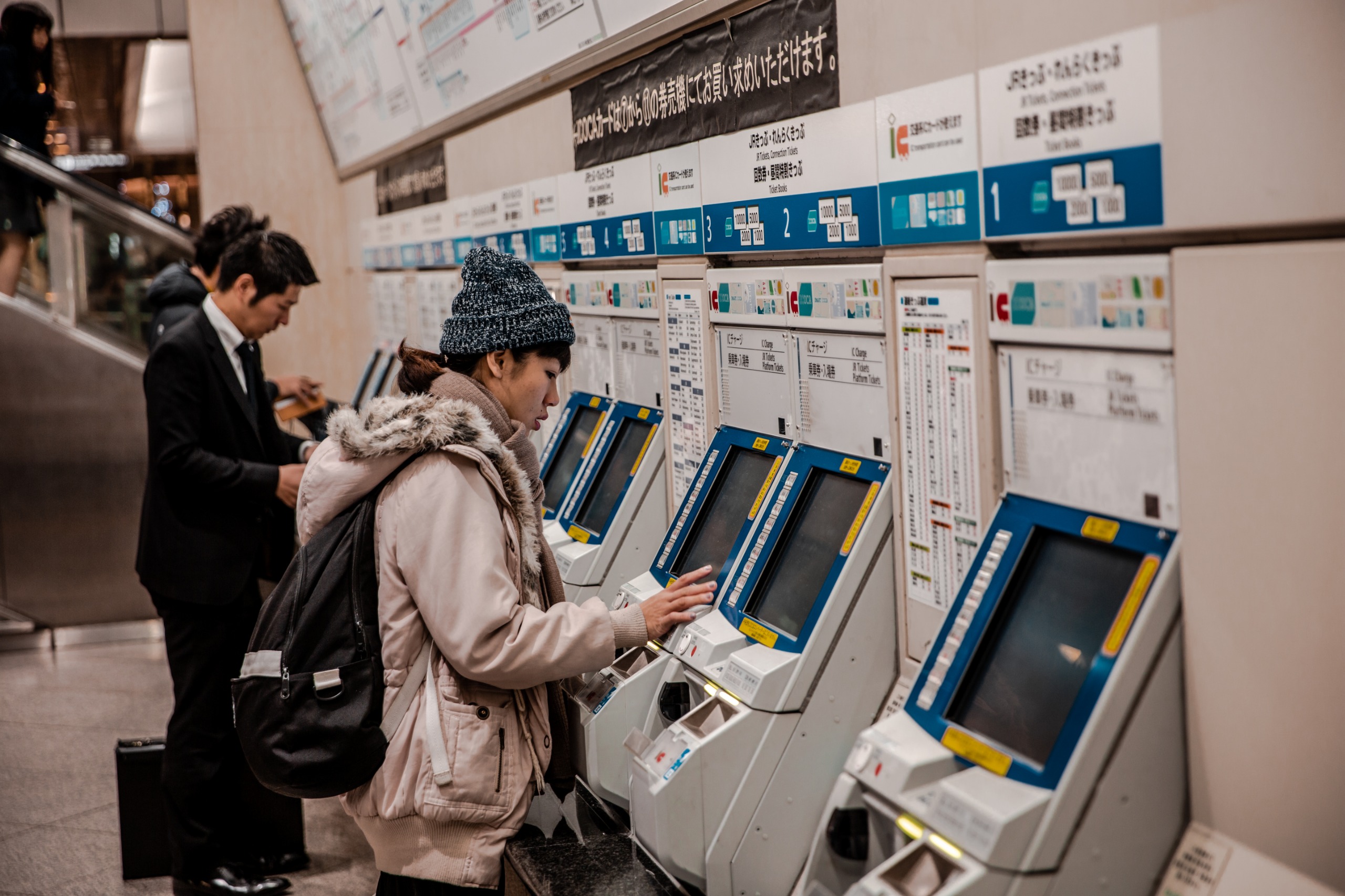
Vienna ensures that every step of the travel experience—from buying a ticket to responding to emergencies—is inclusive.
Accessible Ticket Machines
Vienna’s ticket machines are:
- Positioned at wheelchair height
- Equipped with tactile buttons
- Designed with high-contrast screens
- Fitted with headphone jacks for audio guidance
- Structured with simple, logical menus
Most machines accept:
- Cards
- Cash
- Mobile payments
If you prefer, you can also use the mobile ticketing app to avoid physical machines entirely.
Emergency Call Systems
Stations include emergency pillars fitted with:
- A help button reachable from seated height
- Microphones and speakers
- Clear instructions in simple language
- A direct connection to station security
Emergency systems support both audio and visual communication for people with hearing impairments.
Assistance Dogs and Companion Policies
Vienna warmly welcomes assistance dogs on:
- Trams
- Buses
- U-Bahn
- Suburban trains
- Long-distance trains
Assistance dogs travel free of charge and are allowed in all public spaces with proper identification.
Companion Travel
Passengers with reduced mobility may travel with a companion who often receives:
- Reduced fares
- Free travel depending on the type of pass
- Special seating
Practical Travel Planning: What to Check Before You Go
Planning an accessible trip to Vienna becomes much easier when you understand how the city’s transit system works, what tools you should use, and how to prepare for any mobility-related needs. Vienna remains one of Europe’s strongest accessibility leaders, but it still helps to know how different transport vehicles operate, what apps give the best real-time updates, and how to request assistance before your arrival. As a first-time visitor, getting familiar with these practical details ensures a smooth, stress-free travel experience.
This section covers everything from elevator-status monitoring to booking mobility assistance at the airport and main railway stations. You’ll also learn what to expect from newer and older transport fleets so you can plan your routes confidently.
Vienna’s commitment to accessibility is impressive, but no transit system is perfect. When you prepare the right way, you reduce unwanted surprises and maximize comfort. Whether you travel with a wheelchair, walker, cane, stroller, or simply prefer gentler routes, advance planning helps you explore Vienna independently and efficiently.
Use of Mobile Apps (e.g. navigation, elevator status)
Modern Vienna makes navigation easy for travelers with reduced mobility, thanks to apps specifically designed to provide real-time transit information, elevator updates, accessible route suggestions, and low-floor vehicle listings. If you’re visiting for the first time, these apps should be part of your daily planning. They improve confidence, save time, and help you avoid inaccessible paths or temporary closures.
WienMobil App: Your Essential Tool
The WienMobil app from Wiener Linien is a must-use for accessible travel. It includes:
- Real-time elevator status for all U-Bahn stations
- Low-floor tram and bus indicators
- Route planning with step-free options
- Live departure boards
- Service disruption alerts
- Low-floor symbol filters
The app shows elevator icons that display whether lifts are functioning, under maintenance, or out of order. This helps you avoid surprise staircases or detours. If an elevator is down, the app automatically suggests alternative barrier-free routes, including nearby stops or different lines.
ÖBB App for Accessible Train Travel
If you plan to use regional or long-distance trains, the ÖBB app provides:
- Accessible carriage layouts
- Level-boarding information
- Seat reservation options for wheelchair users
- Live platform changes
- Delay notifications
- Guaranteed assistance for booked support services
The app displays icons for wheelchair compartments and accessible restrooms, which helps you pick the right connection for your mobility needs.
Google Maps & Apple Maps
While not Vienna-specific, Google Maps and Apple Maps work well for general navigation, especially above ground. They offer:
- Step-free walking routes
- Accessible public transit instructions
- Real-time delays and transfers
- Street-level imagery to preview curbs and sidewalks
These tools are great for planning the “last mile” from a station exit to your hotel or attraction.
Elevator Status Websites
Wiener Linien also maintains a dedicated online elevator-monitoring portal. If you prefer browsing on a laptop or want to double-check status reports before leaving your hotel, this site provides a simple list of:
- Current outages
- Expected repair times
- Affected stations
First-time visitors appreciate this because it reduces uncertainty and ensures smooth travel.
Wheelmap.org
For exploring the city beyond the transit system, Wheelmap.org helps identify:
- Accessible cafés
- Step-free museums
- Barrier-free stores
- Smooth sidewalks and entrances
It’s community-driven, so updates happen frequently.
Why Using Apps Makes a Huge Difference
As a first-time visitor with mobility needs, you benefit from:
- Predictable travel
- Zero guesswork
- Less waiting time
- Fewer unexpected barriers
- More confidence moving independently
With these tools, Vienna becomes one of the easiest cities in Europe to navigate without stress.
Advance Booking & Assistance Services (Airport, Trains)
Even though Vienna offers excellent barrier-free infrastructure, arranging support in advance ensures a seamless travel day—especially at major hubs like the airport or long-distance train stations. Travelers with mobility devices, visual impairments, hearing impairments, or chronic health conditions often appreciate the convenience and reassurance of pre-booked assistance.
Vienna International Airport (VIE): Pre-Booked Mobility Assistance
Vienna International Airport provides internationally recognized PRM (Passengers with Reduced Mobility) services. You can request assistance when booking your flight or at least 48 hours before departure.
Services include:
- Wheelchair support from curbside to gate
- Assistance through security and check-in
- Priority boarding
- Escorted transfers for connecting flights
- Help retrieving luggage
The airport’s staff will meet you at a designated assistance point, located at each terminal entrance. If you travel with your own mobility device, staff handle it with care and ensure it reaches the aircraft safely.
Special Assistance at Vienna Train Stations
Austria’s national railway, ÖBB, offers free assistance services for travelers with mobility needs. You can arrange this support online, by phone, or at the station. It’s highly recommended to book at least 24 hours in advance, especially for long-distance travel.
Assistance includes:
- Boarding and exiting trains
- Using portable lifts when needed
- Reaching platforms through elevators
- Escorting passengers to station entrances
- Handling luggage for travelers with reduced mobility
Seat Reservations for Wheelchair Users
Most Railjet, Intercity, and EuroCity trains include wheelchair seating areas that you can select during booking. These spaces provide:
- Extra turning radius
- Proximity to accessible restrooms
- Fold-up seats for companions
- Easy boarding door access
Since these seats are limited, reserving them early guarantees a comfortable trip.
Airline Policies for Mobility Devices
When flying into Vienna, airlines typically require advance notice if you travel with:
- A powered wheelchair
- A scooter
- Lithium batteries
- Medical oxygen
Vienna Airport supports all types of mobility devices, but proper documentation ensures safe handling.
Taxi and Ride Services with Accessibility
Vienna offers wheelchair-accessible taxis through specialized companies, and many allow advance booking through apps. Booking in advance helps avoid waiting at busy times.
Hotel Accessibility Confirmation
Before traveling, contact your hotel to confirm:
- Step-free entrance
- Elevator access
- Accessible bathrooms
- Door widths suitable for wheelchairs
- Proximity to accessible transit stops
Most Viennese hotels are well-prepared, but checking ensures peace of mind.
Why Advance Booking Helps First-Time Visitors
You enjoy:
- A predictable travel experience
- Time saved during transfers
- Personalized support
- Less physical stress
- A smoother arrival, departure, and daily commute
In a city designed for accessibility, pre-planning enhances the independence you already receive from Vienna’s infrastructure.
What to Know About Older vs. Newer Transport Vehicles & Occasional Limitations
Vienna maintains a world-class transport network, but like all major cities, it operates a mix of older and newer vehicles and stations. Most of the system is barrier-free, yet knowing the differences helps you avoid difficulties and select the most accessible lines.
Newer Vehicles: Smooth and Seamless
Vienna’s most modern transit options include:
- Low-floor trams (Flexity models)
- New low-floor buses
- Updated U-Bahn trains on the U1, U2, and U3
- Modern Railjet trains
These vehicles offer:
- Level or near-level boarding
- Wide doorways
- Accessible seating zones
- Tactile buttons
- Visual and audio announcements
- Smooth interior floors without steps
- Ramps that deploy automatically
If you want guaranteed comfort, these newer vehicles provide the best experience for travelers with reduced mobility.
Older Trams and What to Expect
Some tram lines especially during off-peak hours may still use older high-floor models. These include:
- Several historic trams (mostly during special events)
- A few remaining high-floor units on less central routes
Limitations include:
- Small steps at the entrance
- Narrower doorways
- No automatic ramps
- Limited interior maneuvering space
However, these trams are gradually being replaced. Most key tourist routes now operate with low-floor vehicles.
Older U-Bahn Stations on the U4 and U6 Lines
While fully accessible, some stations on the U4 and U6 lines include older infrastructure. You may notice:
- Slightly larger gaps between platform and train
- Narrower elevator corridors
- Older elevator models with slower operation
- Occasional platform height mismatches
These do not prevent accessibility, but they require slightly more attention for wheelchair users or travelers with stability needs.
Occasional Limitations to Keep in Mind
Even in a city as accessible as Vienna, some limitations can occur. Knowing them helps you prepare smartly.
1. Temporary Elevator Outages
Elevator maintenance or outages may occur occasionally.
Solution: Always check WienMobil or the elevator status website before you leave your hotel.
2. Crowded Stations During Rush Hour
Peak hours (7:30–9:00 AM and 4:30–6:00 PM) can make maneuvering harder.
Solution: Travel slightly outside these windows for a more comfortable experience.
3. Platform Gaps on Older Lines
In rare cases, you may need to angle your wheelchair or ask for help.
Solution: Use modern lines (U1, U2, U3) whenever possible.
4. Snow or Rain in Winter
Sidewalk traction can change in snowy conditions. Vienna does an excellent job clearing walkways, but mobility device users should still take extra care.
Solution: Check weather forecasts and allow more travel time in winter.
5. Tram Stops Without Raised Platforms
Most have accessible platforms, but a few suburban stops may still include low curbs.
Solution: Choose low-floor trams and verify stop details in the app.
Why Understanding These Differences Matters
As a first-time visitor, knowing what to expect lets you:
- Avoid routes with older trams
- Choose the most accessible lines
- Plan ahead for elevator maintenance
- Maintain independence throughout your trip
- Minimize unexpected detours
Vienna’s system remains highly reliable, and most travelers with mobility needs experience smooth, convenient movement throughout the city.
Key Accessibility Highlights for Travelers in Vienna
| Category | What You Need to Know | Best Tips for First-Time Visitors |
| Public Transport Accessibility | Vienna’s U-Bahn (metro), trams, and buses are mostly barrier-free, with elevators, ramps, and priority seating. | Check elevator status in apps before travel; choose low-floor trams and buses for smooth boarding. |
| U-Bahn (Metro) | Nearly all stations have elevators or ramps; platforms include tactile strips; announcements are both audio & visual. | Avoid rush hours for easier movement; follow tactile paths for safe navigation. |
| Trams & Buses | Most vehicles are low-floor and wheelchair-friendly; folding ramps available; drivers assist when required. | Look for trams marked “LF” (low-floor) and board at doors with ramp symbols. |
| Long-Distance Trains | ÖBB Railjet, Nightjet, and Intercity trains offer wheelchair spaces, adapted restrooms, and level boarding at major stations. | Book assistance 24–48 hours in advance; request boarding help at Wien Hauptbahnhof. |
| Airport Accessibility | Vienna Airport provides accessible restrooms, step-free routes, tactile pavement, and mobility assistance services. | Pre-book assistance through your airline or directly with Vienna Airport for seamless arrival. |
| Elevators & Gentle Routes | Most major stations and tourist areas provide elevators, ramps, and gentle-grade paths suitable for wheelchairs and mobility scooters. | Use WienMobil or Wiener Linien’s elevator-status tools to avoid out-of-service lifts. |
| Visual & Audio Navigation Aids | Tactile paths, audio announcements, visual displays, and induction loops support blind, low-vision, and hard-of-hearing travelers. | Carry headphones for clearer station announcements and use apps with voice navigation. |
| Ticket Machines & Emergency Systems | Accessible ticket machines include tactile buttons, audio guidance, and screen magnification. Emergency call points are at all major stations. | Buy digital tickets if reaching machines is difficult; keep emergency numbers saved. |
| Assistance Dogs & Companions | Registered assistance dogs are welcome everywhere in Vienna’s transport; companions often travel free or at reduced rates. | Carry documentation for assistance dogs; ask staff about companion fare options. |
| Mobile Apps | Apps help track elevator status, plan barrier-free routes, book taxis, and receive live transit updates. | Download WienMobil, ÖBB App, and IVB before arriving. |
| Older vs. Newer Vehicles | A few older trams still lack ramps or low floors; some stations may have temporary elevator outages. | Always allow extra time and check route status before travel. |
| Advance Booking | Assistance for trains, airport, and some museums should be reserved in advance for guaranteed support. | Confirm bookings at least 24 hours earlier, especially during peak tourist months. |
| General Accessibility Strengths | Vienna is one of Europe’s most accessible cities, recognized for infrastructure upgrades and inclusive design. | Expect smooth travel, but plan around occasional construction or older vehicles. |
Exploring Vienna: Accessible Routes for Sightseeing & Daily Mobility
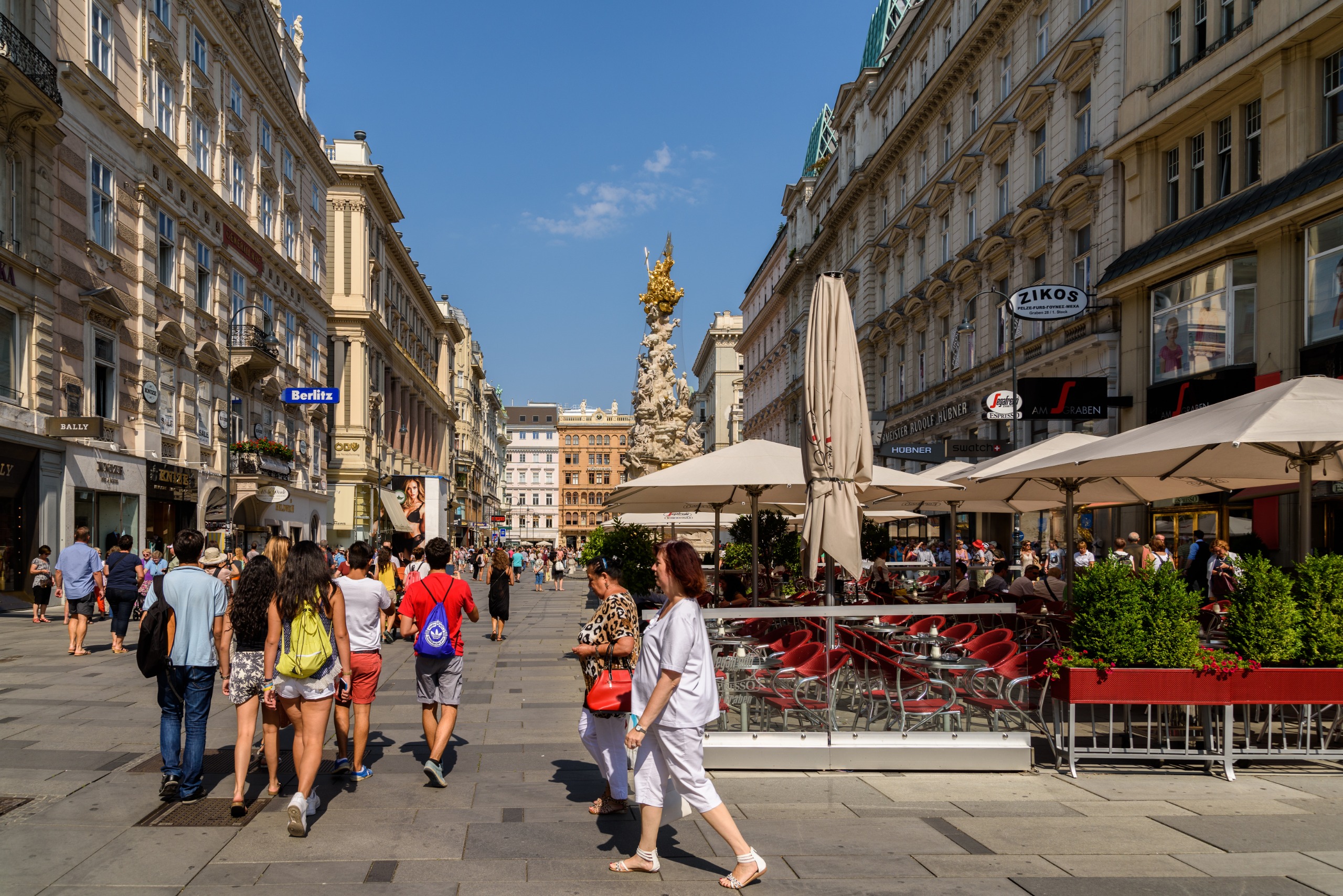
Exploring Vienna as a traveler with reduced mobility is remarkably smooth, thanks to the city’s ongoing investment in barrier-free infrastructure and its commitment to inclusive tourism. Whether you want to roll through the historic old town, visit world-famous museums, or rely on accessible taxis to reach your favorite attractions, Vienna makes mobility straightforward and predictable. The city’s combination of flat pathways, tactile surfaces, gentle-gradient ramps, and accessible public spaces ensures that sightseeing doesn’t feel like a challenge—it feels like part of the Vienna experience.
Many first-time visitors worry that European cities, especially those with centuries-old buildings, narrow lanes, and cobblestones, may be difficult to explore with a wheelchair or mobility aid. Vienna, however, has made accessibility a citywide priority. Its historic center (Innere Stadt) features numerous step-free routes; iconic landmarks like Schönbrunn Palace, St. Stephen’s Cathedral, and the Belvedere Palace provide accessible paths; and museums follow universal design standards that support wheelchair users, low-vision travelers, and visitors who need sensory-friendly spaces.
The city also offers accessible taxis, adaptive transport services, and ride systems that allow travelers to move around comfortably without relying solely on public transit. With a bit of planning—and the insights in this section—first-time visitors can confidently explore Vienna’s neighborhoods, attractions, and daily life without unnecessary barriers.
Below, you’ll find a comprehensive guide to accessible sightseeing routes, barrier-free cultural attractions, and mobility-friendly transportation alternatives to help you make the most of your time in Vienna.
Wheelchair-Friendly Historic District & City Center Walking Routes
Vienna’s Old Town (Innere Stadt) is a UNESCO World Heritage area filled with historical charm, imperial-era architecture, and landmark squares. Despite its age, the city has taken impressive steps to ensure wheelchair access throughout the district. For first-time visitors, exploring Vienna’s historic center with reduced mobility is not only possible—it’s surprisingly enjoyable.
1. Step-Free Routes Around the Ringstrasse
The Ringstrasse encircles the Old Town with broad sidewalks, smooth pavement, and several gradual ramps leading to public buildings and parks. This boulevard connects major sights such as:
- Vienna State Opera
- Hofburg Palace
- Austrian Parliament
- Rathaus (City Hall)
- Burgtheater
- Kunsthistorisches Museum
The entire Ring route is mostly flat, allowing wheelchair users to roll comfortably between landmarks. Frequent pedestrian crossings feature tactile surfaces and audio signals, making the environment supportive for blind and low-vision travelers as well.
2. Barrier-Free Paths to St. Stephen’s Cathedral
St. Stephen’s Cathedral, located in Stephansplatz, is surrounded by spacious pedestrian zones. Vienna has reworked many of the cobblestone surfaces in this area to be smoother and more mobility-friendly. While some sections still retain original stone, accessible alternative paths are clearly marked and easy to follow.
The cathedral provides:
- A step-free entrance on the southwest side
- Accessible restrooms
- Audio guides with adjustable volume and hearing-loop compatibility
Visitors using mobility scooters or wheelchairs can comfortably explore the cathedral’s interior floor and enjoy the surrounding square.
3. Kohlmarkt, Graben & Kärntner Strasse
These three iconic pedestrian streets form Vienna’s most famous walking corridor. All three are:
- Fully step-free
- Wide enough for mobility aids
- Designed with smooth surfaces
- Connected to accessible U-Bahn stations (Stephansplatz, Herrengasse, Karlsplatz)
The streets offer cafés, accessible restrooms, and plenty of space to navigate—even during peak tourist hours.
4. Hofburg Palace Complex: Step-Free Connections
The Hofburg grounds include several plazas connected by level pathways and gentle inclines. Most museum entrances around the complex—including Neue Burg, Sisi Museum, and the Imperial Apartments—offer ramps or lifts. Visitors can easily roll from Heldenplatz through Burggarten and toward the MuseumsQuartier without encountering steps.
5. MuseumsQuartier (MQ): One of Europe’s Most Accessible Cultural Zones
With flat surfaces, multiple elevators, accessible doors, and clear signage, MQ ranks among Vienna’s best-designed cultural areas. The courtyards are entirely wheelchair-friendly, and all major museums inside the district offer:
- Step-free entrances
- Accessible elevators
- Adapted restrooms
- Audio induction loops
- Wheelchairs on loan
The entire district encourages slow, accessible exploration.
6. Accessible Parks & Pedestrian Areas
Many parks—like Stadtpark, Burggarten, Volksgarten, and Augarten—provide smooth walking paths. Ramps replace stairs at key entrances, and benches are easy to find, making breaks comfortable for travelers who require rest during longer outings.
Overall, exploring Vienna’s historic core is seamless for wheelchair travelers because the city proactively redesigned surfaces, eliminated unnecessary barriers, and provided clear, accessible signage throughout the district.
Accessible Attractions, Museums and Public Buildings
Vienna’s museums and cultural attractions follow some of Europe’s strongest accessibility standards. Nearly every major attraction offers step-free access, elevators, accessible restrooms, and assistance options for visitors with mobility limitations, visual impairments, or hearing needs.
Here are the most accessible landmarks and what first-time visitors should expect.
1. Schönbrunn Palace & Gardens
Schönbrunn Palace is one of Vienna’s most visited attractions, and the site is highly accessible:
- Step-free main entrance
- Elevators inside the palace
- Wheelchair-adapted tours upon request
- Accessible restrooms
- Free wheelchair rentals (limited availability)
The gardens also include gentle slopes, paved walking paths, and accessible routes to major viewpoints. Some formal garden areas have gravel, but alternative pathways are available.
2. Belvedere Palace (Upper & Lower Belvedere)
Both Upper and Lower Belvedere offer:
- Step-free entrances
- Elevators to all exhibition floors
- Level pathways between buildings
- Adapted restrooms
- Tactile and audio-guided resources
The sloped hill connecting the two palaces has both steep and gentle routes; wheelchair users can take the accessible side path designed with a manageable gradient.
3. Kunsthistorisches Museum
The Museum of Fine Arts is exceptionally barrier-free:
- Ramp and elevator at the entrance
- Elevators to exhibition halls
- Accessible seating throughout galleries
- Wheelchair-accessible restrooms
- hearing-loop audio guides
The museum also offers assistance services by request.
4. Natural History Museum
Located directly across from the Kunsthistorisches Museum, this building provides:
- A fully accessible entrance
- Elevators to all floors
- Accessible dioramas and displays
- Tactile elements in select exhibitions
5. Albertina Museum
The Albertina provides:
- Step-free access from the street
- Elevator access to exhibition
- Adapted restrooms
- Wheelchairs to borrow
6. MuseumsQuartier (MQ)
Every major institution in MQ including Leopold Museum, mumok, and Kunsthalle Wien is fully accessible. MQ also includes extensive outdoor seating, ramps, wide spaces, and smooth surfaces ideal for mobility aids.
7. Vienna State Opera
The State Opera offers:
- Step-free accessible seating
- Elevators to all performance levels
- Induction loop systems
- Accessible restrooms
Advance booking is recommended for special seating and support services.
8. St. Stephen’s Cathedral
As mentioned earlier, the cathedral offers a step-free side entrance and a fully accessible main floor. Some tower climbs are not accessible, but the cathedral compensates with virtual and audio-supported alternatives.
9. Town Hall (Rathaus) & Parliament
Both buildings feature:
- Step-free entrances
- Elevators
- Accessible public spaces
- Support staff available on request
Vienna frequently upgrades accessibility in public buildings to align with EU barrier-free standards.
10. Prater Amusement Park & Giant Ferris Wheel
The Prater area and its iconic Riesenrad (Ferris Wheel) include several wheelchair-friendly rides, accessible restrooms, and smooth paths. The Ferris Wheel provides barrier-free cabins designed for safe boarding.
Overall, Vienna’s cultural attractions stand out for their accessibility because the city combines historical preservation with modern universal design principles. First-time visitors can expect reliable infrastructure, clear signage, and helpful on-site staff throughout their sightseeing experience.
Alternative Transport Options: Accessible Taxis, Rides & Services
While Vienna’s public transit is highly accessible, many travelers—especially first-time visitors—value having alternative mobility options. These additional transport choices ensure comfort, independence, and flexibility when navigating busy tourist zones, bad weather, or late-night travel.
Here are the top accessible alternatives in Vienna for 2025:
1. Accessible Taxis (Rollstuhltaxi Wien & Other Providers)
Vienna has several specialized taxi services for wheelchair users, including:
- Rollstuhltaxi Wien
- Taxi 31300 (vehicles with ramps)
- Taxi 40100 (accessible fleet options)
- Airport taxi companies offering pre-bookable accessible vans
These taxis typically provide:
- Hydraulic or folding ramps
- Safety belts and locking systems
- Spacious interiors for powered wheelchairs
- Assistance with boarding
Advance booking ensures availability, but on-demand service is often possible during non-peak times.
2. Ride-Sharing Services
Some ride-sharing platforms offer accessible vehicle types (availability varies):
- Wheelchair-friendly vans
- Step-free minivans
- Rides that accommodate mobility scooters
Although service levels can fluctuate, ride-sharing is useful for reaching attractions outside central transit routes.
3. Private Accessible Transfers
Private companies around Vienna offer:
- Custom mobility vans
- Door-to-door transfers
- Accessible tours with trained guides
- Flexible pickup times
These services are excellent for travelers who want predictable schedules or require additional support.
4. Vienna Airport Accessible Transfers
Many airport taxi companies provide:
- Step-free vans
- Secure wheelchair anchoring
- Assistance with luggage and boarding
- Pre-bookable services for guaranteed availability
The airport also offers its own mobility support service, which can help coordinate ground transportation upon arrival.
5. Community Transport & Social Mobility Services
Vienna includes social mobility services that complement traditional transport options. While primarily for residents, some NGOs allow tourists to book special-access vehicles depending on availability.
6. Accessible Rental Mobility Scooters
Several companies across Vienna rent:
- Mobility scooters
- Manual wheelchairs
- Electric wheelchairs
This option is especially useful for travelers who can walk short distances but want additional support for long sightseeing days.
7. Short-Distance City Shuttles
Some hotel chains and cultural institutions run their own shuttle services. Many of these vehicles have step-free entrances or low-floor designs, making them convenient for visitors with reduced mobility.
8. Why Alternative Transport Options Matter
Even though Vienna’s public transit is highly reliable, alternative mobility options give first-time travelers:
- More control over timing
- Easier access to outer districts
- Flexibility during elevator outages
- Comfort on days when mobility varies
- Stress-free connections to the airport or train stations
For many visitors, combining public transit with accessible taxis and private mobility services creates a smooth, barrier-free travel experience.
Challenges & Limitations: What to Watch Out For
Vienna is one of the world’s most accessible cities, and its transportation network, museums, and public spaces reflect a strong commitment to universal design. However, like any major European city—especially one with a rich imperial history—Vienna still presents certain challenges that travelers with mobility limitations, sensory needs, or accessibility requirements should prepare for. Understanding these limitations helps first-time visitors plan better routes, avoid unnecessary obstacles, and stay confident throughout their trip.
Even though Vienna continually improves its infrastructure, occasional elevator outages, temporary construction works, older tram models, and certain cobblestone areas can slow down travel. While these issues rarely prevent visitors from reaching major attractions, they can inconvenience those relying on step-free travel or low-sensory environments.
This section outlines the most common accessibility challenges in Vienna, along with detailed, practical tips to navigate them smoothly.
Occasional Elevator Outages or Station Maintenance
Vienna maintains one of Europe’s most reliable transit systems, and its elevators generally function well. However, just like in any transportation network, breakdowns and maintenance work can happen without warning. For travelers with wheelchairs, scooters, walkers, strollers, or mobility aids, even a single out-of-service elevator can disrupt a carefully planned route.
1. Why Elevator Outages Occur
Vienna’s transit authority (Wiener Linien) performs regular inspections and scheduled maintenance on elevators, particularly in busy U-Bahn stations. Outages occur for several reasons:
- Routine servicing to ensure safety and long-term reliability
- Unexpected mechanical faults
- Vandalism or emergency repairs
- Temporary shutdowns during station renovations
While the city fixes issues quickly, outages can occur at inconvenient times especially during rush hours or weekends.
2. Impact on First-Time Visitors
For travelers requiring step-free access, elevator outages may:
- Add time to the journey
- Require rerouting to a different station
- Cause confusion if signage is unclear
- Increase the distance to an alternative accessible exit
The good news is that Vienna provides multiple ways to check elevator status in real time.
3. How to Check Elevator Status Before You Travel
First-time visitors should use:
- WienMobil App: shows real-time elevator and escalator outages
- Wiener Linien website: provides updated accessibility notices for each station
- U-Bahn station displays: indicate temporary disruptions
- Customer service booths: helpful staff provide alternative routes
These tools allow visitors to identify potential problems before leaving their hotel, saving time and avoiding stressful surprises.
4. Practical Tips for Avoiding Issues
Here’s how to stay ahead of elevator downtime:
- Check elevator status twice: once before leaving and again when approaching the station.
- Choose major interchange stations (e.g., Karlsplatz, Stephansplatz, Praterstern) because they often have multiple elevators.
- Allow extra time when using older stations or those undergoing renovations.
- Know your alternative stops—many consecutive stations have step-free exits.
- Use accessible trams or buses if U-Bahn access becomes temporarily limited.
Vienna’s reliability means that elevator outages rarely disrupt an entire day, but planning ahead ensures smooth and predictable travel.
Older Buildings, Historic Areas & Cobblestone Streets
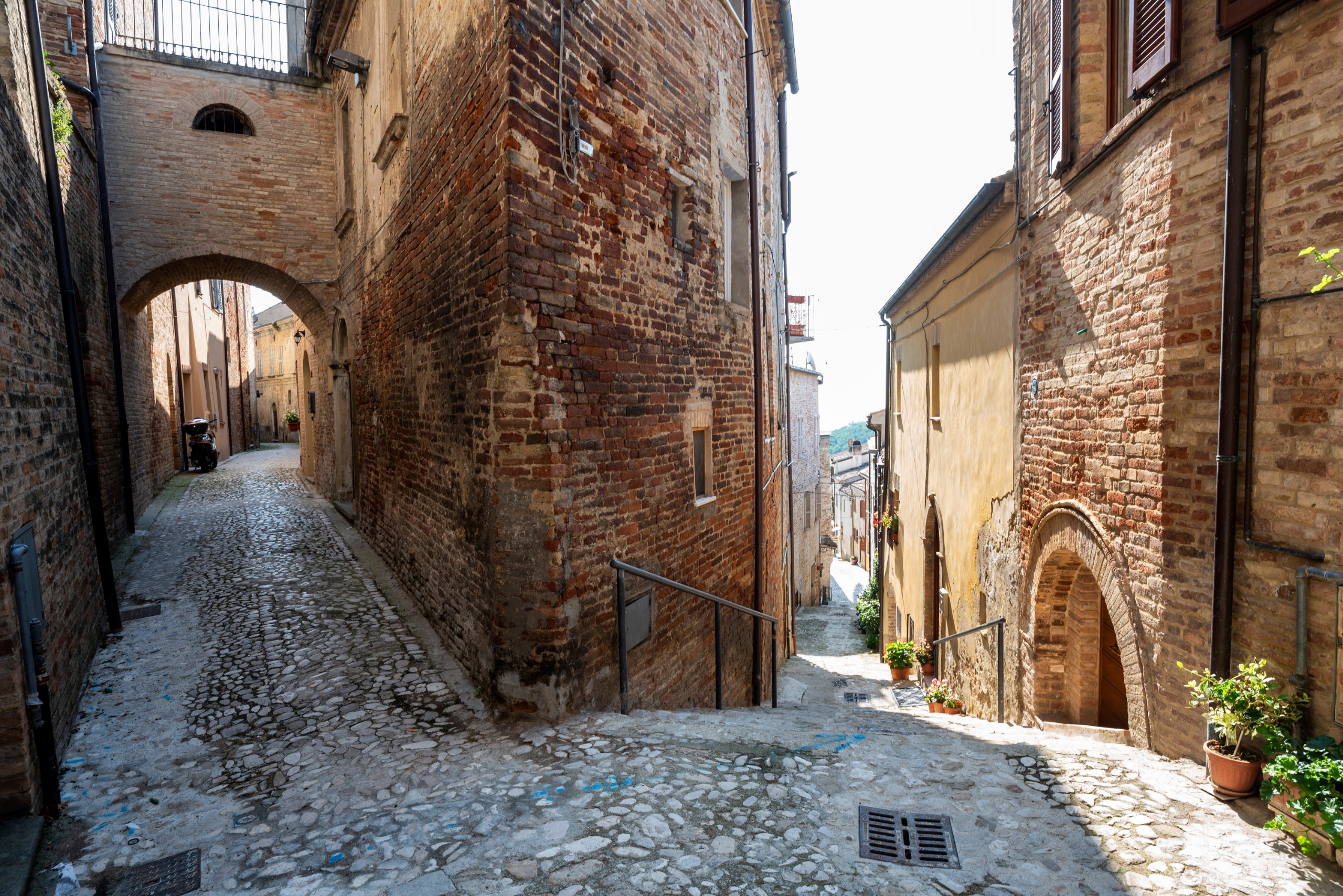
Vienna’s charm comes from its imperial palaces, medieval lanes, and centuries-old architecture. While the city works hard to modernize historic areas, some limitations remain due to preservation laws and physical constraints. Travelers with reduced mobility or sensory sensitivities may find certain surfaces and structures challenging.
1. Cobblestone Streets & Uneven Surfaces
Some areas of the Old Town still feature original cobblestone paving, which can:
- Cause vibration for wheelchair users
- Make maneuvering mobility scooters difficult
- Create uneven surfaces for walkers or canes
- Increase fatigue during long sightseeing days
These areas typically include:
- Narrow lanes near St. Stephen’s Cathedral
- Sections of Judenplatz
- Parts of Spittelberg
- Pathways around historic churches
Vienna tries to smooth transitions, but traditional cobblestones cannot always be replaced.
2. Ramps & Step-Free Entrances in Listed Buildings
Vienna’s heritage buildings follow preservation regulations that sometimes restrict major structural changes. As a result:
- Some entrances may remain narrow or slightly elevated
- Portable ramps may be used instead of built-in ramps
- Certain historic rooms or exhibition areas may have limited access
Museums and institutions usually provide alternatives, such as accessible side entrances or virtual exhibits, but it’s helpful to check this in advance.
3. Older Restaurants, Cafés & Local Shops
Not all small businesses have full accessibility features. Visitors may encounter:
- A single step at entrances
- Narrow aisles
- Restrooms located on basement floors
- Limited seating arrangements
However, Vienna increasingly requires new renovations to include barrier-free improvements.
4. Sensory Challenges in Historic Zones
Travelers with sensory sensitivities may find that:
- Narrow streets can get crowded
- Sound echoes near historical courtyards
- Tourist traffic peaks during evenings and weekends
Vienna’s wide pedestrian zones such as Kärntner Strasse, the Ringstrasse, and MuseumsQuartier are easier and calmer for many travelers.
5. Practical Tips for Historic Areas
You can still enjoy Vienna’s beauty comfortably by planning ahead:
- Use Vienna’s accessibility maps that list smooth, step-free sightseeing routes.
- Follow alternate paths around heavily cobblestoned streets.
- Carry wheelchair-friendly wheels designed for uneven surfaces (if applicable).
- Visit busy historic zones earlier in the day when crowds are lighter.
- Choose cafés with outdoor seating to avoid narrow interiors.
These strategies allow first-time visitors to enjoy the city’s heritage without feeling overwhelmed by older infrastructure.
Variability in Tram/Bus Accessibility and the Need for Planning
Vienna’s public transit system is renowned for its accessibility, but travelers may encounter some variability across different vehicles, especially on older tram lines or buses operating in outer districts. This inconsistency requires a bit of planning to ensure smooth travel throughout the day.
1. Differences Between New & Old Tram Models
Vienna operates several generations of tram models. Most modern trams are fully low-floor, but some older high-floor models still run on specific routes. Key differences include:
New Low-Floor Trams:
- Step-free entry
- Designated wheelchair spaces
- Visual & audio announcements
- Ramp-equipped doors
- Wider interior aisles
Older High-Floor Trams:
- One or more steps at the entrance
- Narrower doorways
- Limited standing space
- Less intuitive signage
Although older trams are gradually being replaced, travelers may occasionally encounter them.
2. Bus Accessibility
Vienna’s buses are almost fully accessible, but occasional exceptions may occur due to:
- Suburban or regional routes using older vehicles
- Temporary mechanical issues with folding ramps
- High passenger volume during rush hours
Drivers typically assist mobility passengers, but ramp deployment can vary depending on conditions.
3. Variability Across Tram Stops
Some tram stops offer:
- Raised platform
- Smooth, level boarding
- Tactile guidance lines
Others, especially older stops, may have:
- Lower platforms
- Narrow boarding areas
- Slight gaps between vehicle and curb
This doesn’t make the system unusable—it simply requires awareness.
4. Why Planning Matters for First-Time Visitors
Variability in accessibility can affect:
- How long trips take
- Which tram lines are most reliable
- Whether you need backup routes
- How comfortable the journey feels
First-time visitors who plan ahead avoid stress, confusion, and unexpected barriers.
5. Tools to Reduce Accessibility Uncertainty
Vienna provides several helpful tools:
- WienMobil app: indicates low-floor tram availability, stop information, and vehicle type
- Live departure displays: identify low-floor trams with “LF” labels
- Wiener Linien hotline: staff can confirm accessibility details
- Google Maps and ÖBB app: provide backup routing options
These tools make it easier to avoid older equipment and choose fully accessible transportation.
6. Trip Planning Strategies
To navigate variability with confidence:
- Prefer tram lines known for low-floor fleets, such as lines D, O, 1, and U-Bahn-connected routes.
- Board at the ramp-equipped doors, usually located in the middle of low-floor trams.
- Travel outside peak hours when boarding is easier and drivers have more time to assist.
- Use buses as alternatives, since nearly all are accessible.
- Check for construction updates, as temporary diversions may alter vehicle types.
7. Weather-Related Limitations
Rain or snow can temporarily affect:
- Ramp traction
- Boarding surfaces
- Curb gradients
Vienna clears paths quickly, but additional caution helps ensure safety and comfort.
8. When to Use Alternative Transport Instead
If accessibility varies too much on a particular line or the route involves several older vehicles, alternatives such as accessible taxis or private transfers may offer a more predictable option—especially for long evening outings or inter-district travel.
Tips & Best Practices for a Smooth Accessible Trip to Vienna

Traveling to Vienna with accessibility needs can feel easy, stress-free, and fully enjoyable when you approach the trip with a few smart strategies. The city offers some of Europe’s best barrier-free transportation systems, mobility-friendly public spaces, and accessible attractions—but even the most inclusive destination becomes easier to navigate when you use the right tools, choose the best stations, and know where to turn for support.
For first-time visitors, preparation is the key to a smooth, confident experience. Vienna’s accessibility features work exceptionally well, but adding structure to your planning ensures your days unfold comfortably. Whether you rely on wheelchairs, walkers, mobility scooters, canes, service animals, or require visual or hearing assistance, you’ll benefit from checking real-time updates, selecting accessible transport hubs, and familiarizing yourself with local services that provide support.
This section delivers the practical, on-the-ground advice you need to travel through Vienna efficiently, avoid unnecessary barriers, and enjoy everything the city offers.
Download & Use the Right Apps (Elevator Status, Route Planning)
Vienna’s accessibility shines brightest when you use the digital tools designed to simplify mobility across the city. The right apps can save you time, help you avoid inaccessible routes, and guide you through real-time decisions. Because elevators may undergo maintenance, certain tram lines operate mixed fleets, and some streets include historic surfaces, apps allow you to make informed choices instantly.
Below are the most important apps every accessible traveler should download before arriving in Vienna.
1. WienMobil App: Your All-in-One Accessible Mobility Tool
The WienMobil app is the essential digital companion for navigating Vienna’s public transport system. It links real-time data directly from Wiener Linien and provides everything a traveler with mobility needs requires.
Key benefits include:
- Live elevator and escalator status
- Route planning with step-free options
- Low-floor tram indicators
- Accessible station information
- Real-time service disruptions
- Alternative route suggestions
The app helps you avoid non-functioning elevators and identifies accessible pathways between stations—crucial for wheelchair and mobility-aid users.
2. Google Maps: Reliable, Familiar & Easy to Use
While Google Maps is not Vienna-specific, it offers strong real-time transit data and can be used to cross-check information from WienMobil.
Useful features:
- Live departure times
- Transit alerts
- Accessible routing options in many areas
- Walking routes with surface descriptions (where available)
Pairing Google Maps with WienMobil ensures accuracy throughout your journey.
3. ÖBB App: For Long-Distance Trains & Airport Transfers
If your Vienna trip includes regional trains, airport transfers, or intercity travel, the ÖBB (Austrian Federal Railways) app is essential.
It provides:
- Booking options for accessible seats
- Assistance service reservations
- Platform accessibility information
- Real-time train updates
The ÖBB app is particularly important when traveling to Vienna Airport or visiting cities like Salzburg, Graz, or Bratislava.
4. Wheelmap: Find Accessible Places Throughout the City
Wheelmap is a global accessibility map that allows users to:
- Search for wheelchair-accessible cafés, restaurants, restrooms, parks, shops
- Add new accessibility details for future travelers
- Filter locations by accessibility level
This app is extremely helpful when exploring Vienna’s outer districts or lesser-known neighborhoods.
5. Apps for Sight, Hearing & Cognitive Support
Depending on your needs, consider:
- Be My Eyes (visual assistance via video call)
- Silencio (sound-level monitoring for sensory-sensitive individuals)
- AVA (real-time captioning for deaf and hard-of-hearing travelers)
- BlindSquare (navigation for visually impaired users)
Vienna’s infrastructure is adaptable, but having these apps enhances independence and confidence.
6. Why Apps Matter for Accessible Travel in Vienna
Using apps ensures:
- Fewer surprises
- Predictable transit days
- Easier access to alternative routes
- More time exploring attractions
- Reduced physical strain
- Better planning during busy seasons or station repairs
First-time visitors who embrace Vienna’s digital ecosystem enjoy smoother, more comfortable, and more enjoyable mobility throughout their trip.
Choose Accessible Stations, Plan Buffer Time, Use Companion / Assistance Services
While Vienna is impressively accessible, your experience improves significantly when you choose stations designed for easy mobility, travel during predictable times, and make use of the assistance services available across the city. These best practices minimize stress and create reliable pathways for exploring landmarks, museums, historic areas, and local neighborhoods.
1. Choose Stations Known for Accessibility
Not all U-Bahn and tram stations are equal when it comes to accessibility. Many older stations have been renovated extensively, but a few still feature narrow corridors or elevators located far from platforms.
For a smooth experience, prioritize stations with:
- Multiple elevators
- Wide boarding areas
- Clear tactile guidance strips
- Easy transfers between platforms
- Well-maintained ramps
Some of Vienna’s most reliable accessible stations include:
- Stephansplatz (U1/U3) — central, spacious, multiple lifts
- Karlsplatz (U1/U2/U4) — major interchange, excellent signage
- Praterstern (U1/U2) — large platforms, renovated lifts
- Schottentor (U2) — high accessibility for tram connections
- Hauptbahnhof (Main Station) — fully barrier-free with ÖBB support
- MuseumsQuartier (U2) — very close to accessible cultural institutions
Choosing these hubs reduces complications when navigating the transit system.
2. Plan Extra Buffer Time for Mobility-Friendly Travel
Even the most accessible cities benefit from additional planning, especially during:
- Rush hours
- Weekend events
- Construction periods
- Bad weather
- Elevator maintenance
- Crowded tourist seasons (May–September & December)
Building buffer time into your schedule ensures:
- Stress-free boarding
- Time to reroute if necessary
- Adequate rest stops
- Easier transitions between attractions
- Comfort when traveling with companions or assistance dogs
First-time visitors, especially those unfamiliar with Vienna’s station layouts, benefit from giving themselves extra time.
3. Use Companion & Assistance Services to Simplify Travel
Vienna provides several forms of mobility assistance for visitors who need extra support. These services are friendly, professional, and trained to help with mobility devices, visual and hearing impairments, or situational needs.
A. Wiener Linien Mobility Assistance
Wiener Linien staff can:
- Help locate accessible entrances
- Provide elevator status updates
- Assist with boarding and exiting
- Offer station guidance during large events
While not every station has dedicated staff present, major hubs typically do.
B. ÖBB Call-a-Helper Program for Train Travel
For long-distance trains, the Austrian Federal Railways (ÖBB) offers a well-organized assistance service.
They assist with:
- Boarding ramps
- Wheelchair spaces
- Accessible compartments
- Platform changes
- Luggage support
Travelers should book assistance at least 24 hours in advance, especially for international connections.
C. Vienna Airport Mobility Assistance
Vienna International Airport offers excellent accessibility support, including:
- Meet-and-greet services
- Wheelchair assistance
- Step-free boarding bridges
- Priority security lanes for accessible travelers
- Guidance from check-in to the gate
Request this service when booking your flight or through your airline directly.
D. Companion Travel Benefits
Vienna recognizes official disability IDs from many countries and often provides:
- Reduced or free tickets for companions
- Priority seating in transit
- Front-of-line assistance at select attractions
Check attraction websites before visiting to understand their companion policies.
4. Know Your Backup Routes & Alternatives
Even with great infrastructure, plans sometimes need adjusting. Vienna makes alternative route planning simple if you follow these tips:
- Identify two backup stops for any U-Bahn station.
- Keep a list of low-floor tram lines that pass nearby.
- Use buses as reliable substitutes when trams are inconsistent.
- Remember that accessible taxis are widely available and can be pre-booked.
Flexible planning reduces anxiety and makes your trip smoother.
Contact Info for Support & Disability Services in Vienna
One of Vienna’s greatest advantages is its strong network of accessibility-focused organizations. Whether you need real-time route advice, travel assistance, mobility guidance, or support during emergencies, several institutions are available to help.
Below is a curated list of the most useful contacts for accessible travel.
1. Wiener Linien (Public Transport Authority)
Wiener Linien manages the U-Bahn, trams, and buses and is the main source for transportation-related support.
Services they offer:
- Elevator and escalator updates
- Accessible route planning advice
- Passenger assistance
- Lost-and-found for mobility aids
- Customer help at major stations
Customer Service Hotline:
Available on the Wiener Linien website (standard local number)
Website:
Search “Wiener Linien Accessibility” for direct instructions and real-time updates.
2. ÖBB (Austrian Federal Railways) – Mobility Service Center
The ÖBB Mobility Service Center supports travelers using regional or international trains.
Services include:
- Assistance bookings
- Ramp or lift boarding
- Accessible train car details
- Train platform support
- Long-distance travel coordination
Hotline:
Available via the ÖBB customer service page under “Mobility Service Center.”
Website:
Search “ÖBB barrier-free travel” for booking instructions.
3. Vienna International Airport – Disability Assistance
The airport provides comprehensive, EU-compliant support for travelers with disabilities or reduced mobility.
Services include:
- Support at check-in
- Wheelchair service
- Escort to gate/boarding
- Priority lanes
Contact:
Available through airline customer service or airport PRM services.
4. City of Vienna:Barrier-Free Vienna Program
Vienna’s city government maintains extensive accessibility information.
What they provide:
- Maps of accessible city routes
- Listings of accessible attractions
- Tips for navigating historic areas
- Legal guidelines for accessibility
Website:
Search “Stadt Wien Barrierefrei” (English version available).
5. Tourist Information Centers
Vienna’s tourism centers offer:
- Printed accessibility guides
- Maps with step-free routes
- Museum and attraction accessibility details
- Advice for accessible taxis and local services
You’ll find centers at key locations like:
- Albertinaplatz
- Vienna Airport
- Hauptbahnhof (Main Station)
6. Disability Organizations & Mobility Support Providers
These groups help residents and tourists alike:
- Local wheelchair taxi services
- Mobility aid rental companies
- Deaf and blind support associations
- Autism-friendly travel information hubs
Their details can be accessed through the “Accessible Vienna” section of the city’s tourism website.
Final Thoughts: Your Accessible Vienna Adventure Starts Now
Vienna stands out in 2026 as one of the world’s most inclusive and mobility-friendly cities, offering a travel experience that balances culture, comfort, and accessibility at every step. From barrier-free metro stations and low-floor trams to wheelchair-friendly museums and gentle sightseeing routes, the city consistently proves why it remains a leader in universal design and visitor-centered urban planning. Whether you rely on a wheelchair, mobility scooter, cane, assistance dog, or simply prefer smoother routes, Vienna ensures that your journey feels dignified, safe, and enjoyable.
During your visit, you’ll discover that accessibility is woven into Vienna’s daily operations—not treated as an afterthought. Tactile pathways support travelers with low vision, clear visual and audio announcements make public transport intuitive, and staff assistance at train stations and the airport helps remove logistical stress. The thoughtful integration of these features allows you to move independently through vibrant neighborhoods, world-class museums, historic palaces, and modern districts with confidence. While challenges may occasionally arise—such as elevator outages or uneven cobblestones—the city’s digital tools, reliable apps, and station guidance systems help you navigate them efficiently.
What truly elevates your accessible Vienna trip is a bit of smart planning. Download the right apps, verify elevator status before heading out, and choose routes known for their gentle gradients and low-floor vehicles. When needed, use companion support, request assistance from transport services, or book accessible taxis to enhance convenience. With these simple steps, you can explore Vienna’s rich history, music, architecture, and culinary heritage without missing a beat.
Vienna’s commitment to inclusive travel shines in every district. As you explore its charming streets and iconic landmarks, you’ll experience a city that welcomes every visitor, every ability, and every journey—with open doors, open spaces, and open hearts. Enjoy your accessible Vienna adventure!
