

Hallstatt transforms into a breathtaking winter wonderland when snow blankets this UNESCO World Heritage village. Dramatic Dachstein mountains create stunning backdrops while frozen lake shores glisten under winter sunlight. However, planning a winter 2026 visit requires understanding unique seasonal challenges and opportunities.
Winter brings fewer crowds dramatically, offering peaceful exploration impossible during the summer months. Cold temperatures, snow-covered streets, and limited daylight hours demand proper preparation and realistic expectations. Moreover, significant construction closures in 2026 will impact several major attractions requiring alternative plans.
This comprehensive guide covers everything you need for a successful Hallstatt winter adventure. From weather conditions to safety tips, photo opportunities to attraction closures, we’ve got you covered. Let’s explore how to experience this fairy-tale village at its most magical.
Winter Weather: What to Expect

Understanding Hallstatt’s winter climate helps you pack appropriately and plan realistic activities. The Alpine location creates cold, snowy conditions requiring serious winter preparation. Moreover, weather patterns change rapidly in the mountains, demanding flexibility and backup plans.
Temperature Ranges Throughout Winter Months
Winter temperatures in Hallstatt hover consistently around or below freezing from December through February. The village sits at 523 meters (1,716 feet) elevation, experiencing true Alpine winter conditions. Consequently, visitors must prepare for genuinely cold weather throughout their stay.
December Conditions:
- Average high: -0.1°C (32°F)
- Average low: -6.5°C (20°F)
- Snow days: 17.5 days average
- Daylight hours: 8.5 hours daily
January – Coldest Month:
- Average high: -1.8°C (28.8°F)
- Average low: -8.8°C (16.2°F)
- Snow days: 19 days average
- Typical snowfall: 890mm (35 inches)
- Daylight hours: 9 hours daily
February Conditions:
- Average high: -1.5°C (29°F)
- Average low: -9°C (15.8°F)
- Snow days: 16 days average
- Gradual warming begins late month
- Daylight hours: 10 hours daily
Temperatures occasionally drop below -10°C (14°F) during cold snaps, creating dangerously frigid conditions. Moreover, wind chill from mountain breezes makes temperatures feel significantly colder than actual readings. Indoor warming breaks become essential throughout exploration days.
Snowfall Patterns & Lake Conditions
Heavy snowfall characterizes Hallstatt winters, creating picturesque scenes but challenging walking conditions. January receives the most snow with approximately 890mm (35 inches) accumulation. Therefore, waterproof boots with excellent traction become essential for safe exploration.
Snow Characteristics:
- Fresh powder accumulates overnight frequently
- Village streets are cleared daily by morning
- Steep pathways remain treacherous
- Lakeside paths can be icy
- Stairs and hills become hazardous
Lake Hallstatt sometimes freezes partially during extreme cold spells, creating stunning ice formations. However, walking on lake ice is extremely dangerous and strictly prohibited. Additionally, swans continue swimming throughout winter, providing beautiful photographic opportunities.
Weather Variability:
- Conditions change rapidly hourly
- Clouds and fog are common on mornings
- Afternoon sunshine, possible clear days
- Mountain visibility unpredictable
- Check forecasts hourly for accuracy
Daylight Hours & Lighting Considerations
Short winter days significantly impact photography timing and activity scheduling. Sunrise occurs around 7:30-8:00 AM, while sunset happens around 4:30-5:00 PM. Consequently, only 8-9 hours of daylight limit outdoor exploration time considerably.
Golden Hour Photography:
- Morning: 7:30-9:00 AM (soft light)
- Afternoon: 3:30-5:00 PM (warm tones)
- Midday: Harsh shadows from the mountains
- Village shaded most afternoons
- Plan photography around the sun’s position
Mountains create significant shadows throughout the village during short winter days. Therefore, using the Sunseeker app helps predict optimal lighting times for photography. Moreover, arriving at viewpoints 30 minutes before sunrise guarantees the best lighting conditions.
Critical Closures: 2026 Construction Impact
Major construction work from September 2025 through June 2026 significantly impacts Hallstatt’s attractions. Understanding these closures prevents disappointment and helps plan alternative activities. Consequently, winter 2026 visitors must adjust expectations and itineraries accordingly.
Salt Mine & Skywalk: Complete Closure
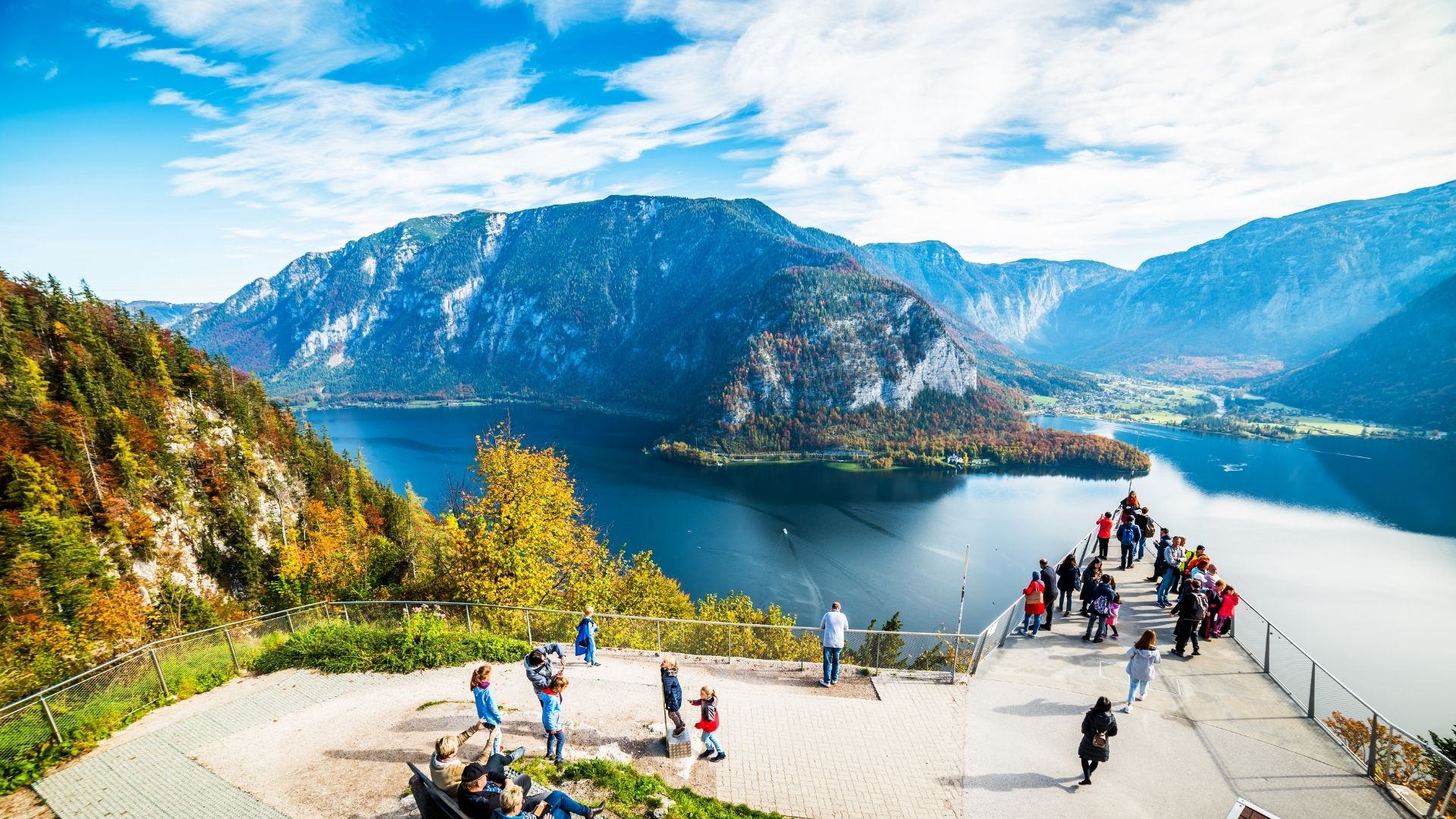
Salzwelten Hallstatt (including salt mine, funicular, and Skywalk) remains completely closed until June 2026. This represents the village’s most popular attraction, requiring significant itinerary adjustments. Moreover, the closure affects multiple related viewpoints and hiking trails simultaneously.
What’s Affected:
- Hallstatt Salt Mine tours (the oldest worldwide)
- Salzbergbahn funicular railway
- Skywalk viewing platform (360m above the village)
- Rudolfsturm restaurant and viewpoint
- High Valley hiking trails
The closure stems from extensive funicular railway reconstruction, ensuring future safety. Unfortunately, no partial access or limited viewing hours exist during the construction period. Therefore, visitors planning primarily for these attractions should reconsider timing.
Alternative Salt Mine: Daily shuttle buses transport visitors from Hallstatt to Altaussee Salt Mine. The service includes round-trip transportation plus mine admission, creating convenient alternatives. However, Altaussee lacks Hallstatt’s dramatic mountain setting and iconic Skywalk views.
Shuttle Details:
- Departs daily from Hallstatt center
- Journey time: 40 minutes each way
- Cost: Included with my admission
- Reservations recommended booking
- Operating throughout the winter months
Five Fingers: Best Alternative Viewpoint
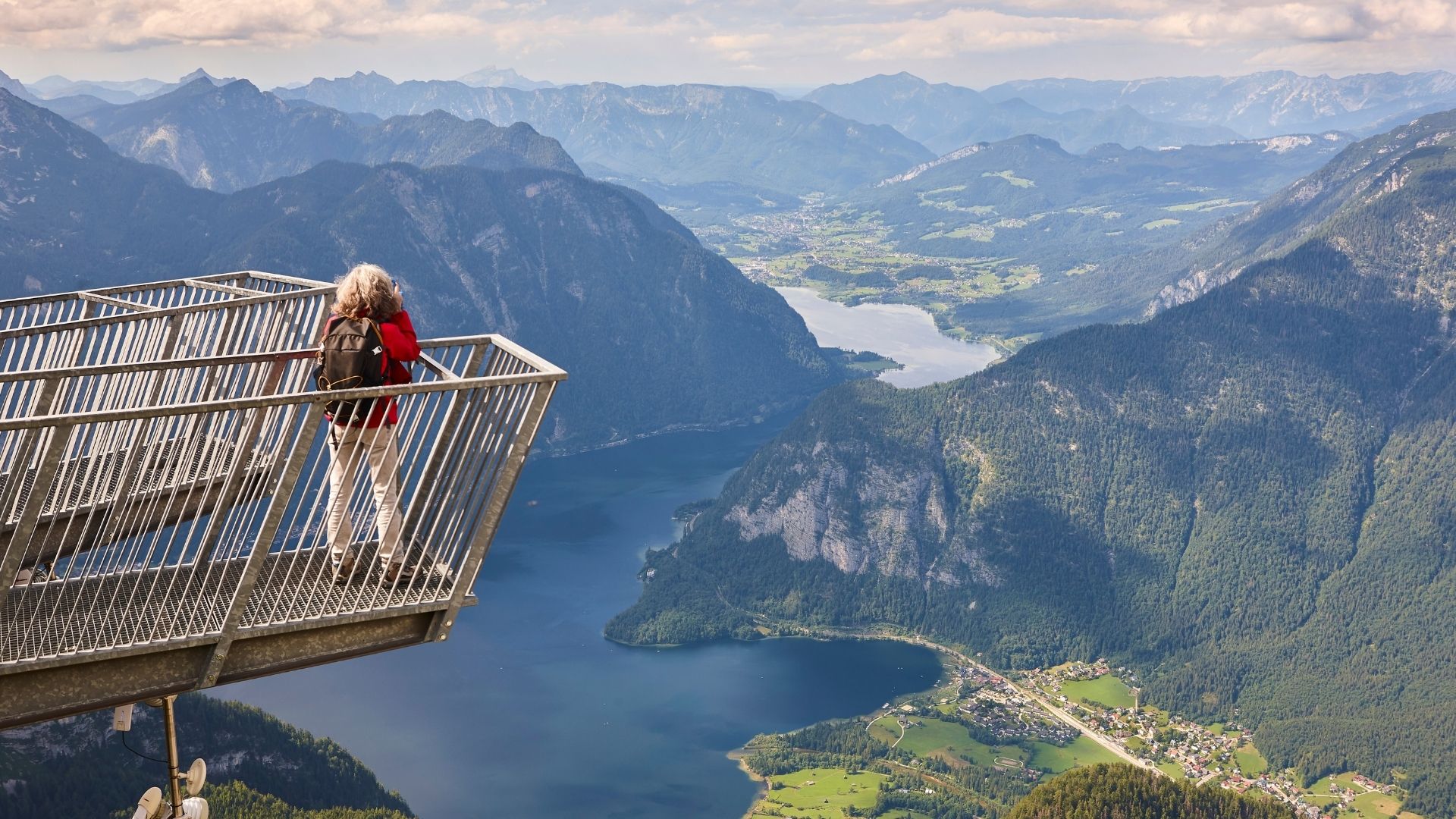
With Hallstatt’s Skywalk closed, the Five Fingers platform above Obertraun provides excellent alternatives. This spectacular viewing platform features five cantilevered walkways jutting over 400-meter drops. Moreover, panoramic vistas span multiple lakes and the Dachstein massif simultaneously.
Access Information:
- Location: Krippenstein mountain, Obertraun
- Bus 543: From Hallstatt Lahn terminal (10 minutes)
- Cable car: Dachstein Krippenstein to the summit
- Walking time: 20-30 minutes from the cable car
- Cost: Approximately €35 round-trip cable car
Winter conditions require sturdy boots with excellent traction for trail walking. Additionally, check cable car operating schedules before traveling, as weather closures occur. Snow and ice on trails demand careful footing throughout the approach.
Photography Opportunities:
- Unique cantilevered platform angles
- Unobstructed Dachstein mountain views
- Multiple lake perspectives simultaneously
- Dramatic drop-off compositions
- Usually less crowded than Hallstatt
Trail Closures & Hiking Limitations
Construction work closes the popular “Serpentine Path” hiking trail to Salzberg mountain. This trail provided primary pedestrian access to the salt mine and Skywalk areas. Consequently, several hiking routes require significant detours, adding 60-90 minutes of walking time.
Closed Routes:
- Serpentine Path to Salzberg
- Direct ascent to Skywalk
- Plassen mountain approach routes
- Dammwiese meadow access trail
Alternative Access: Routes through Echerntal valley remain open, providing alternate mountain access. However, extended walking times and more challenging terrain discourage casual hikers. Moreover, winter snow conditions make these alternatives suitable only for experienced hikers.
Always check the Hallstatt Tourist Office for the current trail status before departing. Conditions change rapidly, requiring up-to-date information for safety. Additionally, several websites provide real-time closure updates throughout the construction period.
Must-See Attractions: What Remains Open
Despite construction closures, Hallstatt offers numerous attractions throughout the winter months. Understanding what’s available helps maximize your experience despite limitations. Moreover, reduced crowds create better conditions for exploring remaining sites thoroughly.
Classic Village Photography Spots
The iconic church viewpoint remains Hallstatt’s most photographed location, winter or summer. Located on Gosaumühlstraße road, this viewpoint captures colorful houses cascading down steep slopes. Additionally, snow-covered roofs and frozen lake edges enhance already spectacular compositions.
Best Photography Times:
- Sunrise: 7:30-8:30 AM (minimal crowds)
- Morning: 8:30-10:00 AM (soft lighting)
- Avoid: 10:00 AM-2:00 PM (tour bus crowds)
- Late afternoon: 3:30-4:30 PM (golden hour)
- Evening: After 5:00 PM (empty village)
Arriving before 8:00 AM guarantees nearly empty conditions for unobstructed photographs. Furthermore, staying overnight enables early morning and evening access impossible for day-trippers. The viewpoint gets crowded even in winter between 10:00 AM-2:00 PM.
Alternative Viewpoints:
- Southern village end lakeside path
- Secret staircases throughout the village
- Hillside above the main square
- Lutheran Church lakeside walk
- Various residential streets slopes
World Heritage Museum: Indoor Refuge
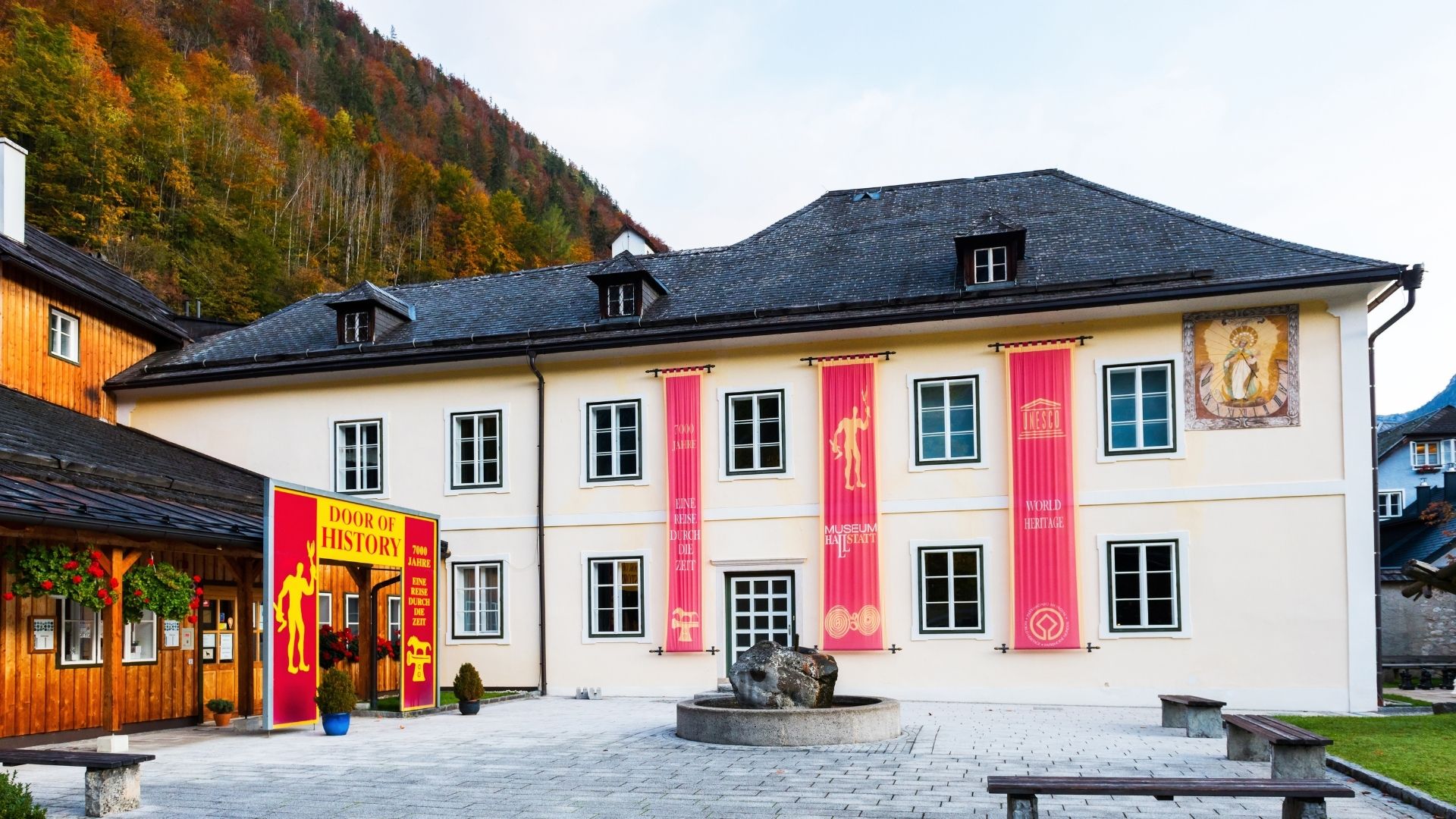
This cozy museum provides a perfect refuge during cold days while educating about Hallstatt’s history. Exhibits showcase 7,000 years of settlement, Celtic artifacts, and salt mining heritage. Moreover, the museum operates throughout winter, offering consistent indoor activities.
Museum Details:
- Location: Seestraße 56, village center
- Winter hours: 10:00 AM – 4:00 PM (Wednesday-Sunday)
- Admission: €10 adults, €5 children
- Duration: 60-90 minutes, typical visit
- English information is available throughout
Celtic history dominates exhibits reflecting Hallstatt’s importance during the Iron Age era. The extensive salt mining displays provide context for the region’s prosperity throughout the centuries. Additionally, prehistoric artifacts include famous Bronze Age discoveries from nearby burial sites.
Featured Exhibits:
- Celtic era artifacts and jewelry
- Traditional regional costumes
- Salt mining tools and techniques
- Prehistoric burial discoveries
- Regional natural history
Bone House: Unique Cultural Experience

The Beinhaus ossuary contains approximately 1,200 decorated skulls representing a unique Alpine tradition. This small chapel displays artistically painted skulls dating back several centuries. Moreover, the intimate space creates powerful, contemplative experiences, highlighting mortality traditions.
Visiting Information:
- Location: Behind the Catholic parish church
- Winter access: Limited hours (check locally)
- Admission: €2-3 donation requested
- Duration: 15-20 minutes
- Photography: Generally permitted respectfully
Skull decorations include names, death dates, and sometimes floral artistic motifs. This tradition arose from limited cemetery space in mountainous terrain. Furthermore, families would paint skulls after natural decomposition, creating memorial artwork.
Cultural Context:
- Space-saving burial practice has historically
- Artistic skull decoration tradition
- Family memorial customs
- Catholic traditions intertwined
- Respect is required during visits
Lakeside Winter Walks
The lakefront promenade provides beautiful, relatively flat walking suitable for all abilities. Snow-covered paths alongside frozen lake edges create stunning winter scenes. Additionally, resident swans swimming near shores offer delightful wildlife photography opportunities.
Walking Routes:
- Northern promenade: Lutheran Church direction (15 minutes)
- Southern path: Towards Obertraun (20 minutes)
- Village streets: Various steep stairways
- Flat sections: Limited but scenic
- Duration: 30-60 minutes complete circuit
Paths remain accessible throughout winter, though ice creates slippery conditions occasionally. Therefore, proper winter boots with traction remain essential for safe walking. Moreover, benches along routes provide rest stops and contemplation points.
Wildlife Watching:
- Swans swimming year-round
- Various duck species
- Occasional fish eagles
- Mountain birds in higher elevations
- Never feed wildlife (prohibited)
Winter Photography: Capturing Magic
Hallstatt’s winter beauty creates unparalleled photographic opportunities when properly planned. Understanding lighting, crowd patterns, and composition techniques maximizes stunning results. Moreover, winter conditions demand specific gear and timing considerations.
Golden Hour Shooting Strategy
Limited winter daylight makes golden hour planning absolutely critical for quality photos. Mountains create dramatic shadows requiring strategic positioning and timing. Consequently, using sun-tracking apps helps predict optimal shooting windows throughout short days.
Morning Golden Hour:
- Timing: 7:30-9:00 AM typically
- Benefits: Empty streets, soft light
- Challenge: Very cold temperatures
- Best spots: Classic church viewpoint
- Arrive: 30 minutes before sunrise
Morning shoots guarantee minimal tourist presence, creating clean, unobstructed compositions. However, extremely cold temperatures demand proper clothing and hand warmers. Additionally, camera batteries drain faster in freezing conditions, requiring extras.
Afternoon Golden Hour:
- Timing: 3:30-5:00 PM approximately
- Benefits: Warm golden tones
- Challenge: Growing crowds returning
- Best spots: Lakeside promenades
- Shadows: Significant from the mountains
Village shadows increase rapidly during the afternoon, limiting golden hour duration significantly. Therefore, positioning yourself on the eastern lakeside maximizes remaining sunlight. Moreover, afternoon light creates beautiful warm tones on snow-covered architecture.
Essential Winter Photography Gear
Cold temperatures and snowy conditions demand specific photographic equipment beyond standard travel kits. Protecting gear while maintaining functionality requires thoughtful preparation and proper accessories. Additionally, backup equipment becomes more critical in harsh conditions.
Camera Protection:
- Weather-sealed camera bodies preferred
- Waterproof camera rain covers
- Lens hoods reduce snow interference
- Microfiber cloths for fog removal
- Silica gel packets for moisture absorption
- Camera bag with insulation
Moisture from temperature changes damages electronic equipment, requiring protective measures. Therefore, allowing gear to acclimate slowly prevents condensation formation. Moreover, keeping cameras inside coats between shots maintains operational temperatures.
Cold Weather Accessories:
- Multiple spare batteries (drain faster)
- Hand warmers for pockets
- Touchscreen-compatible gloves for photography
- Sturdy tripod in icy conditions
- Cable release or remote trigger
- Lens cleaning kit constantly
Batteries lose charge dramatically faster in freezing temperatures, requiring multiple extras. Keep spare batteries in interior pockets, maintaining body warmth. Additionally, rotating batteries between shots extends shooting time significantly.
Unique Winter Composition Ideas
Snow transforms familiar scenes, creating fresh photographic perspectives impossible during warmer months. Understanding winter-specific composition opportunities helps create distinctive portfolio pieces. Moreover, creative approaches distinguish your images from countless Hallstatt photographs.
Snow-Enhanced Compositions:
- Frost-covered railings and details
- Snow-laden tree branches framing
- Frozen lake edge formations
- Icicles hanging from buildings
- Fresh snow footprint patterns
Early morning after overnight snowfall provides pristine, unmarked snow scenes. Additionally, fresh powder clings to architectural details, creating beautiful texture. However, this window closes rapidly as village activity disturbs the snow.
Long Exposure Techniques:
- Smooth water effects lake movements
- Light trails, evening traffic is minimal
- Star trails night photography
- Falling snow motion blur
- Cloud movement mountain backdrops
Long exposures work excellently in low winter light conditions, extending shooting possibilities. Moreover, stable tripod positioning on icy surfaces requires extra care and weighting. Additionally, remote triggers prevent camera shake during long exposures.
Reflection Photography:
- Calm morning, the lake mirrors
- Puddle reflections village streets
- Window reflections in architecture
- Ice surface partial reflections
- Snow reflection lighting enhancement
Mirror-smooth lake conditions occur most frequently during calm winter mornings. Therefore, arriving at sunrise maximizes reflection photography opportunities before winds develop. Additionally, polarizing filters control reflection intensity, creating varied effects.
Safety First: Winter Hazards
Winter conditions create genuine safety concerns requiring awareness and proper precautions. Understanding potential hazards helps prevent accidents and ensures enjoyable experiences. Moreover, mountain weather changes rapidly, demanding constant vigilance and flexibility.
Slippery Surface Navigation
Ice and compacted snow create dangerously slippery conditions throughout Hallstatt’s steep streets. Village walkways cleared daily still retain hazardous ice patches, particularly in shaded areas. Consequently, appropriate footwear and careful movement become essential.
High-Risk Areas:
- Steep staircases between levels
- Shaded narrow alleyways
- Lakeside promenade sections
- Parking lot approaches
- Bridge crossings for pedestrians
Falls on ice cause serious injuries, including broken bones and head trauma. Therefore, taking extra time and moving carefully prevents painful accidents. Additionally, using trekking poles provides extra stability on steep, icy terrain.
Safe Walking Techniques:
- Take small, deliberate steps
- Keep hands free for balance
- Avoid rushing or running ever
- Test footing before weight transfer
- Use railings whenever available
- Walk flat-footed penguin style
Morning ice proves most hazardous before sunlight warms surfaces. However, afternoon melting followed by evening refreezing creates black ice. Moreover, shaded areas remain icy throughout the entire day.
Proper Winter Clothing Essentials
Inadequate clothing causes hypothermia, frostbite, and miserable experiences during winter visits. The layering system provides flexibility, adjusting to temperature changes throughout the day. Moreover, quality winter gear makes a difference between enjoyment and suffering.
Layering System:
- Base layer: Thermal underwear (merino wool)
- Middle layer: Fleece or down insulation
- Outer layer: Waterproof, windproof jacket
- Always: Avoid cotton materials
Critical Accessories:
- Insulated, waterproof winter boots
- Thick wool socks (extra pairs)
- Warm hat covering ears
- Insulated gloves or mittens
- Neck gaiter or scarf
- Hand and toe warmers
Boots require excellent traction, preventing slips, plus waterproofing for snow. Moreover, insulation keeps toes warm during extended outdoor periods. Many visitors underestimate cold severity, resulting in uncomfortable, shortened exploration.
Additional Recommendations:
- Sunglasses (snow glare intense)
- Lip balm with SPF
- Moisturizer for dry air
- Backpack carrying layers removed
- Emergency thermal blanket
Emergency Preparedness & Resources
Understanding available emergency resources and carrying basic supplies prevents minor issues from escalating. Mountain locations experience rapid weather deterioration requiring preparation. Additionally, knowing emergency contacts and procedures provides crucial safety nets.
Emergency Contacts:
- European Emergency: 112 (all services)
- Hallstatt Police: +43 59133 4130
- Medical Emergencies: 144 (ambulance)
- Mountain Rescue: 140 (Alpine emergencies)
- Tourist Office: +43 6134 8208
Essential Carry Items:
- Charged mobile phone plus backup battery
- Emergency contact information written
- Small first-aid kit basics
- High-energy snacks and water
- Flashlight or headlamp
- Whistle for attracting attention
Download offline maps before arrival, as mobile signals prove unreliable mountains. Additionally, inform accommodation hosts about hiking plans and expected return times. Moreover, never venture alone onto trails during winter conditions.
Weather Monitoring:
- Check forecasts multiple times daily
- Understand rapidly changing conditions
- Know warming shelter locations
- Recognize hypothermia symptoms early
- Don’t hesitate to cancel plans, weather
Getting Around: Winter Transportation
Winter conditions significantly impact transportation, both reaching and navigating Hallstatt. Understanding seasonal challenges helps plan realistic travel logistics. Moreover, alternative routes and timing considerations become more critical during the winter months.
Driving Considerations & Road Conditions
Winter driving in the Austrian Alps requires proper preparation, winter tires, and a cautious approach. Mountain roads experience snow, ice, and reduced visibility, creating hazardous conditions. Consequently, inexperienced winter drivers should consider alternative transportation.
Legal Requirements:
- Winter tires mandatory (November 1 – April 15)
- Snow chains are required under certain conditions
- Austrian highway vignette (€10)
- An international driving permit is recommended
- Adequate vehicle insurance coverage
Driving Challenges:
- Narrow mountain roads
- Steep gradients and switchbacks
- Limited visibility during snow
- Black ice in unmarked sections
- Slow-moving snow removal vehicles
Check road conditions before departure at www.asfinag.at or the local tourist office. Moreover, allow extra travel time, accounting for slow winter speeds. Additionally, carrying emergency supplies (blanket, food, water, flashlight) proves essential.
Parking in Winter:
- Village parking lots are cleared regularly
- Limited spaces fill quickly
- P1 parking: €10-15 daily
- 10-15 minute walk to the center
- Snow reduces available spaces
Public Transportation Options
Trains and buses provide reliable winter access without driving stress or vehicle requirements. However, reduced winter schedules demand careful timetable checking. Moreover, delays occur during severe weather, affecting connections.
Train Access:
- Nearest station: Hallstatt Bahnhof (across the lake)
- Ferry connection: To the village center (€3)
- Frequency: Every 1-2 hours from Salzburg
- Winter schedules: Slightly reduced
- Journey time: 2.5 hours from Salzburg
Ferry coordinates with train arrivals, transporting passengers across the lake to the village. However, extreme weather occasionally suspends ferry service, stranding travelers. Therefore, checking conditions beforehand prevents complications.
Bus Services:
- Bus 543: Connects Obertraun attractions
- Frequency: Reduced winter schedules
- Cost: €2-4 per journey
- Tourist information: Provides current timetables
- Download schedules: Planning is essential
Walking Within Village
Hallstatt’s compact size makes walking the primary transportation method within village boundaries. However, steep terrain and winter ice create challenging conditions. Consequently, short distances require significantly more time and effort than summer.
Walking Realities:
- Village end-to-end: 15-20 minutes normally
- Winter conditions: 30-40 minutes safely
- Steep stairs: Numerous throughout the village
- Ice patches: Constant vigilance required
- Luggage transport: Very challenging
Many accommodations offer shuttle service from parking areas to properties. Therefore, inquiring about assistance prevents struggling with luggage on icy slopes. Additionally, some hotels provide luggage transport included with reservations.
Budget Planning: Winter Costs
Winter visits typically cost significantly less than the peak summer season. Understanding price ranges helps budget appropriately for comfortable stays. Moreover, strategic choices maximize value without sacrificing essential experiences.
Accommodation Winter Rates
Hotels and guesthouses reduce rates approximately 30-50% during the winter months. Limited demand creates a buyer’s market with better availability and negotiating power. However, Christmas market periods (limited 2026 dates) command premium pricing.
Budget Options (€60-100/night):
- Gasthof guesthouses: Traditional Alpine
- Private apartments: Kitchen facilities
- Nearby villages: Bad Goisern is cheaper
- Obertraun accommodations: Across the lake
Mid-Range Hotels (€100-180/night):
- Pension Hirlatz: Mountain views
- Gasthof Simony: Lakeside location
- Heritage Hotel: Standard rooms
- Various B&Bs: Breakfast included
Luxury Properties (€180-350/night):
- Seehotel Grüner Baum: Iconic lakefront
- Heritage Hotel: Lake view suites
- Hallstatt Hideaway: Adults-only boutique
- Private homes: Entire properties
Book accommodations 1-3 months in advance for the best selection and rates. Additionally, midweek stays (Sunday-Thursday) offer better availability than weekends. Moreover, longer stays sometimes negotiate discounted rates directly with properties.
Daily Expense Breakdown
Understanding typical daily costs helps establish realistic budgets covering all necessities. Prices remain moderate compared to other Austrian tourist destinations. However, limited dining options prevent significant cost savings.
Typical Daily Costs:
- Breakfast: €8-15 (if not included)
- Lunch: €12-18 per person
- Dinner: €18-30 per person
- Coffee/snacks: €5-10 throughout the day
- Attractions: €10-35 (Five Fingers, museum)
- Total: €60-120 per person daily
Money-Saving Strategies:
- Choose accommodation with breakfast
- Pack lunch from supermarket purchases
- Eat the main meal at lunch (cheaper)
- Use free village walking tours
- Bring a reusable water bottle (tap excellent)
- Cook some meals in the apartment
Spar supermarket provides groceries for picnic lunches and snacks. However, selection remains limited, requiring flexibility. Additionally, restaurant prices stay consistent year-round without seasonal discounts.
Staying Overnight: Beat the Crowds
Overnight stays transform Hallstatt experiences dramatically compared to day-tripping. Evening and early morning hours offer a peaceful village atmosphere, impossible during midday chaos. Consequently, staying minimizes frustration while maximizing authentic experiences.
Why Overnight Stays Matter
Day-trippers flood Hallstatt between 10:00 AM and 4:00 PM, creating uncomfortable crowding. However, tour buses depart by late afternoon, returning the village to manageable visitor levels. Moreover, overnight guests have access to magical sunrise and sunset lighting.
Day-Tripper Reality:
- Arrive: 10:00-11:00 AM typically
- Peak: 11:00 AM-2:00 PM absolutely packed
- Depart: 3:00-4:00 PM gradually
- Evening: 6:00 PM+ peaceful atmosphere
- Morning: Before 9:00 AM, virtually empty
Overnight Advantages:
- Early morning photography of empty streets
- Evening village walks peaceful ambiance
- Restaurant reservations easier to obtain
- Sunrise/sunset optimal lighting conditions
- Authentic local interactions are possible
- No rushing, exploring thoroughly
Recommended Accommodation Options
Selecting strategically located accommodations enhances winter experiences significantly. Central locations minimize walking on icy streets with luggage. Moreover, lake views from rooms provide constant stunning scenery.
Best Winter Choices:
- Seehotel Grüner Baum: Premier lakefront
- Heritage Hotel Hallstatt: Central, comfortable
- Gasthof Simony: Traditional Austrian charm
- Pension Sarstein: Mountain views, peaceful
- Haus Trausner: Budget-friendly, clean
Book rooms with lake views despite the premium costs. Morning views watching sunrise over a frozen lake justify the additional expense. Additionally, balcony rooms enable photography without leaving accommodations.
Booking Considerations:
- Request the ground floor (fewer stairs)
- Confirm heating adequacy in winter
- Ask about luggage assistance
- Verify parking proximity included
- Check the breakfast times’ flexibility
Final Thoughts: A Magical Yet Mindful Winter Visit
Hallstatt in winter 2026 offers a truly enchanting experience, with snow-covered rooftops, frozen lakeside views, and a calm atmosphere far removed from the busy summer crowds. Shorter days, colder temperatures, and occasional snowfall create postcard-worthy scenery, making it an ideal time for photography and quiet exploration. However, winter travel also requires careful planning, as some attractions, boat services, and hiking routes may operate on limited schedules or remain closed due to weather conditions.
Visitors should prioritise safety by checking local weather updates, wearing proper winter footwear, and allowing extra travel time for icy roads or delayed transport. Early mornings and late afternoons provide the best light for capturing Hallstatt’s winter charm while avoiding peak visitor hours. With realistic expectations, flexible plans, and basic safety precautions, a winter trip to Hallstatt can feel peaceful, authentic, and visually stunning. For travellers seeking serenity, scenic beauty, and a slower pace, Hallstatt in winter delivers a memorable alpine experience.
