

Vienna in 2026 is a dream destination for anyone who loves food not because it offers something new every week, but because it blends the old and the new in a way very few cities can. You can spend the morning in a centuries-old café eating a slice of Sachertorte that follows a recipe older than electricity, and then enjoy dinner at a restaurant where that same chocolate cake has been reimagined into a modern, minimalist dessert topped with locally sourced berries and a whisper of smoked cream. This contrast gives Vienna its unmistakable charm: the past lives confidently beside the future, creating a dining environment that is both nostalgic and cutting-edge.
Over the years, the city has become even more passionate about preserving its culinary identity. Families still gather around beloved dishes like Wiener Schnitzel, goulash, and plum dumplings. These recipes have been passed down through generations, and Viennese cooks take great pride in preparing them the same way their grandparents did. Yet, despite this strong loyalty to tradition, Vienna has also warmly welcomed innovation. Many restaurants now experiment with lighter versions of heavy meals, introduce organic substitutes, or adopt modern plating styles that turn classic dishes into elegant art. But even when reinvented, the heart of the dish remains unmistakably Viennese.
What makes this dual approach so appealing in 2026 is the consistency. Whether you visit a historic Gasthaus with wood-paneled walls or a sleek contemporary dining room with glass façades, you can expect food that carries the essence of Vienna. The city’s culinary confidence comes from centuries of refinement. Vienna never rushes the process; it honors it. And that respect translates into remarkable food experiences at every level—from simple weekly menus to multi-course tasting journeys. In Vienna, even everyday meals feel intentional and crafted with care.
A Cultural Melting Pot of Flavors

Vienna’s food culture is complex and rich because the city itself has always been a meeting point for different communities. During the Habsburg monarchy, Vienna was the heart of an empire that connected diverse regions and civilizations. People from Hungary, Bohemia, Moravia, Northern Italy, Croatia, Germany, and the Balkans lived and worked in the city. Each brought their own ingredients, cooking methods, and flavors. These influences did not exist separately—they slowly merged into one extraordinary culinary identity.
This is why today’s Viennese cuisine contains hints of paprika-heavy Hungarian stews, buttery Czech pastries, robust Balkan grilled meats, Jewish baking traditions, and Austrian alpine ingredients. Instead of one dominant influence, Vienna embraced them all equally and shaped them into dishes that feel familiar yet unique at the same time. Strudel, for example, has Middle Eastern origins but became Viennese through layering techniques refined by Bohemian pastry makers. Goulash, often thought of as Hungarian, has become a Viennese staple as well.
In 2026, this multicultural foundation still drives Vienna’s food scene. The city’s population has become even more diverse, bringing in flavors from Turkey, Syria, Japan, India, Vietnam, and Italy. These global influences appear not only in international restaurants but also in fusion concepts created by local chefs. It’s now common to find a schnitzel served with Asian-inspired pickles or strudel filled with tropical fruits. Yet, even with these creative additions, the Austrian essence remains recognizably intact.
This multicultural richness ensures that eating in Vienna never feels monotonous. You can walk just two streets and find a Balkan bakery selling burek, a coffeehouse offering traditional cakes, a Würstelstand grilling Käsekrainer, and a Japanese chef serving Austrian fish prepared with Japanese precision. The city’s openness to new flavors makes it exciting, while its loyalty to tradition keeps it grounded. Vienna is not trying to be global at the cost of identity; instead, it adds global flavor to its already elegant culinary personality.
Slow Dining, Sustainability & Seasonal Eating
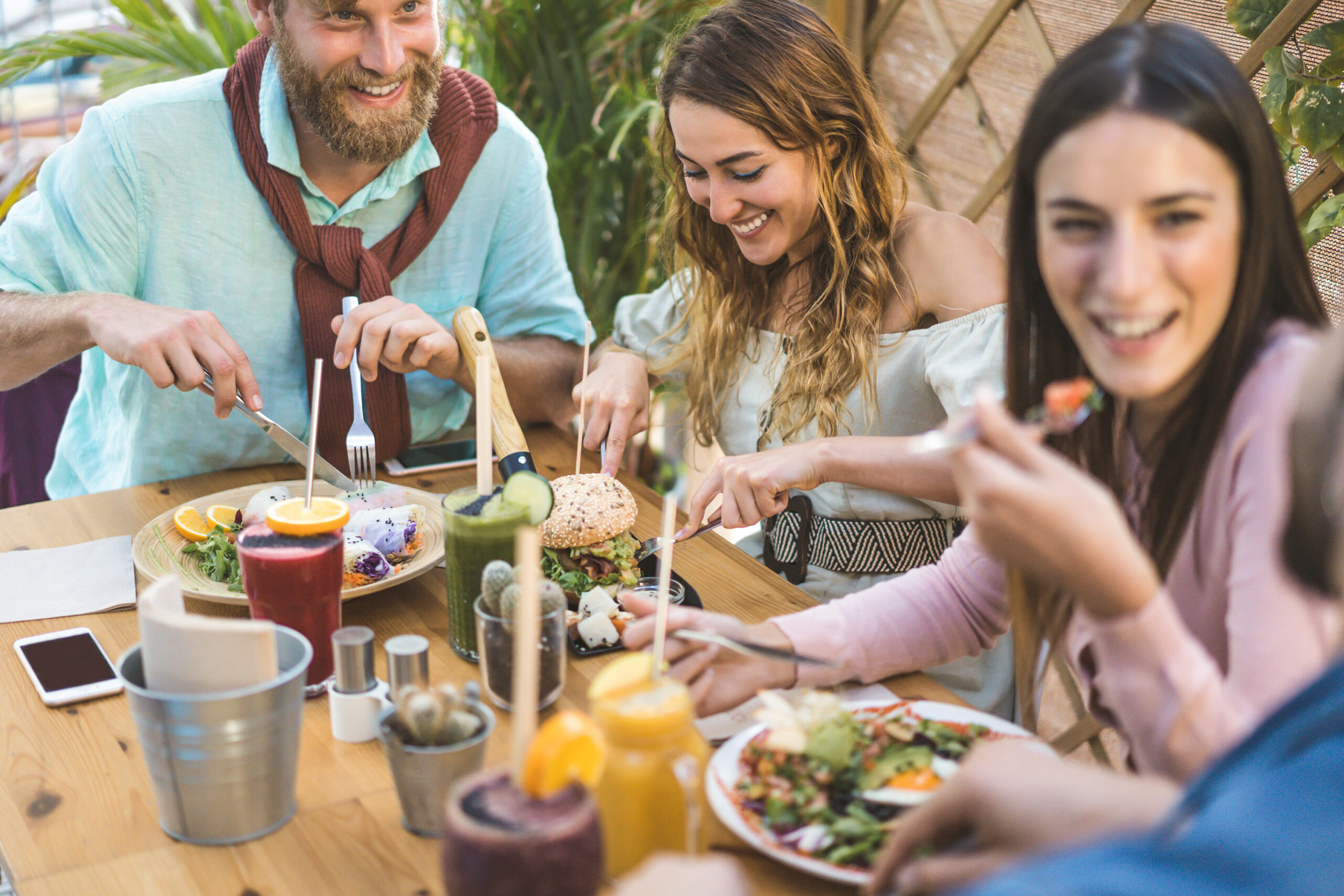
One of the most beautiful aspects of Vienna’s food culture is its pace. In 2026, when much of the world is rushing through meals, Vienna continues to take its time. The coffeehouse culture, recognized by UNESCO as intangible cultural heritage, encourages guests to sit for hours with a single cup of coffee. No one rushes you. No one expects you to leave quickly. This philosophy naturally extends to meals as well. Whether you’re at brunch, lunch, or dinner, there is a certain Viennese calmness that turns dining into an experience rather than a transaction.
This slow-dining mindset is reflected in the way food is prepared too. Stocks simmer for hours. Dough rests overnight. Strudel pastry is stretched thin enough to read a newspaper through. Even the Wiener Schnitzel, though simple, is treated with meticulous attention—properly pounded, breaded with fresh crumbs, and fried until golden and crisp. Vienna’s confidence in slow craftsmanship is what gives its dishes their timeless appeal.
At the same time, the city is deeply committed to sustainability. Farmers’ markets like Naschmarkt, Karmelitermarkt, and Brunnenmarkt showcase fresh, organic produce that restaurants eagerly incorporate into their menus. Many chefs have built relationships with local farmers, ensuring the freshest possible ingredients. There is growing awareness about food waste, energy efficiency, and eco-friendly packaging. Even traditional establishments proudly mention where their meats or dairy come from and how they support local agriculture.
In 2026, vegetarian and vegan versions of many Viennese classics are widely available. You can now find mushroom schnitzels with incredible flavor, plant-based sausages that resemble the real thing, and vegan Sachertorte that tastes surprisingly indulgent. This shift doesn’t replace traditional cuisine—it complements it, making Vienna’s culinary world more inclusive.
These factors—slow dining, craftsmanship, sustainability, and inclusiveness—combine to create a food culture that feels rich and warm. Vienna has become a city where eating isn’t just something you do; it’s something you feel, something you experience, something you remember. And that is why Vienna stands proudly as a food lover’s paradise in 2026.
Understanding Viennese Cuisine: History, Influences & Modern Evolution
A Historical Blend of Cultures
Understanding Viennese cuisine means understanding how the city itself evolved. Vienna has always been a cultural crossroads, influenced by people who traveled through it, settled in it, or ruled from it. During its imperial peak, Vienna was not only the political center of the Habsburg monarchy but also its culinary heart. Foods from across Central and Eastern Europe were brought to the city through trade, migration, and royal interactions. Over decades and centuries, these influences merged into a sophisticated yet comforting culinary identity.
Hungary played a major role in shaping Vienna’s love for spices, stews, and paprika-rich dishes. The famous goulash served in Vienna today is different from Hungarian gulyás, yet the connection is unmistakable. Bohemia and Moravia introduced dumplings, breads, cakes, and pastry-making skills that transformed the city’s dessert culture. Jewish communities added strudel, kugel, and various baked goods that later became café staples. The Balkans contributed hearty grilled meats, peppers, and stuffed vegetables. Northern Italy brought finesse, dough techniques, and an appreciation for delicate desserts.
Vienna embraced all these influences not by copying them, but by refining them. Recipes were adapted to local tastes. Ingredients were replaced with Austrian counterparts. Techniques evolved. Over time, dishes from foreign cultures became Viennese through reinterpretation. This is why many iconic Viennese dishes have multi-cultural origins but a uniquely Austrian personality.
The result is a cuisine that is layered, deep, and richly storied. Every plate carries history. Every flavor has a lineage. Eating Viennese food means tasting the legacy of countless communities who contributed their knowledge to the city’s kitchens. This historical blending continues in 2026, strengthened by new waves of global inspiration that enrich rather than replace the culture.
The Heart of Austrian Ingredients
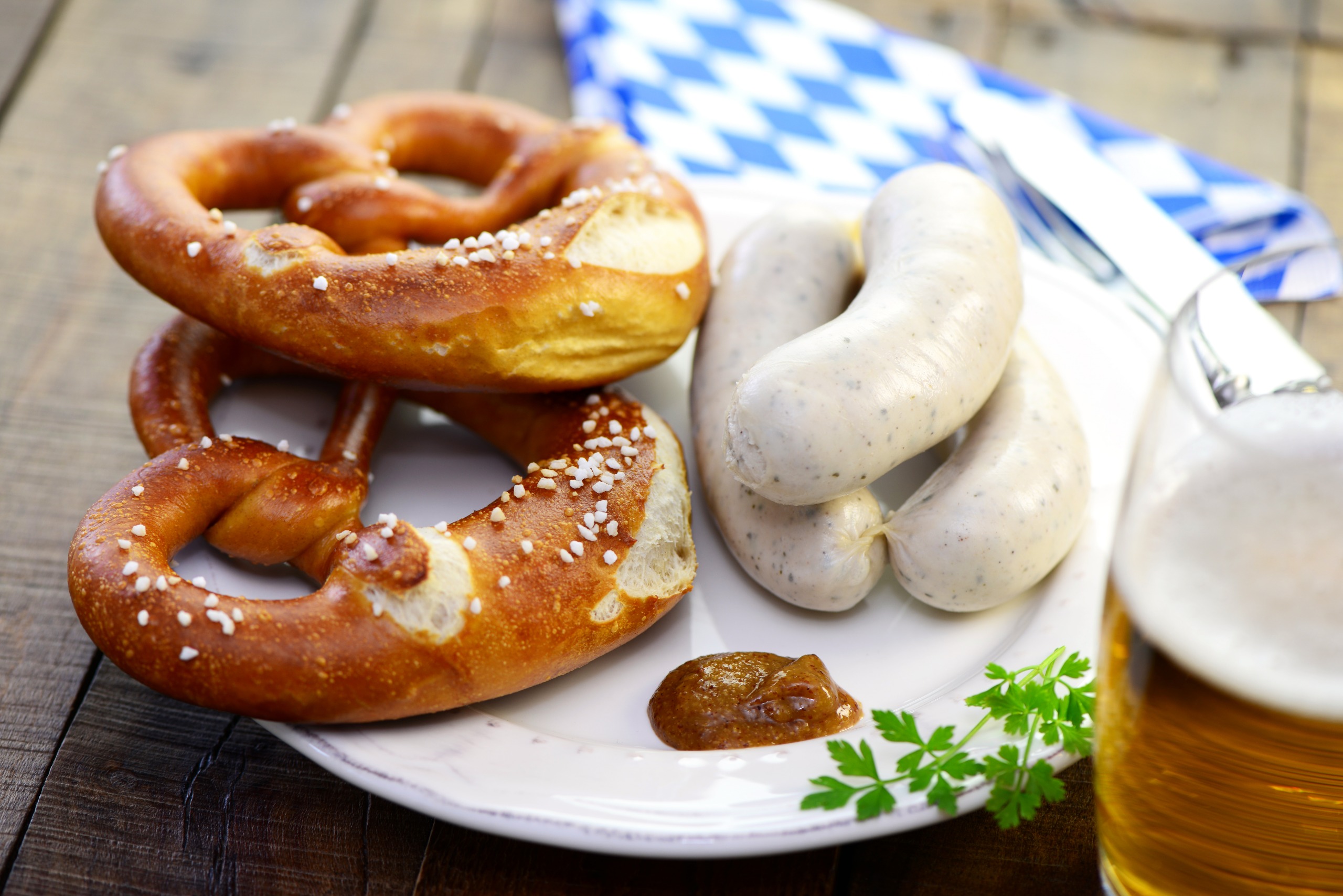
While Vienna absorbed cultural influences from every direction, the foundation of its cuisine has always been the Austrian landscape. The country’s farms, mountains, lakes, forests, and vineyards produce ingredients of remarkable quality. These raw ingredients form the backbone of Viennese food, shaping its flavors and textures.
Beef plays a central role in Viennese cuisine, especially in dishes like Tafelspitz—boiled beef served with broth, vegetables, apple-horseradish sauce, and chive cream. Pork is even more essential, used for schnitzels, sausages, cured meats, and roasts. Austrian pork is known for its rich flavor and tenderness, making it ideal for hearty meals.
Vegetables such as potatoes, cabbage, onions, leeks, and root vegetables thrive in the Austrian climate and are frequently used in soups, stews, and side dishes. Fruits play a major role in desserts—particularly apples, apricots, cherries, plums, and pears. Apples are at the heart of Apfelstrudel and various cakes. Apricots form the soul of Marillenknödel (apricot dumplings). Plums are essential for Zwetschgenkuchen.
Austrian dairy is another defining component. Alpine cheeses, fresh butter, cream, and yogurt add richness to both savory and sweet dishes. Bread is equally important—Viennese bakers use grains like wheat, rye, and spelt to create soft semmeln, crusty loaves, and sweet pastries.
In 2026, these ingredients remain central, but with a stronger focus on organic, ethical, and seasonal sourcing. Many restaurants proudly display the names of farmers or regions they work with. Even casual eateries highlight local origins. This connection between city dining and rural production gives Viennese cuisine authenticity and depth. It ensures that the food remains grounded in Austrian identity, no matter how global the culinary scene becomes.
Modern Evolution: Innovation Without Losing Identity
Viennese cuisine in 2026 is in a period of exciting evolution. Chefs are not trying to replace classics—they are reinterpreting them. They’re using modern techniques to lighten heavy dishes, reduce waste, and increase flavor precision. A traditional Viennese beef soup might now be clarified into a crystal-clear broth served in a tasting menu. A classic Kaiserschmarrn could be presented in small caramelized cubes paired with a seasonal compote. The spirit stays the same, even if the presentation changes.
There is also a growing trend of blending Austrian ingredients with international styles. Tuna tataki might sit beside Austrian potatoes. Miso glaze could elevate local trout. Chimichurri might accompany Wiener Schnitzel. These playful fusions show how Vienna’s culinary scene remains curious and confident.
At the same time, vegan and vegetarian interpretations continue to rise. Mushroom-based schnitzels, plant-based sausages, dairy-free pastries, and innovative vegetable dishes offer alternatives that still feel Viennese. Instead of removing tradition, these options expand how people experience it.
This modern evolution proves that Viennese cuisine is alive—not frozen in time. It grows, adapts, and welcomes new ideas while staying rooted in the flavors that make it special. The combination of historical legacy and future-forward creativity gives Vienna a culinary identity that is both comforting and exciting, familiar yet fresh, timeless yet innovative.
The Legendary Wiener Schnitzel
Why Schnitzel Defines Vienna
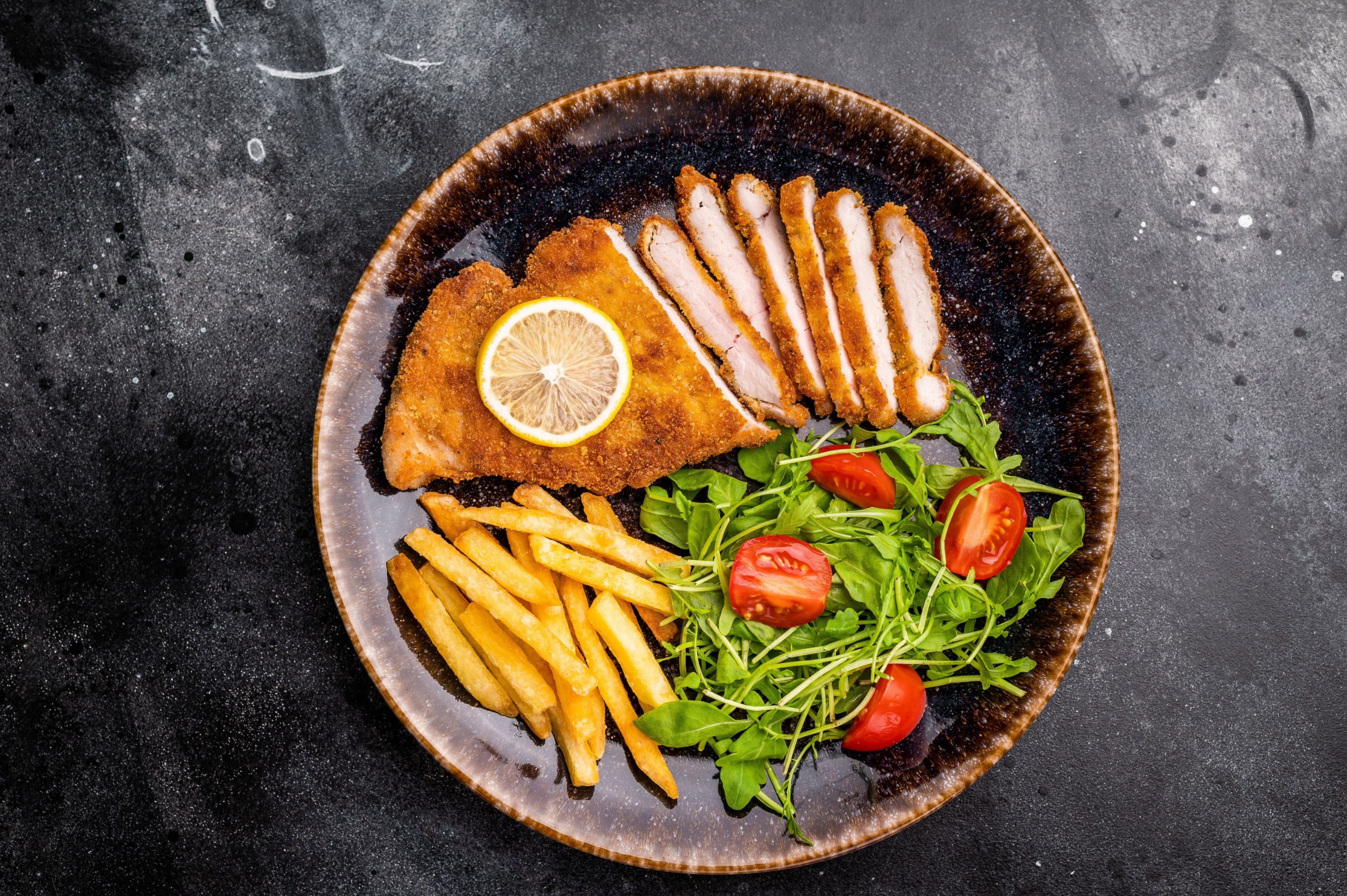
The Wiener Schnitzel is more than a dish—it is a symbol of Vienna’s past, present, and culinary identity. In 2026, the city continues to protect the tradition of this golden, crispy masterpiece while embracing modern variations and global influences. For locals, schnitzel is a nostalgic comfort food connected to family meals, Sunday lunches, and festive gatherings. For travelers, it is the one must-eat dish that represents Vienna’s classic hospitality and deep respect for quality ingredients.
Although the dish has roots in broader Central European cooking, the Viennese perfected it through meticulous technique: paper-thin meat, evenly coated breadcrumbs, and a shimmering pan of hot clarified butter. The result is a plate that looks simple but demands precision. Understanding the difference between veal and pork, as well as knowing where to eat the best schnitzel in Vienna, makes the experience even more rewarding.
Veal vs. Pork Schnitzel Explained
One of the most common questions visitors ask is whether to choose veal or pork. Both are widely available in Vienna, but they differ significantly in flavor, cost, and culinary heritage.
Authentic Wiener Schnitzel (Veal)
By Austrian law and EU protection, Wiener Schnitzel must be made from veal—specifically, tender cuts like the topside or veal escalope. The flavor is mild, delicate, and buttery, which pairs beautifully with the airy breadcrumb crust. Veal schnitzel is usually thinner and lighter, giving each bite an almost melt-in-the-mouth feel.
Because veal is more expensive, restaurants that serve it proudly list “Wiener Schnitzel vom Kalb” (Wiener Schnitzel from veal). These establishments often follow traditional cooking practices: hand-pounding the meat, using fresh breadcrumbs, and frying in clarified butter (Butterschmalz).
Pork Schnitzel (Schweineschnitzel)
Pork schnitzel is incredibly popular among locals and is more budget-friendly. Although not considered the “classic,” many Viennese families actually prefer pork because it delivers a more robust flavor and a slightly firmer texture. Pork schnitzel also tends to be larger and juicier if prepared well.
Restaurants label it as “Schnitzel vom Schwein,” and while it is not the protected Wiener Schnitzel, it is still delicious and beloved.
Which One Should You Choose?
If you want to experience the traditional, protected, historical dish, go with veal.
If you enjoy a deeper flavor or prefer a slightly heartier profile, choose pork.
Many visitors order both during their stay—one classic, one local favorite.
How Schnitzel Is Made Authentic

While schnitzel looks simple, Viennese chefs insist on a strict method to achieve the perfect, wavy, golden crust. The technique is so precise that even minor mistakes—oil too cold, breadcrumbs pressed too tightly, or uneven meat thickness—can ruin the texture.
1. Choosing High-Quality Meat
Traditional places use veal from trusted Austrian or Bavarian farms. The slices must be tender, lean, and free of veins or connective tissue. This allows the schnitzel to remain soft even after pan-frying.
2. Hand-Pounding to Perfect Thinness
The meat is gently flattened with a mallet until it becomes paper-thin. The goal is even thickness across the entire piece; this ensures consistent frying and that signature large, plate-covering shape.
3. The Classic Breading Station
Every kitchen uses this three-step system:
- Flour to dry the surface
- Egg wash for moisture
- Fresh breadcrumbs (never store-bought) for the signature crispness
Crucially, chefs never press the breadcrumbs into the meat. The loose coating creates the “soufflé effect,” where the crust bubbles and lifts away slightly during frying.
4. Frying in Clarified Butter
The schnitzel must swim in hot clarified butter. This fat gives it a delicate aroma and consistent golden color. The chef keeps the pan in constant motion, allowing the schnitzel to float and crisp naturally.
5. Served With Fresh Lemon and Parsley
Viennese schnitzel always comes with:
- A lemon wedge for brightness
- Parsley potatoes, potato salad, or cucumber salad
- Sometimes lingonberry jam, though this is a more modern addition
This entire process is what makes the dish unmistakably Viennese.
Best Traditional Schnitzel Places in 2026
Vienna is home to dozens of schnitzel restaurants, but only a handful achieve legendary status. In 2026, these remain the top spots for the most authentic and expertly prepared versions.
Figlmüller – The World-Famous Giant Schnitzel
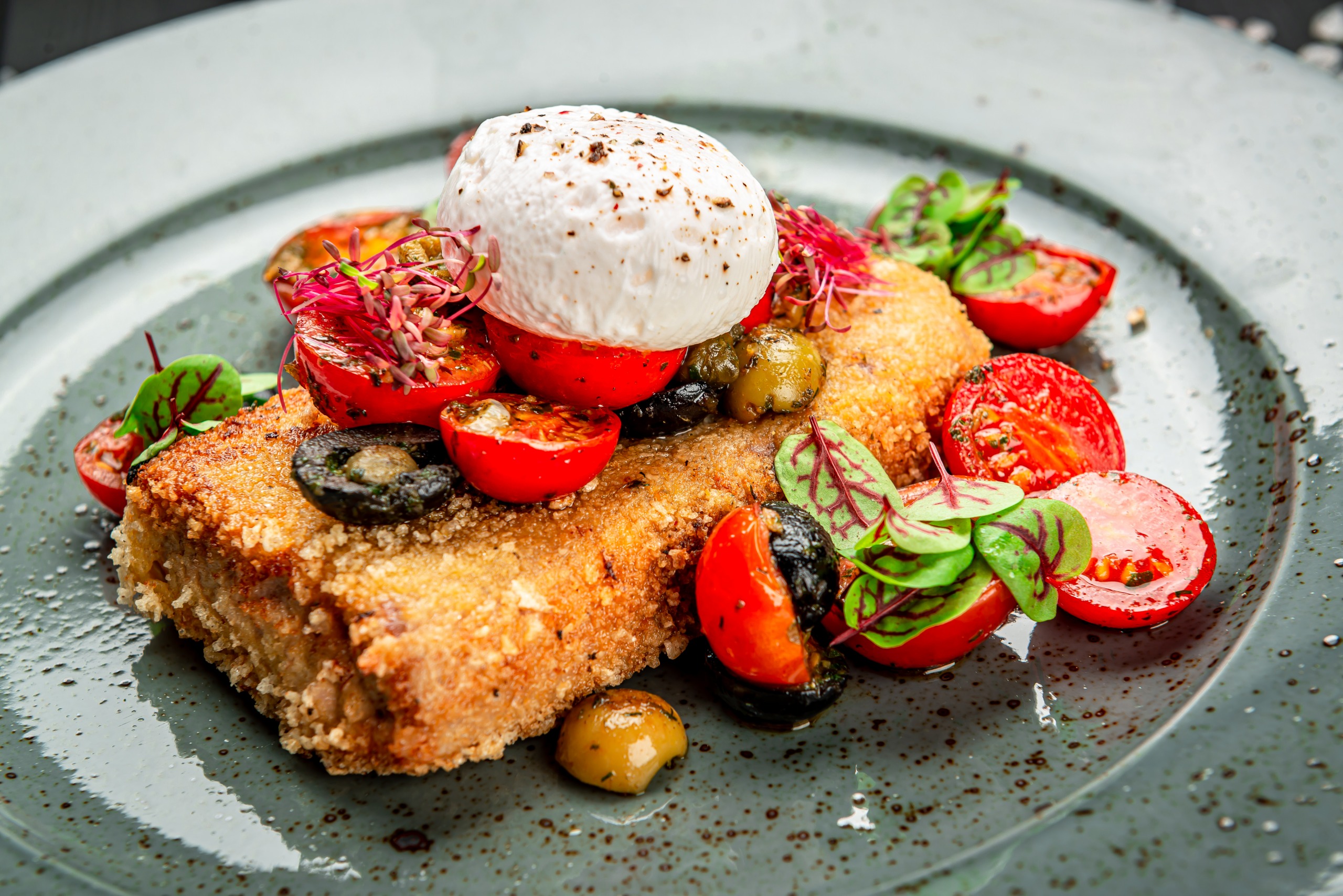
Figlmüller is arguably the most iconic schnitzel restaurant in Vienna, known for its enormous pork schnitzel that stretches well beyond the plate. While they specialize in pork, not veal, their technique is flawless: thin meat, heavy pan shaking, and beautifully golden crust. The restaurant continues to attract travelers and locals, especially at its Wollzeile location.
Plachutta – Veal Schnitzel Excellence
Plachutta is better known for Tafelspitz, but their veal schnitzel is among the city’s best. Cooked in clarified butter and served with classic sides, it combines high culinary craftsmanship with a luxurious dining experience. If you want a refined, authentic veal schnitzel, Plachutta remains a top choice.
Gasthaus Pöschl – Local Favorite
A cozy tavern atmosphere, simple menu, and outstanding schnitzel make Gasthaus Pöschl a beloved spot among residents. The veal schnitzel is light, perfectly crisp, and never greasy, suggesting expert technique and high-quality ingredients. It feels like eating at a friend’s house—if that friend were a master chef.
Zum Schwarzen Kameel – Historic Elegance
This iconic Viennese institution dates back more than 400 years and remains a hotspot for locals seeking upscale comfort food. Their veal schnitzel is delicate, elegantly plated, and paired with one of the city’s best potato salads.
Meissl & Schadn – The Schnitzel Theater
A unique restaurant that puts schnitzel center stage, Meissl & Schadn lets guests watch chefs pound and prepare schnitzel in an open “Schnitzel Show Kitchen.” Both pork and veal versions are exceptional, making this a perfect choice for visitors curious about the process.
Must-Try Modern Schnitzel Variations
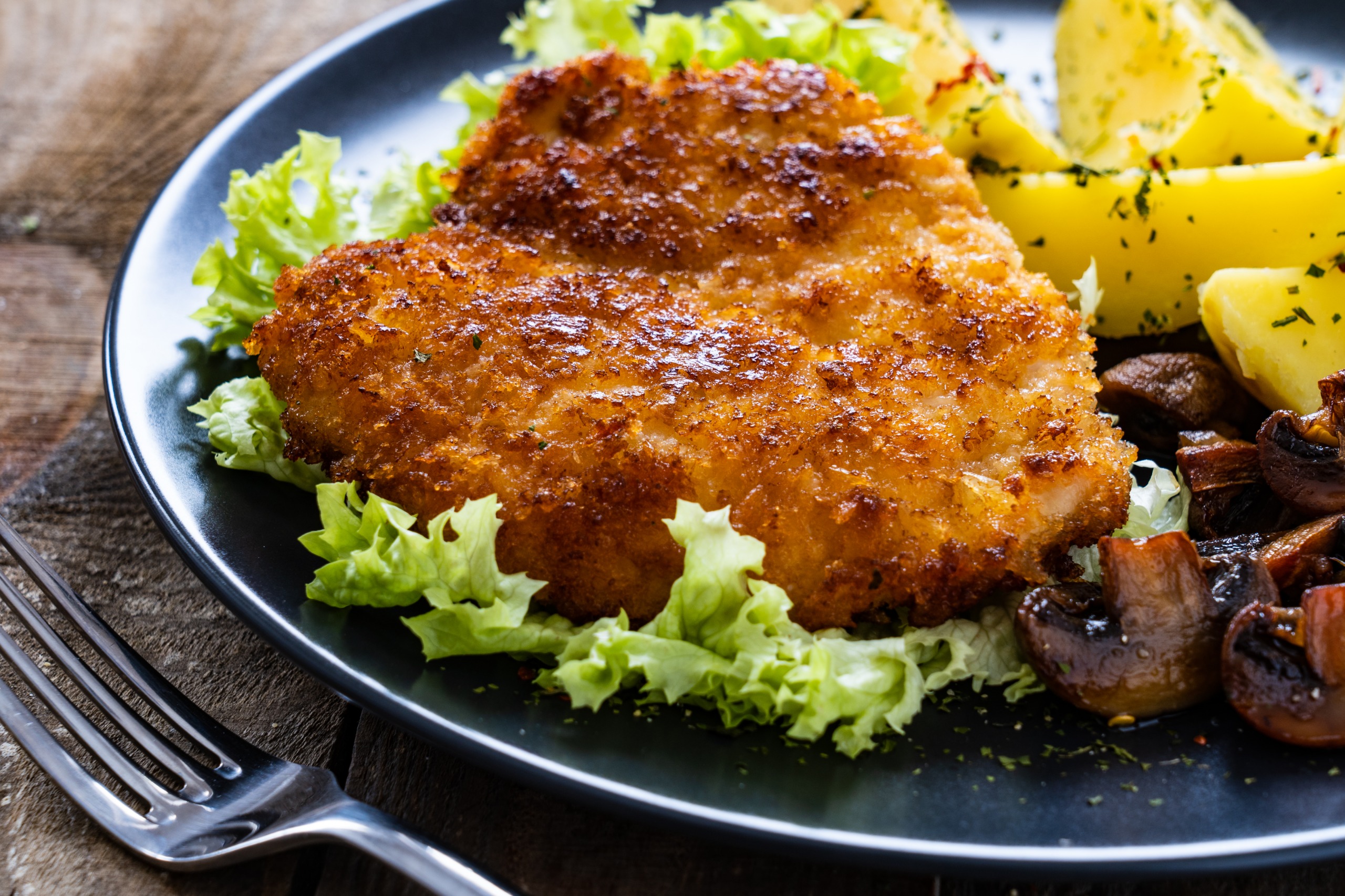
In 2026, Vienna’s chefs continue reinventing classics while respecting tradition. The result is a new generation of schnitzel variations that blend global flavors with local craftsmanship.
1. Gluten-Free Schnitzel
More restaurants now offer schnitzels coated with gluten-free crumbs made from corn or rice. These retain the crisp texture while staying suitable for dietary needs.
2. Chicken or Turkey Schnitzel
Popular with health-conscious diners, poultry versions are lighter and lower in fat but still satisfyingly crisp.
3. Vegan Schnitzel
Plant-based schnitzel has exploded in 2026, especially in modern eateries. These use soy, pea-protein, or vegetable slices with creative breading.
4. Truffle Schnitzel
A luxury twist found in high-end restaurants. Thin shavings of truffle elevate the dish to a gourmet indulgence.
Tips for Ordering the Best Schnitzel
To ensure you enjoy the perfect schnitzel experience in Vienna, keep these simple tips in mind:
- Look for veal if you want the true Wiener Schnitzel.
- Avoid heavily pressed breadcrumbs, which means poor technique.
- Choose restaurants that fry in clarified butter, not vegetable oil.
- Pair schnitzel with potato salad or parsley potatoes for the classic taste.
- Book tables at famous spots, especially Figlmüller and Plachutta.
Tafelspitz: Vienna’s Royal Boiled Beef Tradition
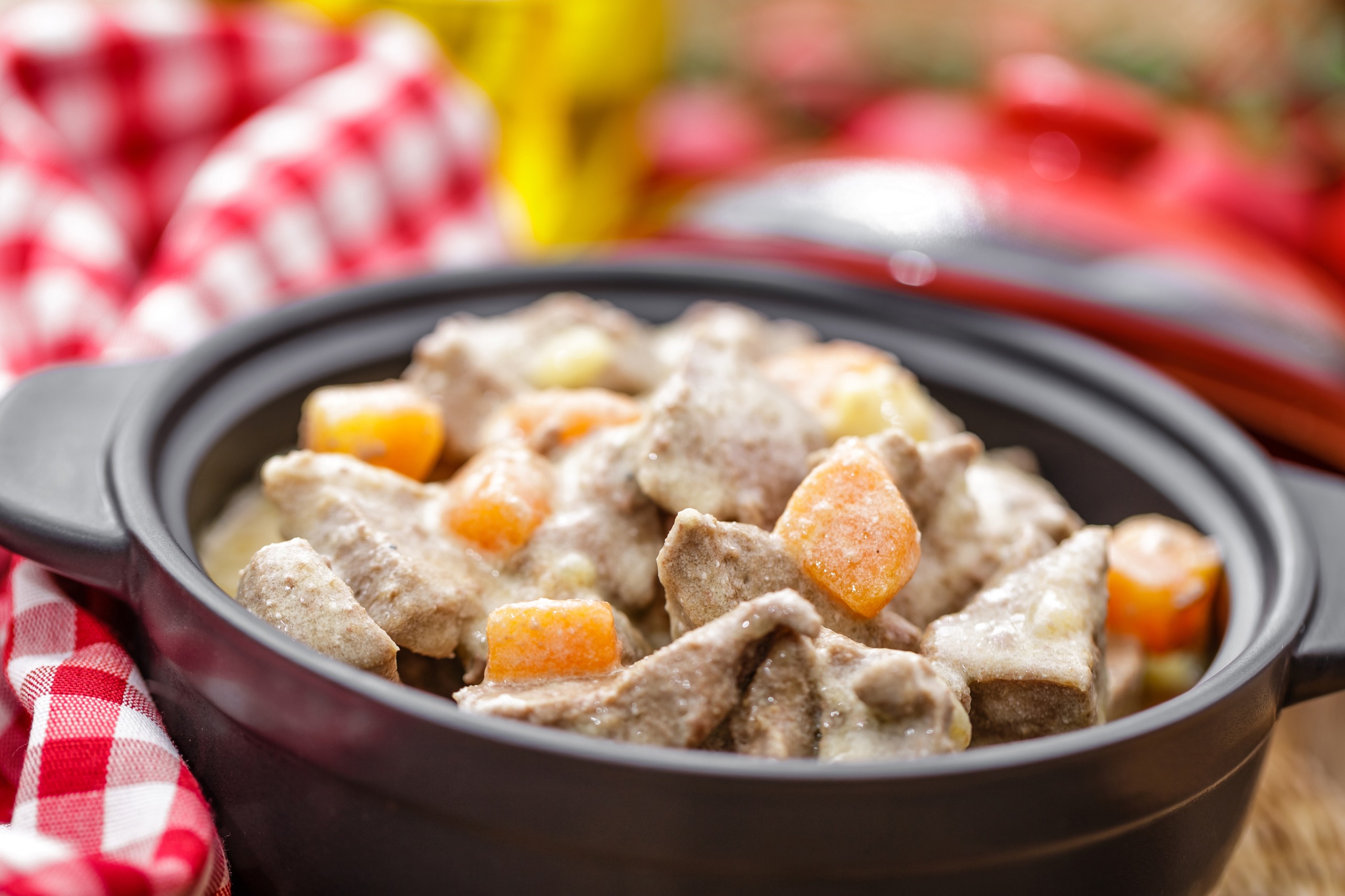
Why Tafelspitz Holds Royal Status
Tafelspitz is often described as the most elegant dish in Viennese cuisine, and for good reason. It is not a humble stew or an everyday bowl of boiled meat; it is a dish shaped by royal taste, courtly refinement, and the culinary values of the Habsburg Empire. In fact, Emperor Franz Joseph I was famously devoted to Tafelspitz, preferring it so much that it became a symbol of refined Austrian cooking. His love for the dish elevated it from a household staple to an emblem of Vienna’s culinary identity.
Even in 2026, Tafelspitz remains an integral part of the city’s food culture. It represents the Viennese philosophy of cooking: simple ingredients, exceptional technique, and deep respect for tradition. While it might appear modest on the plate, every element—from the gently simmered beef to the crystal-clear broth and delicate side dishes—reflects craftsmanship. Travelers who want to understand Vienna’s food culture beyond pastries and schnitzel will discover that Tafelspitz offers a glimpse into the city’s aristocratic heritage.
How Authentic Tafelspitz Is Prepared
Preparing Tafelspitz is an art that looks deceptively simple. Unlike fried dishes that rely on instant crispiness or bold seasoning, Tafelspitz depends on patience, gentle heat, and precision. Traditional chefs in Vienna follow nearly identical steps, many unchanged for centuries. The goal is always the same: tender beef, a broth clear as glass, and sides that elevate rather than overpower.
1. Choosing the Right Beef Cut
The name “Tafelspitz” refers to a specific cut of beef: the tri-tip, taken from the hindquarters of the cow. It is lean yet flavorful, with just enough connective tissue to become silky when simmered. Vienna’s butchers, particularly around the Naschmarkt and Brunnenmarkt, still sell beef labeled specifically for Tafelspitz, ensuring the cut has the ideal thickness and fat distribution.
2. Slow Simmering, Never Boiling
The true secret of Tafelspitz lies in its gentle cooking. Boiling would toughen the meat and cloud the broth. Instead, chefs keep the pot at a very low simmer, sometimes for three hours or more, allowing the flavors to develop without agitation. The beef cooks alongside vegetables like leeks, carrots, onions, celeriac, and parsley root. These vegetables subtly enrich the broth but never dominate.
3. Creating a Crystal-Clear Broth
Clarity is crucial. Viennese kitchens often skim the broth repeatedly to ensure it stays clean and translucent. This makes Tafelspitz elegant enough for royal tables and refined restaurants.
4. Traditionally Served With Specific Side Dishes
What makes the experience complete are the classic accompaniments:
- Applesauce with freshly grated horseradish – a balance of sweet, sharp, and fiery
- Chive sauce (Schnittlauchsauce) – creamy, tangy, and bright
- Roasted potatoes or fried potatoes – lightly crispy and well seasoned
- Spinach cooked with cream – comforting and rich
- Bone marrow on toast – a luxurious addition in traditional restaurants
Each element adds a layer of flavor, turning boiled beef into one of the most nuanced meals in Viennese cuisine.
Where to Taste the Best Tafelspitz
Vienna’s Tafelspitz scene in 2026 remains strong, with restaurants that have specialized in the dish for decades—some for over a century.
Plachutta – The Undisputed Classic
Plachutta is synonymous with Tafelspitz. Their copper pots, polished to shine, present the dish in a spectacular table setting. The beef arrives simmering in its broth, surrounded by vegetables and paired with traditional sauces. Visitors describe it as the most luxurious boiled-beef experience in Europe, and many food writers consider Plachutta a mandatory stop for culinary travelers.
Zum Schwarzen Kameel – Elegant Heritage
A historic institution with over 400 years of tradition, Zum Schwarzen Kameel prepares Tafelspitz with exceptional finesse. Their version is slightly lighter, more refined, and perfect for travelers wanting a traditional yet upscale interpretation.
Gasthaus Engel – Rustic and Authentic
For those who prefer a more homestyle, less formal meal, Gasthaus Engel serves a comforting Tafelspitz that feels straight out of a Viennese grandmother’s kitchen. The portions are generous, and the broth is especially aromatic.
Sausages and Street Food Culture
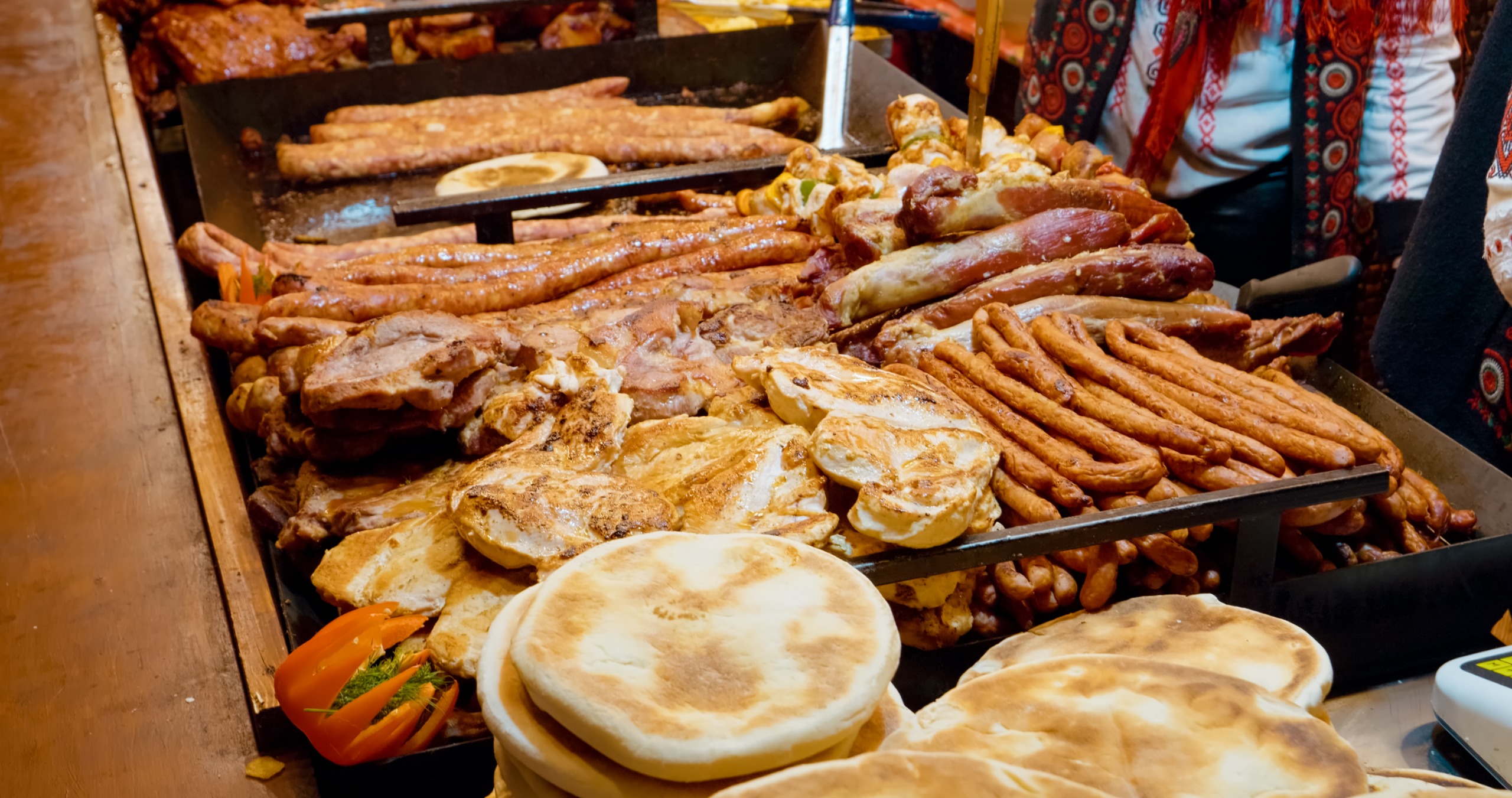
Why Sausages Define Vienna’s Street Food
Vienna’s street food culture is unique, and nothing embodies it more than the city’s beloved sausages. Whether you’re visiting at noon or strolling at 3 AM, the Würstelstand—a simple kiosk serving steaming sausages, bread rolls, and mustard—is always ready to feed you. These stands are a staple of Vienna’s urban life: fast, delicious, comforting, and surprisingly diverse.
In 2026, Vienna will have elevated sausage culture even further. While traditional stands remain, the city has added gourmet hotdog stalls, artisanal sausage makers, and fusion-inspired versions. Yet the core experience remains the same: standing at a counter, holding a warm sausage, and chatting with friends or strangers in the middle of the city.
Classic Viennese Sausages You Must Try
Käsekrainer – The Melting Cheese Sausage
The Käsekrainer is arguably the king of Vienna’s street food. This sausage is filled with pockets of molten Emmental cheese, creating a satisfying burst with every bite. Available at almost every Würstelstand, it is smoky, juicy, and slightly crispy on the outside.
Many travelers describe their first Käsekrainer as a life-changing food moment.
Bratwurst – The Grilled Favorite
Traditional Bratwurst is simple but deeply flavorful. Light seasoning, juicy meat, and a crunchy grilled exterior make it a local favorite for lunch or late-night snacks.
Bosna – The Austrian-Spiced Hotdog
Originally from Salzburg but now beloved in Vienna, Bosna adds a spicy twist to the classic sausage experience. It includes curry powder, onions, and mustard—giving it a punchy, aromatic profile.
Leberkäse – The Ultimate Comfort Slice
Despite the name (“liver cheese”), Leberkäse contains no liver and no cheese. It is a soft, finely ground meat loaf baked into a crusty golden block and sliced thick like a meaty sandwich filling. Served with mustard inside a roll, it’s simple and satisfying.
Burenwurst – Juicy and Bold
This sausage is rich, smoky, and slightly peppery. Locals often choose it during the winter months because of its strong, warming flavor.
Eating at a Würstelstand
The Würstelstand is a core part of Viennese culture. Locals stop here after concerts, before catching late-night trams, or in between work meetings. These stands also serve beverages like beer, cider, and soft drinks.
How to Order Like a Local
- Choose your sausage.
- Select your style: hot dog, sliced, or with a bread roll.
- Pick mustard: Scharf (spicy) or Süß (sweet).
- Add ketchup, curry powder, or pickles if you like.
Eating standing up is essential—it is part of the Vienna street food ritual.
Best Sausage Stands and Spots in 2026
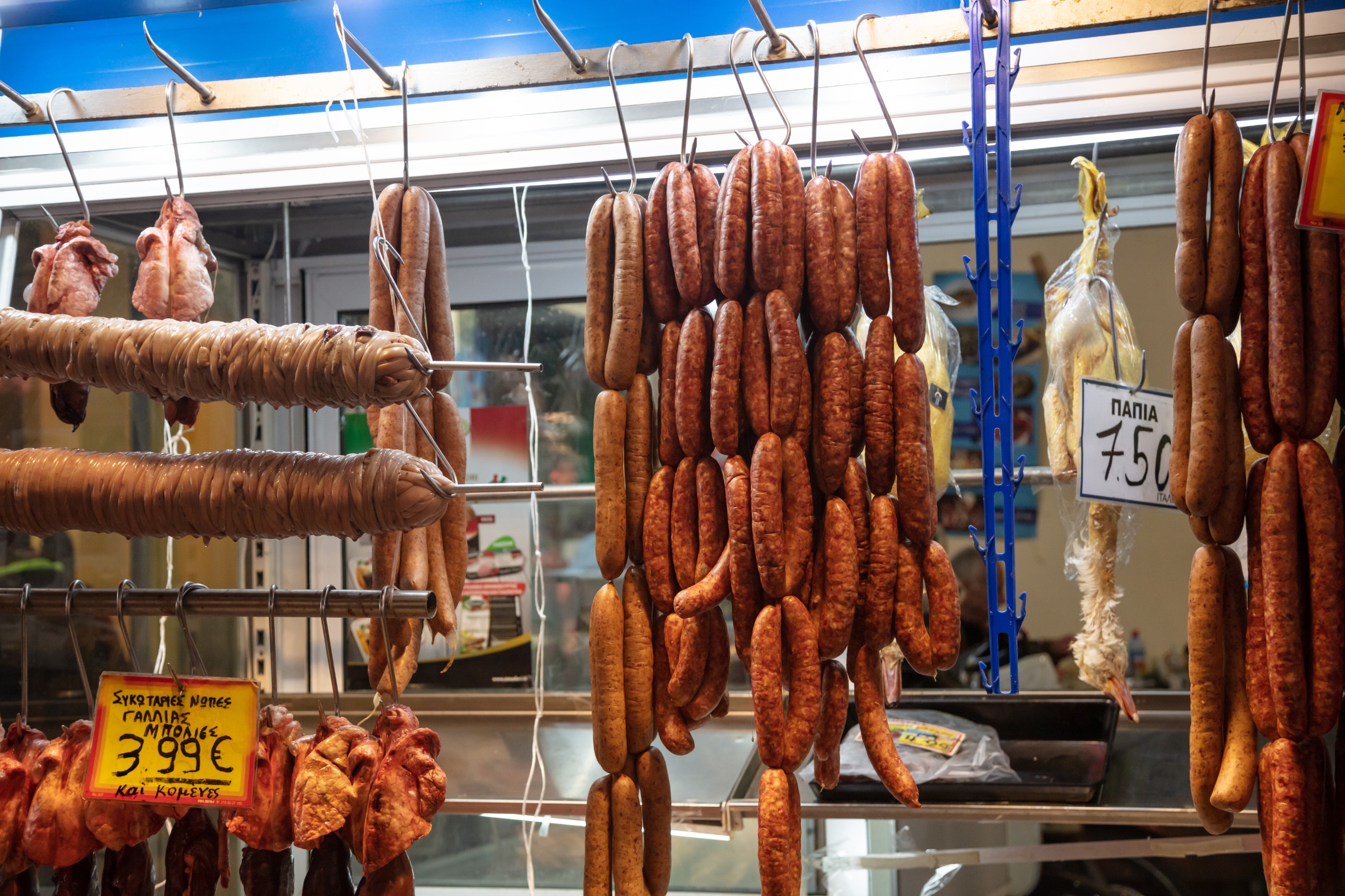
Würstelstand Bitzinger – The Iconic Hotspot
Standing next to the Vienna State Opera, Bitzinger is the most famous sausage stand in the city. Whether after a late opera or a night out, this stand is always buzzing. Their Käsekrainer is legendary.
Würstelstand am Hohen Markt – Historic and Flavorful
Located in one of the oldest squares in Vienna, this stand offers a perfect mix of traditional sausages and newer gourmet versions. Their Bosnia is especially popular.
Zum Goldenen Würstel – Creative Gourmet Sausages
This newer addition to Vienna’s food scene specializes in artisanal sausages with global twists—truffle mayo hotdogs, spicy Korean-style sausages, and locally sourced organic meat options. It’s a place where old meets new.
Leberkäs-Pepi – The Leberkäse Expert
Originating in Upper Austria, Leberkäs-Pepi serves thick slices of freshly baked Leberkäse in several flavors: classic, spicy, cheese-filled, or even vegan versions. It’s a must-stop for comfort food lovers.
Rise of Gourmet and Fusion Hotdogs
Over the past few years, Vienna has embraced global culinary trends while preserving its love for sausages. This has led to a wave of gourmet hotdog venues that experiment with:
- Asian-inspired toppings (kimchi, gochujang mayo)
- Mexican flavors (jalapeños, chipotle sauces)
- Italian combinations (truffle oil, basil pesto)
- Vegan and gluten-free sausage options
These spots attract younger crowds, tourists seeking stylish street food, and locals who appreciate creative twists on classics.
24/7 Sausage Stands Worth Visiting
Some of Vienna’s würstelstands never close, making them essential for late-night explorers:
- Bitzinger at Albertina – central, iconic, always reliable
- Würstelstand LEO – one of the oldest nightstands
- Würstelstand Südtirolerplatz – popular among partygoers
- Prater Würstelstand – near amusement park, great evening energy
These stands are lifesavers after midnight when most restaurants close. Vienna’s night culture is inseparable from the würstelstand experience.
Why Vienna’s Street Food Stays Unique
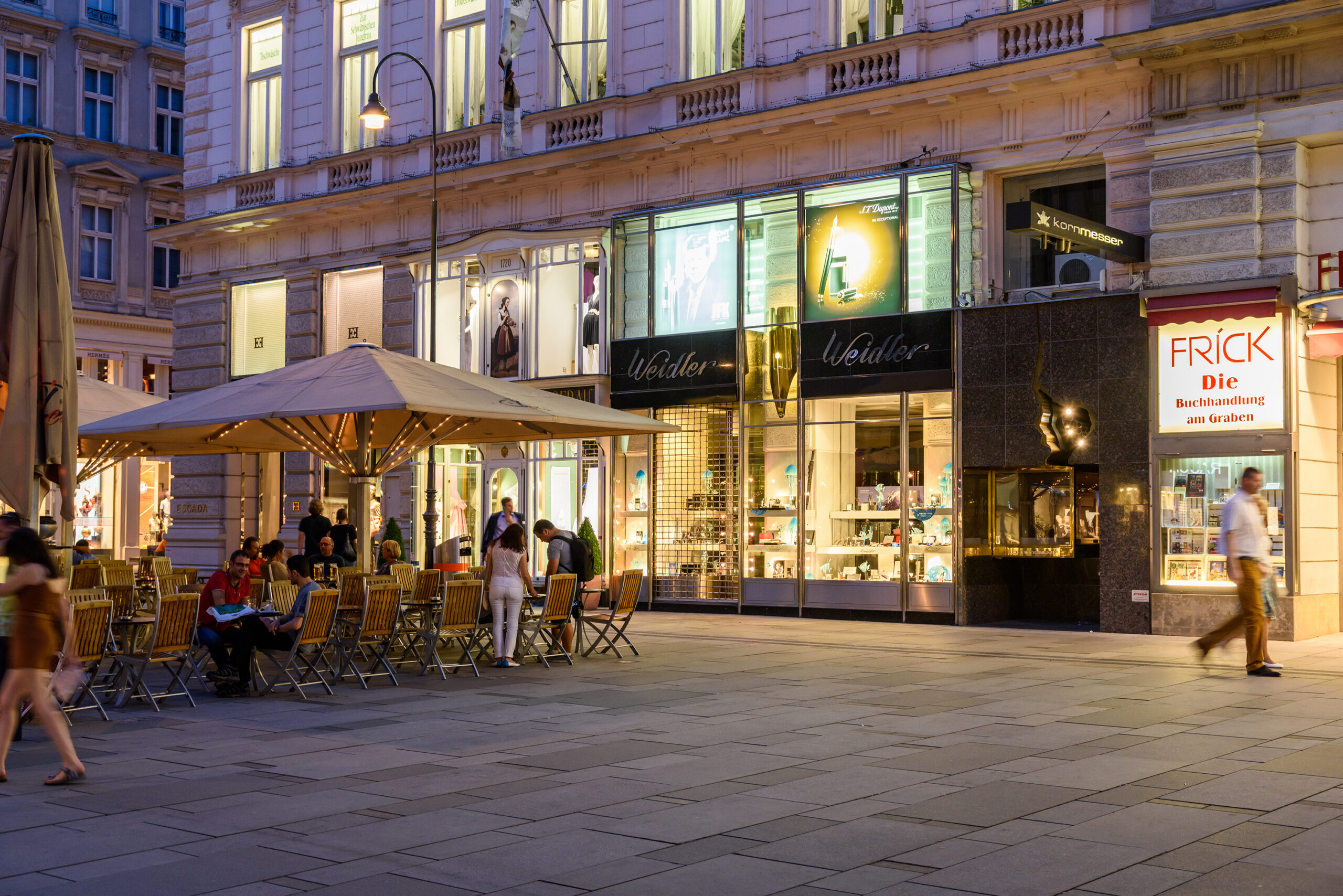
Many cities have hot dogs or street snacks, but Vienna’s sausage culture is special because:
- The products are high quality—even street food uses good meat.
- The culture is social—people gather and talk around the stand.
- The tradition is historic, dating back more than a century.
- Sausages are served simply, letting the flavors shine.
- Würstelstands are part of city life, not tourist gimmicks.
Even in 2026, this culture thrives because Vienna respects its culinary roots while embracing new ideas.
Vienna’s Iconic Desserts and Pastries
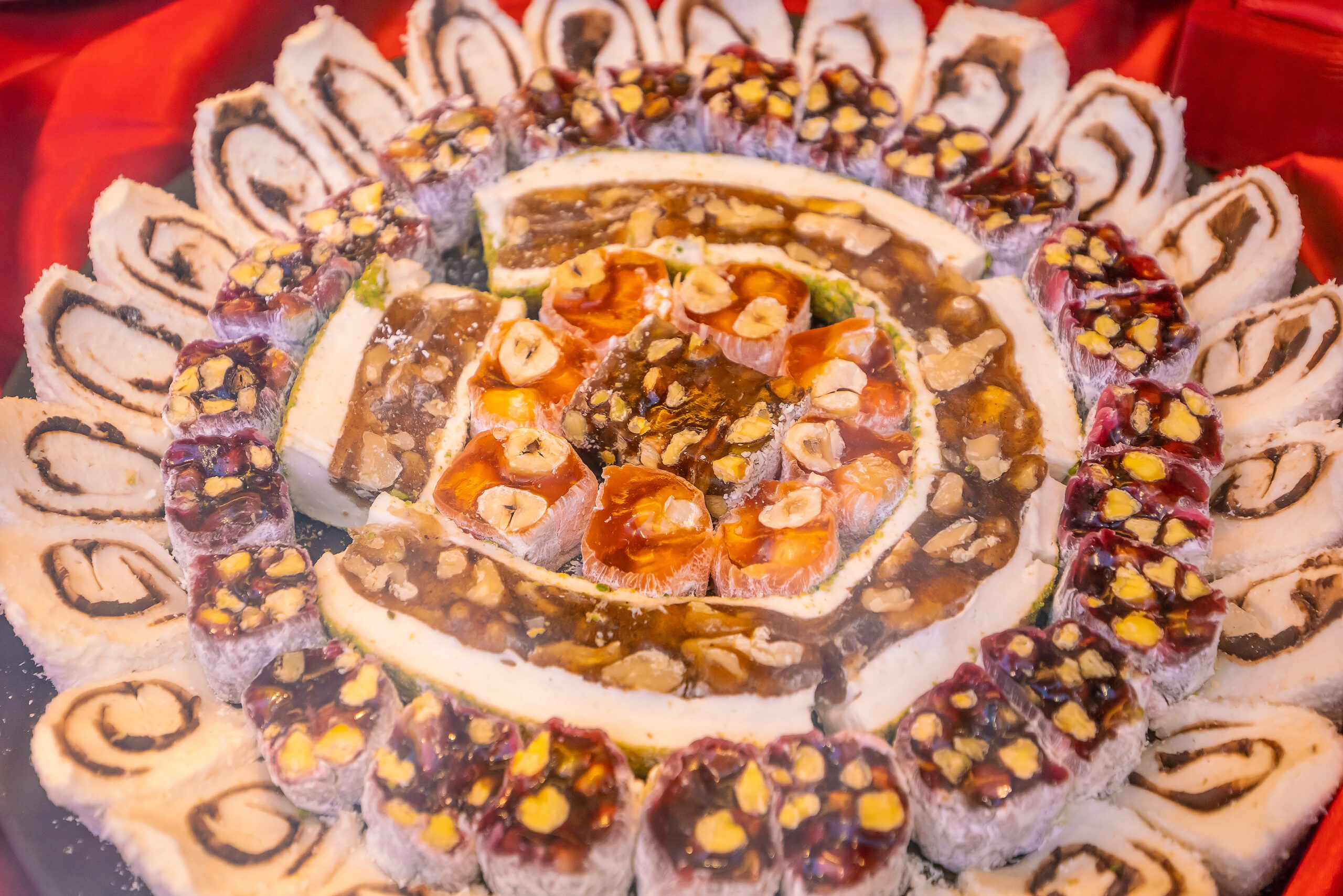
Why Vienna Leads the Sweet World
Vienna is one of the few cities on Earth where dessert is not an afterthought but an essential daily ritual. Sweet dishes here are historically, culturally, and emotional rooted in imperial traditions, family recipes, and the legendary Viennese love for gemütlichkeit, or comfort. In 2026, Vienna’s pastry scene remains a fascinating blend of traditional craftsmanship and modern creativity. Whether you’re wandering through a coffeehouse, tasting cakes in a palace café, or queuing for a warm slice of strudel, dessert becomes part of the city’s rhythm.
Vienna’s pastries are not just food; they are edible narratives of its past. The Habsburg Empire’s vast reach introduced ingredients and influences from across Europe—Hungary, Bohemia, Italy, and beyond. This led to a pastry heritage unmatched in diversity. Today, skilled bakers uphold these traditions while adding subtle modern twists, keeping Vienna’s dessert culture alive and evolving.
Sachertorte – Vienna’s Legendary Chocolate Cake

If there is one dessert synonymous with Vienna around the world, it is the Sachertorte. Created in 1832 by Franz Sacher, this dense, elegant chocolate cake with apricot jam remains iconic. The magic lies in its simplicity: two layers of firm chocolate sponge, a thin but essential spread of tart apricot jam, and a glossy dark chocolate icing that sets to a mirror-like finish.
The cake is intentionally not overly sweet. Instead, its power lies in balance—rich but refined, dense yet smooth, chocolatey but never cloying. Served with unsweetened whipped cream, Sachertorte represents the very essence of Viennese dessert culture: restrained, elegant, and timeless.
Where to Eat Sachertorte in 2026
- Café Sacher – The original, still the most atmospheric. Expect queues, but the setting is unforgettable.
- Demel – Once the royal confectioner. Their version (Demel’s Sachertorte) is slightly different, with jam applied under the icing.
- Aïda – Affordable and reliable, great for casual travelers.
- Café Landtmann – Serves an excellent house-made version in a classic imperial setting.
Trying Sachertorte from two different institutions is one of the sweetest ways to compare Vienna’s dessert philosophies.
Apfelstrudel – The Aromatic Imperial Classic
Apfelstrudel is another star of Viennese pastry heritage. This delicate roll of thin, hand-pulled dough filled with spiced apples and raisins is a masterpiece of technique. Traditionally, the dough must be stretched so thin that you can read a newspaper through it, a tradition still followed in many bakeries.
The filling varies slightly between bakeries, but it usually includes:
- Sweet and tart apples (Boskoop or Elstar)
- Raisins soaked in rum
- Cinnamon and sugar
- Toasted breadcrumbs or nuts to absorb moisture
In 2026, some bakeries have introduced modern versions—vegan strudels, gluten-free dough, or strudels enhanced with caramel or almond cream. However, the classic remains the most beloved.
Best Places for Apfelstrudel
- Café Central – Served warm with vanilla sauce; a must-visit.
- Café Prückel – Classic, flaky, and lightly sweet.
- Demel – Offers live strudel-making demonstrations.
- Hofburg Café – Historically inspired version near the palace.
Apfelstrudel is best eaten warm, ideally with a view of Vienna’s elegant streets or a cozy café interior.
Kaiserschmarrn – The Emperor’s Fluffy Treat
Kaiserschmarrn is a shredded pancake so delicious that legend says even Emperor Franz Joseph adored it. Thick batter is cooked until golden, then torn into fluffy pieces and caramelized lightly with sugar. It’s typically served with:
- Plum compote
- Apple sauce
- Berry jam
- Powdered sugar
The beauty of Kaiserschmarrn lies in texture—the perfect mix of crispy edges and soft, airy centers. It’s filling enough to be a full meal, and many travelers enjoy it for lunch or dinner.
Best Kaiserschmarrn in Vienna
- Café Tirolerhof – Traditional, perfectly caramelized.
- Café Mozart – Light, elegant, and beautifully plated.
- Gasthaus Pöschl – Homestyle and generously portioned.
- Zum Scharfen René – A modern interpretation with fruit infusions.
Palatschinken, Buchteln, and Kipferl
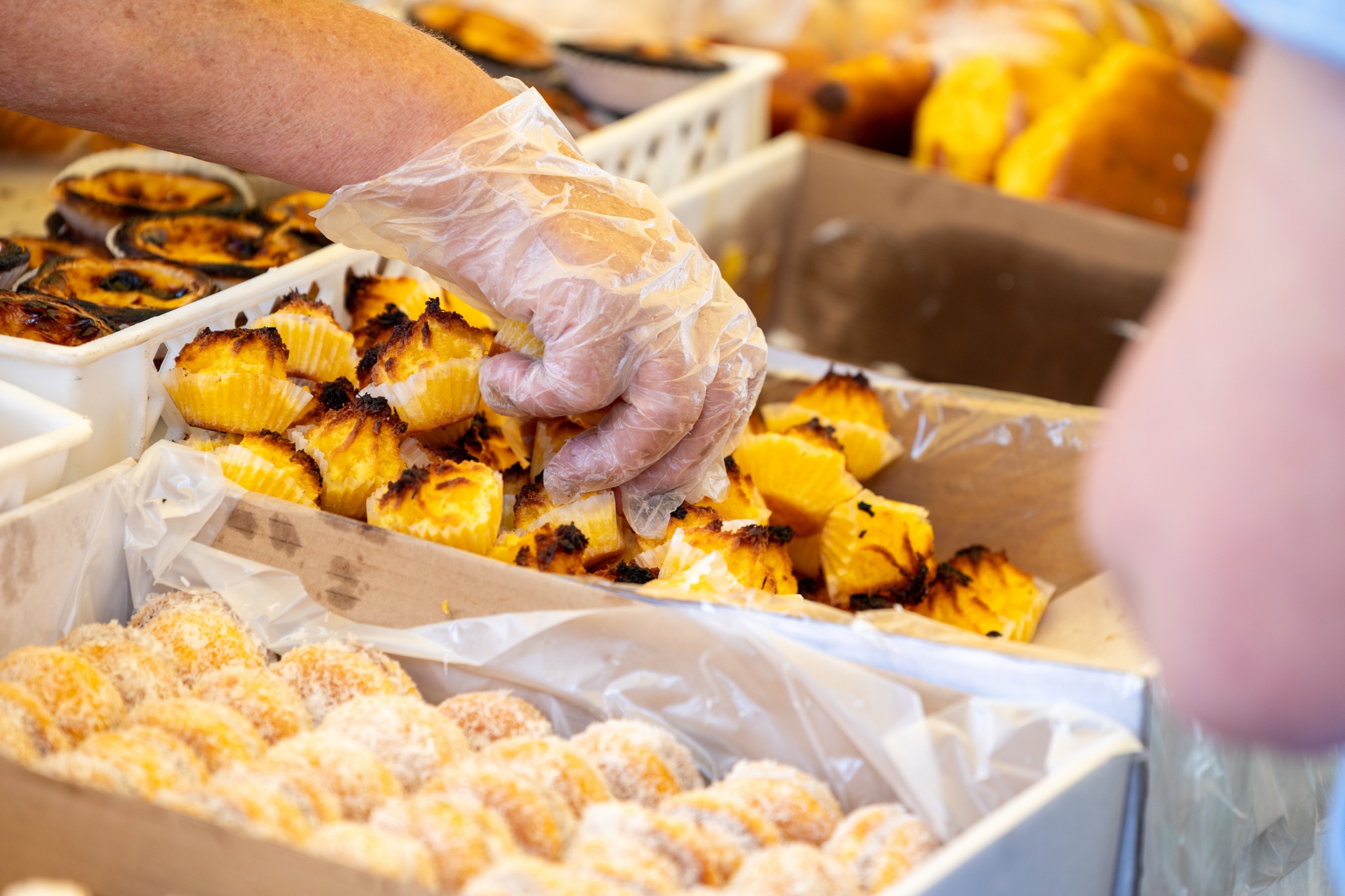
Vienna’s dessert world is far more diverse than its two global icons. Several lesser-known pastries are equally essential to understanding the city’s sweet identity.
Palatschinken
These thin Austrian pancakes resemble French crêpes but feel slightly more rustic. They are often filled with apricot jam, chocolate, nuts, or sweet cheese. Many cafés serve rolled palatschinken dusted with powdered sugar, while modern restaurants add ice cream, caramel, or fresh berries.
Buchteln
These soft, fluffy yeast buns filled with plum jam (Powidl) are a Bohemian specialty embraced by Vienna. Buchteln are baked in batches so their sides touch, creating a beautiful pull-apart dessert. Served warm, often with vanilla sauce, they are comforting and nostalgic.
The best place for Buchteln is Café Hawelka, where they have been baked fresh nightly for decades.
Kipferl
A predecessor to the French croissant, the Kipferl has a place of honor in Austrian pastry history. It is crescent-shaped, subtly sweet, and available in many versions—plain, with nuts, or filled with marzipan or chocolate. Many locals enjoy a Kipferl with their morning coffee.
Best Bakeries and Sweet Spots in 2026
For travelers wanting to explore beyond coffeehouses, Vienna has extraordinary bakeries producing artisanal pastries daily.
Ströck Feierabend
A modern bakery with traditional flavors, offering organic pastries and unique seasonal desserts.
Joseph Brot
Famous for its high-quality ingredients and artisan approach, perfect for gourmet pastries.
Felzl
A local favorite for buttery pastries, strudels, and bread.
Oberlaa Konditorei
Known for exquisite cakes, macarons, and creamy desserts.
Konditorei Heiner
Another long-standing institution loved for its traditional recipes and elegant tarts.
Together, these bakeries demonstrate how Vienna continues to innovate without losing its classical roots.
Vienna’s Iconic Coffeehouse Culture
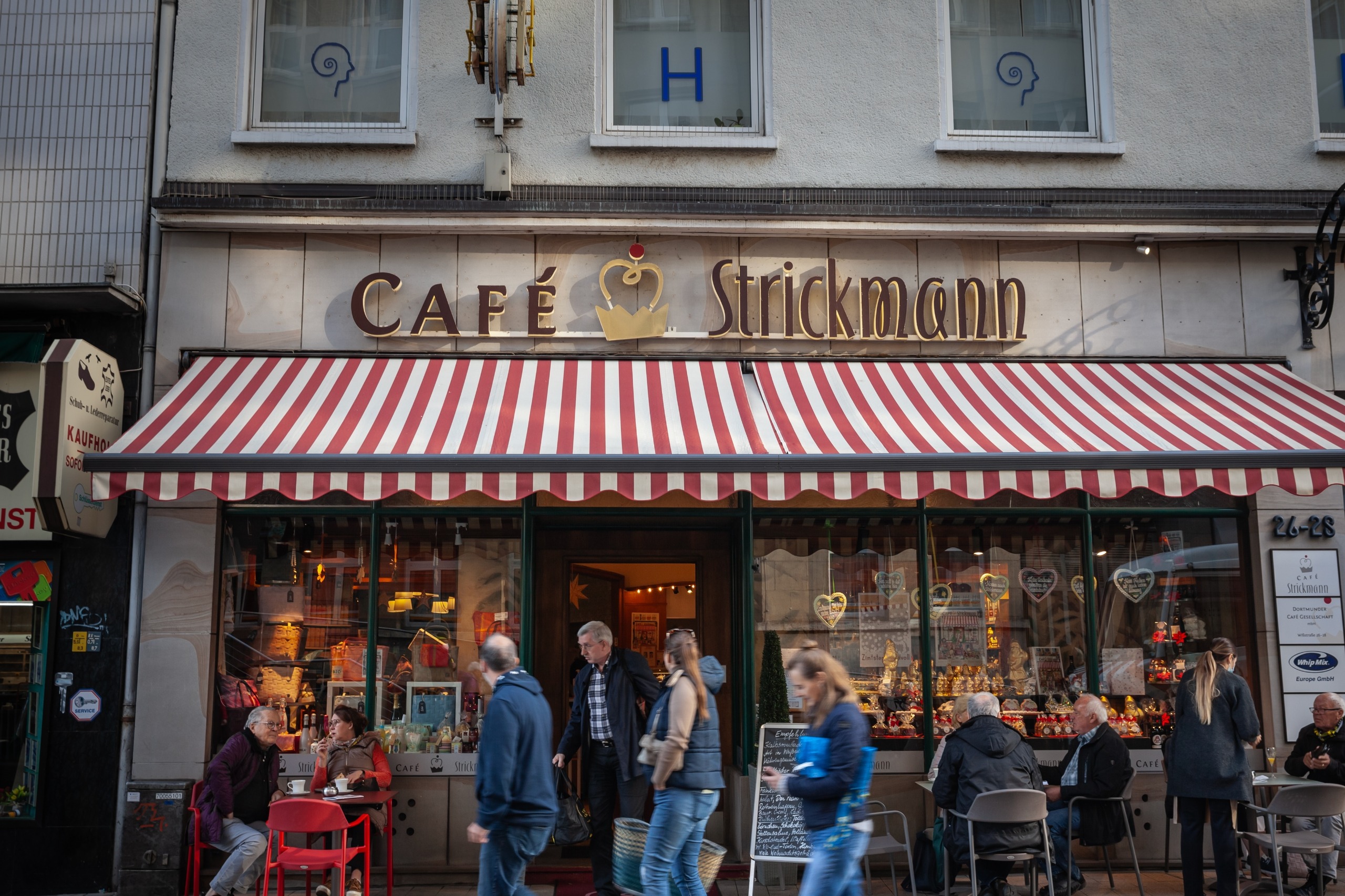
Why Coffeehouses Are UNESCO Heritage
Vienna’s coffeehouses are more than places to drink coffee—they are cultural institutions recognized by UNESCO for their role in shaping intellectual and social life. For centuries, writers, musicians, politicians, and artists have gathered in these cafés to talk, create, read newspapers, or simply enjoy a slow moment.
A true Viennese coffeehouse blends calm atmosphere, marble tables, grand chandeliers, polite service, and the freedom to relax for hours. In 2025, this culture remains strong, even as the city embraces modern specialty coffee.
Traditional Coffees You Must Try
Vienna has its own vocabulary of coffee styles, and part of the experience is learning the names.
Melange
The most famous Viennese coffee. Similar to a cappuccino but lighter, made with espresso and steamed milk foam.
Einspänner
A strong black coffee served in a tall glass with a thick crown of whipped cream. Ideal for sipping while reading or working.
Kleiner Schwarzer / Kleiner Brauner
Short black coffee (Schwarzer) or with a small amount of cream (Brauner).
Franziskaner
A soft, creamy coffee served with whipped cream and milk.
Wiener Eiskaffee
Iced coffee with vanilla ice cream and whipped cream—perfect on warm afternoons.
These drinks reflect the elegance and simplicity of Viennese coffee traditions.
Best Historic Coffeehouses in 2026
Café Central
A grand, atmospheric café known for its high ceilings, columns, and rich history. Once frequented by Trotsky and Freud, it remains a favorite for desserts and coffee.
Café Sacher
Famous for Sachertorte, this café also offers a luxury coffeehouse experience with deep red interiors and impeccable service.
Café Landtmann
A favorite of politicians, actors, and international guests. It balances traditional charm with sophisticated polish.
Café Sperl
One of the most authentic and peaceful cafés, with billiard tables and wooden interiors unchanged for generations.
Café Museum
Minimalist design, excellent pastries, and a quiet atmosphere for writing or reading.
These cafés preserve Vienna’s heritage and showcase how central coffeehouses are to the city’s identity.
Rise of Modern Specialty Coffee in Vienna
While traditional cafés dominate the historical narrative, Vienna’s younger generations have warmly embraced specialty coffee. These cafés focus on single-origin beans, artisanal brewing methods, and minimalist designs.
Top Specialty Cafés for 2026
- Kaffeefabrik – Small but powerful, known for fresh-roasted beans.
- Jonas Reindl Coffee – Trendy café offering V60, Aeropress, and espresso flights.
- Süssmund Coffee Roasters – A roastery-café with award-winning beans.
- CoffeePirates – Popular among students, known for relaxed atmosphere.
- Balthasar Kaffee Bar – Stylish and modern with excellent flat whites.
Vienna now balances both worlds: imperial luxury and contemporary coffee craftsmanship.
Coffeehouse Etiquette for Every Visitor
Vienna’s coffeehouses have unwritten rules that help preserve their charm:
- Take your time – You are never rushed; staying for hours is normal.
- Don’t seat yourself in busy cafés – Staff may guide you to a table.
- Order by coffee name, not size – “Melange” or “Einspänner,” not “latte.”
- Use the newspaper rack – A Viennese tradition still alive in many cafés.
- Expect slow service – It’s intentional, part of the relaxed rhythm.
Understanding these customs helps visitors enjoy the true essence of the coffeehouse culture.
Why Vienna’s Coffee Culture Is Unmatched
Few cities treat coffee as seriously or elegantly as Vienna. The combination of heritage cafés, specialty roasters, timeless rituals, and dessert pairings creates an environment unlike anywhere else. In 2026, this culture remains strong because Vienna protects its past while welcoming new ideas. Whether you’re savoring a Melange in a marble hall or sipping a pour-over in a minimalist café, Vienna offers a coffee experience that captures its soul.
Viennese Breakfast & Brunch: Traditional vs. Trendy Spots
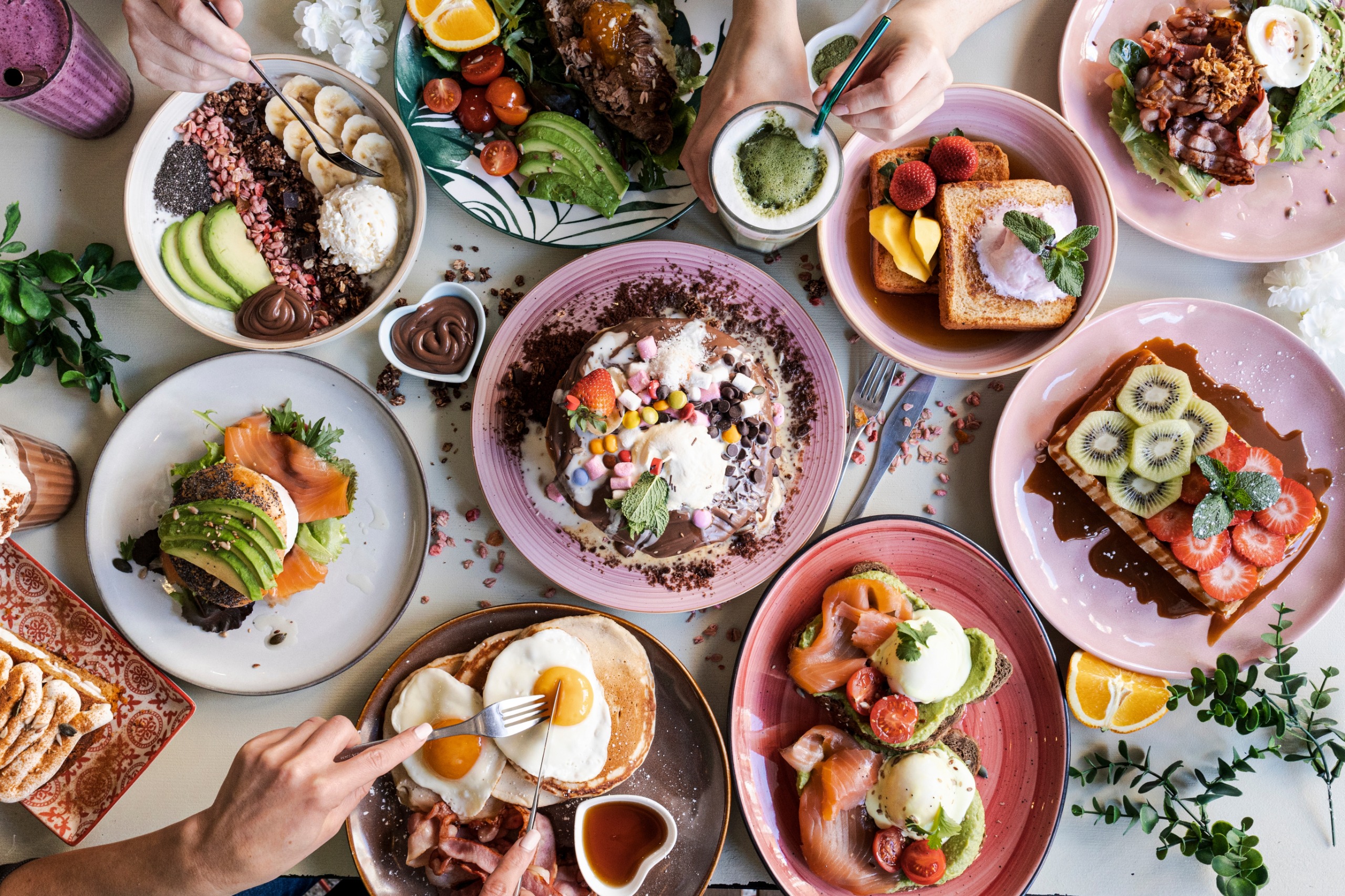
Vienna treats breakfast as more than just a morning ritual—it’s a cultural expression that blends elegance, comfort, and craftsmanship. In 2025, the city offers two distinct yet equally beloved breakfast identities: the traditional Viennese Frühstück, rooted in centuries-old habits, and the new-wave brunch culture, shaped by global influences, artisanal ingredients, and modern creativity. Travelers quickly learn that mornings in Vienna are slow, indulgent, and deeply satisfying, whether you’re eating simple Semmeln with butter or digging into a gourmet avocado toast at a contemporary café.
Traditional Viennese Breakfast Essentials
The Classic “Wiener Frühstück” Ritual
The foundation of a traditional Viennese breakfast is simplicity done right. At its heart lies the Semmel—a crusty, airy white roll that locals hold almost sacred. Fresh Semmeln arrive at bakeries every morning, baked to perfection with a crisp exterior and fluffy crumb. They are served with pure butter, homemade fruit jams, or delicately sliced cold cuts such as ham, salami, or Austrian smoked meats. A soft-boiled egg often completes the platter, offering a protein-rich touch without overshadowing the bread-forward philosophy.
The Viennese approach to breakfast is not about lavish spreads but about balance—a gentle start to the day, never rushed, often enjoyed with a newspaper or quiet conversation. Even today, many cafés still serve breakfast until noon, reflecting Vienna’s timeless love for unhurried mornings.
Cold Cuts, Cheeses & Spreads
While modern brunches celebrate global flavors, traditional breakfasts focus on high-quality Austrian ingredients. Plates feature delicate slices of Kaiser ham, Bergkäse (mountain cheese), and Liptauer, the tangy paprika-infused cheese spread that locals adore. Liptauer, made with quark, herbs, pickles, and spices, adds a flavorful punch to the otherwise mild breakfast palette.
Butter and jam are non-negotiables. Apricot and sour cherry jams are favorites, especially when made in-house. These jams connect breakfast to Austria’s long tradition of fruit-growing regions like Wachau, famous for apricots.
Eggs: Simple but Perfect
Austrian breakfasts rarely overcomplicate eggs. Instead of elaborate omelettes or Benedicts, you’ll find:
- Soft-boiled eggs (Eier im Glas) served in a glass
- Scrambled eggs with chives
- Ham-and-eggs (Schinken-Ei) in a plain, rustic style
Each preparation emphasizes freshness rather than creativity. The eggs are usually locally sourced, rich in flavor, and prepared with an artisanal touch.
Classic Places to Experience It
Some of Vienna’s oldest establishments still serve breakfast the way it was enjoyed generations ago. Cafés like Café Sperl, Café Central, and Café Landtmann offer traditional sets complete with rolls, butter, jams, cheese, and eggs. The ambiance—soft light, marble tables, and historic décor—adds to the charm.
Modern Brunch Trends in Vienna 2026
The Rise of Trendy, Global-Inspired Brunch

Over the past decade, Vienna’s brunch scene has evolved dramatically. Influenced by global food culture, younger cafés introduced creative menus, craft coffee, and vibrant plating styles that contrast with Vienna’s traditional offerings. By 2026, brunch will have become a social event—an occasion to meet friends, celebrate weekends, or simply enjoy indulgent meals beyond breakfast staples.
Modern brunches often feature:
- Sourdough toasts with global toppings
- Benedict variations with salmon, spinach, or pulled pork
- Shakshuka and Middle Eastern-inspired dishes
- Smoothie bowls and granola
- Vegan and plant-based brunches
Despite the modern flair, these dishes still reflect Vienna’s preference for high-quality ingredients and artisanal craftsmanship.
Avocado Toast to Viennese Fusion
While avocado toast might seem cliché, Viennese cafés have elevated it with local twists. You’ll often find versions topped with:
- Poached eggs
- Pumpkin seed oil (a Styrian specialty)
- Austrian goat cheese
- Microgreens or house-cured salmon
This fusion of global trends with Austrian flavors is what defines Vienna’s brunch culture in 2026.
Brunch Drinks: Beyond Coffee
Specialty coffees are still central—flat whites, cortados, and hand-brewed pour-overs—but modern brunch spots often include:
- Fresh-pressed juices
- Matcha and chai lattes
- Kombucha
- Craft cocktails, like brunch spritzes or herb-infused gin mixes
Bottomless brunch isn’t as common as in the US, but many places offer optional sparkling wine menus featuring Austrian Sekt.
Best Breakfast & Brunch Spots in 2026
Traditional Spots That Stand the Test of Time
Certain establishments remain unbeatable for experiencing the true Viennese Frühstück:
- Café Central: Famous for its imperial atmosphere and perfectly baked rolls, Café Central serves breakfast that feels both classic and luxurious. Their pastries and jams complement the traditional set flawlessly.
- Café Landtmann: Known as Vienna’s “most elegant café,” Landtmann is ideal for a slow, unhurried breakfast with soft-boiled eggs, cold cuts, and crisp Semmel.
- Café Sperl: Beloved for its authenticity and old-world charm, Sperl offers hearty yet simple breakfasts in one of Vienna’s coziest interiors.
Modern Brunch Spots Leading 2026 Trends
- Ulrich & Erich: These sister cafés remain top brunch destinations for travelers and locals. Their avocado toast with pumpkin seed oil and eggs is among Vienna’s favorites, and their sourdough dishes consistently impress.
- Café 7° (Seven Degrees): A specialty coffee haven that also serves brunch bowls, gourmet eggs, and fusion dishes. Their shakshuka and brioche sandwiches are standouts in 2026.
- The Breakfast Club Vienna: Known for generous portions and an eclectic menu, this café offers everything from pancakes to breakfast burritos. It’s a vibrant spot perfect for leisurely brunch outings.
- Motto am Fluss: Perched by the river, this airy restaurant blends classic and contemporary flavors. Their brunch menu includes everything from Viennese rolls to sophisticated egg dishes and fresh pastries.
- Das Eduard: Trendy, minimalist, and focused on quality ingredients, Das Eduard offers some of the best sourdough toasts and modern egg dishes in the city.
Vegan and Healthy Brunch Options
Vienna’s plant-based breakfast scene is thriving in 2026. Places like The Lala, Superfood Deli, and Deli Bluem offer vegan pancakes, bowls, cashew-based spreads, and creative plant-forward plates that appeal even to non-vegans.
Traditional vs. Trendy: How to Choose?
Choosing between traditional breakfast and modern brunch depends on the experience you want:
- For a cultural immersion → Choose a classic Viennese café with Semmel, butter, and eggs.
- For creativity and flavors from around the world → Opt for a modern brunch café.
- For pastries and sweets → Combine your breakfast with a treat like Kaiserschmarrn or Strudel.
- For atmosphere → Traditional cafés offer elegance; modern cafés offer energy and minimalistic charm.
Ultimately, Vienna makes both options equally appealing—and many visitors end up enjoying both styles during their trip.
Drinks, Wines & Beers: What to Sip in Vienna

Vienna is not only a city of grand architecture and legendary desserts; it is also a destination where drinks—wine, beer, coffee, cocktails, and even non-alcoholic innovations—are a proud part of everyday culture. In 2026, Vienna’s drinking scene combines centuries-old traditions with modern craft movements, making it an exciting place for anyone who loves to explore flavors. Whether you want to sip a crisp Viennese white wine, try a traditional Sturm in autumn, enjoy a local craft beer, or settle into a bar for a beautifully mixed cocktail, the city offers a rich landscape of beverages worth discovering.
Signature Viennese Wines and Local Favorites
Vienna’s Unique Wine Heritage
Vienna is the only capital city in the world with significant vineyards within its city limits. Over 600 hectares of vines sweep across the city’s hills—especially in Döbling, Grinzing, and Neustift. This makes wine not just a drink but a cultural lifestyle, enjoyed in rustic taverns, scenic vineyards, and stylish city wine bars.
Most Viennese wines lean toward refreshing whites with vibrant acidity and floral aromas. The soil, climate, and hillside exposures all combine to create wines that are both elegant and approachable, perfect for pairing with Austrian cuisine.
Gemischter Satz: Vienna’s Pride
One wine stands above the rest in Vienna: Wiener Gemischter Satz. This field blend is made from multiple grape varieties harvested and fermented together, creating a harmonious, well-balanced wine that reflects the terroir more than any single grape could. Expect citrus notes, minerality, and refreshing crispness.
In recent years, premium single-vineyard versions have gained international attention, making it a must-try beverage for visitors.
Other Popular Viennese Wines
While white wines dominate, Vienna also produces several notable variations:
- Grüner Veltliner – Austria’s signature white, peppery and lively
- Riesling – aromatic, fruity, and expressive
- Weissburgunder (Pinot Blanc) – smooth and elegant
- Zweigelt – the most common red in Austria, juicy with soft tannins
- Blaufränkisch – fuller-bodied and structured
These wines vary from refreshing to complex, suitable for everything from light lunches to hearty dinners.
Where to Drink Wine in Vienna (2026)
Vienna offers two main styles of wine experiences:
Heuriger Wine Taverns
These rustic, cozy taverns provide a countryside experience within the city. Top spots include:
- Mayer am Pfarrplatz
- Weingut Wieninger Heuriger
- Fuhrgassl-Huber
They offer homemade wines, wooden tables, soft lighting, and traditional Austrian snacks.
Modern Wine Bars
If you prefer a contemporary urban setting:
- Wein & Co
- O Boufés Weinbar
- Kleinod Weinbar
These bars showcase curated selections, rare bottles, and expert sommeliers.
Beers, Craft Brews & Austrian Brewing Culture
Traditional Austrian Beer Styles
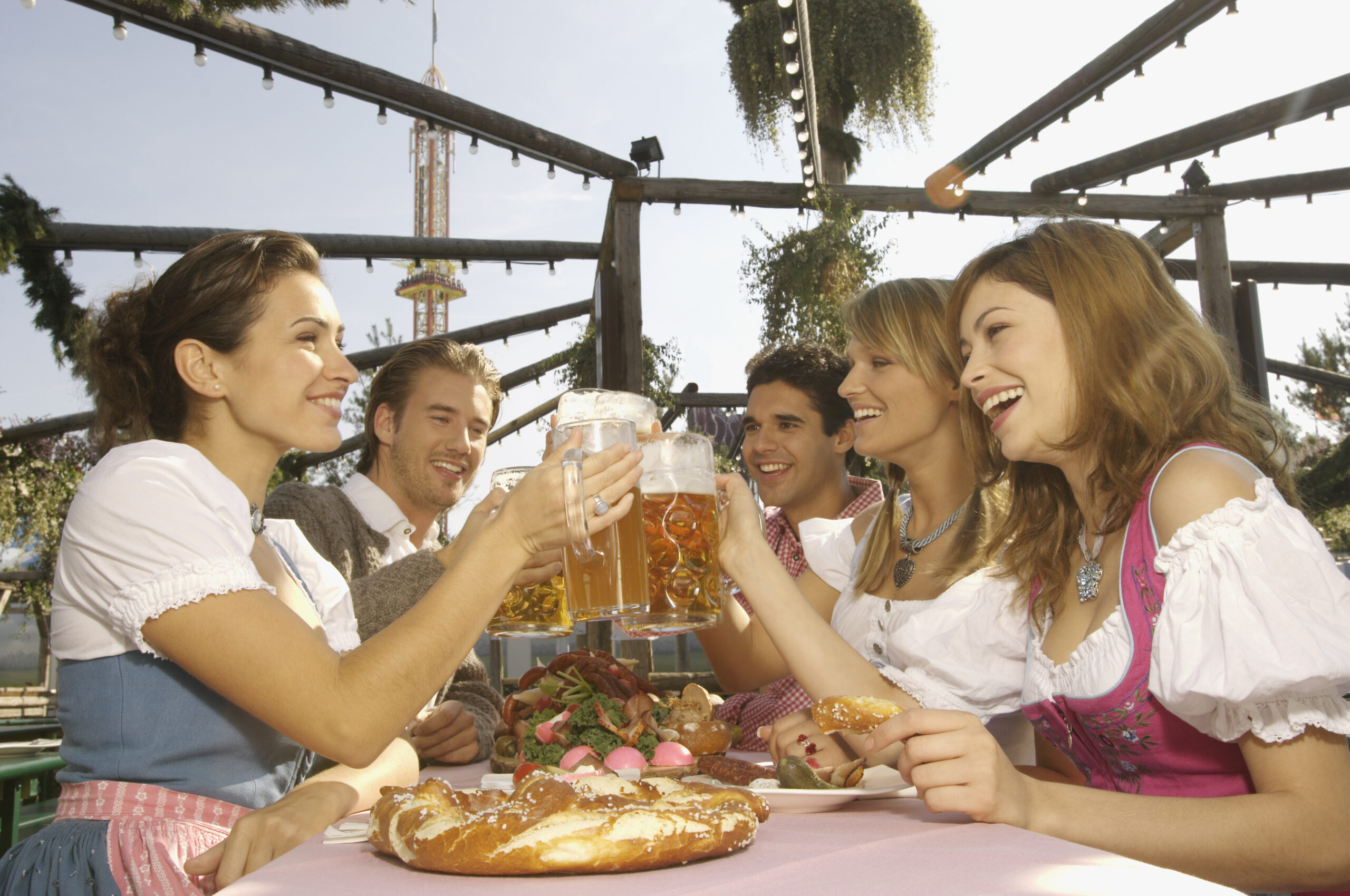
Austria’s beer culture is deeply rooted in tradition, with classic styles that remain staples across Vienna. Expect crisp, clean lagers served cold and beautifully poured.
Popular Austrian beer types include:
- Märzen – the national favorite, smooth and lightly malty
- Helles – a pale lager with subtle sweetness
- Pils – crisp, bitter, refreshing
- Weißbier – a wheat beer with fruity notes
- Dunkles – rich and malty
Viennese pubs usually offer several on tap, each perfect for pairing with sausage, schnitzel, or pretzels.
The Craft Beer Movement in Vienna
Over the past decade, Vienna has developed a vibrant craft beer scene. Breweries experiment with hops, barrels, wild yeast, and creative flavor infusions.
Some leading craft breweries in 2026 include:
- Beaver Brewing Company – American-style IPAs, stouts, and sours
- 100 Blumen – local independent brewery with flavorful pale ales
- Brew Age – bold, modern brews with Viennese flair
- Muttermilch – artistic craft beers in stylish bottles
Craft beer bars have also grown in popularity, offering tasting flights, seasonal specials, and limited-edition batches that appeal to enthusiasts.
Where to Drink Beer in 2026
For traditional beer halls:
- 7 Stern Bräu
- Salzburger Bierzigl
- Gösser Bierklinik
For craft beer lovers:
- Mel’s Craft Beers & Diner
- Craftmühle
- Beaver Brewing Taproom
Each venue offers a different atmosphere—from old-world charm to modern industrial décor.
Austrian Spirits, Cocktails & Seasonal Drinks
Classic Austrian Spirits
Austria’s traditional spirits remain popular in Vienna’s bars and households:
- Schnaps – fruity brandy made from apricots, plums, pears
- Obstler – mixed fruit brandy, strong and aromatic
- Zirbenschnaps – pine liqueur with unique forest flavors
These spirits reflect Austria’s agricultural heritage and are often enjoyed slowly after meals.
Cocktails in Vienna’s Modern Bars
Vienna’s mixology scene has grown sophisticated, with bartenders trained in global techniques and inspired by Austrian ingredients. Expect cocktails infused with:
- Elderflower
- Alpine herbs
- Cherry and apricot eaux-de-vie
- Local gins and Vermouths
Bars like Kleinod Prunkstück, Dino’s Apothecary Bar, and The Sign Lounge craft imaginative cocktails with artistic presentation.
Seasonal Drinks Worth Trying
Vienna celebrates seasonal beverages throughout the year:
- Sturm – half-fermented grape juice available only in autumn
- Glühwein – the classic mulled wine of winter markets
- Punsch – a fruitier, spiced, warm drink enjoyed in December
- Elderflower spritz – refreshing summer favorite
Each drink reflects the mood of the season and the city’s festive spirit.
Alcohol-Free Trends and Modern Preferences
Rise of Non-Alcoholic Options
Vienna is seeing a surge in non-alcoholic wine, spirits, and beers. Quality has improved to the point where many bars proudly offer alcohol-free cocktails made with botanical distillates.
Kombucha, Sodas & Herbal Drinks
Healthy drinks have also made their mark:
- Kombucha from local brewers
- Elderflower syrup with sparkling water
- Herbal sodas from Alpine ingredients
- Ginger beer and homemade lemonades
These beverages fit perfectly into brunch culture and modern cafés.
Specialty Coffee & Tea Bars
While Vienna is known for its traditional coffeehouses, many new-wave cafés serve:
- Single-origin pour-overs
- Nitro cold brew
- Matcha and hojicha lattes
- Artisan teas
These drinks appeal to younger crowds seeking variety and freshness.
What to Drink and Where: A Simple Guide
If you’re choosing drinks based on your plans:
- With dinner: Grüner Veltliner or Wiener Gemischter Satz
- With street food: Märzen or Helles
- At a Heuriger: Young wines, especially fresh whites
- During winter: Glühwein or Punsch
- On a summer terrace: Austrian Spritz or cold craft beer
- For a night out: Herb-infused cocktail or Austrian vermouth
- For non-alcoholic options: Kombucha or botanical mocktails
Vienna ensures everyone—wine lovers, beer fans, tea drinkers, and cocktail explorers—finds something delightful to sip.
Modern Austrian Cuisine: Contemporary Restaurants Changing the Game
Vienna’s culinary identity has long been rooted in tradition—schnitzel, Tafelspitz, strudel, pastries, and hearty Central European comfort food. But in 2026, a new wave of chefs is reshaping what Austrian cuisine can be. The city now stands at the intersection of heritage and innovation, blending regional ingredients with global techniques, elegant presentations, and creative reinterpretations. Modern Austrian cuisine doesn’t abandon tradition; it elevates it through refinement, imagination, and a deeper respect for local farming and sustainability. As a result, Vienna has become one of Europe’s most exciting gastronomic capitals, a place where tradition meets artistry on every plate.
Reinventing Tradition with Modern Techniques
The New Austrian Philosophy
Modern Austrian chefs focus on transforming classic dishes into sophisticated experiences. They use contemporary techniques—fermentation, aging, precise temperature cooking, minimalistic plating—to reinterpret flavors familiar to Austria’s culinary history. This philosophy blends rustic inspiration with fine-dining finesse, resulting in dishes that evoke nostalgia while offering completely new sensations.
For example, instead of serving a standard Wiener Schnitzel, chefs might prepare a deconstructed version using compressed veal, golden root chips, lemon gel, and clarified butter dust. A simple goulash may be turned into a refined consommé poured over slow-braised beef cheeks with micro herbs. Even Kaiserschmarrn can become an airy soufflé paired with modern twists like cloudberries or smoked vanilla.
Seasonality and Local Sourcing
Sustainability plays a vital role in modern Austrian cuisine. Many contemporary restaurants collaborate directly with small-scale farmers, cheese artisans, and organic producers from regions like Burgenland, Styria, and the Alps. Seasonal menus change constantly—sometimes weekly—to reflect the freshest available produce.
Expect spring menus with wild garlic, asparagus, and morels; summer plates with apricots, berries, and trout; autumn dishes featuring pumpkin, chestnuts, and game meats; and winter menus rich with root vegetables, cabbage, and slow-cooked dishes.
Fine Dining Meets Simplicity
A hallmark of modern Austrian food is minimalism. Plates often appear elegant and restrained, allowing a few ingredients to shine. Instead of heavy sauces or large portions, the focus is on clarity of taste and harmony. A single beet, carrot, or mushroom may become the star ingredient, prepared in multiple ways—pickled, roasted, puréed, or smoked.
This sophisticated simplicity has helped Vienna gain global recognition for modern gastronomy.
Restaurants Defining Modern Austrian Cuisine (2026)
Steirereck – The Pioneer
Consistently ranked among the world’s best restaurants, Steirereck in Stadtpark is a temple of modern Austrian dining. Chef Heinz Reitbauer’s tasting menus celebrate regional ingredients with scientific precision. Dishes like char-cooked tableside, fermented vegetables, or alpine herbs redefined how international food critics view Austrian cuisine.
Mraz & Sohn – Playful Innovation
This family-run Michelin-starred restaurant blends creativity, humor, and artistry. Each plate feels like a modern culinary puzzle—unexpected combinations, bold presentation, and unforgettable flavors. They frequently use local meats, herbs, and vegetables in surprising forms.
Amador – Three-Star Luxury
As Vienna’s only three-Michelin-star restaurant, Amador stands at the peak of culinary refinement. Born out of Spanish-Austrian fusion, the dishes are strikingly modern, imaginative, and technically advanced. Their tasting menus showcase Vienna’s ability to compete with global fine-dining capitals.
Vestibül – Tradition Reimagined
Located in the Burgtheater, Vestibül celebrates Austrian classics through elegant reinterpretation. Think elevated schnitzel, refined soups, and meticulously prepared game dishes set in a monumental historic space.
Pramerl & the Wolf – Casual Fine Dining
This tiny, intimate restaurant offers a surprise-tasting menu that merges Austrian nostalgia with contemporary creativity. It’s less formal than typical Michelin spots yet equally thoughtful and artistic.
Labstelle & Loca – Modern, Sustainable, Local
Both restaurants highlight sustainability, seasonal produce, and clean flavors. Menus change based on regional availability, featuring elegant dishes with vegetables, herbs, fish, and pasture-raised meats.
These establishments—each in its unique way—shape Vienna’s modern culinary revolution in 2025.
International Food Scene in Vienna (2026): Diversity & Hidden Gems
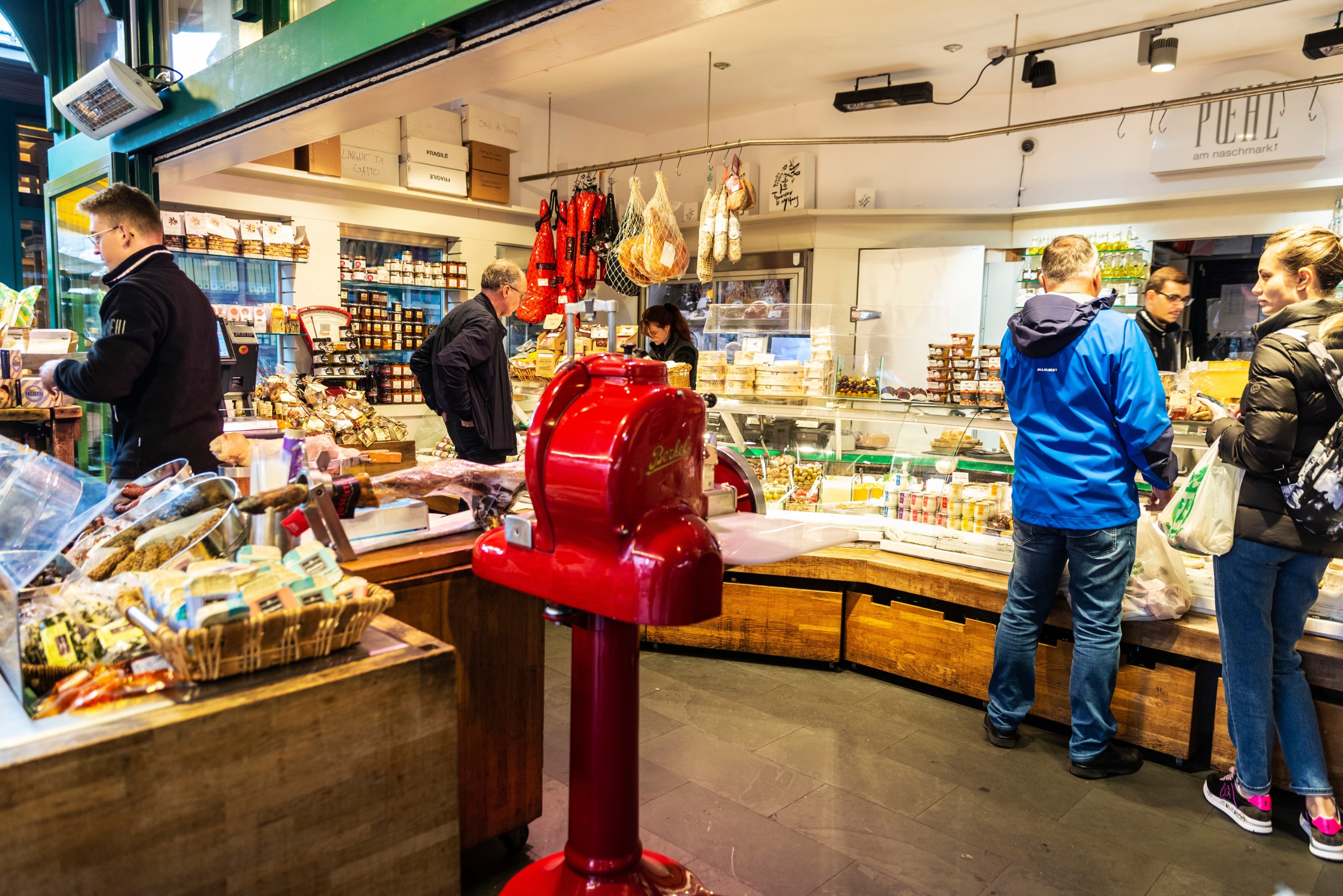
Vienna’s international food scene has grown dramatically over the last decade. Once known primarily for Austrian cuisine, the city is now a multicultural dining hub that reflects its global population. Today, you can explore Turkish street bites, Balkan grills, Middle Eastern feasts, authentic Japanese izakayas, Italian trattorias, and a thriving vegan movement—all within a few neighborhoods.
In 2026, Vienna’s diverse culinary experiences invite travelers to taste the world without leaving the city.
Turkish & Middle Eastern Flavors in Vienna
The Turkish Influence
Vienna’s Turkish community adds vibrant color to its culinary landscape. Roast chicken shops, dürüm stands, and kebab restaurants flourish throughout the city, especially around Ottakring and Favoriten. But 2025 also sees a rise in gourmet Turkish dining—modern meze, grilled lamb, and home-style comfort dishes prepared with finesse.
Must-Try Turkish & Middle Eastern Spots
- Kent Restaurant – a long-time favorite for kebabs, hummus, and Turkish breakfast
- Neni am Naschmarkt – Israeli-inspired plates like shakshuka, sabich, and mezze bowls
- Lokanta Oase – modern Anatolian cuisine with charcoal-grilled specialties
- Türkis – a popular chain for quick döner and dürüm
Expect bold spices, grilled meats, pillowy bread, and aromatic spreads that contrast beautifully with Vienna’s Austrian flavors.
Balkan Cuisine: Comfort Food with Heart
Rich, Hearty Traditions
Balkan food—Serbian, Bosnian, Croatian—holds a strong place in Vienna’s comfort food culture. The flavors are rich, rustic, and satisfying. Think grilled meats, bean stews, cheese-filled pastries, and hearty soups.
Where to Taste the Balkans
- Zum Balkan Grill – Ćevapi with ajvar and onions
- Skopik & Lohn – Balkan comfort food with a modern twist
- Damak Restaurant – homestyle dishes and generous portions
These restaurants appeal to anyone craving hearty, soulful dishes with smoky, spicy, and savory notes.
Japanese, Korean & Asian Cuisine in Vienna
A Growing Love for Asian Flavors
Vienna’s Asian dining scene has flourished in 2025, from ramen joints and sushi bars to Korean BBQ spots and contemporary fusion restaurants.
Notable Asian Restaurants
- Mochi – still one of Vienna’s hottest Japanese-fusion restaurants
- Shōyu Ramen – authentic bowls with rich broth and springy noodles
- Karma Ramen – creative toppings and vegan options
- Arirang – flavorful Korean comfort food
- Iko – stylish Asian tapas and sushi
Many of these restaurants focus on freshness, clean flavors, and artistic presentation—qualities that align beautifully with Vienna’s culinary trends.
Italian Cuisine: Beloved and Timeless
Why Viennese Love Italian Food
Italian restaurants remain among the most popular dining choices in Vienna. Locals adore pasta, pizza, risotto, and gelato, and many chefs have elevated these classics into fine-dining experiences.
Top Italian Spots in 2026
- Da Capo – rustic pizza and generous pasta portions
- Settimo Cielo – seafood-focused modern Italian cuisine
- I Terroni – cozy trattoria with homemade dishes
- Via Toledo – award-winning Neapolitan pizza
Austrian hospitality combined with Italian passion results in memorable dining experiences.
Vegan, Vegetarian & Plant-Based Trends
Vienna’s Plant-Based Revolution
Vienna is now one of Europe’s most vegan-friendly capitals. Plant-based dining extends beyond simple salads—chefs craft imaginative vegetable-forward dishes and creative meat-free versions of traditional Austrian food.
Leading Vegan Restaurants
- Tian – Michelin-starred fine-dining vegan cuisine
- Deli Bluem – colorful bowls and raw desserts
- The Lala – West Coast-inspired vegan comfort food
- Velani – plant-based Austrian classics
The innovation in this category makes vegan dining accessible, exciting, and flavorful even for non-vegans.
Hidden Gems & Neighborhood Discoveries
Vienna’s lesser-known areas hold some of its most exciting culinary surprises:
- Wieden – Middle Eastern bakeries, Lebanese bistros, and cozy Asian eateries
- Neubau – hip fusion cafés and trendy international restaurants
- Leopoldstadt – Jewish delis, Israeli restaurants, and Balkan favorites
- Favoriten – Turkish grills, Balkan bakeries, and global street food
- Naschmarkt – Vienna’s iconic food market filled with global flavors
These hidden gems reflect the city’s expanding palette and multicultural energy.
Vienna’s Global Culinary Identity in 2026
Vienna’s international food scene thrives because it blends:
- Authenticity
- Cultural pride
- Creativity
- Quality ingredients
- Welcoming hospitality
From street food stalls to Michelin-star restaurants, the city celebrates diversity through flavor. The multicultural influences not only enrich Vienna’s dining landscape but also complement its traditional and modern Austrian cuisine, making the city a true paradise for global food lovers.
Seasonal Foods & Festivals: What to Eat During Each Season
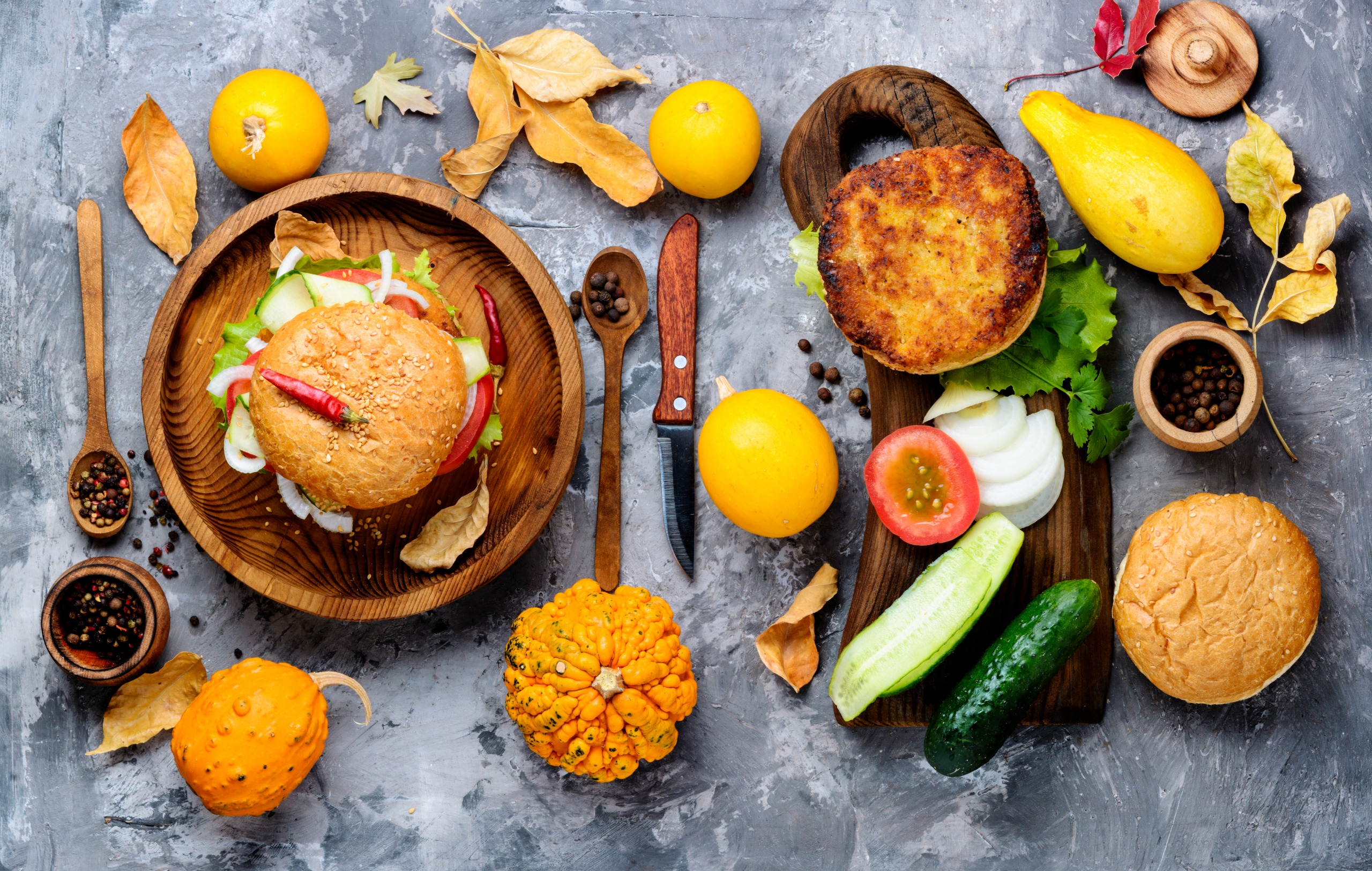
Vienna’s food culture transforms beautifully with the seasons, offering dishes and traditions that evolve with the weather, local produce, and festive celebrations. Understanding seasonal foods not only enhances your culinary experience but also helps you connect with Vienna’s cultural rhythm. From winter’s warm market classics to summer’s refreshing specialties, every season brings its own charm.
Autumn Flavours & Wine Festivals
Autumn is one of Vienna’s most delicious seasons, thanks to harvest celebrations, fresh produce, and wine events. It’s the prime time for visiting Heurige (wine taverns), where young wine called Sturm makes its annual appearance—sweet, slightly cloudy, and mildly alcoholic.
During this time, seasonal dishes feature root vegetables, mushrooms, and game meats. Restaurants serve pumpkin soup, venison ragout, and hearty stews. At wine festivals around the city and the Wachau region, food stalls offer roasted chestnuts, artisanal bread, and local cheeses paired with Grüner Veltliner or Riesling.
Autumn also marks the start of Gansl season, where roasted goose becomes the star of the menu in restaurants across Vienna. Traditionally eaten around St. Martin’s Day, it’s served with dumplings, red cabbage, and rich gravy. For dessert, bakeries introduce pastries filled with plums, pears, and nuts—warm, spiced, and comforting.
Winter Classics & Christmas Market Specialties
Winter in Vienna is synonymous with Christmas markets, making it the most atmospheric time to indulge in festive treats. The city transforms into a sparkling wonderland dotted with stalls selling heartwarming foods.
Visitors can’t miss glühwein (mulled wine) and punsch, both served piping hot in collectible themed mugs. These drinks pair beautifully with traditional snacks such as kartoffelpuffer (potato pancakes), raclette on bread, and langos, a fluffy fried flatbread with garlic or cheese.
Sweet lovers will enjoy lebkuchen (gingerbread), maroni (roasted chestnuts), and waffles dusted with powdered sugar. Another seasonal highlight is Karpfen (carp) eaten on Christmas Eve, a longstanding Austrian tradition.
January and February bring cold-weather comfort foods like goulash, baked casseroles, and topfenstrudel. It’s also the season of Vienna’s grand balls, where guests indulge in elegant midnight snacks—beef consommé with frittaten and pastries.
Spring Delicacies & Easter Traditions

As flowers bloom, Vienna’s culinary offerings become lighter and greener. Spring marks the arrival of Spargelzeit (asparagus season), especially white asparagus served with hollandaise, potatoes, or veal. Wild herbs, ramps, and tender greens also appear on menus.
Easter foods play a major role during this season. Bakeries craft Osterpinze, a soft, mildly sweet brioche bun, and chocolate shops release intricate Easter eggs and figurines. Families enjoy meals featuring lamb, symbolizing spring renewal.
Markets begin to reopen with fresher produce—radishes, early berries, and herbs—making spring a refreshing transition from winter’s heaviness.
Summer Specialties & Outdoor Food Culture
Summer in Vienna means long evenings, outdoor dining, and refreshing foods. Schanigärten (outdoor café terraces) come alive, offering cold drinks, salads, and light Austrian dishes.
One of the most popular summer treats is Eismarillenknödel, an apricot dumpling filled with ice cream—a modern twist on a classic. Equally loved are iced coffees, which in Vienna are more like indulgent desserts topped with whipped cream.
The Danube Island Festival, Europe’s biggest open-air event, brings food trucks and international street food. Lakeside restaurants around Alte Donau serve grilled fish, salads, and fruit-based desserts.
Apricots dominate summer cuisine, especially during the Wachau Apricot Festival, where you’ll find dumplings, pastries, jams, and schnapps.
Practical Tips for Foodies Visiting Vienna in 2026
If you want an unforgettable culinary journey, a bit of planning goes a long way. Vienna is traditional yet modern, luxurious yet accessible, making it perfect for foodies of all budgets. Here are essential tips to make the most of your 2026 food experience.
Tipping, Reservations & Dining Etiquette
Tipping in Vienna is simple: 5–10% is appreciated at restaurants. For coffeehouses, rounding up the bill is common. You hand the tip directly when paying; don’t leave it on the table.
Reservations are highly recommended for Michelin-star restaurants, trendy brunch spots, and popular taverns—especially on weekends. Traditional cafés often work on a walk-in basis, but peak times may involve short waits.
Viennese dining culture values calmness and conversation, so service may feel slower than in some countries. Guests are never rushed; lingering over coffee for hours is absolutely normal.
Vegetarian, Vegan & Dietary Needs
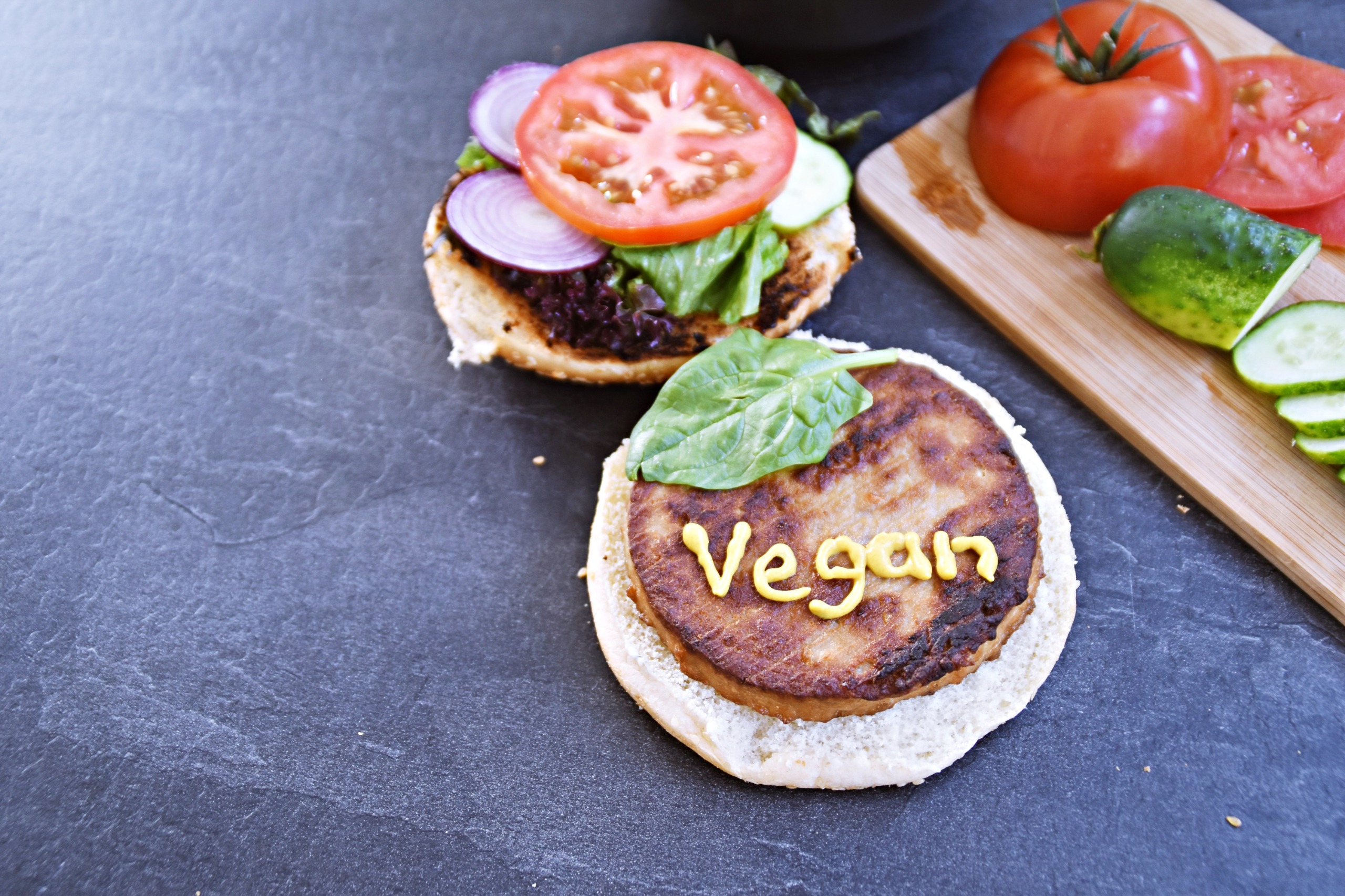
Vienna has become extremely friendly to vegetarians and vegans in recent years. While classic Austrian cuisine is meat-heavy, many modern restaurants offer plant-based versions of Wiener schnitzel, goulash, and pastries.
For allergy-friendly dining, most menus clearly mark gluten-free, lactose-free, and allergen info using EU-mandated numbering. Smaller taverns may have limited options, so checking in advance helps.
Halal, Kosher & International Dietary Info
Muslim travelers can find increasing halal options, especially Turkish, Middle Eastern, and South Asian restaurants around districts like Favoriten and Ottakring. Many Döner and kebab shops also serve halal meat.
Kosher dining is available in select restaurants within the Leopoldstadt (2nd District), where Vienna’s Jewish community is centered. These restaurants often specialize in Middle Eastern or European Jewish cuisine.
For those who prefer international flavors, Vienna offers everything from Japanese ramen to Balkan grills and vegan sushi.
Budget Tips for Eating Smart
Dining in Vienna can range from affordable to luxurious, but there are great options for every budget. Here are ways to enjoy fantastic food without overspending:
- Choose a Würstelstand for cheap, filling snacks.
- Try Mittagsmenü (lunch menu) deals in restaurants, usually 10–15 euros.
- Buy pastries from traditional Konditorei instead of sit-down cafés.
- Enjoy picnics using items from Naschmarkt or farmers’ markets.
- Try local Beisln for affordable Austrian home-style classics.
Best Food Tours & Experiences
To truly dive into Vienna’s culinary heart, food tours are highly recommended. Here are the most popular ones for 2026:
- Viennese Coffeehouse Tour – focuses on history, etiquette, and signature desserts.
- Naschmarkt Tasting Tour – street foods, spices, international flavours.
- Heuriger Wine & Food Tour – includes wine tasting and traditional snacks.
- Viennese Pastry Workshop – learn to bake strudel or cream slices.
These tours help you understand not just what to eat, but why each dish matters culturally.
Final Thoughts: Savor Vienna One Bite at a Time
Vienna is more than a city of imperial palaces and classical music—it is a destination where every season, festival, café, and traditional dish tells a story. From the aromatic winter stalls of the Christmas markets to the vibrant summer dishes along the Danube, Vienna’s culinary landscape invites travelers to slow down, taste deeply, and appreciate its timeless food culture. Whether you’re indulging in a perfectly crisp schnitzel, exploring the elegance of a UNESCO-listed coffeehouse, or savoring modern Austrian innovations by rising chefs, each experience enriches your understanding of the city’s soul.
As a foodie in Vienna, you’ll find a seamless blend of tradition and creativity. The city welcomes all preferences—vegan, halal, kosher, budget-friendly, or gourmet—and ensures that every visitor discovers flavors that resonate. And with helpful tips on etiquette, reservations, and hidden gems, navigating the dining scene becomes as enjoyable as the food itself.
Ultimately, Vienna’s cuisine is an invitation: to wander, explore, and savor without rush. Every meal becomes a memory, every café a journey, and every pastry a glimpse into its cultural heritage. Let your taste buds guide you—and Vienna will reward you generously.
