

Vienna rewards visitors year-round with imperial palaces, world-class museums, legendary coffee houses, and classical music performances, regardless of season. However, timing dramatically affects your experience through weather variations, tourist crowds, accommodation prices, and special events. Understanding these seasonal differences enables choosing optimal periods matching your priorities.
From winter’s magical Christmas markets and elegant ball season to summer’s outdoor concerts and palace garden blooms, each month offers distinct advantages and challenges. This comprehensive guide examines Vienna month-by-month throughout 2026, helping you select the perfect timing for your Austrian capital adventure based on weather preferences, budget constraints, and desired experiences.
Please note that this article contains affiliate links. Learn more about it on our Disclosure page. We use ads to support our small business – we hope you don’t mind them too much.
Importance of Choosing the Right Vienna Timing
Vienna’s continental climate creates distinct seasons with significant temperature variations between summer heat and winter cold. Each season brings different atmospheric qualities affecting activities, clothing requirements, and overall experience. Understanding these patterns helps set realistic expectations and enables appropriate packing regardless of chosen travel dates.
Tourist patterns fluctuate dramatically throughout the year, influenced by European school holidays, Christmas markets, ball season, and summer vacation periods. High season brings vibrant energy but also maximum crowds, advance booking requirements, and premium pricing. Low season offers better value and fewer tourists, though potentially limited hours or temporary closures.
Vienna’s Four Distinct Seasons Overview
Vienna experiences four clearly defined seasons, each offering unique characteristics and appeal. Understanding broad seasonal patterns before examining specific months helps establish foundational expectations guiding detailed planning decisions. This seasonal overview provides a framework for month-by-month analysis following this section.
| Season | Months | Avg Temp | Characteristics | Crowd Level | Price Level |
| Spring | Mar-May | 50-65°F | Blooming, variable | Medium | Medium |
| Summer | Jun-Aug | 70-80°F | Warm, festivals | High | High |
| Fall | Sep-Nov | 50-65°F | Colorful, harvest | Medium | Medium |
| Winter | Dec-Feb | 30-40°F | Cold, markets/balls | High (Dec), Low (Jan-Feb) | High (Dec), Low (Jan-Feb) |
Vienna’s Year-Round Events by Month
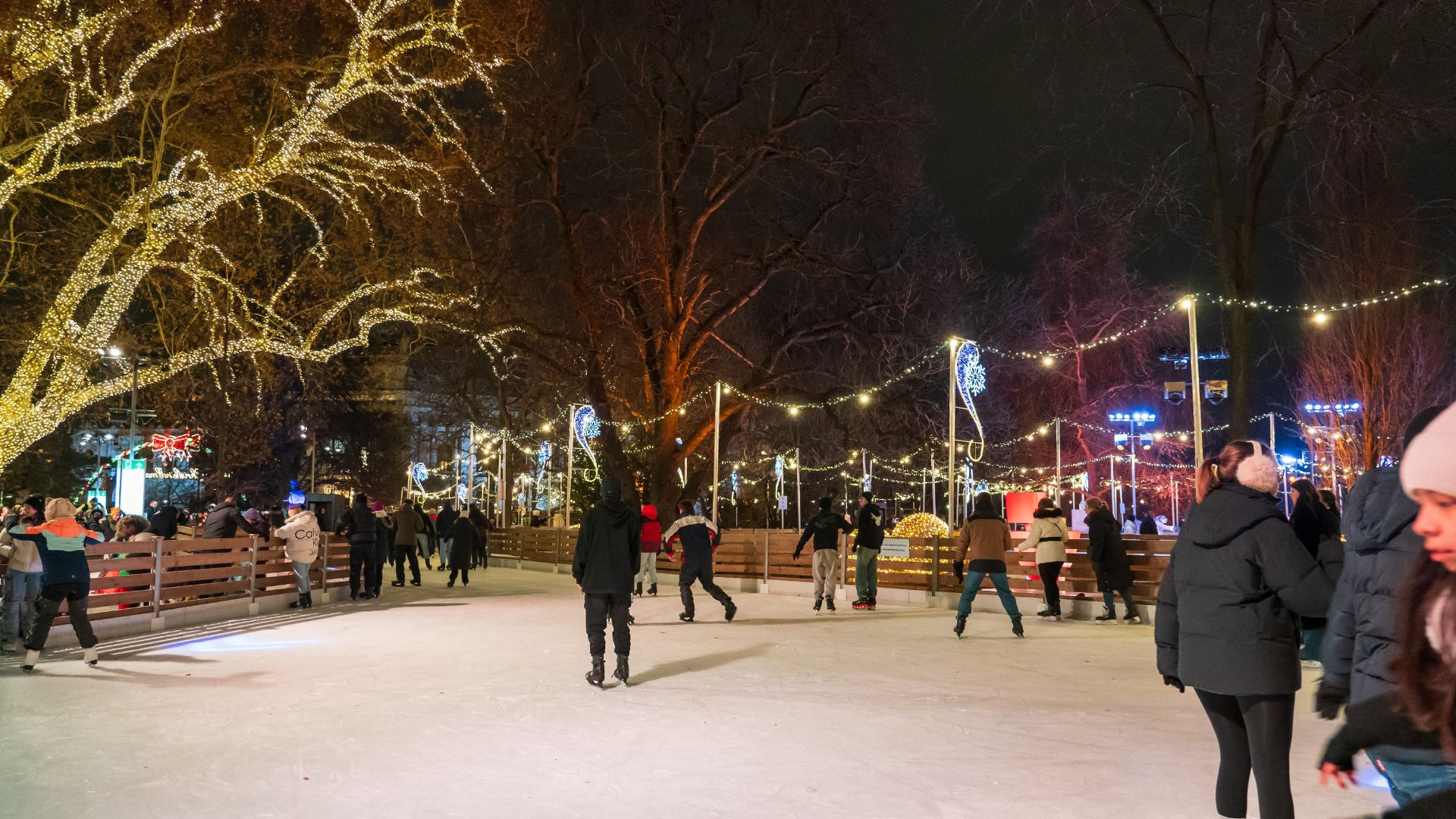
Vienna hosts festivals, concerts, markets, and cultural celebrations throughout the year. Exploring events by month helps travelers match their visit with seasonal highlights, local traditions, and unique experiences that bring the city’s music, history, and vibrant atmosphere to life.
January: Ball Season Glamour
January launches Vienna’s legendary ball season with over four hundred formal events occurring through March. This represents Vienna’s most unique cultural period when imperial ballrooms open for public waltzing in tuxedos and gowns. The weather remains quite cold, though indoor activities dominate itineraries during this period regardless.
Weather and Conditions:
Average temperatures range from thirty-two to forty degrees Fahrenheit with frequent below-freezing nights. Snow occurs occasionally, though it rarely accumulates significantly. Days remain short with sunrise after seven thirty AM and sunset before five PM. Gray skies dominate, though occasional sunny days provide beautiful winter light.
Pack a heavy winter coat, warm layers, waterproof boots, gloves, scarves, and a hat. Indoor heating keeps museums and venues very comfortable. Outdoor sightseeing requires proper clothing, though most activities occur inside during January. Precipitation averages ten to twelve days monthly, mostly light snow or rain.
Crowds and Prices:
January sees fewer tourists following the holiday season departure despite the ball season. Accommodation prices drop significantly from December peaks, offering excellent value. Museums and attractions are rarely crowded except on weekends. Restaurant reservations are easier to secure than peak summer months. However, ball weekends see specific venue booking challenges.
Major Events:
- New Year’s Concert (January 1) – Vienna Philharmonic at Musikverein
- Imperial Ball (January 10) – Hofburg Palace
- Philharmonic Ball (January 23) – Musikverein
- Opera Ball preparations begin
- Numerous smaller balls throughout the month
January suits culture enthusiasts seeking authentic Viennese experiences, budget travelers taking advantage of low-season pricing, ball attendees, and visitors preferring fewer crowds despite cold weather. Not ideal for outdoor activity lovers or those sensitive to cold and darkness.
February: Peak Ball Season
February represents the ball season’s pinnacle with the most prestigious events, including the legendary Opera Ball. This month combines elegant nightlife with continued winter weather and relatively low tourist numbers. The unique cultural experiences available in February exist nowhere else, making this a special period despite challenging weather.
Weather and Conditions:
Temperatures remain similar to January, averaging thirty-five to forty-five degrees Fahrenheit. Daylight increases noticeably with sunset extending past five thirty PM by month’s end. Snow and rain mix with occasional sunny days. Cold persists, though a gradual warming trend becomes perceptible.
Crowds and Prices:
Tourist numbers stay relatively low except for specific ball weekends when accommodations near venues fill. Book ball-weekend hotels months ahead. Non-ball weekends offer excellent availability and continued low-season pricing. Cultural attractions maintain manageable crowds throughout the month.
Major Events:
- Kaffeesieder Ball (February 21) – Hofburg Palace
- Opera Ball (February 27) – Vienna State Opera, the season’s most prestigious event
- Numerous professional and themed balls are held weekly
- Pre-Lenten carnival (Fasching) celebrations
- Valentine’s Day romantic packages at venues
February attracts ball attendees, classical music lovers, romantic couples seeking winter magic, and budget-conscious travelers accepting cold-weather trade-offs. Opera Ball represents a lifetime bucket-list experience, though tickets require planning and significant expense.
March: Spring Awakening Begins
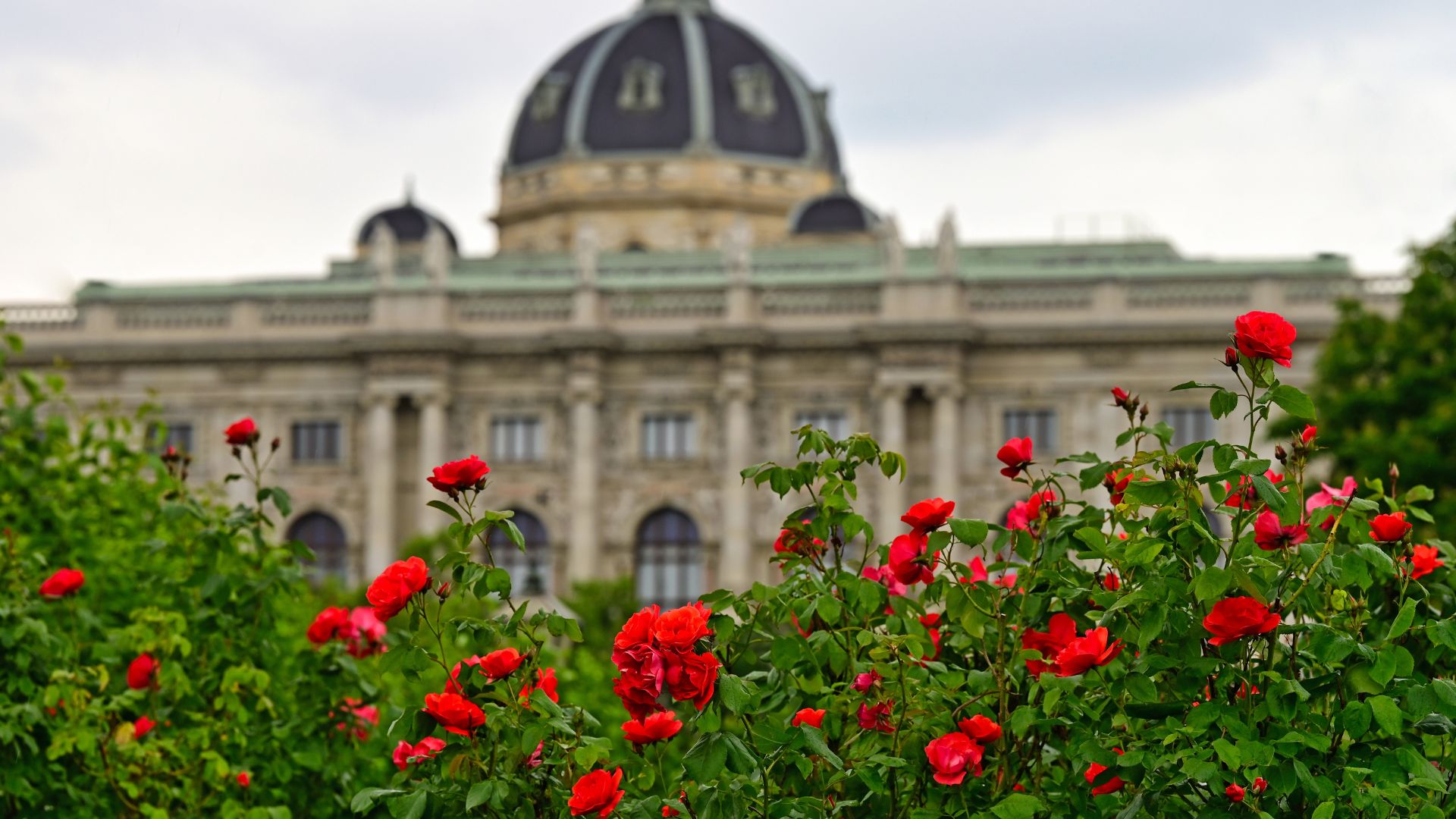
March bridges winter and spring as temperatures gradually warm and daylight extends significantly. Ball season concludes early in the month while Easter preparations begin. Parks show first signs of renewal, though weather remains quite variable, requiring flexible packing and planning approaches.
Weather and Conditions:
Average temperatures rise to forty to fifty-five degrees Fahrenheit by month end. Early March retains winter character while late March feels distinctly spring-like. Rain increases compared to the winter months. Occasional warm days reach sixty degrees, though frost is still possible overnight.
Pack layers accommodating twenty-degree temperature swings within a single day. Light jacket suffices for mild afternoons, though mornings require warmer coats. A rain jacket is essential. Gardens begin showing early blooms, particularly toward month end. Daylight extends noticeably with sunset after six PM.
Crowds and Prices:
Tourist numbers remain moderate with a gradual increase as the month progresses. Easter timing affects patterns; when Easter falls in March, crowds increase significantly. School spring breaks bring European families. Accommodation prices increase from winter lows, though still reasonable compared to summer peaks.
Major Events:
- Final ball season events (early March)
- Easter markets begin (if Easter is in early April)
- Vienna Spring Festival begins
- Museum Night (date varies annually)
- St. Patrick’s Day celebrations
March suits visitors seeking a balance between reasonable weather and moderate crowds, budget-conscious travelers finding good value before peak season, culture enthusiasts enjoying full programming without summer crowds, and those preferring comfortable temperatures for walking tours.
April: Pleasant Spring Perfection
April delivers consistently pleasant weather with blooming gardens, comfortable temperatures, and extended daylight, creating ideal sightseeing conditions. This represents one of Vienna’s best months, balancing agreeable weather against manageable crowds and reasonable pricing. Easter celebrations add a festive atmosphere throughout the city.
Weather and Conditions:
Temperatures range from fifty to sixty-five degrees Fahrenheit with increasing warm days. Rain remains frequent, though usually brief showers rather than all-day precipitation. Sunny days increase significantly. Gardens and parks explode with spring blooms, including tulips, magnolias, and cherry blossoms.
Light layers, a rain jacket, and comfortable walking shoes suffice for April visits. Mornings feel cool, while afternoons are pleasant. Outdoor dining becomes possible during sunny lunch hours. Schönbrunn and Belvedere gardens showcase spectacular spring displays. Daylight extends past seven PM, enabling extended sightseeing.
Crowds and Prices:
Tourist numbers increase notably compared to winter, though they remain below summer peaks. Easter week brings maximum April crowds, particularly if the holiday falls mid-to-late month. Book popular restaurants and opera performances ahead. Accommodation prices rise moderately, though deals are still available.
Major Events:
- Easter markets throughout the city
- Easter weekend celebrations (April 19-21, 2026)
- Vienna City Marathon (date TBD)
- Spring concert season is in full swing
- Art galleries host spring exhibitions
April appeals to nearly all visitor types, offering an excellent balance between weather, crowds, and prices. Particularly suited for outdoor enthusiasts, photographers capturing spring blooms, families during Easter break, and general tourists seeking optimal conditions.
May: Late Spring Splendor
May continues April’s pleasant conditions with warmer temperatures, longer days, and full spring bloom. This represents another excellent Vienna month with consistently good weather before summer heat arrives. Museums remain accessible while outdoor activities become increasingly attractive options.
Weather and Conditions:
Temperatures reach sixty to seventy degrees Fahrenheit with numerous warm sunny days. Rainfall decreases compared to April. Occasional cool days still occur, though warm weather dominates. Evening temperatures remain comfortable, enabling outdoor dining and walking without heavy coats.
Pack primarily light clothing with a single light jacket for cool mornings and evenings. Sunglasses and sunscreen become necessary. Gardens reach peak beauty with roses beginning to bloom. Outdoor cafes fill with locals and tourists enjoying lengthening days. Sunset extends past eight PM.
Crowds and Prices:
Tourist numbers increase steadily as Europeans enjoy spring travel before the summer vacation season. International visitors arrive in growing numbers. Accommodation prices rise approaching summer levels. Popular attractions see moderate crowds, though rarely uncomfortably packed. Reservations are increasingly important for top restaurants.
Major Events:
- Labor Day (May 1) – public holiday, some closures
- Vienna Festival Weeks begin (late May)
- Museum Night (date varies)
- Outdoor concerts begin in parks
- Prater amusement park reaches full operation
May suits weather-focused visitors preferring warm but not hot temperatures, photographers, garden enthusiasts, outdoor activity lovers, and anyone seeking excellent conditions before peak summer crowds and prices arrive fully.
June: Early Summer Warmth
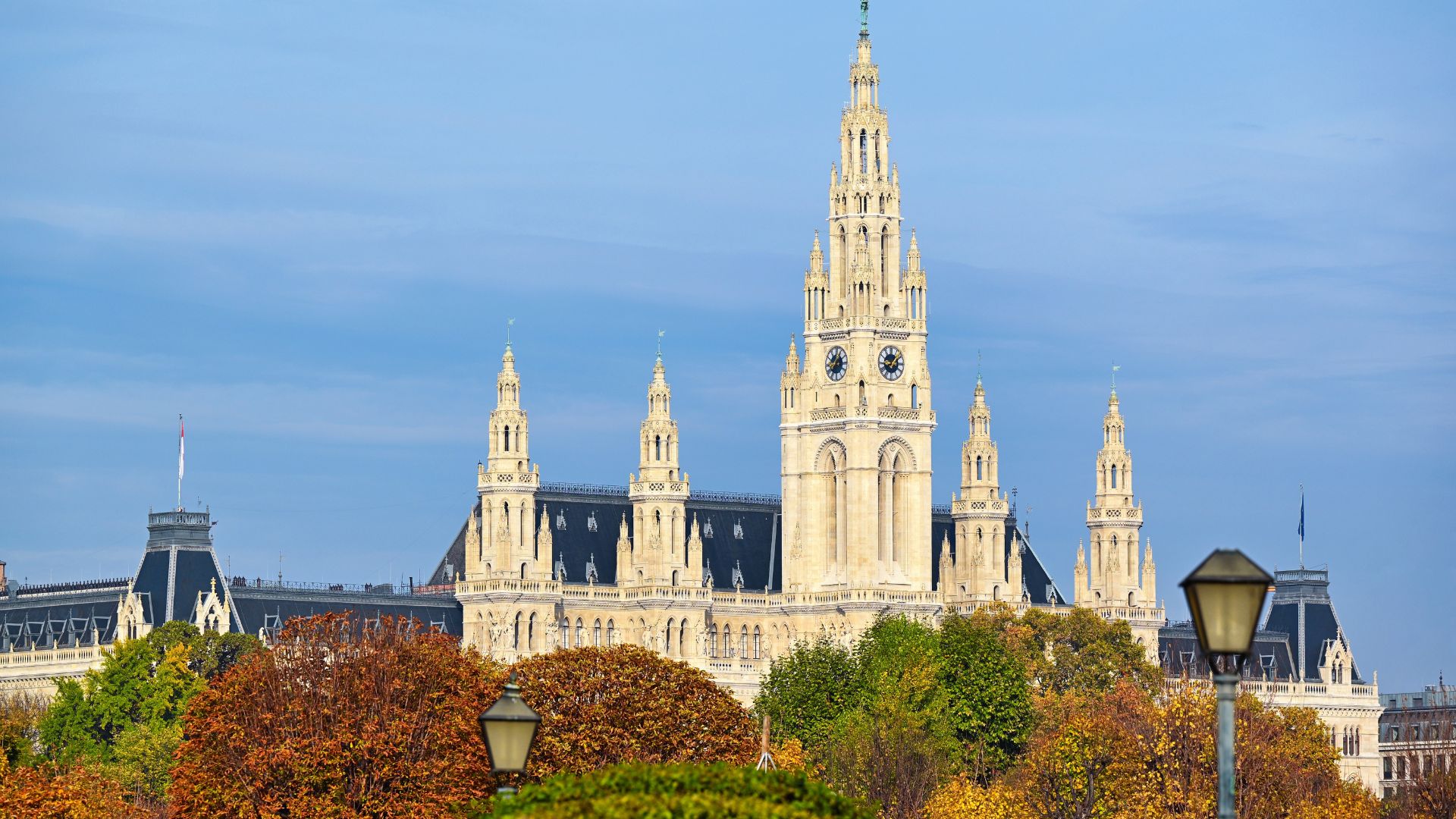
June marks summer’s official arrival with warm temperatures, long daylight hours, and full cultural programming, including outdoor concerts and festivals. This month balances pleasant weather against increasing crowds and rising prices. School remains in session through mid-June, limiting family travelers initially.
Weather and Conditions:
Temperatures range from sixty-five to seventy-five degrees Fahrenheit, with warm days becoming standard. Brief afternoon thunderstorms occur occasionally, though sunshine dominates. Humidity remains moderate compared to more continental climates. Evening temperatures stay comfortable, enabling extended outdoor activities.
Summer clothing is appropriate, though bring a light layer for air-conditioned museums and occasional cool evenings. Sunscreen essential. Garden roses bloom spectacularly. Outdoor pools open. Danube Island becomes a popular recreation area. Daylight extends until nearly nine PM, providing maximum sightseeing hours.
Crowds and Prices:
Tourist numbers increase significantly, though peak summer crowds arrive in July-August. Early June (before school holidays) sees manageable levels, while late June transitions toward high season. Accommodation prices reach summer peaks. Major attractions experience notable crowds, though usually tolerable.
Major Events:
- Vienna Festival Weeks continue
- Danube Island Festival (June 27-29)
- Outdoor opera and concert series begin
- Film Festival on Rathausplatz starts
- Donauinselfest (Danube Island Festival) – massive free music festival
June attracts summer weather seekers, outdoor concert enthusiasts, festival lovers, families traveling before July-August peaks, and visitors wanting warm weather without extreme heat or maximum crowds of later summer months.
July: Peak Summer Season
July represents Vienna’s busiest month with maximum international tourists, the highest accommodation prices, and the warmest weather. School holidays throughout Europe bring family travelers, while Americans utilize summer vacation time. Despite crowds, Vienna never feels as overwhelmed as many other European capitals.
Weather and Conditions:
Temperatures range from seventy to eighty degrees Fahrenheit, with occasional heat waves reaching ninety degrees Fahrenheit. Afternoon thunderstorms provide temporary relief during hot spells. Humidity increases, though it remains moderate. Long days with daylight until nine PM enable extended activities.
Light summer clothing is essential. Many buildings lack air conditioning, including some hotels and restaurants. Museums and palaces provide a cool refuge during hot afternoons. Outdoor activities are best scheduled morning or evening. Sunscreen, sunglasses, and a water bottle are necessary. Stay hydrated in the heat.
Crowds and Prices:
Maximum tourist crowds with advance bookings are essential for popular hotels, restaurants, and performances. Accommodation prices peak at annual highs. Major attractions experience significant crowds, requiring patience at popular sites like Schönbrunn Palace. Early morning visits are recommended to avoid midday masses.
Major Events:
- Film Festival at Rathausplatz continues
- ImPulsTanz Vienna International Dance Festival
- Summer Stage outdoor concerts
- Jazz Festival Vienna
- Open-air cinema and cultural events throughout city
July suits families bound by school calendars, visitors prioritizing guaranteed warm weather, outdoor festival enthusiasts, and travelers accepting crowds and premium pricing for a peak summer experience. Not ideal for budget travelers or those sensitive to heat and crowds.
August: Hot Summer Continues
August continues July’s summer conditions with similarly warm weather and tourist crowds. Many Viennese leave the city for vacation, creating a slightly less local atmosphere. However, cultural programming continues robustly. Late August sees a gradual tourist decline and modest price reductions.
Weather and Conditions:
Temperatures mirror July, ranging from seventy to eighty degrees Fahrenheit. Early August potentially brings the year’s hottest days. Thunderstorms provide occasional relief. The weather generally remains sunny and warm. Late August shows the first signs of approaching autumn with slightly cooler evenings.
Summer clothing remains appropriate throughout the month. Seek shade during peak afternoon heat. Museums and cafes offer an air-conditioned escape. Parks become quieter as locals depart on vacation. Outdoor pools stay busy. Danube Island provides swimming and recreation opportunities.
Crowds and Prices:
Tourist numbers remain high through mid-August, then decrease noticeably in the final week as European school returns approach. Accommodation prices stay elevated, though slight reductions appear late month. Attractions maintain summer crowd levels, though slightly less intense than the July peak.
Major Events:
- Film Festival concludes in early August
- Late summer concerts and cultural programming
- Preparatory period for the autumn cultural season
- Final summer festivals
- Wine harvest begins in the surrounding regions
August appeals to summer vacation travelers, families with school constraints, visitors wanting warm weather guarantees, and late-month travelers finding slightly better deals as the season transitions toward autumn.
September: Autumn Excellence
September ranks among Vienna’s absolute best months, offering pleasant weather, reduced crowds, autumn colors beginning, and full cultural programming resuming. This represents ideal timing for visitors prioritizing balanced conditions. Early September retains summer warmth while late September transitions toward autumn.
Weather and Conditions:
Temperatures range from sixty to seventy degrees Fahrenheit, with comfortable conditions throughout. Early September feels summer-like, while late September is distinctly autumnal. Rainfall moderate. Sunny days are frequent. Crisp mornings give way to pleasant afternoons. Autumn foliage begins late month.
Pack layers accommodating temperature variations between morning and afternoon. Light jacket sufficient for cooler moments. Comfortable walking weather throughout the day. Parks and gardens transition from summer green toward autumn gold. Daylight decreases noticeably, though it remains adequate until seven thirty PM in early months.
Crowds and Prices:
Tourist numbers decrease significantly after summer peaks. Accommodation prices drop moderately from July-August highs, though they remain above winter lows. Museums and attractions return to manageable crowd levels. Restaurant reservations are easier, though planning ahead is still recommended.
Major Events:
- Vienna Wine Hiking Day (date varies)
- Vienna Design Week
- Cultural season opening galas
- Autumn concerts and opera season begin
- Long Night of Museums (date varies)
September suits nearly all visitor types: budget-conscious travelers finding reasonable prices, culture enthusiasts enjoying full programming, weather-focused tourists appreciating comfortable temperatures, photographers capturing autumn colors, and anyone seeking a balanced experience.
October: Autumn Beauty Peak
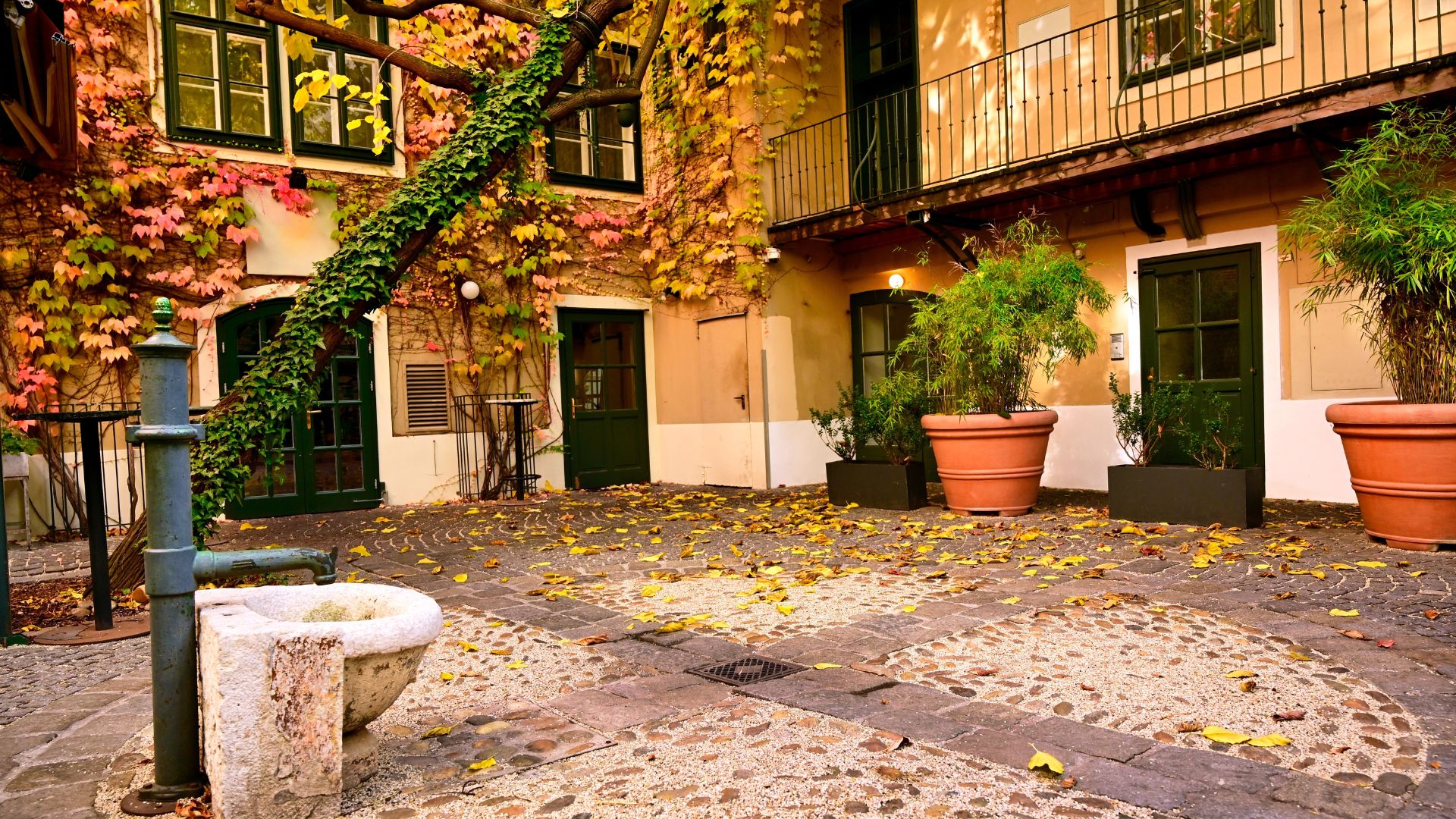
October showcases autumn at its finest with colorful foliage, comfortable temperatures, harvest celebrations, and full cultural programming. This month combines pleasant conditions with manageable crowds and moderate pricing. Vienna Woods and palace gardens display spectacular fall colors, attracting photography enthusiasts.
Weather and Conditions:
Temperatures range from fifty to sixty-five degrees Fahrenheit with gradual cooling throughout the month. Early October retains a warmer character while late October feels distinctly autumnal. Rainfall increases slightly. Foggy mornings occasionally occur. Sunny days provide beautiful slanted autumn light.
Layer clothing accommodating cool mornings and mild afternoons. Medium-weight jacket is sufficient. A rain jacket is recommended. Vienna Woods hiking becomes particularly attractive. Palace gardens showcase autumn colors spectacularly. Daylight decreases noticeably with sunset before six PM by month end.
Crowds and Prices:
Tourist numbers stay moderate throughout October. Accommodation prices remain reasonable below summer peaks. Cultural venues fill with opera and concert attendees, though tourist attractions avoid summer crowding. Good balance between availability and pricing makes October attractive.
Major Events:
- Long Night of Museums (date varies)
- Viennale Film Festival
- Wine tavern (Heurigen) season celebrates the harvest
- Opera and concert season full programming
- Halloween celebrations (October 31)
October appeals to culture enthusiasts, autumn lovers, photographers, wine enthusiasts visiting Heurigen taverns, budget-conscious travelers, and anyone seeking pleasant weather without crowds. Particularly excellent for combining city culture with Vienna Woods hiking.
November: Pre-Winter Transition
November represents a transition toward winter with cooling temperatures, shorter days, and preparations for the upcoming Christmas season. Tourist numbers remain low, making this an excellent time for budget travelers and those preferring minimal crowds. Weather becomes less predictable, though indoor attractions dominate regardless.
Weather and Conditions:
Temperatures range from forty to fifty degrees Fahrenheit, with increasing cold as the month progresses. Rain is more frequent than preceding months. Gray skies dominate, though occasional sunny days occur. First frost possible late month. Daylight decreases significantly with sunset before five PM.
Pack warm layers, a waterproof coat, and sturdy walking shoes. Indoor activities become more appealing. Museums, cafes, and concert halls provide a comfortable refuge from the weather. Parks lose leaves, showing a bare winter character. Heating begins in buildings, ensuring indoor comfort.
Crowds and Prices:
November sees Vienna’s lowest tourist numbers of the entire year. Accommodation prices drop significantly, offering excellent value. Museums and attractions are nearly empty except on weekends. Restaurant reservations are unnecessary except top establishments. Excellent month for budget-conscious travelers, accepting variable weather.
Major Events:
- St. Martin’s Day (November 11) – Goose feast traditions
- Preparatory period for Christmas markets
- The opera and concert season continues
- Jazz festivals
- Museums offer uncrowded access
November suits budget travelers prioritizing low prices over weather, culture enthusiasts enjoying uncrowded museums and performances, solo travelers, and visitors unbothered by gray weather, focusing on indoor attractions.
December: Christmas Market Magic
December transforms Vienna into a winter wonderland with spectacular Christmas markets, festive decorations, and holiday atmosphere throughout the city. This represents one of Vienna’s busiest months with tourists flocking to experience authentic Austrian Christmas traditions. Despite crowds, the magical atmosphere justifies the visit.
Weather and Conditions:
Temperatures range from thirty to forty degrees Fahrenheit, with cold dominating. Snow possible, though not guaranteed. Markets and mulled wine stands keep visitors warm. Short days with sunrise after seven thirty AM and sunset before four thirty PM create a cozy atmosphere.
Pack heavy winter clothing, including a warm coat, gloves, scarf, hat, and waterproof boots. Christmas market visits require bundling up, though mulled wine and roasted chestnuts provide warmth. Indoor attractions offer refuge. Snow enhances rather than hinders the Christmas market experience.
Crowds and Prices:
Maximum December crowds rival July-August, with accommodation booking essential months ahead. Prices reach annual peaks. Markets attract both tourists and locals, creating festive energy. Major attractions are very busy, particularly during Christmas week through the New Year. Book everything in advance.
Major Events:
- Christmas markets throughout the city (late November through December 24)
- New Year’s Eve celebrations (December 31)
- Christkindlmarkt at Rathausplatz (largest market)
- Belvedere Palace Christmas Market
- Opera and concert performances
- Christmas shopping along Kärntner Strasse
December attracts Christmas enthusiasts, families seeking holiday magic, couples wanting a romantic winter experience, and first-time Vienna visitors experiencing authentic Austrian traditions. Not suitable for budget travelers or those preferring warm weather.
Best Times for Specific Travel Interests
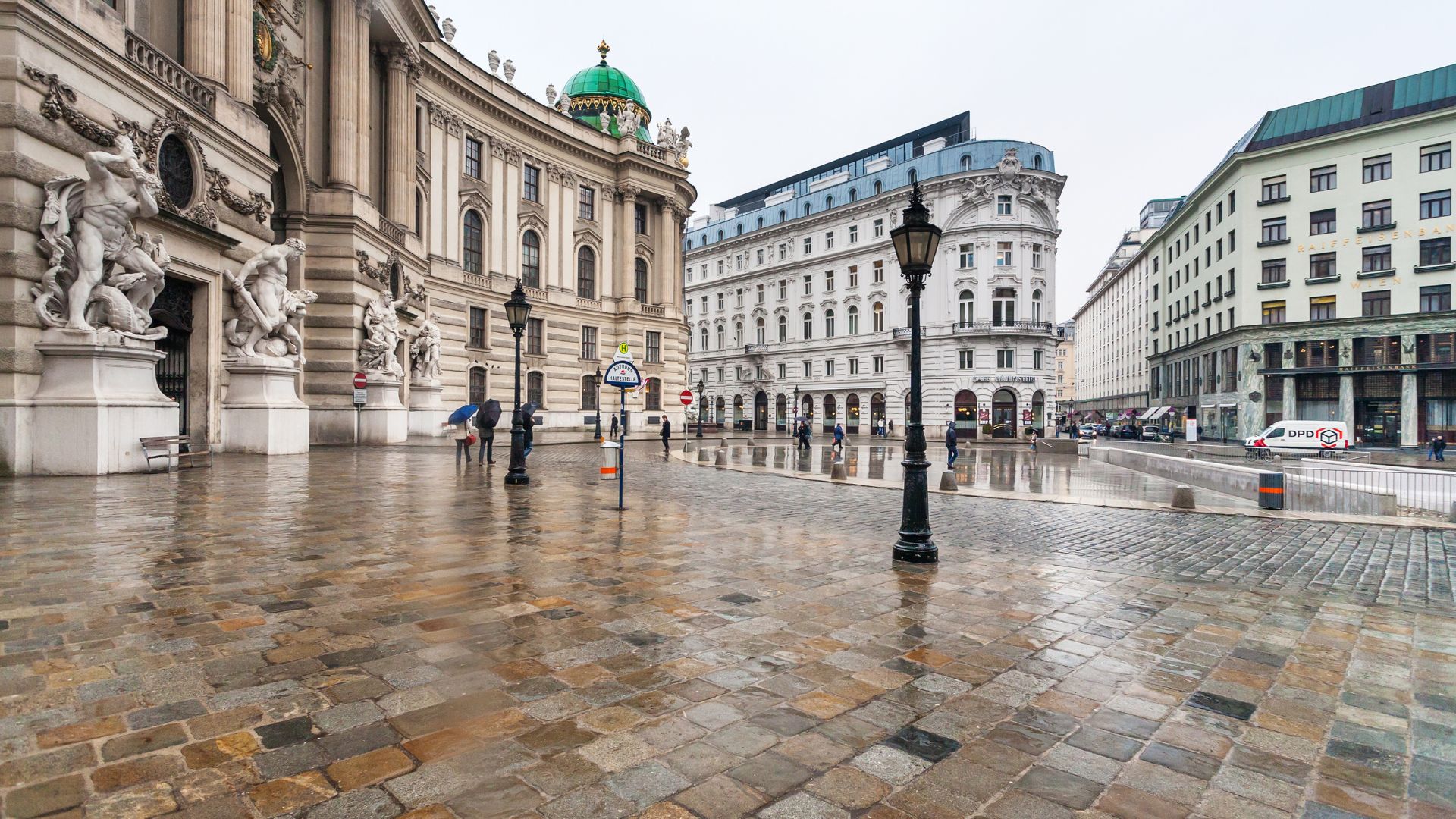
Different visitor priorities lead to different optimal timing recommendations. Understanding your primary interests helps narrow ideal periods beyond general weather and crowd considerations. The following analysis targets specific visitor types, matching interests with optimal months.
Budget Travelers:
Best months: January, February (except ball weekends), November. Lowest accommodation prices, flight deals, and minimal crowds. Accept cold weather and shorter days, trading for significant savings. Cultural programming continues fully. Museums uncrowded. Restaurant deals available.
Culture and Music Enthusiasts:
Best months: September through June (avoiding July-August). Full opera, concert, and museum programming. Ball season (January-March) provides unique experiences. Autumn and spring balance the weather with cultural offerings. Summer sees reduced orchestral programming, though outdoor concerts compensate.
Outdoor Activity Lovers:
Best months: April, May, September, October. Comfortable temperatures for walking, hiking in Vienna Woods, cycling Danube paths, and exploring parks. Gardens showcase seasonal beauty. Neither too hot nor cold. Manageable tourist numbers enhance outdoor experiences.
Families with Children:
Best months: April (Easter), June, July, August, December (Christmas). School holidays constrain timing. Summer offers numerous outdoor activities, pools, and festivals. December provides magical Christmas market experiences. April combines pleasant weather with Easter celebrations.
Romantic Couples:
Best months: February (Valentine’s/balls), May, September, December. Ball season offers elegant waltzing experiences. Spring and autumn provide pleasant weather for strolls. December delivers Christmas market romance. Avoid peak summer crowds for an intimate atmosphere.
First-Time Visitors:
Best months: April, May, September, October, December. These months balance weather, crowds, and authentic experiences. Spring and fall offer comfortable conditions. December provides unique Christmas market traditions. Avoid extreme summer crowds or November gray.
Photography Enthusiasts:
Best months: April (spring blooms), October (autumn colors), December (Christmas lights). Seasonal transitions provide dramatic photo opportunities. Spring gardens explode with color. Autumn foliage transforms Vienna Woods. Christmas markets glow festively. Winter snow adds magic.
Crowded or Costly Times in Vienna
While Vienna rewards visitors year-round, certain periods present challenges worth understanding before committing to travel dates. These “worst” designations reflect specific disadvantages rather than inherently terrible experiences. Awareness helps set appropriate expectations if circumstances require visiting during challenging periods.
Late July through mid-August brings extreme crowds, the highest prices, occasional uncomfortable heat, and a slightly less authentic atmosphere as locals depart. If bound by the summer schedule, early June or late August provides better alternatives.
November suffers gray weather, early darkness, and a lack of special events, creating a somewhat dreary atmosphere. However, empty museums and low prices compensate for budget travelers unbothered by the weather. Avoid if seeking vibrant energy or outdoor activities.
January-February (except ball season) presents cold, dark conditions with minimal daylight and gray skies. However, ball season provides unique cultural experiences unavailable elsewhere. Budget travelers find excellent value. Simply not ideal for sun-seekers or outdoor enthusiasts.
Easter and Christmas weeks experience maximum crowds, requiring booking months ahead and accepting premium pricing. The special atmosphere justifies challenges for those seeking holiday experiences. However, avoid it if you prefer uncrowded exploration.
Month-by-Month Quick Reference
This month-by-month quick reference offers an easy snapshot of Vienna’s weather, crowds, and key events. It helps travelers quickly compare seasons, choose ideal travel dates, and plan visits around festivals, budgets, and personal interests with confidence.
| Month | Temp (°F) | Rain Days | Crowds | Prices | Best For |
| Jan | 32-40 | 10 | Low | Low | Balls, budget, culture |
| Feb | 35-45 | 9 | Low-Med | Low-Med | Opera Ball, romance |
| Mar | 40-55 | 11 | Medium | Medium | Spring awakening |
| Apr | 50-65 | 10 | Medium | Medium | Gardens, Easter |
| May | 60-70 | 11 | Med-High | Medium | Perfect weather |
| Jun | 65-75 | 12 | High | High | Festivals, long days |
| Jul | 70-80 | 11 | Very High | Very High | Summer peak |
| Aug | 70-80 | 10 | Very High | Very High | Summer vacation |
| Sep | 60-70 | 9 | Medium | Medium | Autumn beauty |
| Oct | 50-65 | 9 | Medium | Medium | Fall colors |
| Nov | 40-50 | 11 | Low | Low | Budget, museums |
| Dec | 30-40 | 10 | Very High | Very High | Christmas markets |
Final Words: Choosing the Perfect Time to Experience Vienna
Choosing optimal Vienna timing requires balancing weather preferences, budget constraints, crowd tolerance, and specific interests. No single “best” month exists universally, though certain periods suit most visitors better than others. Understanding your priorities enables selecting timing, maximizing satisfaction matching personal preferences.
Universally excellent months: April, May, September, and October offer the best overall balance between weather, crowds, and prices. These shoulder season periods provide comfortable conditions, manageable tourist numbers, and reasonable accommodation rates while maintaining full cultural programming and outdoor accessibility.
Special experience months: December (Christmas markets), February (Opera Ball), January-March (ball season) provide unique cultural experiences unavailable at other times. Worth planning specifically around these events despite weather challenges or pricing premiums if experiences align with interests.
Budget-focused months: January, February (avoiding ball weekends), and November deliver the lowest prices and minimal crowds. Accept weather trade-offs for significant savings. Museums remain accessible and cultural programming continues despite cold and darkness.
Avoid if possible: Late July-August unless bound by school calendars or prioritizing guaranteed warm weather despite crowds and expense. November requires sunny weather and outdoor activities. Extreme holiday weeks (Christmas, New Year, Easter) unless specifically seeking that festive atmosphere.
Vienna’s year-round appeal means no truly bad times exist, only periods better suited to different priorities. Understanding seasonal patterns, monthly characteristics, and personal preferences guides decisions, creating optimal experiences. Start planning, book ahead during peak periods, pack appropriately, and prepare for memorable Vienna adventures regardless of chosen timing.
