

Austria captivates travelers with stunning Alpine scenery, imperial grandeur, musical heritage, and charming villages packed into compact territory. One week provides sufficient time to experience diverse highlights from Vienna’s palaces to Salzburg’s baroque architecture and Tyrolean mountain landscapes.
Whether you’re a first-time visitor seeking iconic attractions or a returning traveler exploring deeper, this flexible itinerary covers Austria’s must-see highlights. Follow chronologically or adapt based on interests, weather, and personal preferences, creating your perfect Austrian adventure.
Please note that this article contains affiliate links. Learn more about it on our Disclosure page. We use ads to support our small business – we hope you don’t mind them too much.
Why Austria is Perfect for One Week
Austria is perfectly suited for a one-week trip, offering compact geography, excellent transport, and diverse experiences. Travelers can easily combine alpine scenery, historic cities, and charming villages without feeling rushed.
In just seven days, visitors can enjoy skiing or mountain adventures, explore cultural cities like Vienna or Salzburg, and relax in scenic lakes or spa towns. Austria’s balance of nature, culture, and convenience makes one week feel wonderfully complete.
Compact Geography, Maximum Variety
Austria’s relatively small size enables experiencing remarkable diversity within a limited timeframe without excessive travel time between destinations. Major cities, Alpine regions, and cultural sites sit within a few hours of each other via excellent transportation infrastructure.
The country’s efficient rail network connects major destinations quickly and comfortably, eliminating driving stress and parking challenges. Trains offer scenic journeys through mountain passes and riverside valleys, transforming transportation into sightseeing opportunities rather than wasted time.
Austria concentrates extraordinary attractions within compact borders, from imperial Vienna to mountain villages, baroque architecture to pristine nature. This geographic advantage enables a comprehensive exploration impossible in larger countries requiring extensive travel between dispersed highlights.
Cultural Richness and Natural Beauty
| Experience Type | Austrian Highlights |
| Imperial Heritage | Schönbrunn Palace, Hofburg, and Habsburg history throughout |
| Classical Music | Mozart, Strauss, Vienna State Opera, Salzburg Festival |
| Alpine Scenery | Tyrolean Alps, Hallstatt, mountain lakes, glaciers |
| Baroque Architecture | Salzburg Old Town, Melk Abbey, Innsbruck churches |
| Culinary Traditions | Wiener schnitzel, sachertorte, coffee house culture |
Austria seamlessly blends urban sophistication with mountain wilderness, enabling morning museum visits followed by afternoon Alpine hiking. This variety prevents monotony while satisfying diverse interests within travel groups having different preferences.
Efficient Infrastructure
Austria’s tourism infrastructure ranks among the world’s best, with reliable transportation, excellent accommodations, and well-organized attractions throughout destinations. This efficiency maximizes vacation time while minimizing frustration, stress, and logistical challenges common elsewhere.
Public transportation operates punctually with intuitive schedules, multilingual staff assistance, and integrated ticketing systems, simplifying travel planning. Tourist information offices provide comprehensive resources, including maps, accommodation booking, and activity recommendations in multiple languages.
Day-by-Day Austria Itinerary Overview
This day-by-day overview provides a clear snapshot of how to experience Austria in one week, balancing imperial cities, alpine landscapes, lakeside villages, and cultural landmarks while keeping travel time efficient and experiences unhurried.
Day 1: Arrive in Vienna – Imperial Beginnings
Arrive in Vienna, Austria’s imperial capital, and explore St. Stephen’s Cathedral, the historic Ringstrasse, and elegant streets reflecting centuries of Habsburg power and architectural grandeur.
In the evening, experience Viennese coffee house culture, enjoy sachertorte, and attend an optional classical concert or opera, introducing Austria’s refined musical and cultural traditions.
Day 2: Vienna – Palaces, Art, and Culture
Spend the day discovering Schönbrunn Palace, wandering its gardens, and learning about imperial life through lavish rooms showcasing Austria’s royal heritage and historical influence.
Later, visit the Belvedere Palace to see Klimt’s The Kiss, or explore the Kunsthistorisches Museum, ending the day with a relaxed walk along the Danube Canal.
Day 3: Vienna to Salzburg – Music and Baroque Beauty
Travel by scenic train to Salzburg, enjoying alpine landscapes en route. Begin exploring the UNESCO-listed Old Town, filled with baroque churches, charming squares, and narrow medieval streets.
Visit Mozart’s Birthplace on Getreidegasse, browse historic shops, and enjoy an evening classical music performance, embracing Salzburg’s timeless musical heritage.
Day 4: Salzburg and Hallstatt – Alpine Fairytale
Take a day trip to Hallstatt, admiring its lakeside village, pastel houses, and dramatic mountain reflections that create one of Austria’s most photographed landscapes.
Return to Salzburg to explore Mirabell Gardens and ride up to Hohensalzburg Fortress, enjoying panoramic views that combine history, music, and alpine scenery beautifully.
Day 5: Innsbruck – Mountains and Tyrolean Culture
Travel to Innsbruck, the alpine capital, and explore the medieval Old Town, including the iconic Golden Roof and colorful streets framed by towering mountain peaks.
Ride the Nordkette cable car for spectacular alpine views, then enjoy traditional Tyrolean cuisine at a local gasthaus, blending city culture with mountain adventure.
Day 6: Wachau Valley and Melk Abbey
Explore the scenic Wachau Valley, visiting the magnificent Melk Abbey, where baroque architecture, frescoed halls, and a historic library overlook the Danube River.
Continue to charming villages like Dürnstein, enjoying vineyard walks, river views, and optional wine tasting, experiencing Austria’s romantic countryside and cultural richness.
Day 7: Alpine Nature or Leisure Departure
Spend your final day relaxing at Achensee or exploring alpine landscapes near Innsbruck, enjoying lake views, gentle hikes, and peaceful mountain surroundings.
Alternatively, enjoy shopping, local cuisine, and reflective city walks before departure, concluding your one-week Austria trip with lasting cultural and natural memories.
Vienna: Imperial Capital and Cultural Heart
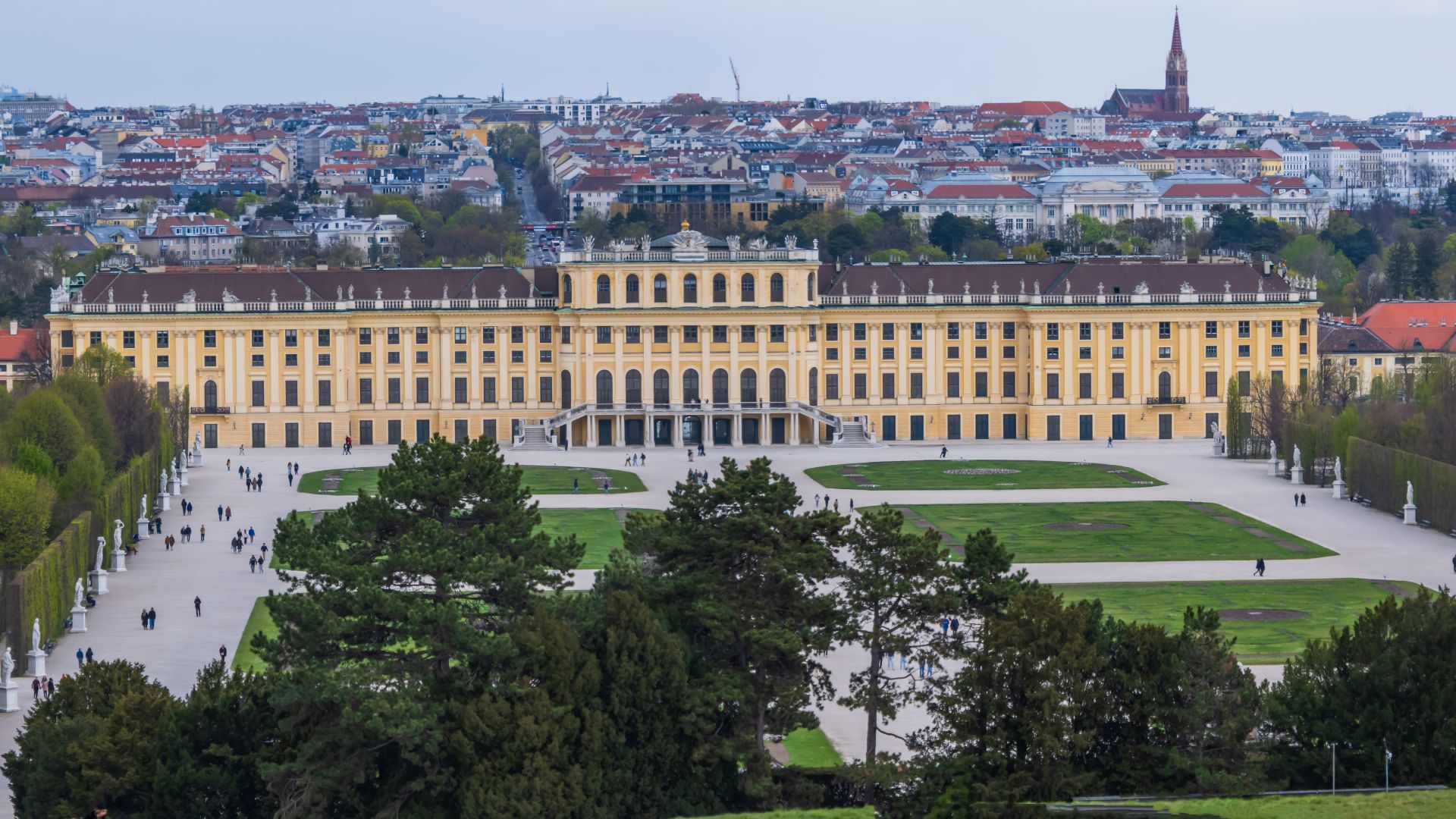
Vienna stands as Austria’s imperial capital, renowned for its grand palaces, historic streets, and artistic legacy shaped by centuries of Habsburg rule. The city’s architecture reflects power, elegance, and timeless sophistication.
As a global cultural heart, Vienna celebrates music, art, and intellectual heritage through world-class museums, opera houses, and cafés. From classical composers to contemporary creativity, the city offers a rich, immersive cultural experience.
Habsburg Splendor and Museums
Vienna demands a minimum of two full days exploring imperial palaces, world-class museums, and historic coffee houses, defining Austrian culture. The former Habsburg capital showcases architectural grandeur, artistic masterpieces, and refined sophistication accumulated over centuries as a European power center.
Schönbrunn Palace, the summer residence of Habsburg emperors, stands as Vienna’s most visited attraction with opulent state rooms and expansive gardens. The palace’s 1,441 rooms, though only forty are accessible via tours, demonstrate imperial wealth while gardens provide peaceful retreats.
The Hofburg Palace, the Habsburg winter residence in the city center, houses Imperial Apartments, the Sisi Museum, and the Spanish Riding School. This vast complex evolved over centuries, each addition reflecting different architectural periods from Gothic through Art Nouveau.
Art and Music Capital
Vienna Essential Attractions:
- Schönbrunn Palace: Imperial summer residence, UNESCO site
- Hofburg Palace: Winter residence, Spanish Riding School
- Belvedere Palace: Baroque masterpiece, Klimt’s “The Kiss.”
- Kunsthistorisches Museum: World-class art collection, ornate building
- St. Stephen’s Cathedral: Gothic landmark, panoramic tower views
- Vienna State Opera: Evening performances, guided tours
The Belvedere Palace, built for Prince Eugene of Savoy, houses Austria’s most famous painting, Gustav Klimt’s golden masterpiece “The Kiss.” The Upper Belvedere’s permanent collection spans medieval through contemporary Austrian art, while the gardens offer spectacular city views.
Kunsthistorisches Museum ranks among the world’s finest art museums, displaying the Habsburg collection, including Bruegel, Vermeer, and Caravaggio masterpieces. The museum building itself represents architectural achievement, with marble halls, a grand staircase, and ornately painted ceilings.
Coffee House Culture
| Coffee House | Atmosphere | Specialty |
| Café Central | Historic literary gathering place | Traditional pastries, elegant ambiance |
| Café Sacher | Legendary hotel café | Original sachertorte recipe |
| Café Hawelka | Bohemian artistic atmosphere | Buchteln pastries, coffee culture |
| Demel | Imperial court supplier | Exquisite cakes, traditional service |
Vienna’s coffee house tradition, recognized as UNESCO Intangible Cultural Heritage, provides an essential cultural experience beyond mere refreshment stops. These institutions served as intellectual gathering places where writers, artists, and thinkers spent hours discussing, reading, and creating.
Café Central, housed in a palace building near the Hofburg, attracted famous patrons including Freud, Trotsky, and Altenberg throughout history. The grand interior, piano music, and traditional service recreate the Belle Époque atmosphere while serving excellent coffee and pastries.
Naschmarkt and Local Life
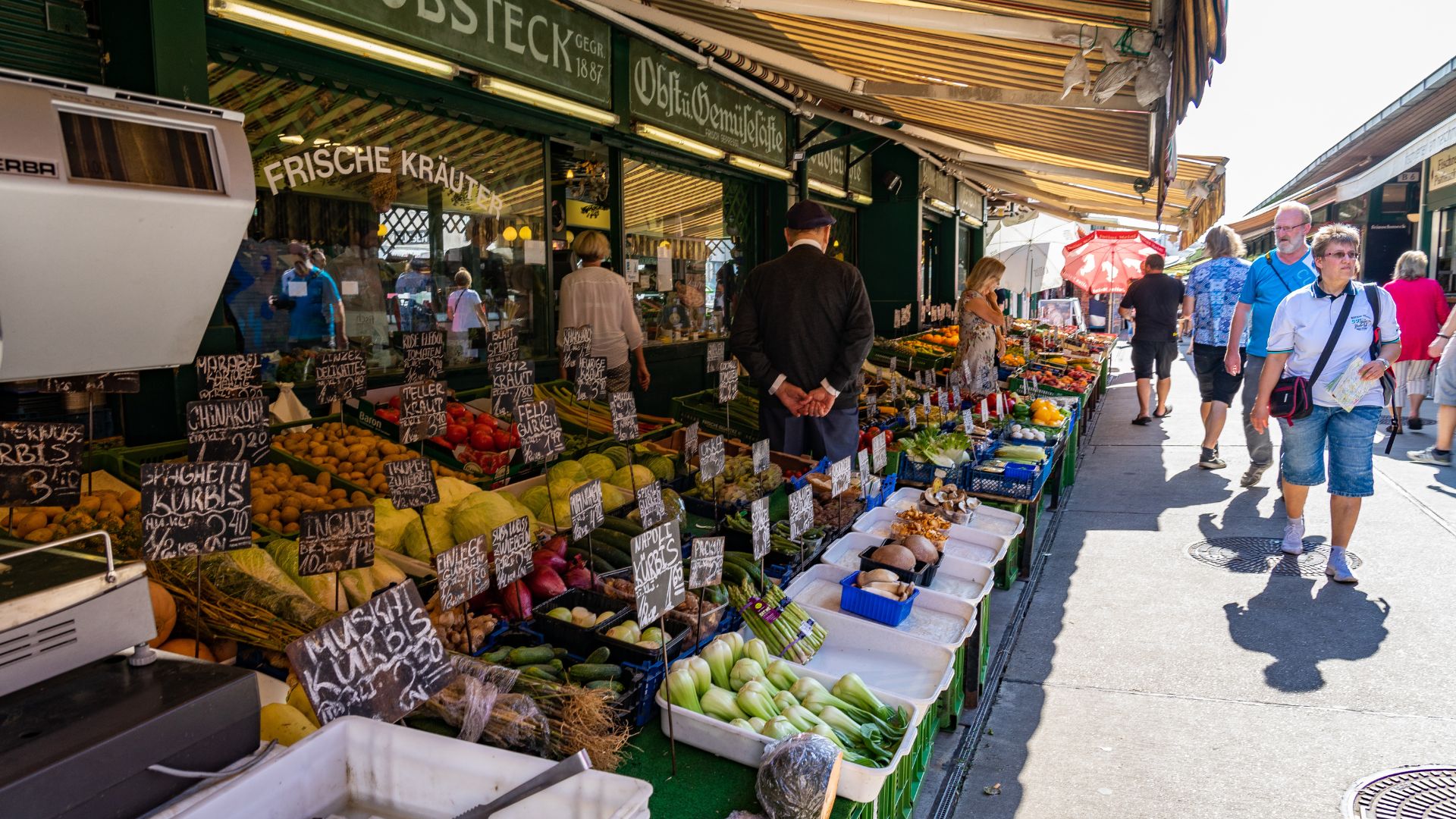
Naschmarkt, Vienna’s largest outdoor market operating since the sixteenth century, offers an authentic local experience beyond tourist attractions. The sprawling market sells fresh produce, international foods, spices, and prepared meals reflecting Vienna’s multicultural character.
Saturday flea markets extend beyond food stalls, offering antiques, vintage clothing, and collectibles, attracting bargain hunters. The surrounding area, particularly near Karlsplatz, features Jugendstil architecture and trendy cafés popular with locals.
Vienna Practical Tips:
- Purchase a Vienna City Card for transportation and discounts
- Book palace tours online, avoiding long queues
- Explore beyond Ring Street, discovering local neighborhoods
- Try Wiener schnitzel at a traditional Gasthaus
- Attend evening opera or concert performances
- Walk along the Danube Canal, seeing street art
Salzburg: Mozart, Mountains, and Timeless Melodies
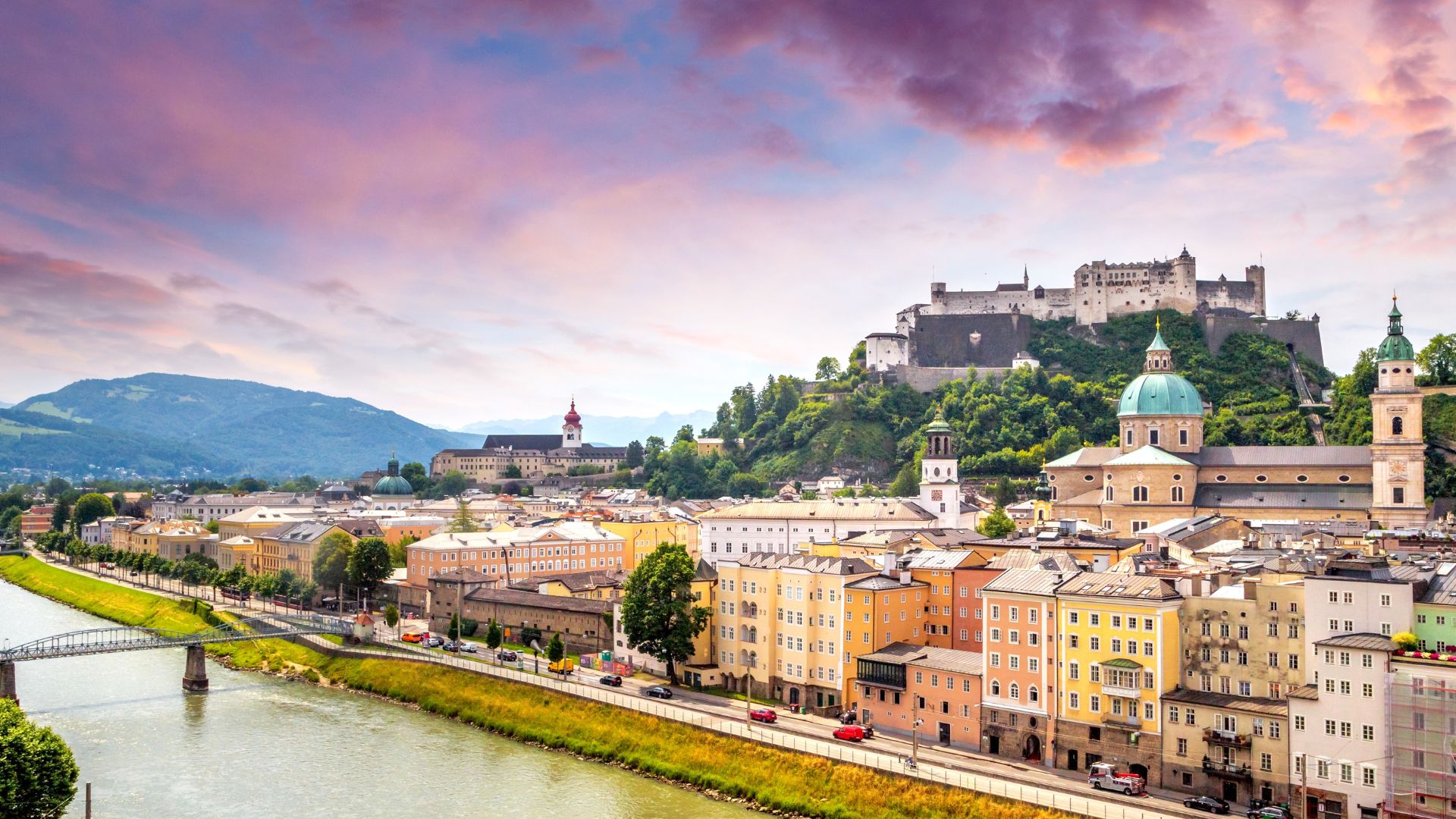
Salzburg is world-famous as the birthplace of Wolfgang Amadeus Mozart, whose legacy shapes the city’s cultural identity. Baroque architecture, historic squares, and alpine scenery create an inspiring backdrop for music lovers.
Equally celebrated as the setting for The Sound of Music, Salzburg blends cinematic charm with classical heritage. From concert halls to hilltop fortresses, the city offers a harmonious mix of history, music, and unforgettable scenery.
Baroque Masterpiece
Salzburg merits two days exploring the baroque old town, the hilltop fortress, and the surrounding Lake District landscapes made famous worldwide. This UNESCO World Heritage city combines architectural beauty with musical heritage, creating a romantic atmosphere beloved by travelers.
Hohensalzburg Fortress, dominating the skyline from Mönchsberg mountain, represents Central Europe’s largest preserved medieval fortress accessible via funicular. The fortress offers panoramic city views while housing museums exploring Salzburg’s military and musical history.
The historic center, remarkably preserved and pedestrian-friendly, concentrates attractions within a compact area, enabling easy walking exploration. Narrow medieval lanes, baroque churches, and elegant squares create an enchanting environment photographed endlessly by visitors.
Mozart and Music Heritage
Salzburg Must-See Attractions:
- Hohensalzburg Fortress: Medieval fortress, city views, museums
- Mozart’s Birthplace: Getreidegasse museum, original instruments
- Salzburg Cathedral: Baroque masterpiece, Mozart was baptized here
- Mirabell Palace and Gardens: Sound of Music locations, concerts
- Getreidegasse: Historic shopping street, ornate guild signs
- St. Peter’s Abbey: Ancient monastery, atmospheric cemetery
Mozart’s Birthplace on Getreidegasse, where Wolfgang Amadeus Mozart was born in 1756, preserves original apartments displaying instruments and artifacts. The museum explores Mozart’s childhood while Getreidegasse’s wrought-iron signs and elegant shops create a picturesque shopping experience.
Salzburg’s musical tradition extends beyond Mozart, hosting the prestigious Salzburg Festival each summer, attracting world-class performers. Year-round concerts occur in palaces, churches, and concert halls, maintaining the city’s reputation as the classical music capital.
Sound of Music Experience
The Sound of Music locations scattered throughout Salzburg and the surrounding region attract devoted fans retracing film steps. Mirabell Gardens, featured in the “Do-Re-Me” scene, offer free access with baroque landscaping and a mountain backdrop.
Organized Sound of Music tours visit filming locations, including Leopoldskron Palace, Mondsee church, and Lake District scenery. While some Austrians remain puzzled by the American obsession, these tours provide an entertaining introduction to the regional beauty.
Salzburg’s Surroundings
| Destination | Distance | Highlights |
| Hallstatt | 75km, 1.5 hours | Lakeside village, salt mines, mountain views |
| Werfen Ice Caves | 40km, 45 minutes | World’s largest ice caves, fortress |
| Mondsee | 30km, 30 minutes | Sound of Music church, lake swimming |
| Untersberg | 10km, 20 minutes | Cable car, mountain hiking, panoramic views |
Salzburg Planning:
- Stay in Old Town for walkability
- The Salzburg Card provides free attractions and transportation
- Book the fortress funicular early, avoiding crowds
- Evening concerts in palaces create magical experiences
- Explore both riverbanks, discovering different neighborhoods
- Try Mozartkugel chocolate confections citywide
Hallstatt: Alpine Jewel and Lake Paradise
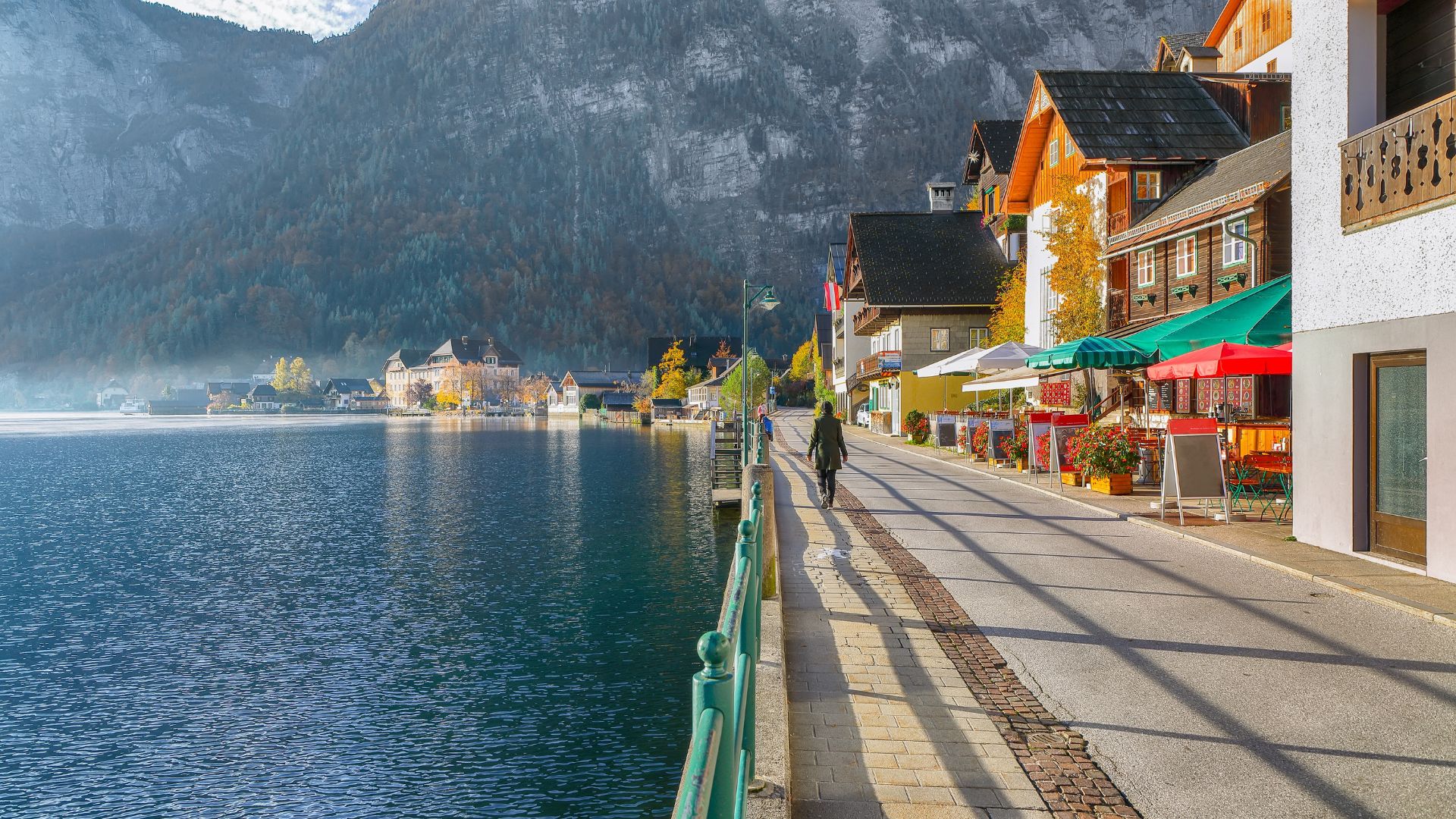
Hallstatt is an alpine jewel nestled between towering mountains and a serene lake, renowned for its postcard-perfect beauty. Its pastel houses, quiet lanes, and reflective waters create one of Austria’s most iconic landscapes.
Beyond its visual charm, Hallstatt offers rich history, salt mining heritage, and peaceful lakeside experiences. The blend of alpine scenery, cultural depth, and calm atmosphere makes Hallstatt a true lake paradise worth savoring.
Picture-Perfect Village
Hallstatt demands a full day experiencing this impossibly picturesque lakeside village nestled between mountains and Hallstätter See. This UNESCO World Heritage site, often called the world’s most beautiful village, attracts photographers and romantics seeking Alpine perfection.
The compact village clings to the steep mountainside, with pastel-colored houses, a baroque church spire, and wooden boat houses reflected perfectly. While tourist crowds can overwhelm during peak hours, early morning and evening offer magical atmospheric moments.
Hallstatt’s ancient salt mining heritage, dating over 7,000 years, shaped development, creating wealth that supported beautiful architecture. The salt mines, accessible via funicular, offer underground tours exploring mining history while providing spectacular lake views.
Lake and Mountain Activities
Hallstatt Experiences:
- Lakeside Promenade: Waterfront walk, classic photography angles, boat houses
- Bone House: Skull chapel, painted skulls, macabre tradition
- Salt Mines: Historic tours, underground slides, mountain panoramas
- Skywalk Platform: Viewing platform, vertiginous drop, stunning vistas
- Market Square: Central gathering point, cafés, souvenir shops
- Five Fingers Platform: Modern viewpoint, dramatic Alpine scenery
The salt mine tour combines history with adventure, featuring underground slides, salt lake boat rides, and mining demonstrations. The funicular journey provides breathtaking views while the Skywalk observation platform offers vertiginous perspectives.
The Bone House (Beinhaus) displays over 1,200 decorated skulls, reflecting traditional space-saving burial practice when the cemetery lacked room. Skulls painted with floral motifs and family names create eerie yet fascinating cultural insight.
Lake Activities
Hallstätter See offers swimming, boating, and paddling during warmer months with crystal-clear mountain water and stunning scenery. Traditional wooden boats provide romantic lake exploration, visiting surrounding villages accessible only by water or hiking trails.
Hallstatt Practicalities:
- Arrive early morning or evening, avoiding day-trip crowds
- Park outside the village using the shuttle buses
- Book accommodations in advance for overnight stays
- Visit year-round, though winter brings snow
- Combine with nearby Obertraun and Dachstein
- Moderate tourist infrastructure prevents overcrowding management
Innsbruck: Alpine Capital and Olympic Legacy
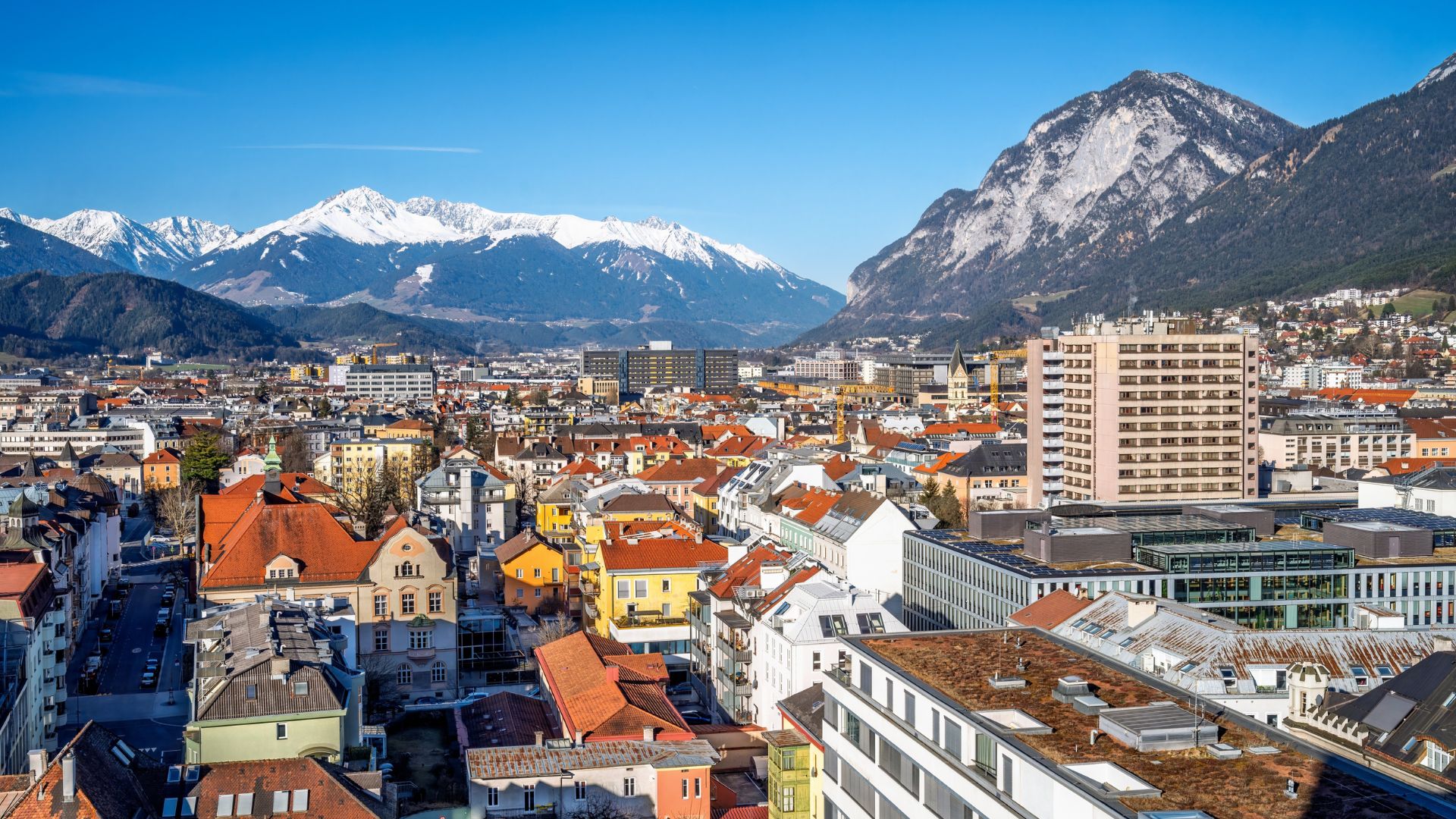
Innsbruck is known as Austria’s alpine capital, dramatically set among towering mountain peaks. Its unique location blends urban life with instant access to skiing, hiking, and breathtaking alpine scenery.
Famed for hosting the Winter Olympics twice, Innsbruck carries a proud sporting legacy. Olympic venues, historic landmarks, and vibrant culture combine to create a dynamic city where alpine adventure meets history.
Tyrolean Mountain City
Innsbruck merits a full day exploring this Alpine capital, combining urban culture with immediate mountain access and Olympic heritage. The Tyrolean capital, surrounded by towering peaks, offers a unique combination of baroque architecture and world-class skiing.
The historic old town, centered around the Golden Roof landmark, preserves a medieval character with colorful buildings and narrow streets. This compact center, easily explored on foot, concentrates shops, cafés, and museums within a pleasant pedestrian zone.
Innsbruck hosted the Winter Olympics twice, establishing world-class sports facilities, including ski jumps visible from the city center. The Olympic legacy continues with training facilities, museums, and winter sports culture permeating the city atmosphere.
Mountain Access and Views
Innsbruck Key Attractions:
- Golden Roof: Iconic landmark, symbol of Innsbruck
- Nordkette Cable Car: City to alpine terrain in minutes
- Hofburg Palace: Imperial residence, rococo interiors
- Court Church: Black Mausoleum, Renaissance art
- Bergisel Ski Jump: Zaha Hadid design, panoramic tower
- Swarovski Crystal Worlds: Nearby Wattens, crystal art
Nordkette cable car whisks visitors from the city center to the 2,256-meter Hafelekar summit within minutes, enabling morning mountain hiking. The modern stations, designed by architect Zaha Hadid, won design awards while providing spectacular Alpine access.
Bergisel Ski Jump, site of Olympic competitions, features an observation deck offering 360-degree panoramas across Innsbruck and surrounding peaks. The dramatic Zaha Hadid-designed tower stands as an architectural landmark while functioning as an active sports facility.
Imperial and Cultural Sites
The Imperial Palace (Hofburg), a former Habsburg residence, showcases opulent Rococo rooms decorated by Empress Maria Theresa. Smaller than Vienna’s palaces but equally impressive, the palace provides insight into provincial Habsburg life.
The Court Church houses Emperor Maximilian’s empty tomb surrounded by twenty-eight larger-than-life bronze statues. This Renaissance masterpiece, though never containing the emperor’s actual remains, represents an important artistic and historical monument.
Swarovski Crystal Worlds
| Feature | Details |
| Location | Wattens, 20 minutes from Innsbruck |
| Attraction | Crystal art installations, gardens, and shopping |
| Highlights | Giant head entrance, crystal chambers, outdoor playground |
| Family-Friendly | Playground, interactive exhibits, all-weather activity |
Swarovski Crystal Worlds in nearby Wattens offers whimsical art installations created by international artists using crystals. The underground chambers, entered through a giant head overgrown with grass, provide surreal experiences combining art and commerce.
Innsbruck Planning:
- Stay centrally for walking access
- Consider the Innsbruck Card for attractions and transportation
- Combine city sightseeing with mountain activities
- Visit the Swarovski Crystal Worlds half-day trip
- Try traditional Tyrolean cuisine at gasthäuser
- Excellent base for regional day trips
Achensee and the Timeless Tyrolean Landscapes
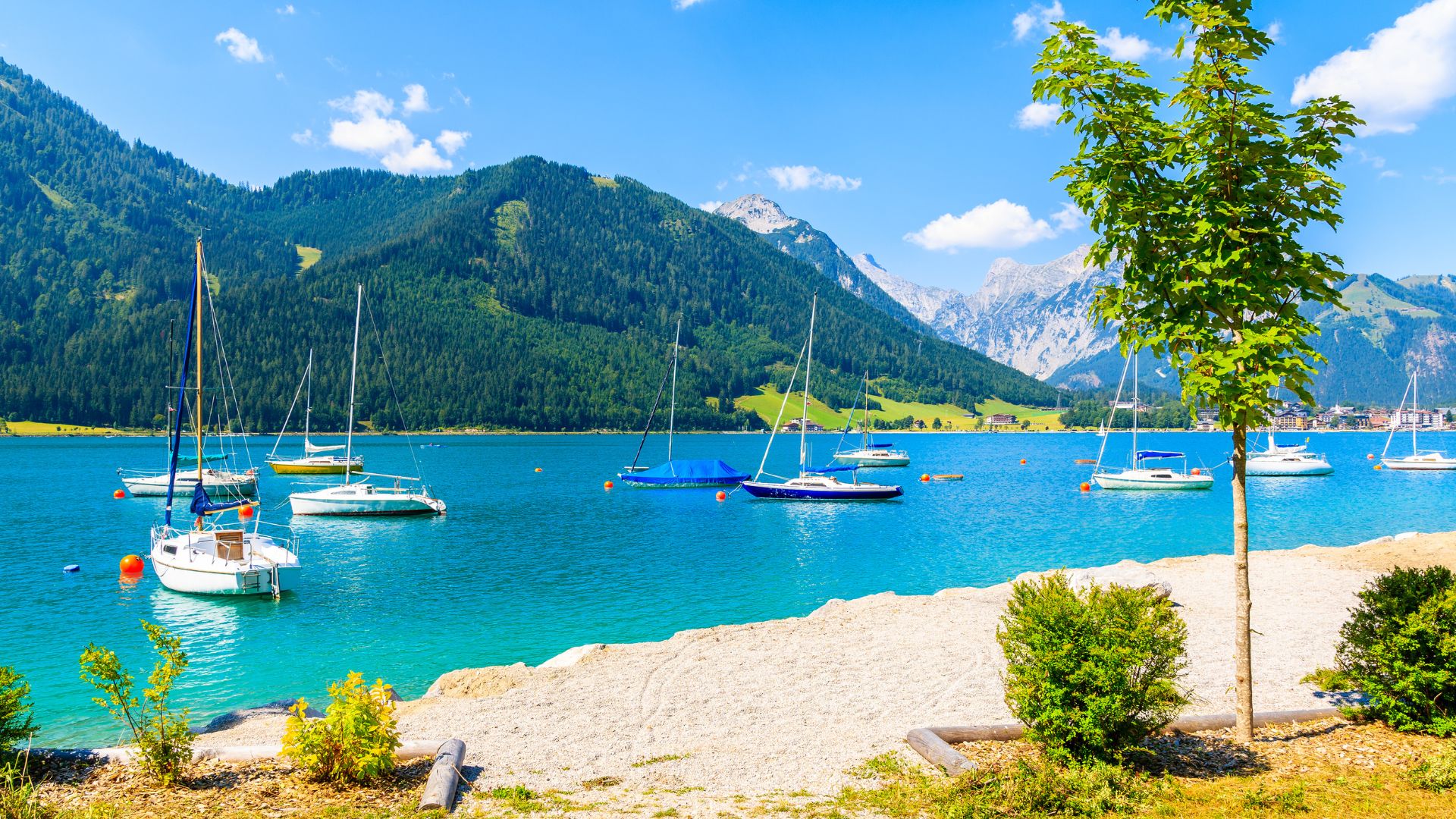
Achensee, often called the “Sea of Tyrol,” is the region’s largest lake, surrounded by dramatic alpine peaks and rolling meadows. Its clear turquoise waters and mountain backdrop create a breathtaking natural setting.
The surrounding Tyrolean landscapes offer hiking, cycling, sailing, and winter sports, blending adventure with tranquility. Achensee perfectly represents Tyrol’s natural beauty, where pristine nature, fresh mountain air, and traditional alpine culture come together.
Lake and Mountain Combination
Achensee, Tyrol’s largest lake, provides spectacular Alpine scenery combining turquoise waters with surrounding mountain peaks and traditions. This pristine lake, located between Innsbruck and the German border, offers water sports, hiking, and scenic relaxation.
The region maintains an authentic Tyrolean character with traditional villages, mountain farms, and local customs less touristy than famous resorts. Pertisau, Maurach, and Achenkirch villages provide accommodation and lake access while retaining a peaceful mountain atmosphere.
Steam cog railway, operating since 1889, climbs from the valley floor to the lakeside, providing a nostalgic journey through the mountain landscape. The historic train, still using original steam locomotives, offers a unique approach to experiencing engineering marvel and scenic beauty.
Activities and Exploration
Achensee Activities:
- Lake Swimming: Clean mountain water, designated beaches
- Boat Cruises: Scenic lake tours, mountain panoramas
- Hiking Trails: Routes for all abilities, alpine meadows
- Rofan Cable Car: Mountain access, panoramic views
- Cog Railway: Historic steam train, engineering heritage
- Water Sports: Sailing, windsurfing, stand-up paddleboarding
The Rofan cable car ascends to high alpine terrain offering hiking, paragliding launch sites, and mountain restaurants with views. The summit area provides accessible mountain experiences without extensive hiking requirements.
Tyrolean Villages
The surrounding region showcases traditional Tyrolean architecture with wooden chalets, painted facades, and flower-bedecked balconies creating postcard scenery. Small villages maintain agricultural traditions alongside tourism, preserving authentic mountain culture.
Achensee Region Planning:
- Base in the lakeside village for convenience
- Rent a car for regional exploration flexibility
- Summer offers the best weather for lake activities
- Autumn provides spectacular foliage colors
- Winter transforms the region for cross-country skiing
- Less crowded alternative to famous destinations
Melk Abbey: Crown Jewel of the Wachau Valley

Melk Abbey rises majestically above the Danube River, showcasing one of Europe’s finest examples of Baroque architecture. Its grand halls, frescoed ceilings, and historic library reflect centuries of religious, cultural, and artistic influence.
Surrounding the abbey, the Wachau Valley unfolds with terraced vineyards, medieval towns, and scenic river landscapes. A UNESCO World Heritage Site, the region blends history, wine culture, and natural beauty, making it one of Austria’s most enchanting destinations.
Danube Valley Splendor
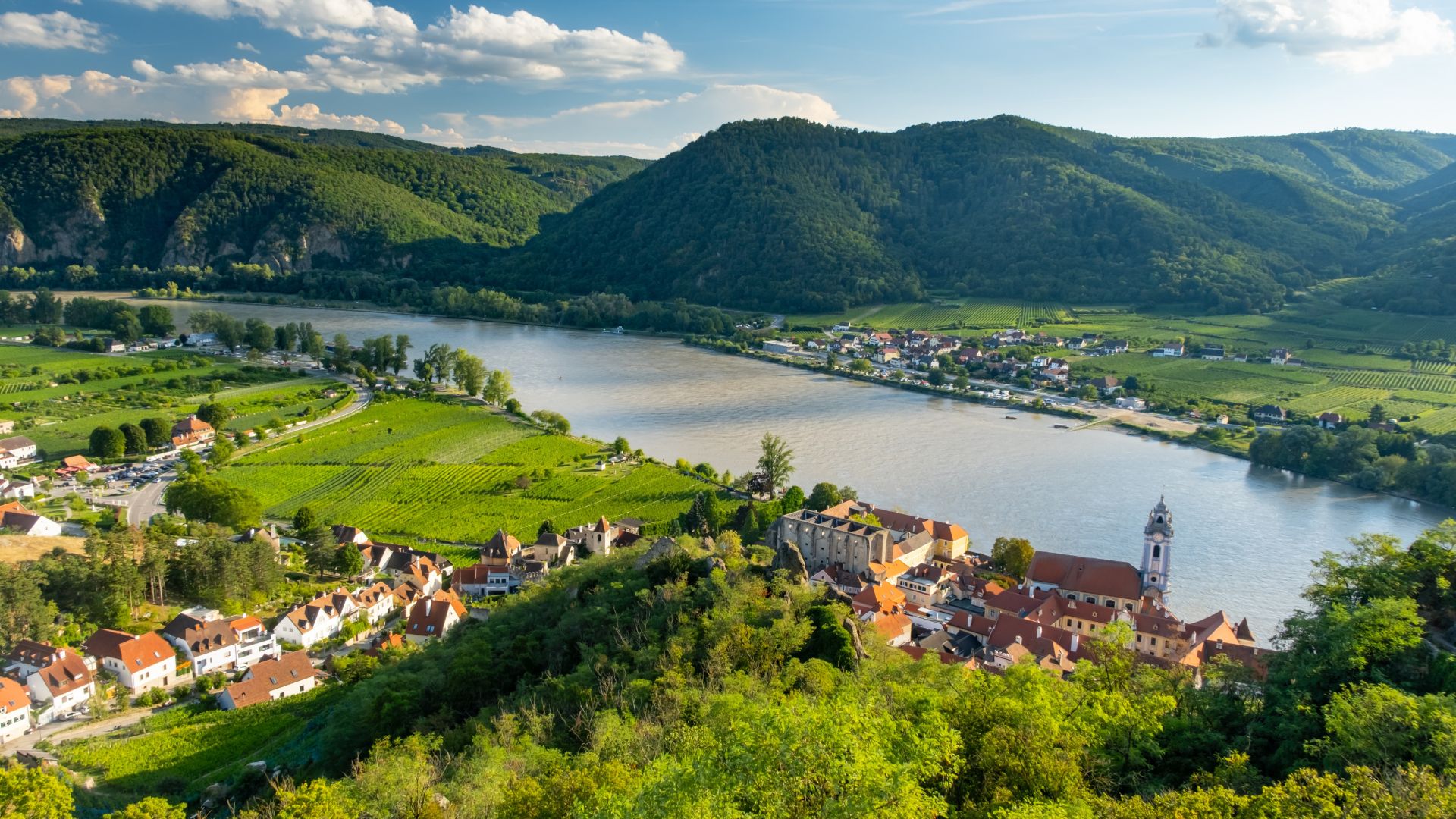
The Wachau Valley, a UNESCO World Heritage landscape between Melk and Krems, deserves a full day exploring baroque architecture and vineyard scenery. This stunning Danube section combines natural beauty with cultural monuments, creating Austria’s most romantic river landscape.
Melk Abbey dominates the valley from a hilltop position, its golden baroque façade visible for kilometers along the river. This Benedictine monastery, continuously inhabited for over 900 years, represents baroque architecture’s pinnacle with an ornate library and church.
The abbey tour reveals a spectacular marble hall, a library containing medieval manuscripts, and a church featuring frescoes and gilded decorations. The terrace provides panoramic views across the Danube Valley, vineyards, and the surrounding countryside, justifying the challenging uphill walk.
Wachau Valley Exploration
Wachau Valley Highlights:
- Melk Abbey: Baroque masterpiece, library, valley views
- Dürnstein: Blue church tower, castle ruins, Richard Lionheart legend
- Krems: Historic town, wine museums, art galleries
- Vineyards: Terraced slopes, wine tastings, apricot orchards
- River Cruises: Scenic boat journeys between villages
- Cycling Path: Danube trail, flat terrain, vineyard stops
Dürnstein, a picturesque village with a distinctive blue baroque church tower, attracts visitors with narrow streets and wine taverns. The ruined castle above town imprisoned England’s King Richard the Lionheart during the Crusades, adding legendary history.
The Wachau region produces Austria’s finest white wines, particularly Grüner Veltliner and Riesling from steep terraced vineyards. Numerous heurigen (wine taverns) offer tastings and regional cuisine in traditional atmospheric settings.
Danube Activities
Danube river cruises operate between Melk and Krems, providing a relaxing scenic journey past vineyards, villages, and castle ruins. These boats, running several times daily during the season, eliminate return transportation logistics while maximizing sightseeing.
The Danube cycling path, one of Europe’s most popular, follows flat terrain along riverbanks through the Wachau Valley. Bike rentals, available in major towns, enable independent exploration, stopping at villages and viewpoints freely.
Wachau Planning
| Logistics | Recommendations |
| Transportation | Train to Melk, river cruise to Krems, train return |
| Duration | Full day from Vienna, possible overnight stay |
| Best Season | Spring blossoms, autumn harvest, summer warmth |
| Activities | Abbey visit, village exploration, wine tasting |
Wachau Tips:
- Start early, visiting the abbey before the crowds
- Combine a river cruise with cycling options
- Stop multiple villages from discovering unique characters
- Book wine tastingsin advance at wineries
- Apricot products make excellent regional souvenirs
- Photography opportunities are exceptional throughout the valley
Eisriesenwelt Ice Caves: A Natural Wonder Above Werfen
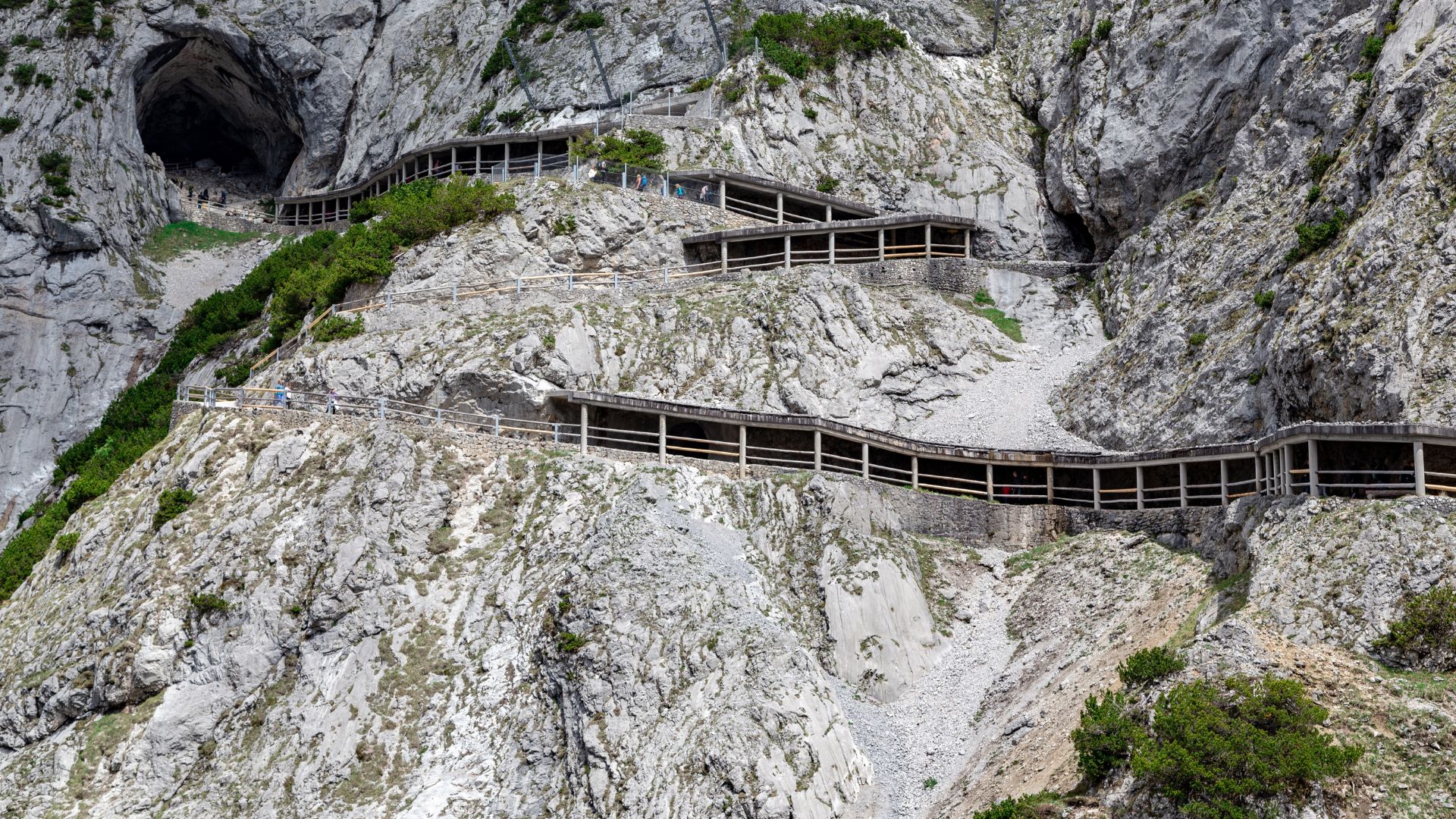
Eisriesenwelt Ice Caves, located near the town of Werfen, form the largest ice cave system in the world. Towering ice formations, frozen corridors, and dramatic natural sculptures create a truly otherworldly experience.
Werfen adds historical depth to the visit with its imposing hilltop fortress and alpine surroundings. Together, Eisriesenwelt and Werfen offer a captivating mix of natural wonder, adventure, and Austrian mountain heritage.
World’s Largest Ice Caves
Eisriesenwelt near Werfen represents the world’s largest accessible ice cave system extending over forty-two kilometers through the mountain. This natural wonder, formed by underground river erosion, contains spectacular ice formations illuminated by guides’ lanterns.
The cave visit requires moderate fitness, climbing steep passages and stairs in cold temperatures, requiring warm clothing. Tours last approximately seventy-five minutes, exploring a kilometer of passages, though the total cave system extends far beyond accessible sections.
Massive ice formations, including frozen waterfalls, ice palaces, and crystalline structures, create otherworldly underground landscapes. The cathedral-sized chambers, illuminated dramatically by magnesium lights, provide unforgettable experiences unlike conventional cave tours.
Werfen and Hohenwerfen
Werfen Area Attractions:
- Eisriesenwelt Ice Caves: World’s largest, guided tours
- Hohenwerfen Castle: Medieval fortress, falconry shows
- Werfen Village: Traditional mountain town, base for exploration
- Cable Car Access: Initial ascent reduces hiking requirements
- Alpine Setting: Surrounding peaks and valley scenery
Hohenwerfen Castle, perched dramatically on a rocky outcrop above Werfen, offers medieval fortress exploration and spectacular views. The castle hosts falconry demonstrations featuring eagles, vultures, and falcons performing aerial displays.
Visiting Practicalities
Access requires a cable car ride followed by a twenty-minute uphill walk to the cave entrance through alpine meadows. The initial elevation gain, though challenging, provides stunning valley views while anticipation builds for the cave experience.
Tours operate May through October when ice formations remain stable, and access routes stay safe. Winter closures protect fragile formations while preventing dangerous conditions on mountain approaches.
Ice Cave Planning:
- Bring a warm jacket, even in the summer months
- Wear sturdy shoes with good traction
- Book guided tours in advance during peak season
- Combine withthe Hohenwerfen Castle visit
- Allow a half-day minimum from Salzburg
- Not suitable for young children or those with mobility limitations
Beyond the Highlights: Alternative Austrian Experiences
Alternative destinations and travel extensions allow visitors to explore Austria beyond its most famous highlights. These lesser-known places offer quieter experiences, regional charm, and deeper cultural connections.
Adding extensions to your itinerary creates a more relaxed and enriching journey. Whether visiting small towns, alpine valleys, or neighboring regions, these alternatives provide fresh perspectives and unforgettable travel moments.
Graz: Cultural Capital
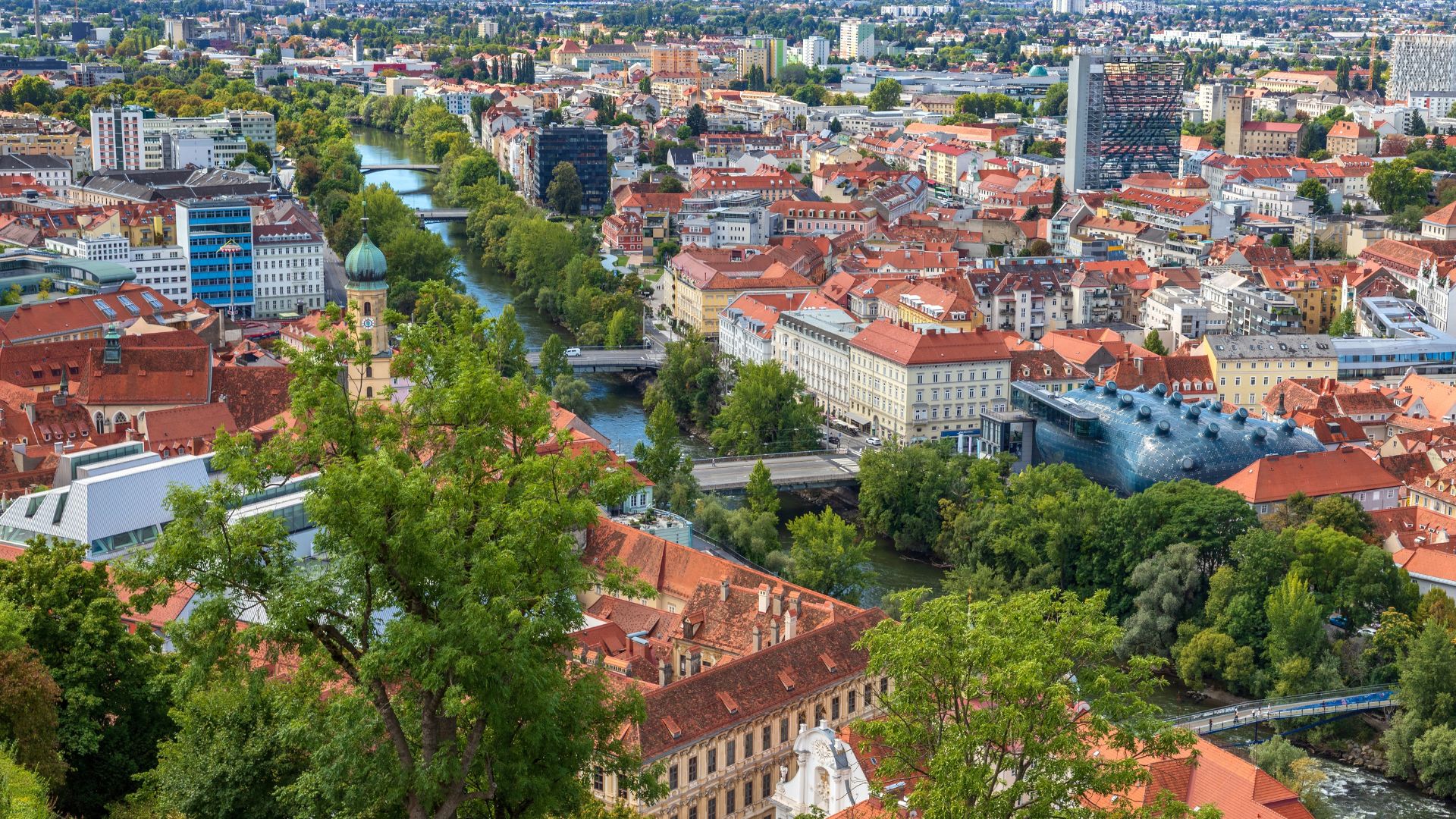
Graz, Austria’s second-largest city and a UNESCO World Heritage Site, offers an alternative to traditional tourist circuits with a unique character. The Styrian capital combines Renaissance architecture with contemporary design, creating a dynamic cultural destination.
The historic center preserves a medieval street layout with Italian Renaissance influences, reflecting the border region’s character. Schlossberg hill, accessible via funicular, provides city views while housing a clock tower symbolizing Graz.
Graz Highlights:
- Historic Old Town: Renaissance architecture, UNESCO site
- Kunsthaus: Contemporary art museum, futuristic design
- Schlossberg: Hill fortress, clock tower, city panoramas
- Mausoleum: Emperor Ferdinand II’s tomb, baroque church
Grossglockner High Alpine Road
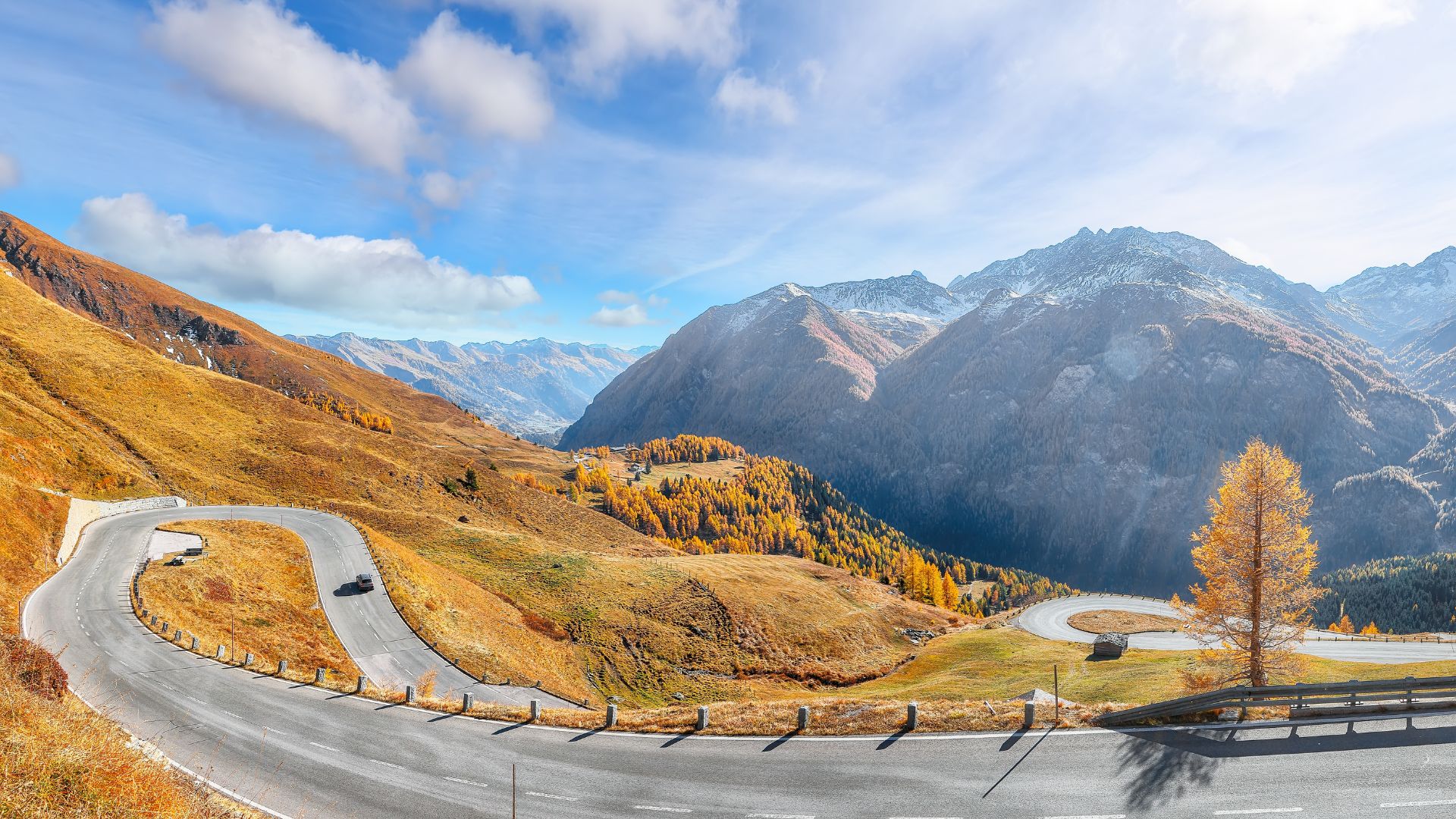
Austria’s highest mountain road, the Grossglockner High Alpine Road, provides a spectacular scenic drive through Hohe Tauern National Park. The serpentine road, climbing to 2,504 meters, offers thirty-six hairpin turns and numerous viewpoints.
The route connects the Salzburg region with Carinthia, passing glaciers, alpine meadows, and providing access to Austria’s highest peak. Visitor centers explain alpine ecology while restaurants offer refreshments with spectacular mountain panoramas.
Alpine Road Details:
- Open May-October, depending on snow
- Toll road with multiple viewpoints
- Plana half-day minimum for the journey
- Kaiser-Franz-Josefs-Höhe glacier viewpoint
- Excellent photography opportunities throughout
Wörthersee and Carinthia
Wörthersee, Carinthia’s largest lake, provides a Mediterranean-like atmosphere with warm swimming temperatures and elegant lakeside resorts. This southern region, bordering Slovenia and Italy, enjoys Austria’s sunniest climate and distinct cultural character.
Lakeside towns, including Velden and Pörtschach, offer beaches, water sports, and Belle Époque architecture. The region combines lake relaxation with mountain hiking, creating a balanced outdoor vacation alternative.
Everything You Need for Practical Trip Planning
Practical planning information helps travelers organize a smooth, stress-free journey. From transportation and accommodation to budgeting and seasonal considerations, good preparation ensures time is spent enjoying experiences rather than solving problems.
Understanding local logistics, booking essentials in advance, and knowing what to expect on arrival can greatly enhance your trip. With the right planning insights, travelers can move confidently and make the most of every destination.
Transportation Between Destinations
Austria’s excellent rail network connects all major destinations efficiently, with ÖBB operating frequent, comfortable trains throughout the country. The infrastructure enables car-free travel while offering scenic journeys through mountains and valleys.
Rental cars provide flexibility for rural areas like the Wachau Valley and Achensee, though unnecessary for city destinations. Vienna, Salzburg, and Innsbruck have comprehensive public transportation, making cars burdensome and parking challenging.
Accommodation Strategies
| Strategy | Best For | Considerations |
| Multi-City Base | 2-3 locations | Reduces packing, deeper exploration, and flexible days |
| Vienna-Salzburg Split | Balanced approach | Two nights in Vienna, three in Salzburg, two mountains |
| Single Base | Minimalist travelers | More efficient packing, potentially long day trips |
| Flexible Booking | Spontaneous travelers | Weather-dependent decisions, seasonal availability |
Booking accommodations centrally in historic districts maximizes walkability while providing atmospheric settings and convenience. Budget-conscious travelers find excellent guesthouses and pensions offering charm and hospitality at reasonable prices.
Seasonal Considerations
Summer (June-August) provides the warmest weather, though higher prices and maximum crowds at major attractions require planning. Shoulder seasons (May, September) offer pleasant temperatures, fewer tourists, and better value while maintaining accessibility.
Winter transforms Austria for skiing and Christmas markets, though some attractions close and daylight hours limit sightseeing. Spring offers blooming landscapes and cultural events, while autumn provides spectacular foliage and harvest festivals.
Budget Planning
Estimated Daily Costs:
- Budget: €60-80 (hostels, self-catering, walking tours)
- Mid-Range: €120-180 (hotels, restaurants, attractions)
- Luxury: €250+ (upscale hotels, fine dining, private tours)
- Transportation: €100-200 per week (rail passes, regional travel)
Austria Card or regional city cards provide significant savings, combining transportation with attraction discounts throughout designated areas. These passes enable unlimited public transportation plus free or reduced museum entries, maximizing value.
Final words: Creating Your Perfect Austrian Week
One week in Austria provides a comprehensive introduction to this Alpine nation’s highlights, balancing cultural immersion with natural beauty. This flexible itinerary accommodates various interests, budgets, and travel styles while ensuring memorable experiences.
The suggested route connects Vienna’s imperial grandeur with Salzburg’s baroque charm, Hallstatt’s Alpine perfection, and Innsbruck’s mountain culture. Each destination offers a distinct character, while convenient transportation enables smooth transitions, maintaining vacation enjoyment.
Adapt this framework to personal preferences, seasonal conditions, and spontaneous discoveries, creating your unique Austrian adventure. Austria’s compact size, efficient infrastructure, and concentrated attractions enable remarkable experiences within a limited timeframe.
Hi, I’m Preeti Negi, a content writer who loves mixing creativity with smart strategy.
I have 3 years of experience writing about travel, digital marketing, and study abroad topics. I create content that is easy to read, engaging, and designed to connect with people while also performing well on Google.
When I’m not writing, I enjoy exploring new trends, learning new things, and thinking about fresh ideas for my next piece.
