

Germany is one of the world’s most genuinely committed cycling nations, a country where the bicycle is not merely a recreational toy but a serious, respected, and deeply integrated component of the national transport culture throughout every city, town, and rural landscape.
The cycling infrastructure that Germany has built over decades — dedicated cycle paths throughout urban areas, long-distance cycling routes covering thousands of kilometres, and a legal framework that genuinely protects cyclists throughout the road network — creates conditions for cycling of extraordinary quality throughout the country.
German cities, including Münster, Freiburg, and Karlsruhe, regularly appear in European and global cycling quality rankings, reflecting genuine investments in cycling infrastructure, genuine cultural respect for cyclists, and genuine integration of cycling into daily life throughout these outstanding cycling communities.
Understanding German cycling culture — its routes, its rules, its etiquette, its infrastructure, and its seasonal rhythms — equips every visitor and every resident with the knowledge needed to experience Germany from the most rewarding, most environmentally conscious, and most genuinely German perspective throughout any journey on two wheels.
Please note that this article contains affiliate links. Learn more about it on our Disclosure page. We use ads to support our small business – we hope you don’t mind them too much.
German Cycling: Essential Overview
Explore German cycling with this essential overview. Learn about bike-friendly routes, rental options, safety tips, and regional networks to enjoy smooth, scenic, and eco-friendly journeys across Germany.
Germany’s cycling landscape at a glance:
| Statistic | Detail |
| Total cycle path network | Over 70,000 kilometres nationwide |
| Long-distance cycle routes | Most cycling cities |
| Most cycling city | Münster — 40% of all journeys by bike |
| National cycling body | ADFC — Allgemeiner Deutscher Fahrrad-Club |
| Annual cyclists | Over 80 million regular cyclists |
| Bike sharing cities | 100+ German cities with bike share |
| Most famous long route | Elbe Cycle Route — 1,260km |
| Cycling tourism value | €9 billion annual economic contribution |
| Helmet law | No legal requirement for adults |
| Minimum cycling age | No minimum — children are always on the pavement |
German Cycling Laws and Rules: Complete Guide
Stay safe and ride smart with Germany’s cycling laws and rules. This complete guide covers regulations, road safety, and local practices to ensure responsible, legal, and enjoyable cycling across the country.
Every Legal Requirement Every Cyclist Must Know
The Fundamental Rules of German Cycling Law
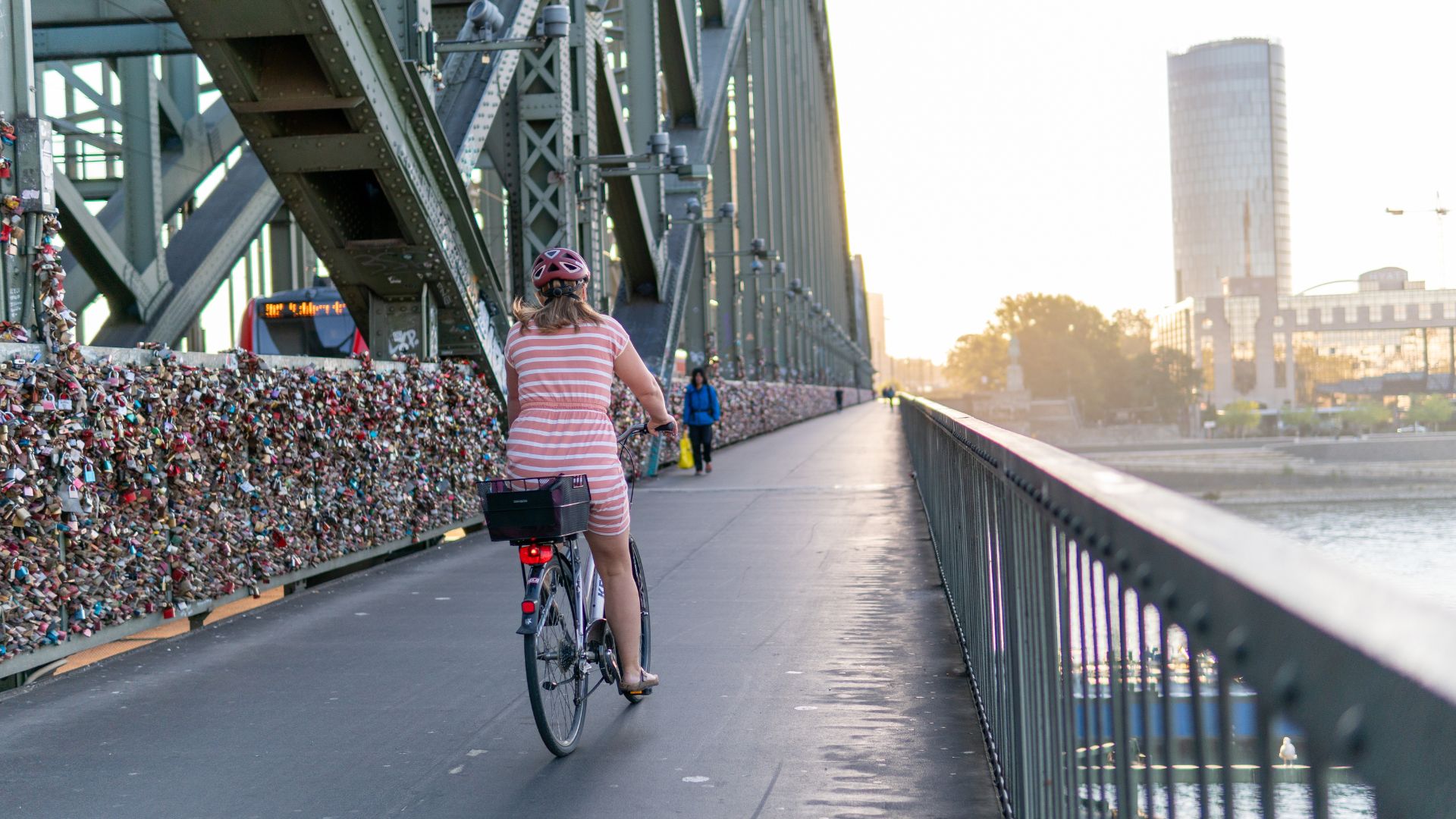
German cycling law is governed primarily by the Straßenverkehrsordnung — StVO — road traffic regulations that apply equally to cyclists as to motor vehicle drivers, creating a legal framework that grants cyclists significant rights throughout the road network while imposing clear obligations throughout the cycling journey.
The most fundamental German cycling rule is the obligation to use a designated Radweg cycle path where one exists alongside the road, with cyclists prohibited from riding on the road when a properly signed and maintained cycle path is available throughout the adjacent road section.
The Radwegbenutzungspflicht — mandatory cycle path use obligation — is indicated by the blue circular sign showing a white bicycle, and only this specific sign creates a legal obligation to use the cycle path rather than the road throughout the signed section.
Understanding the distinction between mandatory cycle paths — the blue circular sign — and optional cycle paths — a white rectangular sign — is one of the most practically important pieces of legal knowledge for any cyclist navigating the German cycling infrastructure throughout any journey.
German cycling law essentials:
| Rule | Requirement | Fine for Violation |
| Mandatory cycle path use | Two independent brakes are required | €20–35 |
| Traffic signals | Must obey all signals | €60–180 |
| Alcohol limit | 1.6 per mille — criminal at 1.6 | €500+ or licence loss |
| Night lighting | Front white, rear red mandatory | €20–35 |
| Brakes | Two independent brakes required | €10–35 |
| Mobile phone use | Prohibited while cycling | €55 |
| Pavement cycling | Prohibited for adults | €15–35 |
| Pedestrian zone | Walking pace only unless signed | €15–25 |
| Wrong direction cycling | Prohibited on designated paths | €20–30 |
| Tram tracks | Must cross at right angles | Safety requirement |
Alcohol and Cycling in Germany
The German alcohol limit for cycling is 1.6 per mille — significantly higher than the 0.5 per mille limit for car drivers —, but cyclists showing impaired riding behaviour can be stopped and tested at any blood alcohol level throughout the legal framework.
A blood alcohol level of 1.6 per mille or above while cycling constitutes a criminal offence in Germany rather than a civil traffic violation, potentially resulting in the loss of any driving licence held alongside significant financial penalties and legal consequences.
Cycling under the influence of alcohol at any level that demonstrably impairs riding ability can result in a Radfahrverbot — cycling prohibition — that carries genuine legal consequences even below the 1.6 per mille threshold throughout the enforcement framework.
Night Cycling Lighting Requirements
German law requires all bicycles ridden at night to carry a functioning white front light and a functioning red rear light, with the additional requirement for reflectors — white front, red rear, and yellow pedal and wheel reflectors — throughout the lighting compliance framework.
The lights must be permanently attached to the bicycle rather than carried separately, with detachable clip-on lights technically non-compliant with German law, though widely tolerated in practice throughout the enforcement reality.
Police checks of bicycle lighting are conducted regularly throughout German cities during autumn and winter evenings, with the €20 fine for missing or non-functioning lights providing genuine motivation for proper lighting maintenance throughout the darker months.
Cycling on Pavements and Pedestrian Zones
Adults are prohibited from cycling on pavements throughout Germany, with the pavement reserved exclusively for pedestrians and for children under 8 years who are legally required to use the pavement rather than the road throughout their cycling journeys.
Children between 8 and 10 years may cycle on the pavement accompanied by an adult, while children over 10 are expected to cycle on cycle paths or the road throughout their independent cycling journeys.
Pedestrian zones — Fußgängerzonen — prohibit cycling unless specifically signed to permit it with a supplementary plate indicating either Radfahrer frei — cyclists permitted — or specific permitted times throughout the pedestrian zone cycling rules.
Mobile Phone and Cycling
Using a handheld mobile phone while cycling has been illegal in Germany since 2017, carrying the same €55 fine applied to car drivers using mobile phones throughout the enforcement framework.
This prohibition covers all handheld use, including calling, texting, navigation, and music control, with hands-free phone holders mounted on the handlebars providing the legal alternative for navigation throughout any cycling journey.
The practical and safety case for phone-free cycling is particularly strong on German cycle paths, where the speed differential between cyclists, e-cyclists, and cargo bike users creates genuine collision risks throughout the busier urban cycle path networks.
Types of German Cycling Infrastructure
Discover the various types of German cycling infrastructure, from dedicated bike lanes to shared paths and bike highways. Learn how these facilities make cycling safe, efficient, and enjoyable across cities and regions.
Understanding Every Surface You Will Cycle On
Radweg — Dedicated Cycle Path
The Radweg is Germany’s primary cycling infrastructure, a dedicated path physically separated from both road traffic and pedestrians throughout the path section, providing the safest and most comfortable cycling environment available within the German cycling network.
Radwege range from the smooth asphalt surfaces of modern urban cycle paths to the compacted gravel of rural long-distance routes, with the surface quality varying significantly between the generously funded cycling infrastructure of cities like Münster and the more modestly maintained paths of less cycling-focused regions throughout the country.
The mandatory blue circular sign distinguishes legally required cycle path use from the optional use of other cycling facilities, and cyclists who choose to ride on the road rather than an available mandatory Radweg face the €20 to €35 fine throughout any enforcement action.
Radfahrstreifen — Cycle Lane on Road
The Radfahrstreifen is a dedicated cycle lane marked on the road surface by white lines and bicycle symbols, providing cycling space within the road carriageway rather than on a separate path throughout the designated section.
Cycle lanes in Germany are typically coloured red at junctions and pedestrian crossings to increase visibility, and cyclists must use the Radfahrstreifen in the direction of traffic flow at all times throughout the marked section.
The Radfahrstreifen provides less physical protection from motor traffic than the separated Radweg but enables faster cycling speeds and more direct routing through urban areas throughout the road-based cycling infrastructure.
Schutzstreifen — Advisory Cycle Lane
The Schutzstreifen is a narrower advisory cycle lane marked with a dashed white line on the road surface that motor vehicles may cross when necessary, providing a suggested cycling space without the legal exclusivity of the Radfahrstreifen throughout the advisory lane section.
The Schutzstreifen is increasingly common in German cities as a lower-cost cycling infrastructure measure that improves cycling safety and visibility while accommodating the road width constraints that prevent dedicated separated cycle lane provision throughout the urban network.
Cyclists using a Schutzstreifen have no legal priority over motor vehicles within the lane but benefit from increased driver awareness and the psychological safety benefit of a clearly marked cycling space throughout the advisory lane.
Gemeinsamer Geh- und Radweg — Shared Pedestrian and Cycle Path
The shared pedestrian and cycle path — indicated by a single blue circular sign showing both a pedestrian and a bicycle — requires cyclists and pedestrians to share the same surface, creating potential for conflict that demands reduced cycling speeds and heightened awareness throughout the shared path section.
The rule on shared paths is that cyclists must give way to pedestrians at all times, riding at a speed that allows safe reaction to unpredictable pedestrian movements throughout the shared surface.
Shared paths are increasingly common in suburban and rural areas where separate infrastructure provision is not justified by cycling volumes, and the etiquette of the shared path — quiet approach, clear passing signals, and patient speed reduction — is genuinely important throughout the German cycling culture.
Fahrradstraße — Bicycle Street
The Fahrradstraße is one of Germany’s most cyclist-friendly infrastructure innovations, a street designated primarily for cycling use where motor vehicles are guests rather than the dominant users, with cyclists permitted to ride side by side and motor vehicles required to travel at cycling pace throughout the designated bicycle street.
Fahrradstraßen are increasingly common in German university cities and residential areas, creating pleasant low-traffic cycling corridors through city centres that provide both practical routing and genuine cycling culture throughout the designated streets.
The Fahrradstraße sign — a blue rectangular sign showing a bicycle — indicates the designated status, with motor vehicles permitted but required to respect the primacy of cyclists throughout the bicycle street designation.
Germany’s Greatest Long-Distance Cycling Routes
Explore Germany’s greatest long-distance cycling routes, offering scenic landscapes, historic towns, and well-marked trails. Perfect for adventure enthusiasts, these routes combine safety, convenience, and memorable experiences for cyclists of all levels.
The Epic Routes Every Serious Cyclist Must Know
Route 1 — Elbe Cycle Route: Germany’s Most Popular Long-Distance Ride
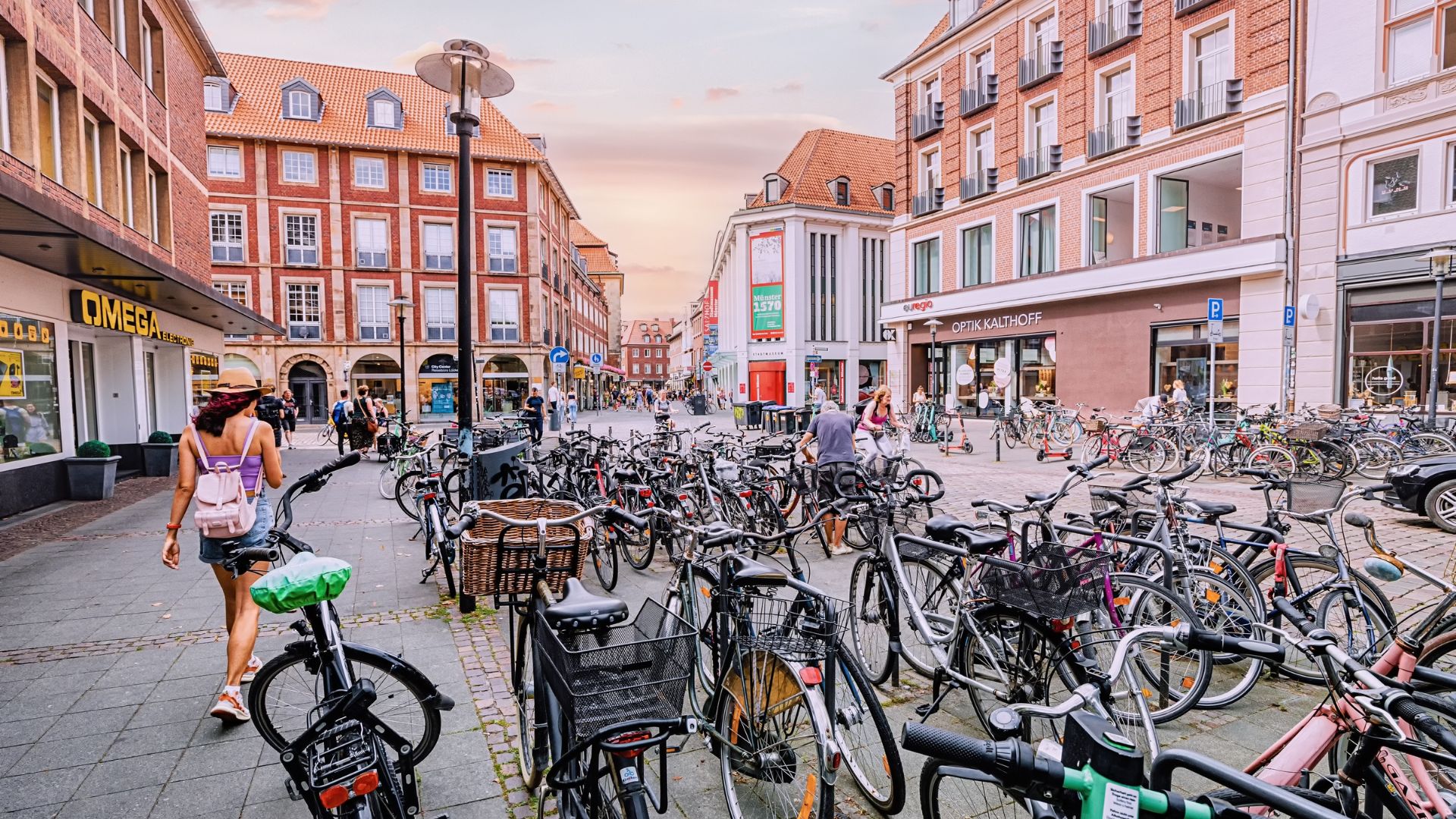
The Elbe Cycle Route — Elberadweg — is Germany’s most popular and most celebrated long-distance cycling route, following the Elbe river for 1,260 kilometres from its Czech source in the Riesengebirge mountains through Dresden, Magdeburg, and Hamburg to the North Sea coast throughout the entire river length.
The route’s gentle gradients following the river valley, its extraordinary cultural richness passing through Dresden’s baroque splendour, Magdeburg’s cathedral, and Hamburg’s magnificent harbour, and its comprehensive cycling infrastructure make it one of Europe’s finest long-distance cycling experiences throughout the complete route.
The German section of the Elbe Cycle Route from the Czech border to the North Sea covers approximately 860 kilometres through four German states, typically completed in ten to fourteen days by recreational cyclists maintaining comfortable daily distances throughout the journey.
The route’s ADFC four-star quality rating — Germany’s highest cycling route quality designation — reflects the consistently high path surface quality, excellent signposting throughout, and comprehensive service infrastructure of accommodation, bike repair, and luggage forwarding throughout the entire German section.
Elbe Cycle Route practical information:
| Detail | Information |
| Total German length | 860km |
| Typical completion time | 10–14 days |
| Daily distance | 60–90km comfortable pace |
| Difficulty | Easy — flat river valley |
| Best season | May to October |
| ADFC rating | 4 stars — highest quality |
| Highlights | Available throughout the route |
| Luggage forwarding | Available throughout route |
| Accommodation density | Excellent — every 15–20km |
| Bike hire at start | Available in Dresden and Hamburg |
Route 2 — Rhine Cycle Route: Following Europe’s Greatest River
The Rhine Cycle Route — Rheinradweg — follows the Rhine river from its Swiss source to the Dutch North Sea coast, with the German section covering approximately 900 kilometres through some of the country’s most spectacular and most historically significant landscapes throughout the entire Rhine valley.
The route passes through the legendary Rhine Gorge between Bingen and Koblenz — a UNESCO World Heritage Site of extraordinary beauty with medieval castles on every hilltop, steep vineyard slopes descending to the river, and the legendary Loreley rock throughout the most dramatic section.
The German Rhine Cycle Route passes through Basel, Freiburg, Karlsruhe, Mannheim, Mainz, Koblenz, Bonn, Cologne, and Düsseldorf, providing the most comprehensive overview of Rhine valley civilisation available to any traveller throughout the river’s German length.
The route’s combination of flat riverside cycling through the Upper Rhine plain and the more dramatic scenery of the Middle Rhine Gorge creates a variety of landscapes and characters that sustain interest throughout the complete German Rhine cycling journey.
Route 3 — Moselle Cycle Route: Wine Country Cycling at Its Finest
The Moselle Cycle Route — Moselradweg — follows the extraordinarily beautiful Moselle river from its French source through Luxembourg to its confluence with the Rhine at Koblenz, with the German section covering 311 kilometres through one of Europe’s most spectacular wine landscapes throughout the route.
The Moselle valley’s combination of dramatically steep slate vineyard slopes, historic wine villages including Bernkastell-Kues, Cochem, and Traben-Trarbach, and the extraordinarily high-quality Riesling wine available at producers throughout the route makes this one of Germany’s most sensually rewarding cycling experiences.
The relatively short German section of 311 kilometres is comfortably completed in four to five days, making the Moselle one of Germany’s most accessible long-distance routes for cyclists with limited time who want to experience a genuinely spectacular German cycling landscape throughout the journey.
The route’s ADFC five-star quality rating — the highest achievable — reflects the outstanding combination of path quality, scenery, cultural interest, and service infrastructure throughout the complete Moselle cycling experience.
Route 4 — Danube Cycle Route: Bavaria’s Epic River Journey
The Danube Cycle Route — Donauradweg — follows the Danube River from its source in Donaueschingen in the Black Forest through Bavaria and into Austria, with the German section covering approximately 700 kilometres through some of Bavaria’s finest landscapes and most historically significant cities throughout the route.
The route passes through Ulm, Ingolstadt, Regensburg, and Passau — the magnificent triple-river city where the Danube meets the Inn and the Ilz — before crossing into Austria and continuing toward Vienna throughout the international long-distance route.
Regensburg’s perfectly preserved medieval old town — a UNESCO World Heritage Site that is one of Germany’s most beautiful historic cities — provides the outstanding cultural highlight of the German Danube cycling route, with the city’s stone medieval bridge and remarkable Roman heritage offering extraordinary historical depth throughout the visit.
The Danube Cycle Route is one of Europe’s busiest long-distance cycling routes throughout the summer season, with the combination of gentle gradients, excellent infrastructure, and outstanding cultural richness attracting cyclists from throughout Europe and beyond.
Route 5 — Romantic Road Cycling Route: Fairy Tale Germany by Bike
The Romantic Road — Romantische Straße — cycling route follows Germany’s most famous tourist trail from Würzburg in Franconia to the Alps at Füssen, covering 460 kilometres through the most concentrated collection of medieval towns, baroque churches, and fairy tale landscapes available anywhere in Germany throughout the route.
The route passes through Rothenburg ob der Tauber — considered Germany’s most perfectly preserved medieval town — Dinkelsbühl, Augsburg, and Landsberg am Lech before the dramatic Alpine approach to Neuschwanstein Castle throughout the southern section.
The Romantic Road cycling route is one of Germany’s most photographed cycling journeys, with the combination of half-timbered medieval town centres, flower-filled Bavarian villages, and the Alpine backdrop creating a visual richness that is genuinely extraordinary throughout every day of the journey.
Route 6 — Baltic Sea Cycle Route: Germany’s Coastal Epic
The Baltic Sea Cycle Route — Ostseeküsten-Radweg — follows Germany’s Baltic coastline from the Danish border through Schleswig-Holstein and Mecklenburg-Vorpommern, covering approximately 1,000 kilometres of coastal cycling through seaside resorts, fishing villages, and the islands of Rügen and Usedom throughout the coastal route.
The route’s combination of sandy beaches, white chalk cliffs on Rügen, historic Hanseatic cities including Lübeck and Stralsund, and the gentle Baltic maritime landscape creates a coastal cycling experience of genuine beauty and variety throughout the complete Baltic route.
The Baltic coast’s flat terrain makes it one of Germany’s most accessible long-distance cycling routes for cyclists of moderate fitness, with the prevailing westerly winds providing helpful tail winds for the predominant west-to-east cycling direction throughout the route.
Route 7 — Weser Cycle Route: Northern Germany’s Scenic River
The Weser Cycle Route — Weserradweg — follows the Weser river for 520 kilometres from its source at Hann. Münden through Hameln — famous for its Pied Piper legend — Bremen, and Bremerhaven to the North Sea throughout the complete river journey.
The route passes through the Weser Uplands — a landscape of wooded hills, sandstone formations, and historic half-timbered towns — before descending into the Bremen metropolitan area and the North Sea coast throughout the northern section.
Germany’s most important long-distance cycling routes summary:
| Route | Length (Germany) | Difficulty | ADFC Stars | Best For |
| Elbe Cycle Route | 860km | Easy | 4 stars | Culture and history |
| Rhine Cycle Route | 900km | Easy-moderate | 4 stars | Rhine valley scenery |
| Moselle Cycle Route | 311km | Easy | 5 stars | Wine and scenery |
| Danube Cycle Route | 700km | Easy | 4 stars | Bavaria and history |
| Romantic Road | 460km | Moderate | 3 stars | Medieval towns |
| Baltic Sea Route | 1,000km | Easy | 4 stars | Coastal scenery |
| Weser Cycle Route | 520km | Easy | 4 stars | River and towns |
| Black Forest Route | 320km | Challenging | 3 stars | Mountain scenery |
| Oder-Neisse Route | 630km | Moderate | 3 stars | Eastern Germany |
Regional Cycling in German Cities
Discover regional cycling options in German cities, from urban bike lanes to local trails. Learn practical tips for safe, efficient, and enjoyable city rides while exploring culture, landmarks, and hidden gems.
Urban Cycling Culture City by City
Münster — Germany’s Cycling Capital
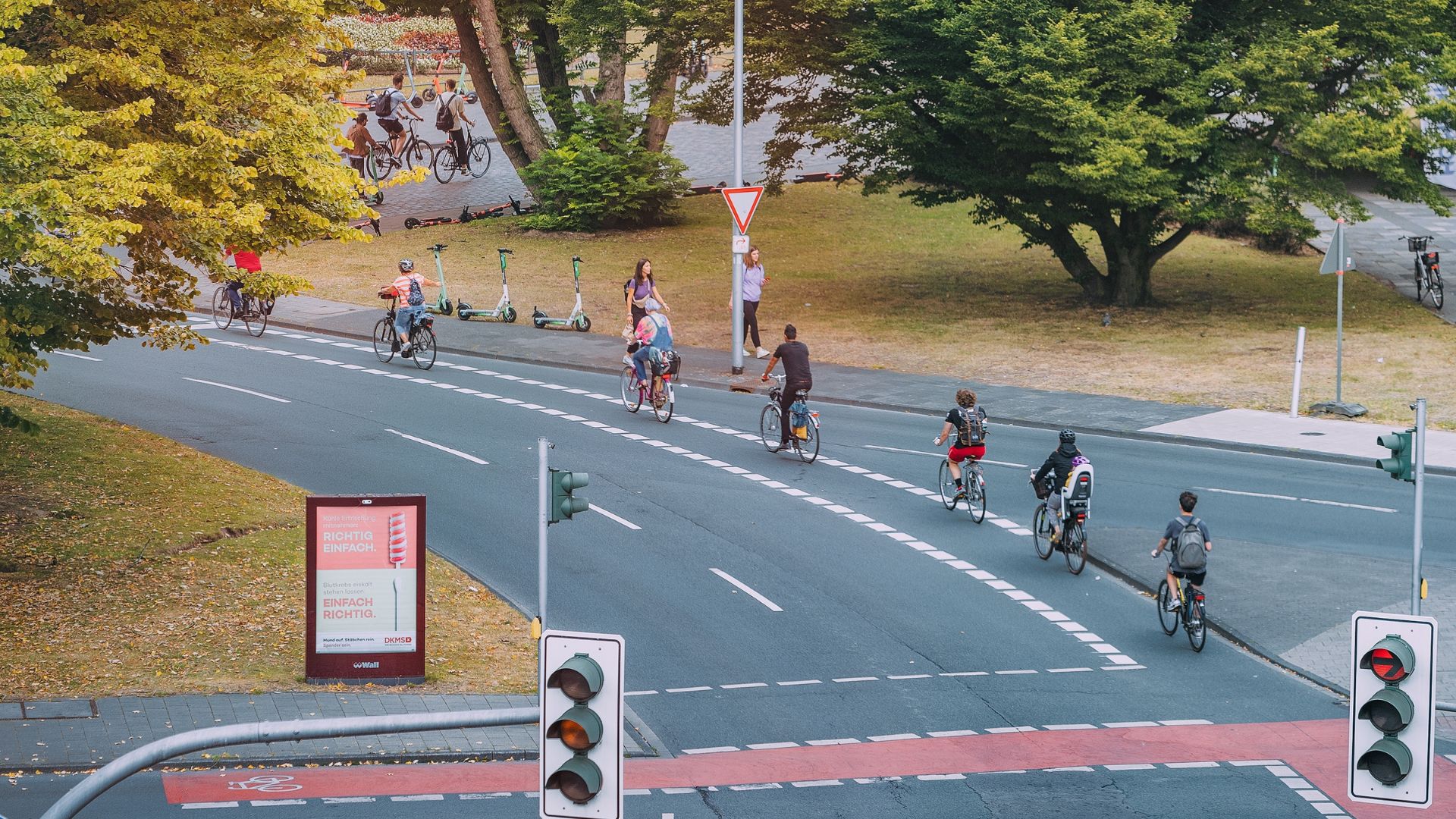
Münster is Germany’s undisputed cycling capital, a university city where approximately 40 percent of all daily journeys are made by bicycle throughout the year in a cycling culture of extraordinary depth and consistency throughout the community.
The city’s comprehensive cycling infrastructure — 500 kilometres of cycle paths throughout the urban area — combined with a flat topography, a compact city centre, and a student population that embraces cycling as the default transport mode, creates the most complete cycling city environment available anywhere in Germany.
The Promenade ring encircling Münster’s historic centre on the route of the former city wall is Germany’s finest urban cycling route, a 4.5-kilometre tree-lined circuit that separates cyclists entirely from motor traffic throughout its complete length.
Freiburg — Germany’s Green Cycling Pioneer
Freiburg is Germany’s most environmentally ambitious cycling city, a compact university city in the Black Forest foothills where decades of consistent cycling investment have created a comprehensive network of cycle paths connecting every district throughout the urban area.
The city’s Bächle — small open water channels running through the city streets — create a distinctive urban cycling environment that is simultaneously charming and practically challenging for cyclists unused to the narrow channels crossing cycle paths throughout the historic centre.
Freiburg’s cycling modal share of approximately 30 percent of all urban journeys reflects the genuine depth of cycling culture in this pioneering German city, making it one of the finest cities in Germany for experiencing authentic daily cycling culture throughout any visit.
Berlin — Urban Cycling on a Grand Scale
Berlin’s cycling network has expanded dramatically throughout the past decade, with the city adding hundreds of kilometres of new protected cycle lanes and dedicated cycling infrastructure throughout the urban area in response to rapidly growing cycling demand.
The city’s flat terrain, its generous street widths inherited from Cold War-era urban planning, and its enormous geographical extent create both opportunities and challenges for urban cycling throughout the German capital’s diverse districts.
The Tempelhof Field — a former airport converted into a vast public park — provides one of the world’s most extraordinary urban cycling environments, with the former runway circuit offering completely car-free cycling through a uniquely Berlin landscape throughout the year.
Munich — Cycling Beneath the Alps
Munich’s cycling network provides excellent urban cycling throughout the Bavarian capital, with comprehensive cycle path coverage throughout the inner city districts and the remarkable Alpine backdrop that makes even routine urban cycling in Munich a visually extraordinary experience.
The English Garden — one of the world’s largest urban parks — provides car-free cycling throughout its extensive network of paths, with the combination of the Eisbach surf wave, the Chinese Tower beer garden, and the Monopteros hilltop temple creating a cycling landscape of genuine beauty throughout any Munich cycling day.
The Munich cycling network’s connection to regional cycling routes extending into the Alpine foothills makes the city the finest base in Germany for combined urban and mountain cycling throughout the summer and autumn seasons.
Bike Hire in Germany: Complete Guide
Planning to cycle in Germany? This complete guide to bike hire covers rental options, pricing, safety tips, and local regulations, helping you enjoy a smooth, convenient, and memorable cycling experience.
Renting a Bicycle Throughout Germany
City Bike Sharing Systems
Germany’s major cities operate comprehensive bike sharing systems providing spontaneous cycling access throughout the urban area, with stations positioned specifically at transport hubs to enable seamless multi-modal journeys throughout the city network.
German city bike sharing guide:
| City | System | Provider | Cost | Notes |
| Munich | MVG Rad | MVG/DB | €1/30 min | Excellent coverage |
| Berlin | Call a Bike | Deutsche Bahn | €1.28/30 min | Station and free-floating |
| Hamburg | StadtRAD | DB/nextbike | €1/30 min | Good coverage |
| Frankfurt | Call a Bike | Deutsche Bahn | €1.28/30 min | Station-based |
| Cologne | KVB Rad | KVB/nextbike | €1/30 min | Growing network |
| Düsseldorf | nextbike | nextbike | €1/30 min | Good coverage |
| Stuttgart | nextbike | nextbike | €1/30 min | Hilly — plan carefully |
| Nuremberg | nextbike | nextbike | €1/30 min | Flat city centre |
Long-Distance Cycling Bike Hire
Long-distance cycling route operators throughout Germany provide specifically equipped touring bikes with panniers, route maps, and luggage forwarding services that enable genuinely independent multi-day cycling adventures throughout any of the major long-distance routes.
Deutsche Bahn’s Call a Bike service provides touring bike hire at major railway stations along the most popular cycling routes, enabling one-way bike hire that allows cyclists to hire in one city and return in another throughout the long-distance cycling route network.
Specialist cycling tour operators, including Eurobike, Wikinger Reisen, and Radweg-Reisen, provide fully equipped touring bikes with guaranteed technical support throughout the long-distance routes, representing the most reliable and most comprehensively supported touring bike hire option throughout Germany.
E-Bike Hire
Electric bicycle hire has expanded dramatically throughout the German cycling tourism market, with e-bike options now available throughout the major long-distance cycling routes, enabling cyclists of all fitness levels to complete demanding routes, including the Black Forest and Romantic Road throughout the cycling season.
E-bike hire costs typically range from €25 to €45 per day, depending on the quality of the e-bike and the hire provider, representing a significant but often worthwhile investment that extends the daily cycling range and reduces the physical demands throughout challenging terrain.
The availability of e-bike charging facilities throughout German cycling route accommodation — with most Radlerhotels and cycling-friendly Gasthäuser now providing dedicated charging points — makes multi-day e-bike touring genuinely practical throughout the major German cycling routes.
Taking Bikes on German Trains
Learn how to take bikes on German trains with ease. This guide covers ticket requirements, storage options, and tips to ensure a smooth, convenient, and hassle-free journey with your bicycle.
Cycling and Rail Travel Combined
Combining cycling with Deutsche Bahn rail travel creates a genuinely powerful mobility combination, allowing cyclists to cover vast distances by train and then explore specific regions in depth by bicycle throughout any German cycling holiday.
Bicycles are permitted on Deutsche Bahn regional trains, S-Bahn, and most IC and ICE services with a specific bicycle ticket purchased in addition to the passenger fare, using the designated bicycle spaces provided throughout the train throughout the cycle-rail journey.
Bicycle on train rules and costs:
| Train Type | Bikes Permitted | Ticket Required | Cost | Booking |
| ICE | Yes — limited spaces | Fahrradkarte | €9 | Essential to reserve |
| IC/EC | Yes — limited spaces | Fahrradkarte | €9 | Strongly recommended |
| RE Regional Express | Yes | Fahrradkarte | €6 | Included or a small fee |
| RB Regional train | Yes | Fahrradkarte | €6 | Day of travel fine |
| S-Bahn | Yes — not peak hours | Included or small fee | Free–€3 | No booking needed |
| U-Bahn | Yes — not peak hours | Small fee | €2–3 | No booking needed |
| Night trains | Yes — limited | Fahrradkarte | €10 | Essential to book |
The peak hour restriction on S-Bahn and U-Bahn bicycle carriage — typically Monday to Friday 06:00 to 09:00 and 16:00 to 19:00 — reflects the capacity constraints of urban rapid transit during the busiest periods throughout the commuter travel day.
Folding bicycles that can be carried as standard luggage are exempt from bicycle ticket requirements and peak hour restrictions throughout the German public transport network, making them the most practical cycling option for regular cycle-rail commuters throughout the urban transport system.
Cycling Safety in Germany
Stay safe while cycling in Germany with essential tips on road rules, protective gear, and local regulations. Ensure a secure, enjoyable, and responsible riding experience across cities and scenic routes.
Staying Safe on German Roads and Paths
Helmet Use
Germany has no legal helmet requirement for adult cyclists, with helmet use remaining a personal choice throughout the German cycling culture despite consistent safety campaign encouragement throughout the advocacy organisations.
The practical reality of German urban cycling culture is that helmet use varies significantly between cycling contexts — with serious sport cyclists and mountain bikers almost universally helmeted and casual urban cyclists frequently unhelmeted — throughout the diverse cycling community.
Regardless of legal status, helmet use is strongly recommended for all cycling contexts throughout Germany, particularly for long-distance touring, mountain cycling, and any cycling in areas with significant motor traffic throughout the riding environment.
Cycling in German Traffic
German drivers have a generally good understanding of and generally good respect for cyclists throughout the road network, reflecting both the legal framework protecting cyclists and the cultural normalisation of cycling as a legitimate road user throughout the German transport culture.
The greatest cycling safety risks in German cities are the opening doors of parked vehicles — the dooring risk — tram tracks at crossing angles, and the interaction with right-turning motor vehicles at junctions throughout the urban cycling environment.
Maintaining a safe distance of at least one metre from parked vehicles, crossing tram tracks at right angles of 90 degrees or greater, and making eye contact with drivers before crossing their path at junctions are the three most impactful individual cycling safety behaviours throughout any German urban ride.
E-Bike Safety Considerations
The rapid growth of e-bike use throughout Germany has created new safety dynamics on German cycle paths, with the speed differential between standard cyclists averaging 15 to 20 kilometres per hour and e-cyclists often travelling at 25 kilometres per hour or above, creating genuine overtaking challenges throughout the shared cycle path environment.
German law classifies e-bikes into two categories — Pedelecs assisting up to 25 kilometres per hour, which require no licence or registration, and S-Pedelecs assisting up to 45 kilometres per hour, which require registration and a moped licence — with clear legal distinctions throughout the e-bike regulatory framework.
The S-Pedelec’s exclusion from standard cycle paths and requirement to use the road throughout German cycling infrastructure reflects the genuinely different speed profile of these faster e-bikes compared with standard cycling throughout the speed-separated infrastructure.
Cycling Accommodation in Germany: Radlerhotels
Discover cycling-friendly accommodation in Germany with Radlerhotels. These hotels cater to cyclists with secure bike storage, repair facilities, and comfortable stays, making your cycling trips convenient, safe, and enjoyable.
Germany’s Bike-Friendly Hotel Network
Germany has developed a comprehensive network of cycling-specific accommodation — Radlerhotels and ADFC-certified Bett+Bike establishments — throughout the major long-distance cycling routes, providing the secure bike storage, drying rooms, repair facilities, and early breakfast provision that touring cyclists specifically require throughout any multi-day journey.
The ADFC Bett+Bike certification scheme — operated by the German Cycling Federation — identifies accommodation that meets specific cycling-friendly standards, including secure indoor bike storage, basic bike tool provision, route information, and flexible breakfast times throughout the certified accommodation network.
Over 5,000 Bett+Bike certified establishments throughout Germany — searchable through the ADFC website and app — create a comprehensive accommodation network along every major cycling route that eliminates the uncertainty of finding appropriate accommodation throughout any long-distance cycling tour.
Bett+Bike certification requirements:
| Requirement | Standard | Notes |
| Bike storage | Secure, indoor or locked | Essential requirement |
| Drying room | Available for wet gear | Essential for touring |
| Repair tools | Basic tools available | Pump always required |
| Route information | Local cycling maps | Available at reception |
| Breakfast flexibility | Early breakfast possible | For dawn departures |
| Luggage forwarding | Organisable if not direct | For tour operators |
| Bike wash | Water available | Basic requirement |
Germany’s Best Cycling Regions for Holidays
Plan the perfect cycling holiday in Germany by exploring its best regions. From scenic landscapes to well-marked trails, these areas offer safe, enjoyable, and memorable experiences for cyclists of all levels.
Where to Base a German Cycling Holiday
Bavaria — Alpine Splendour and River Valleys
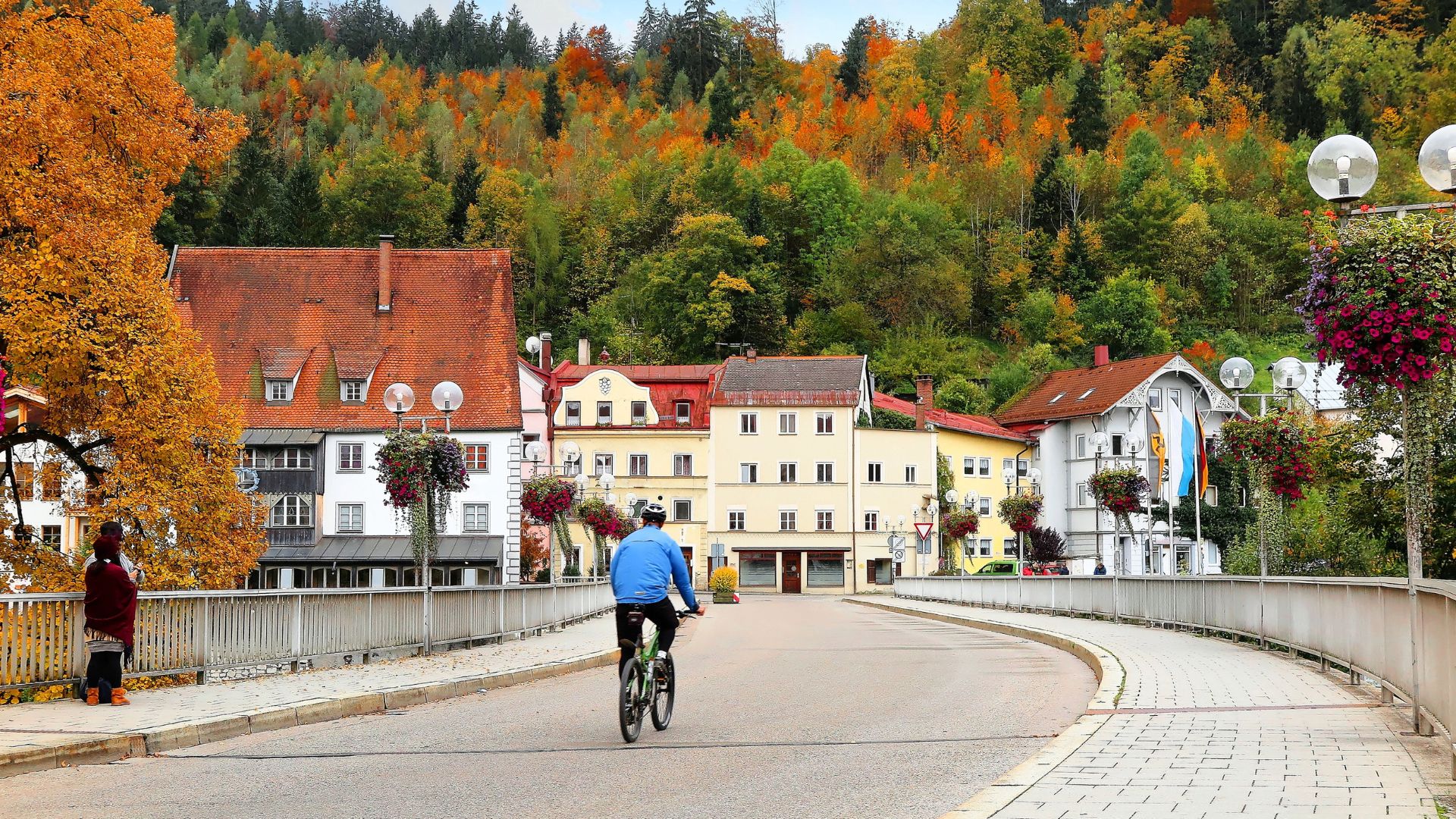
Bavaria provides Germany’s most dramatically beautiful cycling landscape, combining the flat Danube and Isar river valleys with the foothills of the Alps and the spectacular Bavarian lake district throughout a cycling region of extraordinary scenic variety.
The Chiemsee — Bavaria’s largest lake — provides outstanding circular cycling with the Alps as a constant backdrop, while the Ammersee and Starnberger See lakes near Munich offer excellent day-ride options throughout the Munich metropolitan cycling region.
The Allgäu region, south of the Romantic Road, provides challenging Alpine cycling of the highest quality, with mountain passes, Alpine meadows, and the extraordinary backdrop of the Allgäu Alps throughout the demanding but supremely rewarding mountain cycling routes.
Rhine-Moselle — Wine and Castle Country
The Rhine-Moselle region of Rhineland-Palatinate provides Germany’s most culturally and scenically rich cycling landscape, combining the Rhine Gorge’s medieval castles, the Moselle valley’s world-class wine culture, and the volcanic Eifel landscape throughout the diverse cycling region.
The combination of the Moselle Cycle Route and the Rhine Cycle Route within a single cycling region creates the opportunity for a genuinely comprehensive wine country cycling experience that explores two of Germany’s greatest rivers throughout a single cycling holiday.
Mecklenburg Lake District — Northern Germany’s Water Cycling
The Mecklenburg Lake District provides Germany’s most tranquil and most water-surrounded cycling landscape, with over 1,000 lakes connected by flat cycling routes through birch forests and traditional fishing villages throughout this northeastern German cycling paradise.
The region’s flat terrain, minimal motor traffic on secondary roads, and extraordinary density of lakes, rivers, and nature reserves create cycling conditions of genuine peacefulness that contrast beautifully with the busier cycling routes of southern Germany throughout the comparison.
Practical Tips for Cycling in Germany
Make the most of your cycling adventures in Germany with practical tips. Learn about route planning, safety, local regulations, and essential gear to ensure smooth, enjoyable, and hassle-free rides.
Essential Advice for Every German Cyclist
Tip 1 — Install the Komoot app before cycling in Germany. Komoot is Germany’s most popular cycling navigation app, providing offline cycling route planning, surface type information, and gradient profiles throughout every German cycling route, and is essential for long-distance touring throughout the country.
Tip 2 — Always carry a basic repair kit. A puncture repair kit, tyre levers, a spare inner tube, a mini pump, and a basic multi-tool collectively address the most common mechanical failures throughout any German cycling journey and prevent minor problems from becoming major disruptions throughout the touring day.
Tip 3 — Download offline maps before entering rural areas. Mobile data coverage in rural German cycling regions can be unreliable throughout specific areas, making offline map downloads through Komoot, Maps.me, or Google Maps essential for confident navigation throughout any long-distance rural cycling journey.
Tip 4 — Book accommodation in advance for popular summer routes. The Elbe, Rhine, Moselle, and Danube cycling routes are heavily used throughout July and August, with Bett+Bike accommodation along the most popular sections booking out weeks in advance throughout the peak summer cycling season.
Tip 5 — Respect the cycling path direction rules. German cycle paths are directional, and cycling against the flow on a one-way cycle path — Geisterradfahren or ghost cycling — is both illegal and genuinely dangerous throughout any urban cycling environment.
Tip 6 — Use a bell clearly before overtaking. German cycling etiquette requires a clear bell ring before overtaking slower cyclists or pedestrians on shared paths, with the bell notification giving the person ahead sufficient warning to maintain their position throughout the safe overtaking manoeuvre.
Tip 7 — Check ADFC route ratings before planning. The ADFC route rating system, from one to five stars, provides reliable advance information about cycling route quality, signing consistency, and surface standards that enable realistic planning and realistic expectations throughout any German cycling itinerary.
Tip 8 — Carry cash for rural cycling route services. Rural Gasthäuser, farm shops, and small bike repair facilities along German long-distance cycling routes frequently operate on a cash-only basis, making sufficient cash provision an essential practical preparation throughout any rural cycling tour.
Frequently Asked Questions
Do I need a helmet to cycle in Germany? Germany has no legal helmet requirement for adult cyclists, with helmet use remaining a personal choice throughout the cycling culture. Helmets are strongly recommended regardless of legal status for all cycling contexts, particularly for long-distance touring, mountain cycling, and riding in motor traffic throughout any German cycling journey.
Can I take my bike on German trains? Bicycles are permitted on most Deutsche Bahn services, including ICE, IC, regional, and S-Bahn trains, with a separate bicycle ticket costing between €6 and €9 depending on the train type. Reservation is essential for ICE and IC services throughout any cycle-rail journey planning process.
What is the best long-distance cycling route in Germany? The Moselle Cycle Route’s ADFC five-star rating makes it technically Germany’s highest rated long-distance route, while the Elbe Cycle Route’s combination of cultural richness, accessible terrain, and comprehensive infrastructure makes it the most popular and most comprehensively rewarding throughout the complete long-distance cycling comparison.
Is cycling in German cities safe? German cities are generally safe cycling environments with comprehensive cycling infrastructure, good driver awareness of cyclists, and a strong legal framework protecting cyclists’ rights throughout the road network. The main hazards are parked car doors, tram tracks, and right-turning vehicles at junctions throughout the urban cycling environment.
What is the Deutschlandticket, and can cyclists use it? The €49 monthly Deutschlandticket covers unlimited regional and local public transport throughout Germany, but does not include bicycle transport, which requires a separate bicycle ticket purchased additionally throughout any cycle-rail journey using the Deutschlandticket.
Final Thoughts
Germany’s cycling culture is one of the world’s most developed, most legally protected, and most genuinely rewarding, offering every cyclist from the casual urban rider to the serious long-distance tourer an extraordinary range of experiences throughout the comprehensive national cycling infrastructure.
Respect the cycling laws throughout every journey, explore the magnificent long-distance routes at a pace that allows genuine appreciation of the landscapes and cultures they traverse, use the Bett+Bike network for comfortable touring accommodation, and approach Germany’s remarkable cycling culture with the enthusiasm and the respect that this genuinely extraordinary cycling nation deserves throughout every kilometre of your German cycling adventure.
Hi, I’m Preeti Negi, a content writer who loves mixing creativity with smart strategy.
I have 3 years of experience writing about travel, digital marketing, and study abroad topics. I create content that is easy to read, engaging, and designed to connect with people while also performing well on Google.
When I’m not writing, I enjoy exploring new trends, learning new things, and thinking about fresh ideas for my next piece.
