

Germany is one of Europe’s most visited countries. Yet most tourists follow the same route: Berlin, Munich, the Rhine Valley. What they miss is arguably the best part — the quieter, more authentic Germany that lies beyond.
From remote Baltic islands and forgotten imperial cities to volcanic highlands and medieval walled towns, the country rewards curious travellers deeply. This guide uncovers 15 of the best off-the-beaten-path destinations in Germany, each numbered and packed with inspiration.
Please note that this article contains affiliate links. Learn more about it on our Disclosure page. We use ads to support our small business – we hope you don’t mind them too much.
Quick Overview Table
| # | Destination | State | Best For | Best Season |
| 1 | Ahrweiler | Rhineland-Palatinate | Wine & Roman history | Summer/Autumn |
| 2 | Hiddensee Island | Mecklenburg-Vorpommern | Car-free nature escape | Summer |
| 3 | Bautzen | Saxony | Sorbian culture & towers | Year-round |
| 4 | Bad Münstereifel | North Rhine-Westphalia | Medieval walled town | Year-round |
| 5 | Altenburg | Thuringia | Playing cards & castles | Spring/Summer |
| 6 | Gengenbach | Baden-Württemberg | Black Forest charm | Year-round |
| 7 | Wittenberg | Saxony-Anhalt | Luther & Reformation history | Spring/Summer |
| 8 | Usedom Island | Mecklenburg-Vorpommern | Baltic beaches & spa villas | Summer |
| 9 | Passau | Bavaria | Three rivers & Baroque city | Year-round |
| 10 | Fritzlar | Hesse | Forgotten medieval gem | Spring/Summer |
| 11 | Halle (Saale) | Saxony-Anhalt | Handel & underrated culture | Year-round |
| 12 | Lindau | Bavaria | Island town on Lake Constance | Summer |
| 13 | Münden | Lower Saxony | Three rivers fairy-tale town | Spring/Summer |
| 14 | Freudenberg | North Rhine-Westphalia | Black-and-white village | Year-round |
| 15 | Naumburg | Saxony-Anhalt | Gothic cathedral & wine | Spring/Autumn |
Explore 15 Unique Off-the-Beaten-Path Places in Germany
Germany isn’t just castles, cities, and famous landmarks—it’s full of hidden treasures waiting to be explored. From secluded villages and quiet forests to charming small towns, off-the-beaten-path destinations reveal authentic local experiences.
This list highlights 15 unique destinations across Germany, each offering something special. These spots are not ranked in any specific order, yet every place promises memorable adventures, scenic beauty, and a chance to discover a side of Germany few travelers experience.
1. Ahrweiler — Wine, Romans, and a Walled Medieval Town
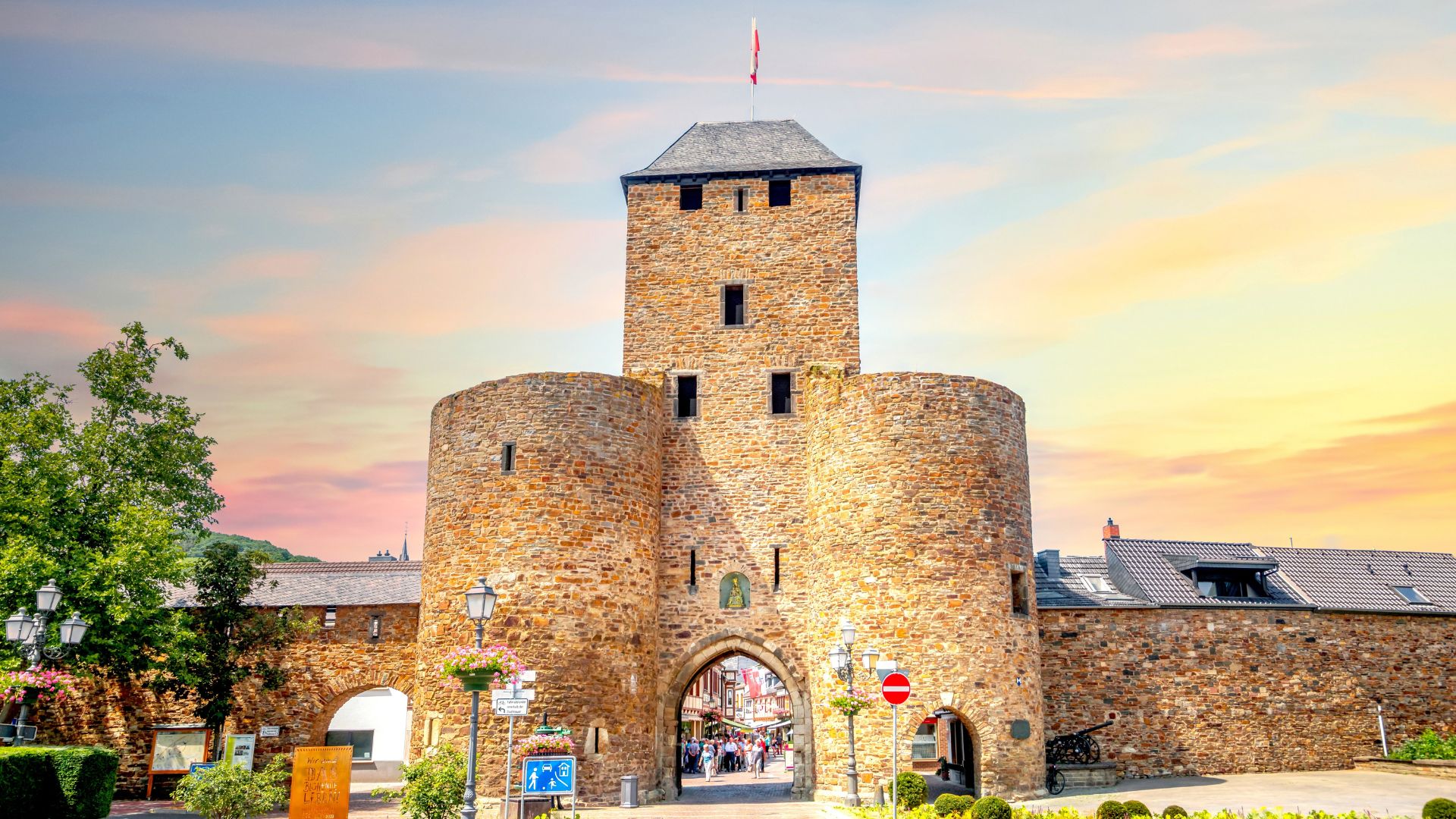
Ahrweiler in Rhineland-Palatinate sits at the northern end of the Ahr Valley. Its original medieval walls stand completely intact, enclosing a compact old town of half-timbered houses, wine taverns, and cobbled market squares that feel entirely untouched by modern tourism.
The Ahr Valley is famous for its Spätburgunder red wine, grown on dramatic slate terraces above the winding river. The warm microclimate and ancient volcanic soils produce wines of real depth and character that rival far more celebrated German wine regions.
Walking or cycling the Rotweinwanderweg, the Red Wine Hiking Trail running 35 kilometres through the vineyards, is one of Germany’s great wine country experiences. The views over the valley from the upper slopes are simply spectacular in autumn.
Things to do in Ahrweiler:
- Walk the full circuit of the intact medieval town walls, all four of which survive in excellent condition
- Visit the Roman Villa Ahrweiler, a remarkably well-preserved Roman country estate just outside the town
- Hike or cycle the famous Rotweinwanderweg Red Wine Hiking Trail through the Ahr Valley vineyards
- Taste Ahr Valley Spätburgunder Pinot Noir at a family-run estate in the hillside village of Dernau
- Explore the Cold War government bunker beneath the town, built as an emergency headquarters during the 1960s
2. Hiddensee Island — Germany’s Car-Free Baltic Hideaway
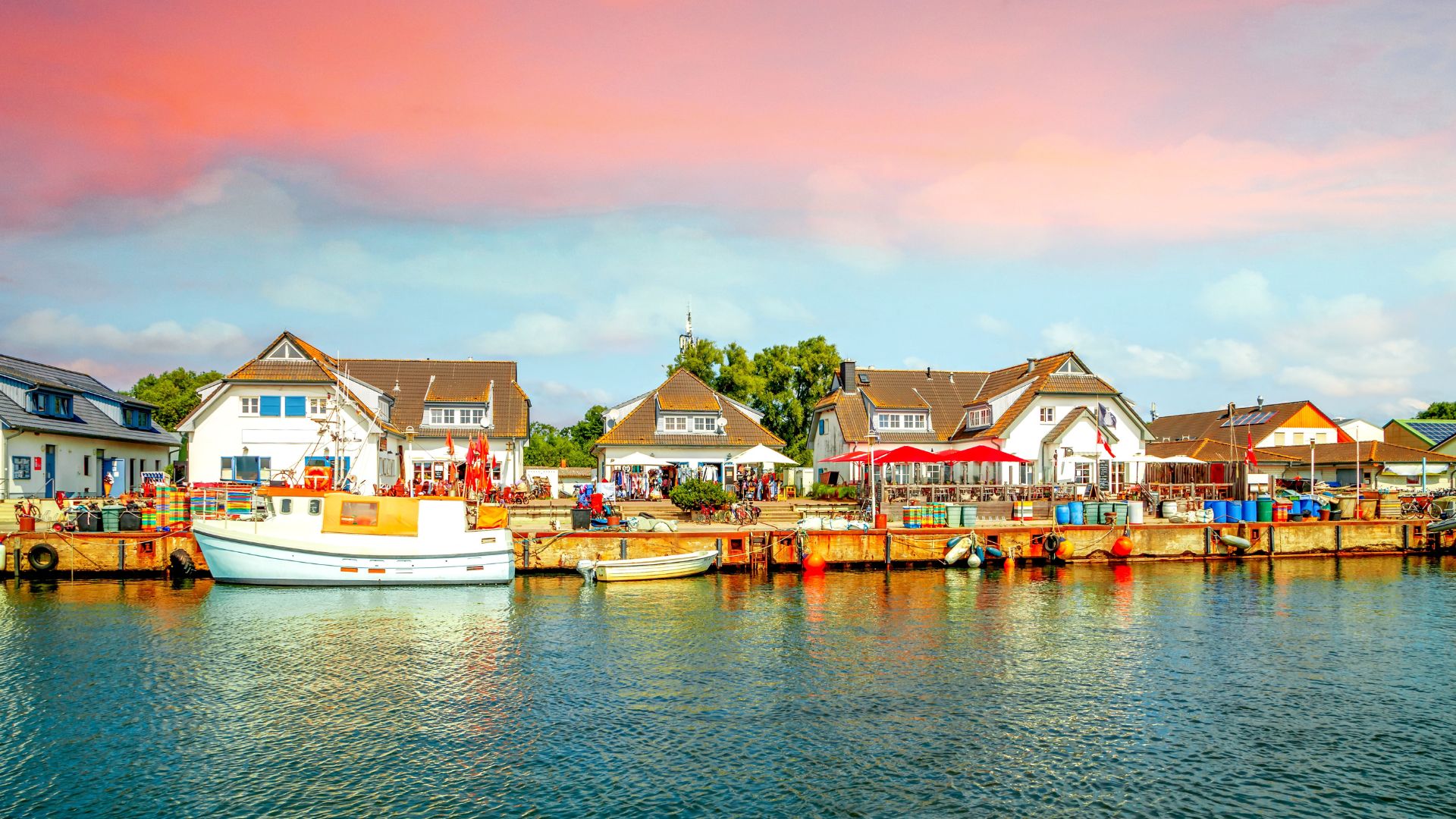
Hiddensee is a long, narrow island off the western coast of Rügen in the Baltic Sea. It operates under one irresistible rule: no cars are allowed. Only cycling paths, sandy tracks, and footpaths connect its three small villages, instantly transforming the pace of any visit.
The island has attracted artists, writers, and thinkers for over a century. Nobel Prize-winning playwright Gerhart Hauptmann spent his summers here and is buried on the island, lending Hiddensee a quiet literary and artistic atmosphere unlike anywhere else on the German coast.
The landscape is stark and elemental. Flat wildflower meadows, wide sandy beaches, a solitary lighthouse at the northern tip, and the constant sound of Baltic wind moving through the reed beds create a genuinely therapeutic, unforgettable environment.
Things to do on Hiddensee Island:
- Hire a bicycle in Kloster village and cycle the full length of the island on car-free sandy tracks
- Climb the Dornbusch lighthouse at the island’s northern tip for sweeping Baltic Sea panoramas
- Visit the Gerhart Hauptmann Museum in the writer’s beautifully preserved summer villa in Kloster village
- Walk the wild western beach at low tide when the sandflats stretch out for kilometres in silence
- Watch the sunset from the Dornbusch headland, one of the most dramatic viewpoints on the entire German coast
3. Bautzen — The Hidden Capital of Sorbian Culture
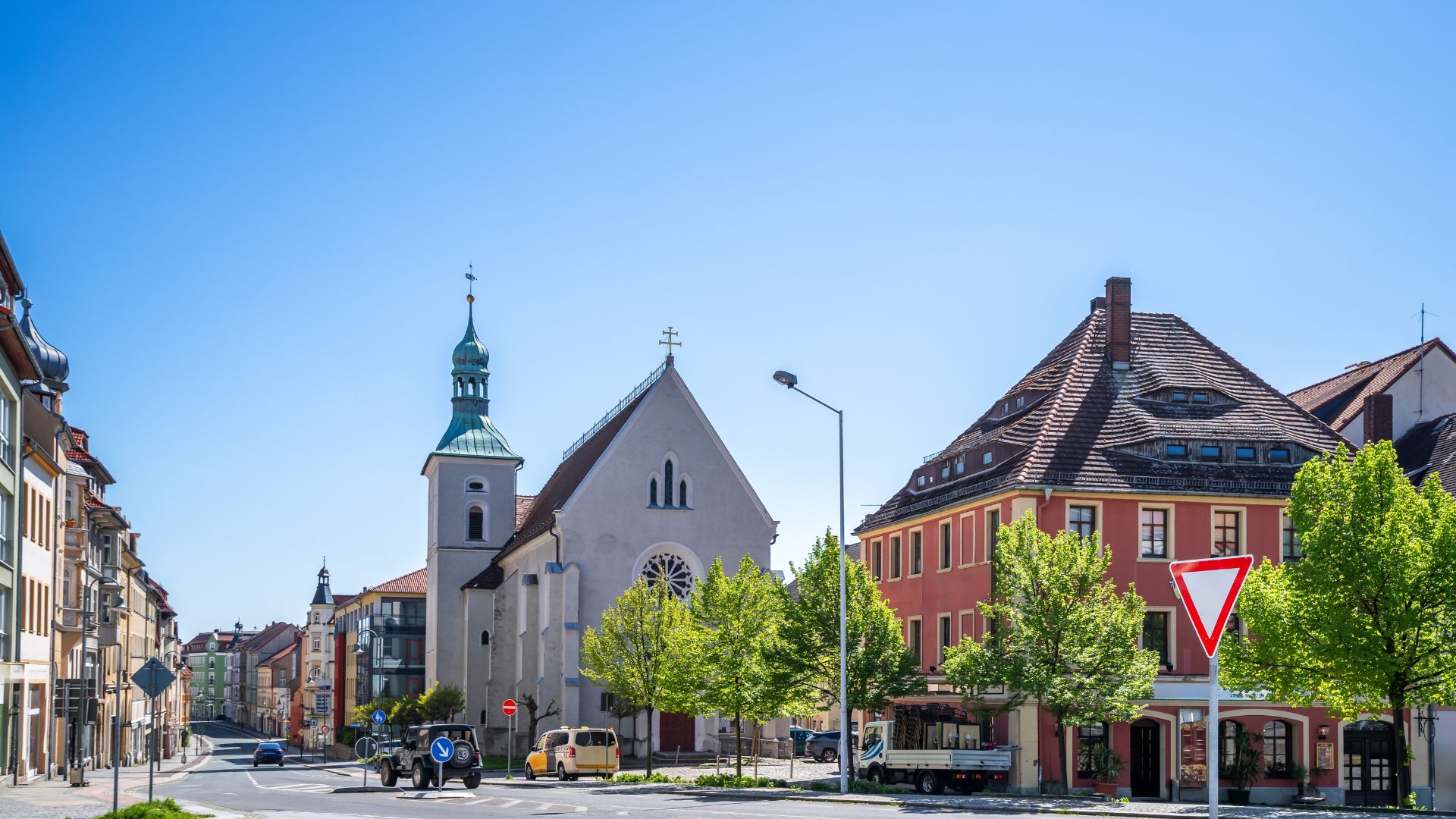
Bautzen in eastern Saxony sits on a rocky promontory above the Spree River, its silhouette of towers, spires, and fortifications immediately striking from every direction. It is the informal capital of the Sorbian people, a Slavic minority with their own distinct language and culture.
The Sorbian people have maintained their traditions here for over a thousand years. Every street sign in Bautzen appears in both German and Upper Sorbian, making it the only town in Germany with fully bilingual public signage throughout the entire urban area.
The Dom St. Petri cathedral has been shared simultaneously by Catholic and Protestant congregations since 1524, a remarkable and entirely peaceful arrangement that continues to this day. The leaning Reichenturm tower, the castle complex, and the fortified walls complete an extraordinary historic ensemble.
Things to do in Bautzen:
- Visit the Dom St. Petri, the only church in Germany shared simultaneously by two different Christian congregations
- See the leaning Reichenturm tower, which tilts dramatically and visibly at its base in the old town
- Explore the Sorbian Museum and learn about the unique culture, language, and traditions of the Sorbian people
- Walk the fortified town walls for excellent views over the Spree River gorge and surrounding countryside
- Try Sorbian Easter egg painting workshops offered by local artisans during the traditional spring festival season
4. Bad Münstereifel — The Medieval Town That Time Forgot
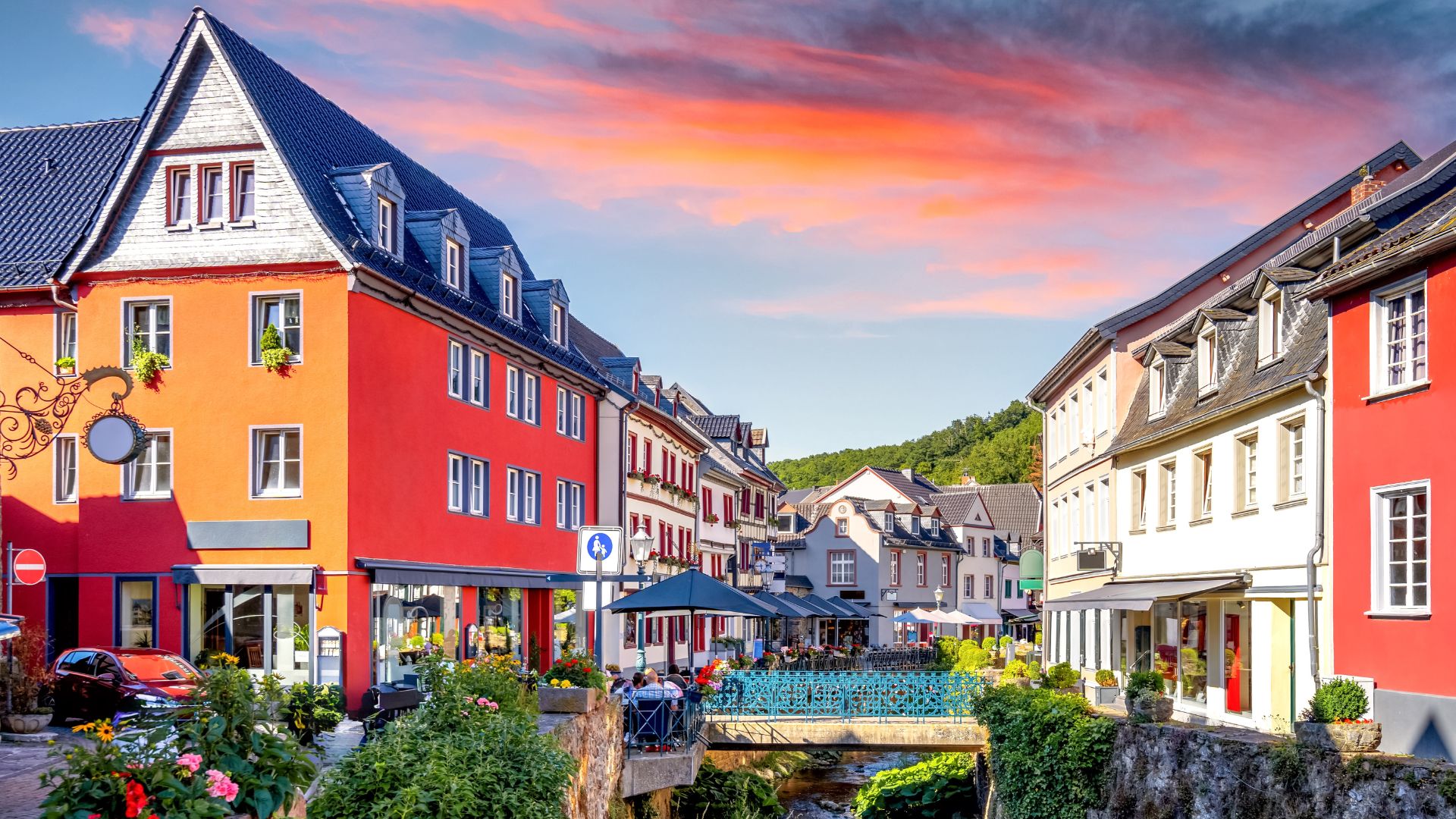
Bad Münstereifel in North Rhine-Westphalia is one of Germany’s most completely preserved medieval towns. Its original town walls stand almost entirely intact, enclosing narrow lanes, Romanesque churches, and centuries-old half-timbered houses that look unchanged from the 15th century.
The town sits in the green Erft River valley at the edge of the Eifel highlands. It gained brief fame as a shopping outlet destination, which has now faded, leaving behind a quieter and more genuinely authentic version of itself for visitors to discover.
The Stiftskirche, a Romanesque collegiate church with origins in the 9th century, is one of the finest early medieval churches in the entire Rhineland. Its imposing twin towers and beautifully preserved interior alone justify making the journey out here.
Things to do in Bad Münstereifel:
- Walk the nearly complete circuit of the original medieval town walls surrounding the historic old centre
- Visit the Stiftskirche, a remarkable Romanesque church with origins stretching back to the 9th century
- Explore the narrow Werther Strasse, widely considered the best-preserved medieval street in the entire town
- Hike the surrounding Eifel forest trails that begin directly from the town walls on all sides
- Browse the small independent shops and traditional bakeries that still line the cobbled market area
5. Altenburg — The Home of the Playing Card
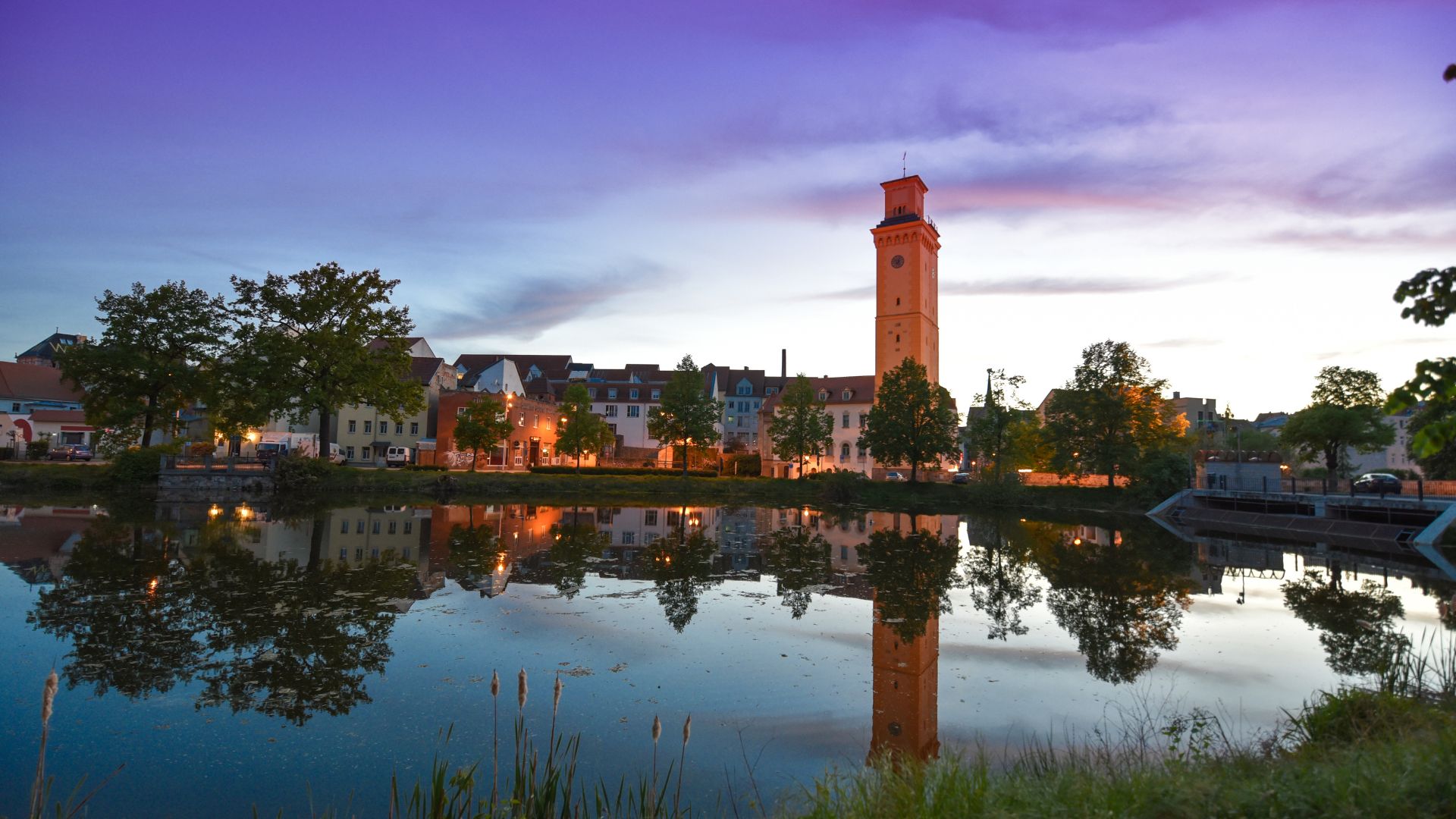
Altenburg in Thuringia has a wonderfully specific claim to fame: it is the birthplace of Skat, Germany’s most beloved card game, and was for centuries the centre of Europe’s entire playing card manufacturing industry. The castle museum holds one of the world’s greatest collections of historical playing cards.
Beyond its card game heritage, Altenburg has a genuinely handsome town centre anchored by its hilltop castle complex. The Lindenau Museum contains one of the finest collections of early Italian panel paintings outside of Italy itself, assembled by the 19th-century statesman Bernhard August von Lindenau.
The red sandstone castle, the Baroque town hall, and the Bartholomäikirche collectively make Altenburg one of Thuringia’s most architecturally rewarding destinations. It is a town that consistently surprises visitors who arrive expecting very little and leave thoroughly impressed.
Things to do in Altenburg:
- Visit the castle museum and its world-renowned collection of historical playing cards and board games
- Explore the Lindenau Museum and its extraordinary collection of early Italian Renaissance panel paintings
- Walk the historic town centre and admire the harmonious Baroque and Renaissance architecture throughout
- Attend a traditional Skat card game tournament if visiting during one of the town’s annual festivals
- Climb the castle towers for a wide panoramic view over the surrounding Thuringian countryside and rooftops
6. Gengenbach — The Black Forest’s Most Beautiful Village
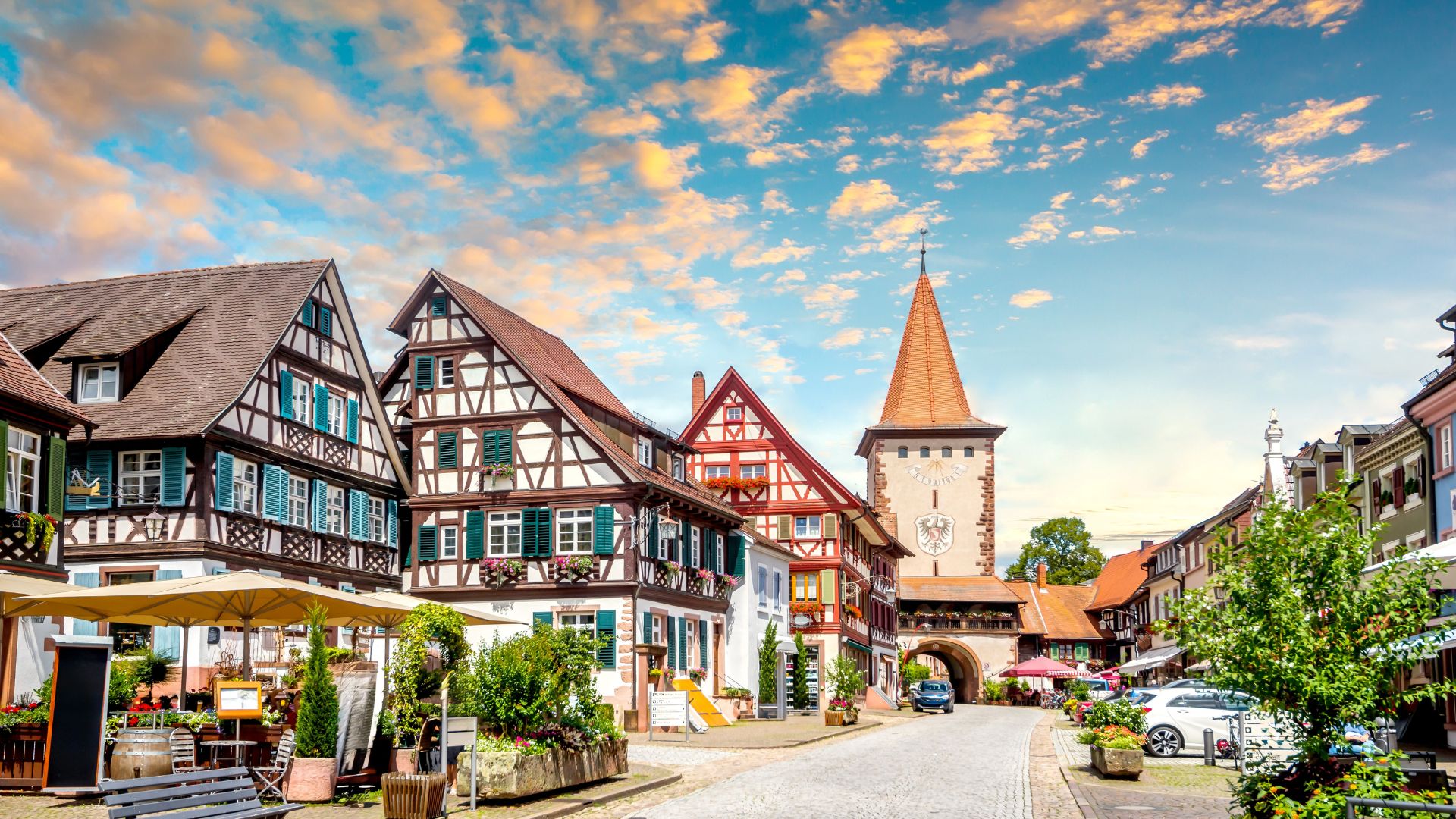
Gengenbach is a small market town in the Ortenau wine district at the western edge of the Black Forest. It is surrounded by vineyards, forested hills, and the gentle Kinzig Valley, with an old town of pastel-coloured half-timbered houses enclosed within original medieval walls.
Every December, Gengenbach becomes briefly famous across Germany for hosting the world’s largest Advent calendar. The windows of the historic town hall are decorated with twenty-four illuminated scenes, each one revealed daily from the first of December until Christmas Eve arrives.
Outside the festive season, Gengenbach remains a quiet and beautifully maintained gem. It perfectly captures the character of the prosperous Black Forest wine country and rewards slow, unhurried exploration on foot through its cobbled lanes and vineyard paths.
Things to do in Gengenbach:
- Stroll through the perfectly preserved old town and photograph its pastel half-timbered street architecture
- Visit in December to experience the world’s largest Advent calendar displayed on the illuminated town hall
- Walk the vineyard trails above town and taste local Ortenau wines at a hillside family-run estate
- Hike into the Black Forest directly from the town edge on well-marked forest and ridge walking trails
- Explore the Klosterkirche, the former Benedictine monastery church at the heart of the beautiful old town
7. Wittenberg — Where the Reformation Changed the World
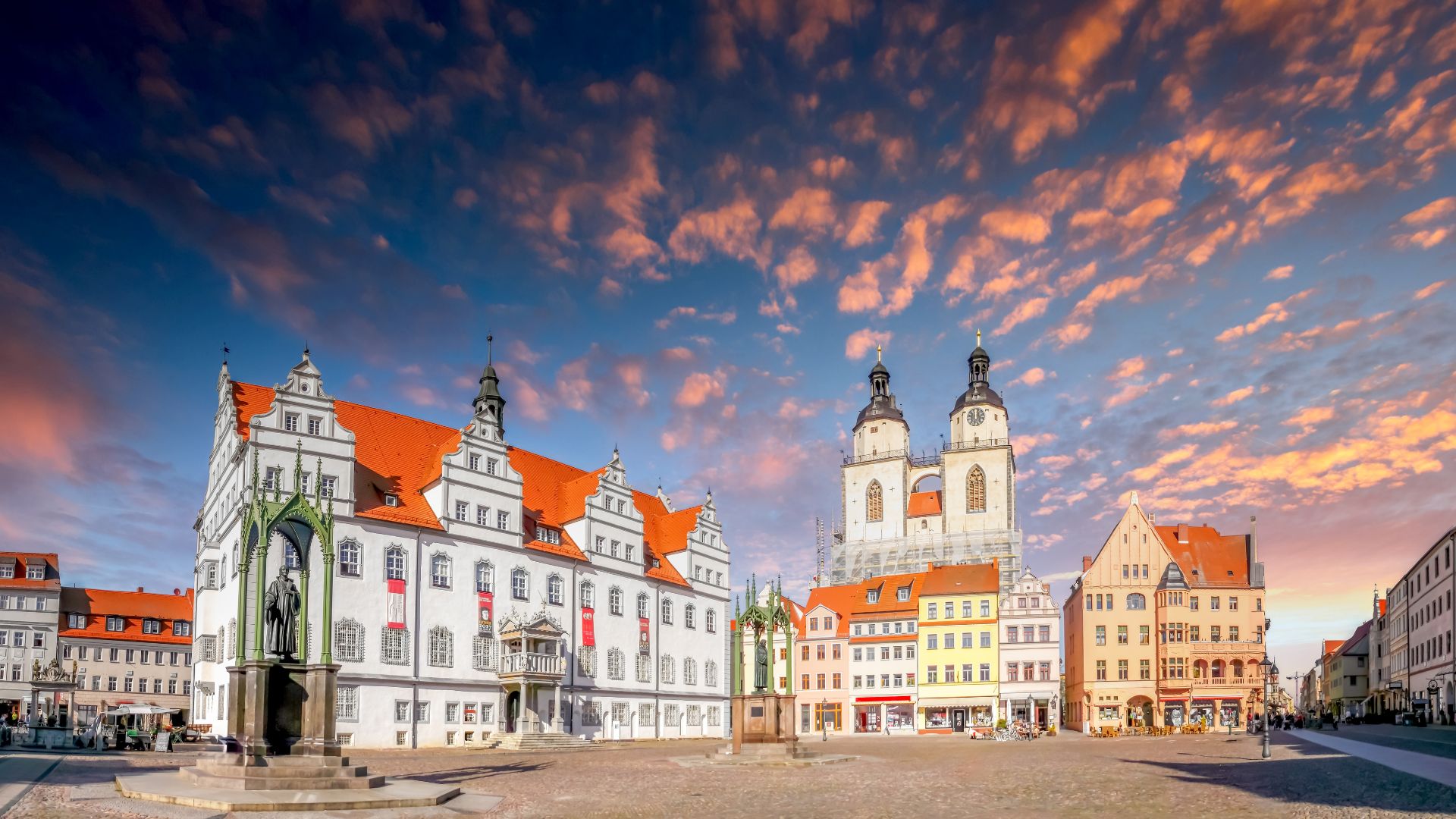
Lutherstadt Wittenberg in Saxony-Anhalt is where Martin Luther nailed his 95 Theses to the Castle Church door in 1517, launching the Protestant Reformation and permanently changing the course of Western history. Despite this significance, it remains surprisingly uncrowded and unhurried.
The town’s UNESCO-listed Reformation monuments are extraordinary. Luther’s home, the Lutherhaus, is now one of the world’s most important Reformation museums. The Melanchthonhaus preserves the Renaissance home of Luther’s closest scholarly colleague, Philipp Melanchthon, in exceptional original condition.
The Market Square is framed by a stunning Renaissance Town Hall, the Luther Oak, and two large bronze statues of Luther and Melanchthon. It is one of the most historically charged public spaces anywhere in Germany, yet remains a genuinely living, breathing town square.
Things to do in Wittenberg:
- Visit the Lutherhaus museum, the world’s most significant institution dedicated to the Protestant Reformation
- See the famous Castle Church door where Luther reportedly nailed his world-changing 95 Theses in 1517
- Stand in the Market Square and absorb the remarkable concentration of Reformation-era monuments surrounding it
- Tour the Melanchthonhaus, the beautifully preserved Renaissance home of Luther’s closest scholarly colleague
- Cycle the Elbe Cycle Route from Wittenberg through the flat, unspoiled countryside of Saxony-Anhalt
8. Usedom Island — Elegant Baltic Spa Villas and Empty Beaches
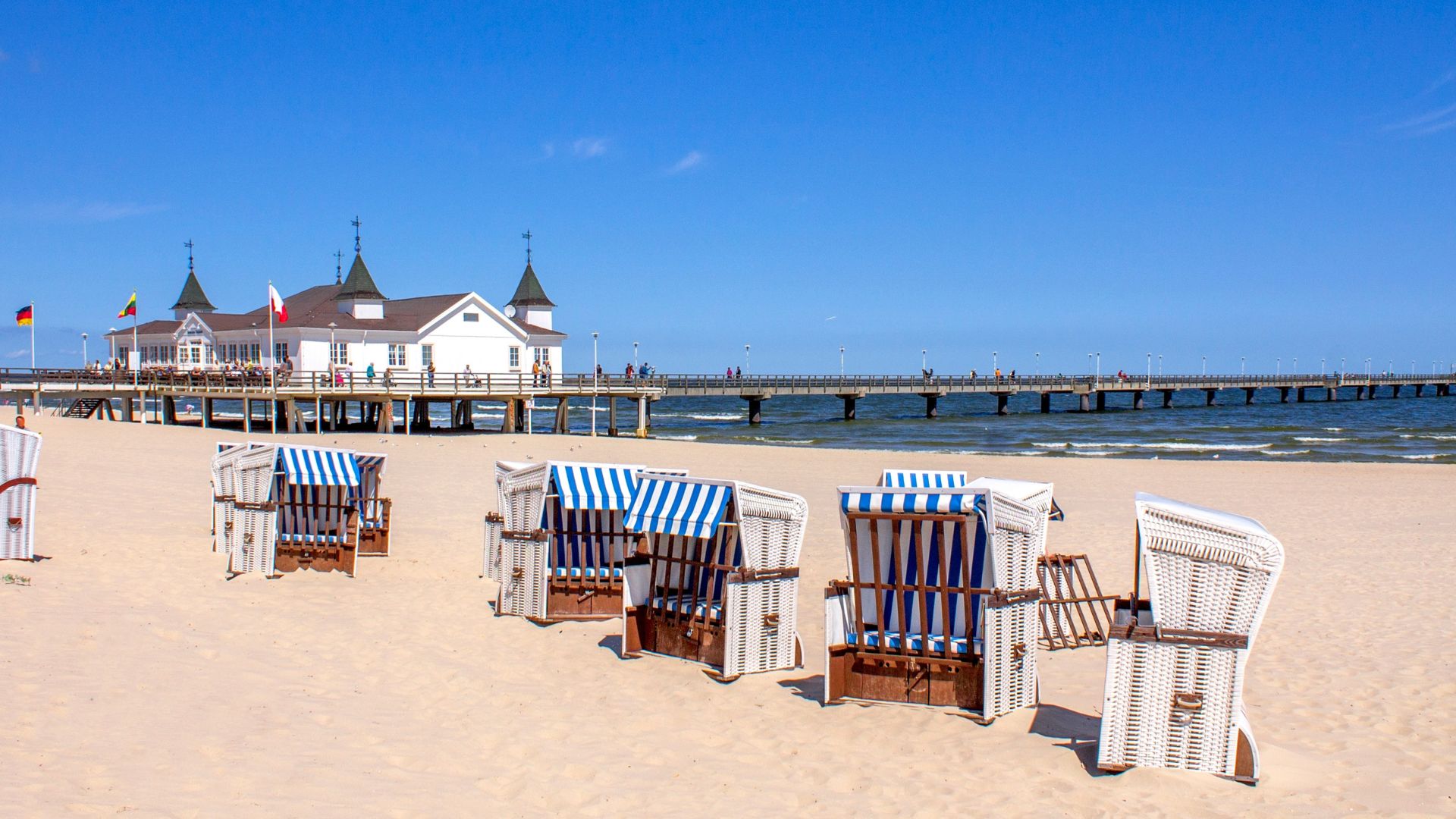
Usedom is Germany’s second-largest island, stretching along the Baltic coast between Germany and Poland. It receives more sunshine hours than almost anywhere else in Germany, making it the most popular beach destination for German holidaymakers yet almost entirely unknown internationally.
Its long, wide sandy beach runs uninterrupted for nearly 42 kilometres, backed by a string of elegant spa towns. The late 19th-century resort architecture of the Three Kaiserbäder towns — Ahlbeck, Heringsdorf, and Bansin — remains spectacularly and beautifully preserved throughout.
Long wooden piers extend into the Baltic, beach chairs line the sand in colourful rows, and the pace of life is resolutely slow. At the eastern end, the island crosses seamlessly into Poland, creating one of Europe’s most unusual and effortless border experiences.
Things to do on Usedom Island:
- Walk or cycle the full 42-kilometre beach promenade connecting all of the island’s elegant resort towns
- Explore the Three Kaiserbäder spa towns and admire their exceptional late 19th-century imperial villa architecture
- Walk to the end of Heringsdorf Pier, the longest pier on the entire German Baltic coastline, for open sea views
- Cross the border on foot or by bicycle into the Polish town of Swinoujscie for lunch and exploration
- Visit the Peenemünde Historical Technical Museum at the site of the wartime V-2 rocket development programme
9. Passau — The City of Three Rivers
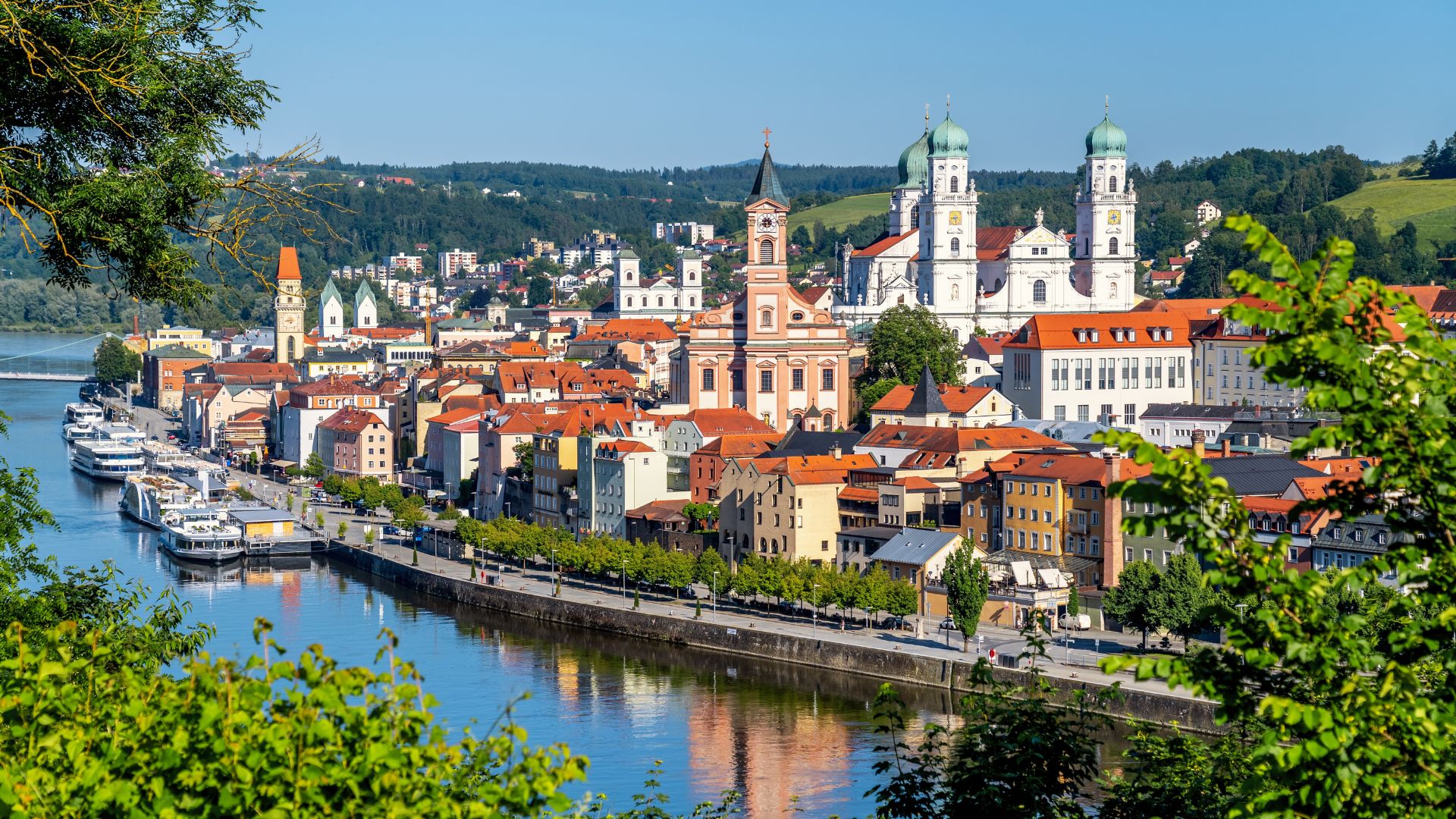
Passau in lower Bavaria sits at the confluence of three rivers — the Danube, the Inn, and the tiny Ilz — in a setting of extraordinary geographical drama. The old town occupies a long, narrow peninsula squeezed between the Danube and the Inn on both sides.
The Dom St. Stephan cathedral holds the largest pipe organ north of the Alps, with an astonishing 17,774 pipes. Daily organ concerts in summer fill the Baroque interior with overwhelming sound, making a midday visit to this cathedral one of the most memorable experiences in Bavaria.
Passau was an important centre of trade and ecclesiastical power for centuries. That accumulated wealth is visible everywhere, from the Bishop’s Residence and Baroque townhouses to the fortified Oberhaus Castle rising dramatically on the clifftop directly above the old town.
Things to do in Passau:
- Attend a midday organ concert in Dom St. Stephan and hear the largest pipe organ north of the Alps
- Climb to Veste Oberhaus fortress for a panoramic view over all three river confluences below
- Walk the full length of the old town peninsula and discover hidden lanes between the Danube and Inn
- Take a boat trip downstream on the Danube toward Linz in Austria through beautiful riverside scenery
- Explore the Glass Museum, which holds one of the world’s largest collections of Bohemian and Bavarian glass
10. Fritzlar — Hesse’s Most Forgotten Medieval Gem
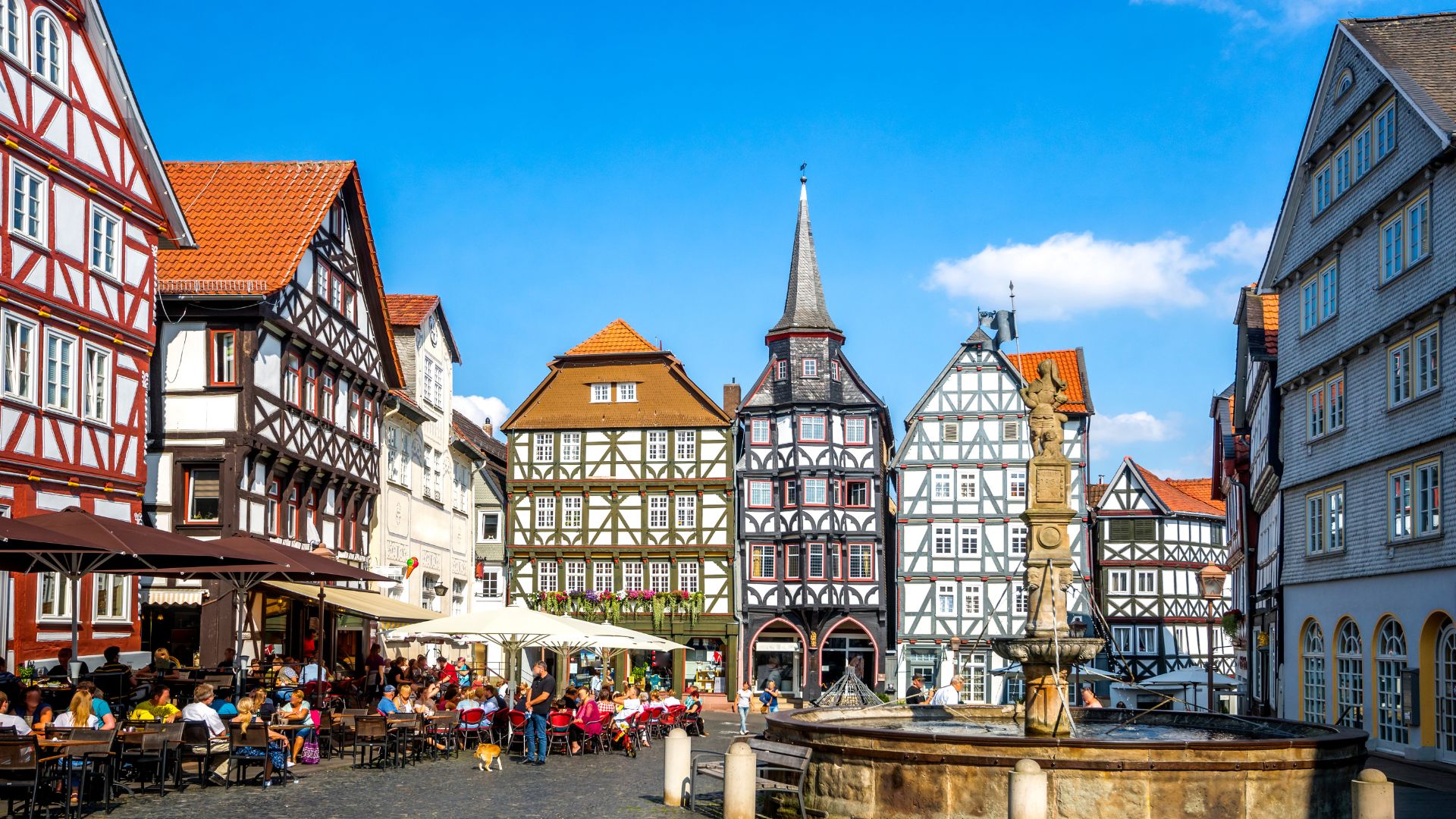
Fritzlar in Hesse sits quietly in the Eder River valley south of Kassel. Its medieval town walls, market square, and half-timbered houses form one of the most complete and unspoiled medieval urban ensembles anywhere in central Germany, yet almost nobody makes the journey here.
The Dom St. Peter, a majestic Romanesque cathedral with origins in the 8th century, is one of the oldest and most important churches in all of Hesse. Its crypt contains remarkable early medieval stonework and a treasury of outstanding religious art accumulated over twelve centuries.
The town’s history connects directly to St Boniface, who famously felled the sacred Thor’s Oak near here in 723 AD. That defining moment in the Christianisation of the Germanic peoples gives Fritzlar a historical significance entirely out of proportion to its modest present-day size.
Things to do in Fritzlar:
- Visit the Dom St. Peter cathedral and its ancient crypt, one of the oldest ecclesiastical spaces in central Germany
- Walk the intact medieval town walls and climb the Grey Tower for views over the wide Eder Valley
- Explore the Marktplatz with its remarkable collection of half-timbered merchants’ houses from multiple centuries
- Visit the Dom Museum treasury, which holds outstanding medieval religious art and ceremonial artefacts
- Hike the surrounding Eder Valley trails through quiet farmland and peaceful forested river corridors nearby
11. Halle (Saale) — Germany’s Most Underrated City
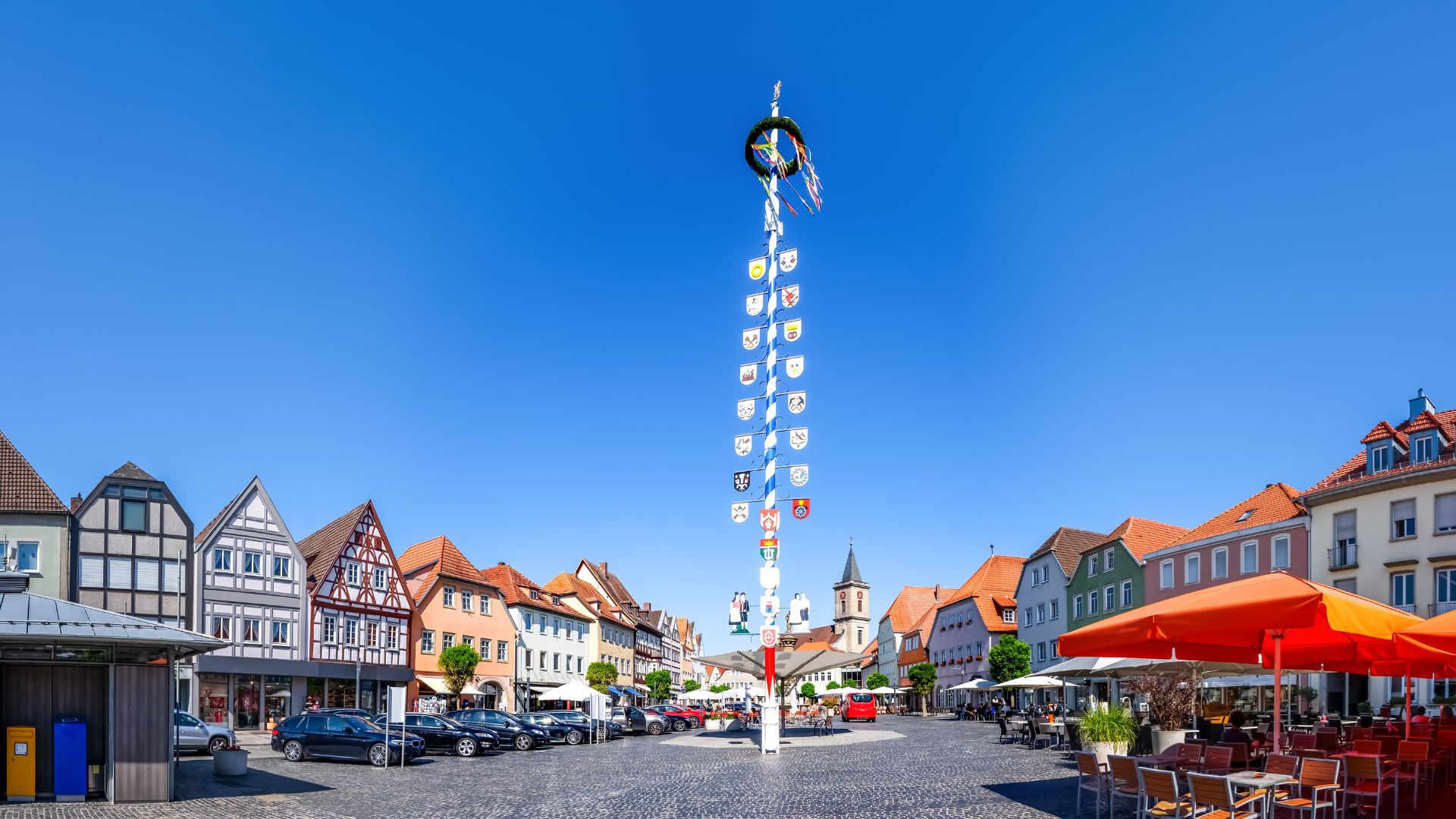
Halle on the Saale River in Saxony-Anhalt is, by almost any measure, Germany’s most underrated city. It is the birthplace of George Frideric Handel and has a musical culture of genuine depth, ambition, and tradition that continues to thrive throughout the city today.
Its old town is large, handsome, and full of character. The market square is anchored by the remarkable five-towered Marktkirche and the famous Red Tower standing beside it, forming one of the most distinctive and dramatic skylines of any medium-sized city in Germany.
Unlike Leipzig and Dresden, Halle has not been heavily marketed to tourists. It retains a completely natural, unpolished energy that makes wandering its streets, cafes, and riverside promenades feel like genuine discovery rather than organised sightseeing from a guidebook.
Things to do in Halle (Saale):
- Visit the Handel House museum in the composer’s beautifully preserved birthplace in the old town centre
- See the Marktkirche and climb the Red Tower for views over the Saale River valley and rooftops
- Explore the Franckesche Stiftungen Baroque educational complex, a remarkable and largely undiscovered UNESCO site
- Tour the Saline Museum to understand Halle’s 2,500-year history as one of Europe’s great salt-producing cities
- Walk the Saale riverside promenade and explore the lively university district full of cafes and independent shops
12. Lindau — Bavaria’s Island Town on Lake Constance
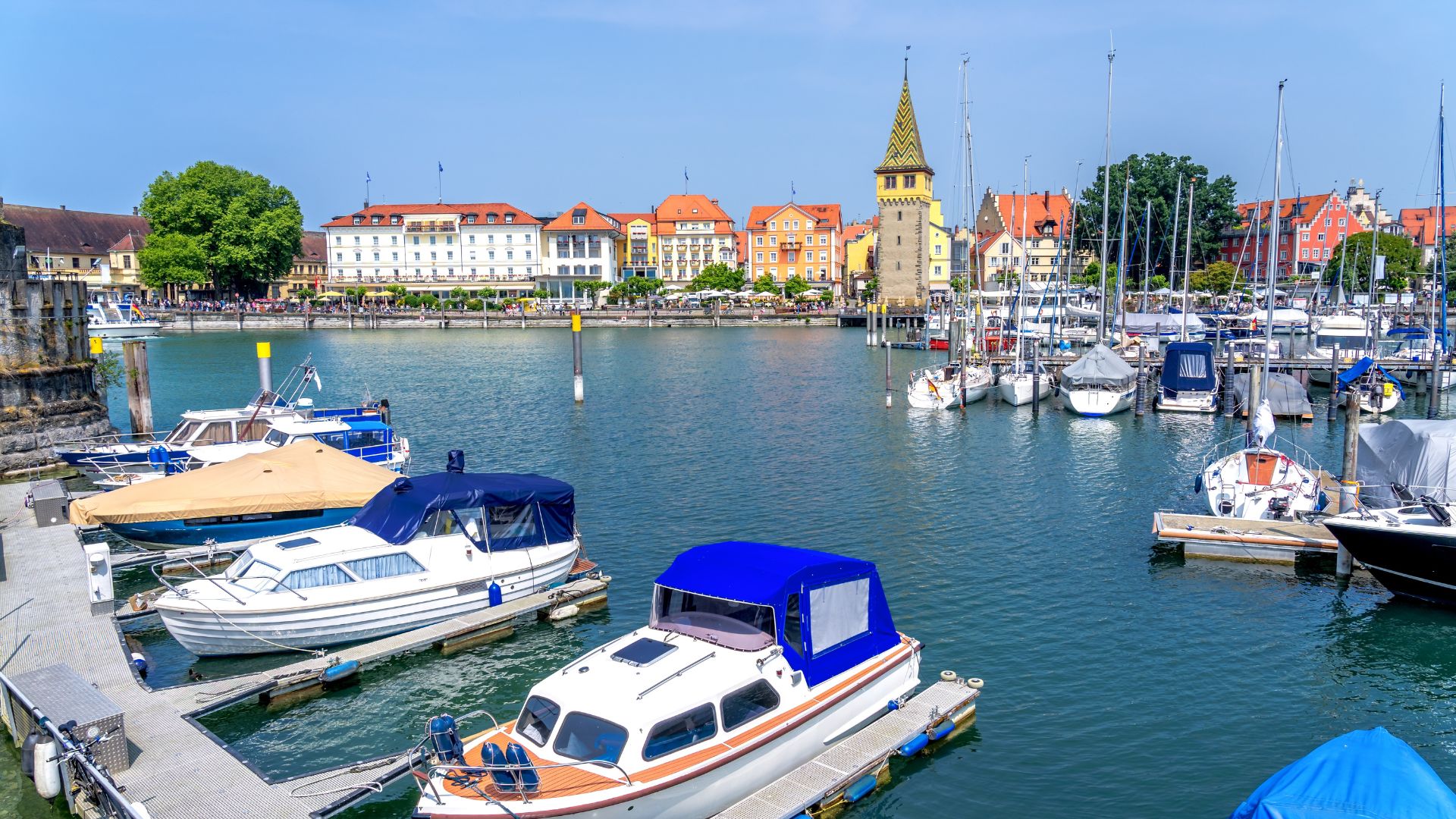
Lindau is a small Bavarian town built almost entirely on an island in Lake Constance, connected to the mainland by a road bridge and a railway causeway. Its historic harbour, guarded by a stone lion and a lighthouse, frames one of the most iconic views in all of Germany.
On clear days, the snow-capped Austrian and Swiss Alps rise above the far shore of the lake in a scene of breathtaking Alpine grandeur. The view from the harbour of Lindau toward the mountains across the water is consistently rated among the most beautiful in the whole country.
The island old town contains the Peterskirche with frescoes attributed to Hans Holbein the Elder, and the Altes Rathaus displays one of Bavaria’s most ornately painted facades. The waterfront promenade is lined with restaurants where visitors eat with an uninterrupted view across the lake.
Things to do in Lindau:
- Walk the harbour promenade and photograph the stone lion and lighthouse with the Alps rising behind them
- Explore the Altes Rathaus and admire its beautifully painted Renaissance facade on the main market square
- Visit the Peterskirche and see the Holbein-attributed frescoes inside this beautifully preserved island church
- Take a ferry across Lake Constance to Bregenz in Austria or Rorschach in Switzerland for a day trip
- Cycle the Lake Constance Cycle Route around the southern shore through Germany, Austria, and Switzerland
13. Münden — Where Three Rivers Meet in a Fairy-Tale Town
Hann. Münden in Lower Saxony sits at the confluence of the Werra and Fulda rivers, which join here to form the mighty Weser. Alexander von Humboldt reportedly called Münden one of the seven most beautifully situated towns in the entire world, and standing above the confluence, you understand exactly why.
The old town contains over 700 half-timbered houses spanning six centuries of construction. This makes it one of the most concentrated and diverse collections of timber-frame architecture anywhere in Germany, ranging from simple Gothic structures to elaborate Renaissance and Baroque examples.
The Welfenschloss castle, the Gothic Blasiuskirche, and the Renaissance Town Hall with its outstanding carved gable complete a remarkably handsome ensemble. Somehow this extraordinary town receives almost no international attention whatsoever, which makes visiting it feel like a genuine personal discovery.
Things to do in Münden:
- Walk to Tanzwerder island at the river confluence for the classic view of all three rivers meeting together
- Explore the old town and observe the centuries of half-timbered house styles evolving from Gothic to Baroque
- Visit the Welfenschloss castle and its local history museum covering the town’s long river trading heritage
- Canoe or kayak on the upper Weser River from Münden through the beautiful valley stretching downstream
- Hike the Tillyschanze hilltop viewpoint trail for a panoramic view over the town and river confluence below
14. Freudenberg — The Black-and-White Village
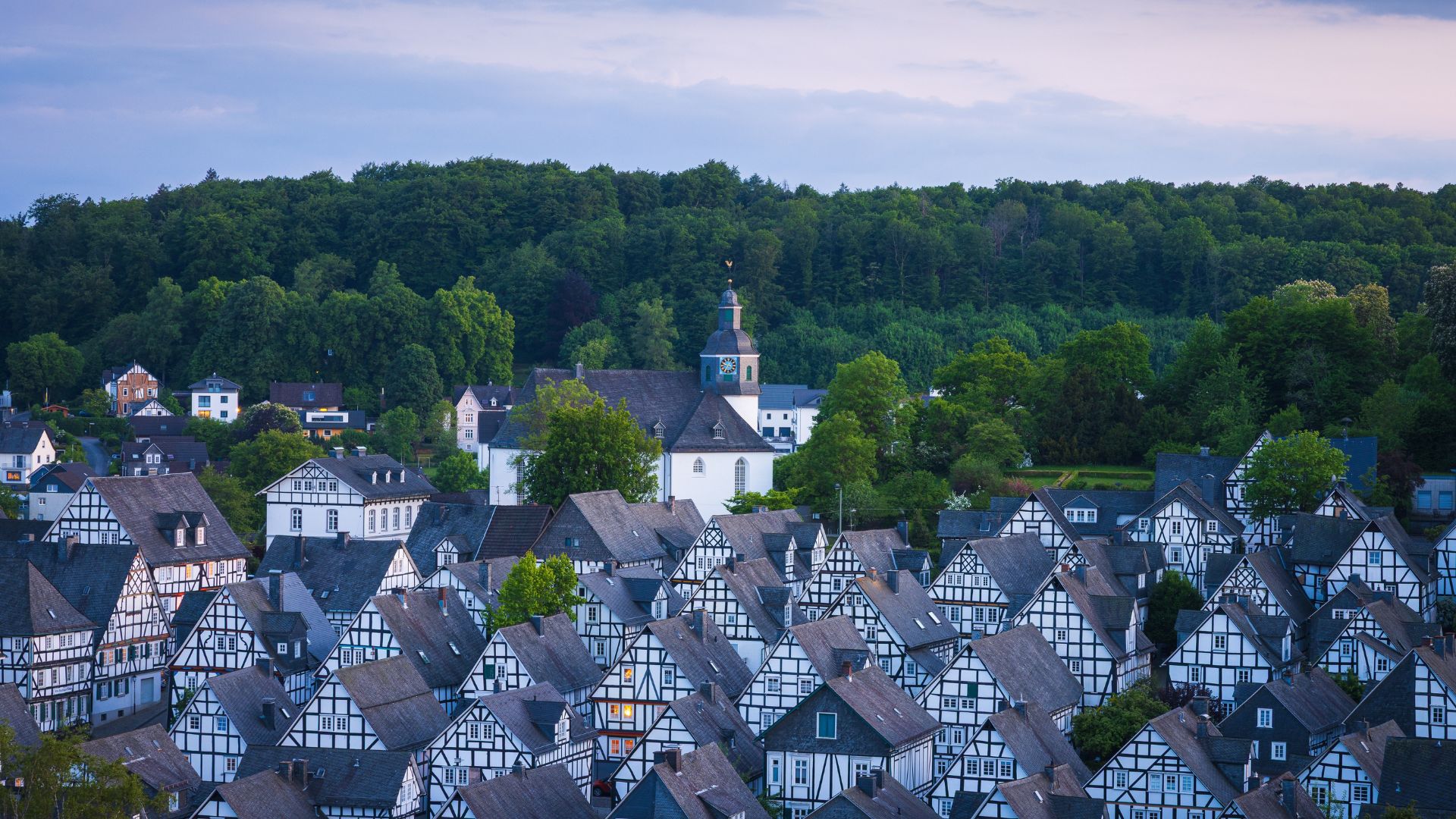
Freudenberg in North Rhine-Westphalia is unlike almost any other town in Germany. Its historic Alter Flecken district consists of identical black-and-white half-timbered houses rebuilt in a single unified style after a catastrophic fire completely destroyed the settlement in 1666.
The result is a neighbourhood of such striking visual uniformity and geometric elegance that it looks more like a stage set than a real inhabited place. Yet people genuinely live there, hanging laundry between the black beams and tending window boxes in what is effectively living vernacular architecture.
The surrounding Siegerland countryside of forested hills and quiet valleys adds further appeal to any visit here. Freudenberg is the kind of discovery that makes you feel as though you have stumbled upon something extraordinary that the rest of the world has somehow entirely overlooked and forgotten about.
Things to do in Freudenberg:
- Walk through Alter Flecken and photograph the extraordinary uniform black-and-white half-timbered streetscapes
- Climb to the viewpoint above the old quarter for an aerial perspective over the geometric grid of houses
- Explore the surrounding Siegerland countryside on hiking and cycling trails through beautifully forested hills
- Visit the Siegerlandmuseum in nearby Siegen to understand the wider iron-making history and culture of the region
- Browse the small artisan shops and local craft studios operating within the historic Alter Flecken buildings
15. Naumburg — Gothic Masterpiece on the Saale
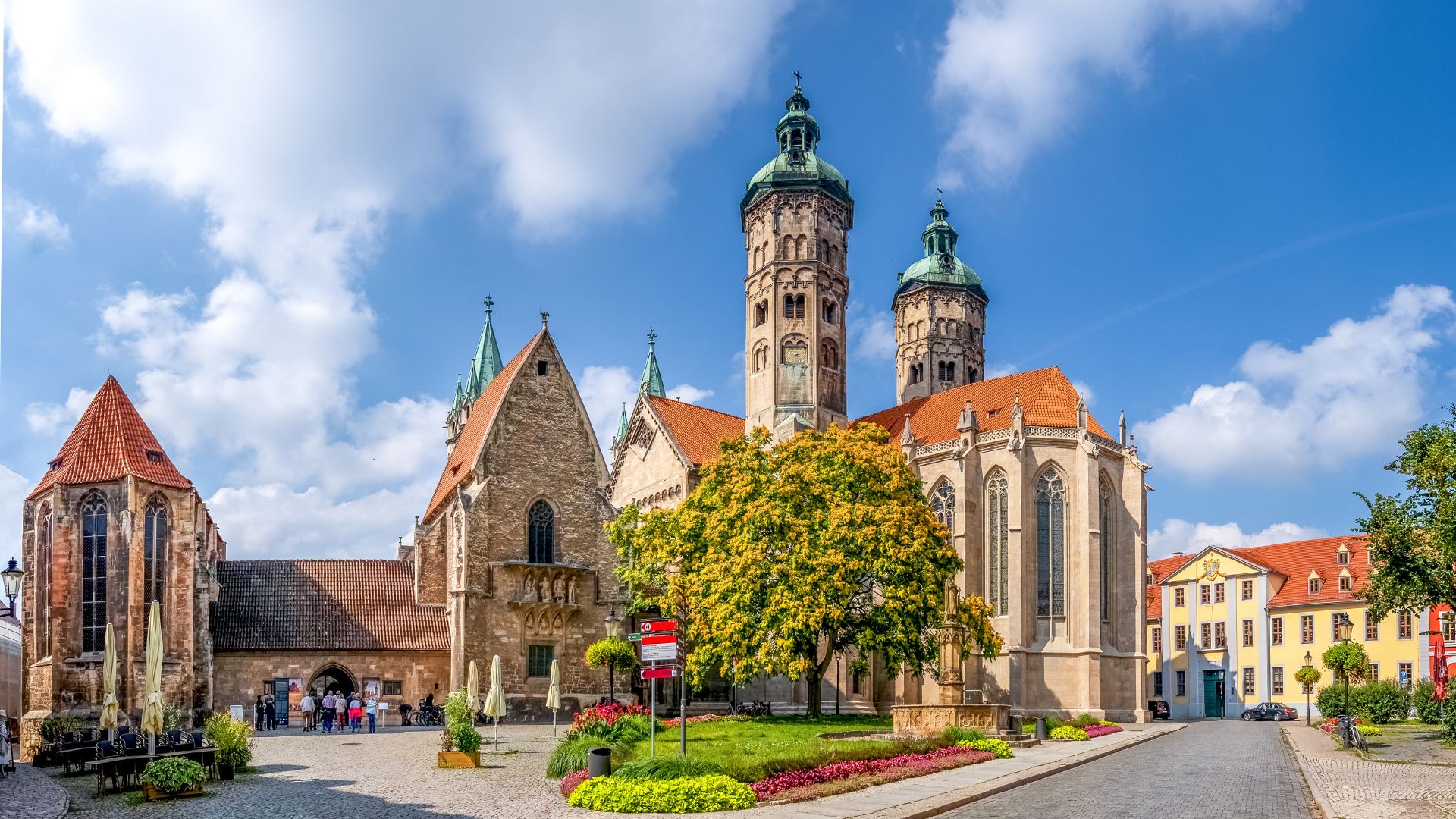
Naumburg in Saxony-Anhalt is home to what many art historians consider the greatest Gothic cathedral in Germany. The Naumburg Cathedral, inscribed as a UNESCO World Heritage Site in 2018, contains the famous Naumburg Master sculptures of extraordinary artistic quality and ambition.
These 13th-century stone founder figures display a realism and psychological expressiveness that seems centuries ahead of their time. The figure of Uta von Ballenstedt in particular is considered one of the absolute masterpieces of medieval European sculpture and draws art lovers from across the world.
Beyond its cathedral, Naumburg is a charming wine town on the Saale Unstrut wine route, Germany’s most northerly wine region. The old town market square, Renaissance town hall, and beautifully preserved historic streetscape make this one of eastern Germany’s most rewarding overnight stops.
Things to do in Naumburg:
- Visit Naumburg Cathedral and spend time with the extraordinary Naumburg Master founder sculptures inside
- Look closely at the Uta figure, widely regarded as one of the finest works of medieval sculpture in all Europe
- Walk the old town market square and explore the Renaissance and Gothic architecture surrounding it throughout
- Follow the Saale Unstrut wine route and taste dry white wines from Germany’s most northerly vineyards
- Take a boat trip on the Saale River through the vineyard-covered valley stretching south of the town
Key Tips to Improve Travel Experiences
Traveling smoothly requires more than just packing bags—it’s about preparation, awareness, and smart planning. Practical travel tips help you navigate destinations efficiently, avoid common pitfalls, and make the most of every journey.
From choosing the right transportation and accommodations to staying safe and managing time, these tips guide travelers through real-world challenges. Applying them ensures stress-free, enjoyable experiences while exploring new places, whether solo, with friends, or on family adventures.
| Category | Details |
| Getting Around | Deutsche Bahn trains reach most destinations; rent a car for Freudenberg and rural Eifel |
| Best Travel Pass | Deutschlandticket at €49/month covers all regional rail and bus travel across Germany |
| Best Time to Visit | May to September for most; December for Gengenbach’s world-famous Advent calendar |
| Accommodation | Local Gasthäuser and small family hotels offer the most authentic experience from €60 per night |
| Food & Drink | Look for Mittagstisch lunch menus for the best value, typically €10–€18 for a full regional meal |
| Planning Tip | Combine two or three destinations in the same region into a single efficient trip itinerary |
Wrapping Up Germany’s Off-the-Radar Destinations
Germany’s off-the-beaten-path destinations share one quality increasingly rare in modern travel: they feel completely real. In towns like Fritzlar, Bautzen, and Freudenberg, you encounter everyday German life as it is actually lived, not packaged for tourist consumption.
Every destination on this list offers something genuinely distinctive. Ahrweiler has its wine and Roman ruins. Hiddensee has its car-free silence. Naumburg has breathtaking medieval sculpture. Passau has three rivers and a pipe organ that fills a cathedral with extraordinary sound.
None of these places are difficult to reach, none require special planning, and all of them will reward you with memories that outlast a dozen afternoons queuing to see Neuschwanstein. Go off the beaten path in Germany — the country is at its absolute best when it thinks nobody is watching.
Hi, I’m Preeti Negi, a content writer who loves mixing creativity with smart strategy.
I have 3 years of experience writing about travel, digital marketing, and study abroad topics. I create content that is easy to read, engaging, and designed to connect with people while also performing well on Google.
When I’m not writing, I enjoy exploring new trends, learning new things, and thinking about fresh ideas for my next piece.
