

Germany’s coffee and cake culture is deeply embedded, socially significant, and genuinely pleasurable, representing more than an afternoon snack. It functions as a cherished daily ritual connecting generations, strengthening bonds, and providing a structured, protected pause in the day.
The tradition of Kaffee und Kuchen occurs between three and five in the afternoon. Rooted in 18th-century coffee house culture, it has evolved over three centuries into one of Germany’s most beloved, universally practiced social institutions throughout every region of the country.
Understanding German coffee and cake culture requires appreciating the Konditorei, the specialist cake shop. It is more than a bakery or café, serving as a social institution with rules, aesthetics, service rituals, and a vast range of regional cake specialties.
International visitors approaching this culture with curiosity discover extraordinary richness — from Schwarzwälder Kirschtorte in the Black Forest to Bienenstich in the Rhine Valley, Frankfurter Kranz in the Main region, and Dresdner Baumkuchen of Saxony. Exploration rewards with Europe’s finest cakes.
Please note that this article contains affiliate links. Learn more about it on our Disclosure page. We use ads to support our small business – we hope you don’t mind them too much.
The History of German Coffee and Cake Culture
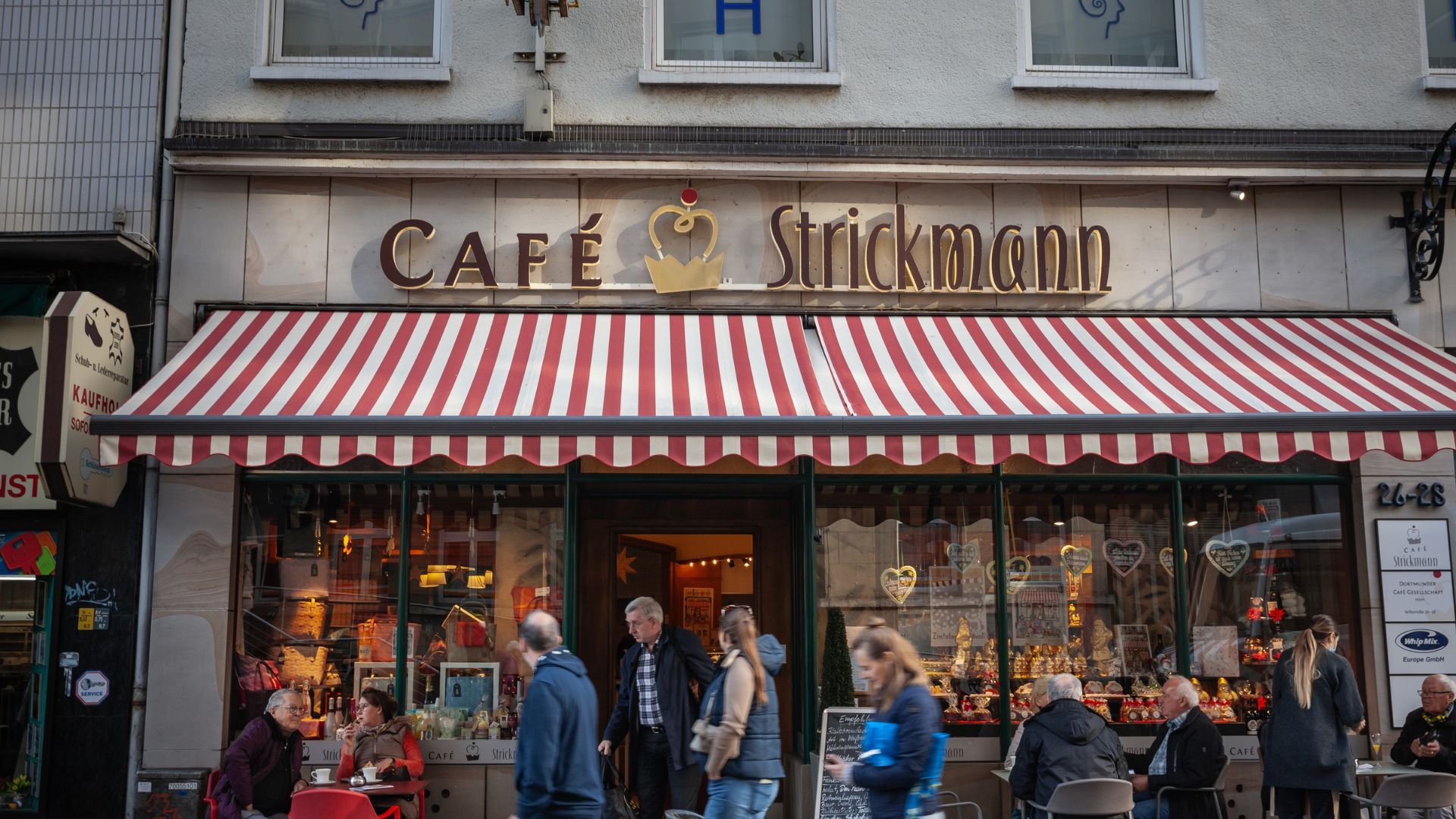
The history of German coffee and cake culture is a fascinating story of tradition, ritual, and social connection. It reflects lifestyle, shared experiences, and cultural values, forming a beloved and enduring part of daily life.
From 18th Century Coffee Houses to Modern Konditorei
Coffee arrived in Germany during the 17th century, first through Hamburg and Bremen, brought by Ottoman-trading merchants. It quickly spread as coffee houses became intellectual and social hubs, shaping German urban life in the early modern period.
In 1777, Prussian King Frederick the Great tried to suppress coffee, promoting beer instead and claiming coffee harmed health and prosperity. Despite his manifesto, Germans enthusiastically embraced the beverage, and royal attempts to curb it ultimately failed across the states.
The Konditorei emerged as a distinct institution in 19th-century German cities. Specialist confectioners developed elaborate cream cakes, tortes, and pastries, requiring dedicated facilities and expertise far beyond standard bread baking, meeting growing urban demand for refined sweets.
The post-war economic boom of the 1950s transformed coffee and cake culture. Rising incomes, stable routines, and the tradition’s comforting social role made Kaffee und Kuchen a near-universal daily practice, continuing unchanged after reunification.
Kaffee und Kuchen: The Sacred Afternoon Ritual
Kaffee und Kuchen is more than a simple snack; it is a cherished daily ritual in Germany, offering a structured pause, fostering social connection, and reflecting a cultural tradition that spans generations and regions.
Understanding Germany’s Most Beloved Daily Tradition
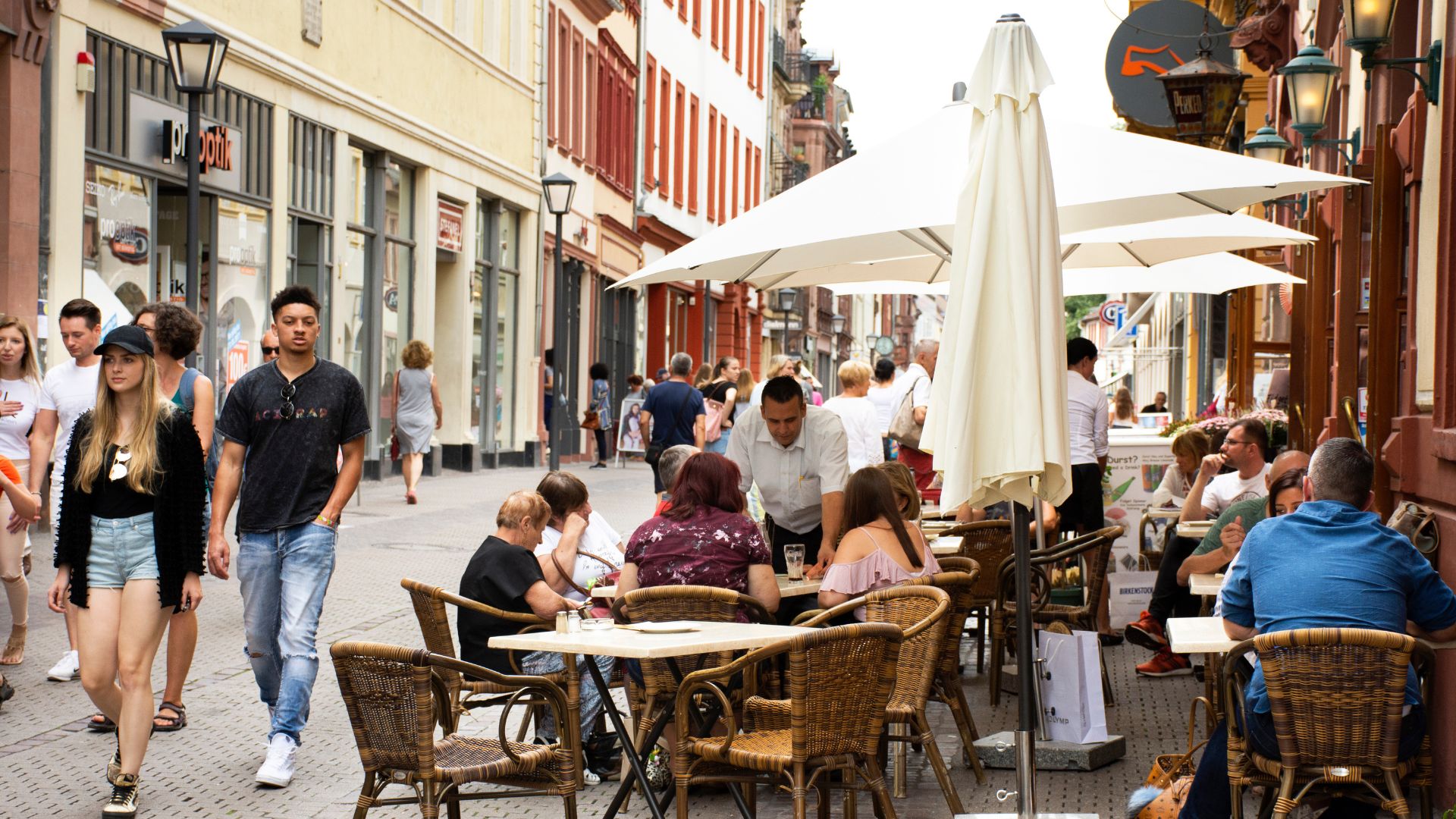
The Kaffee und Kuchen tradition is observed between approximately three and five in the afternoon throughout Germany, a time window that is taken seriously enough that dedicated terminology exists for the practice — Kaffeestunde meaning coffee hour — and that represents a genuine pause in the working and domestic day rather than a casual snack throughout the German calendar.
The social function of Kaffee und Kuchen extends far beyond nutrition, serving as the primary format for informal social visits between friends and family in German domestic culture, where inviting guests for Kaffee und Kuchen is the most common and most comfortable form of home entertaining throughout the German social calendar.
The hosting of Kaffee und Kuchen at home follows well-established conventions that include the use of proper coffee cups and saucers rather than mugs, the serving of at least two different cake varieties to provide genuine choice for guests, the availability of both regular and decaffeinated coffee options, and the presentation of cake on proper plates with appropriate cake forks throughout the serving ritual.
Sunday Kaffee und Kuchen is the most elaborate and most socially significant expression of the tradition, often involving extended family gatherings where multiple generations sit together over coffee and the finest homemade or Konditorei-purchased cakes, creating a social ritual that has remained essentially unchanged across multiple generations of German family life throughout the country.
The Kaffee und Kuchen hosting guide:
| Element | Standard | Formal/Sunday | Notes |
| Coffee type | Filter coffee | Filter plus espresso option | Fresh ground preferred |
| Cups | Porcelain cups and saucers | Best china throughout | Never mugs for guests |
| Cake varieties | 2 minimum | 3–4 varieties | Homemade highly valued |
| Cake plates | Individual plates | Best china | Cake fork essential |
| Cream | Whipped cream served separately | Schlagsahne in bowl | Guest adds own |
| Sugar | On table throughout | Sugar bowl with tongs | Refined sugar cubes |
| Milk | Available | Available | Warm milk preferred |
| Napkins | Paper acceptable | Cloth napkins | Formal occasions |
The Konditorei: Germany’s Cake and Coffee Institution
The Konditorei is more than a bakery or café in Germany; it is a revered institution, blending craftsmanship, social tradition, and regional specialties, serving as the cultural home of the country’s beloved coffee and cake rituals.
The Physical Home of German Coffee and Cake Culture
The Konditorei is Germany’s specialist cake shop and café, distinguished from a standard bakery by its focus on elaborate cream cakes, tortes, and pastries requiring professional skills, alongside seating where customers enjoy selections with coffee.
The finest Konditoreien showcase pastry artistry with immaculate multi-layered tortes, precisely decorated cream cakes, perfect petit fours, and seasonal specialties. Display cases reflect regional and seasonal cake traditions, highlighting Germany’s extraordinary variety and craftsmanship throughout the year.
Service follows a structured, pleasurable ritual: customers are seated, guided to menus or displays, served coffee with a biscuit, and then receive their cake on proper plates with cutlery. Extended, unhurried visits are culturally encouraged and socially accepted.
What distinguishes a great Konditorei:
| Quality Indicator | What to Look For | Red Flags |
| Display case | Freshly made, immaculate presentation | Dried-out cakes, few options |
| Cream quality | Fresh whipped Sahne throughout | UHT cream from can |
| Cake variety | Minimum 10–15 varieties | Limited selection |
| Regional specialities | Local traditional cakes featured | Generic international only |
| Service | Attentive, knowledgeable staff | Rushed, uninformed service |
| Coffee quality | Fresh ground, correct temperature | Stale or bitter coffee |
| Atmosphere | Comfortable, welcoming, unhurried | Rushed turnover culture |
| Seasonal rotation | Menu changes with seasons | Same selection year-round |
German Coffee: What to Order and How to Order It
German coffee culture offers a variety of beverages, each with distinct preparation and presentation. Understanding what to order and how to order it, enhances the authentic café experience while enjoying Germany’s cherished Kaffee und Kuchen tradition.
Understanding Germany’s Coffee Vocabulary
German coffee culture has its own vocabulary, preferred preparations, and service conventions that differ from Italian, French, and British traditions. Understanding these distinctions enhances the experience before approaching a Konditorei counter or café anywhere in Germany.
Filter coffee — Filterkaffee — remains central to German coffee culture, surprising visitors from espresso-dominant countries. Many traditional Konditoreien serve primarily filter coffee from large thermos jugs, with espresso offered as a secondary option rather than the main beverage.
The preference for filter coffee reflects historical tradition and an appreciation for its softer, nuanced flavor. Italian espresso and third-wave coffee trends now coexist with filter coffee, creating a German café landscape where both traditions complement each other beautifully.
Complete German coffee vocabulary:
| German Name | English Description | Served With | Notes |
| Filterkaffee | Drip filter coffee | For a stronger preference | The traditional standard |
| Kännchen Kaffee | Small pot of filter coffee | Milk and sugar | Approximately 2 cups |
| Verlängerter | Long black — diluted espresso | Nothing | Austrian influence |
| Schwarzer | Black filter coffee | Nothing | No milk requested |
| Milchkaffee | Coffee with hot milk — half and half | — | Breakfast standard |
| Cappuccino | Italian-style espresso and foam | — | Widely available |
| Latte Macchiato | Tall layered milk and espresso | — | Very popular |
| Espresso | Single shot | Small chocolate | Widely available |
| Doppelter Espresso | Double espresso shot | — | For stronger preference |
| Mokka | Very strong filter or espresso style | — | Regional variation |
| Pharisäer | Coffee with rum and cream | Whipped cream | North German speciality |
| Rüdesheimer Kaffee | Coffee with Asbach brandy and cream | Flamed brandy | Rhine Valley speciality |
| Wiener Melange | Coffee with milk foam — Viennese style | — | Austrian influence |
| Einspänner | Espresso topped with whipped cream | — | Viennese tradition |
How to order coffee in a German Konditorei:
- Ich hätte gerne ein Kännchen Kaffee — I would like a small pot of filter coffee
- Einen Cappuccino bitte — A cappuccino please
- Können Sie mir die Tortenauswahl zeigen — Can you show me the cake selection
- Mit Sahne bitte — With cream please
- Ohne Milch bitte — Without milk please
- Die Rechnung bitte — The bill please
Germany’s Greatest Cakes: A Complete Regional Guide
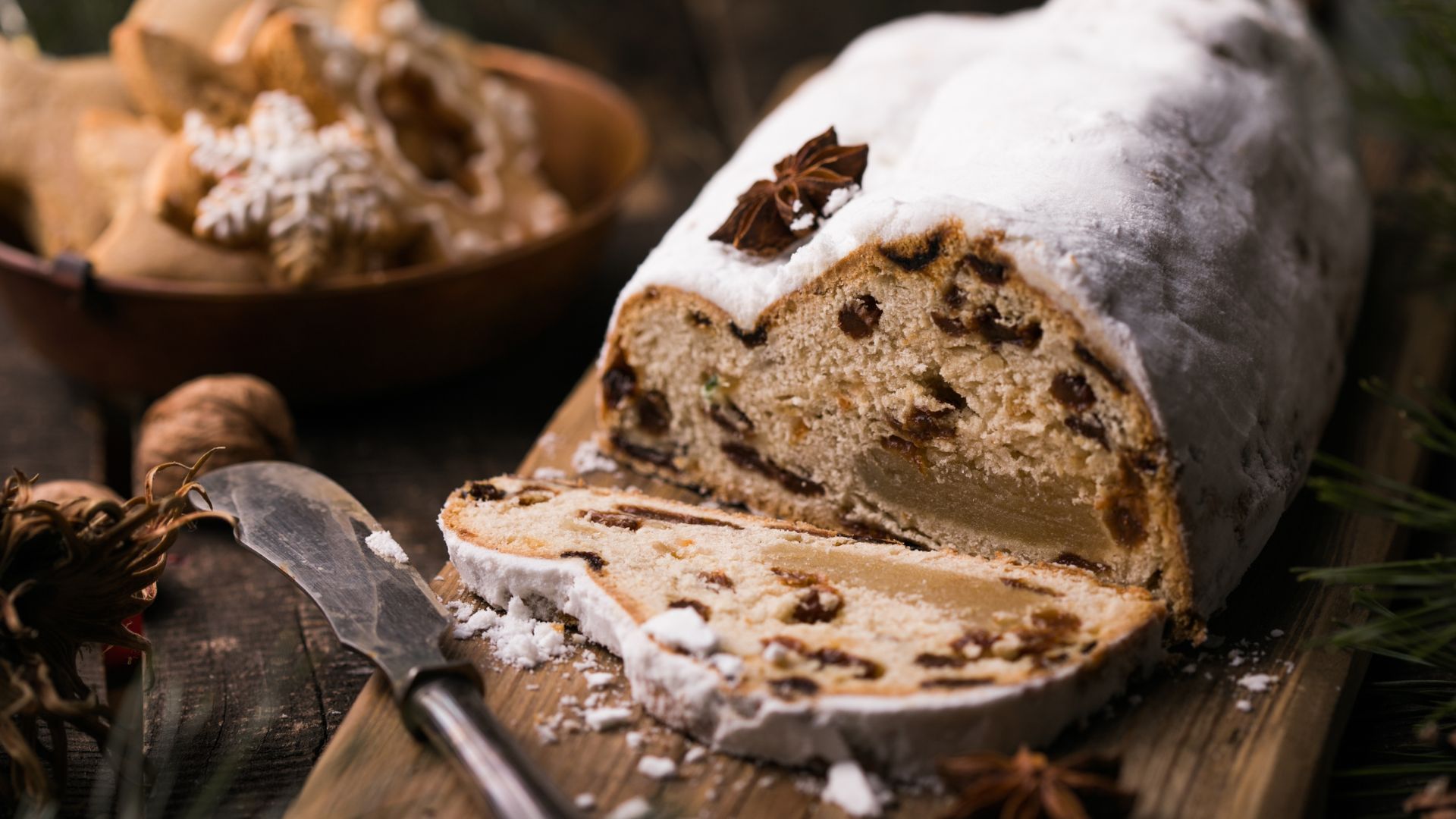
Germany is renowned for its extraordinary variety of cakes, each region offering unique specialties. From Black Forest tortes to Saxon Baumkuchen, exploring these iconic desserts reveals the country’s rich culinary heritage and cherished regional traditions.
The Schwarzwälder Kirschtorte: Germany’s Most Famous Cake
The Schwarzwälder Kirschtorte is Germany’s most internationally recognised cake, made of chocolate sponge layers soaked with Kirschwasser cherry schnapps, filled with fresh Morello cherries and Schlagsahne whipped cream, decorated with cream rosettes, chocolate shavings, and cherries.
Its origins are debated among Black Forest regions, but the cake is strongly associated with Baden-Württemberg’s Schwarzwald. The finest versions are in local Konditoreien, using fresh Schwarzwälder Kirschen cherries and locally produced Kirschwasser, providing unmatched quality throughout the summer season.
An authentic Schwarzwälder Kirschtorte must meet legally defined Kirschwasser requirements. This distinguishes it from dried supermarket imitations. Many visitors who thought they disliked the cake discover a completely different, exceptional experience in a quality Black Forest Konditorei.
Schwarzwälder Kirschtorte authentic quality indicators:
- Visible Kirschwasser aroma and flavour throughout the sponge layers
- Fresh rather than preserved Morello cherries throughout the filling
- Freshly whipped rather than stabilised or artificial cream throughout
- Dark chocolate shavings covering the exterior generously and evenly
- Minimum three sponge layers with cream and cherry filling between each layer
- Served the same day as assembly for maximum freshness throughout
The Frankfurter Kranz: Frankfurt’s Crown Jewel
The Frankfurter Kranz is a ring-shaped buttercream cake of extraordinary richness created in Frankfurt and said to represent the crown of the Holy Roman Empire, of which Frankfurt was the coronation city for centuries, making it one of Germany’s most historically resonant regional cake creations throughout its regional tradition.
The cake consists of a ring-shaped Rührkuchen sponge split into three layers and filled with Buttercreme — a rich German buttercream made with egg yolks and butter rather than the American version — often incorporating a layer of Gelee fruit preserve, covered in more buttercream throughout the exterior, and encrusted with Krokant — caramelised nut brittle — covering the entire surface in a distinctive amber coating.
The Frankfurter Kranz is one of the most technically demanding German cakes to produce well, requiring a Buttercreme of exactly the right consistency and flavour, a Krokant of precise caramelisation, and an assembly technique that maintains the ring’s structural integrity through the multiple cream filling layers throughout the construction process.
The Bienenstich: The Bee Sting Cake
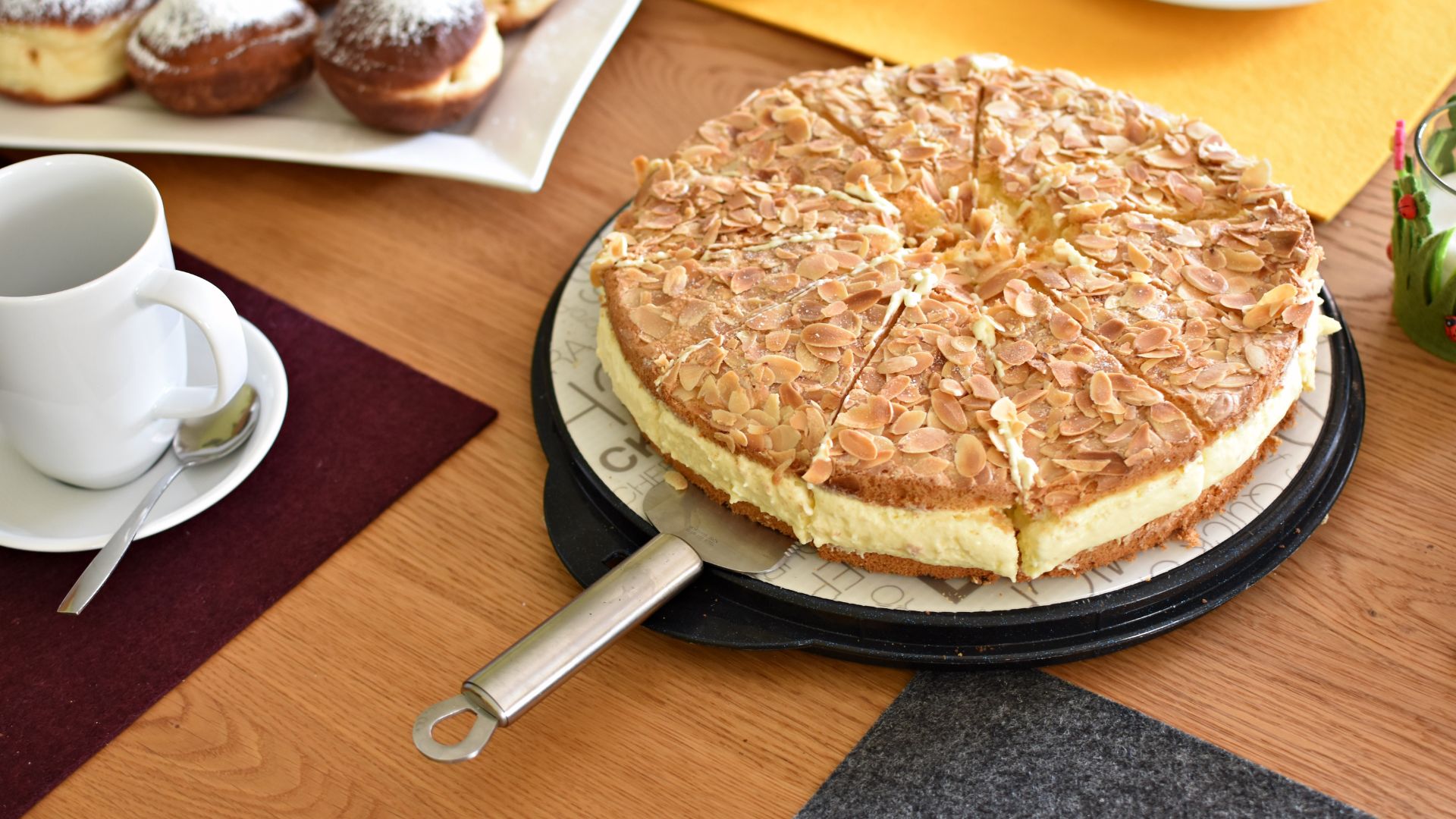
The Bienenstich is one of Germany’s most beloved and most widely distributed cakes, a yeasted dough base topped with a caramelised honey and almond crust that gives the cake its name — bee sting — and filled with a generous layer of vanilla Buttercreme or Pudding cream throughout its simple but enormously satisfying construction.
The cake’s name derives from a medieval legend involving bees attracted to the honey topping that stung the bakers who created the original version, a charming story whose historical accuracy is uncertain but whose attachment to this particular cake has proved remarkably durable throughout the centuries of German baking tradition.
The Bienenstich demonstrates that German cake culture encompasses not just elaborate tortes requiring professional skill but honest, generously proportioned cakes whose pleasure comes from the quality of their few components and the careful balance between the sweet almond crust, the enriched dough, and the cool cream filling throughout the eating experience.
The Dresdner Baumkuchen: Saxony’s Architectural Cake
The Baumkuchen is Germany’s most technically extraordinary cake, a layered creation whose distinctive ring pattern when sliced is created by an extraordinary production method involving the application of successive thin batter layers to a rotating spit over an open heat source, with each layer cooked to golden perfection before the next is applied throughout the production process.
A genuine Baumkuchen of exceptional quality may contain between fifteen and twenty-five individual layers applied over several hours of continuous production, creating a cake of remarkable density, richness, and structural complexity that is unlike any other baked product in the German repertoire throughout its extraordinary manufacturing tradition.
Dresden is considered the spiritual home of Baumkuchen production in Germany, with the city’s confectionery heritage providing the context for some of the finest examples of this remarkable cake, and the experience of eating freshly produced Baumkuchen at a Dresden Konditorei represents one of the genuinely unmissable cake experiences available anywhere in Germany throughout the year.
The Donauwelle: The Danube Wave Cake
The Donauwelle, meaning Danube wave, is one of Germany’s most visually distinctive and most widely beloved everyday cakes, a marble-patterned sheet cake of chocolate and vanilla sponge with a layer of sour Morello cherries embedded in the base, covered with chocolate Buttercream and finished with a wave pattern of dark chocolate coating that gives the cake its evocative name throughout Germany.
The combination of the tart Morello cherries with the rich chocolate cream and the marble sponge creates a flavour balance that makes the Donauwelle one of the most satisfying and most universally appealing cakes in the German repertoire, accessible to children and adults alike, and appearing at birthday celebrations, office cake days, and Kaffee und Kuchen gatherings throughout the country.
The Donauwelle is one of the cakes most frequently made at home by German bakers, with the recipe appearing in virtually every comprehensive German baking book and the result being sufficiently achievable for confident home cooks that homemade versions are common throughout the domestic Kaffee und Kuchen tradition.
The Blechkuchen: Germany’s Great Everyday Cake Tradition
The Blechkuchen — sheet pan cake — represents the everyday backbone of German home baking culture, a category encompassing dozens of regional and family varieties that share the common format of a large rectangular yeasted or sponge base topped with seasonal fruit, streusel crumble, cream, or combinations throughout the German baking calendar.
The Pflaumenkuchen plum cake appears throughout Germany in late summer when Italian prune plums reach their peak, while the Erdbeerkuchen strawberry cake defines early summer, the Zwiebelkuchen onion harvest cake marks autumn, and the Apfelkuchen apple cake carries the warm spice notes of autumn and winter throughout the seasonal baking cycle.
Germany’s essential Blechkuchen varieties:
| Cake | Season | Key Ingredient | Regional Home |
| Pflaumenkuchen | Late summer | Italian prune plums | Nationwide |
| Erdbeerkuchen | Early summer | Fresh strawberries | Nationwide |
| Apfelkuchen | Autumn-winter | Regional apples | Nationwide |
| Zwiebelkuchen | Autumn | Fresh onions | Rhineland, Palatinate |
| Streuselkuchen | Year-round | Butter crumble | Rhineland, North Germany |
| Käsekuchen | Year-round | Quark fresh cheese | Nationwide |
| Mohnkuchen | Year-round | Poppy seed filling | Eastern Germany |
| Hefezopf | Year-round | Enriched yeast dough | Nationwide |
The Käsekuchen: Germany’s Essential Cheesecake
The German Käsekuchen is fundamentally different from American cheesecake, using Quark rather than cream cheese as its primary filling ingredient to create a cake that is simultaneously lighter, more acidic, more delicate in texture, and more complex in flavour than its transatlantic equivalent throughout the German cheesecake tradition.
The Quark filling of a genuine German Käsekuchen creates a characteristic texture that is neither as dense as cream cheese cheesecake nor as airy as a soufflé but occupies a specific and entirely satisfying middle territory that Germans consider superior to all international cheesecake variants throughout the domestic cake culture.
Regional variations throughout Germany include the Berliner Käsekuchen with its shortcrust pastry base, the Rhine-style version with a yeasted base and raisin-studded filling, and the Thüringer Quarkkuchen with its characteristic split and puffed surface that results from a higher egg content throughout the eastern German cheesecake tradition.
Regional Cake Specialities Across Germany
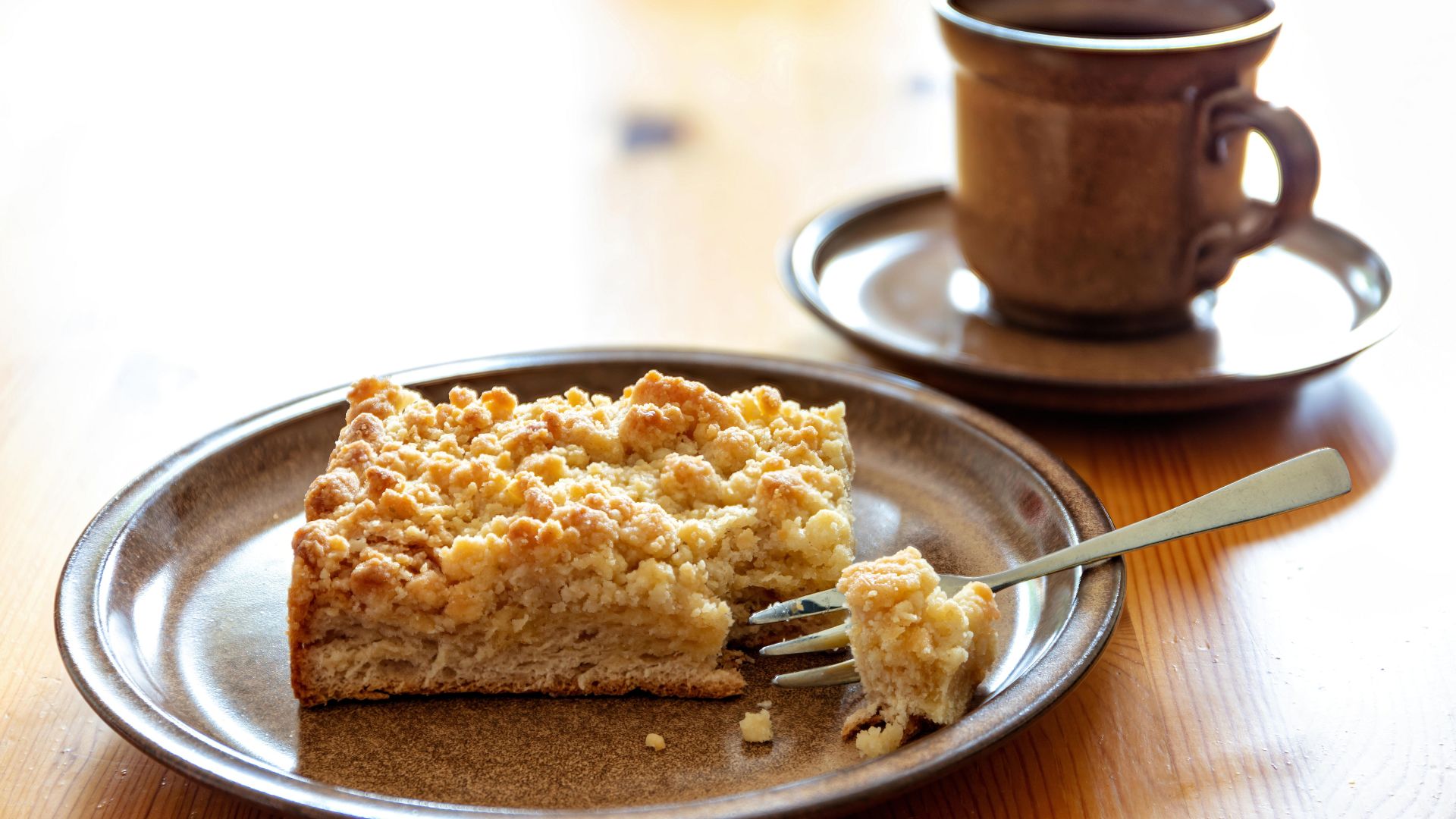
Germany’s regions each boast distinctive cake specialties, reflecting local ingredients, traditions, and culinary artistry. Exploring these desserts reveals the diversity of German baking, from the delicate Bienenstich to the elaborate Dresdner Baumkuchen, celebrated throughout the country.
A Complete Regional Cake Map
Germany’s regional cake specialities:
| Region | Signature Cake | Key Ingredients | Best Location |
| Black Forest | Schwarzwälder Kirschtorte | Kirschwasser, cherries, cream | Baden-Württemberg Konditoreien |
| Frankfurt | Frankfurter Kranz | Buttercreme, Krokant | Frankfurt Sachsenhausen |
| Dresden | Baumkuchen, Eierschecke | Multiple layers, Quark | Dresden Altmarkt Konditoreien |
| Bavaria | Prinzregententorte | Seven sponge layers, chocolate | Munich Viktualienmarkt area |
| Rhineland | Berliner Brot | Dark gingerbread style | Cologne Konditorei |
| Hamburg | Hamburger Rote Grütze | Red berry compote | Hamburg Konditorei |
| Berlin | Berliner Pfannkuchen | Fried doughnut, jam | Berlin Konditorei and bakeries |
| Swabia | Schwarzwälder | Cherry and cream variations | Stuttgart region |
| Thuringia | Thüringer Mohnstriezel | Poppy seed roll | Erfurt and Weimar |
| Palatinate | Pfälzer Weinschaum | Wine cream cake | Neustadt an der Weinstraße |
| North Germany | Rote Grütze Torte | Berry compote layers | Hamburg, Bremen |
| Saxony | Dresdner Stollen | Fruit, marzipan, spice | Dresden December |
The Prinzregententorte: Bavaria’s Architectural Masterpiece
The Prinzregententorte is Bavaria’s most ambitious and most architecturally impressive regional cake, created in honour of Prince Regent Luitpold of Bavaria in 1886 and consisting of seven thin layers of Biskuit sponge filled with six layers of chocolate Buttercreme and covered in a dark chocolate glaze that creates one of the most dramatic cross-section presentations in the entire German cake repertoire.
The seven sponge layers, each baked separately and assembled with precision, are said to represent the seven districts of Bavaria, connecting the cake firmly to its regional identity and making it a source of genuine Bavarian pride that appears in the finest Munich Konditoreien and throughout the broader Bavarian cake culture throughout the year.
The Berliner Pfannkuchen: Berlin’s Street Food Cake
The Berliner Pfannkuchen, known simply as Berliner throughout most of Germany but called Pfannkuchen in Berlin itself, in a linguistic curiosity that amuses Germans from other regions, is a deep-fried yeasted doughnut filled with jam or custard and dusted with powdered sugar that represents Germany’s most beloved and most widely consumed single-portion cake throughout the country.
The Berliner is simultaneously Germany’s most democratic cake — sold from every bakery and petrol station throughout the country — and a source of genuine quality distinction, with the finest versions from traditional Berlin bakeries using Schmalz lard rather than vegetable oil for frying to produce a crust of incomparable flavour throughout the eating experience.
The Kaffeeklatsch: Germany’s Social Coffee Tradition
The Kaffeeklatsch is a cherished German social tradition where friends and family gather for coffee, cake, and conversation. It fosters connection, strengthens bonds, and celebrates the cultural ritual of sharing moments over Kaffee und Kuchen.
Understanding the Cultural Significance of Coffee Gatherings
The Kaffeeklatsch — literally “coffee gossip” — is the domestic expression of German coffee and cake culture. Friends, neighbors, or family gather at home, enjoying fine cake while socializing in a relaxed, structured afternoon ritual.
Despite the literal gossip implication, Kaffeeklatsch conveys warmth and sociability. The serving ritual provides a comfortable framework for conversation, combining the pleasures of coffee and cake with easy, affectionate interaction that defines this cherished German social tradition.
Hosting a Kaffeeklatsch carries cultural expectations: homemade cake is preferred, coffee quality reflects the host, and proper tableware signals respect for tradition. While younger generations participate less, the practice remains strong among older Germans and in smaller towns.
Germany’s Best Konditoreien: City by City Guide
Germany’s finest Konditoreien showcase the country’s rich pastry tradition, offering exceptional cakes, tortes, and coffee experiences. Exploring them city by city reveals regional specialties, local craftsmanship, and the unique atmosphere that makes each establishment a cultural landmark.
Where to Experience the Finest German Coffee and Cake
Munich’s finest Konditoreien:
| Konditorei | Location | Signature | Notes |
| Café Luitpold | Brienner Straße | Prinzregententorte | Historic — opened 1888 |
| Confiserie Rottenhöfer | Residenzstraße | Bavarian specialities | Royal warrant tradition |
| Café Frischhut | Prälat-Zistl-Straße | Schmalznudeln | Viktualienmarkt institution |
| Café Rischart | Marienplatz | Full Bavarian range | Central location |
| Confiserie Hollnagel | Leopoldstraße | Fine tortes | Schwabing institution |
Berlin’s finest Konditoreien:
| Konditorei | Location | Signature | Notes |
| Café Josty | Potsdamer Platz | Berlin classics | Historic revival |
| Buchwald | Bartningallee | Baumkuchen | Berlin’s Baumkuchen specialist |
| Konditorei Müggelschlösschen | East Berlin | Eastern German tradition | Traditional eastern cakes |
| Café Einstein Stammhaus | Kurfürstenstraße | Viennese tradition | Austrian coffee house style |
| Fassbender und Rausch | Charlottenstraße | Chocolate specialities | Chocolate focus |
Hamburg’s finest Konditoreien:
| Konditorei | Location | Signature | Notes |
| Café Leonar | Rotherbaum | Hamburg classics | Institution since 1920s |
| Konditorei Lindtner | Heimhuder Straße | Full range | Hamburg tradition |
| Café Paris | Rathausstraße | French-German fusion | Historic building |
| Schweizer Konditorei | Eppendorf | Swiss-German tradition | North Hamburg favourite |
Seasonal Cake Culture Throughout the German Year
Germany’s cake culture changes with the seasons, reflecting local ingredients, festivals, and traditions. From spring fruit tarts to Christmas stollen, exploring seasonal cakes reveals how German Konditoreien celebrate nature, holidays, and culinary artistry throughout the year.
How Germany’s Cake Calendar Follows the Seasons
Germany’s cake culture is deeply seasonal in a way that reflects the country’s strong connection to agricultural cycles, religious calendar observances, and regional harvest traditions that collectively create a cake calendar of remarkable variety and genuine excitement throughout the twelve months of the year.
Germany’s seasonal cake calendar:
| Season | Cakes and Pastries | Occasion | Notes |
| Advent/Christmas | Stollen, Lebkuchen, Spekulatius | Weihnachten | December focus |
| New Year | Berliner Pfannkuchen | Silvester | January 1st tradition |
| Carnival | Krapfen, Berliner, Faschingskrapfen | Karneval | February celebration |
| Easter | Osterzopf, Osterlamm, Hefezopf | Ostern | Spring enriched bread cakes |
| Spring | Rhabarber Kuchen | Rhubarb season | April to June |
| Early summer | Erdbeerkuchen | Strawberry season | May to July |
| Midsummer | Kirschkuchen, Johannisbeerkuchen | Cherry, berry season | June to August |
| Late summer | Pflaumenkuchen, Heidelbeerkuchen | Plum, blueberry | August to October |
| Autumn | Zwiebelkuchen, Apfelkuchen | Harvest season | September to November |
| Winter | Spekulatius, Zimtsterne | Christmas preparation | November to December |
Practical Guide: Visiting a German Konditorei
Visiting a German Konditorei is both a culinary and cultural experience. Understanding ordering etiquette, seating customs, coffee choices, and regional cake specialties ensures a smooth, enjoyable visit while fully appreciating Germany’s cherished coffee and cake tradition.
What to Expect and How to Behave
Visiting a German Konditorei for the first time is a pleasurable experience that is enhanced by understanding the conventions, the etiquette, and the practical procedures that govern the experience and distinguish it from the more casual café culture found elsewhere throughout Europe.
The complete Konditorei visit guide:
| Stage | What Happens | Your Action |
| Entry | Wait to be seated in seated establishments | Follow the server, settle comfortably |
| Seating | Server shows you to a table | The server shows you to a table |
| Menu | Presented with menu or shown display case | Study options without rushing |
| Display case | Browse the cake selection directly | Ask server to accompany you |
| Ordering | Server takes order at table | Order coffee first, then cake |
| Service | Coffee arrives first, then cake | Wait for everything before starting |
| Payment | Pay when ready — not rushed | Ask for Rechnung bitte |
| Duration | No time pressure — linger freely | Enjoy at genuine leisure |
Essential Konditorei vocabulary:
- Welche Torten empfehlen Sie heute — Which cakes do you recommend today
- Ist die Sahne frisch geschlagen — Is the cream freshly whipped
- Haben Sie eine Tageskarte — Do you have a daily cake menu
- Ich möchte gerne probieren — I would like to try
- Einmal Käsekuchen und einen Filterkaffee — One cheesecake and a filter coffee
- Mit Schlagsahne — With whipped cream
- Die Torte zum Mitnehmen bitte — The cake to take away please
German Home Baking: The Domestic Cake Tradition
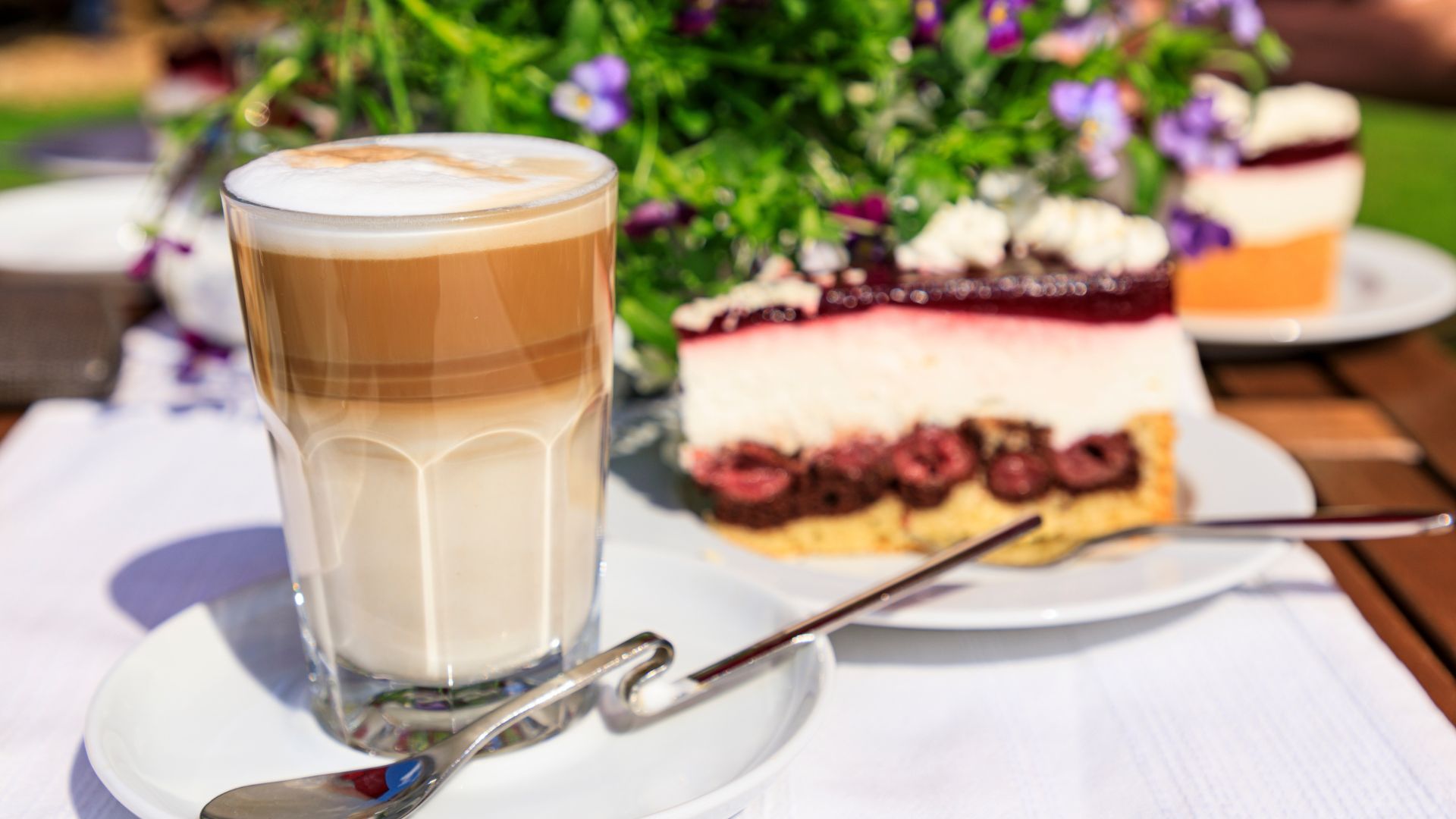
German home baking is a treasured domestic tradition, where families prepare cakes and pastries with care. It reflects regional recipes, seasonal ingredients, and the cultural importance of sharing homemade treats over coffee with family and friends.
Backen as a Cultural Expression
German home baking culture is among the most developed in Europe, with a tradition of domestic cake making that extends far beyond occasional weekend baking into a regular and genuinely skilled practice that produces the homemade cakes served at Kaffeeklatsch gatherings, birthday celebrations, and Sunday Kaffee und Kuchen throughout the German home.
The German baking book, Backbuch, is one of the most important categories of domestic reference literature in the country, with titles like Dr. Oetker’s Backen macht Freude having sold tens of millions of copies over decades of continuous publication and remaining the essential reference for generations of German home bakers throughout the country.
German home baking equipment reflects the seriousness with which the tradition is taken, with quality stand mixers, proper Springform baking tins in multiple sizes, Kuchenblech sheet pans, and specialist equipment for Baumkuchen and other technically demanding cakes all considered normal domestic kitchen equipment throughout Germany.
The tradition of bringing homemade cake to offices, schools, and community gatherings — Kuchen mitbringen — creates a regular expectation of high-quality domestic baking throughout German working and community life that motivates consistent skill development among German home bakers throughout the country.
Essential German home baking equipment:
| Equipment | German Name | Use | Importance |
| Springform tin | Springform | Most tortes and Käsekuchen | Essential |
| Sheet pan | Kuchenblech | Blechkuchen, streusel cakes | Essential |
| Bundt pan | Gugelhupfform | Gugelhupf, Baumkuchen | Important |
| Stand mixer | Küchenmaschine | Creaming, mixing | Highly recommended |
| Piping bag | Spritzbeutel | Decoration, cream application | Important |
| Cake ring | Tortenring | Layered torte assembly | Professional technique |
| Rotating stand | Drehteller | Cake decoration | Professional technique |
Frequently Asked Questions
What is Kaffee und Kuchen in Germany? Kaffee und Kuchen is Germany’s beloved afternoon coffee and cake tradition, typically observed between three and five in the afternoon and functioning as both a daily personal pleasure and the most common format for informal social gatherings in German domestic culture. The tradition involves proper filter coffee served in cups and saucers alongside one or more cake varieties presented on proper plates with cake forks throughout the sitting.
What is the difference between a Konditorei and a Bäckerei? A Bäckerei is a bread bakery producing primarily bread, rolls, and simple pastries for everyday consumption, while a Konditorei is a specialist cake and pastry establishment with professional confectionery skills, an elaborate display case of fresh tortes and cream cakes, and typically a seating area where customers enjoy coffee and cake service throughout the afternoon hours.
What is Germany’s most famous cake? The Schwarzwälder Kirschtorte Black Forest cherry cake is Germany’s most internationally recognised cake, but within Germany the most universally beloved everyday cake is arguably the Käsekuchen Quark cheesecake or the Bienenstich bee sting cake, both of which appear throughout the country in endless variations throughout the domestic and professional baking tradition.
Is German coffee culture similar to Italian or Austrian coffee culture? German coffee culture is distinct from both, placing significantly greater emphasis on filter coffee than Italian espresso culture while sharing with Austrian Viennese café culture a love of elaborate cream cakes and an appreciation for the unhurried café sitting. German Konditoreien have been influenced by both Austrian and French confectionery traditions while developing a distinctive domestic cake repertoire that is uniquely German throughout its regional variety.
When is the best time to visit a German Konditorei? The traditional Kaffee und Kuchen afternoon window of three to five is the optimal time for the full Konditorei experience, when the establishment is at its most socially animated, the full cake range is available, and the serving ritual is observed with its proper unhurried pace. Weekend visits particularly on Sunday afternoons offer the most elaborate and most celebratory version of the experience throughout the German calendar.
Final Thoughts
Germany’s coffee and cake culture is a living tradition of extraordinary richness, connecting daily personal pleasure with deep social meaning in a way that reveals as much about German values — quality, craftsmanship, unhurried enjoyment, and the importance of regular social connection — as any other aspect of the country’s remarkable cultural heritage throughout every region.
Seek out the finest Konditorei in every German city you visit, order the regional speciality with a Kännchen fresh filter coffee, and allow yourself the unhurried afternoon that this magnificent tradition genuinely deserves throughout your German experience.
Hi, I’m Preeti Negi, a content writer who loves mixing creativity with smart strategy.
I have 3 years of experience writing about travel, digital marketing, and study abroad topics. I create content that is easy to read, engaging, and designed to connect with people while also performing well on Google.
When I’m not writing, I enjoy exploring new trends, learning new things, and thinking about fresh ideas for my next piece.
