

Walking into a German restaurant without understanding its unwritten rules is like arriving at a formal occasion in casual clothes — not catastrophic, but immediately noticeable and entirely avoidable with a small amount of preparation beforehand throughout your visit.
German dining culture operates on a set of social conventions that are neither difficult to learn nor unreasonable to follow, but which differ significantly enough from British, American, and Australian dining norms to catch unprepared visitors off guard throughout their German travels.
The rewards of understanding these conventions extend well beyond avoiding embarrassment. German restaurant staff respond visibly and warmly to visitors who demonstrate even basic familiarity with local dining customs, creating a qualitatively different and considerably more enjoyable dining experience throughout.
This complete guide covers every aspect of German restaurant etiquette from the moment you approach the door through to the final payment, providing the practical knowledge that transforms a potentially confusing dining experience into a genuinely comfortable and culturally authentic one throughout Germany.
Please note that this article contains affiliate links. Learn more about it on our Disclosure page. We use ads to support our small business – we hope you don’t mind them too much.
Before You Enter — Reservations and Arrival
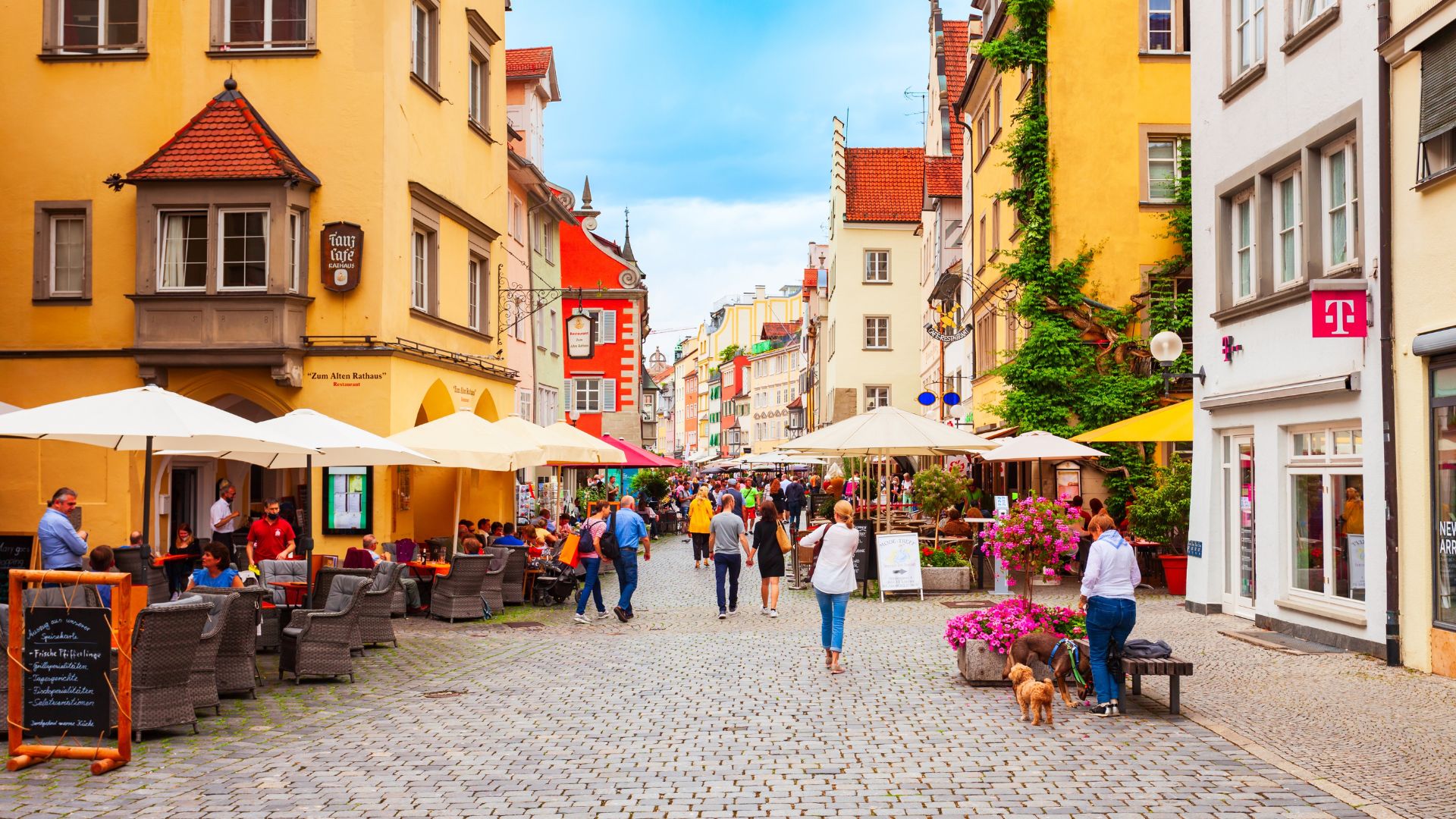
Making a reservation at a German restaurant is not merely advisable for popular establishments — it is a fundamental expression of respect for the restaurant’s planning, its kitchen’s preparation, and the time of the staff who will serve you throughout your visit.
German restaurants, particularly traditional Gasthof establishments and quality mid-range restaurants, operate with a level of operational precision that depends on knowing their covers in advance. Walking in without a reservation during a busy period and expecting immediate accommodation is considered presumptuous throughout Germany.
The reservation itself carries an implicit commitment that German dining culture takes seriously. Cancelling with less than 24 hours notice without contacting the restaurant is considered poor form and at finer establishments may result in a cancellation fee being charged to your provided card throughout Germany.
Arriving on time for your reservation is expected rather than merely appreciated throughout German dining culture. German punctuality conventions apply in restaurant settings as firmly as they do in professional and social contexts throughout every region of the country.
Reservation etiquette essentials:
- Book by telephone rather than online, where possible — personal contact is preferred at traditional establishments
- Confirm your reservation the morning of your visit for bookings at quality restaurants throughout Germany
- Cancel with a minimum of 24 hours’ notice to avoid cancellation fees at better establishments
- Arrive within five minutes of your booked time — arriving late without calling ahead is considered disrespectful
- Specify dietary requirements, celebrations, and seating preferences at the time of booking throughout
- Group bookings of six or more always require a reservation at virtually every German restaurant
Being Seated — The Crucial First Moments
The single most important rule of German restaurant etiquette that consistently catches international visitors off guard is the expectation that you wait to be seated rather than choosing your own table upon entering the establishment throughout Germany.
Standing at the entrance and waiting for a staff member to acknowledge and seat you is the correct behaviour in virtually every German restaurant above the level of a casual Imbiss snack bar. Walking directly to a table and sitting down without acknowledgement is considered presumptuous and mildly rude throughout the country.
The correct approach is to make eye contact with the nearest available staff member, smile pleasantly, and indicate your party size either verbally or with a gesture. The staff member will then indicate or escort you to an appropriate available table throughout the establishment.
At casual establishments, beer gardens, and market restaurants where self-seating is clearly the norm, the opposite applies. Waiting to be seated in these contexts creates confusion and suggests unfamiliarity with the more informal setting throughout German casual dining culture.
Seating situation guide:
| Establishment Type | Correct Behaviour | Incorrect Behaviour |
| Traditional Gasthof | Wait at entrance for seating | Choosing your own table |
| Fine dining restaurant | Wait and be escorted | Any form of self-seating |
| Beer garden self-service | Wait at the entrance for seating | Seat yourself at an uncovered table |
| Beer garden table service | Sitting at a tablecloth table alone | Waiting for the staff to seat you |
| Casual café | Usually self-seating — observe | Wait for the tablecloth table |
| Christmas market stall | Self-seating always | Waiting unnecessarily |
In Munich’s traditional beer halls and beer gardens, the distinction between table-service sections with tablecloths and self-service sections without tablecloths is critically important. Sitting at a tablecloth-covered table in the self-service area is a significant breach of beer garden etiquette throughout Bavaria.
The Stammtisch — The Reserved Regular’s Table
Every traditional German restaurant, Gasthof, and Kneipe bar maintains at least one Stammtisch, a reserved table for the establishment’s regular customers who gather there habitually, often on specific days of the week at specific times throughout the year.
The Stammtisch is typically marked by a sign on the table, often decorative and sometimes quite elaborate, that reads Stammtisch or Reserviert für Stammgäste. Sitting at a Stammtisch as a non-regular is one of the most significant social faux pas a visitor can commit in a traditional German establishment.
The Stammtisch tradition dates back centuries and represents far more than a practical seating arrangement. It is a social institution that provides community, continuity, and belonging to the regular customers who have built their social lives around that specific table in that specific establishment throughout their lives.
If you accidentally sit at a Stammtisch before realising your mistake, simply apologise politely, stand immediately, and allow yourself to be redirected to an appropriate table by the staff. German restaurant workers will handle this situation graciously and without lasting embarrassment throughout the interaction.
Greeting and Acknowledging Staff
German restaurant culture places a specific value on mutual acknowledgement between staff and guests that goes beyond the transactional greeting customs of many other countries and reflects a broader German cultural expectation of direct, respectful human interaction throughout every context.
The correct greeting upon entering any German restaurant is a clear and audible Guten Morgen, Guten Tag, or Guten Abend, depending on the time of day, directed toward any staff member who makes eye contact with you throughout your arrival at the establishment.
This greeting is not optional politeness — it is an expected social signal that you have arrived, that you acknowledge the staff as people deserving of direct greeting, and that you are a guest who understands the basic conventions of German social interaction throughout the dining experience.
Responding clearly and warmly to any greeting directed at you by restaurant staff is equally expected throughout Germany. A mumbled or ignored greeting is considered dismissive in German social culture and sets an immediately poor tone for the entire dining interaction that follows.
Standard German restaurant greetings by time:
| Time of Day | Correct Greeting | Response |
| After 6 pm | Guten Morgen | Guten Morgen |
| 11 am until 6 pm | Guten Tag | Guten Tag |
| After 6pm | Guten Abend | Guten Abend |
| Any time informal | Hallo | Hallo |
| Leaving | Auf Wiedersehen | Auf Wiedersehen |
| Informal leaving | Tschüss | Tschüss |
Reading the Menu and Ordering
German restaurant menus are typically presented in German, even in cities with significant international tourism, and the ability to at least recognise the major dish categories and food terminology significantly enhances the ordering experience throughout Germany.
The Tageskarte or Tagesmenü, the daily specials board or menu, is one of the most important elements of German restaurant eating culture and should always be consulted before ordering from the main menu. Daily specials represent the kitchen’s freshest ingredients and often the best value throughout the establishment.
The Mittagstisch, the lunch special offered between approximately eleven-thirty and two-thirty at most traditional German restaurants, typically consists of a main course with soup or salad and occasionally dessert at a significantly reduced price compared with the evening menu throughout Germany.
Signalling that you are ready to order in a German restaurant requires making clear and sustained eye contact with your server rather than raising your hand, calling out, or clicking fingers, all of which are considered rude and overly demanding throughout German dining culture.
Key German menu terminology:
| German Term | English Meaning | Category |
| Vorspeise | Starter | First course |
| Hauptgericht | Main course | Second course |
| Nachspeise / Dessert | Dessert | Final course |
| Beilagen | Side dishes | Accompaniments |
| Tagessuppe | Soup of the day | Daily special |
| Tageskarte | Daily specials menu | Seasonal dishes |
| Mittagstisch | Lunch special | Value midday meal |
| Hausgemacht | Homemade | Quality indicator |
| Vom Grill | From the grill | Cooking method |
| Saisonale Küche | Seasonal cooking | Ingredient-led menu |
Bread, Water, and Extras — What Is Free and What Is Not
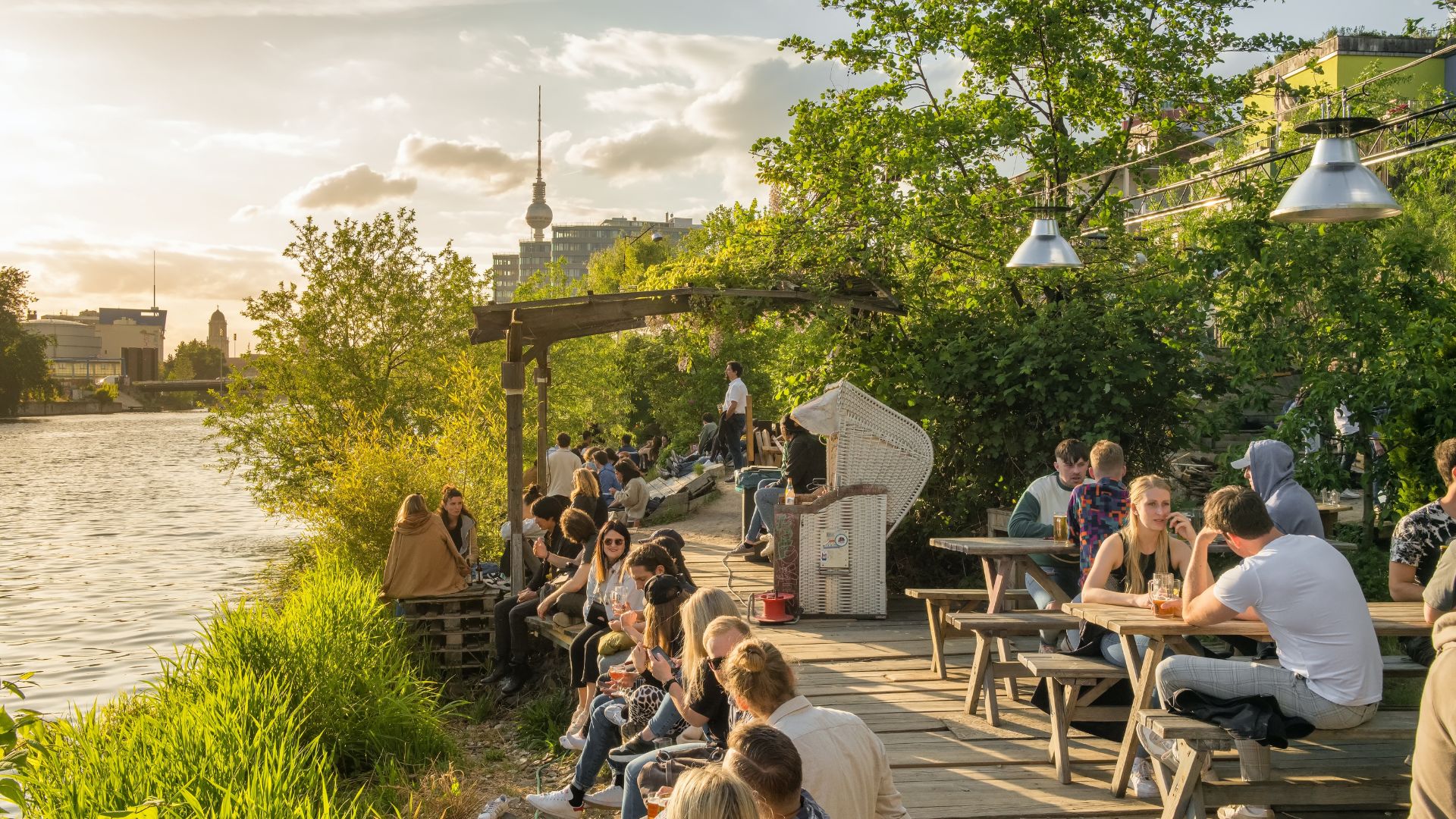
One of the most consistent sources of surprise and occasional frustration for international visitors dining in Germany is the discovery that certain items they assumed were complimentary are actually charged for as standard practice throughout German restaurant culture.
Bread brought to the table in a German restaurant is almost never free unless specifically stated otherwise or unless it arrives as part of a set menu. The bread basket carried to your table by a well-meaning server represents an additional charge that will appear on your final bill throughout most German restaurant establishments.
If you do not wish to be charged for bread, the correct approach is to decline it politely by saying nein danke when it is offered or by specifying kein Brot bitte before it arrives at your table. Once bread has been placed and you have consumed it, the charge applies throughout Germany.
Tap water is almost never served automatically at German restaurant tables, and requesting it requires specifically asking for Leitungswasser throughout Germany. Servers will typically offer still or sparkling mineral water as the default beverage suggestion, both of which are charged items on the bill.
What is typically charged versus complimentary:
| Item | Typically Charged | Typically Free |
| Bread basket | Yes — almost always | Always when provided by the kitchen |
| Tap water | Often — varies by establishment | Some establishments provide free |
| Mineral water | Yes — always | Never |
| Condiments | No — always free | Always |
| Service charge | No — tipping is separate | Always |
| Table cover charge | Rarely | Most establishments |
| Amuse-bouche | No — if offered it is free | No — if offered, it is free |
Table Manners During the Meal
German table manners follow Central European conventions that are in many ways more formally observed than in Anglo-American dining culture and reflect a broader cultural value placed on the meal as a deliberate, respectful social occasion throughout Germany.
The phrase Guten Appetit is said by someone at the table before eating begins, most often by the host, a staff member bringing the food, or the first person at the table to be served. The correct response is Danke, gleichfalls, meaning thank you, likewise, rather than the simple Danke that suffices in other contexts.
Waiting until all members of your party have been served before beginning to eat is standard practice throughout Germany and is observed more strictly than in many other countries. Beginning your meal while companions are still waiting for their food is considered inconsiderate throughout German dining culture.
The knife and fork are held European-style throughout the meal with the fork in the left hand and the knife in the right, and switching the fork between hands after cutting, as is customary in American dining culture, is considered awkward and unnecessarily fussy throughout German restaurant settings.
Essential German table manners rules:
- Keep both hands visible above the table throughout the meal — hands in the lap is considered poor form
- Do not begin eating until everyone at the table has been served, and Guten Appetit has been said
- Hold cutlery in the European continental style throughout the entire meal without switching hands
- Do not speak with food in your mouth — this is considered very poor form throughout Germany
- Resting cutlery means the fork and knife are placed diagonally across the plate with handles at the lower right
- Finished cutlery position is fork and knife parallel on the right side of the plate, handles downward
Signalling During the Meal
The ability to communicate your needs to restaurant staff without causing disruption, appearing demanding, or using culturally inappropriate signals is one of the finer arts of German restaurant etiquette that distinguishes the genuinely comfortable international diner from the still-learning visitor throughout Germany.
Making eye contact with your server is the primary and most appropriate method of attracting attention throughout a German restaurant meal. When your server glances toward your table, a slight nod, a brief raise of the hand to approximately shoulder height, or a polite Entschuldigung excuse at conversational volume is entirely appropriate.
Never click your fingers, whistle, tap a glass, or call out Hallo or Ober in a German restaurant. These behaviours are considered disrespectful to staff throughout Germany and create an immediate negative impression that affects the remainder of your dining experience throughout the visit.
The word Herr Ober, Mr. Waiter, was the traditional German form of address for a male server and is still occasionally used in older establishments. In modern German restaurant culture, the preferred approach is simply Entschuldigung directed toward any server whose attention you have successfully caught throughout the meal.
Correct signals for different dining situations:
| Situation | Correct Signal | Incorrect Signal |
| Attract server attention | Eye contact and slight hand raise | Clicking fingers or whistling |
| Ready to order | Eye contact and menu closed | Calling out across the restaurant |
| Request the bill | Catching eye and miming writing | Waving repeatedly or calling |
| Something is wrong | Eye contact and a slight hand raise | Complaining loudly at the table |
| Pause between courses | Polite Entschuldigung to the server | Pushing the plate to the side or away |
| Finished the course | Cutlery resting on a plate diagonally | Any other cutlery position |
Splitting the Bill — Getrennt or Zusammen
The question of how to pay at a German restaurant is one of the areas of German dining etiquette most divergent from international practice and one that requires specific understanding to navigate smoothly and without creating unnecessary awkwardness at the end of what has been a pleasant meal.
Germany has a strong and entirely normalised culture of each person paying their own share of a restaurant bill, a practice so common that the question Zusammen oder getrennt, together or separately, is asked as a matter of course by servers at the end of virtually every multi-person restaurant meal throughout the country.
Splitting the bill individually in Germany carries absolutely no social stigma whatsoever and is not considered mean, awkward, or unsociable. It is simply the standard default expectation for most informal restaurant meals between friends, colleagues, and acquaintances throughout Germany.
When splitting, each person states what they ordered and pays their individual amount, including their personal tip, directly to the server. The server manages each transaction in sequence, which requires slightly more patience than a single combined payment, but is an entirely normal and accepted procedure throughout Germany.
Bill-paying scenarios and correct procedures:
| Scenario | German Phrase | Procedure |
| Paying separately | Getrennt bitte | Each person pays their own amount |
| Paying together | Zusammen bitte | One person pays total for the group |
| One person treating | Ich zahle für alle | Each item is listed separately |
| Point to the item and ask politely | Eine Einzelabrechnung bitte | Requesting an itemised bill |
| Querying an item | Entschuldigung, was ist das? | Ask before the server assumes cash only |
| Paying by card | Kann ich mit Karte zahlen? | Ask before server assumes cash only |
Tipping in German Restaurants
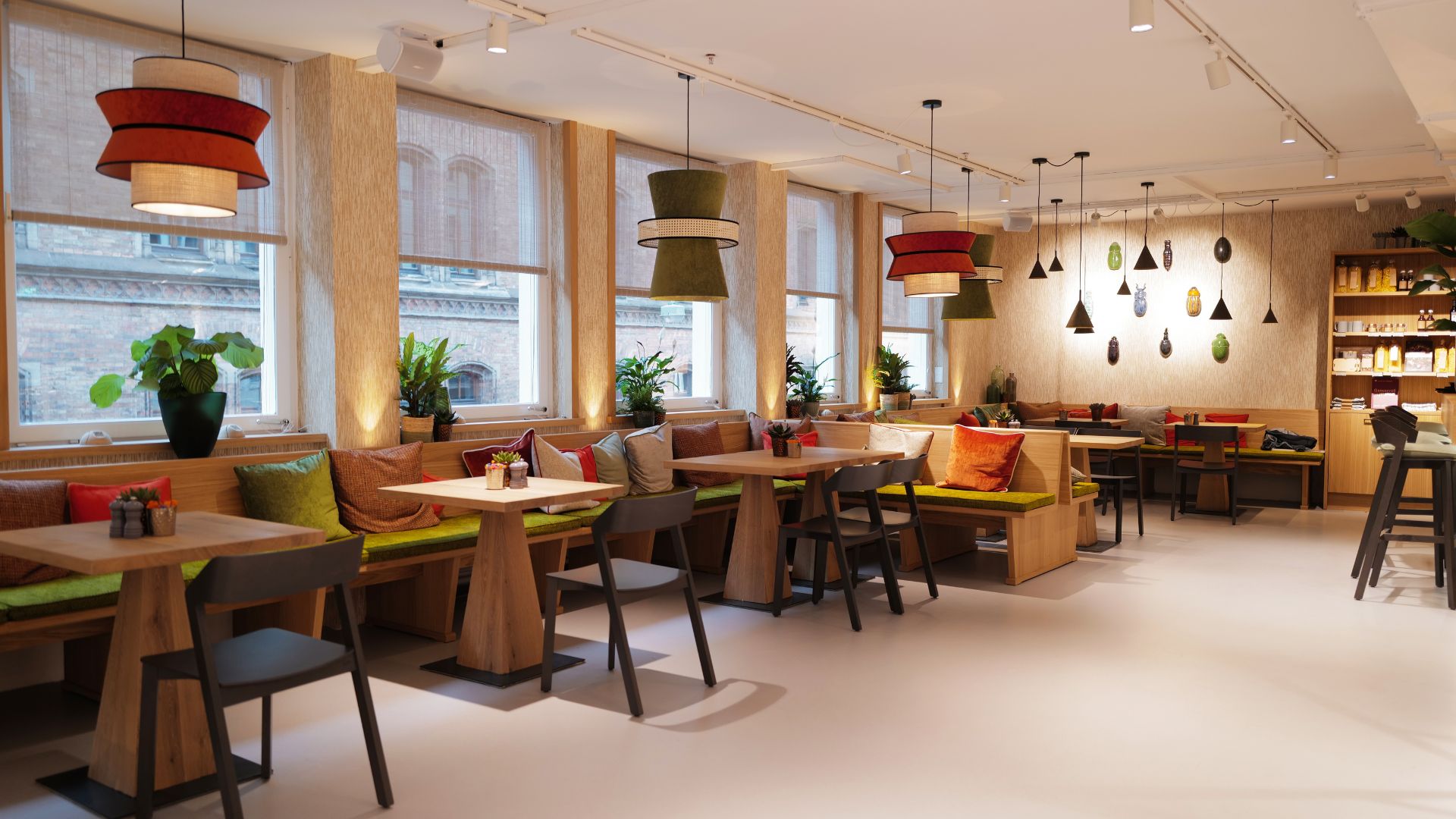
Tipping in German restaurants follows conventions that differ fundamentally from American practice, partially from British practice, and entirely from French practice, and understanding the German approach prevents both the under-tipping and over-tipping that mark the inexperienced international diner throughout Germany.
Service charge is not included in German restaurant bills as a matter of legal requirement or standard commercial practice. The price you see on the menu is the price you pay for the food and drink, with tipping representing a genuine voluntary addition based on genuine satisfaction with the service throughout the meal.
The correct German tipping method is to state the total amount you wish to pay, including your tip, when handing over cash to your server. Saying ich zahle fünfzehn, I will pay fifteen, when the bill is €13.50, indicates a tip of €1.50 in the clearest and most natural way possible throughout Germany.
Leaving cash on the table after paying and walking away is not the standard German tipping practice and can create confusion about whether the money was forgotten rather than intentionally left. The verbal statement of the amount is the culturally correct and universally understood method throughout Germany.
German restaurant tipping guide by establishment type:
| Restaurant Type | Appropriate Tip | Notes |
| Fine dining | Round up to the nearest euro | Outstanding service warrants 15% |
| Traditional Gasthof | Round up + €1-2 | Generous but not excessive |
| Casual restaurant | Round up to nearest €2-5 | Based on bill size and service quality |
| Café or Konditorei | Per service visit, not per person | Small but appreciated gesture |
| Beer hall table service | €1-2 per round | Per service visit not per person |
| Street food Imbiss | No tip expected | Optional rounding up only |
| Hotel restaurant | 10% standard | Slightly more formal expectation |
Dining Pace and Lingering — The German Approach
One of the most significant and most pleasant differences between German restaurant culture and the fast-paced dining cultures of other countries is the German expectation that guests who have paid for a table are entitled to occupy it for as long as their meal and conversation require throughout the evening.
The concept of turning tables — rushing diners through their meal to accommodate subsequent reservations — is far less aggressively practised in German restaurants than in equivalent establishments in London, New York, or Sydney, and the expectation that you should leave promptly after eating is far less culturally embedded throughout Germany.
A German restaurant bill will not arrive at your table until you request it. Servers do not bring unsolicited bills as a subtle signal that your time is up, and placing a bill on the table without being asked would be considered presumptuous and inhospitable by German restaurant standards throughout the country.
This means that the responsibility for managing the conclusion of your meal rests with you as the guest. When you are ready to leave, attract your server’s attention and request the bill by saying zahlen bitte or die Rechnung bitte, and the transaction will be completed promptly and efficiently throughout Germany.
German dining pace expectations:
- Courses arrive at a measured pace — do not expect or request rapid successive service throughout
- Lingering over coffee and conversation after the meal is entirely normal and entirely welcome
- The bill arrives only when requested — never assume the appearance of unsolicited bills throughout
- Sunday lunch in Germany is a long, unhurried, multi-generational family occasion lasting two to three hours
- Business lunches move slightly faster but still follow a more relaxed pace than in many other countries
- Never rush a German restaurant meal — it signals disrespect for the food and the occasion throughout
Special Dining Situations in Germany
Dining in Germany can vary widely depending on the occasion, setting, or region. Understanding special dining situations helps travelers navigate traditions, etiquette, and unique meal experiences with ease and confidence.
Dining with German Hosts
Being invited to a meal by German hosts, whether at their home or at a restaurant they have chosen for you, carries specific etiquette obligations that go beyond the standard restaurant conventions and reflect the high importance Germans place on hospitality throughout their cultural tradition.
Arriving punctually is not optional when dining as a guest of German hosts. Germans consider punctuality a form of respect, and arriving even ten minutes late without prior communication is considered a genuine courtesy that casts a shadow over the entire occasion throughout the meal.
Bringing a small gift for the host is a deeply embedded German hospitality tradition. A bottle of good wine, quality chocolates, or flowers are all appropriate choices, with the important caveat that flowers should be given in odd numbers and should never be red roses, which carry romantic implications throughout German gift-giving culture.
Waiting to be seated by your host, following their lead on ordering, and proposing a toast before the first drink is consumed are all expected behaviours when dining as a guest of German hosts throughout the country.
Sunday Lunch Traditions
Sunday lunch, Sonntagsessen, is one of the most important and most culturally embedded meal occasions in German family life, a multi-generational gathering that typically occupies the greater part of Sunday afternoon throughout Germany.
Traditional Sunday lunch dishes vary by region but typically involve substantial roasted meats — Sauerbraten in the Rhineland, Schweinebraten in Bavaria, Ente roast duck in Saxony — accompanied by dumplings, potatoes, red cabbage, and rich gravy sauces that require hours of preparation throughout the morning.
Restaurant Sunday lunch in Germany is a more formal and more leisurely occasion than weekday dining, with larger parties, longer menus, and an expectation of unhurried multi-course eating that respects the traditional Sunday rhythm of German family life throughout the country.
Reservations for Sunday lunch are essential at every quality German restaurant, and booking a week or more in advance at the most popular traditional establishments is standard practice for German families throughout the country.
Dress Code in German Restaurants
German restaurant dress codes are considerably more relaxed than their reputation for formality might suggest, but the complete absence of any dress consideration remains inappropriate at mid-range and above establishments throughout the country.
Smart casual is the appropriate standard for the vast majority of German restaurants, including traditional Gasthöfe, regional cuisine restaurants, and quality casual dining establishments throughout Germany. Clean, neat, well-fitting clothes that show consideration for the occasion are all that is required throughout most contexts.
Fine dining establishments in Germany’s major cities — the Michelin-starred restaurants of Munich, Berlin, Frankfurt, and Hamburg — expect a higher standard of dress consistent with the price level and the occasion of the meal throughout the evening service.
Appearing at a quality German restaurant in sports clothes, beach attire, or very casual activewear is considered disrespectful to the establishment and its other guests and may result in polite but firm redirection at the entrance throughout Germany.
German restaurant dress code guide:
| Restaurant Type | Dress Standard | Examples |
| Fine dining | Jeans and comfortable clothing are entirely fine | Michelin-starred establishments |
| Quality casual | Smart casual | Traditional Gasthöfe, regional restaurants |
| Beer hall | Casual but neat | Hofbräuhaus, traditional beer halls |
| Beer garden | Very casual | Jeans and comfortable clothing entirely fine |
| Hotel restaurant | Smart casual minimum | Business casual at minimum |
| Christmas market | Winter outdoor clothing | Practical warmth is all that matters |
Dietary Requirements and Allergies
Communicating dietary requirements and food allergies in a German restaurant requires direct, clear communication that does not minimise the importance of the requirement or create ambiguity about the seriousness of the dietary need throughout the interaction.
German restaurant staff takes food allergy declarations very seriously, and the correct procedure is to inform your server of any allergies at the beginning of the meal before ordering, asking them to confirm with the kitchen which dishes are safely available throughout the menu.
Vegetarian and vegan options have become significantly more widely available in German restaurants over the past decade, particularly in major cities, though traditional regional restaurants in rural areas may have limited options, and advance notification when booking remains advisable throughout Germany.
The German word for vegetarian is vegetarisch, and for vegan, respectively, both pronounced very similarly to their English counterparts throughout Germany. Stating ich bin Vegetarier or ich bin vegan clearly and early in the ordering process is the most effective approach throughout any German restaurant visit.
Essential dietary communication phrases:
| Dietary Need | German Phrase | Pronunciation |
| Vegetarian | Ich bin Vegetarier | Ikh bin Veg-eh-tah-ree-er |
| Vegan | Ich bin Vegan | Ikh bin Veh-gahn |
| Gluten-free | Glutenfrei bitte | Gloo-ten-fry bit-teh |
| Nut allergy | Ich bin allergisch auf Nüsse | Ikh bin al-lair-gish owf Noos-eh |
| No pork | Kein Schweinefleisch bitte | Kine Shv-eye-neh-flysh bit-teh |
| Dairy-free | Ohne Milchprodukte bitte | Oh-neh Milkh-pro-dook-teh bit-teh |
Frequently Asked Questions
Is it rude to ask for a doggy bag in Germany? Requesting a bag for leftover food, called eine Tüte für die Reste bitte, is becoming more accepted in German restaurant culture, though it remains less common than in American dining contexts. Most quality restaurants will accommodate this request without any issue throughout Germany.
Do German restaurants accept credit cards? Card acceptance varies significantly throughout Germany, with many traditional establishments, beer halls, Christmas market stalls, and smaller restaurants remaining cash-only. Carrying sufficient cash for your planned meal is strongly recommended throughout Germany, as assuming card payment is always available creates awkward situations.
Is smoking allowed in German restaurants? Smoking is prohibited inside all German restaurants under federal law. Some establishments maintain separate smoking areas or outdoor terraces where smoking is permitted. Asking to be seated away from the designated smoking area is entirely reasonable throughout any German restaurant visit.
What time do Germans typically eat dinner? German dinner service typically begins around six-thirty in the evening, with peak dining between seven and nine. Many traditional German restaurants begin closing their kitchen by ten in the evening, earlier in rural areas. Arriving after nine for dinner at a traditional Gasthof may result in a limited menu throughout Germany.
Should I always wait to be seated in Germany? In traditional restaurants and Gasthöfe, yes, without exception. In casual cafés, beer gardens with self-service areas, fast food establishments, and Imbiss snack stands, self-seating is normal and expected. Reading the atmosphere of the specific establishment upon arrival is the most reliable guide throughout Germany.
Final Thoughts
German restaurant etiquette is not an obstacle course of intimidating rules but a coherent set of respectful customs that reflect German cultural values of punctuality, directness, mutual respect, and the genuine belief that a meal deserves to be treated as a proper occasion throughout Germany.
The visitor who approaches German restaurant culture with genuine curiosity and genuine respect for these customs will discover that German restaurant staff and dining companions respond with warmth, patience, and a generosity of spirit that transforms every meal into something genuinely memorable throughout the country.
Learning even a handful of the key phrases, understanding the tipping conventions, knowing when to wait to be seated and when to seat yourself, and approaching every meal with the patience and appreciation that German food culture genuinely deserves represents the complete foundation of outstanding German restaurant experiences.
Germany’s restaurants, from the humblest village Gasthof to the grandest Munich fine dining establishment, offer some of Europe’s most honest, most satisfying, and most culturally rich dining experiences to the visitor who arrives prepared, respectful, and genuinely curious about one of the world’s great food cultures throughout the country.
Hi, I’m Preeti Negi, a content writer who loves mixing creativity with smart strategy.
I have 3 years of experience writing about travel, digital marketing, and study abroad topics. I create content that is easy to read, engaging, and designed to connect with people while also performing well on Google.
When I’m not writing, I enjoy exploring new trends, learning new things, and thinking about fresh ideas for my next piece.
