

Germany’s bus network has undergone a remarkable transformation over the past decade. What was once a fragmented and underused transport option has evolved into a comprehensive, affordable, and genuinely comfortable way to travel between German cities, towns, and regions throughout the year.
The liberalisation of Germany’s intercity bus market in 2013 was the defining moment that changed everything. Before that year, strict regulations protected Deutsche Bahn’s railway monopoly from bus competition. The moment those restrictions were lifted, FlixBus and other operators flooded the market with affordable connections everywhere.
Today, millions of passengers travel in Germany by bus every year. Students, budget travellers, tourists, and increasingly business passengers have all discovered that bus travel offers a compelling combination of low fares, comfortable modern vehicles, reliable schedules, and extensive route coverage impossible to match by rail.
Bus travel in Germany is not merely about saving money, though the savings can be dramatic. It is about accessing destinations that trains simply do not reach conveniently, travelling between cities at unusual hours, and experiencing Germany at ground level with a connection to the landscape that flying entirely removes.
This complete guide covers every aspect of bus travel in Germany, from booking FlixBus tickets and understanding route networks to regional coaches, airport connections, and the practical tips that transform a bus journey from a budget compromise into a genuinely enjoyable travel experience.
Please note that this article contains affiliate links. Learn more about it on our Disclosure page. We use ads to support our small business – we hope you don’t mind them too much.
Quick Reference: Germany Bus Travel at a Glance
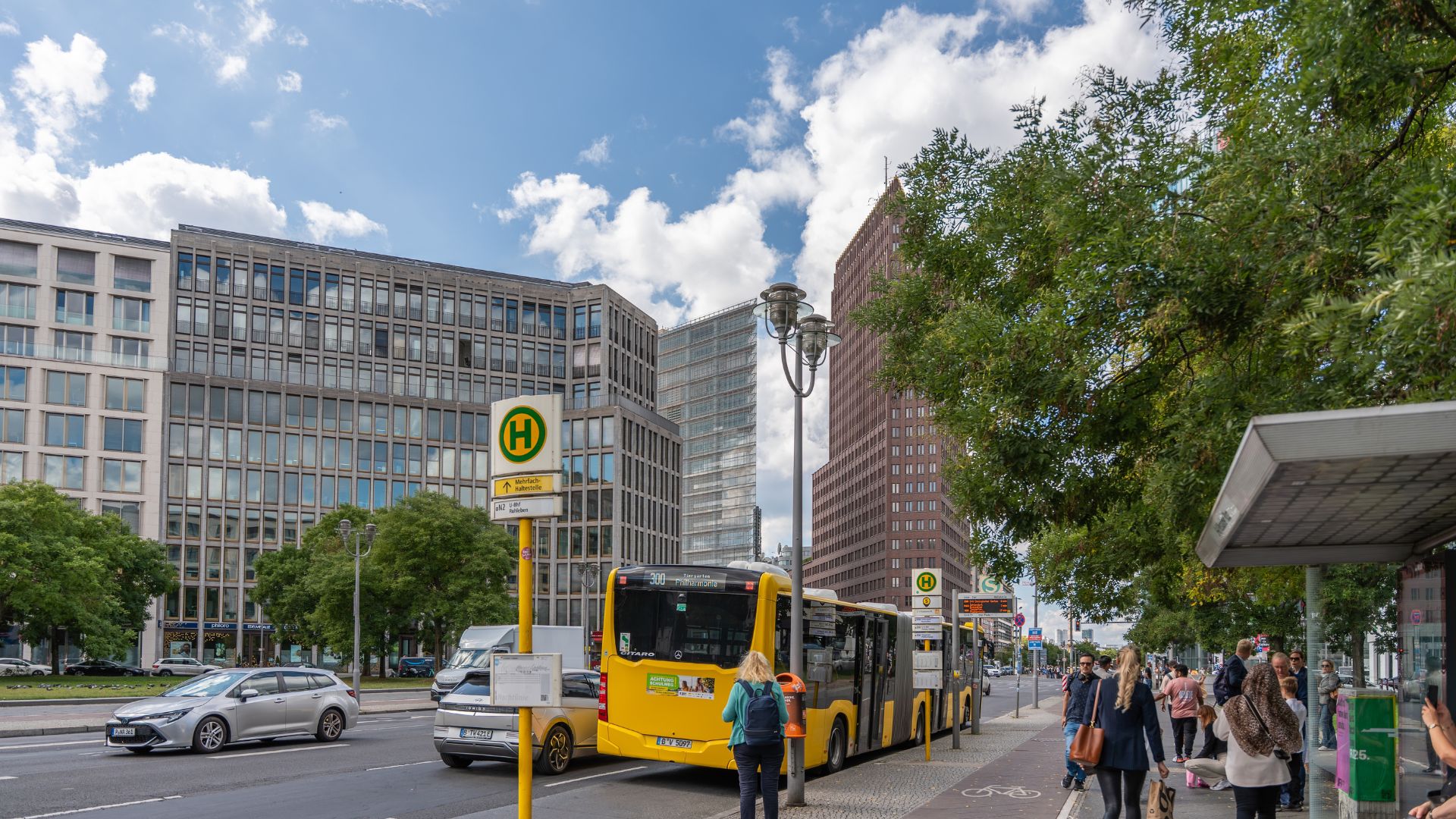
Bus travel in Germany is a convenient and affordable way to explore cities and regions. Modern buses connect major destinations, offering comfortable seating, reliable schedules, and budget-friendly options for travelers.
A quick reference to German bus travel helps you understand routes, ticket options, and travel tips. Knowing these essentials makes it easier to plan journeys and enjoy smooth transportation across the country.
| Category | Key Information |
| Dominant operator | FlixBus — serving 300+ German destinations |
| Typical fare range | €5–€35 for most intercity connections |
| Booking method | App, website, or at selected travel agencies |
| Luggage allowance | 1 carry-on plus 1 hold bag (additional bags extra) |
| Onboard amenities | WiFi, power sockets, air conditioning, toilet on most routes |
| Ticket changes | Usually permitted for a small fee before departure |
| Cancellation policy | Voucher refund only — no cash refund on most fares |
| Age discounts | Children under 15 travel free with a paying adult on FlixBus |
1. FlixBus — Germany’s Bus Travel Revolution
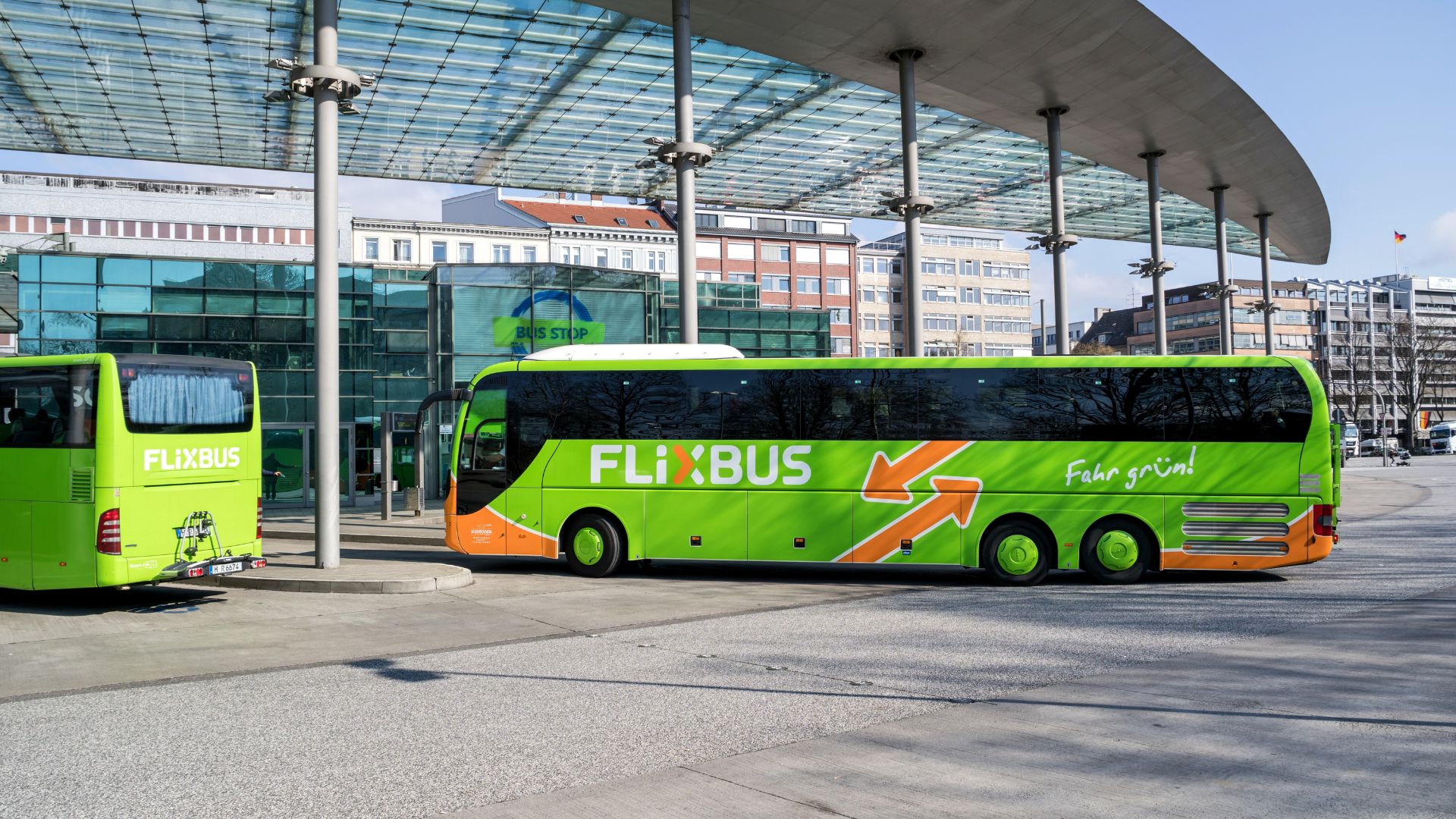
FlixBus is the dominant force in German intercity bus travel and one of the most remarkable transport business success stories in European history. Founded in Munich in 2011 and launching services after market liberalisation in 2013, FlixBus grew from a startup to Europe’s largest intercity bus operator within just a few years.
The FlixBus model is built on an asset-light franchise system that sets it apart from traditional bus operators. FlixBus itself owns the brand, the booking platform, and the route network, but partners with independent bus operators who provide the actual vehicles and drivers. This model enabled extraordinarily rapid network expansion throughout Germany.
Today, FlixBus serves over 300 destinations in Germany alone, connecting every major city and hundreds of smaller towns and regional centres. The iconic lime-green buses have become as recognisable a part of the German travel landscape as Deutsche Bahn’s red trains or Lufthansa’s blue aircraft throughout the country.
FlixBus Route Network
The FlixBus German network radiates outward from major hubs in all directions. Understanding which cities serve as primary hubs helps you plan connections efficiently and identify the fastest routing between your origin and destination throughout the network.
Major FlixBus hubs in Germany:
| Hub City | Connections | Frequency | Key Routes |
| Munich | 80+ destinations | Hourly on major routes | Berlin, Hamburg, Frankfurt, Cologne |
| Berlin | 90+ destinations | Hourly on major routes | Hamburg, Munich, Cologne, Dresden |
| Hamburg | 60+ destinations | Multiple daily | Berlin, Munich, Cologne, Bremen |
| Frankfurt | 70+ destinations | Multiple daily | Berlin, Munich, Cologne, Stuttgart |
| Cologne | 65+ destinations | Multiple daily | Berlin, Hamburg, Frankfurt, Düsseldorf |
| Stuttgart | 50+ destinations | Multiple daily | Munich, Frankfurt, Cologne, Freiburg |
| Dresden | 40+ destinations | Multiple daily | Berlin, Leipzig, Munich, Prague |
| Leipzig | 45+ destinations | Multiple daily | Berlin, Munich, Frankfurt, Dresden |
The Berlin to Munich route is FlixBus Germany’s single most popular connection. With departures every one to two hours throughout the day and journey times of approximately four and a half hours on the fastest services, this route offers a genuinely competitive alternative to the Deutsche Bahn intercity express on price and surprisingly close on total journey time when you factor in city centre locations.
FlixBus Pricing — How Fares Work
FlixBus uses dynamic pricing, meaning ticket prices fluctuate based on demand, booking timing, and remaining seat availability on each specific departure. Understanding how this pricing system works allows you to book at the optimal moment and consistently find the lowest available fares throughout your planning.
FlixBus fare structure explained:
The base fare is the minimum price for a seat and represents the best possible value for a given route. These lowest fares are typically available only on the earliest bookings, on less popular departure times, and on routes with lower overall demand throughout the booking window.
“The golden rule of FlixBus booking: The earlier you book, the less you pay. Fares on popular routes during peak travel periods can increase by three to five times between an early booking and a last-minute purchase. Booking four to eight weeks ahead on popular summer routes delivers the most consistent savings.”
Typical fare ranges by route distance:
| Journey Distance | Early Booking | Standard | Last Minute |
| Under 100km | €3–€8 | €8–€15 | €15–€25 |
| 100–300km | €5–€15 | €15–€25 | €25–€40 |
| 300–500km | €8–€20 | €20–€35 | €35–€55 |
| 500km+ | €12–€25 | €25–€45 | €45–€70 |
FlixBus runs regular promotional campaigns that can deliver exceptional fares well below the standard price range shown above. Signing up for the FlixBus newsletter, following their social media channels, and checking their promotional fare pages regularly during the planning phase can reveal outstanding deals.
The FlixBus loyalty programme, FlixPoints, rewards regular travellers with points on every journey that can be redeemed against future bookings. Frequent FlixBus users accumulate meaningful savings over time, making the programme genuinely worthwhile for anyone travelling by bus more than three or four times per year throughout Germany.
Booking Your FlixBus Ticket
Booking a FlixBus ticket is one of the most straightforward processes in European travel. The mobile app is the most convenient booking method and also provides your ticket directly on your phone, eliminating any need to print or collect a physical document before your journey.
Booking methods available:
- FlixBus App: Most convenient, stores tickets automatically, sends push notifications for delays
- FlixBus Website: Full booking functionality, good for comparing multiple journey options side by side
- Travel Agencies: Selected agencies sell FlixBus tickets for passengers who prefer in-person service
- Bus Station Kiosks: Available at some larger departure points for same-day purchase needs
Step-by-step booking process:
- Enter your departure city and destination, along with your preferred travel date
- Browse available departure times and compare prices across all available services
- Select your preferred departure time and seat category if applicable
- Add any extras such as additional luggage, seat reservation, or travel insurance
- Enter passenger details and complete payment using card, PayPal, or other accepted method
- Receive confirmation by email and in the app — this is your valid ticket for travel
Seat reservations are optional on most FlixBus routes but worthwhile on long journeys and popular routes during peak periods. A reserved seat guarantees you a specific position rather than any available seat and typically costs between €1 and €3 additional per booking made.
2. Onboard Experience — What to Expect
Modern FlixBus coaches are considerably more comfortable than the bus travel reputation of previous decades might suggest. The standard of onboard amenities on the main German intercity routes has improved dramatically and continues to develop as FlixBus updates its partner operator fleet requirements.
Standard onboard amenities on most FlixBus routes:
- Free WiFi: Available on most routes, though speed and reliability vary significantly by location
- Power sockets: USB and standard European sockets at most seat positions throughout the coach
- Air conditioning: Climate control throughout the vehicle is adjusted by the driver during the journey
- Onboard toilet: Present on most long-distance services, though maintenance quality varies between operators
- Reclining seats: Adjustable seat backs with reasonable legroom on standard coaches throughout the fleet
- Hold luggage space: Large underfloor storage compartments for bags checked at the door before boarding
WiFi quality on FlixBus services deserves an honest assessment. On routes through major populated corridors, the connection is generally adequate for basic browsing, messaging, and streaming at lower quality. On routes through rural areas or tunnels, connectivity drops significantly and should not be relied upon for time-sensitive work.
The toilet facilities on FlixBus coaches are present but should be regarded as emergency facilities rather than comfortable amenities. Long journey passengers are strongly advised to use proper facilities at bus stops and service area breaks rather than relying exclusively on the onboard toilet throughout the journey.
Service stops on longer FlixBus journeys of three hours or more typically include at least one break of ten to fifteen minutes at a service area or designated stop. The driver announces these breaks, and passengers must return to the bus promptly as FlixBus schedules do not wait for late-returning passengers.
3. Luggage Rules and Allowances
Understanding FlixBus luggage policy before travel prevents unpleasant surprises and unexpected charges at the departure point. The standard allowance is generous for most travellers, but specific rules apply to oversized items, bicycles, sports equipment, and pets that require planning and booking.
Standard luggage allowance:
| Item | Allowance | Dimensions | Additional Cost |
| Hand luggage | 1 piece | Max 42x30x18cm | Included in the fare |
| Hold luggage | 1 piece | Max 80x50x30cm | Included in the fare |
| Additional hold bag | 1 extra allowed | Same dimensions | €4–€9 per bag |
| Bicycle | Foldable only | Folded and bagged | €4–€9 per journey |
| Pushchair/pram | 1 per booking | Foldable required | Free with a ticket |
| Musical instruments | Small only | Fits overhead rack | Included if fits |
| Skis/snowboards | Not accepted | — | Not permitted |
Oversized or overweight bags that exceed the standard allowance dimensions are subject to additional charges at the bus door. These charges are higher than the pre-booked additional luggage fee, making advance booking of extra luggage a significantly more economical option for passengers travelling with more than the standard allowance.
Valuable items and fragile belongings should always travel as hand luggage inside the passenger cabin. Hold luggage placed in the underfloor storage compartments is loaded and unloaded by the driver and bus staff and is not handled with exceptional care. FlixBus accepts no liability for damage to improperly packed items in hold storage.
4. FlixBus Stops — City Locations and Finding Your Departure
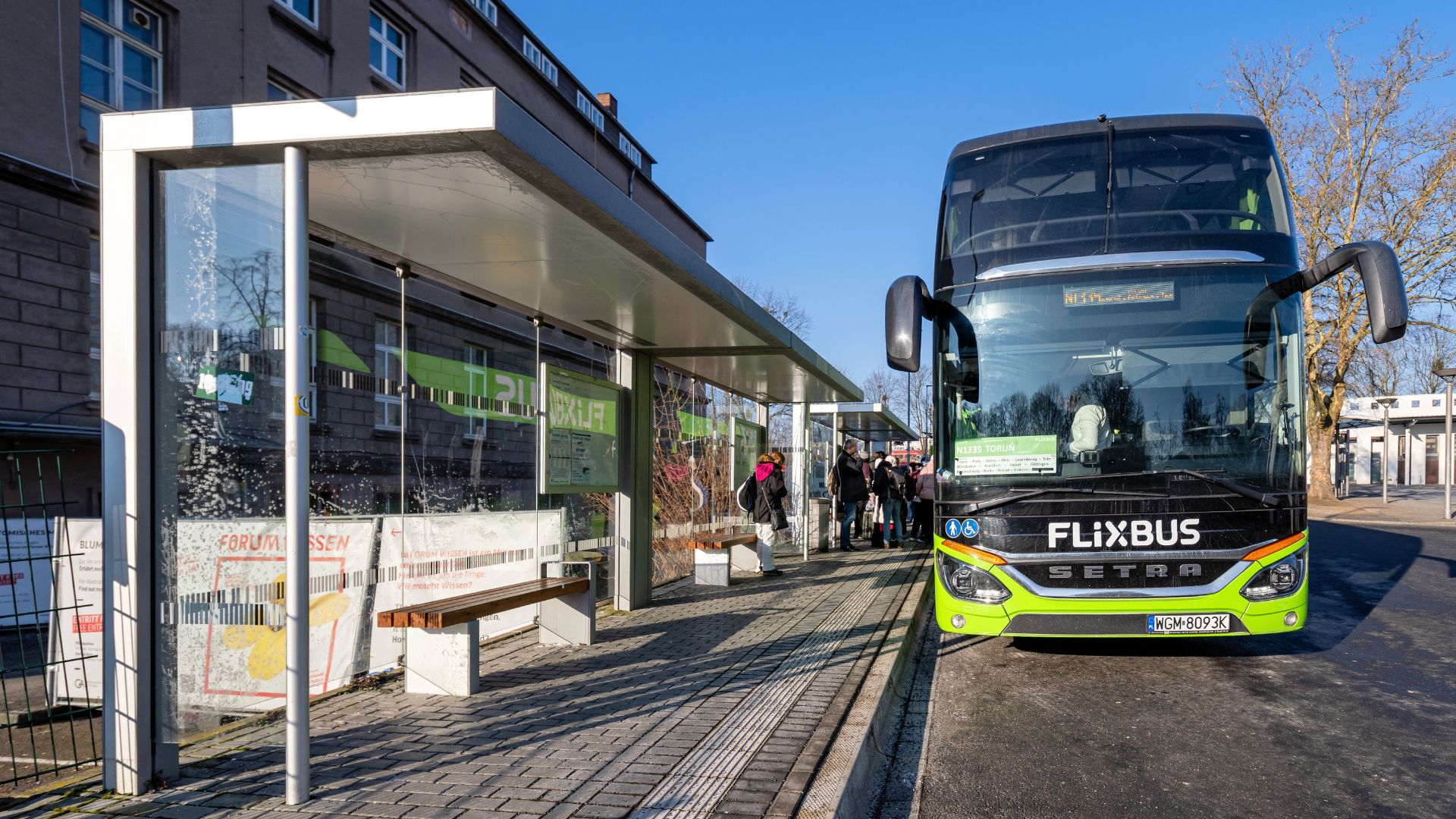
One of the most important practical details of FlixBus travel in Germany is understanding where buses actually depart from in each city. Unlike trains, which always depart from the central railway station, FlixBus stops vary significantly between cities and are not always centrally located or easy to find.
FlixBus stop locations in major German cities:
| City | Primary FlixBus Stop | Transport Connection |
| Berlin | ZOB Messedamm (Central Bus Station) | U2 Kaiserdamm, S-Bahn |
| Munich | ZOB Munich (near Hackerbrücke) | S-Bahn Hackerbrücke |
| Hamburg | ZOB Hamburg (near Hauptbahnhof) | U/S-Bahn connections |
| Frankfurt | Frankfurt South Station area | S-Bahn Frankfurt Süd |
| Cologne | Breslauer Platz near Hauptbahnhof | Direct U-Bahn access |
| Stuttgart | Various stops — check app | Varies by route |
| Dresden | Dresden Hauptbahnhof area | Tram connections |
| Leipzig | Wilhelm-Leuschner-Platz | Tram connections |
Always verify the exact departure stop for your specific route in the FlixBus app before travel day. Some cities have multiple FlixBus stops serving different routes, and confusing one stop for another on a busy travel day can mean missing your departure entirely without any possibility of a refund.
Arrive at the departure stop at least fifteen minutes before the scheduled departure. FlixBus coaches depart on schedule and will not wait for late-arriving passengers. During peak periods when multiple coaches depart from the same stop, confirm your specific coach by checking the digital display boards or asking the driver before boarding any vehicle.
5. FlixTrain — The Rail Alternative from the Same Company
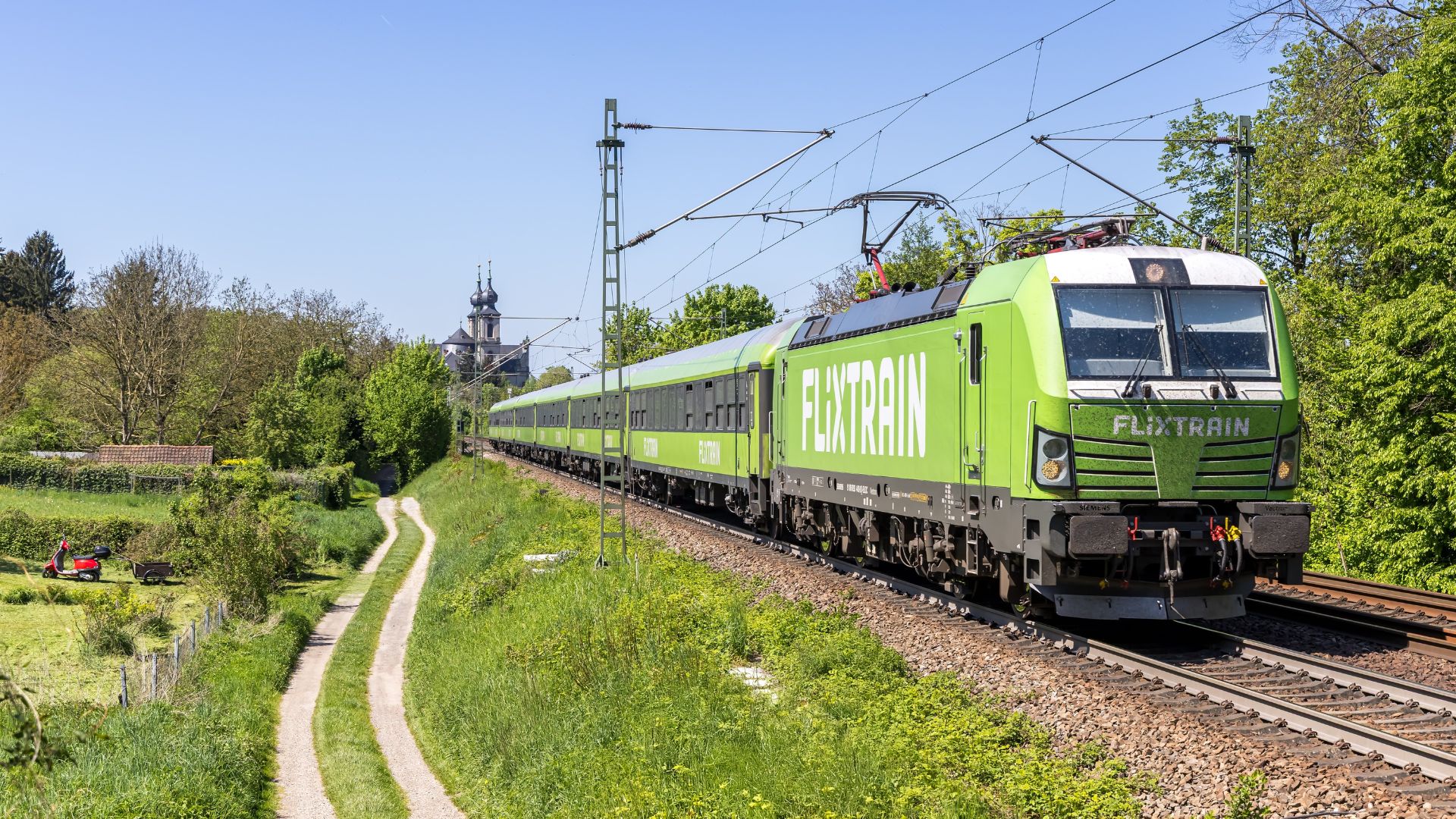
FlixBus expanded into rail travel in 2018 with the launch of FlixTrain, applying the same budget pricing philosophy to selected German rail routes. FlixTrain operates on Deutsche Bahn’s rail infrastructure but offers significantly lower fares than the Deutsche Bahn equivalent service on the same routes.
Current FlixTrain routes in Germany:
FlixTrain services connect Hamburg, Cologne, Frankfurt, Stuttgart, and Munich along the main north-south corridor. Berlin is also served on selected routes, making the Berlin to Cologne and Hamburg corridors particularly competitive for price-conscious travellers when comparing all available transport options.
FlixTrain vs FlixBus: For journeys where both options exist, FlixTrain typically offers faster journey times and greater onboard comfort. FlixBus often offers lower minimum fares but significantly longer journey times. The optimal choice depends on your personal priority between time and cost on each specific journey.
FlixTrain tickets are booked through the same app and website as FlixBus, with the same dynamic pricing model and the same cancellation and change policies. The integrated platform allows you to compare bus and train options simultaneously and select the best combination for your specific travel needs.
6. Regional Bus Networks Beyond FlixBus
While FlixBus dominates intercity bus travel, Germany’s regional bus networks are equally important for travellers exploring specific areas. These regional services, operated by local transport authorities and private companies, fill the gaps between towns and villages that neither FlixBus nor Deutsche Bahn serves directly.
Important regional bus networks throughout Germany:
Bayern Bus Network — Bavaria
Bavaria operates an extensive regional bus network connecting smaller Bavarian towns, Alpine villages, and tourist destinations that the train network bypasses entirely. The Bayern Ticket day pass, primarily known as a rail pass, also covers regional buses throughout Bavaria, making it an outstanding value for explorers.
Key Bavarian regional bus routes include connections to Neuschwanstein Castle from Füssen, services through the Berchtesgaden National Park, Alpine village connections throughout the Zugspitze region, and brewery village services throughout the Franconian beer country north of Nuremberg.
BVG and VBB — Berlin and Brandenburg
Berlin’s public transport authority BVG operates extensive city and regional bus services throughout the capital and the surrounding Brandenburg region. The VBB transport association coordinates ticketing across bus, tram, S-Bahn, and U-Bahn throughout the entire Berlin-Brandenburg region with integrated fare zones.
HVV — Hamburg and Surroundings
The Hamburg transport authority HVV coordinates bus services throughout the greater Hamburg metropolitan area and into the surrounding Schleswig-Holstein and Lower Saxony regions. The HVV app provides real-time routing across all bus lines and integrated ticketing throughout the network.
RVF — Black Forest Regional Buses
The Regio Verkehrsverbund Freiburg operates regional bus services throughout the Black Forest region of Baden-Württemberg. These buses connect Freiburg with Black Forest villages, walking trail starting points, and scenic viewpoints that make independent exploration of this beautiful region genuinely accessible without a car.
Regional bus networks by state:
| State | Network Name | Coverage Area | App/Booking |
| Bavaria | MVV, VGN, RVO | Munich metro, Franconia, Alpine | MVV App |
| Berlin/Brandenburg | VBB, BVG | Berlin and surroundings | BVG App, Fahrinfo |
| Hamburg | HVV | Hamburg metro area | HVV App |
| NRW | VRS, VRR | Cologne/Bonn, Ruhr area | Various apps |
| Baden-Württemberg | NVBW | Statewide network | BW-Tarif App |
| Saxony | VMS, MDV | Dresden, Leipzig area | Various |
| Lower Saxony | GVH | Hannover metro area | GVH App |
Regional bus tickets in Germany are typically purchased through the relevant transport authority app, at ticket machines at major stops, or directly from the driver on smaller services. Day tickets and weekly passes offer excellent value for travellers spending multiple days exploring a specific region by regional bus.
7. Eurolines and International Bus Connections
Germany’s position at the heart of Europe makes it a central hub for international bus routes connecting with neighbouring countries throughout the continent. Several operators run cross-border services that use Germany as either an origin, destination, or transit point on longer European routes.
Key international bus operators serving Germany:
- FlixBus International: Extensive cross-border routes to Austria, the Czech Republic, Poland, France, the Netherlands, and beyond
- Eurolines: Now largely integrated into the FlixBus network for most European destinations
- Sindbad: Popular service connecting Germany with Poland, particularly between Berlin and Warsaw
- RegioJet: Czech operator running services between Germany and Prague, Brno, and other Czech cities
- Westbahn Bus: Austrian connections, particularly along the Vienna corridor through Bavaria
Popular international bus routes from Germany:
| Route | Typical Journey Time | Typical Fare |
| Berlin to Prague | 4.5–5 hours | €8–€25 |
| Munich to Vienna | 4–4.5 hours | €9–€30 |
| Cologne to Amsterdam | 3.5–4 hours | €8–€25 |
| Hamburg to Copenhagen | 5–6 hours | €15–€35 |
| Frankfurt to Paris | 7–8 hours | €15–€40 |
| Berlin to Warsaw | 6–7 hours | €10–€30 |
International bus travel from Germany represents one of the most affordable ways to explore neighbouring European countries. The Berlin to Prague route in particular offers extraordinary value, delivering passengers directly into the Czech capital’s city centre at prices that genuinely challenge even budget airline total costs when airport transfers are factored in.
8. Airport Bus Connections Throughout Germany
Germany’s major airports are well-connected to their surrounding cities by bus services that, in many cases, offer a more affordable and equally convenient alternative to airport rail links. Understanding the bus options from each major German airport can deliver significant savings on your first and last connections.
Airport bus connections at major German airports:
Frankfurt Airport (FRA) Frankfurt is Germany’s busiest airport and is served by extensive bus connections alongside the S-Bahn rail service. Regional bus services connect the airport with towns throughout Hesse and neighbouring states at considerably lower fares than the Frankfurt S-Bahn airport connection for travellers heading to regional destinations.
Munich Airport (MUC) The Lufthansa Airport Bus operates between Munich Airport and Munich Central Station with departures every twenty minutes throughout the day. This coach service is popular with passengers carrying significant luggage as it stops directly at the terminal entrances and provides a convenient alternative to the Munich S-Bahn airport trains.
Berlin Brandenburg Airport (BER) opened in 2020 after its notorious years of delays and is served by both S-Bahn and regional bus connections. FlixBus routes also serve BER directly on selected intercity services, allowing passengers to connect from other German cities directly to the airport terminal without any intermediate transfer.
Hamburg Airport (HAM) is served by the U-Bahn and by regional bus services. The Jasper coach service connects Hamburg Airport with towns in Schleswig-Holstein and Lower Saxony that are not directly reached by public transport, providing a convenient direct connection for regional travellers arriving by air.
Airport bus comparison table:
| Airport | Bus Service | Journey to City Centre | Frequency | Approximate Fare |
| Frankfurt | Regional buses | 30–50 min to the city | Hourly | €5–€12 |
| Munich | Lufthansa Airport Bus | 45 min to Hbf | Every 20 min | €13 |
| Berlin BER | BVG Bus X7/X71 | 30 min to U-Bahn | Every 10 min | €3.80 |
| Hamburg | Bus 39 | 25 min to U-Bahn | Regular | €3.70 |
| Cologne/Bonn | SB60, SB40 | 30–40 min | Regular | €8–€12 |
| Stuttgart | Various regional | 30 min to the city | Regular | €4–€8 |
9. Night Bus Travel in Germany
Night bus travel on long-distance FlixBus routes offers a particularly clever way to combine accommodation costs with transport costs on multi-city German itineraries. Departing in the evening and arriving early the next morning saves a night of hotel costs while simultaneously moving you to your next destination.
Popular overnight FlixBus routes in Germany:
- Berlin to Munich: evening departures arriving in Munich early morning with multiple nightly services
- Hamburg to Munich: overnight services connecting Germany’s two most visited tourism cities
- Cologne to Berlin: late evening departures with early morning Berlin arrivals on multiple nightly services
- Frankfurt to Berlin: regular overnight options on Germany’s most commercially important city pair
- Munich to Hamburg: southbound overnight return journeys on the same popular northern corridor
Preparing properly for an overnight bus journey significantly improves the experience. A travel pillow, eye mask, earplugs, and a light blanket transform a coach seat into a surprisingly acceptable sleeping environment for most travellers. The constant motion of motorway travel actually aids sleep for many passengers.
Overnight bus comfort tips:
- Book a window seat to lean against and avoid being disturbed by aisle passengers during the night
- Wear comfortable clothing and layer appropriately, as coach temperatures can vary significantly overnight
- Download entertainment content offline before departure, as WiFi reliability drops considerably at night
- Store valuables in your personal bag rather than in the overhead rack throughout the overnight journey
- Set a phone alarm for thirty minutes before your destination to allow time to gather belongings
10. Comparing Bus with Train and Budget Airlines
Understanding where bus travel sits in the broader German transport landscape helps you make the optimal choice for each specific journey. Bus, train, and budget airlines each have genuine strengths and genuine weaknesses that make them the right choice in different circumstances.
Comprehensive comparison table:
| Factor | FlixBus | Deutsche Bahn ICE | Budget Airlines |
| Price | €5–€35 typical | €30–€150 typical | €20–€80 + fees |
| Journey time | Longer | Faster | Faster but + transfers |
| City centre | Yes — good stops | Yes — city stations | No — airports |
| Luggage | Generous | Generous | Very restrictive |
| Booking ease | Excellent app | Good app | Variable |
| Environmental impact | Low | Very low | Very high |
| Flexibility | Moderate | High | Very low |
| Last-minute fare | Moderate increase | Large increase | Extreme increase |
| Delay risk | Moderate | Moderate | High |
| Onboard comfort | Good | Excellent | Poor |
Bus travel wins clearly on price and city-centre accessibility for budget-conscious travellers. Train wins on speed, comfort, and reliability for those prioritising journey quality. Budget airlines win on speed for very long distances, but the total door-to-door time advantage shrinks dramatically once airport transfers and check-in time are included.
The environmental argument strongly favours bus travel. A FlixBus coach carrying fifty passengers produces dramatically less CO2 per passenger kilometre than either a private car or a budget airline flight. For environmentally conscious travellers, intercity bus travel is consistently the most sustainable long-distance transport choice.
11. Practical Tips for First-Time Bus Travellers in Germany
Pulling together the most important practical advice for anyone travelling in Germany by bus for the first time ensures that every journey runs smoothly from booking through to arrival at the final destination throughout the German bus network.
Before your journey:
- Download the FlixBus app and create an account before your travel date for the smoothest possible booking experience
- Screenshot or download your ticket offline in case of poor mobile connectivity at the departure stop
- Look up the exact departure stop address in your mapping app rather than searching for the city name alone
- Check the FlixBus app for any delay notifications on the morning of travel and monitor throughout the day
- Pack snacks and a full water bottle, as food and drink options at bus stops are often limited and expensive
At the departure stop:
- Arrive at least fifteen minutes before departure — FlixBus coaches leave on schedule without waiting
- Look for the green FlixBus livery and confirm your destination is displayed on the front of the coach
- Show your ticket QR code to the driver as you board — ensure screen brightness is high enough to scan
- Place hold luggage in the underfloor compartment yourself, and remember which compartment you used
- Find your seat promptly and stow your hand luggage to allow other passengers to board efficiently
During the journey:
- Save the FlixBus customer service number in your phone before departure in case you need assistance
- Note the service stop times announced by the driver and set a phone reminder to return on time
- Keep your ticket accessible throughout the journey, as inspections do occasionally occur on services
- Be considerate of fellow passengers regarding noise levels, food smells, and personal space throughout
- Use the onboard WiFi for light browsing, but download anything important before boarding the coach
Your Next Journey Through Germany Starts Here
Bus travel in Germany, led by FlixBus and complemented by strong regional networks, offers one of the most democratic and most accessible forms of travel available in the country today. The combination of genuinely low fares, extensive route coverage, city-centre departure points, and continuously improving onboard standards makes German bus travel a serious contender for every journey.
The traveller who dismisses bus travel as an uncomfortable budget compromise is making a mistake. Modern German intercity coaches are clean, comfortable, well-equipped, and operated on schedules that connect virtually every corner of the country. For many journeys, particularly those under four hours, the bus is not merely the cheapest option but genuinely the most practical.
Germany rewards the curious and the flexible traveller with extraordinary variety, spectacular landscapes, and endlessly fascinating cities. Getting between those cities affordably and comfortably by bus is not a compromise — it is simply smart travel. Book early, pack light, download the app, and enjoy the journey as much as the destination throughout Germany.
Hi, I’m Preeti Negi, a content writer who loves mixing creativity with smart strategy.
I have 3 years of experience writing about travel, digital marketing, and study abroad topics. I create content that is easy to read, engaging, and designed to connect with people while also performing well on Google.
When I’m not writing, I enjoy exploring new trends, learning new things, and thinking about fresh ideas for my next piece.
