

November occupies a uniquely atmospheric position in the German travel calendar, a month that transforms gradually from the golden remnants of October’s autumn into the first magical appearances of the Christmas season that Germany does better than any other country in the entire world.
The month begins with the final autumn leaves and the particular quiet beauty of November’s bare landscapes and ends with the opening of Germany’s legendary Weihnachtsmärkte — Christmas markets — that fill the country’s great medieval squares with the aromas of Glühwein, cinnamon, and roasted almonds throughout the Advent season.
November is genuinely Germany’s most underrated travel month, offering the combination of very low tourist crowds, outstanding hotel value, the full autumn cultural season, and the extraordinary excitement of the Christmas market season beginning that creates a travel experience of considerable authenticity and considerable charm throughout the transitional month.
Understanding November in Germany means embracing cosy Gemütlichkeit indoors, as Bierkellers and wine bars create warmth and comfort. Opera and concerts reach a strong cultural peak, filling cities with refined artistic energy and atmosphere.
Please note that this article contains affiliate links. Learn more about it on our Disclosure page. We use ads to support our small business – we hope you don’t mind them too much.
Germany in November: Essential Overview
As late autumn settles in Germany, November brings a quiet, cosy charm. Cool air, warm interiors, and the feeling of Gemütlichkeit define everyday life across cities and towns.
Cultural life remains strong, with opera, concerts, and indoor events shaping the season. At the same time, early Christmas anticipation begins to appear, adding a gentle festive warmth to the calm November atmosphere.
November at a glance:
| Factor | Detail | Notes |
| Average temperature | 3°C to 9°C | Cool and increasingly cold |
| Weather character | Grey, misty, increasingly cold | Classic late autumn |
| Daylight hours | 8–10 hours | Short days throughout |
| Tourist crowds | Very low — Germany’s quietest | Excellent museum access |
| Hotel prices | Annual low — outstanding value | Best prices of the year |
| Christmas markets | Opening from late November | Advent Sunday launch |
| Cultural season | Peak autumn programming | Opera, concerts, theatre |
| St Martin’s Day | 11 November — lantern tradition | Beautiful children’s tradition |
| Volkstrauertag | Second Sunday November | German remembrance day |
| Advent season | Final Sundays of month | Christmas preparations begin |
Germany November Weather: Late Autumn Reality
November in Germany brings late autumn weather with cold mornings, cool days, and frequent rain. The air feels crisp, and skies are often grey, creating a quiet, atmospheric seasonal mood.
As temperatures drop further, outdoor life slows down and indoor spaces become more important. Foggy mornings and shorter daylight hours add to the winter transition, making November a calm but distinctly chilly travel month.
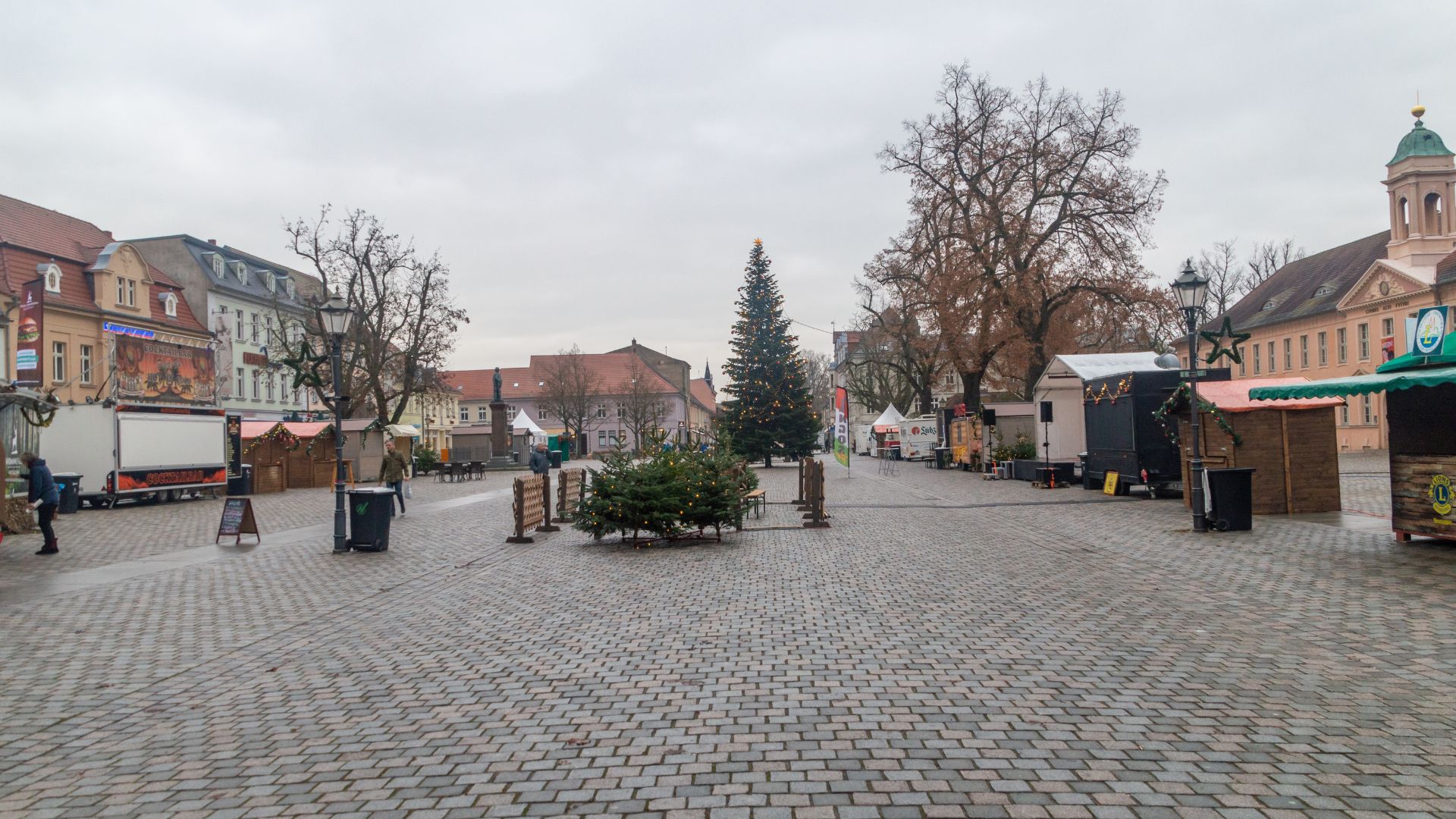
What German Late Autumn Actually Delivers
Late autumn in Germany brings cold weather, grey skies, and quieter cities. Outdoor life slows down, while indoor culture becomes central. Cosy cafés, museums, and warm gatherings define the season. Early festive anticipation begins, creating a calm, reflective, and atmospheric travel experience.
Germany’s November Climate Overview
November delivers Germany’s most persistently grey and most genuinely wintry weather outside the deep winter months of January and February, with the combination of short daylight hours, frequent overcast conditions, and temperatures that drop progressively throughout the month creating a distinctly late-autumn atmosphere throughout the country.
The average November temperatures of 3°C to 9°C across Germany represent the clear seasonal transition from the comfortable October temperatures toward the genuine winter conditions of December, with the cold increasing noticeably throughout the month as the final warmth of autumn disappears completely throughout the later weeks.
November fog is Germany’s most characteristic late autumn atmospheric condition, with the river valleys, Rhine plain, and Munich basin particularly prone to persistent Nebel fog that can last for entire days throughout the month in a meteorological phenomenon that creates considerable atmospheric beauty while reducing visibility throughout the affected regions.
The short daylight hours of November — reaching a minimum of approximately eight hours by month end — require genuine psychological adaptation from visitors accustomed to longer days, with sunrise not occurring until after 07:30 and sunset arriving before 16:30 throughout the darkest period.
Regional November Temperature Guide:
| Region | Average High | Average Low | Fog Frequency | First Snow Chance |
| Munich | 7°C | 1°C | Very high | Possible from mid-month |
| Berlin | 6°C | 1°C | Moderate | Possible late November |
| Hamburg | 7°C | 3°C | Moderate-high | Unlikely |
| Frankfurt | 8°C | 2°C | Very high | Possible |
| Cologne | 8°C | 3°C | Moderate | Unlikely |
| Dresden | 7°C | 1°C | Moderate | Possible |
| Freiburg | 8°C | 2°C | Moderate | Unlikely |
| Mosel Valley | 8°C | 2°C | Very high | Unlikely |
| Black Forest | 4°C | -1°C | High | Possible higher elevations |
| Bavarian Alps | 4°C | -3°C | High | Likely above 1000m |
The November Fog Phenomenon
The German Novembernebel — November fog — is one of the country’s most distinctive seasonal atmospheric conditions, with persistent low cloud and fog filling the Rhine valley, Munich plain, and river valleys throughout extended periods of anticyclonic weather throughout the month.
The fog creates a specific visual landscape of extraordinary atmospheric beauty in the right conditions — vineyards emerging from morning fog, castle towers visible above the cloud layer, and the golden light of the low sun breaking through the mist to illuminate the last autumn leaves throughout the finest foggy mornings.
The practical impact of November fog on tourism is most significant for outdoor photography and scenic viewpoint visits, with the fog often clearing to reveal beautiful clear days by late morning on the finest November days while occasionally persisting throughout the entire day.
The November Blues and How to Embrace Them
Germany’s Novemberblues — November blues — is a genuine cultural phenomenon, with the combination of short days, grey weather, and the post-autumn quiet creating a collective seasonal melancholy that Germans have developed specific cultural responses to throughout the centuries of northern European winter culture.
The German response to November’s darkness — the cosy warmth of the Gemütlichkeit tradition, the early lighting of candles and warming drinks, the cultural turn inward toward music, literature, and convivial indoor gathering — creates a specifically German cultural atmosphere of genuine charm that visitors who embrace rather than resist find deeply appealing throughout the month.
The Advent season preparations that begin building throughout late November — with the first Christmas market candles, the arrival of Stollen in bakeries, and the general cultural anticipation of the approaching festival season — provide a specific German November pleasure that transforms the month’s end from merely dark into genuinely magical throughout the Christmas season opening.
What to Pack for German November:
| Category | Essential Items | Notes |
| Main coat | Warm winter coat — waterproof | Core requirement throughout |
| Insulation | Thermal underlayers | Essential for cold days |
| Head | Warm hat — essential | Significant heat loss without |
| Hands | Warm gloves | Wind chill significant |
| Feet | Warm waterproof boots | Cold and wet throughout |
| Neck | Warm scarf | Wind protection important |
| Indoor | Light layer — buildings very warm | German heating generous |
| Evening | Smart warm layer | Cultural events throughout |
St Martin’s Day: November 11th
St Martin’s Day on November 11th in Germany is a traditional autumn celebration, especially cherished by children and families. Lantern processions light up towns and villages, creating a warm and festive atmosphere in the darkening season.
The day honors Saint Martin with songs, stories, and community gatherings. Schools and local groups organize parades, sharing seasonal treats and bringing people together in a meaningful blend of culture, tradition, and early winter spirit
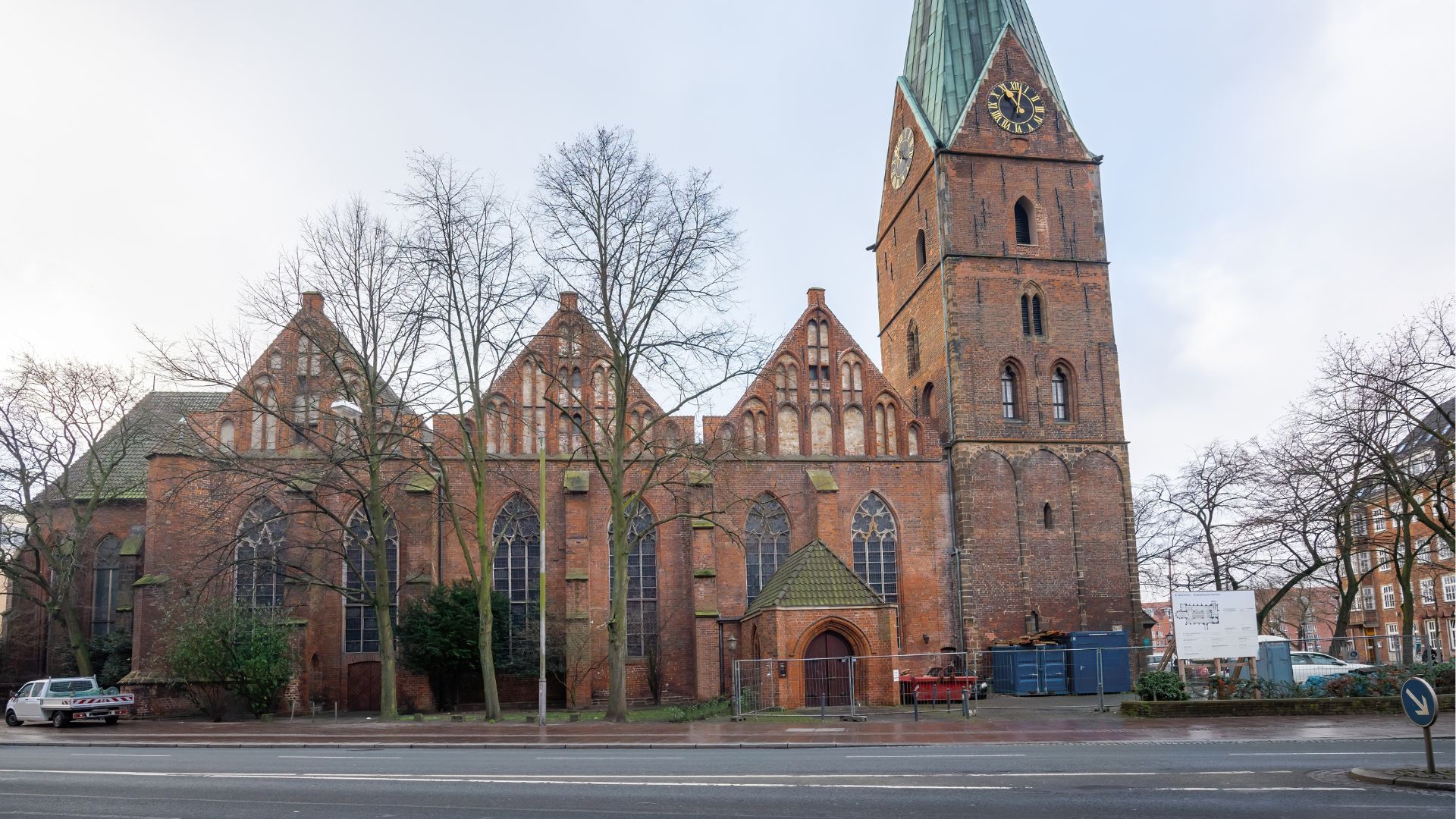
Germany’s Most Beautiful Children’s Tradition
Martinsfest — St Martin’s Day on 11 November — is one of Germany’s most genuinely beautiful and most widely practiced folk traditions, a celebration of St Martin of Tours that involves children carrying handmade lanterns — Laternen — in evening processions through darkened streets accompanied by traditional Martinslieder songs throughout communities.
The Martinsumzug lantern procession is one of the most visually beautiful sights available in any German city or village in November, with the warm glow of hundreds of handmade paper lanterns bobbing through the dark streets and the children’s singing providing an atmosphere of genuine enchantment throughout the procession.
The tradition commemorates St Martin’s legendary act of cutting his military cloak in half to share with a freezing beggar — Martinsgans — a story that gives the procession its moral dimension and that is typically narrated by a costumed rider on horseback representing Martin throughout the ceremonial opening.
The Martinsgans — St Martin’s goose — is the traditional food served on or around 11 November, with the roasted goose meal filling German restaurants with seasonal custom and providing one of the year’s most eagerly anticipated traditional dishes throughout the autumn food calendar.
St Martin’s Day practical guide:
| Detail | Information | Notes |
| Date | 11 November | Fixed date |
| Procession time | Evening — darkness essential | Usually 17:00-19:00 |
| Best cities | Cologne, Düsseldorf, Munich | Rhineland tradition strongest |
| Lanterns | Handmade by children | Paper and wire construction |
| Traditional food | Martinsgans — roast goose | Book restaurants in advance |
| Song | Laterne, Laterne, Sonne, Mond und Sterne | Universal German children’s song |
| Character | Genuinely moving — not touristic | Authentic community tradition |
| Also on 11/11 | Karneval season opens officially | The fifth season begins |
Germany’s Christmas Markets: Opening Season Guide
As November deepens in Germany, the first Christmas markets begin to open, filling towns and cities with light, warmth, and festive anticipation in the cold late autumn air.
Wooden stalls, glowing decorations, and seasonal aromas transform public squares into magical spaces. These early markets mark the start of Germany’s cherished Christmas season, blending tradition, community, and winter charm.
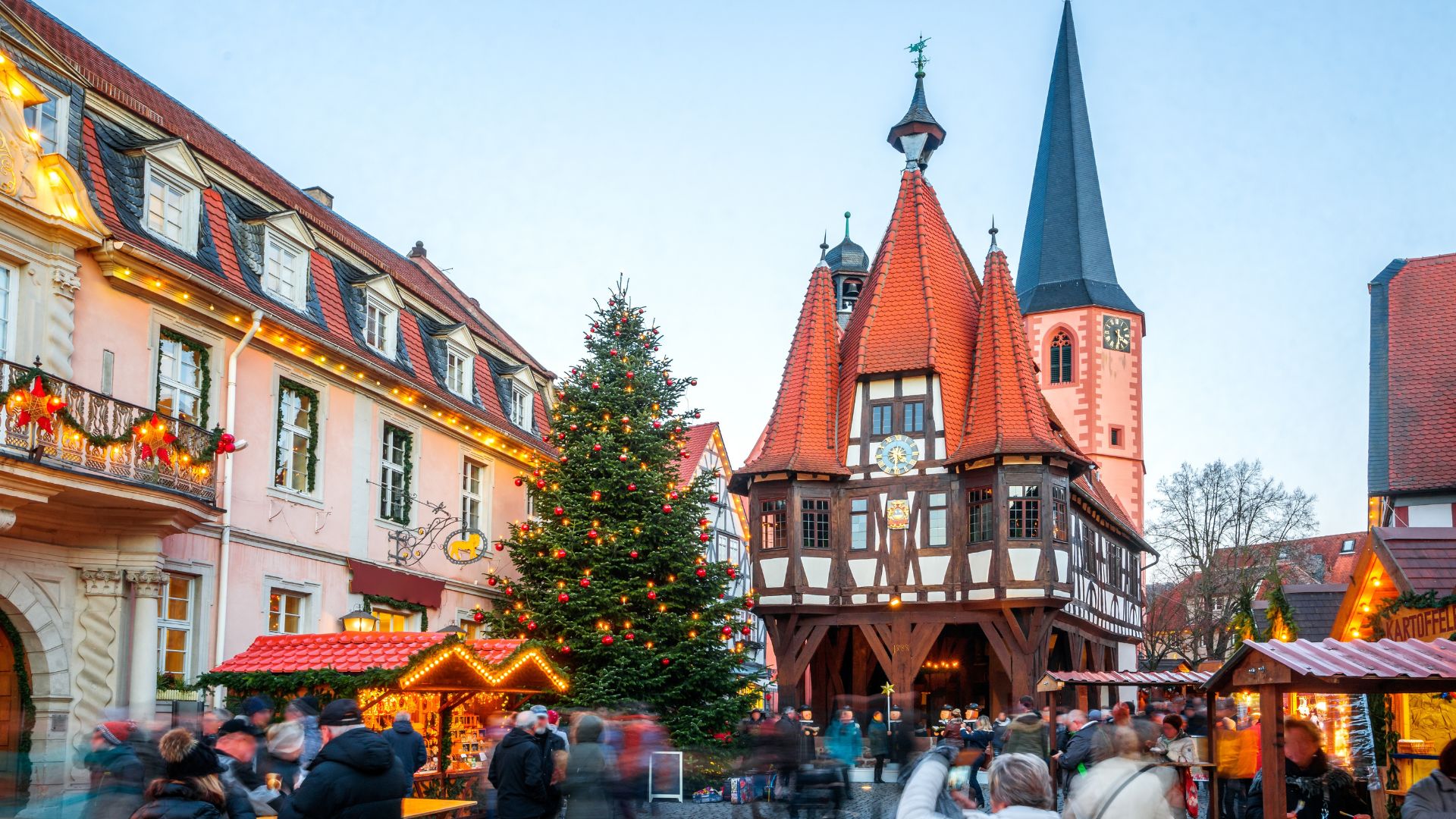
When and Where the Magic Begins
Germany’s Christmas markets — Weihnachtsmärkte — are the country’s most internationally celebrated and most genuinely extraordinary seasonal tradition, annual gatherings in historic market squares that have been practiced in various forms since the Middle Ages and that continue to provide an experience of authentic festive magic throughout the Advent season.
The opening of Germany’s Christmas markets marks the transition from the grey November quiet to the magical atmosphere that makes Germany in December and late November one of the world’s most celebrated winter travel destinations throughout the festive season.
Most German Christmas markets open on the first Advent Sunday — the fourth Sunday before Christmas — though several of the country’s most famous markets, including the Nuremberg Christkindlesmarkt, maintain specific traditional opening dates that fall in late November throughout the standard Advent calendar.
Understanding the November Christmas market opening means recognising that the first Advent Sunday can fall anywhere between 27 November and 3 December in different years, creating meaningful variation in November market availability between different years throughout the planning process.
Germany’s most important Christmas markets and their opening:
| Market | City | Opening Date | Character |
| Nuremberg Christkindlesmarkt | Nuremberg | Friday before first Advent | Germany’s most famous |
| Cologne Christmas Market | Cologne | Late November | Six simultaneous markets |
| Munich Christkindlmarkt | Munich | Late November | Marienplatz — traditional |
| Dresden Striezelmarkt | Dresden | Late November | Germany’s oldest since 1434 |
| Stuttgart Weihnachtsmarkt | Stuttgart | Late November | One of Germany’s largest |
| Hamburg Christmas Markets | Hamburg | Late November | Multiple locations |
| Heidelberg Christmas Market | Heidelberg | Late November | Castle backdrop |
| Frankfurt Christmas Market | Frankfurt | Late November | Römerberg medieval setting |
| Berlin Christmas Markets | Berlin | Late November | Multiple — Charlottenburg best |
| Freiburg Christmas Market | Freiburg | Late November | Münster cathedral backdrop |
The Nuremberg Christkindlesmarkt
The Nuremberg Christkindlesmarkt is Germany’s most internationally famous and most historically significant Christmas market, opening on the Friday before the first Advent Sunday with a ceremonial Prologue speech by the elected Christkind — a young woman representing the Christmas child — from the balcony of the Frauenkirche church throughout the opening ceremony.
The market’s 180 stalls occupying the medieval Hauptmarkt square create an atmosphere of authentic historical Christmas that has been maintained since the market’s formal establishment in 1628, with the specific Nuremberg crafts and foods — Elisen-Lebkuchen, Nuremberg Rostbratwurst, and hand-blown glass ornaments — providing a distinctly regional character throughout the market.
The Nuremberg market’s reputation attracts two million visitors throughout its four-week run, making early arrival and midweek visiting strategies genuinely important for experiencing the market at its finest throughout any November or December visit.
Nuremberg Christkindlesmarkt guide:
| Detail | Information | Notes |
| Opening | Friday before first Advent | Opening ceremony 17:30 |
| Location | Hauptmarkt — medieval square | City centre |
| Stalls | 180 traditional | Tightly regulated quality |
| Specialities | Elisen-Lebkuchen, Rostbratwurst | Most authentic |
| Christkind | Elected young woman | Changes every two years |
| Best time | Weekday morning | 10:00-12:00 best |
| Worst time | Saturday afternoon | 600,000 visitors some weekends |
| Duration | Until 24 December | Four weeks approximately |
| Glühwein mug | Distinctive Nuremberg design | Collectors’ item |
What German Christmas Markets Offer
The German Christmas market experience encompasses a specific and carefully developed combination of food, drink, craft, and atmosphere that has been refined through centuries of practice into one of the world’s most consistently rewarding seasonal cultural experiences throughout the Advent weeks.
The Glühwein — mulled wine — is the Christmas market’s defining drink, served from large steaming cauldrons in distinctive ceramic mugs that carry the specific design of each market, with the combination of warm spiced wine, cold evening air, and the market atmosphere creating an experience of genuine seasonal magic throughout any German Christmas market visit.
The food offering at German Christmas markets goes far beyond the Glühwein to encompass Bratwurst grilled over charcoal, Reibekuchen potato pancakes, Schmalzkuchen fried sugar dough, gebrannte Mandeln caramelised almonds, and the full range of Christmas baked goods that make German Christmas food culture one of the world’s finest seasonal culinary traditions throughout the Advent period.
Christmas market food and drink guide:
| Item | Description | Price Range | Best Market |
| Glühwein | Mulled red wine | €3.50–5.00 | All markets |
| Weisser Glühwein | White wine mulled | €4.00–5.50 | All markets |
| Kinderpunsch | Non-alcoholic fruit punch | €2.50–4.00 | All markets |
| Bratwurst | Grilled pork sausage | €3.50–5.50 | All markets |
| Nürnberger Rostbratwurst | Six tiny finger sausages | €4.50–6.50 | Nuremberg |
| Reibekuchen | Potato pancakes with apple sauce | €3.00–5.00 | Rhineland markets |
| Schmalzkuchen | Fried sugared dough puffs | €2.50–4.00 | Cologne |
| Gebrannte Mandeln | Caramelised spiced almonds | €4.00–8.00 | All markets |
| Elisen-Lebkuchen | Premium Nuremberg gingerbread | €5.00–25.00 | Nuremberg |
| Stollen | Dresden Christmas fruit bread | €8.00–25.00 | Dresden |
| Waffeln | Fresh waffles with cream | €3.00–5.00 | All markets |
| Maronen | Roasted chestnuts | €3.50–5.00 | All markets |
Volkstrauertag: German Remembrance Day
Volkstrauertag in Germany is a solemn Remembrance Day dedicated to honoring victims of war and violence. It is observed with quiet reflection, official ceremonies, and memorial services across the country.
The day emphasizes peace, remembrance, and national reflection. Flags are flown at half-mast, and communities gather to pay respect, creating a calm and respectful atmosphere throughout the late autumn season.
The Second Sunday in November
Volkstrauertag — the national day of mourning — is Germany’s equivalent of Remembrance Sunday, observed on the second Sunday of November with official ceremonies at war cemeteries, memorials, and the Bundestag throughout the country in a solemn commemoration of the victims of war and tyranny throughout German history.
The Volkstrauertag observance is more soberly focused than the British Remembrance Sunday equivalent, reflecting Germany’s specific historical relationship with the World Wars and the particular weight of the National Socialist period throughout the commemoration’s context.
The Berlin Neue Wache — the central memorial of the Federal Republic for the victims of war and tyranny — holds a particular significance on Volkstrauertag, with official ceremonies and quiet individual reflection creating an atmosphere of genuine solemnity throughout the memorial on this specific day.
November Cultural Season: Germany at Its Indoor Finest
November in Germany is the peak indoor cultural season. Opera, theatre, and concerts take centre stage. Museums stay active. Cold weather moves life indoors. Cities feel warm, artistic, and culturally rich throughout.
Cultural venues remain busy with performances and exhibitions. People gather in concert halls and museums. The atmosphere feels calm yet creative. Art, music, and reflection define the month across Germany’s major cities.
The Arts and Culture Scene in Late Autumn
Germany’s cultural season reaches its autumn peak throughout November, with the great opera houses, concert halls, and theatre companies presenting some of their most ambitious and most significant productions of the entire year throughout the month’s rich programming.
The Berlin Staatsoper, Bayerische Staatsoper Munich, Hamburg Staatsoper, and Frankfurt Oper all present major November productions that attract serious opera visitors from throughout Germany and the world, with the combination of outstanding production values and the particular intimacy of the late autumn cultural atmosphere creating experiences of genuine artistic distinction throughout the opera season.
The Berlin Philharmonic’s November concert programme — typically featuring the orchestra’s principal conductors and major international guest artists — provides access to what many consider the world’s finest orchestra in the optimum acoustic setting of the Hans Scharoun designed Philharmonie throughout the autumn season.
The Schleswig-Holstein Music Festival’s autumn retrospective events and the various German music festivals of November provide outstanding classical music throughout the month in a programme that rewards visitors who prioritise cultural engagement above outdoor activities throughout the shorter darker days.
November cultural highlights:
| Venue | City | November Programme | Booking Advice |
| Berlin Philharmonie | Berlin | Major subscription concerts | Book weeks ahead |
| Bayerische Staatsoper | Munich | Autumn opera premieres | Book months ahead |
| Elbphilharmonie | Hamburg | Full autumn programme | Book 4–6 weeks ahead |
| Frankfurt Alte Oper | Frankfurt | Orchestral and chamber | Moderate advance booking |
| Semperoper Dresden | Dresden | Opera and ballet | Book weeks ahead |
| Staatstheater Stuttgart | Stuttgart | Opera, ballet, theatre | Moderate advance |
| Cologne Philharmonie | Cologne | Outstanding programme | Book weeks ahead |
| Leipzig Gewandhaus | Leipzig | Bach and classical tradition | Book weeks ahead |
Jazz Festivals in November
November is Germany’s peak jazz festival month, with the Jazzfest Berlin — one of Europe’s most prestigious jazz events — and various other major German jazz festivals providing outstanding contemporary and traditional jazz programming throughout the autumn month.
The Jazzfest Berlin programme — typically held in late October and early November — attracts the world’s finest jazz musicians to the German capital in a festival of exceptional artistic ambition that contrasts beautifully with the more mainstream pop and rock festivals of the summer season throughout the German festival calendar.
Germany’s strong jazz club culture reaches its winter peak throughout November, with the cosy indoor atmosphere of the jazz clubs in Berlin’s Prenzlauer Berg, Munich’s Schwabing, and Hamburg’s Altona districts providing the perfect accompaniment to the autumn cultural season throughout the month.
St Nicholas Day Preparations: December 6th Approaches
St Nicholas Day in Germany is prepared with excitement as December 6th approaches. Children clean their boots and leave them out, hoping for treats and small gifts from St Nicholas overnight.
Homes and schools embrace the tradition with stories, songs, and small celebrations. The atmosphere is warm and festive, marking an early highlight of the December season and building anticipation for Christmas across the country.
Germany’s December 6th Tradition Begins
The anticipation of St Nicholas Day — Nikolaustag on 6 December — begins building throughout November, with the appearance of St Nicholas chocolate figures in bakeries and supermarkets from early November and the widespread preparation of the Nikolausstiefel boot-polishing tradition that forms part of German children’s December culture.
The German St Nicholas tradition involves children polishing their boots on the evening of 5 December and placing them outside their bedroom doors, with St Nicholas filling the boots with sweets, small gifts, and — for naughty children — a birch rod throughout the overnight visit.
The separation of the St Nicholas gift-giving tradition on 6 December from the larger Christmas gift-giving tradition of 24 December creates the specifically German two-stage Christmas gift culture that distinguishes the German Advent season from the single gift-giving event of other European traditions throughout the festive calendar.
November Day Trips: Autumn’s Final Beauty
November in Germany is ideal for quiet day trips, with late autumn scenery, fewer crowds, and a calm atmosphere that allows travelers to explore cities, villages, and countryside at a relaxed pace.
Forests, rivers, and historic towns carry a moody seasonal charm. Crisp air and soft light create peaceful journeys, making November perfect for reflective travel and discovering Germany’s final autumn beauty before winter arrives.
Outstanding November Excursions From German Cities
November in Germany is ideal for city excursions. Short trips are easy and relaxed. Quiet towns, scenic countryside, and historic landmarks are nearby. Late autumn adds a calm, peaceful, and atmospheric travel experience.
From Munich — Alpine and Regional November
The Bavarian Alps in November provide genuinely spectacular scenery, with the first significant snowfall covering the peaks and creating a dramatic contrast between the snow-white mountains and the golden remaining foliage in the valley floors throughout the finest November days.
The Tegernsee in November provides one of Bavaria’s finest off-season experiences, with the lake’s crystal clarity increased by the reduced summer algae, the surrounding mountains often carrying fresh snow, and the valley’s traditional Gasthäuser providing outstanding Wildgericht game dishes throughout the November menu.
The Neuschwanstein Castle approach in November — with fresh snow possible on the surrounding peaks and minimal tourist pressure — provides genuinely outstanding conditions for experiencing one of the world’s most photographed castles with the atmospheric drama that the peak season crowds entirely prevent throughout the summer months.
From Berlin — Brandenburg November
Potsdam’s Sanssouci Park in November provides a genuinely atmospheric autumn experience, with the baroque park’s bare trees creating elegant silhouettes against the November sky and the palace buildings taking on a melancholy grandeur throughout the late autumn visit.
The Brandenburg countryside in November has its own specific quiet beauty, with the flat agricultural landscape under dramatic skies providing a very different but genuinely compelling visual character from the more dramatically scenic southern German alternatives throughout the November exploration.
From Hamburg — Northern November Atmosphere
The Hamburg Speicherstadt warehouse district in November evening light provides some of the city’s most atmospheric photography opportunities, with the brick warehouses and canal reflections creating a visual drama that the summer’s bright light cannot replicate throughout the moody November conditions.
The Lüneburg historic old town in November provides an outstanding Hamburg day trip of genuine historical atmosphere, with the medieval salt-trading architecture and the quiet November streets creating a sense of historical depth that the summer tourist season somewhat diminishes throughout the peak period.
November day trip guide:
| Base City | Destination | Journey | November Highlight |
| Munich | Tegernsee | 60 min train | Snow mountains — lake reflection |
| Munich | Neuschwanstein | 2 hours | Snow castle — minimal crowds |
| Munich | Berchtesgaden | 2 hours | Alpine November drama |
| Berlin | Potsdam | 30 min | Bare park — baroque grandeur |
| Berlin | Spreewald | 90 min | Misty canals — autumn quiet |
| Hamburg | Lüneburg | 45 min | Medieval atmosphere |
| Hamburg | Speicherstadt evening | 15 min | Most atmospheric November |
| Frankfurt | Rhine Gorge | 60 min | Fog and castle drama |
| Cologne | Moselle valley | 90 min | Harvest complete — quiet |
| Stuttgart | Tübingen | 45 min | University town November |
November Food Culture: Warming German Cuisine
November in Germany brings warming food culture, with hearty soups, stews, roasted dishes, and seasonal ingredients taking centre stage as the weather turns cold and comfort becomes essential.
Traditional flavours return to kitchens and restaurants, with rich, filling meals enjoyed indoors. Seasonal produce, baked goods, and warming drinks define the month, creating a cosy and satisfying culinary atmosphere across the country.
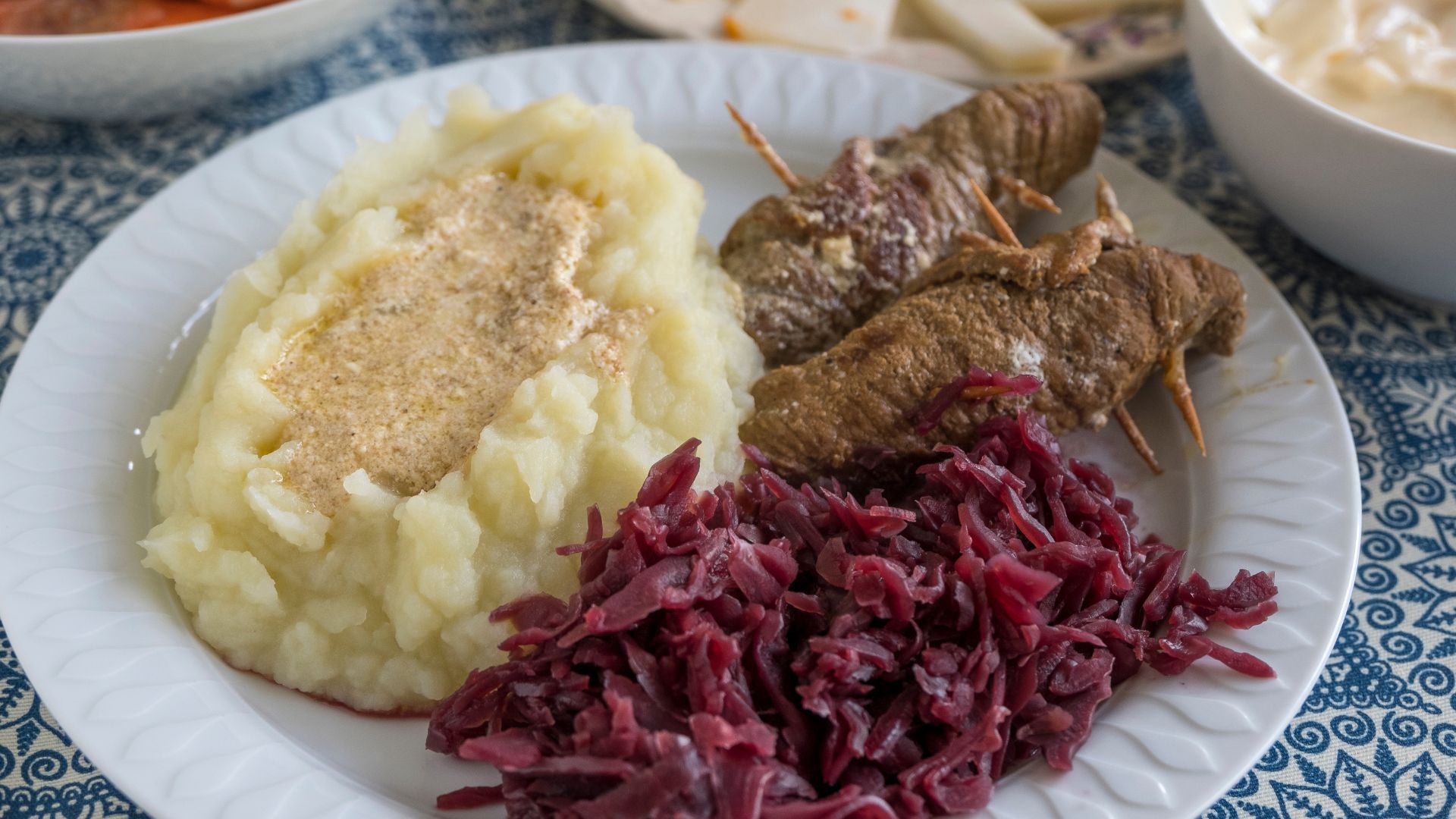
Germany’s Most Comforting Seasonal Table
November’s German food culture embraces the full warming tradition of the country’s autumn and winter cuisine, with hearty soups, game dishes, root vegetable preparations, and the first Christmas baking creating a seasonal food landscape of genuine comfort and genuine quality throughout the cold month.
The Eintopf tradition — one-pot hearty soup — is November’s most universally comforting German food experience, with Linsensuppe lentil soup, Erbsensuppe pea soup, and Gulaschsuppe beef goulash soup providing the warming sustenance that cold November days genuinely demand throughout the German culinary tradition.
The game season continues throughout November, with venison, wild boar, and hare appearing on restaurant menus throughout Germany in preparations that represent some of the country’s most traditionally rooted and most genuinely excellent cooking throughout the Wildzeit hunting season.
The first Christmas baking begins in German home kitchens throughout November, with Lebkuchen gingerbread, Zimtsterne cinnamon stars, Vanillekipferl vanilla crescents, and Spekulatius spice biscuits filling the home with Christmas baking aromas throughout the pre-Advent baking season.
November seasonal food highlights:
| Item | Type | November Status | Notes |
| Linsensuppe | Lentil soup | Peak season | Swabian with Spätzle finest |
| Hirsch | Venison | Prime hunting season | Gulasch and roasts |
| Wildschwein | Wild boar | Prime season | Richest game flavour |
| Hase | Hare | Traditional season | Hasenpfeffer classic |
| Grünkohl | Kale — first frost sweetened | Season opening | North German tradition |
| Rote Bete | Beetroot — peak season | Full availability | Soups and salads |
| Kürbis | Pumpkin — continuing | Still available | Soups and roasting |
| Stollen | Dresden Christmas bread | Season opening | Appears in bakeries |
| Lebkuchen | Gingerbread | Market season opens | Nuremberg first |
| Martinsgans | St Martin’s goose | 11 November tradition | Book restaurant in advance |
Grünkohl Season Opens
The Grünkohl — kale — season is one of northern Germany’s most distinctive culinary traditions, with the kale considered at its finest only after the first frost has sweetened the leaves throughout the November growing season.
The northern German Grünkohlessen — kale eating excursion — is one of the most charming regional culinary traditions in Germany, involving groups of friends or colleagues making outdoor excursions followed by the communal consumption of Grünkohl with Pinkel smoked sausage and Kasseler smoked pork throughout the traditional winter meal.
The Hamburg, Bremen, and Oldenburg areas maintain the Grünkohl tradition most strongly, with the winter Grünkohlsaison providing a genuinely regional and genuinely warming culinary experience that visitors to northern Germany throughout November can seek out in traditional Gasthäuser throughout the kale season.
November Travel Costs: Germany’s Best Value
November in Germany offers some of the best travel value of the year. Lower demand means cheaper flights, accommodation, and transport, making it ideal for budget-friendly and flexible travel plans.
With fewer tourists, popular destinations feel more accessible and relaxed. Seasonal discounts and off-peak pricing allow travellers to enjoy cities, culture, and experiences at a significantly reduced cost.
Outstanding Accommodation Value Throughout the Month
November provides Germany’s lowest hotel prices of the entire year outside the Christmas market period’s modest premium, with the combination of minimal domestic tourism, low international visitor numbers, and the absence of any significant peak demand events creating genuinely outstanding accommodation value throughout most of the month.
The specific accommodation value of early November — before Christmas market openings begin attracting the first festive visitors — creates a pricing environment where four-star hotels in Munich, Berlin, Hamburg, and Frankfurt are available at prices that represent some of the year’s finest quality-to-cost ratios throughout the early month period.
The Christmas market opening weekends in late November create the first modest price increases of the festive season in cities with the most famous markets — Nuremberg, Cologne, Munich, and Dresden — but these increases remain well below the summer peak throughout any comparison with the high season pricing.
November hotel price guide:
| City | Early November | Christmas Market Opening | Summer Comparison |
| Munich | €80–120 | €100–150 late month | 45–50% below August |
| Berlin | €70–110 | €85–130 late month | 45–50% below August |
| Hamburg | €75–115 | €90–135 late month | 40–45% below August |
| Frankfurt | €80–120 | €95–140 late month | 40–45% below August |
| Cologne | €70–110 | €90–140 late month | 40–45% below August |
| Nuremberg | €65–100 | €100–160 late month | 40–45% below August |
| Dresden | €65–100 | €95–150 late month | 40% below August |
| Heidelberg | €70–105 | €95–145 late month | 40% below August |
The Advent Season Begins: Late November Magic
The Advent season begins in late November in Germany, bringing the first signs of Christmas lights, decorations, and festive preparations across cities and towns.
Streets start to glow, markets slowly open, and a warm seasonal atmosphere spreads. It marks the transition from quiet autumn to the magical, festive spirit of the coming Christmas season.
Germany’s Christmas Season Opening
The first Advent Sunday — falling between 27 November and 3 December depending on the year — marks one of the most emotionally significant dates in the German calendar, the formal beginning of the Christmas preparation season that transforms Germany’s cultural and culinary landscape throughout the four Advent weeks.
The Advent wreath — Adventskranz — with its four candles lit progressively on each Advent Sunday is one of Germany’s most universally practiced domestic traditions, appearing in virtually every German home and many public buildings throughout the Advent season in a tradition of considerable antiquity.
The specific anticipation that builds throughout late November toward the Christmas market openings creates a distinctive German atmosphere of contained excitement and genuine seasonal joy that visitors experience as one of the country’s most characteristically national emotional registers throughout any late November visit.
The Weihnachtsbäckerei — Christmas baking — tradition begins formally in many German households on the first Advent Sunday, with families spending the day baking Plätzchen Christmas cookies in quantities sufficient to fill the Plätzchendose tin that will supply the family throughout the entire Advent season.
German Advent traditions by week:
| Advent Week | Tradition | Character | Activity |
| First Advent | Adventskranz first candle | Formal season opening | Christmas baking begins |
| First-Second | Christmas market visits begin | Market season active | Glühwein culture starts |
| Second Advent | Second candle — increasing light | Building anticipation | Stollen buying and eating |
| Third Advent | Gaudete — joyful Sunday | Christmas excitement building | Gift planning intensifies |
| Fourth Advent | Final preparation | Maximum anticipation | Christmas Eve approaches |
Practical Tips for Visiting Germany in November
Visiting Germany in November requires warm clothing, as temperatures are low and weather can be rainy or foggy. Layers, waterproof jackets, and comfortable shoes are essential for travel.
Plan more indoor activities like museums, concerts, and cafés. Enjoy fewer crowds, cheaper prices, and relaxed travel conditions. Early Christmas markets in late November add a festive touch to your journey.
Essential Advice for Every November Visitor
Tip 1 — Embrace the darkness with the German Gemütlichkeit mindset. The short November days are best experienced in the German spirit of cosy indoor culture — the warm Bierkeller with a Dunkel dark beer, the candlelit Konditorei with Kaffee und Kuchen, and the convivial wine bar with a glass of new vintage Riesling throughout the atmospheric November evenings.
Tip 2 — Book early Christmas market accommodation for late November. The opening weekends of Germany’s most famous Christmas markets — Nuremberg, Cologne, Munich, and Dresden — attract early festive visitors from throughout Europe, requiring accommodation booking of six to eight weeks in advance for the first Advent weekend throughout the market opening period.
Tip 3 — Attend a St Martin’s lantern procession for Germany’s most beautiful November experience. The Martinszug lantern processions on 11 November provide one of Germany’s most genuinely moving and most genuinely beautiful public traditions, with the combination of children’s handmade lanterns, traditional songs, and community warmth creating an unforgettable November evening throughout any German city or village.
Tip 4 — Visit Germany’s greatest museums in their quietest month. November provides the finest uncrowded access to the Pergamon Museum, Munich’s Pinakothek collections, Hamburg’s Kunsthalle, and every other major German museum throughout the year, with galleries that are impossibly crowded in summer available for genuinely contemplative exploration throughout any November visit.
Tip 5 — Eat Martinsgans on or around 11 November for the most seasonal German meal. The roast goose tradition of St Martin’s Day provides one of Germany’s finest and most distinctly seasonal dining experiences, with the combination of perfectly roasted goose, red cabbage, and dumplings representing German autumn cooking at its most traditional and most genuinely satisfying throughout any November restaurant visit.
Tip 6 — Book opera and concert tickets well in advance for the finest November cultural programme. The Berlin Philharmonic, Bayerische Staatsoper, and Elbphilharmonie Hamburg all present major November programmes that sell out weeks in advance, with the combination of the cultural season’s autumn peak and the low tourist season creating outstanding access to world-class performances for visitors who plan ahead throughout the cultural calendar.
Tip 7 — Use November for Germany’s finest hotel value. Early November provides Germany’s best hotel value of the entire year, with four-star quality available at prices that represent savings of 40 to 50 percent compared with the August peak in virtually every German city, making an early November visit genuinely outstanding value for quality-conscious travellers throughout the month.
Tip 8 — Experience the Neuschwanstein Castle with first November snow. The Neuschwanstein Castle surrounded by early November snow — with minimal tourist crowds and the dramatic Alpine backdrop freshly whitened — provides one of Germany’s most genuinely magical and most genuinely accessible castle experiences throughout the late autumn month.
November’s Specific Pleasures: A Personal Guide
In November, Germany slows down into cosy moments. Warm cafés, hearty meals, and quiet streets create comfort. Cold air outside, warmth inside, and soft cultural evenings shape a calm personal travel experience.
Museums, concerts, and early festive lights add charm. Slow travel feels natural. The month becomes intimate, reflective, and atmospheric, offering simple pleasures that make Germany feel peaceful and deeply inviting.
The Experiences That Make November Uniquely Rewarding
November in Germany is uniquely rewarding with cosy indoor culture, quiet cities, and warm gatherings that contrast beautifully with the cold, calm late autumn atmosphere.
Cultural experiences like concerts, museums, and early festive events stand out. Combined with fewer crowds and slower travel, the month offers peaceful, meaningful moments that feel intimate, reflective, and deeply memorable.
The First Glühwein of the Season
The first Glühwein of the season at a newly opened Christmas market carries a specific emotional charge that subsequent market visits cannot replicate, with the combination of the warm spiced wine, the cold November air, the first market candles, and the beginning of the festive season creating a moment of genuine and lasting emotional resonance throughout any German visit.
The Empty Museum Experience
Visiting the Pergamon Museum in Berlin on a grey November Tuesday morning — with the extraordinary Pergamon Altar and the Market Gate of Miletus accessible without the summer crowds — provides a cultural experience of profound depth that the peak season visitor cannot access throughout the comparative overwhelming summer visit.
The Morning Fog Walk
Walking through a German river valley on a November morning when fog fills the valley floor and the vineyard terraces emerge above the mist level into unexpected autumn sunshine provides one of the most purely atmospheric and most genuinely beautiful landscape experiences available throughout the German November calendar.
The Cosy Beer Hall Evening
Settling into one of Munich’s historic beer halls — the Augustinerkeller, the Hofbräuhaus, or the Löwenbräukeller — on a cold November evening with a Dunkel dark beer and a plate of Obatzda and Brezn provides the quintessentially German experience of indoor warmth and convivial Gemütlichkeit that the outdoor summer culture of the beer garden cannot provide throughout the winter season.
Frequently Asked Questions
Is November a good time to visit Germany? November is genuinely excellent for visitors who appreciate very low crowds, outstanding hotel value, the full autumn cultural season at its peak, the first Christmas market openings in late November, and the specific atmospheric beauty of Germany’s late autumn landscape throughout the month’s distinctive character.
When do Germany’s Christmas markets open in November? Most German Christmas markets open on the first Advent Sunday — which falls between 27 November and 3 December depending on the year. The Nuremberg Christkindlesmarkt opens on the Friday before the first Advent Sunday as a specific tradition, making it typically the first of the major markets to open throughout any given year.
What is St Martin’s Day and why is it special? St Martin’s Day on 11 November is one of Germany’s most beautiful folk traditions, with children carrying handmade paper lanterns in evening processions through darkened streets while singing traditional songs, accompanied by a horseback rider representing St Martin throughout the community celebration. The tradition is practiced throughout Germany but is particularly strong in the Rhineland and Bavaria.
What cultural events happen in Germany in November? November is one of Germany’s richest cultural months, with the Jazzfest Berlin, major opera premieres throughout the great German opera houses, the Berlin Philharmonic’s autumn programme, and the full theatre season providing an extraordinary cultural programme throughout the month.
How cold is Germany in November? Germany in November ranges from 3°C to 9°C on average, with early November milder at 6°C to 12°C and late November colder at 2°C to 7°C throughout most regions. The combination of cold temperatures, frequent overcast conditions, and the possibility of the first snow in Bavaria and eastern Germany makes proper winter clothing genuinely essential throughout any November visit.
Final Thoughts
November in Germany rewards open-minded travellers with quiet museums, cosy beer halls, and strong hotel value, as the country shifts from golden autumn into the early magical atmosphere of the Christmas season.
St Martin’s lantern processions, early Christmas markets, and the first Glühwein create warm seasonal moments. Cultural experiences feel intimate, while cities remain calm, offering space, comfort, and authentic late autumn travel experiences.
From uncrowded museums to cosy evenings in wine bars, November delivers depth and authenticity. The month feels atmospheric and rewarding, creating memorable journeys shaped by tradition, warmth, and the early festive spirit across Germany.
Hi, I’m Preeti Negi, a content writer who loves mixing creativity with smart strategy.
I have 3 years of experience writing about travel, digital marketing, and study abroad topics. I create content that is easy to read, engaging, and designed to connect with people while also performing well on Google.
When I’m not writing, I enjoy exploring new trends, learning new things, and thinking about fresh ideas for my next piece.
