

Germany rewards well-prepared visitors with one of Europe’s finest travel experiences, but the country’s specific cultural norms, transport systems, shopping rules, and social expectations create a distinctive set of potential mistakes that genuinely affect the quality of the visitor experience throughout any German trip.
The mistakes that most commonly frustrate German visitors are not failures of goodwill or intelligence but simply gaps in the specific local knowledge that residents accumulate naturally and that visitors must consciously acquire before arriving throughout the preparation process.
Understanding Germany’s specific rules — the transport validation requirement, the Sunday shop closure, the quiet hours tradition, and the dozens of other specifically German conventions — converts potential sources of frustration into confident and fluent navigation throughout every aspect of the German visit.
This guide addresses the most significant, most frequently encountered, and most genuinely impactful mistakes that visitors make throughout Germany, providing the specific knowledge that transforms a potentially frustrating experience into a genuinely rewarding one throughout every German journey.
Please note that this article contains affiliate links. Learn more about it on our Disclosure page. We use ads to support our small business – we hope you don’t mind them too much.
Germany Travel Mistakes: Complete Overview
Traveling through Germany can feel effortless, but small mistakes can impact the experience. From planning errors to cultural misunderstandings, knowing what to avoid helps ensure a smoother and more enjoyable journey.
Many travellers overlook simple details like timing, bookings, or local etiquette. With the right awareness and preparation, it’s easy to avoid common pitfalls and make the most of your time across Germany.
The most costly German travel mistakes at a glance:
| Mistake Category | Impact | Frequency |
| Not validating transport tickets | €60 fine | Very common |
| Wrong zone transport ticket | €60 fine | Common |
| Booking ICE too late | High fares or no seats | Very common |
| Shopping on Sunday | Everything closed | Very common |
| Expecting card payment everywhere | Stranded without cash | Common |
| Ignoring quiet hours | Neighbour conflict | Common |
| Undertipping — or forgetting | Cultural misstep | Common |
| Wrong Oktoberfest planning | No tent access — high cost | Very common |
| Not booking ahead generally | Missed experiences | Common |
| Driving without understanding rules | Fines and legal issues | Moderate |
Top 20 Travel Mistakes to Avoid in Germany
Traveling through Germany can be smooth and enjoyable, but common mistakes can affect your overall experience. Knowing what to avoid helps you travel smarter and more confidently.
Many travellers underestimate planning, from booking transport to understanding local customs. Small oversights can lead to unnecessary stress, delays, or missed experiences during your journey.
With the right preparation and awareness, these mistakes are easy to avoid. A little planning ensures a more relaxed, efficient, and rewarding travel experience across Germany.
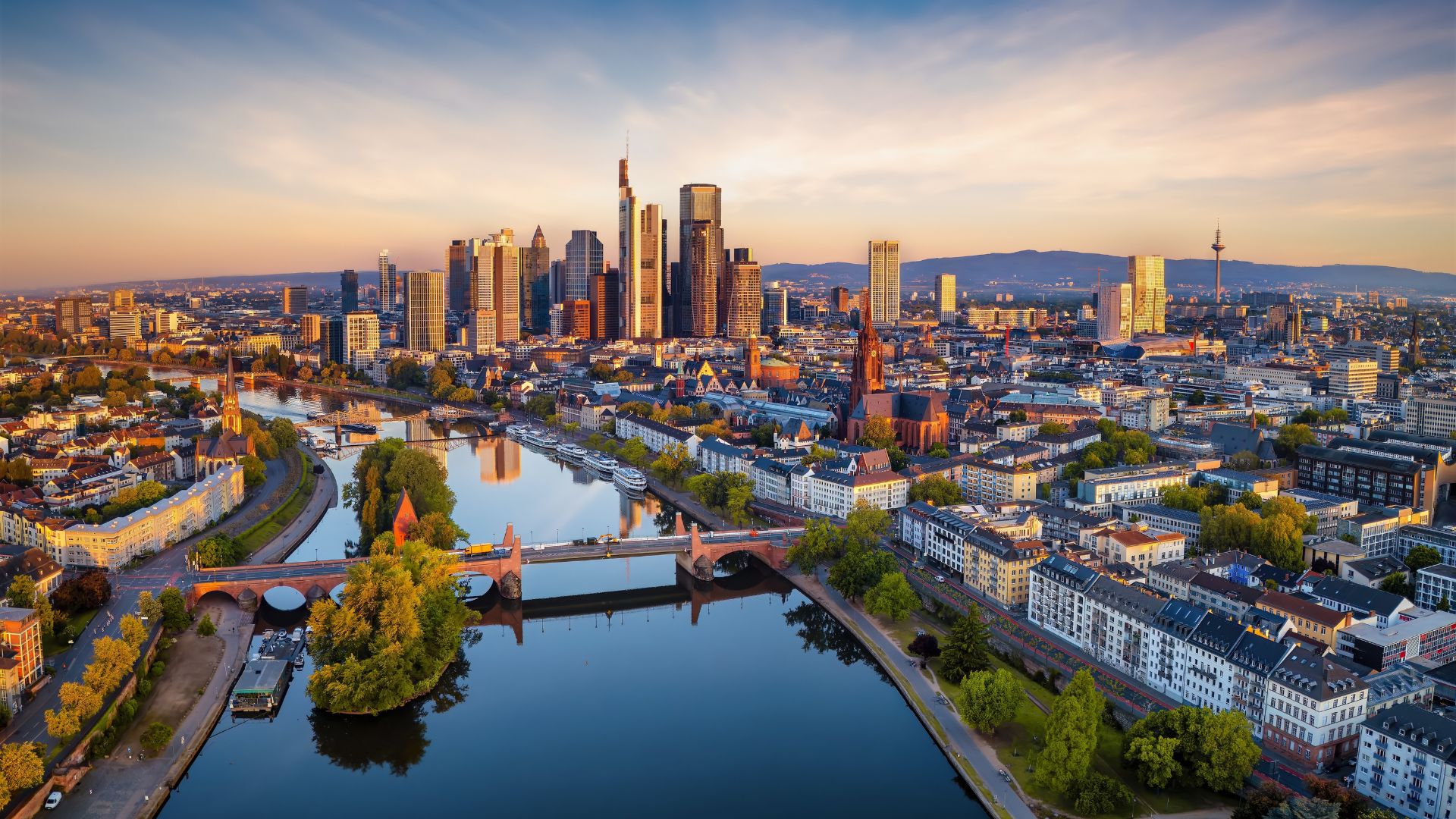
Mistake 1 — Not Validating Your Transport Ticket
In Germany, not validating your transport ticket is a common mistake that can lead to fines, even if you have purchased a valid ticket. Validation rules are strictly enforced.
Many regional and local tickets require stamping before travel. Skipping this step is treated as travelling without a ticket, so always check and validate to avoid unnecessary penalties.
The €60 Fine That Catches Thousands of Visitors
The single most costly and most avoidable mistake throughout Germany is failing to validate regional transport tickets before boarding, with the €60 erhöhtes Beförderungsentgelt — elevated transport fare — issued immediately and without sympathy by Kontrolleure fare inspectors throughout the network.
The validation requirement applies to regional train, S-Bahn, U-Bahn, tram, and bus tickets purchased from machines, with the orange Entwerter validation machines located at platform entrances requiring the ticket to be inserted until the machine stamps date and time throughout the validation process.
Long-distance Deutsche Bahn tickets — ICE, IC, and EC services — do not require separate validation as the specific train and date are encoded at purchase throughout the booking process, creating the confusing dual system that catches visitors who assume the same rules apply throughout all German transport.
Digital tickets purchased through DB Navigator and activated through the in-app function do not require machine validation, but the digital activation must be completed before boarding the first service rather than after a fare inspector requests it throughout the journey.
Validation guide:
| Ticket Type | Validation Required | Method |
| Regional RE/RB — machine purchased | Yes | Orange Entwerter machine |
| S-Bahn — machine purchased | Yes | Orange Entwerter machine |
| U-Bahn — machine purchased | Yes | Orange Entwerter machine |
| Day tickets — machine-purchased | Yes — first use | Any Entwerter machine |
| ICE/IC/EC long-distance | No | Pre-activated at purchase |
| DB Navigator digital tickets | Yes — digital activation | Activate in-app before boarding |
| Deutschlandticket digital | No | App shows valid automatically |
| Printed online DB tickets | No | Train-specific at purchase |
Mistake 2 — Buying the Wrong Zone Ticket
In Germany, buying the wrong zone ticket is a frequent travel mistake. Transport systems are zone-based, and every journey must match the correct fare zones for full coverage.
Even a small mismatch in zones can lead to fines during inspections. Always check route maps carefully, verify zones before purchase, and use official apps to ensure your ticket matches your complete journey.
The Incomplete Zone Error That Invalidates Your Journey
Purchasing insufficient zones for the intended journey — buying an AB zone ticket when the destination requires an ABC zone — creates an invalid ticket that carries the same €60 fine as having no ticket throughout the fare inspection process.
The Munich airport connection is Germany’s most common zone ticket mistake, with the airport lying in the XXL zone that requires specifically the XXL ticket rather than the standard inner city Innenraum ticket, creating a zone shortfall that catches enormous numbers of visitors annually throughout the airport connection journey.
Berlin’s airport connection similarly requires the ABC zone ticket rather than the AB city ticket, with the Brandenburg airport’s location outside the standard Berlin AB zone creating the same zone shortfall mistake for visitors purchasing the more obvious inner-city ticket throughout the airport journey.
The practical solution is using DB Navigator or the specific city transport app for all ticket purchases, as these apps automatically calculate the correct zone requirement for the entered origin and destination throughout the digital ticketing process.
Common zone mistake locations:
| Journey | Correct Ticket | Common Wrong Ticket | Fine Risk |
| Munich to Airport | XXL zone ticket | Innenraum AB ticket | €60 certain |
| Berlin to BER Airport | ABC zone ticket | AB zone ticket | €60 certain |
| Hamburg to Airport | Full zone ticket | Central zone ticket | €60 certain |
| Frankfurt to Airport | Correct RMV zones | City-only zones | €60 certain |
Mistake 3 — Booking ICE Trains Too Late
In Germany, booking ICE trains too late is a common mistake, especially during peak travel seasons. High-speed routes often sell out quickly, leaving fewer options and higher fares for last-minute travellers.
Advance booking is essential for better prices and seat availability on ICE trains. Planning early ensures smoother connections, flexible schedules, and a more comfortable travel experience across Germany’s efficient long-distance rail network.
How Late Booking Costs Hundreds of Euros Unnecessarily
Booking Deutsche Bahn ICE tickets at the last minute — within two weeks of travel — means paying Flexpreis full fares that can be three to five times higher than the Sparpreis advance fares available when booking six to twelve weeks ahead throughout the advance booking window.
The Munich to Hamburg ICE journey booked on the day of travel costs approximately €150 to €180 for a Flexpreis ticket, while the same journey booked eight weeks in advance yields Sparpreis fares from as little as €29.90 throughout the advance booking comparison.
The Sparpreis and Super Sparpreis advance tickets are non-refundable and tied to specific trains, requiring confident travel planning to exploit fully throughout the advance booking strategy, while the Flexpreis option retains full flexibility at the significant cost premium.
The 180-day advance booking window opens for all Deutsche Bahn journeys exactly six months before departure, with the cheapest fares available at this opening and disappearing progressively as seats are claimed throughout the booking period.
ICE booking strategy:
| Booking Timing | Typical Fare | Flexibility | Recommendation |
| 180 days ahead | €17.90–29.90 | Non-refundable | Best — book immediately |
| 6–8 weeks ahead | €29.90–49.90 | Non-refundable | Good value still |
| 2–4 weeks ahead | €39.90–79.90 | Non-refundable | Acceptable |
| 1 week ahead | €59.90–120 | Non-refundable | Expensive |
| Day of travel | €80–180 | Fully flexible | Very expensive |
Mistake 4 — Expecting Everything Open on Sunday
Sundays in Germany feel unusually quiet, often catching travellers off guard when they find shops, supermarkets, and many retail outlets closed due to traditional rest-day regulations.
Planning ahead is important, as only select restaurants, transport hubs, and essential services remain open. Preparing in advance ensures a smooth, stress-free Sunday without last-minute inconvenience during your trip
Germany’s Sunday Closure Tradition That Shocks Visitors
Germany’s Ladenschlussgesetz — shop closing law — creates a Sunday retail closure tradition that genuinely surprises visitors from countries where Sunday shopping is entirely normal, with virtually all supermarkets, clothing shops, department stores, and retail establishments closed throughout Sunday.
The Sunday closure applies throughout Germany with minimal exceptions — petrol stations selling basic provisions, bakeries with limited opening hours in the morning, shops within major train stations, and tourist-area shops with specific Sunday licences — creating a genuinely limited retail landscape throughout the day.
The practical implication for visitors is that grocery shopping, pharmacy visits for non-urgent items, and any retail needs must be completed on Saturday at the latest, with the Sunday provision requiring specific planning rather than the casual day-of shopping that visitors from many countries assume as normal throughout any weekend day.
The supermarkets located within major German railway stations — REWE and Edeka in Frankfurt, Munich, Berlin, and Hamburg stations — remain open on Sundays, making them essential provisioning locations for visitors who have miscalculated the Sunday closure throughout the week’s planning.
Sunday availability guide:
| Establishment | Sunday Status | Notes |
| Supermarkets | Closed throughout | Plan Saturday shopping |
| Station supermarkets | Open — reduced hours | Essential backup |
| Bakeries | Some open — morning only | Until approximately 12:00 |
| Restaurants | Open throughout | No Sunday restriction |
| Museums | Open — best Sunday destination | Excellent Sunday choice |
| Pharmacies | Emergency only — Notdienstapotheke | One per area open |
| Petrol stations | Open — basic provisions | Expensive but available |
| Christmas market period | Exception — some markets open | December special permissions |
Mistake 5 — Assuming Card Payment Is Universal
Small cafés, bakeries, and local shops across Germany often prefer cash payments, surprising travellers who expect card acceptance everywhere in modern European destinations.
Carrying euros is essential for convenience, especially in smaller towns and traditional establishments. Checking payment options in advance helps avoid inconvenience during meals, shopping, or everyday travel activities.
Germany’s Persistent Cash Culture Surprises Visitors
Germany’s cash culture is significantly stronger than most other comparable European economies, with a meaningful proportion of German restaurants, smaller shops, market stalls, and rural establishments operating on cash-only basis throughout the country.
The assumption that contactless card payment works everywhere in Germany — as it does in Sweden, the Netherlands, and the UK — leads to genuinely embarrassing situations at restaurant payment time, Christmas market stalls, and smaller establishment checkouts throughout the cash-dependent German economy.
The German cultural attachment to Bargeld — cash — reflects genuine privacy preferences, philosophical scepticism about digital surveillance through payment data, and a historically rooted distrust of banking intermediaries that makes German cash culture more than merely a payment system preference throughout the cultural context.
Carrying approximately €50 to €100 in cash at all times while visiting Germany provides the safety net that eliminates any cash-related embarrassment throughout any German visit, with the additional cash available from the widely distributed Geldautomat ATM machines throughout German cities and towns.
Payment landscape guide:
| Establishment Type | Card Acceptance | Cash Requirement |
| Supermarkets — large | Usually yes | Always have backup |
| Restaurants — larger | Usually yes | Always ask or have cash |
| Restaurants — smaller | Often cash-only | Assume cash needed |
| Christmas market stalls | Cash predominantly | Essential |
| Taxi — officially | Increasingly yes | Cash always safest |
| Beer gardens | Often cash-only | Essential |
| Bakeries — small | Mixed | Carry cash |
| Museums | Card accepted | Generally reliable |
| Train ticket machines | Card accepted | Also takes cash |
| Farmers markets | Cash essential | No exceptions |
Mistake 6 — Ignoring German Quiet Hours
Ignoring quiet hours in Germany can be a surprising mistake, as evenings and Sundays are protected by local noise regulations that maintain peace in residential areas.
Loud music, gatherings, or disturbances during these hours may be frowned upon. Respecting quiet times ensures a smoother stay and helps travellers blend comfortably with local cultural expectations.
The Ruhezeit Rules That Govern German Residential Life
Germany’s Ruhezeit — quiet hours — tradition creates legal obligations for maintaining silence during specific periods that surprise visitors from cultures without equivalent legal frameworks, with violations creating genuine conflict with neighbours and occasionally involving the police throughout the quiet hour period.
The standard German quiet hours require silence between 22:00 and 06:00 nightly, between 13:00 and 15:00 on weekdays in many residential areas, and throughout the entire Sunday — with specific building rules often extending beyond these minimums throughout the residential building regulations.
The Sunday silence tradition — Sonntagsruhe — is Germany’s most absolute quiet hour requirement, with activities including lawn mowing, power tool use, loud music, and car washing prohibited on Sundays throughout most German residential areas.
The practical visitor implication is primarily about noise levels in hotel rooms and apartment rentals, with genuinely noisy behaviour after 22:00 risking complaints and in apartment rental situations potentially creating legal and financial consequences throughout the quiet period violation.
Ruhezeit guide:
| Period | Required Quiet | Activities Prohibited |
| 22:00–06:00 daily | Strict silence | Loud music, TV volume, party |
| 13:00–15:00 weekdays | Many areas | Power tools, loud activities |
| Sunday all day | Maximum silence | Power tools, mowing, car washing |
| Sunday 22:00–06:00 | Absolute silence | Everything |
| Public holidays | Sunday rules apply | Same as Sunday |
Mistake 7 — Getting Tipping Wrong
Getting tipping wrong in Germany is a common mistake, as tipping is appreciated but not excessive, and service charges are often already included in bills at restaurants and cafés.
A small tip of rounding up or adding a few euros is usually enough. Over-tipping is unnecessary, so understanding local customs ensures polite, appropriate, and comfortable dining experiences throughout your trip.
The German Tipping Convention Visitors Consistently Misunderstand
German tipping culture operates on a specific rounding-up convention rather than the percentage-based calculation that British and American visitors apply as their default, creating confusion and occasional offence throughout the restaurant and service encounter.
The correct German tipping method involves rounding up the bill to the nearest convenient round number when paying — a €17.40 meal becomes €18 or €19, a €23.50 meal becomes €25 — rather than calculating a percentage and adding it throughout the payment calculation.
The tipping communication protocol in German restaurants requires telling the server the intended payment total rather than leaving cash on the table, with the statement Stimmt so — that’s right — or the quoted total communicating the tip instruction throughout the payment interaction.
Not tipping at all in German restaurants is considered rude rather than culturally acceptable, while over-tipping — particularly to American percentage standards of 20 percent — is unnecessary and occasionally creates social awkwardness throughout the restaurant tipping encounter.
German tipping guide:
| Service | Appropriate Tip | Method |
| Restaurant — sit down | Round up 5–10% | Tell server the total verbally |
| Café — table service | Round up — small amount | Same verbal method |
| Taxi | Round up to nearest euro | Tell driver at payment |
| Hotel porter | €1–2 per bag | Hand directly |
| Hotel housekeeping | €1–2 per day | Leave on pillow |
| Hair salon | 5–10% | Hand directly to stylist |
| Beer garden — table service | Round up | Verbal or leave coins |
| Counter service — bakery/café | Not expected — optional | Tip jar if present |
Mistake 8 — Poor Oktoberfest Planning
Poor Oktoberfest planning in Germany can lead to missed reservations, overcrowded tents, and higher costs, especially during peak festival days when demand is extremely high.
Booking accommodation and table reservations early is essential. Planning ahead ensures better access, smoother experiences, and a more enjoyable celebration during one of Germany’s most popular cultural events.
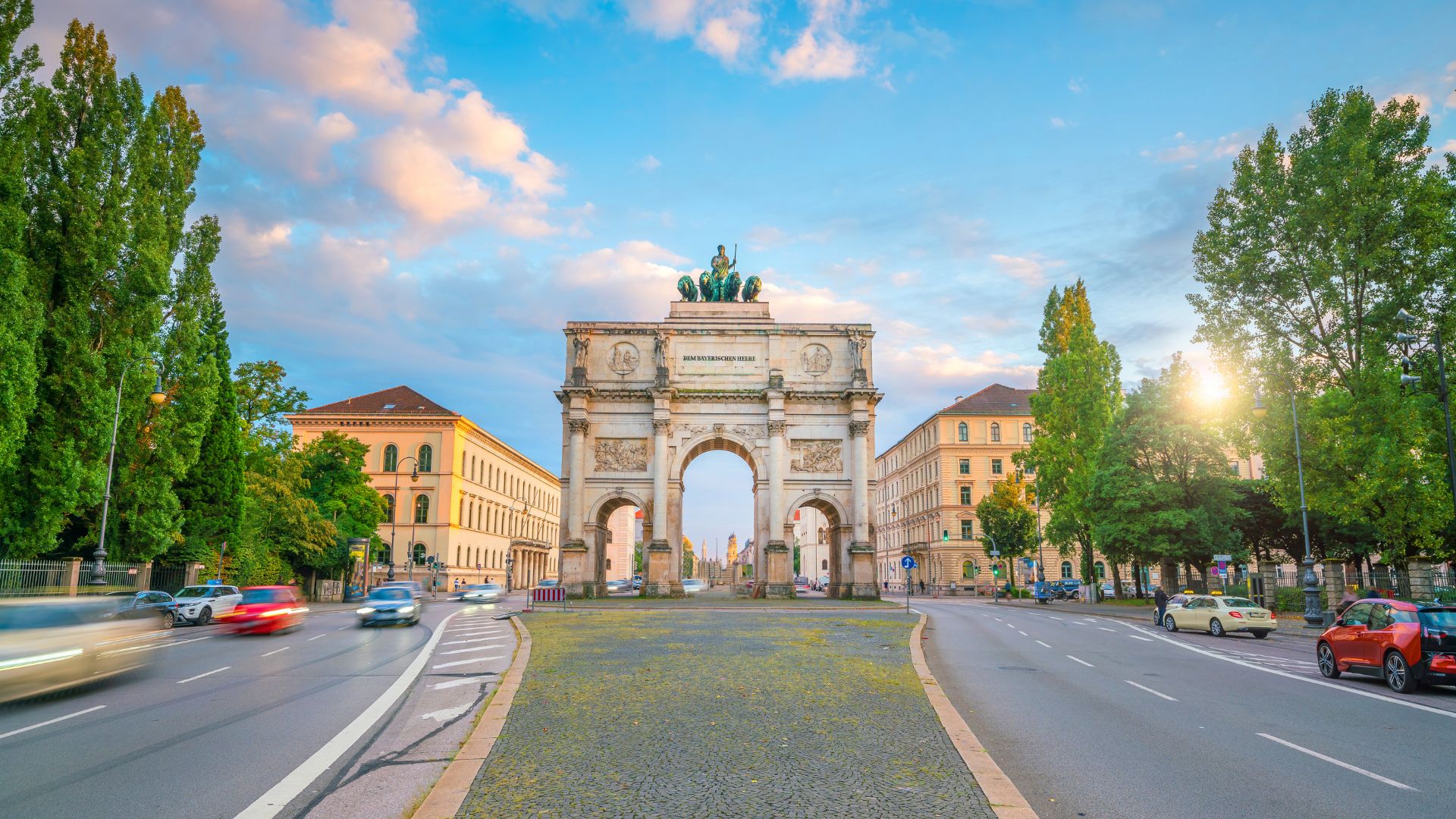
How Inadequate Preparation Ruins Germany’s Greatest Event
Arriving at Oktoberfest without a tent reservation on a weekend — particularly the first and last weekends of the festival — means standing outside full tents watching others celebrate within, the most frustrating outcome of the world’s greatest folk festival throughout the peak attendance period.
Tent reservations for the most popular Oktoberfest brewery tents — Augustiner, Hofbräu, Schottenhamel — open in January for the September festival and sell out within days, requiring immediate booking action upon the opening date throughout the advance reservation process.
Visiting Oktoberfest without Tracht — the Lederhosen and Dirndl traditional costume — is not prohibited but creates an immediate sense of being a spectator rather than a participant that significantly diminishes the full cultural immersion of the experience throughout the festival visit.
Budget planning for Oktoberfest requires acknowledging the genuine costs — approximately €16 per Maß beer, €15 to €22 for Hendl roasted chicken — with a realistic day budget of €80 to €120 per person for moderate consumption creating realistic financial expectations throughout the festival planning.
Oktoberfest planning guide:
| Action | Timing | Consequence of Delay |
| Reserve tent table | January | Sold out by February |
| Book Munich hotel | Previous year ideally | Extreme prices or unavailable |
| Buy/rent Tracht | Before arrival | Last-minute very expensive |
| Book Bayern-Ticket | Day before | Usually available |
| Plan arrival route | Before travelling | U-Bahn only practical |
Mistake 9 — Underestimating German Museum Queues
Underestimating museum queues in Germany can lead to long waits, especially at popular attractions during peak tourist seasons and weekends when visitor numbers are high.
Booking tickets online in advance helps save time and avoid crowds. Planning early ensures a smoother experience and allows more time to enjoy Germany’s rich cultural and historical exhibits.
The Advance Booking Requirement for Major German Museums
The Pergamon Museum and Museum Island complex in Berlin requires specific timed-entry advance booking throughout the summer season and at weekends, with walk-up visitors frequently facing waits of two to three hours or complete unavailability throughout the peak tourist period.
The Neuschwanstein Castle ticket requirement — advance online booking strongly recommended throughout the summer — creates the most damaging spontaneous visit failure of any German tourist attraction, with same-day ticket unavailability sending tens of thousands of visitors away throughout the peak summer months.
Munich’s Altes Rathaus toy museum, Nuremberg’s Germanic National Museum, and Hamburg’s International Maritime Museum all benefit from advance booking or early arrival throughout the busiest summer and Christmas market periods, with the combination of limited capacity and high demand creating meaningful queues throughout peak attendance.
The DB Navigator app, the specific museum booking systems, and the general principle of booking any timed-entry German attraction at least two weeks ahead throughout the summer season eliminates the disappointment of walk-up unavailability throughout any German museum or attraction visit.
Mistake 10 — Driving in German Cities Without Preparation
Driving in urban areas of Germany without preparation can be challenging due to strict traffic rules, low-emission zones, and limited parking availability in busy city centres.
Understanding local regulations, signage, and parking systems is essential. Using public transport or planning routes in advance ensures a smoother, less stressful driving experience in German cities.
The Umweltzone and Parking Mistakes That Cost Money
Driving into most German city centres without the required green Umweltzone environmental sticker — Umweltsticker — incurs an immediate €80 fine throughout the low-emission zone, with the sticker available for approximately €5 to €10 from German petrol stations and post offices throughout the country.
The Parkscheibe — parking disc — requirement for time-limited free parking zones catches enormous numbers of visitors who park in blue zone areas without the disc or without setting it correctly, with the €10 to €30 fine for incorrect or absent Parkscheibe use enforced throughout German cities.
Driving in German pedestrian zones — Fußgängerzonen — is prohibited for general traffic outside the specific delivery hours displayed on entry signs, with the fine for unauthorised pedestrian zone driving reflecting a serious traffic offence throughout the German traffic law framework.
The yellow kerb marking system — indicating no parking — and the range of subsidiary parking restriction signs create a complex parking regulation landscape that visitors unfamiliar with German traffic signs frequently misinterpret, with the resulting fines being the most common traffic-related visitor cost throughout any German driving experience.
German driving mistake guide:
| Mistake | Fine | Prevention |
| No Umweltzone sticker | €80 | Buy before entering city |
| No Parkscheibe | €10–30 | Free from petrol stations |
| Wrong zone Parkscheibe setting | €10–30 | Set to next half hour |
| Pedestrian zone driving | €35–50 | Observe signs carefully |
| Wrong-way cycle path | €20–35 | Observe direction arrows |
| Blocking cycle path | €55 | Park only in designated spaces |
| No winter tyres when icy | Variable | Winter tyres October-April |
Mistake 11 — Misunderstanding German Restaurant Culture
Misunderstanding restaurant culture in Germany can lead to confusion, as dining is often relaxed, service is not rushed, and payment is usually done directly at the table.
Table service differs from some countries, and splitting bills may require asking. Understanding local etiquette ensures smoother dining experiences and avoids awkward moments during meals.
The Service and Ordering Conventions Visitors Get Wrong
Sitting down at a German restaurant table without waiting for the waiter to arrive and seat or acknowledge you — then complaining about slow service — reflects the specific German restaurant culture where the server manages the entire table’s experience rather than the customer directing it throughout the dining encounter.
The German waiter will not bring the bill automatically — it is considered intrusive to do so — requiring the gesture of catching the waiter’s eye and saying Zahlen bitte — pay please — to initiate the payment process throughout the correct restaurant etiquette.
Expecting tap water to be served automatically and free of charge follows an assumption that German restaurant culture does not share, with German restaurants typically serving bottled still or sparkling mineral water — Stilles or Sprudel Wasser — at a charge throughout the standard German restaurant water culture.
Sharing dishes — the standard practice in some Asian and Middle Eastern restaurant cultures — is not the German restaurant norm, with individual portion ordering being the standard expectation throughout the German dining culture.
German restaurant etiquette guide:
| Situation | German Convention | Common Mistake |
| Arriving | Wait to be seated or find own table | Sitting anywhere without acknowledgement |
| Ordering water | Ask for Mineralwasser — charged | Expecting free tap water |
| Ordering food | Wait for waiter attention | Rushing or calling out |
| Finishing meal | Waiter will not automatically bring bill | Waiting indefinitely for bill |
| Requesting bill | Say Zahlen bitte | Leaving money without interaction |
| Paying | Tell waiter total including tip | Leaving cash on table |
| Sharing dishes | Not customary | Assuming shared dish culture |
Mistake 12 — Ignoring the Deutschlandticket Opportunity
Ignoring the Deutschlandticket in Germany is a missed opportunity for affordable and flexible travel, as it offers unlimited regional transport access across buses, trams, and local trains nationwide.
Using this ticket can significantly reduce travel costs and simplify planning. It’s ideal for exploring multiple cities efficiently, making it a valuable option for both short-term visitors and longer stays in Germany.
Missing Germany’s Most Extraordinary Transport Value
Visitors spending two weeks or more in Germany who purchase individual transport tickets throughout their stay rather than the €49 monthly Deutschlandticket pay dramatically more for equivalent unlimited regional transport throughout any extended German visit.
The Deutschlandticket’s unlimited coverage of all S-Bahn, U-Bahn, tram, bus, and regional train services throughout Germany for a single monthly subscription represents the most extraordinary transport value proposition available in Germany throughout the contemporary transport market.
The break-even calculation showing that the Deutschlandticket becomes cost-effective after approximately five to seven day-pass equivalents makes it financially compelling for any visitor spending more than ten days making regular transport journeys throughout Germany.
The critical limitation — that the Deutschlandticket does not cover ICE, IC, or EC long-distance trains — means that visitors still require separate DB advance ticket purchases for high-speed intercity journeys throughout any Deutschlandticket-based German itinerary.
Mistake 13 — Christmas Market Timing and Strategy Errors
Timing and strategy mistakes at Christmas markets in Germany can lead to overcrowding, missed experiences, and higher costs during peak evening hours and weekends.
Visiting without planning often means long queues and limited access to popular stalls. Choosing weekday mornings or early evenings ensures a calmer, more enjoyable, and authentic festive market experience.
The Planning Failures That Diminish Germany’s Greatest Attraction
Arriving at the Nuremberg Christkindlesmarkt on a Saturday afternoon between 14:00 and 18:00 in December creates the most overwhelmingly crowded Christmas market experience in Germany, with visitor densities making movement genuinely difficult and any genuine market appreciation essentially impossible throughout the peak attendance window.
Visiting only one Christmas market — typically the most famous — and missing the outstanding smaller markets that offer similar quality with dramatically better crowd conditions represents a significant missed opportunity throughout any German December visit.
Forgetting to factor in Christmas market hours — typically 10:00 to 21:00 with some variation — into the daily planning creates the frustrating scenario of arriving after closing throughout any poorly timed December evening.
Not trying the food beyond Glühwein — missing the Reibekuchen, Steckerlfisch, Dampfnudeln, and Gebrannte Mandeln that make German Christmas market food culture genuinely extraordinary — represents a significant sensory deprivation throughout any Christmas market visit.
Mistake 14 — Jaywalking in Germany
Timing and strategy mistakes at Christmas markets in Germany can significantly affect your experience, leading to overcrowded spaces, higher prices, and missed opportunities to enjoy the most authentic festive atmosphere.
Poor planning often results in long queues and limited access to popular stalls and seasonal highlights. Choosing weekday mornings or early evenings helps travellers enjoy a calmer, more immersive, and truly enjoyable Christmas market experience.
The Cultural Misstep That Marks Tourists Immediately
Crossing the road at a red pedestrian light — jaywalking — is a €5 to €10 fine throughout Germany but more significantly creates genuine social disapproval from German pedestrians and particularly from parents concerned about the example set for children throughout the pedestrian crossing culture.
The German pedestrian light culture is remarkably consistent, with the overwhelming majority of German pedestrians waiting at the red light regardless of traffic conditions and regarding jaywalking as a genuine civic misbehaviour rather than a harmless shortcut throughout the crossing culture.
The Ampelmännchen — the distinctive East German pedestrian light figure of the man with a hat — has become a beloved cultural icon throughout reunified Germany, with the original East German design preserved throughout the eastern German cities as a specific piece of regional heritage throughout the cultural tradition.
Respecting the German pedestrian light culture as a matter of genuine local convention rather than merely legal compliance creates a small but meaningful alignment with German civic values that residents notice and appreciate throughout the pedestrian interaction.
Mistake 15 — Underestimating Regional Transport Complexity
Underestimating regional transport complexity in Germany is a common mistake, as the system combines multiple operators, zones, and ticket types across different federal regions.
Travellers may face confusion with connections and fares if they don’t plan ahead. Using official apps and checking routes carefully ensures smoother travel and avoids unnecessary delays or extra costs.
The Zone and Network Changes That Catch Visitors
The German transport network’s federal structure creates meaningful complexity at regional boundaries, with transport tariff zones changing between cities and the correct ticket for a journey crossing a zone boundary requiring specific knowledge that Google Maps sometimes fails to provide throughout the routing advice.
The Munich MVV network, Berlin BVG network, and Hamburg HVV network each operate their own zone systems that intersect with the broader Deutsche Bahn regional network, creating potential zone gaps that an incorrect ticket purchase leaves uncovered throughout the multi-network journey.
The Bayern-Ticket’s validity on regional trains but not on ICE and IC services catches visitors who board an express train assuming their regional day ticket covers it throughout the Bayern-Ticket validity misunderstanding.
Using DB Navigator for all ticket purchases rather than relying solely on Google Maps journey planning ensures fare-accurate ticket selection throughout any German transport journey, with the Google Maps fare estimates occasionally diverging from the actual correct zone-based pricing throughout the comparison.
Mistake 16 — Missing the Beer Garden Etiquette
Missing beer garden etiquette in Germany can lead to awkward situations, as these social spaces follow simple but important customs around seating, sharing tables, and respectful behavior.
Guests are often expected to share tables and maintain a relaxed, friendly atmosphere. Understanding basic etiquette helps travellers enjoy a more authentic and comfortable beer garden experience across Germany.
The Unwritten Rules of Germany’s Greatest Institution
Arriving at a Munich beer garden table that already has personal items on it — jackets, bags, and closed umbrellas indicate a reserved or occupied table — and attempting to sit there without asking creates immediate social tension throughout the typically crowded German beer garden.
Not bringing food to the self-service sections of German beer gardens — where outside food is explicitly permitted and culturally standard — and then purchasing expensive beer garden food at table service prices when a nearby supermarket provides excellent picnic alternatives represents a significant unnecessary expense throughout any Munich beer garden visit.
Attempting to order Augustiner beer at a Hofbräu beer garden or vice versa creates the specific confusion of brewery exclusivity that each Munich beer garden maintains, with each garden serving only its own brewery’s products throughout the tied house tradition.
The correct Maß pronunciation — rhymes with grass rather than pass — is a small but socially appreciated detail throughout any Munich beer garden interaction, with the mispronunciation creating gentle amusement among Munich locals throughout any beer ordering encounter.
Mistake 17 — Poor Accommodation Booking for Peak Periods
Poor accommodation booking during peak periods in Germany can result in higher prices, limited availability, and staying far from key attractions or transport hubs.
Planning ahead is essential, especially during festivals and Christmas markets. Early reservations ensure better locations, lower costs, and a more comfortable and convenient travel experience across German cities.
The Booking Failures That Create Accommodation Crises
Attempting to book Munich accommodation for Oktoberfest in August for September creates a scenario of extreme price and unavailability that booking in January would have entirely prevented throughout the festival accommodation planning.
Booking accommodation for the Frankfurt Book Fair week in October without understanding that Frankfurt fills completely creates identical surprise unavailability that six-month advance booking routinely prevents throughout any Book Fair planning.
Arriving in any German city during a major trade fair — Hannover Messe, Cologne’s various trade fairs, Frankfurt’s multiple fair seasons — without accommodation creates the expensive and stressful hotel search that advance booking entirely eliminates throughout the trade fair accommodation market.
The specific German trade fair calendar — available online through the Deutsche Messe and relevant city tourism websites — provides the advance visibility needed to avoid all trade fair accommodation pressure through timely booking throughout the annual planning process.
Mistake 18 — Disrespecting German Cultural Norms
Disrespecting cultural norms in Germany can create misunderstandings, as the country values order, punctuality, and respectful public behavior in everyday life and social interactions.
Simple actions like being on time, following queue discipline, and respecting quiet spaces go a long way. Understanding these norms ensures smoother interactions and a more positive travel experience.
The Cultural Missteps That Create Unnecessary Friction
Speaking loudly on public transport — particularly on regional trains and in the quiet carriage — creates immediate tension with German fellow passengers who regard the public transport environment as a shared quiet space requiring consideration throughout the journey.
Calling a waiter with snapping fingers, loud calling, or other attention-seeking behaviour considered normal in some other restaurant cultures creates genuine offence in the German restaurant context, where the correct approach involves patient eye contact and a polite verbal request throughout any service interaction.
Assuming that all Germans speak English and directing English immediately without a brief German greeting — Guten Tag, Entschuldigung Sie bitte — misses a simple courtesy that Germans notice and appreciate, with the brief German acknowledgement creating goodwill throughout any service encounter.
Photographing individuals at folk festivals, in traditional costume, or engaged in cultural activities without requesting permission creates resentment that damages the visitor-community relationship, with a simple Darf ich ein Foto machen — may I take a photo — resolving the situation entirely throughout any photographic cultural encounter.
Mistake 19 — Pharmacy Misunderstanding
Pharmacy misunderstandings in Germany can happen when travellers expect 24/7 access or over-the-counter availability for medicines that require consultation or prescriptions.
Most pharmacies operate with regulated hours and provide professional guidance. Knowing this in advance helps travellers plan better and access medical support smoothly when needed during their stay.
Germany’s Prescription and Apotheke System
Expecting to purchase common over-the-counter medications — paracetamol, ibuprofen, antihistamines — from a German supermarket creates surprise when the supermarket carries only the most basic health products, with the majority of medications available only through the Apotheke pharmacy throughout the German pharmaceutical distribution system.
The German Apotheke — distinguished by its red cross sign — provides professional pharmaceutical consultation alongside medication purchase, with the pharmacist required by law to provide drug safety information throughout the dispensing encounter.
The Notdienstapotheke — emergency duty pharmacy — system ensures that one pharmacy remains open throughout overnight and Sunday periods in every German area, with the on-duty pharmacy’s location displayed on the door of every closed Apotheke throughout the emergency pharmacy network.
Understanding that German pharmacists will not sell prescription medications without a valid Rezept prescription regardless of the visitor’s home country prescription coverage requires carrying adequate medication supplies from home or obtaining a German prescription through the 116 117 medical service throughout any extended German visit.
Mistake 20 — Not Embracing German Directness
Not embracing German directness in Germany can lead to misunderstandings, as communication is often clear, honest, and straightforward rather than overly polite or indirect.
Understanding this cultural style helps travellers avoid misinterpretation. Accepting direct communication as normal ensures smoother conversations, better interactions, and a more comfortable experience with locals.
The Cultural Misunderstanding That Creates Unnecessary Offence
German directness — the tendency to provide honest, unvarnished feedback and to communicate without the social softening that some cultures apply — is frequently misinterpreted by visitors as rudeness when it is simply a different cultural communication style throughout the German social tradition.
A German shopkeeper who says that item doesn’t suit you is providing honest retail service rather than a personal attack, with the German communication style valuing truthful assessment over comfortable social lubrication throughout the service encounter.
German friendliness is genuine but expressed differently from the more immediately effusive warmth of some other cultures, with the German tendency toward initial reserve giving way to genuine warmth and genuine helpfulness once initial formality is established throughout the developing relationship.
Approaching German directness with curiosity rather than defensiveness — recognising it as a different cultural communication style rather than personal criticism — creates the foundation for genuinely rewarding and genuinely authentic interactions throughout any German social encounter.
Practical Summary: Quick Reference Mistake Prevention
Avoiding common mistakes in Germany starts with awareness of transport rules, cultural norms, and local systems. Understanding basics helps travellers prevent confusion, save time, and enjoy a smoother overall journey.
Good preparation reduces travel issues such as ticket validation errors, booking delays, and payment confusion. Checking details in advance ensures fewer surprises and creates a more comfortable and stress-free travel experience.
With planning, respect for local customs, and use of official apps, travellers can move confidently. These simple steps help save money, avoid mistakes, and make the trip more enjoyable and efficient.
The ten most impactful single actions:
Always validate regional tickets before boarding throughout any German transport journey. Always carry €50 to €100 cash throughout any German daily excursion. Always buy ICE tickets at least six weeks ahead throughout any German rail planning. Always check Sunday closure before planning shopping. Always book accommodation for Oktoberfest, Christmas markets, and trade fair periods many months ahead. Always use DB Navigator for all ticket purchases to ensure correct zone coverage. Always tell the waiter the total including tip rather than leaving cash on the table. Always respect the 22:00 quiet hours throughout any German accommodation stay. Always buy the Umweltzone sticker before driving into a German city centre. Always book timed entry to major museums and attractions before visiting throughout any peak period.
Frequently Asked Questions
What is the most common mistake tourists make in Germany? Not validating regional transport tickets before boarding is Germany’s most frequent and most immediately costly tourist mistake, resulting in the automatic €60 fine throughout any fare inspection encounter. The second most common mistake is assuming that card payment is universally accepted throughout Germany, with the country’s persistent cash culture creating payment difficulties at smaller establishments throughout any German visit.
Is it rude to tip in Germany? Not tipping is considered rude in German sit-down restaurants, while the correct method — rounding up and telling the server the total verbally — differs from the percentage calculation and table-leaving method of British and American visitors. The appropriate tip is approximately five to ten percent communicated verbally throughout the payment interaction.
Can I shop on Sunday in Germany? Virtually all retail shops — supermarkets, clothing stores, department stores — are closed throughout Sunday in Germany. The exceptions are station supermarkets, petrol station convenience stores, bakeries in the morning, and tourist-area shops with specific Sunday licences throughout the Sunday retail landscape.
Do I need to carry cash in Germany? Yes — Germany’s cash culture means that a meaningful proportion of restaurants, smaller shops, market stalls, beer gardens, and rural establishments operate on a cash-only basis throughout the country. Carrying €50 to €100 in cash at all times eliminates payment difficulties throughout any German visit.
What happens if I don’t validate my ticket in Germany? Fare inspectors throughout the German transport network issue an immediate €60 Erhöhtes Beförderungsentgelt fine for unvalidated tickets, with no grace period and no exception for tourist ignorance throughout the enforcement policy. The fine is payable immediately or through the subsequent payment process and represents the most financially impactful avoidable German travel mistake.
Final Thoughts
Germany’s travel mistakes are largely avoidable with the right preparation and awareness. Understanding local systems and cultural expectations helps transform potential frustration into a smooth, confident, and rewarding travel experience across the country.
Common issues like ticket validation fines, Sunday closures, or missed bookings are not problems of difficulty but of unfamiliar rules. Once understood in advance, these become simple conventions that are easy to follow.
Validate regional tickets, carry cash, book ICE trains early, respect quiet hours, follow tipping norms, plan Oktoberfest ahead, embrace Sunday closures, and respect cultural rules for a seamless experience in Germany.
Hi, I’m Preeti Negi, a content writer who loves mixing creativity with smart strategy.
I have 3 years of experience writing about travel, digital marketing, and study abroad topics. I create content that is easy to read, engaging, and designed to connect with people while also performing well on Google.
When I’m not writing, I enjoy exploring new trends, learning new things, and thinking about fresh ideas for my next piece.
