

Germany has one of the most extensive and most technically sophisticated railway networks in the entire world. Deutsche Bahn operates thousands of trains daily across tens of thousands of kilometres of track, serving millions of passengers with remarkable consistency and genuine engineering ambition.
Yet despite this impressive infrastructure and despite Germany’s well-deserved reputation for precision and efficiency, train delays are a regular and genuinely frustrating reality for passengers travelling on the Deutsche Bahn network throughout the country every single day of the year.
In recent years, Deutsche Bahn’s punctuality statistics have attracted significant public criticism both within Germany and internationally. Network congestion, ageing infrastructure in certain sections, increased passenger numbers, maintenance backlogs, and extreme weather events have all contributed to delay rates that many regular travellers consider unacceptably high.
Understanding how to handle delays effectively transforms the experience from a helpless and frustrating ordeal into a manageable situation with clear steps, clear rights, and clear outcomes. The passenger who knows their rights and knows the tools available navigates disruption far more successfully than the uninformed traveller.
This complete guide covers every aspect of handling German train delays from the moment you first notice a problem to filing a successful compensation claim weeks after your journey. It includes real-time tools, alternative routing strategies, passenger rights, compensation procedures, and the practical wisdom of experienced Deutsche Bahn travellers throughout Germany.
Please note that this article contains affiliate links. Learn more about it on our Disclosure page. We use ads to support our small business – we hope you don’t mind them too much.
Quick Reference: German Train Delay Rights
| Delay Duration | Your Entitlement | How to Claim |
| 20+ minutes | Free rebooking on alternative service | At station counter or DB Navigator app |
| 60 minutes | 25% ticket price refund | Online, app, or paper form |
| 120 minutes | 50% ticket price refund | Online, app, or paper form |
| Any delay | Free food and drink voucher if waiting | Request at station service point |
| Overnight delay | Hotel accommodation if stranded | Request at station service point |
| Missed connection | Full rerouting assistance | At station counter immediately |
| Cancelled train | Full refund or free rebooking | At counter, app, or online portal |
Why German Trains Get Delayed
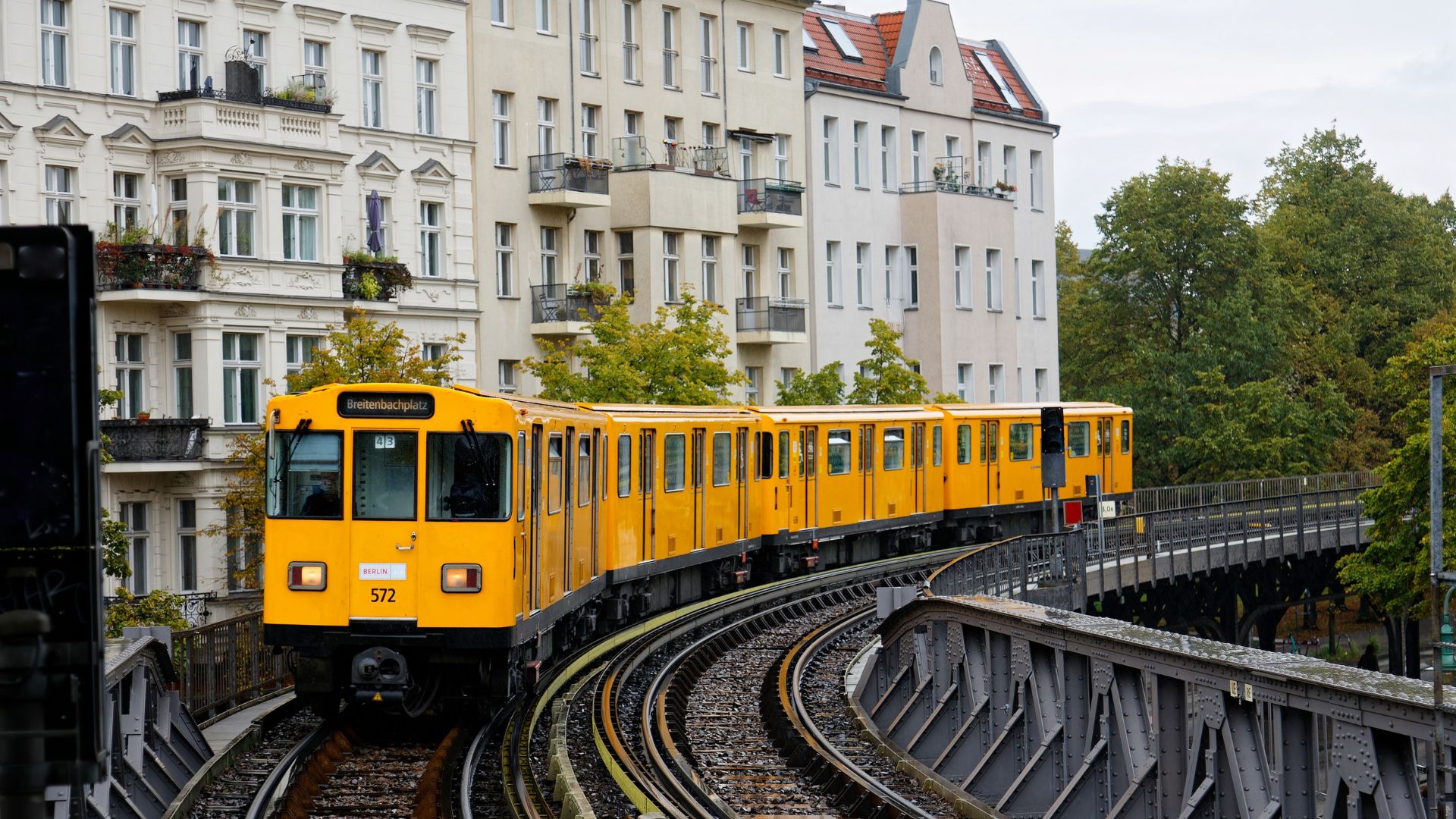
Before diving into solutions, understanding the most common causes of delays on the Deutsche Bahn network helps you anticipate disruption, plan accordingly, and respond with appropriate expectations rather than unrealistic frustration when things go wrong during your German rail journey.
Infrastructure and network congestion
Germany’s rail network is one of the most heavily used in Europe. The density of trains operating on key corridors, particularly between major cities like Frankfurt, Cologne, Munich, and Berlin, means that a single disruption anywhere on a busy route can cascade rapidly into delays affecting dozens of subsequent services throughout the entire day.
The core of the German rail network was built decades ago and sections of track, signalling systems, and bridges require ongoing maintenance and periodic renewal. Construction works, which Deutsche Bahn must often conduct overnight or at weekends to minimise disruption, still cause timetable adjustments and occasional delays throughout the affected sections.
Weather-related disruptions
German weather can be extreme and rail infrastructure is vulnerable to several specific weather conditions. Summer heatwaves cause rails to expand beyond safe operating tolerances, forcing speed restrictions that create widespread delays across entire regions. Winter brings ice formation on overhead wires, frozen points, and reduced adhesion on steep gradients throughout the network.
Autumn leaf fall is a surprisingly significant cause of delays on German regional lines. Fallen leaves compressed by train wheels create an extremely slippery surface on rails that reduces braking effectiveness and forces drivers to slow significantly below normal operating speeds throughout affected sections of track.
Storms cause both direct damage to rail infrastructure including fallen trees and downed overhead wires and indirect delays from emergency speed restrictions imposed while inspections confirm track safety after severe weather events. Storm-related disruptions can last many hours and affect very large sections of the network simultaneously.
Technical failures
Modern trains are extraordinarily complex machines and even the newest ICE high-speed trains experience occasional technical failures. Door malfunctions, traction equipment faults, brake system alerts, and air conditioning failures can all cause delays ranging from a few minutes for minor issues to several hours for serious technical problems requiring crew change or vehicle substitution.
Staff and operational factors
Deutsche Bahn faces ongoing challenges with staffing levels, particularly for train drivers and conductors. Illness, late rotation of crews arriving on delayed incoming services, and occasional industrial action by rail unions have all contributed to delays and cancellations on the Deutsche Bahn network in recent years throughout Germany.
Monitoring Your Journey Before You Travel
The most effective approach to managing train delays begins well before you arrive at the station. Proactive monitoring of your planned services gives you maximum advance warning of disruption and maximum time to identify alternatives before you are already committed to a specific platform or departure time.
The DB Navigator App — Your Primary Tool
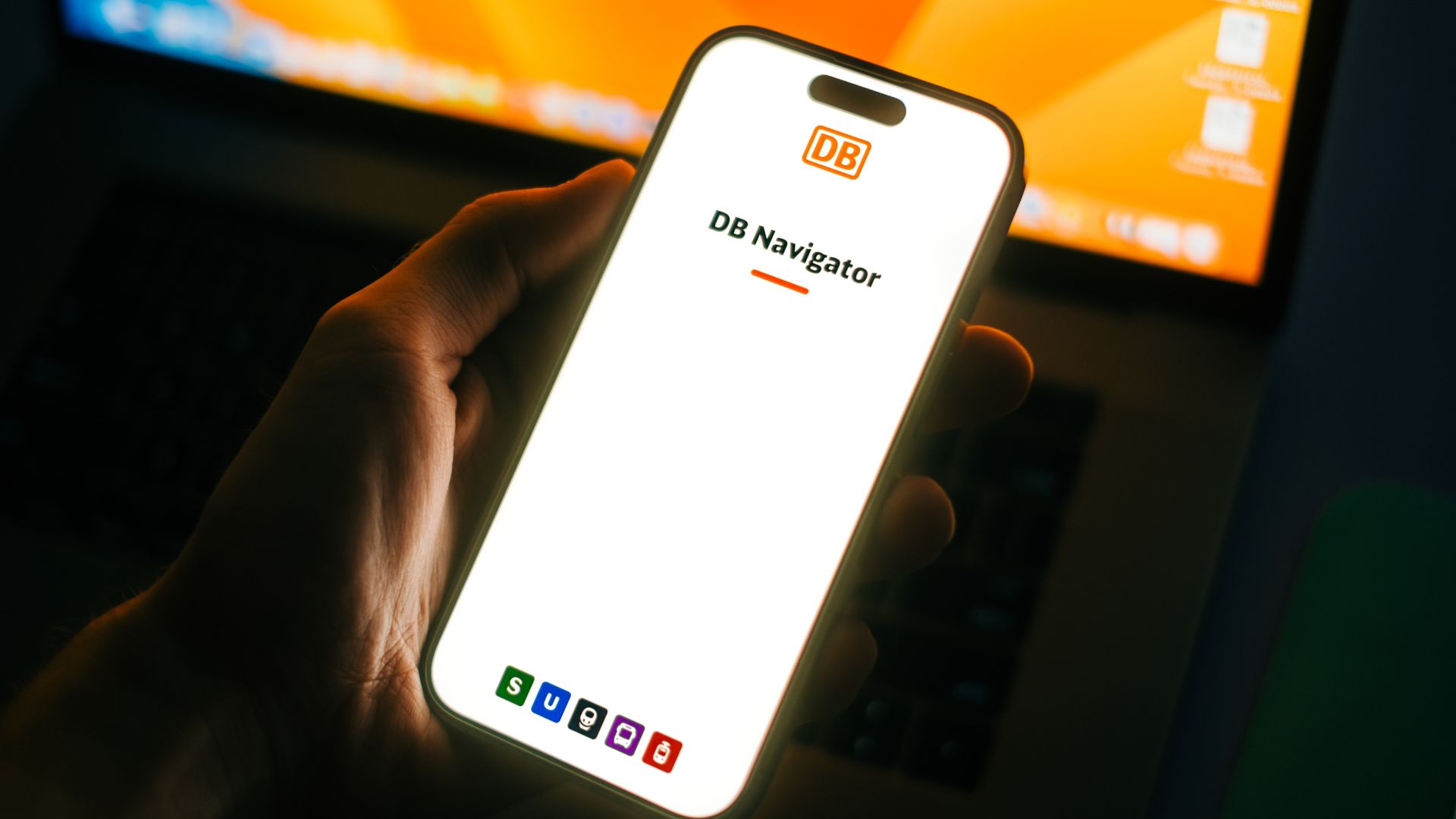
The DB Navigator app is the single most important tool for monitoring journey status in Germany and should be downloaded, configured, and thoroughly understood before your travel begins. The app provides real-time delay information, live train tracking, push notification alerts, and alternative journey suggestions within a single application.
After purchasing your ticket through DB Navigator, the app automatically monitors your booked services and sends push notifications when delays, cancellations, or platform changes are detected by Deutsche Bahn’s information systems. Enable these notifications in your phone settings to ensure alerts reach you immediately throughout your travel day.
Setting up journey monitoring:
- Purchase or add your ticket to DB Navigator to activate automatic journey monitoring
- Enable push notifications for DB Navigator in your phone settings before your travel day
- Open your booked journey in My Journeys the evening before travel to check current status
- Check again thirty minutes before leaving for the station for the most current information
- Monitor the live departures board at your departure station upon arrival for final confirmation
Alternative monitoring sources:
Beyond the DB Navigator app, several other sources provide valuable real-time information about Deutsche Bahn service status throughout Germany that can supplement the app’s information during major disruption events affecting large sections of the network simultaneously.
| Source | Best Used For | Access Method |
| DB Navigator App | Complete journey monitoring | iOS/Android app |
| bahn.de website | Desktop journey checking | Browser |
| DB Regio Twitter | Regional disruption alerts | Twitter/X platform |
| Google Maps | Cross-reference journey times | Maps app |
| Station display boards | Final platform confirmation | Physical boards at station |
| 140 DB hotline | Direct DB assistance | Phone call |
The DB Streckenkarte live network map, accessible through the Deutsche Bahn website, shows the current operational status of every line in the German rail network using colour coding. Green indicates normal operation, yellow shows minor disruption, and red indicates serious problems. Checking this map before a complex journey provides an immediate network-wide overview.
Arriving at the Station — First Steps
Arriving at the station to find your train is delayed or cancelled is a stressful experience but having a clear sequence of actions to follow immediately eliminates indecision and ensures you make the best possible decisions with the information available at that specific moment in time.
Immediate steps upon discovering a delay:
The first action is always to confirm the delay through the official DB information system rather than relying on rumour from fellow passengers or unofficial sources. Check the DB Navigator app, the station departure board, or the red DB information screens positioned throughout the concourse of every major German station.
Station departure boards in Germany display live information that updates continuously. The departure board shows the scheduled time in white and the expected delay in red directly below the scheduled time. A red cross or the word Fällt aus indicates a complete cancellation requiring immediate action to find an alternative service.
Locating help at the station:
Every Deutsche Bahn station of significant size has a DB Service Point, marked with a blue DB logo and the words Service Punkt, where trained staff can provide personalised assistance, issue rerouting endorsements, provide compensation vouchers for waiting passengers, and arrange hotel accommodation for overnight stranding situations.
Station help resources:
- DB Service Point: Main customer service counter for complex problems and rerouting assistance
- DB Reisezentrum: Ticket office that can rebook, refund, and advise on alternative routing
- DB Information screens: Red screens throughout the station showing real-time service status updates
- DB app live chat: In-app customer service accessible without queuing at a physical counter
- DB Hotline 0800 150 7090: Free telephone service for urgent travel assistance throughout Germany
If you are at a small station without staff presence, the DB app and the yellow emergency telephones present on most platforms provide your primary means of accessing assistance. DB staff can advise remotely and authorise rerouting through these channels even from an unstaffed rural station location.
Your Rights When Your Train is Delayed
German and European passenger rights legislation provides comprehensive and legally enforceable protections for rail travellers experiencing delays and cancellations. These rights apply to all Deutsche Bahn journeys and understanding them precisely ensures you receive everything you are entitled to without confusion or unnecessary argument.
The legal framework:
Your rights as a rail passenger in Germany are governed by EU Regulation 1371/2007 on rail passengers’ rights and obligations, supplemented by Deutsche Bahn’s own Beförderungsbedingungen terms of carriage. Together these create a clear set of entitlements that apply regardless of which fare type you purchased or how you booked your original ticket.
Right to Information
Deutsche Bahn is legally required to inform passengers of delays and their expected duration as quickly as possible after the disruption becomes known. This information must be provided through station announcements, departure boards, and digital channels as soon as reliable information is available from Deutsche Bahn’s operational control systems.
Right to Rerouting — Free of Charge
When your train is delayed by sixty minutes or more, or when it is cancelled entirely, you have the legal right to continue your journey on the next available alternative service at no additional cost, even if that alternative service is operated by a different train company on the same route throughout Germany.
This rerouting right is one of the most practically valuable entitlements available to disrupted passengers. DB Navigator displays alternative journeys automatically when your service is cancelled or severely delayed and these alternatives are valid for travel on your original ticket without purchasing any additional ticket or paying any supplement.
Rerouting options available:
| Situation | Your Options |
| 60+ minute delay | Travel on any alternative DB service without extra cost |
| Train cancelled | Next available service on same route at no additional charge |
| Missed connection | Next available connection regardless of ticket restrictions |
| Alternative route needed | Different routing to same destination at no extra charge |
| Competitor service needed | DB may authorise travel on FlixTrain on selected routes |
Right to Refreshments
When a delay of sixty minutes or more occurs and you are waiting at a station, Deutsche Bahn should provide or offer vouchers for food and non-alcoholic drinks appropriate to the waiting time. In practice this right is inconsistently applied and you may need to proactively request refreshment vouchers from DB staff at the service point.
Do not hesitate to approach the DB Service Point and ask explicitly for refreshment assistance when facing a significant delay. The staff have vouchers available and are authorised to distribute them to affected passengers, but they do not always proactively approach waiting passengers throughout the station during disruption events.
Right to Hotel Accommodation
If a delay or cancellation means you cannot reach your destination on the same day and you are stranded away from home, Deutsche Bahn is legally obligated to arrange and pay for hotel accommodation for that night. This right applies when no reasonable alternative journey to your destination is available until the following day.
Activating this right requires speaking to DB staff at the Service Point before leaving the station to make your own accommodation arrangements. If you arrange accommodation independently without first requesting DB assistance, reimbursement is at Deutsche Bahn’s discretion rather than a guaranteed entitlement under the passenger rights framework.
Right to Compensation
Financial compensation for delays is the right that most passengers are aware of but fewest actually claim. Deutsche Bahn’s own statistics show that a very large proportion of eligible passengers never submit compensation claims, leaving significant amounts of money unclaimed every year throughout the German rail network.
Compensation amounts by delay duration:
| Arrival Delay | Compensation Amount | Minimum Threshold |
| Under 60 minutes | No compensation | Not applicable |
| 60–119 minutes | 25% of ticket price | €1.00 minimum |
| 120+ minutes | 50% of ticket price | €1.00 minimum |
| Cancelled and not rerouted | Full ticket refund | Complete refund |
The compensation percentage applies to the portion of your ticket covering the delayed section of the journey. On a through ticket from Hamburg to Munich via Frankfurt, only the portion of the fare attributable to the delayed section is used as the basis for calculating your compensation entitlement.
Season ticket and subscription holders calculate compensation differently. For these passengers, Deutsche Bahn has a separate calculation system based on the daily or monthly value of the pass and the frequency of delays experienced within the relevant measurement period. Regular commuters with frequent delays may be entitled to substantially more than the standard percentage calculation suggests.
Filing a Compensation Claim — Step by Step
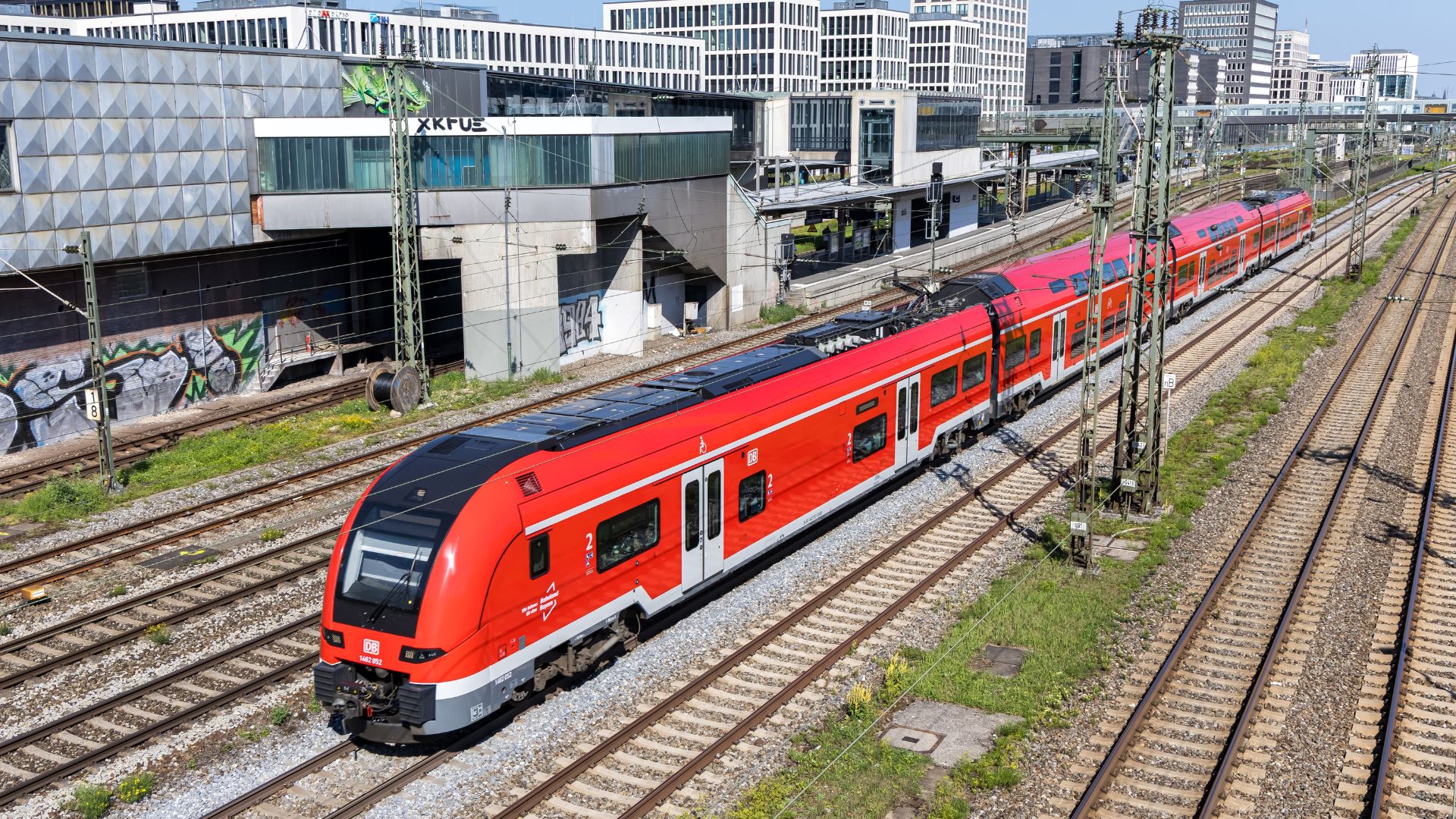
Claiming compensation from Deutsche Bahn is straightforward when you follow the correct process and submit the necessary documentation within the required timeframe. The most important rule is to submit your claim promptly as the statute of limitations on Deutsche Bahn compensation claims is one year from the date of travel.
Three ways to submit your compensation claim:
Online via the DB Website
The Deutsche Bahn Fahrgastrechte online portal at bahn.de is the fastest and most convenient method for most passengers. The portal allows you to submit claims for any journey purchased through Deutsche Bahn and tracks your claim status online throughout the processing period.
Online claim process:
- Navigate to bahn.de and find the Fahrgastrechte passenger rights section
- Log in with your DB account credentials or proceed as a guest with booking reference
- Enter your journey details including booking reference, departure station, and destination
- Select the delay or cancellation reason from the dropdown menu provided
- Upload a photograph of your ticket if purchased on paper rather than digitally
- Provide your bank account or preferred refund method for payment processing
- Submit the claim and save the confirmation reference number provided
Through the DB Navigator App
DB Navigator allows compensation claims to be submitted directly from the journey details screen for any ticket purchased through the app. This integrated process is the most convenient option for digital ticket holders and requires no additional documentation beyond the ticket information already stored in the application.
Find your delayed journey in the My Journeys section, tap the journey details, and look for the Fahrgastrechte compensation option. The app pre-fills all known journey information and guides you through the remaining steps required to complete and submit your claim without leaving the application.
Paper Claim Form at the Station
Paper Fahrgastrechte compensation forms are available at all DB Reisezentrum ticket offices and DB Service Points throughout Germany. These forms are the appropriate choice for paper ticket holders and for passengers who experienced delays but did not purchase their ticket through Deutsche Bahn’s own digital channels.
Completing the paper form:
- Attach your original ticket or a clear photocopy to the completed form before submission
- Have the delay stamped and certified by DB staff at the station if possible before leaving
- Keep a copy of everything you submit as Deutsche Bahn processes high volumes of claims
- Send completed forms to the DB Fahrgastrechte processing address printed on the form
- Processing time for paper claims is typically four to six weeks longer than digital submissions
Claim processing timeline:
| Claim Method | Typical Processing Time | Refund Method |
| DB Navigator app | 2–4 weeks | Original payment method |
| Online portal | 3–5 weeks | Bank transfer or voucher |
| Paper form | 6–10 weeks | Voucher or bank transfer |
| Station counter | Immediate for simple cases | Voucher typically |
Handling Missed Connections
Missed connections due to a delayed first train are one of the most common and most stressful disruption scenarios on the Deutsche Bahn network. Understanding exactly what you are entitled to in this situation and acting quickly and decisively when it occurs is the key to minimising disruption to your overall journey.
When your first train is running late and your booked connection is at risk, DB Navigator automatically detects the situation and displays a red warning on your journey screen. The app then shows alternative connections from your interchange station that would achieve the same final destination by a different routing.
The critical rule for missed connections:
If your first Deutsche Bahn train arrives at the interchange station after the scheduled departure of your booked connecting train, your original ticket remains valid for the next available alternative connection to your destination without any requirement to purchase an additional ticket or pay any fare difference regardless of the routing used.
This right applies even if the alternative connection involves a different route, different train types, or a significantly longer journey time than your original booking. The key requirement is that the missed connection was caused by a delay to a Deutsche Bahn service rather than by your own late arrival at the interchange station.
Steps to take when facing a missed connection:
- Check DB Navigator immediately when delay becomes apparent to see alternative connection options
- If the interchange is a major station, proceed to the DB Service Point upon arrival for official rerouting
- At smaller stations, use DB Navigator to identify the next available alternative connection yourself
- Keep all tickets, boarding passes, and confirmation emails as documentation for any subsequent claim
- If alternative routing requires purchasing an additional ticket, keep the receipt for full reimbursement claim
Connection buffer times by train type:
Understanding the minimum connection times that Deutsche Bahn considers adequate at different station types helps you assess whether your planned connection is realistic when booking journeys with tight transfer times throughout the German network.
| Station Type | Minimum Recommended Connection | Notes |
| Major hub (Frankfurt, Munich) | 10–15 minutes | Multiple platforms, can be distant |
| Large city station | 8–12 minutes | Generally manageable on same platform |
| Medium station | 5–8 minutes | Usually straightforward transfer |
| Small station | 3–5 minutes | Often same platform or adjacent |
| Airport stations | 15–20 minutes | Long walking distances between areas |
Frankfurt Hauptbahnhof deserves special mention as Germany’s busiest and most complex interchange station. Connections between deep underground S-Bahn platforms and surface level ICE platforms require allowing a minimum of fifteen minutes for comfortable transfer, and longer during peak periods when lifts and escalators are heavily congested.
Practical Strategies for Minimising Delay Impact
Beyond knowing your rights and how to claim them, experienced Deutsche Bahn travellers have developed a range of practical strategies that consistently reduce the stress and practical impact of train delays throughout their German rail journeys throughout the year.
Before booking:
The single most effective delay protection strategy is building generous connection times into your itinerary from the very beginning. Booking the tightest possible connections maximises your vulnerability to delay cascades. An extra thirty minutes at an interchange station costs nothing and can save your entire travel day.
- Avoid booking the last train of the evening on any route where a missed connection would leave you stranded
- Choose direct ICE services over multi-change regional routing whenever the price difference is acceptable
- Book flexible Flexpreis tickets for journeys where timing is critical and delays would be seriously problematic
- Research your route’s historical reliability using crowd-sourced delay data from platforms like zugfinder.de
- Identify backup routing options in advance so you know your alternatives before disruption actually occurs
During your journey:
- Keep DB Navigator open and actively monitor your journey status throughout the entire travel day
- Screenshot your ticket QR code before entering areas with poor mobile connectivity or tunnels
- Note the train conductor’s location in your carriage so you can ask questions quickly when needed
- Carry a portable phone charger as lengthy delays drain battery while you monitor the situation continuously
- Have the DB customer service number saved in your contacts for immediate access when needed
Practical delay survival kit:
| Item | Purpose | Why Essential |
| Portable charger | Phone battery during long waits | Monitoring requires continuous phone use |
| Offline entertainment | Passing waiting time | Station WiFi often poor during disruptions |
| Snack and water | Comfort during extended waits | Refreshment vouchers are not always available |
| Travel insurance docs | Major disruption claim reference | Some policies cover additional delay costs |
| Note of key contacts | People expecting your arrival | Update them proactively to reduce stress |
| Cash (some euros) | Emergency taxi or bus if needed | Card machines sometimes fail during chaos |
Dealing with Major Network Disruptions
Occasionally the Deutsche Bahn network experiences major disruptions affecting large sections of track simultaneously. These events, caused by extreme storms, serious accidents, major infrastructure failures, or industrial action, require a different approach from handling a simple single train delay throughout Germany.
During major disruptions Deutsche Bahn typically activates its Notfallplan emergency plan which involves running replacement services, issuing blanket rerouting authorisations, and deploying additional staff to key stations. DB Navigator updates to reflect emergency routing options as quickly as the operational situation permits.
Signs that you are dealing with a major disruption:
- Multiple services showing red cancellation status simultaneously on departure boards
- DB Navigator showing extremely long delays or no available alternatives on your route
- Station announcements being made in German about Streckensperrung track closures affecting entire lines
- Large numbers of passengers congregating at information points and service counters
- Social media showing widespread reports of disruption across multiple routes simultaneously
During major disruptions the DB Service Point queues at large stations can become extremely long. Use the DB Navigator app chat function, call the DB hotline on 0800 150 7090, or use the Twitter Deutsche Bahn accounts for regional areas to get information and assistance without joining a lengthy physical queue at the station.
Major disruption survival strategy:
When a major disruption makes your planned route completely impossible for several hours, consider whether pausing your journey at an intermediate city makes more sense than waiting at a busy disrupted station. Germany’s excellent city infrastructure means most intermediate stop cities offer cafes, museums, and interesting exploration opportunities while you wait for services to resume.
Travel Insurance and Train Delays
Standard travel insurance policies vary enormously in how they handle train delay claims and the intersection of travel insurance with Deutsche Bahn passenger rights requires careful understanding to avoid either duplicating claims inappropriately or failing to claim from the correct source for each specific type of loss incurred.
What travel insurance typically covers that Deutsche Bahn does not:
- Additional hotel nights beyond the first emergency night covered by Deutsche Bahn passenger rights
- Restaurant meals and refreshments beyond what Deutsche Bahn vouchers provide during delays
- Missed pre-booked activities, tours, or attractions that cannot be rescheduled due to the delay
- Connecting flights missed due to Deutsche Bahn delays when the rail and air tickets are separate bookings
- Business losses and meeting costs when delays cause professionally consequential missed appointments
What Deutsche Bahn covers that you should not double-claim on insurance:
- The 25 or 50 percent ticket price compensation for delays of 60 and 120 minutes respectively
- Emergency hotel accommodation arranged through Deutsche Bahn for overnight stranding situations
- Replacement tickets and rerouting authorisations provided directly by Deutsche Bahn staff at stations
Always claim from Deutsche Bahn first for direct journey-related losses and from your travel insurer for consequential losses beyond the Deutsche Bahn framework. Insurers require evidence that you have pursued all available primary remedies before processing secondary claims for consequential losses arising from the same disruption event.
Frequently Asked Questions
What happens if I miss my flight because of a Deutsche Bahn delay?
If your rail ticket and flight ticket are booked separately, Deutsche Bahn’s liability for a missed flight is limited. They will provide their standard 25 or 50 percent compensation for the rail journey delay itself. Your travel insurance is the appropriate mechanism for claiming additional losses including the flight change fee or replacement flight costs when the rail and air legs are booked independently.
Can I get compensation if I chose not to travel because of the delay?
Yes. If Deutsche Bahn delays your service by sixty minutes or more and you decide the journey is no longer practical or worthwhile, you can claim a full refund of the ticket price plus the standard compensation percentage rather than accepting rerouting to the delayed destination. This right applies regardless of which fare type you originally purchased.
Does compensation apply to season tickets and monthly passes?
Yes, though the calculation method differs. Deutsche Bahn operates a specific compensation scheme for BahnCard 100 holders and season ticket holders who experience repeated delays. Regular commuters should enquire at the DB Service Point about the appropriate compensation mechanism for their specific ticket type throughout their regular journey period.
What if Deutsche Bahn rejects my compensation claim?
If Deutsche Bahn rejects a compensation claim you believe is valid, escalate through the Schlichtungsstelle für den öffentlichen Personenverkehr, known as söp, the independent rail arbitration body. This free service mediates disputes between passengers and transport operators and has successfully resolved many disputed Deutsche Bahn compensation claims throughout Germany.
Does the 60-minute rule apply to regional trains as well as ICE?
Yes. The EU passenger rights regulation applies to all scheduled rail services including Regionalbahn, Regional Express, and S-Bahn services where these are operated as scheduled rail services. However, U-Bahn metro services operated by city transport authorities rather than Deutsche Bahn fall under different local regulations rather than the EU rail passenger rights framework.
Useful Contacts and Resources
| Resource | Details | When to Use |
| DB Navigator App | iOS and Android | Primary journey monitoring tool |
| DB Hotline | 0800 150 7090 (free) | Urgent travel assistance needed |
| bahn.de Fahrgastrechte | Online portal | Submitting compensation claims |
| söp Arbitration | soep-online.de | Disputed claim escalation |
| DB Twitter | @DB_Bahn | Network-wide disruption updates |
| zugfinder.de | Website | Historical delay data by route |
| DB Service Point | At major stations | In-person assistance and rerouting |
Key Takeaways for Managing Train Delays in Germany
German train delays are an inevitable reality of travelling on one of Europe’s most heavily used rail networks. No amount of preparation eliminates them entirely and accepting this reality with equanimity is the first step toward handling disruption effectively and without unnecessary stress throughout your German rail journeys.
The passenger who knows their rights is a fundamentally different traveller from one who does not. The right to rerouting, the right to refreshments, the right to compensation, and the right to hotel accommodation transform a delay from a pure loss into a manageable situation with structured and legally enforceable outcomes at every stage.
Germany’s rail system, despite its imperfections, remains one of the finest and most extensive in the entire world. Train delays are frustrating but they are temporary. With the right app, the right knowledge, and the right attitude, every disruption becomes an opportunity to demonstrate that you travel Germany not just as a tourist but as a genuinely informed and completely prepared rail passenger throughout every journey.
Hi, I’m Preeti Negi, a content writer who loves mixing creativity with smart strategy.
I have 3 years of experience writing about travel, digital marketing, and study abroad topics. I create content that is easy to read, engaging, and designed to connect with people while also performing well on Google.
When I’m not writing, I enjoy exploring new trends, learning new things, and thinking about fresh ideas for my next piece.
