

Germany consistently ranks among Europe’s safest and most visitor-friendly countries, offering tourists a combination of low violent crime rates, excellent emergency services, comprehensive legal protections, and a cultural emphasis on order and civic responsibility throughout the national character.
The country’s safety reputation reflects genuine structural advantages — a well-funded police force, an effective judicial system, high standards of public infrastructure maintenance, and a population culture that generally respects public order throughout every region and city.
International safety indices consistently rank Germany among the top twenty safest countries globally, with the Global Peace Index and various tourist safety surveys placing Germany comfortably above the European average throughout the comparative safety rankings.
Understanding Germany’s specific safety landscape — what risks genuinely exist, where they are most concentrated, and how informed preparation eliminates most practical concerns — transforms the experience from one of vague anxiety to confident exploration throughout any German visit.
Please note that this article contains affiliate links. Learn more about it on our Disclosure page. We use ads to support our small business – we hope you don’t mind them too much.
Germany Safety: Essential Overview
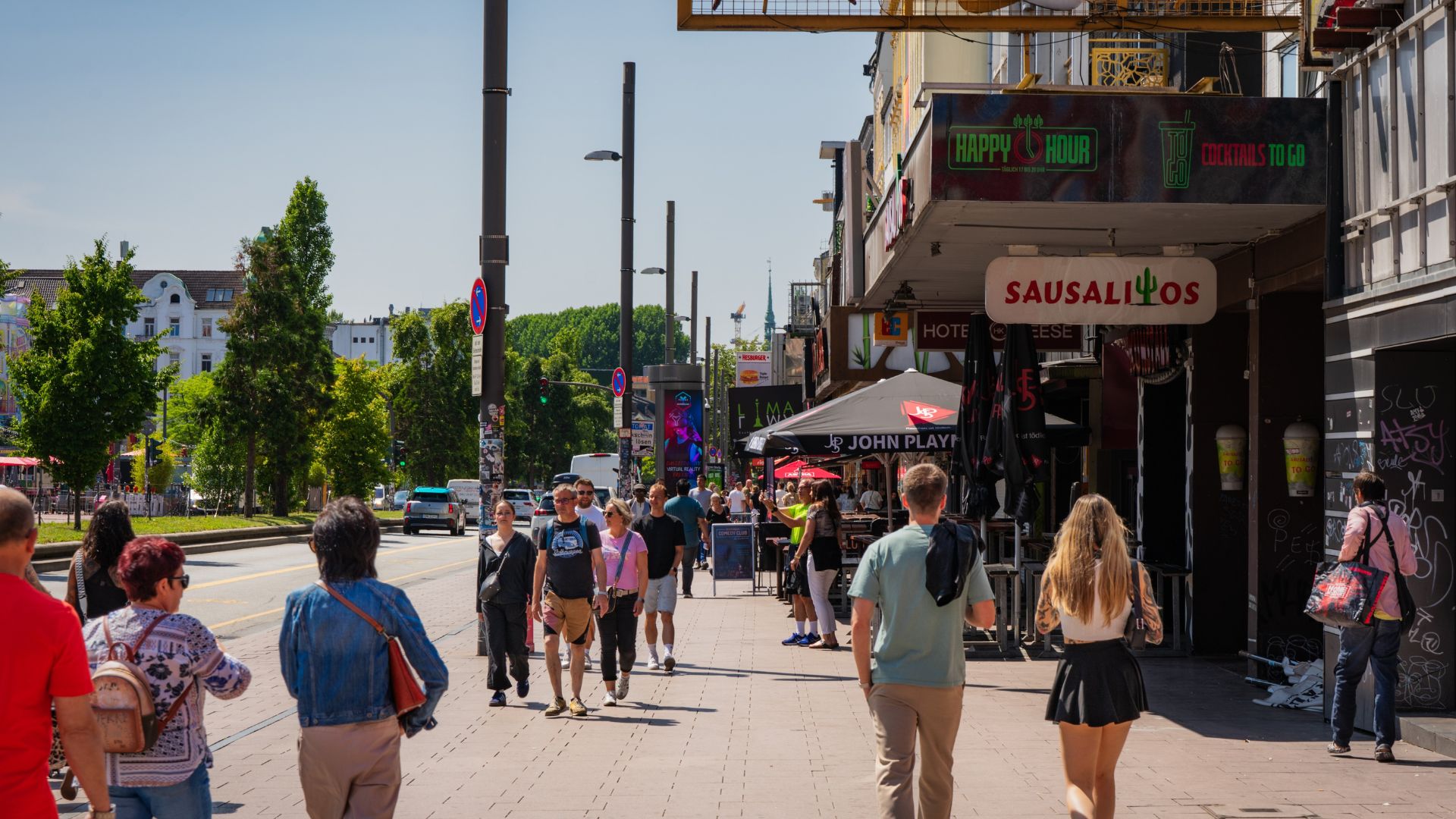
Safety in Germany is generally high, making it one of Europe’s most secure travel destinations. Cities are well-organised, public transport is reliable, and visitors can explore comfortably with basic awareness.
Most travel experiences feel safe and structured, whether in busy urban centres or quiet towns. Common-sense precautions like watching belongings and following local rules are usually enough to ensure a smooth and secure visit.
Germany’s safety landscape at a glance:
| Safety Factor | Rating | Notes |
| Violent crime | Very low | Well below European average |
| Pickpocketing | Moderate | Tourist areas and transport |
| Terrorism risk | Low-moderate | Major events and transport hubs |
| Natural disasters | Very low | No significant earthquake or flood risk |
| Road safety | Good | Autobahn well-maintained |
| Healthcare | Excellent | World-class medical system |
| Police response | Excellent | Fast and professional throughout |
| Emergency services | Excellent | 112 European emergency number |
| Political stability | Very high | Mature stable democracy |
| LGBTQ+ safety | Good-excellent | Legal protections strong |
| Solo female safety | Good | Normal urban precautions apply |
| Child safety | Excellent | Family-friendly throughout |
Crime in Germany: The Honest Assessment
Germany in Germany maintains a strong reputation for public safety and order, with low levels of serious crime and well-managed cities that support secure everyday travel experiences.
Most concerns for visitors are minor and situational, such as pickpocketing in crowded stations or tourist spots. Staying alert and following simple precautions is usually enough for a safe and smooth journey.
What the Statistics Actually Show
Germany’s overall crime rate is low by international and European standards, with the Bundeskriminalamt — Federal Criminal Police Office — annual crime statistics consistently showing violent crime rates well below those of comparable European nations throughout the annual reporting period.
The distinction between serious violent crime — which is genuinely rare for tourists throughout Germany — and opportunistic petty crime — which is the primary practical concern for most visitors — is the most important single framing for understanding German tourist safety throughout any visit.
Pickpocketing and bag theft in tourist-heavy areas represent Germany’s most common crime affecting visitors, with the specific concentration of these offences in Christmas markets, crowded public transport, and major tourist attractions requiring the standard urban vigilance that any European city demands throughout the busy tourist areas.
Tourist-targeted fraud and scams exist throughout Germany’s major cities but at considerably lower rates and with considerably less sophistication than equivalent operations in some other European tourist destinations, making basic awareness rather than hypervigilance the appropriate practical response throughout any German visit.
Pickpocketing: Germany’s Most Common Tourist Crime
Pickpocketing in Germany is the most common issue for tourists, mainly occurring in crowded places like train stations, public transport, and busy tourist attractions.
It is usually non-violent and opportunistic, targeting distracted visitors. Simple precautions like keeping valuables secure, using zipped bags, and staying aware in crowds significantly reduce the risk of incidents.
Where It Happens and How to Prevent It
Pickpocketing is concentrated primarily in specific high-density tourist environments — Munich’s Marienplatz and Oktoberfest grounds, Berlin’s Alexanderplatz and Hackescher Markt, Cologne’s Christmas markets, Hamburg’s Reeperbahn, and the S-Bahn and U-Bahn networks of every major German city throughout the peak tourist periods.
The Christmas market season creates Germany’s highest annual pickpocketing risk period, with the dense crowds, the darkness, and the distraction of the festive atmosphere creating ideal operating conditions for opportunistic theft throughout the market season.
Organised pickpocketing operations in Germany typically involve distraction techniques — the apparent accidental collision, the request for directions accompanied by close physical proximity, and the manufactured crowd surge — that create the brief window of opportunity that experienced thieves exploit throughout the targeted environment.
Pickpocketing prevention guide:
| Risk Location | Risk Level | Prevention Strategy |
| Christmas markets | High | Front pockets, money belt, bag front |
| S-Bahn and U-Bahn peak | High | Bag in front, avoid phone display |
| Oktoberfest grounds | High | Minimal valuables — money belt |
| Tourist old towns | Moderate | Standard bag awareness |
| Major train stations | Moderate | Keep bags close — watch distractions |
| Beer gardens | Low-moderate | Don’t leave bags unattended |
| Rural areas | Very low | Normal awareness sufficient |
| Museums | Very low | Cloakroom for large bags |
What to Carry and What to Leave
The most effective single pickpocketing prevention strategy is carrying only what is genuinely needed for the day — a limited amount of cash, one payment card, and a phone — with passports, additional cards, and excess cash secured in the hotel safe throughout the daily excursion.
A concealed money belt worn beneath clothing provides the most secure carrying solution for passports, larger amounts of cash, and backup payment cards throughout any high-risk tourist environment in Germany.
The increasing availability of contactless payment throughout Germany reduces the practical need for cash carriage, with the ability to pay by card at most German establishments outside rural areas reducing cash-related vulnerability throughout the urban tourist environment.
Scams Targeting Tourists in Germany
Scams targeting tourists in Germany are relatively limited but can occur in busy tourist areas, often involving overcharging, fake services, or distraction-based tricks.
Most scams are non-violent and avoidable with awareness. Checking prices in advance, using official services, and staying cautious in crowded spots helps travellers avoid common misleading situations.
Common Scams and How to Recognise Them
Germany has fewer sophisticated tourist-targeting scams than many comparable European destinations, but several specific operations are practiced regularly in the major cities and tourist areas throughout the year.
The Friendship Bracelet Scam
The friendship bracelet scam — most common in Berlin and Hamburg — involves an individual approaching tourists near major attractions, tying a bracelet onto the wrist before the visitor understands what is happening, and then demanding payment for the item throughout the aggressive conclusion.
The prevention is simple — declining all uninvited physical contact from strangers in tourist areas and walking away firmly from any individual attempting to tie anything onto your wrist or clothing throughout any tourist area encounter.
The Three-Card Monte and Shell Games
Street gambling games — particularly three-card monte and shell games — operating near major tourist attractions in Berlin and Munich are invariably fixed, with the apparent winning players being confederates of the operator throughout the staged demonstration.
These operations are technically illegal throughout Germany and are actively policed but continue to appear near major tourist attractions, requiring simple avoidance — never stopping to watch and never placing any money regardless of apparent winning possibilities throughout any street gambling encounter.
The Fake Police Officer Scam
Individuals posing as plain-clothes police officers and demanding to inspect tourist documents or wallets as part of a supposed anti-counterfeit-money operation exist throughout major German tourist cities, exploiting the general public respect for police authority.
Genuine German police officers always carry and display official Dienstausweis identification and never demand to inspect wallets or handle money, making any request to handle cash or valuables an immediate indication of fraudulent intent throughout any encounter.
The Taxi Overcharge
Unlicensed taxis and some licensed drivers specifically targeting tourists at airports and major train stations may attempt overcharging through undisclosed fares, refusal to use the meter, or deliberate route extension throughout the journey.
Always using the official taxi meter, agreeing on the fare in advance for longer journeys, and using the official taxi rank rather than accepting approaches from individuals in arrivals halls eliminates most taxi-related overcharge risk throughout Germany.
Common scams summary:
| Scam | Location | Prevention |
| Friendship bracelet | Berlin, Hamburg tourist areas | Decline all uninvited physical approach |
| Three-card monte | Near tourist attractions | Never stop — never participate |
| Fake police | Major tourist cities | Request official ID — never show wallet |
| Taxi overcharge | Airports, main stations | Official rank — meter required |
| Distraction theft | Crowds, markets | Maintain bag awareness throughout |
| Charity clipboard | Pedestrian zones | Decline firmly — keep moving |
| Dropped wallet | Tourist streets | Don’t assist strangers handling money |
Germany’s Safest and Most Challenging Cities
Cities in Germany are generally safe, with most offering low crime rates, strong infrastructure, and well-managed public spaces, especially in smaller towns and suburban areas.
Large metropolitan cities may feel more challenging due to crowds and petty theft risks in busy zones. However, with basic awareness, even major cities remain safe and comfortable for travellers.
City by City Safety Assessment
Safety levels across cities in Germany are generally high, with most destinations offering secure environments, reliable transport, and well-organised public spaces for residents and travellers.
Major cities like Berlin, Munich, and Hamburg are safe overall but require standard caution in crowded areas, while smaller towns tend to feel quieter, calmer, and even more relaxed for visitors.
Munich — Germany’s Safest Major City
Munich consistently ranks as Germany’s safest major city, with crime rates significantly below the German average and the combination of high living standards, excellent policing, and the specific Bavarian civic culture creating an urban environment of genuine safety throughout the city.
The Oktoberfest period creates Munich’s annual safety pressure point, with the combination of millions of visitors, high alcohol consumption, and the specific density of the festival grounds requiring heightened awareness and specific preparation throughout the festival weeks.
The U-Bahn network at night near the Theresienwiese during Oktoberfest and the area immediately around the Hauptbahnhof train station are Munich’s most concentrated areas of petty crime throughout the annual calendar.
Berlin — Large and Varied
Berlin’s safety profile reflects the city’s enormous size and enormous social diversity, with overall low violent crime rates coexisting with specific neighbourhood variations that make some areas more challenging than others throughout the German capital.
The areas around Alexanderplatz, the Görlitzer Park in Kreuzberg, and specific sections of the Reeperbahn-equivalent entertainment districts present higher petty crime and occasional confrontational begging than the city average throughout these specific locations.
The vast majority of Berlin’s tourist areas — Museum Island, the Brandenburg Gate, the Tiergarten, Prenzlauer Berg, and Charlottenburg — provide a genuinely safe and genuinely comfortable tourist environment throughout any standard visiting hours.
Hamburg — Good with Specific Areas
Hamburg’s safety profile is generally excellent throughout the tourist areas, with the Speicherstadt, HafenCity, Jungfernstieg, and the central Alster areas providing outstanding safe tourist environments throughout any visiting period.
The Reeperbahn entertainment district in St Pauli operates with a specific character that requires additional awareness, particularly during late evening and overnight hours when the combination of alcohol culture, sex industry activity, and tourist targeting creates a heightened risk environment throughout the entertainment zone.
The Hauptbahnhof and immediate surroundings present a more challenging urban environment than most German major station areas, with specific advice being to maintain bag awareness and avoid unnecessary pauses in the station environs throughout the transit.
Frankfurt — Business City Safety
Frankfurt presents a slightly higher petty crime rate than Munich or Hamburg in the tourist areas, with the area around the Hauptbahnhof and the Bahnhofsviertel — station district — requiring specific awareness that the more clearly tourist areas of the Römerberg and Sachsenhausen riverside do not throughout the comparative safety assessment.
The financial district, the Römerberg medieval square, and the Museumsufer riverside embankment all provide genuinely safe tourist environments of excellent quality throughout any standard visiting hours without particular additional precaution.
Cologne — Safe with Christmas Market Warning
Cologne is a generally safe city throughout the standard tourist areas, with the specific exception of the Christmas market period when the combination of enormous crowds — particularly around the Cathedral market — and the specific dense conditions creates an elevated pickpocketing risk throughout the peak December evenings.
The New Year’s Eve 2015-16 incidents near Cologne Cathedral significantly damaged the city’s safety reputation, with subsequent police deployment increases throughout large public events addressing the specific crowd management failures that contributed to those incidents.
German city safety comparison:
| City | Overall Safety | Tourist Area Safety | Specific Concerns |
| Munich | Excellent | Excellent | Oktoberfest pickpocketing |
| Hamburg | Very good | Very good | Reeperbahn night |
| Frankfurt | Good | Good-very good | Bahnhofsviertel |
| Berlin | Good | Good-very good | Görlitzer Park |
| Cologne | Good | Good | Christmas market crowds |
| Düsseldorf | Very good | Very good | Altstadt late night |
| Stuttgart | Very good | Very good | Generally low risk |
| Nuremberg | Excellent | Excellent | Christmas market only |
| Dresden | Good | Good | Specific right-wing activity |
| Leipzig | Good | Good | Connewitz district |
Transport Safety in Germany
Getting around Germany feels smooth and structured, thanks to one of Europe’s most reliable and safety-focused public transport systems, covering cities, towns, and regional routes with consistency.
Trains, buses, and trams run on time and are widely used by locals. With clear signage and strong infrastructure, travel feels predictable, secure, and easy even for first-time visitors.
Staying Safe on German Public Transport
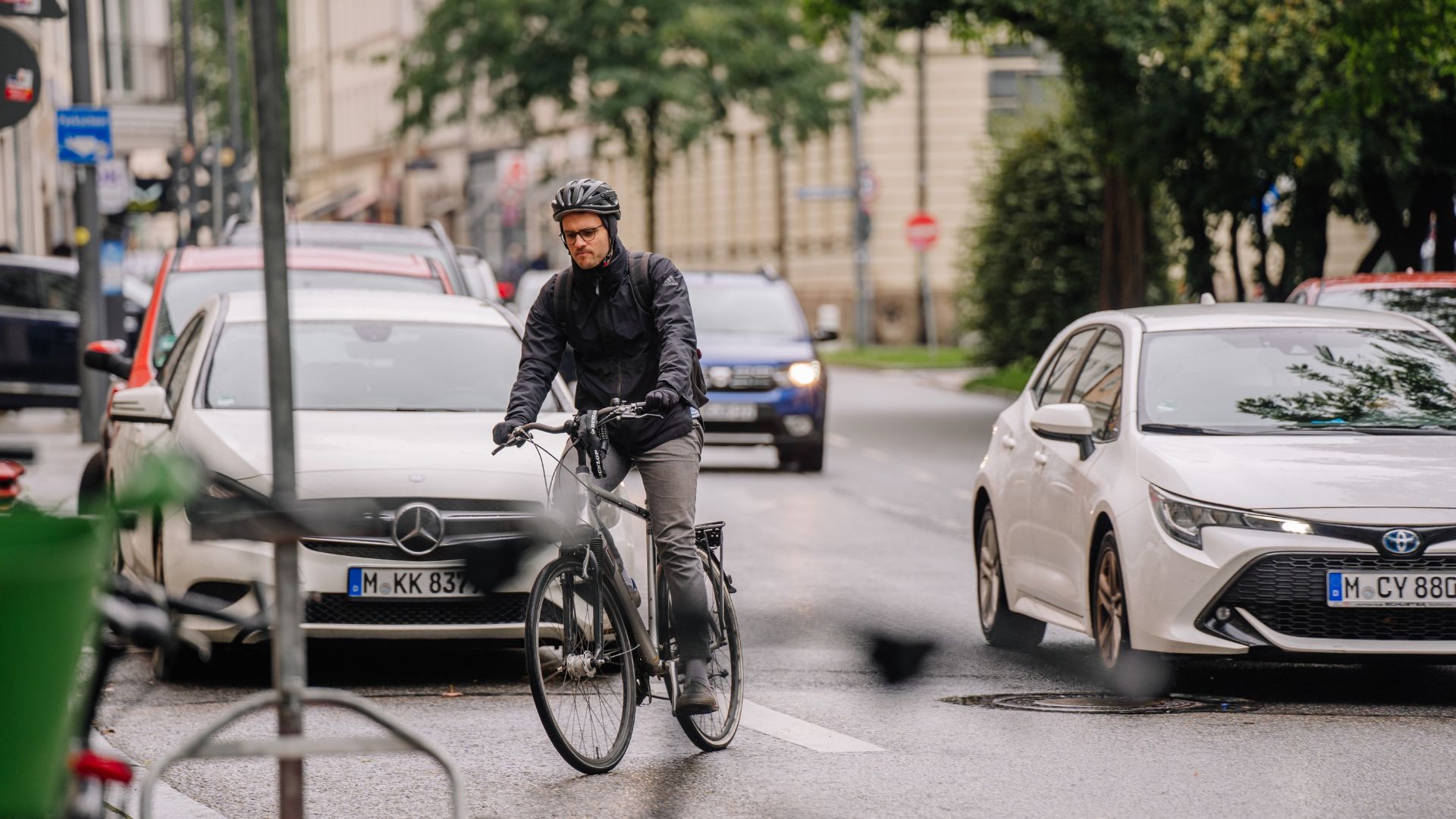
Germany’s public transport network is one of Europe’s safest and most professionally managed, with the S-Bahn, U-Bahn, regional train, and bus networks all operating to high safety standards throughout the daily service.
The specific transport safety concern in Germany is petty theft on crowded urban services during peak hours, with the morning and evening commuter crush on Berlin’s U8 and U1 lines, Munich’s U4/U5 during Oktoberfest, and the S-Bahn connections to major airports creating the highest public transport pickpocketing risk throughout the daily schedule.
Night transport on German public transport is generally safe, with the well-used and well-lit S-Bahn and U-Bahn night services providing a genuinely acceptable safety standard for most passengers throughout the overnight period.
The German Intercity and ICE long-distance trains provide an extremely safe travel environment, with the combination of reservation-based seating, regular conductor presence, and the generally business-travel character of the passenger profile creating conditions of very low crime risk throughout any long-distance rail journey.
Transport safety tips:
| Transport | Risk Level | Key Precaution |
| ICE long-distance | Very low | Standard awareness |
| Regional trains | Low | Keep bags visible |
| S-Bahn peak hours | Moderate | Bag in front — phone careful |
| U-Bahn peak hours | Moderate | Bag in front throughout |
| Night U-Bahn | Low-moderate | Well-lit cars — busy cars |
| City buses | Low | Standard awareness |
| Taxis — licensed | Very low | Official rank and meter |
| Uber/Bolt | Low | App verification of driver |
Road Safety in Germany
Road safety in Germany is among the best in Europe, supported by well-maintained highways, strict traffic rules, and disciplined driving standards across cities and rural areas.
The Autobahn is famous for speed sections, but it is highly regulated and safe. Pedestrian crossings, signage, and enforcement ensure both drivers and walkers experience a secure road environment.
Driving Safely Throughout the Country
Germany’s road network is among the world’s safest and best maintained, with the Autobahn motorway system providing excellent infrastructure and the German driver culture generally displaying high road discipline throughout the national road network.
The absence of a general speed limit on approximately 40 percent of the Autobahn network creates specific safety considerations for visitors unaccustomed to high-speed motorway driving, with the safe navigation of unrestricted sections requiring consistent mirror checking and extreme caution when changing lanes throughout the high-speed sections.
German roads carry a specific cyclist and pedestrian priority culture that requires adjustment from visitors accustomed to more car-centric environments, with cyclists having specific legal rights at junctions and pedestrians having absolute right of way at marked pedestrian crossings throughout the German traffic law.
Winter driving in Germany — particularly in Bavaria, the Black Forest, and eastern Germany — requires winter tyres that are legally mandated when icy or snowy conditions exist, with the absence of winter tyres on appropriate vehicles carrying both safety risk and legal consequence throughout the winter driving period.
German road safety guide:
| Situation | Requirement | Notes |
| Autobahn unrestricted | Mirror discipline essential | Stay right unless overtaking |
| Autobahn gantry speed limits | Legally binding | No exceptions |
| Winter conditions | Winter tyres legally required | M+S minimum — proper winter preferred |
| Cyclist priority | Give way at junctions | Legal requirement |
| Pedestrian crossings | Stop — absolute priority | Serious offence to fail |
| Alcohol limit | 0.5 per mille | Zero for under 21 and new drivers |
| Mobile phone | Hands-free only | €100 fine otherwise |
| Parkscheibe | Required for blue zones | Available free at petrol stations |
Germany Emergency Services Overview Guide
Emergency services in Germany are highly efficient, with quick response systems for medical, fire, and police assistance available nationwide through well-coordinated public networks.
Dialling 112 connects travellers to emergency support in multiple languages. Services are reliable, professional, and widely accessible, ensuring safety and fast help in both cities and rural areas
Who to Call and How the System Works
The European emergency number 112 is Germany’s primary emergency contact for police, fire, and ambulance services, operating throughout the country on all telephone networks including when no SIM credit remains, creating a genuinely accessible emergency system for all visitors throughout Germany.
The German police emergency number 110 connects specifically to the Polizei rather than the broader 112 emergency coordination, with both numbers operating throughout Germany and both providing rapid response throughout the national emergency services.
German emergency services are professional, well-equipped, and rapid in response, with the typical police response time in major German cities measured in minutes rather than the extended waits that visitors from some other countries may be accustomed to throughout the emergency services comparison.
German emergency contact guide:
| Service | Number | Notes |
| All emergencies | 112 | Works without SIM credit |
| Police only | 110 | Direct police connection |
| Medical non-emergency | 116 117 | Doctor on call service |
| Poison control | 030 19240 | Berlin-based national |
| ADAC breakdown | 0800 5 10 11 12 | Motoring assistance |
| Tourist police Berlin | 030 4664 879200 | Dedicated tourist support |
| Lost property Munich | 089 233 96045 | City lost property office |
Healthcare Safety in Germany
Healthcare in Germany is excellent, with modern hospitals, highly trained doctors, and efficient medical systems available in both urban and rural regions across the country.
Emergency and general care services are reliable and accessible. Pharmacies are well-stocked, and travellers can expect high standards of treatment, making Germany a very safe destination for medical support.
Germany’s World-Class Medical System
Germany’s healthcare system is consistently rated among the world’s finest, with the combination of universal coverage, highly trained medical professionals, well-equipped hospitals, and excellent emergency response creating a medical safety net of extraordinary quality for visitors throughout the country.
EU citizens visiting Germany with a valid European Health Insurance Card — EHIC — receive access to medically necessary healthcare at the same cost as German residents, making the EHIC an essential item for European visitors throughout any German visit.
Non-EU visitors should carry comprehensive travel health insurance providing adequate coverage for medical treatment in Germany, where medical costs for uninsured visitors can be significant throughout any treatment requiring hospital admission or specialised care.
German Apotheken — pharmacies — are distinguished by their red cross sign and provide professional pharmaceutical advice, over-the-counter medications, and guidance on minor health issues that do not require a doctor visit throughout the pharmacy consultation service.
Healthcare access guide:
| Situation | Action | Cost with EHIC | Cost without Insurance |
| Medical emergency | Call 112 | EHIC covers | Very high |
| Doctor visit — non-emergency | Call 116 117 | EHIC covers | €50–150 |
| Pharmacy — minor issues | Visit Apotheke | Small prescription fee | €5–30 |
| Hospital admission | Via emergency or referral | EHIC covers most | Very high |
| Dental emergency | Emergency dentist | Limited EHIC cover | €100–500+ |
| Prescription medication | Apotheke with prescription | Small contribution | Varies |
Safety for Specific Visitor Groups
Safety for specific visitor groups in Germany is generally strong, with most travellers—families, solo visitors, and seniors—experiencing secure and well-managed environments.
Cities and transport systems are designed for accessibility and ease. With standard precautions, different visitor groups can comfortably explore Germany, benefiting from its organised infrastructure and overall low crime levels.
Tailored Safety Information for Every Traveller
Tailored safety information for every traveller in Germany ensures that different needs—whether solo, family, or senior travel—are supported by clear guidance and well-organised public systems.
Most visitors find the country easy to navigate safely. With basic awareness and planning, travellers of all types can enjoy a secure, comfortable, and well-structured experience across cities and regions.
Solo Female Travellers
Germany is consistently rated as one of Europe’s safest countries for solo female travellers, with the combination of strong legal equality frameworks, cultural norms against harassment, and generally safe public environments creating conditions of genuine safety throughout the country.
The standard precautions applicable throughout any European urban environment — avoiding isolated areas late at night, trusting personal instincts about uncomfortable situations, and maintaining phone battery throughout evening outings — represent the appropriate safety approach for solo female visitors throughout Germany.
The German public transport network provides a safe travel environment for solo female travellers throughout all reasonable hours, with the well-lit and well-used nature of the major city networks creating conditions significantly safer than many comparable European public transport systems throughout the comparison.
LGBTQ+ Visitors
Germany provides strong legal protections for LGBTQ+ visitors, with same-sex relationships legally equal to opposite-sex relationships, comprehensive anti-discrimination legislation, and a generally accepting cultural environment in urban areas throughout the country.
Berlin, Cologne, Munich, Hamburg, and Frankfurt maintain active and welcoming LGBTQ+ communities with dedicated neighbourhoods — Berlin’s Schöneberg, Cologne’s Heumarkt area — providing environments of complete safety and genuine celebration throughout any LGBTQ+ visitor’s German experience.
Rural Germany and some eastern German regions present a less consistently welcoming environment, with the standard recommendation being normal discretion in unfamiliar conservative rural areas while the major cities provide environments of genuine and enthusiastic acceptance throughout the urban LGBTQ+ community.
Families with Children
Germany is one of Europe’s most genuinely child-friendly countries, with the combination of comprehensive public infrastructure for families, cultural acceptance of children in virtually all environments, and the specific tradition of outdoor and cultural family activities creating an outstanding environment for family travel throughout the country.
German public transport provides free travel for young children throughout most regional transport networks, with the specific family-friendly provisions of the Bayern-Ticket and equivalent regional passes covering children under 15 at no additional cost when travelling with parents throughout the regional transport network.
Senior Travellers
Germany’s excellent accessible infrastructure, the comprehensive healthcare system, and the generally safe urban environment create genuinely outstanding conditions for senior travellers throughout the country.
The DB Mobilitätsservice provides free assistance for senior travellers requiring help with train boarding, connection management, and general rail journey navigation throughout the Deutsche Bahn network, making rail travel accessible and manageable for seniors with mobility requirements throughout the German rail system.
Student and Budget Travellers
Hostel accommodation throughout Germany maintains generally excellent safety standards, with the German youth hostel — DJH — network providing some of Europe’s most professional and most secure budget accommodation throughout the national hostel network.
The German university cities of Heidelberg, Tübingen, Freiburg, Göttingen, and Marburg provide particularly safe and particularly welcoming environments for student travellers, with the large student population creating a vibrant and generally low-crime urban culture throughout the academic towns.
Natural and Environmental Safety Awareness Guide
Natural and environmental safety in Germany is generally strong, with well-maintained parks, clean cities, and clearly marked hiking and outdoor recreation areas across regions.
Weather awareness is important, especially in winter and forested areas. Following trail signs, checking forecasts, and respecting local guidelines ensures safe and enjoyable outdoor experiences throughout the country.
Germany’s Low Natural Risk Profile
Germany has one of Europe’s lowest natural disaster risk profiles, with no significant earthquake zones, no active volcanoes, no hurricane exposure, and very limited flood risk in most tourist areas creating a natural safety environment of genuine reassurance throughout the country.
The Rhine, Elbe, and Moselle rivers are subject to occasional flooding — most significantly in spring snowmelt periods — but the flood warning systems and flood management infrastructure throughout Germany provide adequate advance warning and protection throughout most flood risk situations.
Forest fires are very rare throughout Germany compared with southern European equivalents, with the combination of the country’s climate, its comprehensive forest management, and the absence of the extreme summer drought conditions of the Mediterranean creating a very low wildfire risk throughout most of the country.
Weather safety considerations:
| Hazard | Risk Level | Season | Precaution |
| Summer thunderstorms | Moderate | June-August | Shelter quickly when approaching |
| Winter ice | Moderate | December-February | Appropriate footwear throughout |
| River flooding | Low-moderate | Spring snowmelt | Check local warnings |
| Heat waves | Low-moderate | July-August | Hydration and shade |
| Black ice — Autobahn | Moderate | November-March | Winter tyres and caution |
| Forest walking | Very low | Year-round | Standard preparation |
Terrorism and Political Safety Awareness Handbook
Terrorism and political safety in Germany is generally stable, with strong security measures and coordinated law enforcement maintaining public order across cities and regions.
Incidents are rare, but standard vigilance in crowded places and during large public events is advised. Following official guidance ensures a safe and well-protected travel experience throughout the country.
Understanding Germany’s Security Landscape
Germany faces a terrorism risk that is assessed as low-moderate by German security authorities — the BfV domestic intelligence service — reflecting the country’s experience with both Islamist-inspired and far-right extremist threats throughout the contemporary security environment.
The practical tourist reality of Germany’s terrorism risk is that genuinely rare events occurring in dense public spaces — transport hubs, Christmas markets, and large public events — have occurred in Germany’s recent history, making the security measures now deployed at these specific locations genuinely relevant to visitor awareness.
German security authorities have significantly increased security deployment at Christmas markets, major public events, and transport hubs following specific incidents, with vehicle barriers, uniformed security presence, and enhanced surveillance providing meaningful physical mitigation throughout the most exposed environments.
The appropriate tourist response to Germany’s terrorism risk is the standard heightened awareness recommended throughout European urban environments — remaining aware of surroundings in crowded spaces, noting emergency exit locations in venues, and following the guidance of security personnel throughout any security incident.
Security awareness guide:
| Environment | Security Measure | Visitor Action |
| Christmas markets | Vehicle barriers and police | Normal attendance — stay aware |
| Major train stations | Police presence | Standard awareness |
| Large public events | Security screening | Arrive early — cooperate with checks |
| Airports | Full security screening | Standard compliance |
| Public transport | Periodic checks | Normal travel behaviour |
| Tourist attractions | Variable measures | Follow security guidance |
Political Demonstrations and Civil Unrest
In Germany, political demonstrations are a visible part of democratic life, usually organised, peaceful, and closely monitored by authorities to maintain public order and safety across cities.
Large gatherings can occasionally affect transport or access in busy areas. Travellers are advised to stay informed, avoid protest zones when needed, and follow local updates for a smooth experience.
Understanding Germany’s Demonstration Culture
Germany has a vibrant and legally protected demonstration culture, with political protests occurring regularly throughout major cities on virtually every weekend throughout the year, ranging from the enormous Friday for Future climate demonstrations to the smaller far-right and far-left political marches throughout the urban political landscape.
German demonstrations are generally peaceful and generally well-managed by police, with the legal framework for public assembly providing robust protections for peaceful protest while the police deployment at larger events maintaining order throughout the demonstration environment.
The practical tourist consideration when encountering German demonstrations is simply avoiding the immediate vicinity of any confrontational or heavily policed protest, taking alternative routes through the city, and treating the demonstration as the legitimate civic expression that German law and German culture recognise throughout the political tradition.
Practical Safety Preparation
Practical safety preparation in Germany starts with staying aware of your surroundings, keeping valuables secure, and understanding local rules for transport and public spaces.
Travellers should carry emergency contacts, use trusted transport options, and stay updated on local guidance. Simple planning ensures a safe, smooth, and confident travel experience across the country.
What to Do Before and During Your Visit
Before and during your visit to Germany, prepare by checking travel documents, booking accommodation early, and learning basic local transport routes for smoother movement across cities.
During your stay, stay aware in crowded areas, follow local rules, and keep emergency contacts handy. Simple preparation ensures a safe, organised, and enjoyable travel experience throughout your journey.
Pre-Departure Safety Preparation
Registering with your home country’s embassy or consulate in Germany before departure — through services like the UK Foreign Office’s LOCATE system or the US State Department’s STEP programme — provides your government with contact information for emergencies throughout the visit.
Scanning passport, insurance documents, and key travel documents and storing the scans securely in a cloud service provides immediate document replacement capability in the event of loss or theft throughout any German visit.
Noting the specific contact information for your travel insurance provider, the nearest embassy or consulate, and the German emergency numbers before departure eliminates searching for this information in the stress of an actual emergency throughout any incident.
During the Visit
Maintaining a small emergency cash reserve — approximately €50 — separate from the main wallet provides immediate resource access if the primary payment means is lost or stolen throughout any daily German excursion.
Using hotel safes for passport storage rather than carrying the original throughout daily sightseeing reduces the impact of any theft, with a high-quality photocopy or phone scan of the passport providing adequate identification for most daily purposes throughout the visit.
Sharing daily itinerary information with a trusted contact at home — particularly for solo travellers — creates a safety net that enables rapid response if contact is unexpectedly lost throughout the visit.
Frequently Asked Questions
Is Germany safe for tourists in 2025? Germany remains one of Europe’s safest tourist destinations in 2025, with very low violent crime rates, excellent emergency services, comprehensive legal protections, and a generally welcoming cultural environment throughout the country. Standard urban awareness regarding pickpocketing in crowded tourist areas represents the primary practical precaution for most visitors throughout any German trip.
What are the most dangerous areas in Germany for tourists? No German area is genuinely dangerous for tourists by international comparison, but specific locations requiring heightened awareness include the Görlitzer Park area of Berlin, the Hauptbahnhof surrounds of Frankfurt and Hamburg, the Reeperbahn district of Hamburg at night, and any major Christmas market during peak crowd periods throughout the comparative safety assessment.
Is Germany safe for solo female travellers? Germany is consistently rated one of Europe’s safest countries for solo female travellers, with strong legal equality frameworks, cultural norms against harassment, and genuinely safe public environments throughout the country. Standard precautions applicable in any European urban environment provide adequate safety throughout any solo female German visit.
What should I do if my passport is stolen in Germany? Report the theft immediately to the nearest German police station — Polizeiwache — to obtain an official crime reference number, then contact your home country’s embassy or consulate in Germany for emergency travel document assistance throughout the replacement process. The emergency numbers are 110 for police and 112 for all emergencies.
Is Germany safe during Oktoberfest? Oktoberfest is generally safe but requires specific preparation for the high-density crowd environment, with elevated pickpocketing risk throughout the festival grounds and the surrounding transport network. Carrying minimal valuables, using a money belt for essential items, and maintaining awareness in crowded tent environments provides adequate practical protection throughout the festival attendance.
Final Thoughts
Germany is genuinely one of Europe’s safest and most visitor-friendly countries, offering an outstanding combination of low violent crime, excellent emergency services, world-class healthcare, and a civic culture that values order and respects visitors throughout every region of this remarkable country.
Apply standard European urban awareness for pickpocketing in tourist areas, carry essential documents securely, save emergency numbers before travelling, obtain appropriate travel insurance, and approach Germany with the confidence that genuinely excellent safety conditions and genuinely professional emergency services provide throughout every day of your German adventure.
Hi, I’m Preeti Negi, a content writer who loves mixing creativity with smart strategy.
I have 3 years of experience writing about travel, digital marketing, and study abroad topics. I create content that is easy to read, engaging, and designed to connect with people while also performing well on Google.
When I’m not writing, I enjoy exploring new trends, learning new things, and thinking about fresh ideas for my next piece.
