

Germany created the Christmas market tradition, turning winter into a festive wonderland of glowing lights, spiced aromas, and joyful celebrations rooted in centuries-old customs and rich cultural heritage.
From Munich’s Christkindlmarkt to Nuremberg’s famous Christkindlesmarkt, each German market offers regional flavors, distinctive charm, and immersive festive atmospheres that define authentic European Christmas experiences.
Enjoying Glühwein, handmade ornaments, and seasonal treats, visitors experience Germany’s holiday magic. This guide highlights the top Christmas markets and practical tips to plan an unforgettable festive journey.
Please note that this article contains affiliate links. Learn more about it on our Disclosure page. We use ads to support our small business – we hope you don’t mind them too much.
Traditions and History of German Christmas Markets
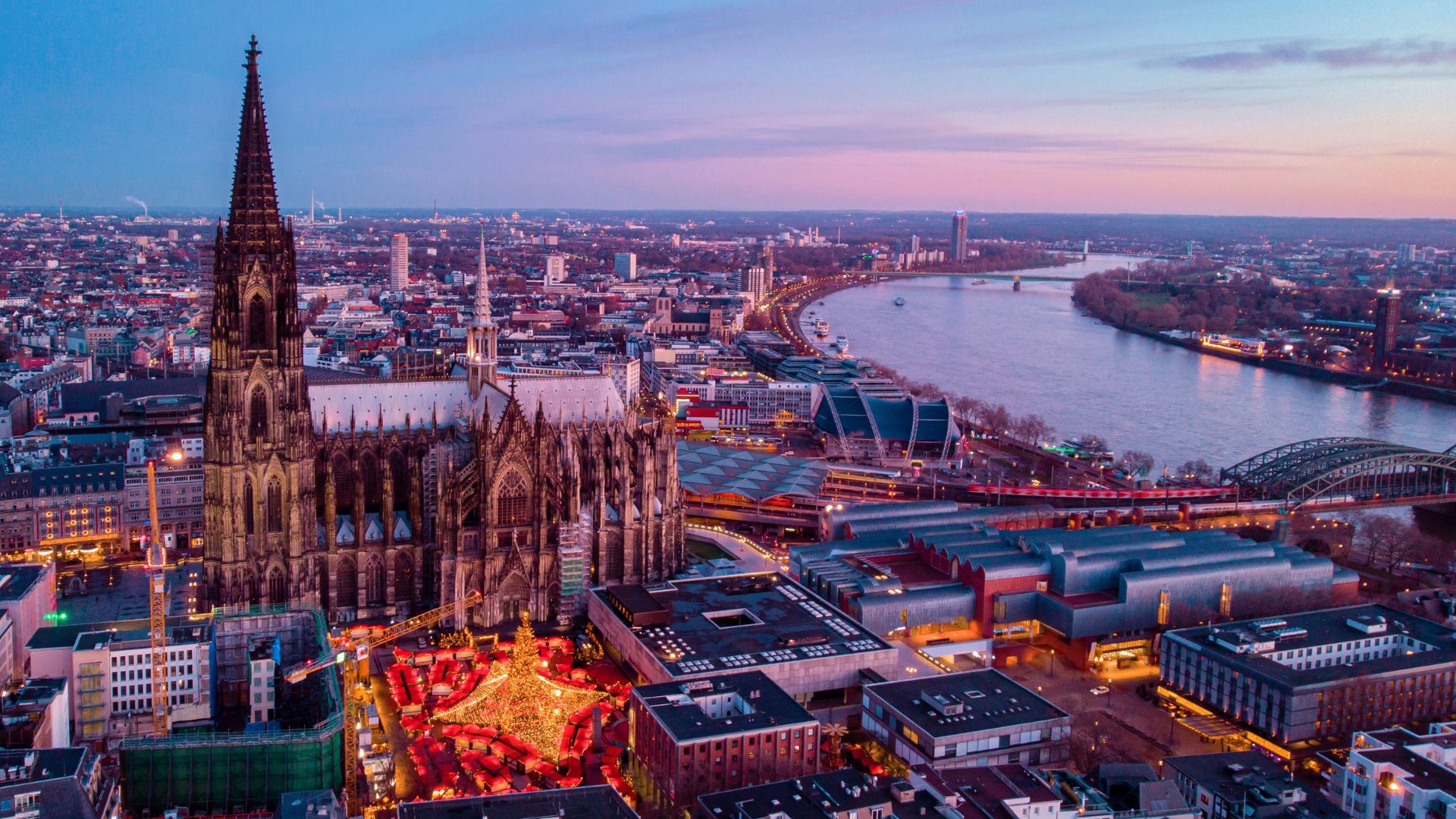
German Christmas markets trace their origins back to the late Middle Ages, when winter markets provided food, warmth, and seasonal goods. Over time, these gatherings became closely linked with Advent celebrations.
What began as practical trading events evolved into festive cultural traditions. Today, German Christmas markets blend history, craftsmanship, music, and cuisine, creating beloved seasonal experiences across towns and cities.
Medieval Origins
Germany’s first Christmas markets emerged during the Late Middle Ages in German-speaking regions across Central Europe. Dresden’s Striezelmarkt, established in 1434, claims the title of world’s oldest Christmas market, originally allowing citizens to purchase meat for celebrations.
Medieval markets served practical purposes, providing winter provisions and handcrafted goods before Christmas festivities began. Craftsmen, bakers, and toy makers sold essential items, transforming marketplaces into vibrant community gathering spaces during dark winter months.
Religious traditions heavily influenced early Christmas markets, with Advent celebrations emphasizing spiritual preparation for Christmas Day. Markets typically opened on Saint Nicholas Day, combining commercial activity with religious observance, creating unique cultural traditions.
Evolution Through Centuries
The Protestant Reformation significantly influenced Christmas market traditions, particularly in regions adopting Lutheran practices throughout Germany. Martin Luther promoted family-centered Christmas celebrations, encouraging gift-giving traditions that expanded market offerings beyond basic provisions.
Nineteenth-century Romanticism revitalized Christmas market traditions, emphasizing nostalgia, folklore, and idealized medieval cultural heritage. Composers, poets, and artists celebrated German Christmas traditions, establishing markets as essential elements of national identity and culture.
Modern Christmas markets blend historical traditions with contemporary entertainment, featuring concerts, theatrical performances, and elaborate decorations. Despite commercialization, many markets preserve authentic craftsmanship, regional specialties, and community atmosphere, defining German Christmas culture.
Nuremberg Christkindlesmarkt: The Classic Christmas Market
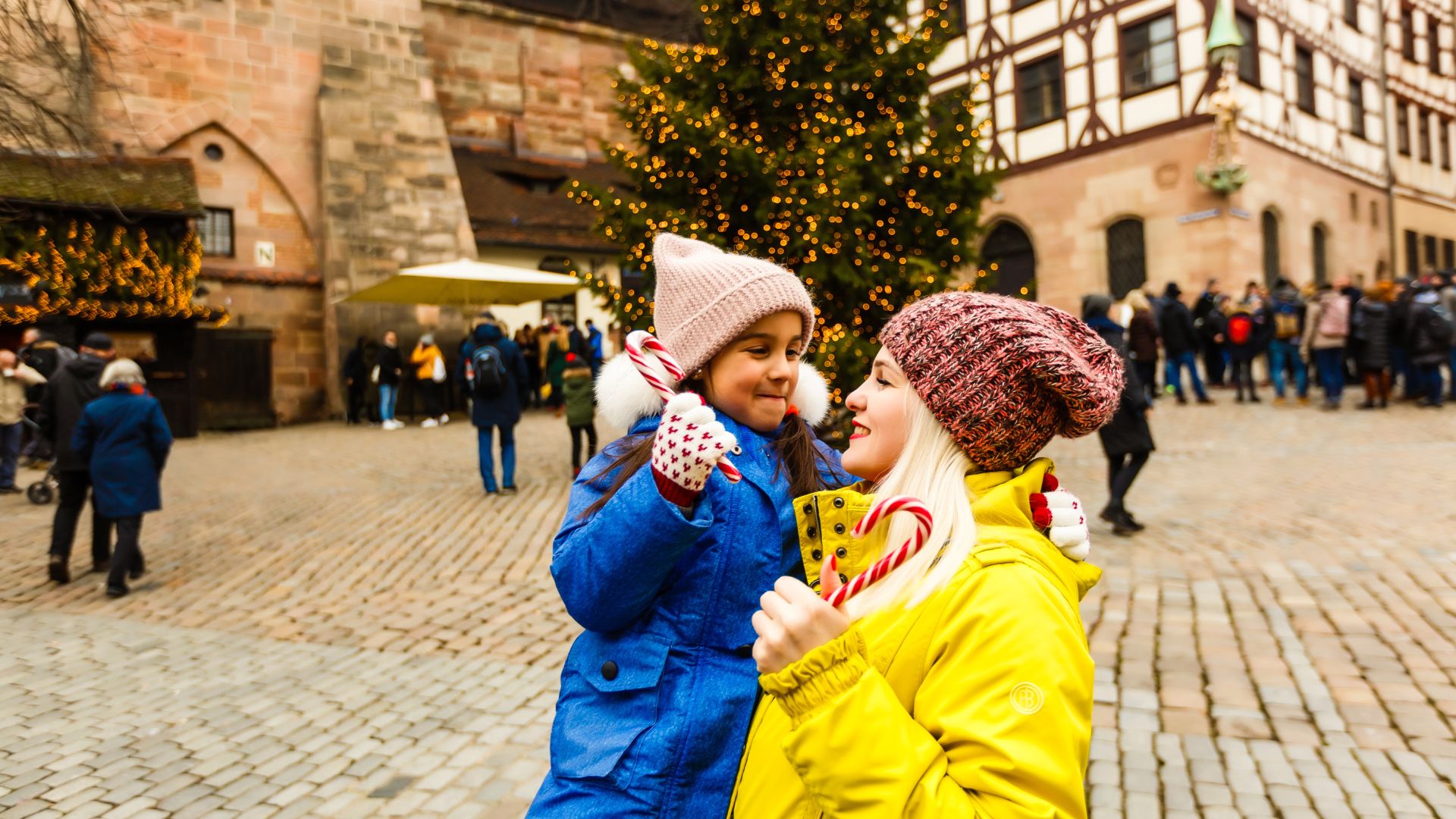
Nuremberg Christkindlesmarkt is one of the oldest and most famous Christmas markets in the world. Set in the historic main square, it embodies centuries-old holiday traditions and festive charm.
Known for its iconic Christkind figure, handcrafted goods, and seasonal treats, the market attracts visitors from around the globe. Its atmosphere reflects the true spirit of a traditional German Christmas.
Historical Significance
Nuremberg’s Christkindlesmarkt, dating to the mid-sixteenth century, represents Germany’s most famous and internationally recognized Christmas market. Held in medieval Hauptmarkt square, the market attracts over two million visitors annually seeking authentic German Christmas experiences.
The market’s iconic opening ceremony features the Christkind, golden angel, proclaiming the market’s commencement from the Frauenkirche balcony. This beloved tradition, established in 1948, captivates audiences with a theatrical presentation symbolizing Christmas spirit and Nuremberg’s cultural heritage.
Nuremberg’s strict vendor selection maintains exceptional quality standards, preserving traditional craftsmanship and authentic regional products. Only items meeting rigorous criteria receive approval, ensuring visitors experience genuine German Christmas traditions rather than mass-produced commercialization.
Signature Offerings
| Item | Description |
| Nuremberg Bratwurst | Grilled sausages served in crusty rolls with mustard |
| Lebkuchen | Traditional spiced gingerbread cookies, a Nuremberg specialty |
| Glühwein | Mulled wine served in collectible souvenir mugs |
| Zwetschgenmännle | Prune people figurines, a traditional Franconian craft |
| Christmas Ornaments | Hand-blown glass decorations and wooden crafts |
Market Highlights:
- Over 180 traditional wooden stalls decorated with red and white fabric
- Children’s Christmas market with special activities and entertainment
- Handcrafted Nuremberg toys and ornaments from local artisans
- Traditional Franconian food specialties and seasonal treats
- Evening illuminations create magical atmospheric experiences
The famous Nuremberg Lebkuchen, which has a protected geographical indication status, showcases regional baking traditions spanning centuries. These honey-spiced cookies, available in countless varieties, represent quintessential Christmas market treats enjoyed throughout Germany.
Zwetschgenmännle, whimsical figurines crafted from prunes, walnuts, and figs, embody Franconian folk art traditions. These charming characters, dressed in traditional costumes, make beloved souvenirs representing Nuremberg’s unique cultural contributions.
Visitor Information
Christkindlesmarkt operates from Friday before First Advent through Christmas Eve, opening daily, including Sundays. Evening visits offer the most atmospheric experiences, with illuminated stalls, festive music, and crowds creating vibrant holiday energy.
Arrive early morning for quieter browsing opportunities, allowing leisurely exploration before afternoon crowds arrive from throughout Europe. Nuremberg’s compact old town enables easy walking between the market, historic sites, and additional smaller specialty markets.
Planning Tips:
- Visit weekdays to avoid weekend crowds
- Try authentic Nuremberg bratwurst and Lebkuchen
- Purchase collectible Glühwein mugs as souvenirs
- Explore the children’s market and historical sights
- Combine with the Nuremberg castle and the old town
Dresden Striezelmarkt: World’s Oldest Christmas Market
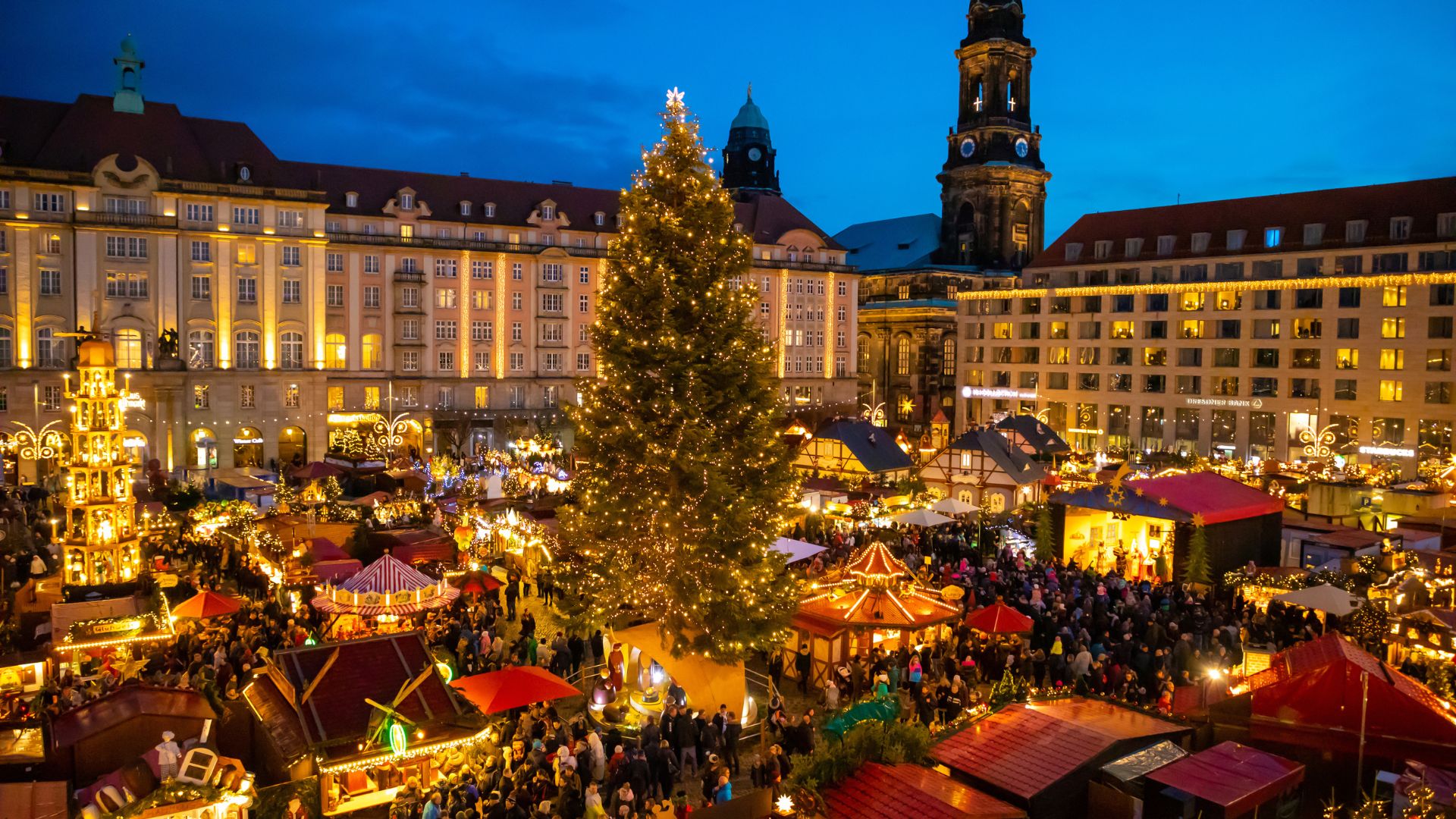
Dresden Striezelmarkt is recognized as the world’s oldest Christmas market, dating back to the 15th century. Held in the heart of Dresden, it represents centuries of festive tradition and craftsmanship.
Famous for Stollen, wooden decorations, and regional customs, the market blends history with celebration. Its long-standing heritage makes it a cornerstone of German Christmas culture.
Centuries of Tradition
Dresden’s Striezelmarkt, established in 1434, holds the distinguished title of world’s oldest continuously operating Christmas market. Named after “Striezel,” Dresden’s famous Christmas fruitcake now known as Stollen, the market embodies nearly six centuries of tradition.
Located on Altmarkt Square in Dresden’s reconstructed historic center, Striezelmarkt showcases Saxony’s exceptional craftsmanship and traditions. The market features the world’s tallest Christmas pyramid, standing fourteen meters tall, rotating continuously, and displaying traditional nativity scenes.
Dresden Stollen remains the market’s signature product, with official Stollenmädchen ceremonially cutting a giant Stollen weighing several tons. This beloved tradition, dating to Augustus the Strong’s reign, celebrates Dresden’s most famous culinary contribution to Christmas.
Unique Features
Striezelmarkt Highlights:
- World’s oldest Christmas market with a 589-year history
- World’s tallest Christmas pyramid with hand-carved figures
- Giant Advent calendar revealing daily surprises
- Traditional Saxon handicrafts from the Ore Mountains region
- Historic Striezel Festival celebrating Christmas traditions
The market showcases exceptional Ore Mountains woodcarving traditions, including smoking men, nutcrackers, and Christmas pyramids. These handcrafted items, produced in Erzgebirge mountain villages, represent centuries-old Saxon folk art techniques.
Plum people, traditional figurines similar to Nuremberg’s prune men, demonstrate regional variations in German folk art. These charming decorations, crafted from dried fruits and nuts, make unique souvenirs representing Saxon Christmas traditions.
Market Specialties
| Specialty | Details |
| Dresden Stollen | Protected geographical indication Christmas fruitcake |
| Pulsnitzer Lebkuchen | Regional gingerbread variety from the nearby town |
| Glühwein | Mulled wine in commemorative Dresden mugs |
| Ore Mountains Crafts | Wooden nutcrackers, smoking men, Christmas pyramids |
| Saxon Cuisine | Regional specialties, including potato dishes |
Dresden Stollen, buttery yeast bread filled with fruits, nuts, and marzipan, represents Saxon baking excellence. Protected designation ensures that only Dresden-produced Stollen bearing the official seal represents the authentic regional product meeting strict quality standards.
Visiting Striezelmarkt:
- Opens late November through Christmas Eve
- Located in central Dresden near the Frauenkirche
- Combine with Dresden’s magnificent Baroque architecture
- Visit Zwinger Palace and Semper Opera
- Explore the reconstructed historic Altstadt district
Munich Christkindlmarkt: Bavarian Christmas Splendor
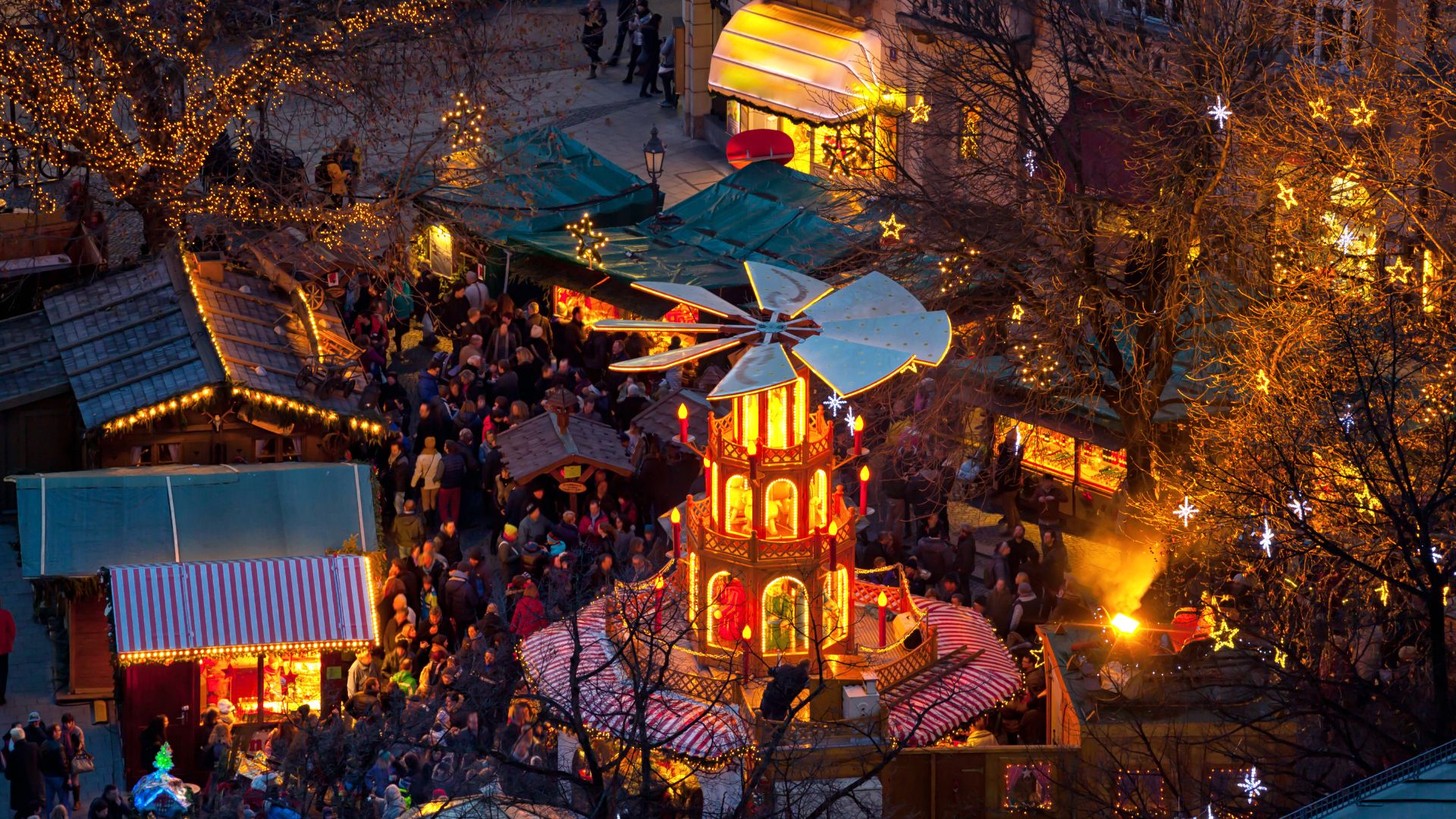
Munich Christkindlmarkt showcases the heart of Bavarian holiday traditions in the city’s historic center. Festive stalls, twinkling lights, and seasonal music create a warm and inviting Christmas atmosphere.
Visitors can enjoy handcrafted gifts, traditional decorations, and regional winter treats. The market blends Bavarian culture with holiday cheer, offering an authentic and memorable Christmas experience.
Marienplatz Magic
Munich’s Christkindlmarkt on Marienplatz, dating to the fourteenth century, ranks among Germany’s most beautiful and atmospheric markets. Dominated by a towering Christmas tree and the New Town Hall’s Gothic facade, the market embodies the traditional Bavarian Christmas spirit.
Over three million visitors annually flock to Munich, experiencing authentic Bavarian Christmas traditions and hospitality. The market’s central location enables easy access from Munich’s major attractions, shopping districts, and transportation hubs throughout the city.
Daily Glockenspiel performances from the New Town Hall tower enhance the market atmosphere with mechanical figures dancing above crowds. Evening visits provide magical experiences with illuminated trees, festive decorations, and Bavarian gemütlichkeit, creating unforgettable memories.
Bavarian Traditions
Market Offerings:
- Traditional Bavarian decorations and handicrafts
- Regional food specialties, including pretzels and sausages
- Handcrafted Christmas ornaments from local artisans
- Nativity scenes and religious Christmas decorations
- Bavarian folk music and cultural performances
Munich’s market emphasizes traditional Bavarian craftsmanship, featuring hand-carved wooden decorations, painted glassware, and traditional textiles. Local artisans demonstrate centuries-old techniques, creating authentic products unavailable in mass-market commercial outlets.
Bavarian food stalls serve regional specialties including hearty sausages, roasted almonds, and traditional baked goods. Warm Dampfnudeln, steamed dumplings served with vanilla sauce, provide comforting treats against cold December evenings.
Additional Munich Markets
| Market | Location | Special Features |
| Kripperlmarkt | Rindermarkt | Nativity scene market, religious items |
| Medieval Market | Wittelsbacher Platz | Historical costumes, traditional crafts |
| Tollwood Winter Festival | Theresienwiese | Alternative market, international cuisine, concerts |
| Chinese Tower Market | English Garden | Romantic garden setting, brass band music |
Munich offers numerous specialty Christmas markets throughout the city, each providing a unique atmosphere and distinct offerings. Exploring multiple markets enables a comprehensive experience of Munich’s diverse Christmas traditions and contemporary innovations.
Planning Your Visit:
- Christkindlmarkt opens in late November and runs through Christmas
- Visit multiple markets, exploring different districts
- Try traditional Bavarian Glühwein and snacks
- Enjoy Glockenspiel performances at scheduled times
- Combine with Munich’s museums and attractions
Cologne Cathedral Christmas Markets: Seasonal Splendor
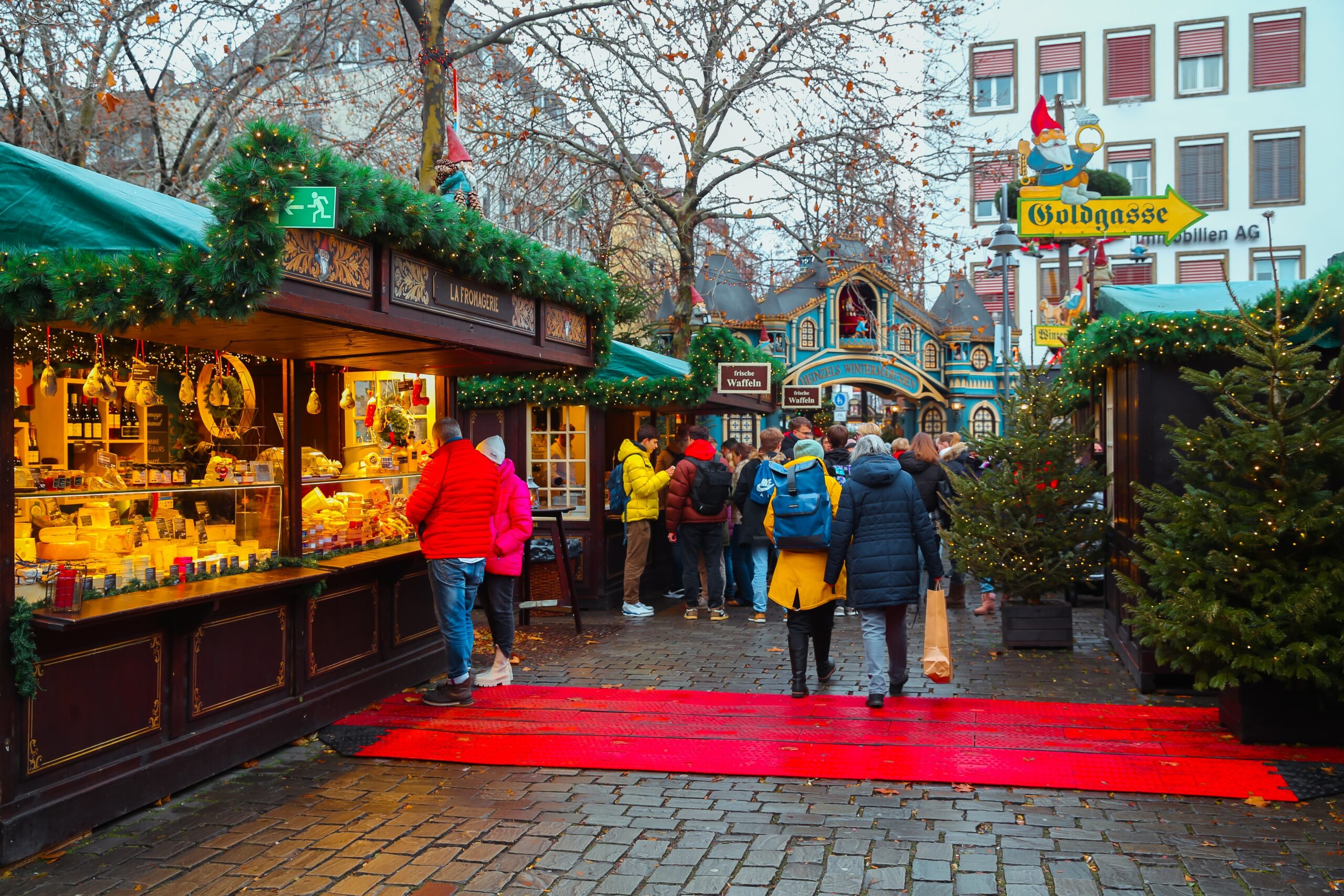
Cologne Cathedral Christmas Markets unfold beneath one of Germany’s most iconic Gothic landmarks. The towering cathedral provides a dramatic backdrop, creating a magical setting filled with lights, music, and festive spirit.
Known for themed stalls, handcrafted gifts, and seasonal delicacies, the markets attract visitors from across Europe. Their unique location blends historic grandeur with joyful Christmas traditions.
Gothic Grandeur
Cologne hosts seven distinct Christmas markets, with the Cathedral Christmas Market offering the most spectacular setting. Located directly beneath the UNESCO World Heritage Cologne Cathedral, the market provides a breathtaking backdrop unmatched anywhere in Germany.
The cathedral’s twin Gothic spires, illuminated against dark winter skies, create a magical atmosphere, enhancing the festive market experience. Over four million visitors annually explore Cologne’s Christmas markets, making it Germany’s most-visited Christmas market destination.
Cologne’s markets each offer unique themes and specialties, from historical medieval markets to modern design-focused offerings. This diversity enables visitors to experience varied Christmas traditions, contemporary interpretations, and international influences within a single city.
Market Diversity
Cologne’s Christmas Markets:
- Cathedral Market: Traditional market with cathedral backdrop
- Angels’ Market: Neumarkt Square, featuring angel-themed decorations
- Harbor Market: Chocolate Museum area, maritime atmosphere
- Old Market: Historic Alter Markt, traditional Cologne character
- Stadtgarten Market: Alternative market, handmade crafts, organic food
Each market maintains a distinct character, from traditional crafts to contemporary art, historical themes to modern sustainability. Visitors can experience multiple market atmospheres within walking distance, maximizing variety during Cologne visits.
The Heinzels Winter Fairy Tale market recreates a medieval atmosphere with costumed vendors, traditional crafts, and historical entertainment. Period costumes, authentic medieval products, and theatrical performances transport visitors to Cologne’s medieval heritage.
Rhine Valley Charm
| Feature | Description |
| Glühwein | Served in distinctive Cologne collectible mugs |
| Reibekuchen | Potato pancakes, a traditional Rhineland specialty |
| Printen | Aachen gingerbread cookies, regional variation |
| Crafts | Local artisans selling handmade decorations |
| Cathedral Views | Spectacular Gothic architecture backdrop |
Cologne’s strategic Rhine River location creates a romantic Christmas atmosphere enhanced by riverside markets and illuminated bridges. Evening walks along the Rhine promenade between markets provide peaceful respites from crowded market squares.
Visiting Cologne Markets:
- Markets open in mid-November through December
- Visit multiple markets experiencing diversity
- Sample traditional Rhineland food specialties
- Explore Cologne Cathedral and Roman heritage
- Enjoy Rhine River evening walks
Rothenburg ob der Tauber: Medieval Christmas Town
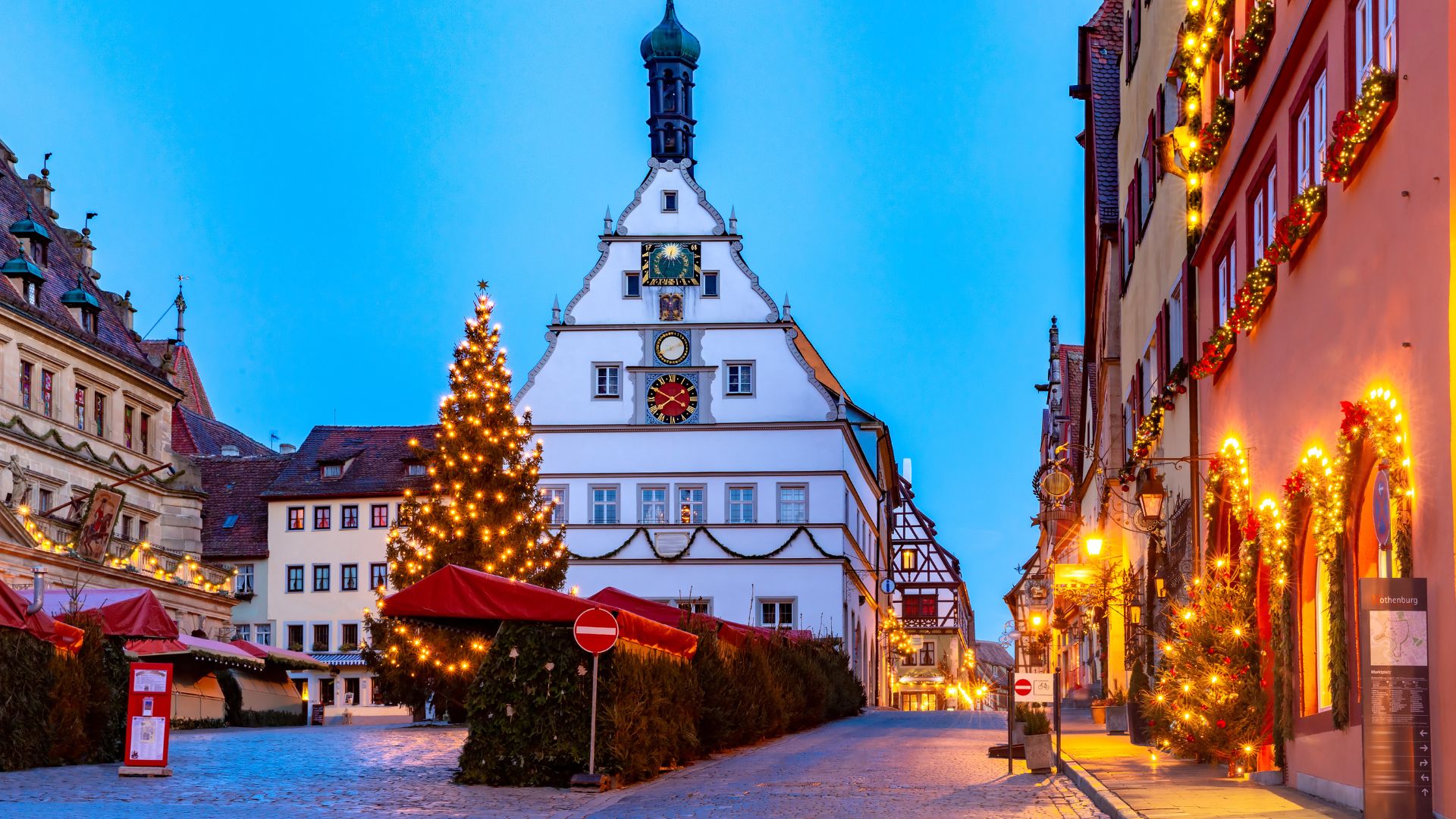
Rothenburg ob der Tauber feels like a living medieval Christmas card during the holiday season. Its half-timbered houses, town walls, and lantern-lit streets create a magical festive atmosphere.
The town’s Reiterlesmarkt enhances this charm with traditional stalls, local treats, and historic costumes. Celebrating Christmas here offers a rare blend of medieval heritage and seasonal warmth.
Year-Round Christmas Spirit
Rothenburg ob der Tauber, Germany’s best-preserved medieval town, transforms into a Christmas wonderland during the Advent season. The picturesque walled town, famous for year-round Christmas shops, hosts the enchanting Reiterlesmarkt, celebrating centuries-old traditions.
Käthe Wohlfahrt’s Christmas Village, the world’s largest year-round Christmas store, attracts visitors experiencing German Christmas traditions throughout the year. During December, an authentic market atmosphere combines with medieval architecture, creating an unparalleled romantic Christmas setting.
Rothenburg’s compact medieval center, surrounded by intact town walls and towers, provides a storybook backdrop for Christmas celebrations. Narrow cobblestone streets, half-timbered houses, and historic fountains create an authentic medieval atmosphere impossible to replicate.
Reiterlesmarkt Traditions
Market Features:
- Historic market square setting with medieval backdrop
- Traditional Franconian crafts and regional specialties
- Opening ceremony with historical costumes and music
- Children’s programs featuring Christmas traditions
- Medieval ambiance with authentic historical character
The Reiterlesmarkt, named after the traditional children’s gift-bringer “Reiterle,” emphasizes family-friendly activities and educational programs. Historical pageants, traditional music performances, and craft demonstrations showcase Franconian cultural heritage.
Rothenburg’s market maintains an intimate scale compared to major city markets, offering a personal atmosphere and authentic interactions. Smaller crowds enable leisurely browsing, conversations with artisans, and an immersive experience of medieval Christmas traditions.
Historic Attractions
| Attraction | Significance |
| Town Walls | Complete medieval fortifications with walkable ramparts |
| Christmas Museum | Year-round exhibition of German Christmas history |
| St. Jakob’s Church | Medieval church with Riemenschneider altar |
| Medieval Crime Museum | Unique historical museum collection |
| Plönlein | Most photographed corner, iconic medieval architecture |
Beyond the Christmas market, Rothenburg offers exceptional historical attractions justifying multi-day visits during the Advent season. Walking the town walls, exploring museums, and experiencing medieval architecture enhances the overall Christmas market experience.
Planning Tips:
- Book accommodations months in advance
- Visit during weekdays, avoiding weekend crowds
- Explore Christmas Museum and Käthe Wohlfahrt
- Walk medieval town walls for views
- Combine with the Romantic Road itinerary
Esslingen: Germany’s Medieval Christmas Experience
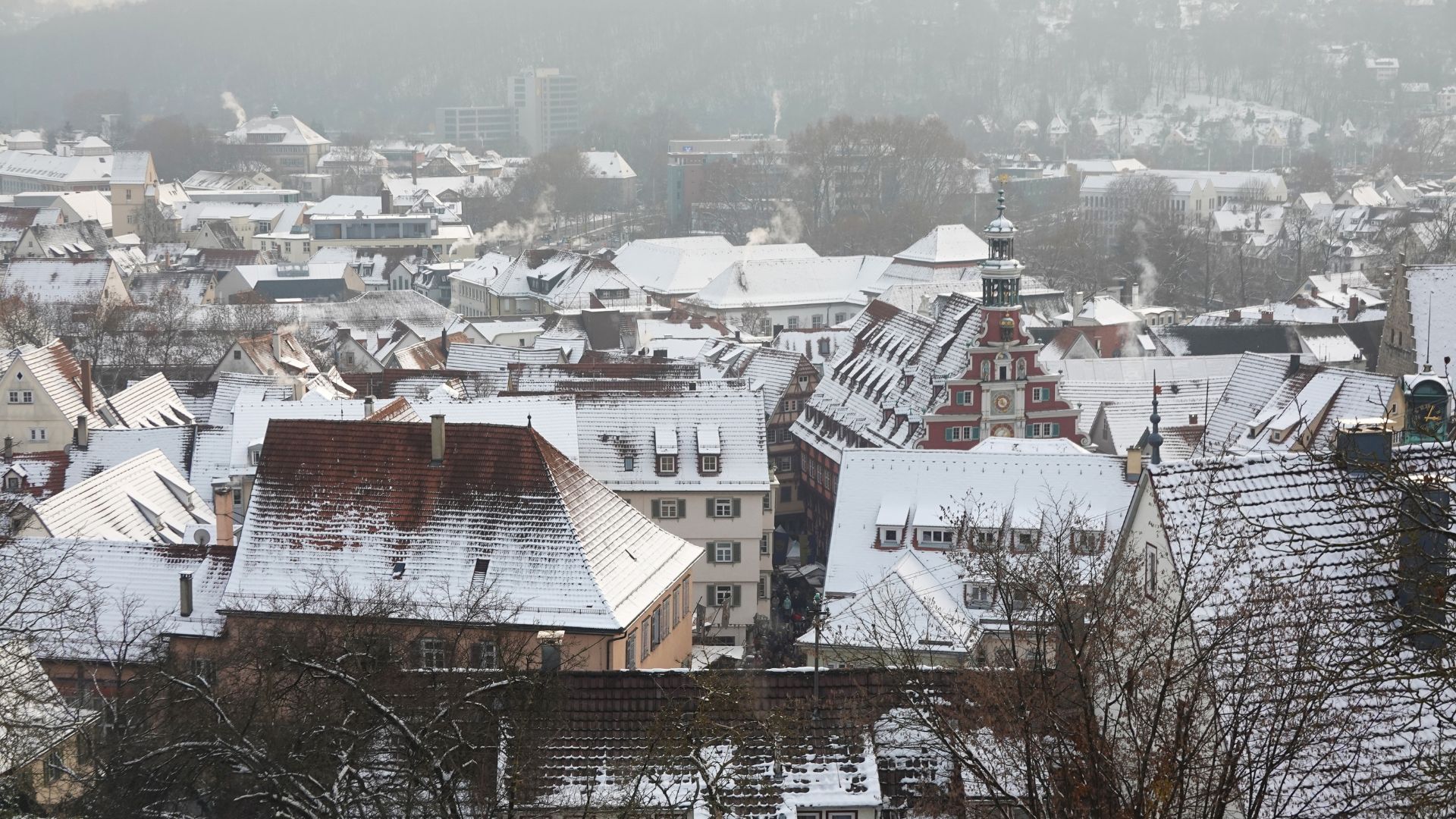
Esslingen’s Medieval and Middle Ages Christmas Market offers a unique journey into the past. Set among half-timbered houses, the market recreates medieval life with remarkable authenticity.
Vendors dress in period costumes, traditional crafts are demonstrated, and open fires light the streets. This immersive experience blends historical reenactment with festive celebration, unlike any other Christmas market in Germany.
Time Travel Experience
Esslingen hosts Germany’s most authentic medieval Christmas market, transforming the historic market square into Middle Ages wonderland. Vendors wear period costumes, sell traditional handicrafts using historical techniques, and create an immersive medieval atmosphere.
The market eschews modern conveniences, featuring only products and methods available during the medieval period. Blacksmiths demonstrate iron forging, potters craft ceramics on traditional wheels, and bakers prepare bread in wood-fired ovens.
Esslingen’s commitment to historical authenticity distinguishes it from themed markets offering superficial medieval decoration. Every detail, from vendor costumes to product materials, reflects careful historical research, creating an educational and entertaining experience.
Medieval Authenticity
Authentic Medieval Elements:
- Period-accurate costumes worn by all vendors
- Traditional crafts are demonstrated using historical techniques
- Medieval food prepared with authentic recipes
- No modern products or mass-produced items
- Historical entertainment, including jugglers and musicians
Food stalls serve medieval-inspired dishes including roasted meats, hearty stews, and traditional baked goods. Mead, a historical honey wine, replaces modern beverages, providing an authentic taste of medieval Christmas celebrations.
Fire performers, sword fighters, and medieval musicians create lively entertainment throughout market grounds. These performances, based on historical traditions, educate visitors about medieval culture while providing festive entertainment.
Adjacent Traditional Market
| Market Area | Character |
| Medieval Market | Historical authenticity, period costumes, and traditional crafts |
| Traditional Market | Contemporary Christmas market, modern products |
| Half-Timbered Town | Surrounding historic architecture, medieval buildings |
| Castle Square | Additional market area, panoramic views |
Esslingen combines a medieval market with a traditional Christmas market, offering both historical immersion and contemporary shopping. This dual approach satisfies visitors seeking authentic experiences alongside modern Christmas market traditions.
Visiting Esslingen:
- The medieval market operates from late November to December
- Located 15 minutes from Stuttgart
- Experience both medieval and traditional markets
- Explore the beautiful half-timbered old town
- Visit the nearby Stuttgart Christmas markets
Leipzig Christmas Market: Where Trade Meets Tradition
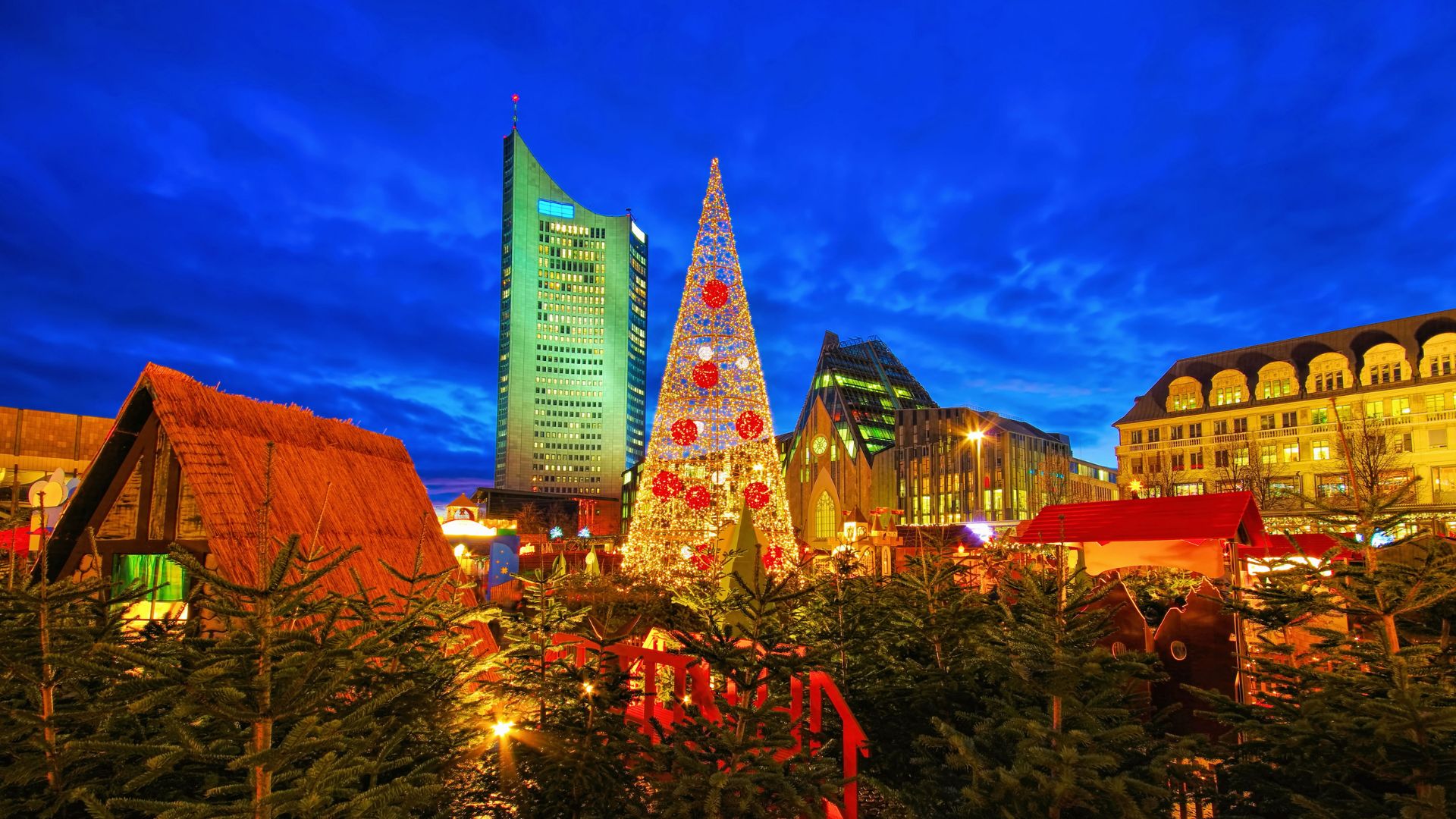
Leipzig Christmas Market reflects the city’s long-standing role as a major European trade center. Dating back centuries, the market blends festive celebration with Leipzig’s historic trading traditions.
Set across the old town, it features diverse themed areas, handcrafted goods, and regional treats. The market’s scale and variety mirror Leipzig’s heritage as a bustling commercial hub.
Historic Trade Heritage
Leipzig’s Christmas market, dating to 1458, reflects the city’s rich commercial and cultural history as a trade center. The market spreads across multiple locations, including historic Marktplatz, creating an expansive festive district throughout the city center.
Leipzig’s trading tradition influences market character, featuring diverse products from regional crafts to international specialties. This cosmopolitan atmosphere reflects Leipzig’s historical role connecting Eastern and Western European commercial networks.
The market showcases Saxony’s exceptional craftsmanship alongside contemporary artisan products and international influences. Bach’s former city combines musical heritage with Christmas traditions, featuring numerous concerts and cultural performances.
Cultural Programming
Leipzig Market Features:
- Traditional crafts from the Saxony and Thuringia regions
- International food stalls reflecting trade heritage
- Daily cultural performances and concerts
- Historic trade fair traditions
- Multiple market locations throughout the center
Leipzig emphasizes cultural programming, with daily concerts featuring classical music, choirs, and traditional Christmas carols. As Bach’s city, musical excellence pervades the market atmosphere, elevating experiences beyond commercial shopping.
The Finnish Christmas Market, located on Leipzig’s Augustusplatz, showcases Nordic traditions and specialties. This international addition reflects Leipzig’s cosmopolitan character, offering alternatives to traditional German Christmas market experiences.
Regional Specialties
| Product | Description |
| Leipzig Lerche | Traditional almond pastry, regional specialty |
| Pulsnitzer Lebkuchen | Nearby town’s famous gingerbread variety |
| Ore Mountains Crafts | Traditional Saxon wooden decorations |
| Glühwein | Regional wine varieties and special blends |
| Saxon Pottery | Traditional ceramics from regional workshops |
Leipzig Lerche, almond-filled pastry shells, originated when bird hunting restrictions eliminated original game pies. These sweet alternatives became a beloved regional specialty, available exclusively at Leipzig bakeries and market stalls.
Planning Your Visit:
- Market opens late November through Christmas
- Explore multiple market locations citywide
- Attend concerts and cultural performances
- Visit the Bach Museum and the Gewandhaus
- Experience Leipzig’s vibrant cultural scene
Aachen Christmas Market: European Holiday Charm
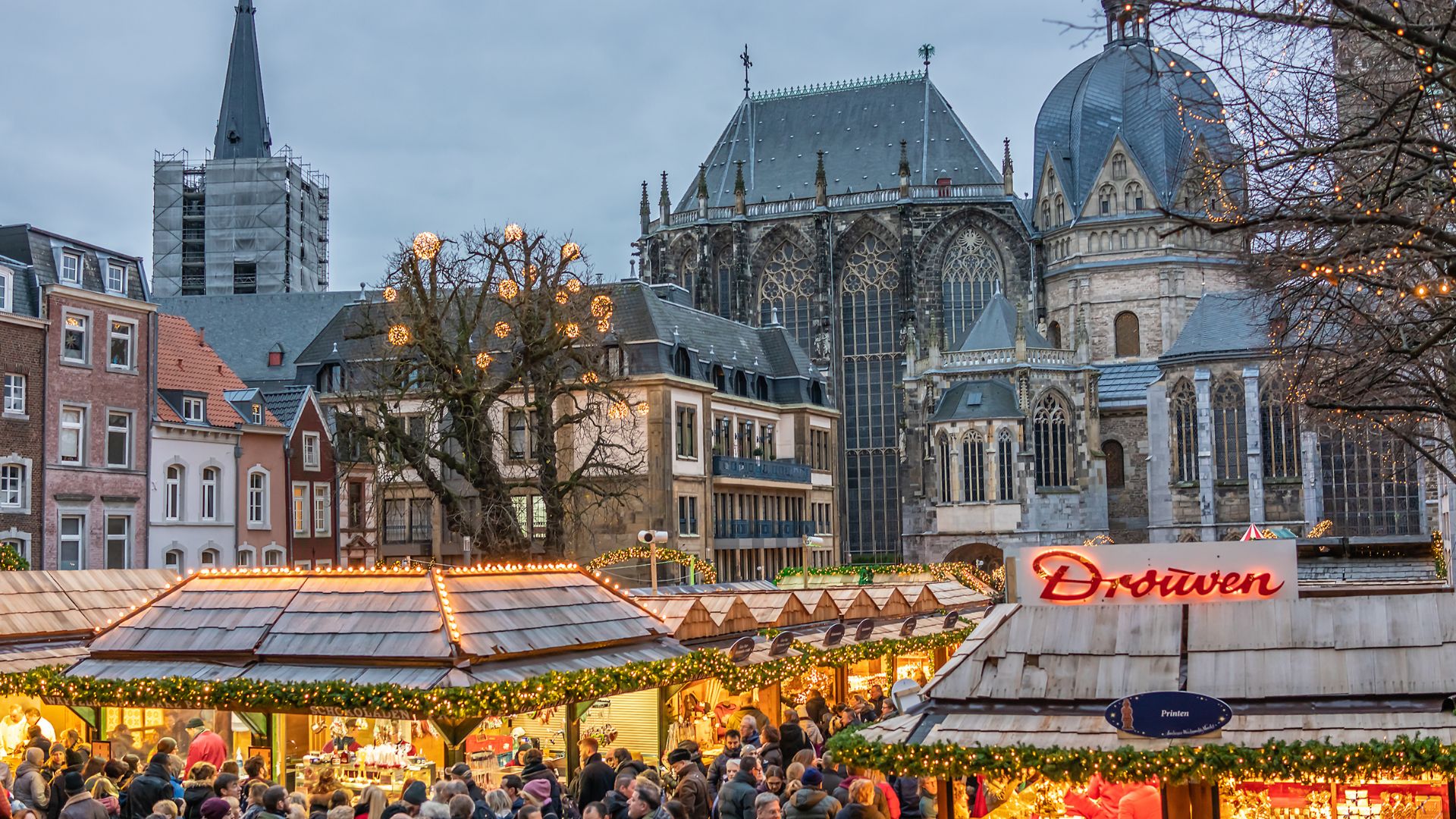
Aachen Christmas Market offers a festive experience steeped in European holiday traditions. Historic streets and squares come alive with seasonal lights, music, and handcrafted gifts.
Visitors enjoy a blend of German and neighboring cultural influences. From local treats to international crafts, the market provides a lively, joyous, and truly European festive atmosphere.
Three-Country Border Position
Aachen’s strategic location near the Belgian and Dutch borders creates a unique Christmas market character combining German traditions with international influences. The market attracts visitors from three countries, creating a cosmopolitan atmosphere reflecting Aachen’s historical significance.
Charlemagne’s former imperial capital, Aachen, hosts a market around the historic cathedral and town hall, creating a monumental backdrop. The city’s rich history as a European cultural center enhances the Christmas market experience with exceptional architectural and historical context.
Aachen’s famous Printen cookies, a spiced gingerbread variety unique to the region, represent local culinary traditions spanning centuries. These aromatic treats, softer than traditional Lebkuchen, make essential Aachen Christmas market purchases.
Unique Market Character
Aachen Market Highlights:
- International atmosphere with Belgian and Dutch influences
- Printen cookies, a regional gingerbread specialty
- Cathedral and town hall architectural backdrop
- Multilingual vendors and international products
- Border-region cultural diversity
The market features products from Germany, Belgium, and the Netherlands, offering a variety unavailable at purely German markets. International food stalls serve Belgian waffles, Dutch poffertjes, and German specialties, creating diverse culinary experiences.
Aachen’s compact historic center concentrates market stalls around the cathedral and the town hall, creating an intimate festive district. Medieval streets, historic buildings, and international character combine creating unique Christmas market atmosphere.
Cathedral Setting
| Feature | Details |
| Aachen Cathedral | UNESCO World Heritage, Charlemagne’s chapel |
| Town Hall | Gothic architecture with historical significance |
| Printen Bakeries | Traditional cookies, a local specialty |
| International Stalls | Belgian, Dutch, and German products |
| Thermal Baths | Relaxation options near the market |
Aachen Cathedral, where Charlemagne was crowned Holy Roman Emperor, provides a spectacular backdrop for Christmas celebrations. The cathedral’s octagonal chapel, dating to the eighth century, represents exceptional Carolingian architecture.
Visiting Aachen:
- The market operates from late November through December
- Easy access from Belgium and the Netherlands
- Sample authentic Aachen Printen cookies
- Visit the cathedral and the treasury
- Explore nearby Belgian and Dutch towns
Heidelberg Christmas Markets: A Picturesque Winter Experience
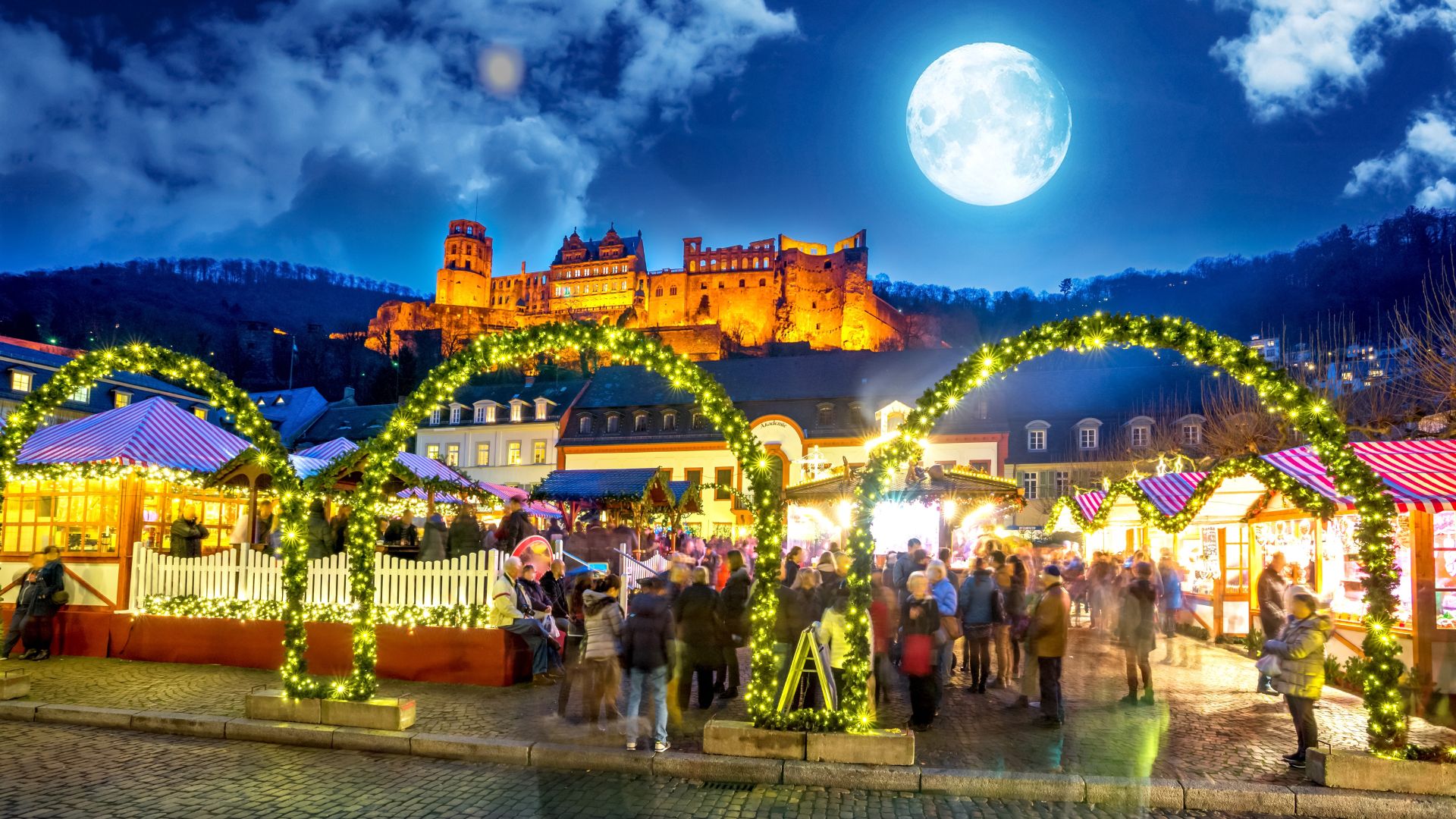
Heidelberg Christmas Markets are set against the city’s historic old town and scenic Neckar River, creating an inherently romantic atmosphere. Cobblestone streets and festive lights enhance the holiday charm.
Visitors can enjoy handcrafted gifts, seasonal treats, and cozy stalls. The markets combine tradition with picturesque settings, offering a warm, intimate, and festive winter experience in Heidelberg.
Castle and Old Town Atmosphere
Heidelberg combines five distinct Christmas markets, creating a comprehensive festive experience throughout the historic city. The Old Town market, located on Marktplatz, offers a traditional atmosphere beneath the Church of the Holy Spirit’s Gothic architecture.
Castle Christmas market, perched on a hillside overlooking the Neckar River, provides a romantic setting unmatched in Germany. Illuminated castle ruins, valley views, and an intimate atmosphere create magical experiences, justifying the uphill climb to the historic fortress.
Heidelberg’s university town character attracts younger crowds alongside traditional market visitors, creating a vibrant atmosphere. Student traditions blend with Christmas festivities, offering unique cultural experiences unavailable at purely tourist-oriented markets.
Multiple Market Locations
Heidelberg’s Markets:
- Marktplatz: Traditional market, central location
- Castle Market: Romantic hilltop setting
- Karlsplatz: Family-friendly market, children’s activities
- Kornmarkt: Ice skating, Madonna statue backdrop
- Universitätsplatz: University area, student atmosphere
Each market location offers a distinct atmosphere and specialties, encouraging exploration throughout Heidelberg’s compact historic center. Walking between markets reveals beautiful architecture, riverside promenades, and charming medieval streets.
The castle market features artisan crafts, regional wines, and an intimate atmosphere contrasting with the larger Marktplatz crowds. Live music performances and Glühwein tastings create a sophisticated Christmas experience appealing to wine enthusiasts.
Neckar Valley Setting
| Market | Location | Special Features |
| Old Town Market | Marktplatz | Traditional stalls, central location |
| Castle Market | Heidelberg Castle | Romantic views, artisan crafts |
| Ice Rink Market | Kornmarkt | Skating, family activities |
| University Market | Universitätsplatz | Student atmosphere, younger crowds |
Heidelberg’s Neckar River valley setting creates a romantic backdrop enhanced by illuminated castle ruins and surrounding mountains. Evening walks along riverside paths between markets provide peaceful respites from festive crowds.
Planning Tips:
- Visit all five markets, experiencing variety
- Climb to the castle market for views
- Sample regional Palatinate wines
- Explore the historic university and library
- Enjoy riverside walks and atmosphere
Bamberg Christmas Market: Medieval Town Charm
Bamberg Christmas Market brings festive cheer to one of Germany’s most charming medieval towns. Half-timbered houses, historic squares, and twinkling lights create a magical holiday atmosphere.
Visitors can explore traditional crafts, seasonal foods, and local treats. The market blends medieval heritage with Christmas celebrations, offering a unique and picturesque festive experience in Bamberg.
UNESCO World Heritage Setting
Bamberg’s perfectly preserved medieval architecture provides an exceptional backdrop for the atmospheric Christmas market spreading throughout the historic center. This UNESCO World Heritage town combines Romanesque, Gothic, and Baroque architecture, creating a unique architectural ensemble.
The market occupies Maximilianplatz, surrounded by historic buildings including the Old Town Hall spanning the Regnitz River. Bamberg’s compact medieval layout enables easy walking between the market, the cathedral hill, and the Little Venice riverside district.
Bamberg’s famous smoked beer, Rauchbier, adds a unique local character to market offerings alongside traditional Franconian specialties. This distinctive brewing tradition, dating back centuries, provides an unusual alternative to standard Christmas market beverages.
Franconian Traditions
Bamberg Market Features:
- Medieval town architecture backdrop
- Traditional Franconian crafts and foods
- Rauchbier, a unique smoked beer specialty
- Nativity scene displays throughout town
- Compact historic center layout
Traditional nativity scenes, displayed throughout Bamberg’s churches and public spaces, enhance the Christmas atmosphere beyond the commercial market. These elaborate creches, some dating centuries, represent important religious traditions alongside secular festivities.
Franconian food specialties, including bratwurst, potato dishes, and baked goods, reflect regional culinary traditions. Bamberg’s market emphasizes local products over mass-produced items, supporting regional craftsmen and maintaining authentic character.
Historic Attractions
| Attraction | Significance |
| Bamberg Cathedral | Romanesque architecture, imperial tombs |
| Old Town Hall | Built on an island, frescoed facades |
| Little Venice | Riverside fishermen’s houses |
| Rose Garden | Panoramic city views |
| Brewery Tours | Traditional beer culture |
Beyond the Christmas market, Bamberg offers exceptional architectural and cultural attractions, justifying extended visits during December. Exploring seven hills, historic breweries, and medieval streets enriches the overall Christmas market experience.
Visiting Bamberg:
- The market operates from late November through Christmas
- Located an hour from Nuremberg by train
- Sample a unique Rauchbier smoked beer
- Explore the UNESCO historic center
- Visit the cathedral and Little Venice
Stuttgart Christmas Market: One of Europe’s Largest
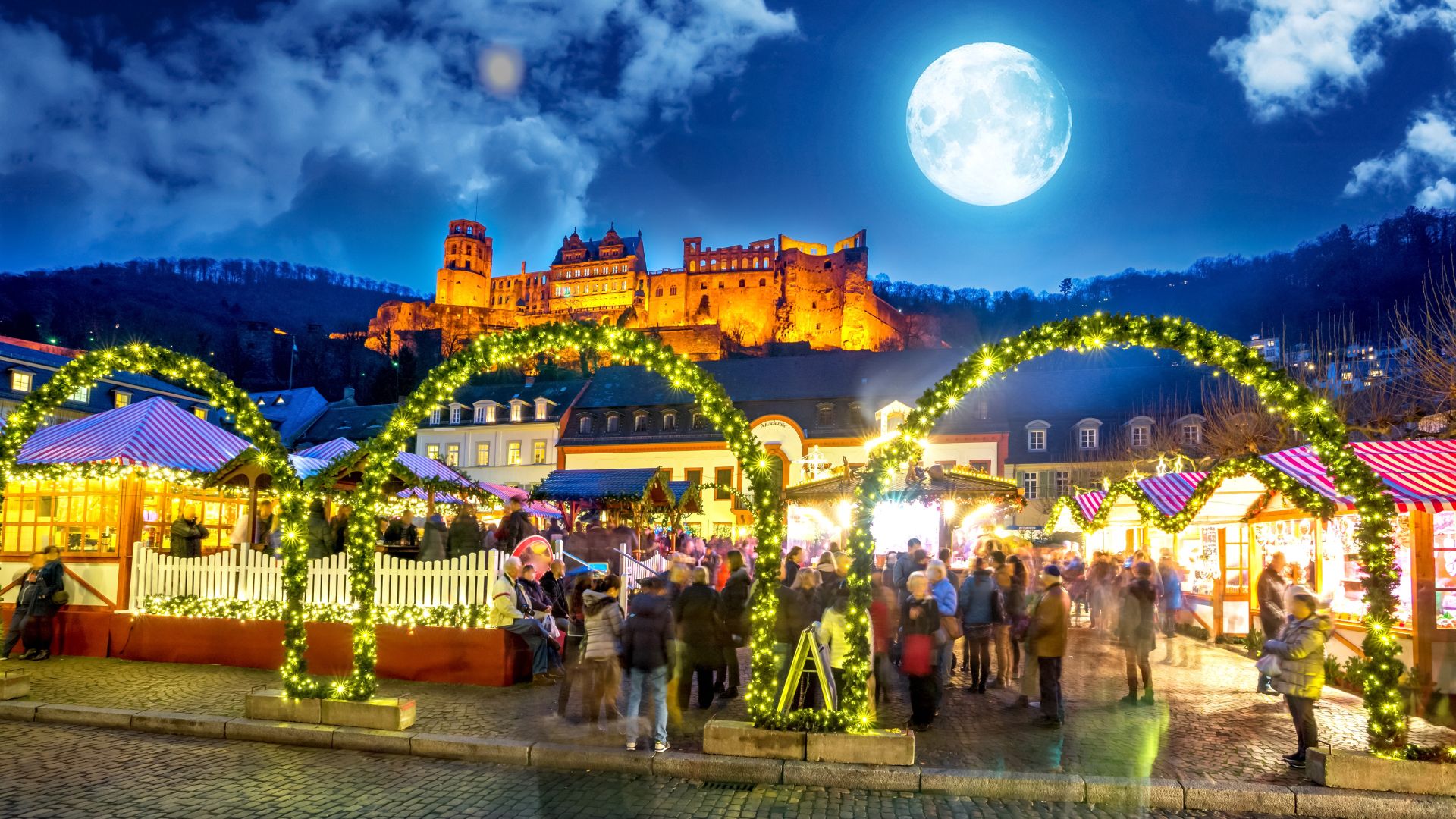
Stuttgart Christmas Market is among Europe’s largest, spanning multiple squares in the city center. Its size, lights, and festive atmosphere make it a highlight of Germany’s holiday season.
Visitors enjoy hundreds of stalls featuring crafts, decorations, seasonal treats, and entertainment. The market’s scale and variety create a vibrant, bustling holiday experience for locals and tourists alike.
Expansive Festival
Stuttgart hosts one of Europe’s largest and oldest Christmas markets, dating to 1692, with over 280 stalls. The market transforms the entire city center, including Schlossplatz, Marktplatz, and Schillerplatz, into an expansive festive district.
Over three million visitors annually explore Stuttgart’s comprehensive market offerings, ranging from traditional crafts to international specialties. The market’s scale enables discovering unique products while maintaining high-quality standards through strict vendor selection.
Stuttgart emphasizes Swabian regional traditions alongside contemporary artisan products and international influences reflecting cosmopolitan city character. This combination satisfies visitors seeking authentic German traditions and modern Christmas market innovations.
Market Districts
Stuttgart Market Areas:
- Schlossplatz: Central palace square, the largest concentration
- Marktplatz: Traditional market hall area
- Karlsplatz: Family activities, children’s programs
- Schillerplatz: Old Palace backdrop, craft focus
- Kirchplatz: Church square, religious items
Each market district maintains a distinct character, from traditional crafts to contemporary design, gourmet foods to children’s activities. Exploring multiple areas provides a comprehensive Stuttgart Christmas market experience, showcasing regional and international diversity.
The Märchenland children’s area features carnival rides, storytelling, and activities, creating a family-friendly atmosphere. This dedicated space enables parents to relax with Glühwein while children enjoy supervised entertainment.
Swabian Specialties
| Specialty | Description |
| Maultaschen | Swabian stuffed pasta, a regional delicacy |
| Spätzle | Traditional egg noodles are comfort food |
| Glühwein | Regional wine varieties from Württemberg |
| Gingerbread | Various styles, including chocolate-covered |
| Roasted Almonds | Candied nuts, classic market treat |
Stuttgart’s location in the Württemberg wine region ensures excellent Glühwein varieties featuring local wines. Multiple wine stands offer tastings, enabling comparison of different regional varieties and spice combinations.
Planning Your Visit:
- Market opens late November through Christmas
- One of Germany’s largest markets
- Explore multiple districts and squares
- Try traditional Swabian cuisine
- Visit Mercedes-Benz and Porsche museums
Traditional Holiday Eats and Drinks in Germany
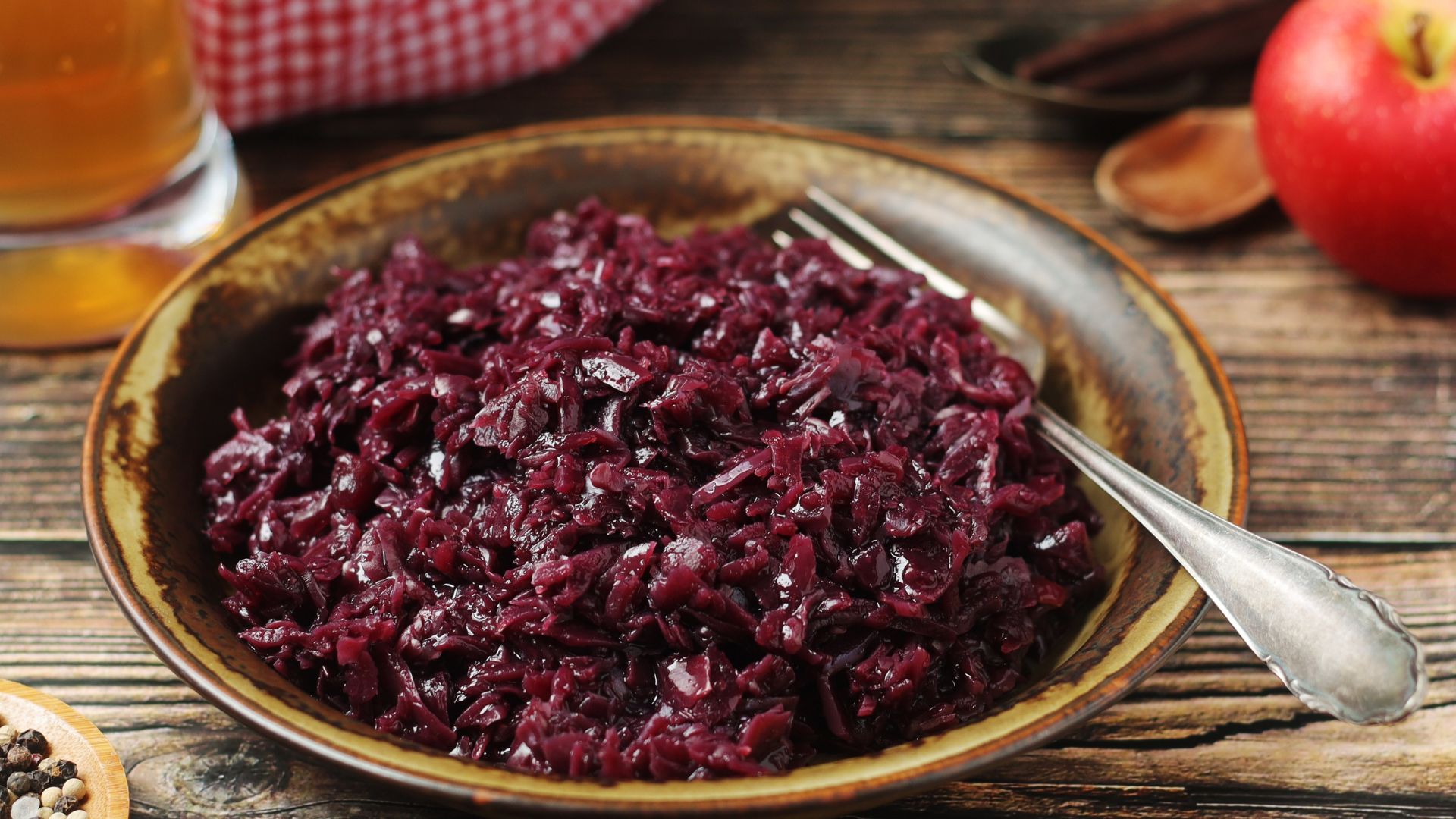
Christmas markets are as much about food and drink as festive decorations. Visitors can enjoy traditional seasonal treats, warm beverages, and local specialties that make the experience memorable.
From mulled wine and roasted nuts to sausages and Stollen cakes, each market offers regional flavors. Sampling these delicacies provides a delicious taste of German holiday culture.
Traditional Foods
German Christmas markets offer an incredible variety of traditional foods representing regional specialties and seasonal delicacies. These culinary traditions, often dating back centuries, provide essential elements of authentic Christmas market experiences.
Essential Market Foods:
- Bratwurst: Grilled sausages from various regions
- Reibekuchen: Potato pancakes with applesauce
- Langos: Hungarian fried bread with toppings
- Gebrannte Mandeln: Roasted almonds with cinnamon sugar
- Maronen: Roasted chestnuts, classic winter snack
Bratwurst varieties differ regionally, from small Nuremberg sausages to thick Thuringian versions and Currywurst variations. Each region proudly maintains unique recipes, seasoning combinations, and preparation methods reflecting local culinary heritage.
Baked goods include Lebkuchen gingerbread, Stollen fruitcake, and various regional specialties like Dresden Christstollen or Aachener Printen. These traditional treats, often protected by geographical indications, represent authentic regional Christmas baking traditions.
Beverages and Warmth
| Beverage | Description |
| Glühwein | Mulled wine, served hot with spices |
| Feuerzangenbowle | Flaming rum-soaked sugarloaf over wine |
| Hot Apple Cider | Non-alcoholic spiced apple juice |
| Punch | Fruit punch varieties, often alcoholic |
| Hot Chocolate | Rich cocoa with whipped cream |
Glühwein, heated red or white wine spiced with cinnamon, cloves, and citrus, represents the quintessential Christmas market beverage. Each market offers unique recipes, with vendors competing for the best Glühwein recognition among devoted enthusiasts.
Collectible Glühwein mugs, featuring market-specific designs and annual variations, have become popular souvenirs, motivating collectors visiting multiple markets. These ceramic mugs, included in beverage price with deposit refund, commemorate Christmas market visits.
Sweet Treats
Traditional Sweets:
- Lebkuchen: Spiced gingerbread, numerous regional varieties
- Stollen: Fruitcake with marzipan, a Dresden specialty
- Baumkuchen: Tree cake, layered specialty
- Schneeballen: Snowball pastries, Rothenburg specialty
- Magenbrot: Spiced bread cubes, Basel origin
Lebkuchen appears in countless varieties from soft Nuremberg style to hard Aachen Printen to chocolate-covered modern interpretations. This traditional gingerbread, containing honey, spices, and nuts, represents an essential Christmas baking tradition.
Shopping for Authentic Crafts
Traditional German Crafts
Christmas markets showcase exceptional German craftsmanship, preserving centuries-old techniques and regional traditions otherwise unavailable commercially. Purchasing handcrafted items supports traditional artisans while acquiring authentic, high-quality products with cultural significance.
Traditional Crafts:
- Ore Mountains wooden items: Nutcrackers, smoking men, pyramids
- Glass ornaments: Hand-blown decorations from Thuringia
- Nativity scenes: Hand-carved figures, various styles
- Christmas pyramids: Rotating candle-powered decorations
- Advent calendars: Traditional designs, handmade varieties
Ore Mountains’ woodworking traditions, centered in the Erzgebirge region, produce iconic German Christmas decorations. Nutcrackers, smoking men, and Christmas pyramids, handcrafted using traditional techniques, represent exceptional folk art.
Glass ornaments from Thuringian glassblowing centers showcase delicate craftsmanship, producing beautiful, unique decorations. These hand-blown and hand-painted items, continuing centuries-old traditions, far exceed mass-produced commercial ornaments’ quality.
Quality and Authenticity
| Craft Region | Specialties |
| Ore Mountains | Wooden decorations, nutcrackers, pyramids |
| Thuringia | Glass ornaments, blown and painted |
| Bavaria | Nativity scenes, religious items |
| Black Forest | Cuckoo clocks, wooden carvings |
| Franconia | Pottery, ceramics, and traditional toys |
Authentic crafts display regional characteristics, traditional materials, and skilled craftsmanship, distinguishing them from imported mass-produced items. Vendors often demonstrate techniques, enabling customers appreciating skill and tradition invested in products.
Shopping Tips:
- Seek vendors demonstrating traditional techniques
- Ask about regional origins and materials
- Compare prices across multiple stalls
- Purchase directly from artisans when possible
- Verify the authenticity of traditional products
Travel Planning Essentials You Should Know
Practical planning information helps travelers organize smooth and enjoyable trips. Details such as transportation, accommodations, opening hours, and ticketing are essential for stress-free experiences.
Proper preparation allows visitors to focus on exploring destinations rather than worrying about logistics. With the right information, travelers can maximize their time, enjoy attractions fully, and create lasting memories.
Best Times to Visit
Christmas markets typically operate from late November through December 23rd or Christmas Eve, with specific dates varying. Opening weekend and final days experience the heaviest crowds, while mid-December weekdays offer more relaxed visiting.
Timing Considerations:
- Opening Weekend: Ceremonial atmosphere, intense crowds
- Mid-Week December: Moderate crowds, relaxed browsing
- Final Weekend: Festive atmosphere, maximum crowds
- Weekday Evenings: Atmospheric lighting, working locals
- Early Afternoon: Quietest period, families arriving later
First Advent weekend marks traditional market openings with ceremonial events, choir performances, and festive celebrations. These opening festivities provide special experiences but attract enormous crowds requiring patience and planning.
What to Bring
| Item | Purpose |
| Cash | Many vendors accept only cash |
| Reusable Bags | Carrying purchases, environmental consideration |
| Warm Clothing | Layers, waterproof outerwear, and comfortable shoes |
| Camera | Capturing festive decorations and atmosphere |
| Mug Bag | Protecting collectible Glühwein mugs |
German weather during December ranges from cold and dry to snowy and wet conditions, requiring preparation. Layered clothing, waterproof jackets, warm boots, and accessories enable comfortable market exploration regardless of conditions.
Accommodation and Transportation
Book accommodations months in advance for popular market destinations, particularly Nuremberg, Munich, and Cologne, during peak weekends. Hotels near historic centers command premium prices but offer convenient access and atmospheric evening experiences.
Transportation Tips:
- Use public transportation to avoid parking challenges
- Purchase regional rail passes for multiple cities
- Book trains in advance for popular routes
- Walking shoes are essential for cobblestone streets
- Consider guided market tours in unfamiliar cities
Germany’s excellent rail network enables easy multi-city Christmas market tours, with regional passes offering economical unlimited travel. Major markets concentrate in accessible cities connected by efficient train services.
Proper Etiquette for Enjoying Christmas Markets
Observing Christmas market etiquette ensures a pleasant experience for everyone. Being polite, patient, and respectful of vendors, crowds, and local customs helps maintain the festive atmosphere.
Simple practices like queuing properly, handling products carefully, and following photography rules allow visitors to enjoy the markets while preserving their charm and supporting local traditions.
Respectful Behavior
German Christmas markets balance commercial activity with cultural traditions and religious significance, requiring respectful visitor behavior. Understanding local customs enhances experiences while demonstrating cultural sensitivity.
Etiquette Guidelines:
- Respect queues at popular food and Glühwein stalls
- Don’t photograph vendors without permission
- Return Glühwein mugs or pay the deposit
- Supervise children, preventing damage to displays
- Keep walkways clear for other visitors
- Dispose of trash in the provided receptacles
Glühwein mug systems operate on a deposit basis, with options to keep mugs as souvenirs or return for refunds. Decide before leaving the stall area, as returning later proves difficult in crowded conditions.
Cultural Sensitivity
Christmas markets maintain religious significance alongside commercial aspects, with many featuring nativity scenes and religious decorations. Respect cultural and religious elements while enjoying festive secular traditions and commercial offerings.
Cultural Considerations:
- Respect religious displays and decorations
- Appreciate traditional crafts and techniques
- Support local artisans over mass production
- Learn basic German greetings and phrases
- Understand regional variations and traditions
- Be patient during crowded conditions
What to See Beyond the Markets
Beyond the Christmas markets, Germany offers charming towns, historic landmarks, and scenic landscapes to explore. Visitors can enjoy museums, castles, and cultural experiences that complement the festive atmosphere.
Venturing outside the markets provides a fuller sense of regional traditions, local cuisine, and everyday life. Exploring nearby attractions adds depth, making holiday trips more memorable and immersive.
Complementary Activities
Christmas market visits combine perfectly with exploring German cities’ historical, cultural, and architectural attractions during the decorated festive seasons. Museums, churches, and historic sites enhance overall experiences while providing indoor alternatives during inclement weather.
Additional Activities:
- Historic city center exploration
- Cathedral and church visits
- Museum and gallery tours
- Traditional restaurant dining
- Thermal baths and spas
- Regional wine tasting experiences
German cities illuminate historic architecture and decorate streets during the Christmas season, creating a festive atmosphere beyond markets. Evening walks reveal beautiful lighting displays, decorated shop windows, and atmospheric medieval streets.
Regional Day Trips
Many Christmas market cities serve as bases for regional exploration, combining market visits with broader cultural experiences. The Romantic Road, Rhine Valley, and Black Forest regions offer numerous smaller markets and traditional villages.
Regional Combinations:
- Nuremberg and Rothenburg ob der Tauber
- Munich and Alpine foothill markets
- Rhine Valley castle markets
- Black Forest village markets
- Romantic Road historic towns
Final Words: Celebrating the Enchantment of Christmas Markets
Germany’s Christmas markets offer unparalleled holiday experiences combining centuries-old traditions with contemporary celebrations and authentic cultural heritage. From world-famous Nuremberg Christkindlesmarkt to the intimate medieval Esslingen market, each destination provides unique atmospheric experiences.
Whether sampling regional specialties, purchasing handcrafted decorations, or simply absorbing festive atmosphere, Christmas market visits create cherished memories. These magical celebrations, uniquely German yet universally appealing, capture holiday spirit through community, tradition, and joyful celebration.
Begin planning your German Christmas market adventure today, selecting destinations matching your interests, whether historical authenticity, culinary excellence, or romantic atmosphere. Germany’s timeless Christmas traditions await, ready to enchant visitors with centuries of festive cultural heritage.
Hi, I’m Preeti Negi, a content writer who loves mixing creativity with smart strategy.
I have 3 years of experience writing about travel, digital marketing, and study abroad topics. I create content that is easy to read, engaging, and designed to connect with people while also performing well on Google.
When I’m not writing, I enjoy exploring new trends, learning new things, and thinking about fresh ideas for my next piece.
