

Parking in German cities is one of the most consistently misunderstood aspects of driving in Germany for international visitors, combining a regulatory framework of considerable complexity, a genuine shortage of available spaces in historic city centres, enforcement that is both frequent and unforgiving, and costs that vary dramatically between cities and between parking types throughout the country.
Germany’s approach to urban parking reflects a broader national philosophy that prioritises pedestrian movement, public transport use, and residential quality of life over driving convenience, resulting in city centre parking policies that are deliberately restrictive, deliberately expensive, and deliberately designed to encourage alternatives throughout the urban environment.
Understanding the rules, the costs, the zones, and the practical strategies that experienced German drivers use to navigate urban parking transforms what can be a genuinely stressful and expensive experience into a manageable and occasionally even affordable component of any German city visit throughout the year.
This complete guide covers every aspect of parking in Germany’s major cities with practical details, cost information, and insider knowledge that separates a well-prepared visitor from one discovering the system expensively for the first time throughout their German city experience.
Please note that this article contains affiliate links. Learn more about it on our Disclosure page. We use ads to support our small business – we hope you don’t mind them too much.
German Parking: The Fundamental Rules Overview
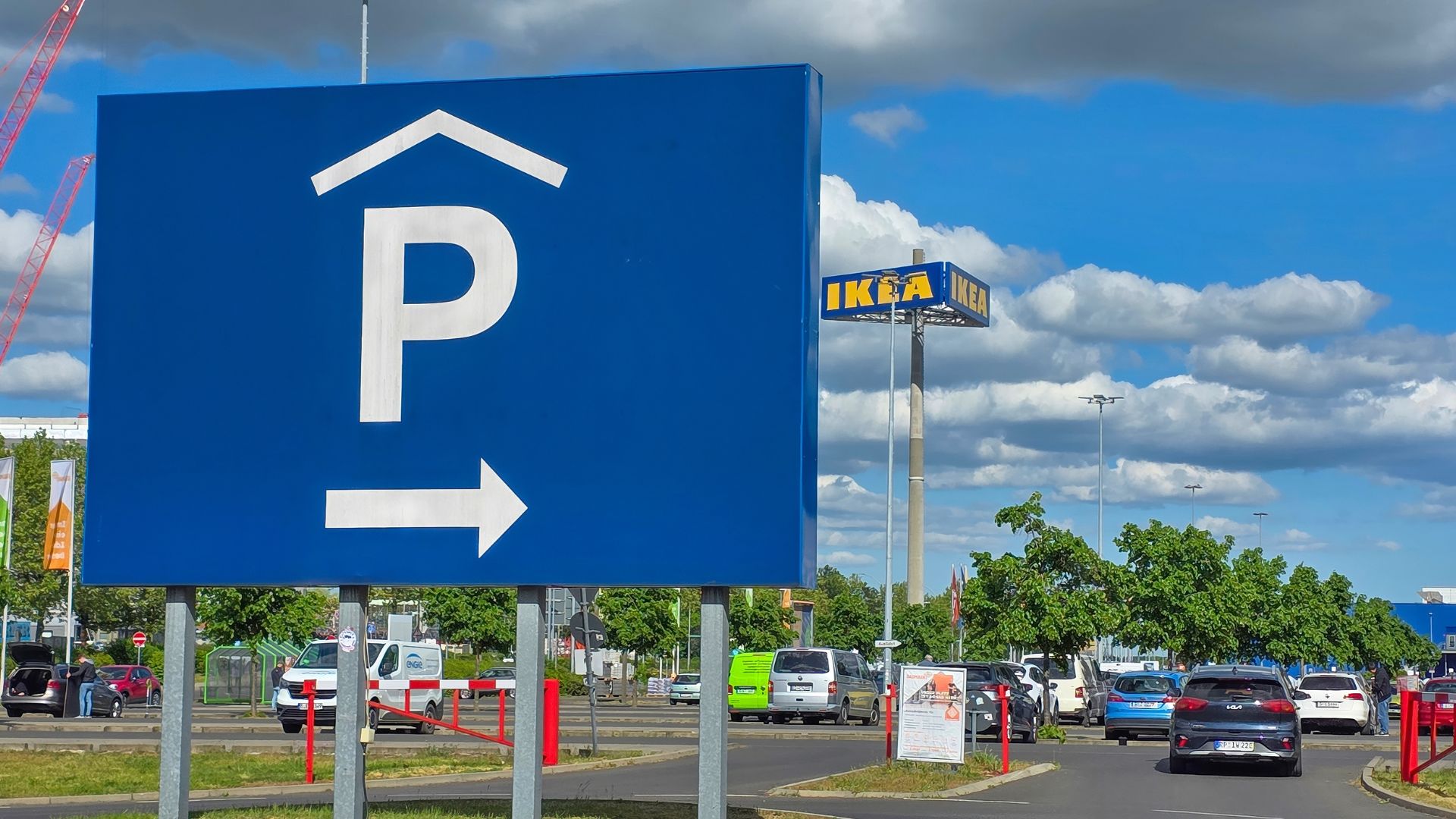
Before exploring city-specific information, understanding the core rules that govern parking throughout Germany provides the essential foundation for navigating any German city’s parking environment without inadvertently committing the violations that result in fines, wheel clamps, or vehicle removal throughout the country.
Core German parking rules:
| Rule | Detail | Consequence of Violation |
| No parking on yellow lines | Yellow kerb markings — absolute no parking | Immediate fine and possible tow |
| Parkscheibe zones | Blue P sign — time-limited free parking | Resident-only zones |
| Paid parking zones | Ticket machine required — display on dashboard | Fine if no ticket displayed |
| Resident only zones | Anwohner sign — residents with permit only | Fine and possible tow |
| Loading zones | Ladezone — stopping only, no parking | Fine if left unattended |
| No stopping zones | Red lines or Halteverbot sign | Immediate fine and tow risk |
| Fire service access | Marked areas — absolute no stopping | Immediate fine and tow |
| Disabled bays | Blue markings — permit required | Substantial fine throughout |
The most important single rule for parking throughout Germany is the requirement to display either a valid paid parking ticket or the Parkscheibe blue disc in any time-limited parking zone, as German parking enforcement officers patrol city centre areas with remarkable frequency and issue fines without warning throughout the operating hours.
The Parkscheibe: Germany’s Most Essential Parking Tool
Understanding Germany’s Blue Parking Disc System
The Parkscheibe is a blue cardboard or plastic parking disc that is one of the most important and most distinctively German items any driver in the country needs to possess, required for use in the time-limited free parking zones marked with blue P signs that are found throughout residential areas and secondary shopping streets in every German city.
The system works by displaying the Parkscheibe on the dashboard with the arrival time set to the next half hour after parking — so arriving at 10:20 means setting the disc to 10:30 — and the permitted parking duration is indicated on the blue P sign, typically ranging from 30 minutes to two hours depending on the specific zone throughout the city.
Parking in a Parkzone without displaying the disc, or displaying it with an incorrect time, results in an immediate fine that starts at €10 and rises to €30 for exceeding the time limit, with fines being issued reliably and consistently throughout German cities by enforcement officers who check these zones multiple times during their patrol rounds.
The Parkscheibe is available for free from petrol stations, car hire companies, ADAC offices, and many supermarkets throughout Germany, and every driver in the country carries one as a standard item in their vehicle alongside the mandatory first aid kit and warning triangle throughout all German city driving.
Parkscheibe zone guide:
| Sign Type | Meaning | Disc Required | Free or Paid |
| Blue P with time | Time-limited free parking | Yes — mandatory | Free within the time limit |
| Blue P with clock | Variable time limit by hour | Yes — mandatory | Residents are only certain hours |
| White P | Unrestricted parking | No | Free — no time limit |
| P with coin symbol | Paid parking | No — buy ticket | Paid |
| P with Anwohner | Residents are only allowed certain hours | Resident permit | Residents free |
German Parking Fine Structure
Understanding the German parking fine system before parking in any German city provides essential motivation for compliance and essential knowledge for any visitor who does receive a fine throughout their German city driving experience.
German parking fines — standard rates:
| Violation | Fine Amount | Additional Costs |
| No Parkscheibe displayed | €10 | None |
| Parking in a no-parking zone | €10–30 | Increases with time exceeded |
| Expired paid parking ticket | €10–35 | Increases with time exceeded |
| Parking in a disabled bay | €25–55 | Possible tow costs |
| Blocking fire access | €45–65 | Possible tow costs |
| Blocking the bus stop | €35–55 | Possible tow |
| Vehicle towed | €150–300 tow fee | Plus storage costs |
| Parking on the pavement | €25–55 | Possible tow |
| Parking on pavement | €25–55 | Standard violation |
| Obstructing traffic | €35–100 | Severity dependent |
Towing is used more frequently in German cities than many visitors expect, particularly in Munich, Frankfurt, and Hamburg, where enforcement is particularly active and where illegally parked vehicles are removed rapidly when they obstruct traffic flow, bus routes, or emergency vehicle access throughout the city centre areas.
Parking in Munich: Germany’s Most Expensive City Parking
Bavaria’s Capital Sets the Pace for Urban Parking Costs
Munich has the most expensive and most competitive parking environment of any German city, reflecting both the city’s extraordinary popularity as a tourism and business destination and the genuine scarcity of parking spaces in a historic city centre that was not designed to accommodate the volume of vehicles that modern Munich attracts throughout the year.
The city centre Innenstadt area within the Mittlerer Ring ring road is the most expensive parking zone in Germany, with multi-storey car parks charging rates that rival the most expensive cities in Europe, and on-street paid parking costing between €2 and €4 per hour throughout the central districts.
Munich operates a highly developed blue zone resident parking permit system throughout its inner residential districts, meaning that visitors arriving by car in most inner-city neighbourhoods find streets almost entirely occupied by resident permit holders with no available on-street parking throughout the day and evening hours.
Parking during Oktoberfest represents the most extreme version of Munich’s already challenging parking environment, with the entire area around the Theresienwiese festival grounds effectively closed to non-resident vehicles, public transport heavily prioritised, and the city’s messaging consistently and forcefully discouraging driving to the festival throughout the sixteen-day event.
Munich city centre parking costs:
| Parking Type | Location | Hourly Rate | Daily Maximum |
| City centre multi-storey | Innenstadt | €2.50–4.00 | €35–55 |
| Marienplatz area | Historic centre | €3.00–4.50 | €40–60 |
| On-street paid | Inner districts | €2.00–3.50 | No daily cap |
| Viktualienmarkt area | Market district | €3.00–4.00 | €38–50 |
| Schwabing | Northern inner | €1.50–2.50 | €25–40 |
| Maxvorstadt | University district | €1.50–2.50 | €22–38 |
| Park and Ride | City outskirts | Free–€3 | Day ticket |
Munich’s Park and Ride system:
Munich operates one of Germany’s most comprehensive and most cost-effective Park and Ride systems, with 37 Park and Ride facilities located at S-Bahn and U-Bahn stations on the city periphery offering free or very low-cost parking combined with affordable public transport tickets into the city centre throughout the year.
The Park and Ride day ticket, combining parking with an MVV day transport ticket for up to five people, costs approximately €5.50 and represents the single most cost-effective way to visit Munich by car throughout the year, dramatically outperforming city centre parking on both cost and convenience for most visitor itineraries.
Best Munich Park and Ride locations:
| P+R Location | Transport | Distance to Centre | P+R Ticket Cost |
| Fröttmaning | U6 | 20 min | €5.50 combined |
| Garching-Hochbrück | U6 | 25 min | €5.50 combined |
| Messestadt West | U2 | 15 min | €5.50 combined |
| Holzkirchen | S3 | 35 min | €5.50 combined |
| Pasing | S-Bahn multiple | 15 min | €5.50 combined |
Parking in Berlin: Germany’s Most Complex Parking Environment
The Capital’s Layered Parking Zone System
Berlin’s parking environment reflects the city’s status as an enormous and historically divided metropolis, combining zones of intense parking pressure in the tourist and commercial core with extensive residential permit areas and considerable variation in cost and availability between the city’s many distinct neighbourhoods throughout the year.
The Berlin Environmental Zone, Umweltzone, requires vehicles to display a valid emissions sticker, Umweltplakette, to enter the city centre area, and any vehicle without the appropriate green sticker faces a €80 fine regardless of parking behaviour throughout the zone boundary.
Berlin’s Parkraumbewirtschaftung paid parking zones have expanded significantly over recent years and now cover large areas of the inner city, including Mitte, Prenzlauer Berg, Friedrichshain, Kreuzberg, and Schöneberg, where on-street parking requires a paid ticket throughout the marked hours, typically from nine in the morning to ten in the evening, throughout the weekdays.
The city’s enormous size means that parking availability varies enormously between neighbourhoods, with the tourist areas around Alexanderplatz, the Brandenburg Gate, Museum Island, and Kurfürstendamm experiencing severe scarcity and high costs while outer residential districts retain considerably more availability and much lower costs throughout the year.
Berlin parking costs by area:
| Area | Hourly Rate | Daily Max | Availability |
| Mitte — historic centre | €2.00–3.00 | €25–40 | Very limited |
| Kurfürstendamm | €1.50–2.50 | €22–35 | Limited |
| Prenzlauer Berg | €1.00–2.00 | €15–25 | Moderate |
| Kreuzberg | €1.00–2.00 | €15–25 | Moderate |
| Charlottenburg | €1.50–2.50 | €20–35 | Limited |
| Friedrichshain | €1.00–1.50 | €12–20 | Moderate |
| Multi-storey city centre | €2.00–3.50 | €25–45 | Available |
| Park and Ride | Various | €3–8 | Good |
Berlin’s most useful car parks:
| Car Park | Location | Hourly Rate | Notes |
| Potsdamer Platz Arcaden | Tiergarten | €2.00 | Central, well-located |
| Alexanderplatz | Mitte | €1.80 | East city access |
| Europacenter | Charlottenburg | €2.20 | West city shopping |
| Hackescher Markt | Mitte | €2.50 | Tourist area premium |
| Tempodrom | Kreuzberg | €1.50 | South city option |
Parking in Hamburg: Northern Germany’s Port City Challenge
The Hanseatic City’s Distinctive Parking Culture
Hamburg’s parking environment is characterised by a combination of intense pressure in the HafenCity and historic Speicherstadt areas, comprehensive resident permit zones throughout the inner Stadtteile districts, and a distinctively Hamburg approach to enforcement that is thorough, consistent, and expensive for violations throughout the city.
The HafenCity development, Hamburg’s extraordinary new waterfront district, has its own parking management system with multi-storey car parks distributed throughout the development, offering relatively competitive rates compared with the historic city centre, while providing excellent access to the Elbphilharmonie, the Maritime Museum, and the waterfront promenades throughout the area.
Hamburg’s Innenstadt and the Mönckebergstraße shopping district represent the most expensive on-street parking in the city, where hourly rates reach €3.00, and enforcement is particularly active given the high pedestrian and commercial activity throughout the central shopping area during trading hours.
The Alster lake district in Hamburg’s wealthy inner residential areas presents one of the most challenging parking environments in the city for visitors, with comprehensive Anwohner resident permit requirements throughout the Harvestehude, Rotherbaum, and Eppendorf neighbourhoods leaving almost no on-street parking available to non-residents throughout the day and evening hours.
Hamburg parking costs:
| Area | Hourly Rate | Daily Max | Availability |
| Innenstadt shopping | €2.50–3.50 | €30–50 | Very limited |
| HafenCity | €2.00–3.00 | €25–40 | Multi-storey available |
| Speicherstadt | €2.00–2.50 | €22–35 | Limited |
| Altona | €1.50–2.50 | €18–30 | Moderate |
| Eimsbüttel | €1.00–1.50 | €12–20 | Moderate |
| Harburg | €0.80–1.50 | €10–18 | Good |
| Multi-storey central | €2.00–3.00 | €25–40 | Available |
Hamburg Park and Ride facilities:
Hamburg operates an extensive Park and Ride network coordinated with the HVV public transport system, with facilities at U-Bahn and S-Bahn stations throughout the city’s outer districts offering free or low-cost parking combined with HVV day tickets that provide unlimited public transport access throughout the journey into the city centre.
Parking in Cologne: The Rhineland’s Cathedral City Challenge
Medieval Street Patterns and Modern Parking Pressures
Cologne’s parking environment is defined by the tension between its medieval city centre — where streets were never designed for motor vehicles — and the enormous visitor and commercial demand generated by the city’s cathedral, shopping districts, and major trade fair events throughout the calendar year.
The area within walking distance of the Kölner Dom cathedral and the Hohe Straße shopping district is the most intensively managed and most expensive parking zone in Cologne, with on-street parking extremely rare and multi-storey car parks charging premium rates that reflect the exceptional demand throughout the central tourist and commercial area.
Cologne’s major trade fairs, held at the Koelnmesse exhibition centre, create periodic extreme parking pressure throughout the city, with hotel prices, restaurant prices, and parking costs all rising significantly during major events like Photokina, Anuga, and the Art Cologne fair throughout the exhibition calendar.
The Karneval season in February creates the most extreme parking pressure Cologne experiences throughout the year, when enormous numbers of visitors arrive in the city for the celebrations and the city centre becomes effectively inaccessible by car with street closures, parade routes, and extraordinary pedestrian volumes throughout the Karneval days.
Cologne parking costs:
| Area | Hourly Rate | Daily Max | Notes |
| Cathedral/Innenstadt | €2.00–3.50 | €28–45 | Tourist premium |
| Hohe Straße shopping | €2.50–3.50 | €30–48 | Shopping district rates |
| Ehrenfeld | €1.00–1.50 | €12–20 | Western inner district |
| Nippes | €0.80–1.50 | €10–18 | Northern residential |
| Deutz | €1.50–2.50 | €18–30 | Koelnmesse area |
| Koelnmesse events | €10–25 flat | Event rate | Trade fair premium |
| Multi-storey central | €1.80–3.00 | €25–40 | Standard city rate |
Cologne’s best value car parks:
| Car Park | Location | Rate | Access |
| Parkhaus Dom/Altstadt | Central | €2.00/hr | Direct cathedral access |
| Parkhaus Neumarkt | Shopping | €1.80/hr | Shopping district |
| Parkhaus Rudolfplatz | Altstadt | €1.70/hr | Old city access |
| Parkhaus Breslauer Platz | Station area | €2.00/hr | Hauptbahnhof access |
Parking in Frankfurt: Finance Capital Premium Pricing
Germany’s Banking Centre Commands Premium Parking Costs
Frankfurt’s parking environment reflects the city’s status as Germany’s financial capital and one of Europe’s most important business centres, with city centre parking costs that are among the highest in Germany and an enforcement culture shaped by the high property values and intense commercial activity throughout the banking district and commercial core.
The Bahnhofsviertel area around Frankfurt Hauptbahnhof and the Innenstadt banking district combine to create Frankfurt’s most expensive and most competitive parking zone, where on-street parking is scarce throughout the day and multi-storey car parks charge rates comparable to London and Paris throughout the business day.
Frankfurt’s trade fair events at Messe Frankfurt, including the Frankfurt Book Fair, the Frankfurt Motor Show IAA, and the numerous trade events throughout the calendar, create periodic parking pressure that extends throughout the city and results in significantly elevated parking costs at all facilities throughout the event periods.
The Sachsenhausen district on the south bank of the Main river, famous for its Apfelwein taverns and the Museumsufer museum waterfront, presents a more moderate parking environment than the city centre, with on-street paid parking available at lower rates and several well-positioned car parks providing affordable access throughout the cultural and restaurant district.
Frankfurt parking costs:
| Area | Hourly Rate | Daily Max | Notes |
| Innenstadt banking | €2.50–4.00 | €35–60 | Premium business rates |
| Bahnhofsviertel | €2.00–3.50 | €28–50 | Station area rates |
| Sachsenhausen | €1.50–2.50 | €18–30 | South bank moderate |
| Bornheim | €1.00–1.80 | €12–22 | Eastern residential |
| Bockenheim | €1.00–1.50 | €10–18 | University district |
| Messe Frankfurt events | €15–30 flat | Event rate | Trade fair premium |
| Multi-storey central | €2.00–3.50 | €28–50 | Standard central rate |
Parking in Stuttgart: Swabia’s Challenging Hillside City
Germany’s Automotive Capital and Its Parking Realities
Stuttgart’s parking environment is shaped by the city’s extraordinary topography — a city built in a valley and climbing the surrounding hillsides — that creates natural constraints on parking provision and concentrates enormous parking demand in the relatively flat valley floor where the city centre and its commercial districts are located.
The Königstraße pedestrian shopping street and surrounding Innenstadt district represent Stuttgart’s most expensive and most competitive parking zone, where the combination of excellent retail and the city’s relatively affluent population creates persistent demand that multi-storey car parks serve at premium prices throughout the trading hours.
Stuttgart’s Neckarpark and the Mercedes-Benz Museum area create significant parking demand in the city’s Bad Cannstatt district, particularly during the Cannstatter Volksfest folk festival, which is Germany’s second largest after Oktoberfest and brings enormous visitor numbers to the area with corresponding parking pressure throughout the festival period.
The Park and Ride system, coordinated with Stuttgart’s excellent VVS public transport network, provides genuinely attractive alternatives to city centre parking for visitors arriving from outside the city, with facilities at S-Bahn stations throughout the Stuttgart region offering affordable parking combined with VVS day tickets throughout the operating year.
Stuttgart parking costs:
| Area | Hourly Rate | Daily Max | Notes |
| Königstraße/Innenstadt | €2.00–3.50 | €28–48 | Shopping premium |
| Schlossplatz area | €2.00–3.00 | €25–42 | Tourist centre |
| Bad Cannstatt | €1.50–2.50 | €18–30 | Neckarpark area |
| Charlottenplatz | €1.80–2.80 | €22–38 | Central transport hub |
| Degerloch | €1.00–1.50 | €12–18 | Southern hillside |
| Multi-storey central | €1.80–3.00 | €24–42 | Standard central rate |
Parking in Düsseldorf: The Fashion Capital’s Smart Approach
North Rhine-Westphalia’s Style Capital and Parking Culture
Düsseldorf’s parking environment reflects the city’s reputation as one of Germany’s most affluent and most fashion-conscious cities, with a well-maintained parking infrastructure, competitive multi-storey car parks throughout the Innenstadt, and an enforcement culture that is consistent and professional throughout the operating hours.
The Königsallee, known universally as the Kö, is Düsseldorf’s most famous boulevard and its most expensive parking address, where the concentration of luxury retail and the significant foot traffic from wealthy shoppers creates intense parking demand throughout the trading day and evening hours.
The Altstadt old town, home to the world-famous concentration of Altbier brewpubs and the nightlife district known as the longest bar in the world, creates significant evening parking pressure, particularly on weekends when enormous numbers of visitors descend on the compact historic district from across the Rhine-Ruhr region throughout the year.
Düsseldorf’s Japanese business community, the largest in Germany, creates distinctive parking patterns around Immermannstraße — Düsseldorf’s Little Tokyo — where Japanese restaurants and businesses generate significant daytime parking demand throughout the week in this otherwise moderately priced parking district.
Düsseldorf parking costs:
| Area | Hourly Rate | Daily Max | Notes |
| Königsallee/Kö | €2.00–3.50 | €28–50 | Luxury shopping premium |
| Altstadt | €2.00–3.00 | €25–42 | Evening and weekend peak |
| Hauptbahnhof area | €1.80–2.80 | €22–38 | Station district |
| Carlsplatz market | €1.50–2.50 | €18–30 | Market area |
| Oberkassel | €1.00–1.80 | €12–22 | Affluent west bank |
| Multi-storey central | €1.80–3.00 | €24–42 | Standard central rate |
Parking Apps and Digital Solutions in Germany
Technology Transforming German Urban Parking
Germany’s urban parking environment has been transformed over the past decade by a range of smartphone applications and digital payment systems that eliminate the need for coins at parking meters, provide real-time availability information, and allow parking sessions to be extended remotely throughout the operating hours.
Essential German parking apps:
| App | Coverage | Features | Cost |
| EasyPark | Nationwide | Payment, extension, history | Free download |
| PayByPhone | Major cities | Cashless payment, extension | Free download |
| Parkopedia | Nationwide | Find parking, compare prices | Free |
| Park-by-App | Multiple cities | City-specific payment | Free download |
| APCOA FLOW | Major cities | Cashless multi-storey | Free download |
| ParkNow | Major cities | Reservation and payment | Free download |
| Jelbi | Berlin | Integrated mobility app | Free download |
The EasyPark app is the most widely used parking payment application in Germany, accepted at thousands of on-street parking locations and multi-storey car parks throughout every major German city, and provides the most practical single solution for visitors parking across multiple cities throughout their German travel.
The significant practical advantage of digital parking payment over traditional coin-operated machines is the ability to extend parking sessions remotely without returning to the vehicle, allowing flexibility in visit duration that is particularly valuable in museums, restaurants, and shopping contexts throughout Germany.
Setting up German parking apps — practical guide:
- Download EasyPark or PayByPhone before arriving in Germany for maximum preparation throughout
- Register with a credit or debit card accepted in Germany — Visa and Mastercard are universally accepted
- Enter your vehicle registration number accurately, as this is displayed to enforcement officers throughout
- Enable location services to automatically identify parking zones and applicable rates throughout use
- Save frequently used vehicle registrations and payment methods for faster future sessions throughout
Multi-Storey Car Parks — Practical German Guide
Navigating German Parkhaus Facilities
German multi-storey car parks, called Parkhaus, operate on systems that are broadly standardised throughout the country but contain enough variation in payment method and exit procedure to cause confusion for visitors unfamiliar with the specific facility throughout their parking experience.
The standard procedure at German multi-storey car parks involves taking a ticket from the barrier machine on entry, keeping the ticket throughout the parking period, paying at a Kassenauomat pay machine before returning to the vehicle, and then using the validated ticket at the exit barrier within a specified grace period, typically between fifteen and thirty minutes throughout Germany.
Standard Parkhaus procedure:
| Step | Action | Notes |
| 1 — Entry | Use the Kassenautomat before returning to car | Keep this ticket throughout |
| 2 — Park | Find space — follow colour indicators | Green light = free, red = occupied |
| 3 — Pay | Return to the vehicle within grace period | Usually, 15–30 minutes after payment |
| 4 — Return | Accept cash and cards at most machines | Insert the validated ticket at barrier |
| 5 — Exit | Insert the validated ticket at the barrier | Barrier raises automatically |
Many newer German multi-storey car parks use licence plate recognition technology that eliminates the paper ticket entirely, photographing the vehicle registration on entry and exit and calculating the charge automatically, with payment made at the Kassenautomat using the registration number throughout the process.
Understanding German car park height restrictions:
| Vehicle Height | Car Park Access | Symbol |
| Under 1.9m | Standard access — most facilities | Standard car symbol |
| Under 2.0m | Most facilities | Standard car symbol |
| Under 2.1m | Many facilities | Standard car symbol |
| Over 2.1m | Limited — check before entering | SUV or van symbol |
| Over 2.5m | Very limited — seek specialist parking | Van or camper symbol |
Parking Near German Christmas Markets
Seasonal Parking Challenges Across Germany
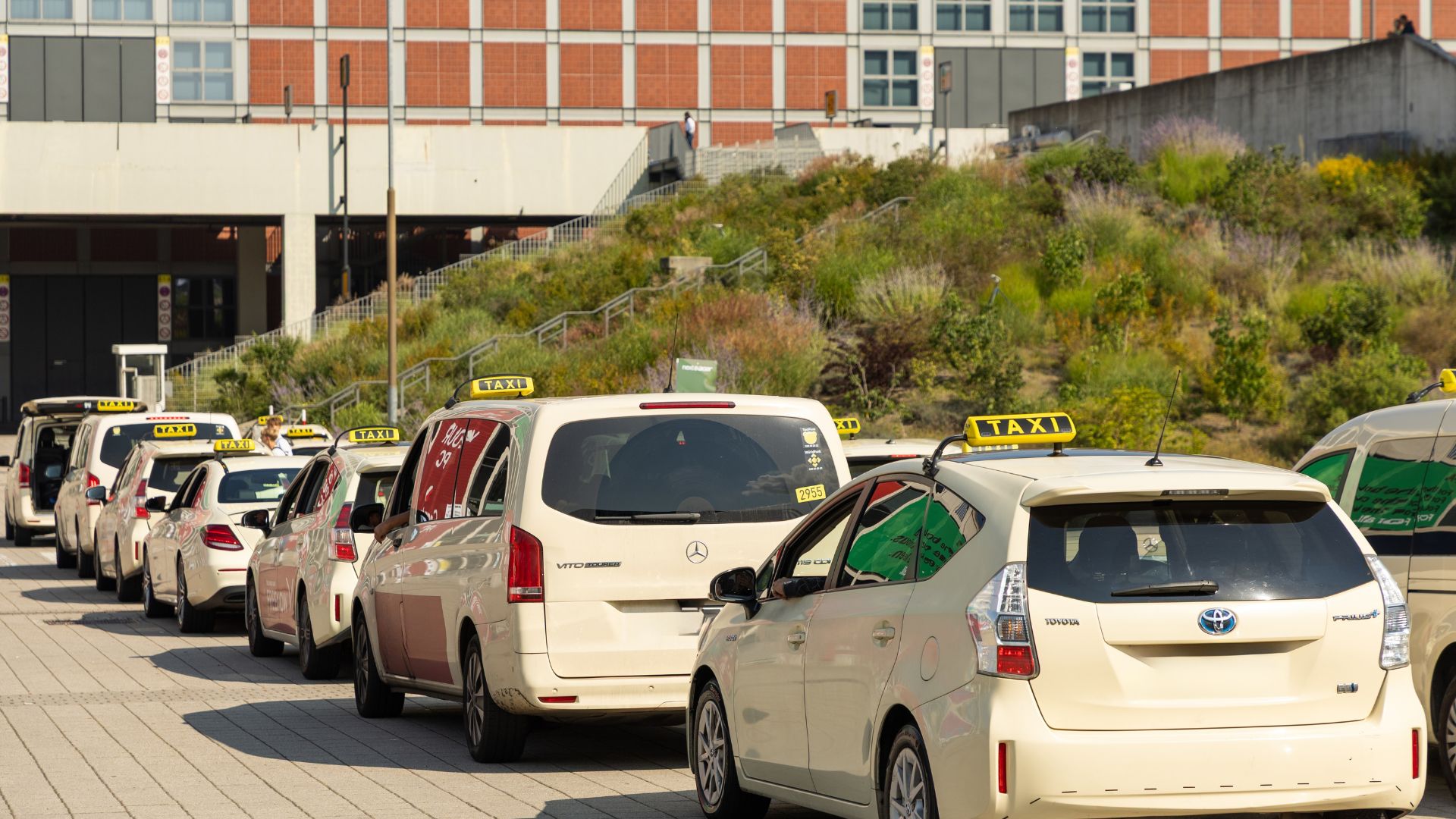
German Christmas markets create some of the year’s most challenging parking conditions throughout December, as enormous visitor numbers descend on historic city centres that already struggle with parking provision throughout the standard operating year.
The key strategic advice for parking during the German Christmas market season is avoiding city centre parking entirely, using the city’s Park and Ride network to travel to the market area by public transport, and accepting that driving to and parking adjacent to a major German Christmas market is both expensive and stressful throughout the December season.
Christmas market parking strategy by the city:
| City | Best Approach | Park and Ride Option | Cost |
| Nuremberg | Use P+R — city centre closes | Multiple P+R sites | €5–8 combined |
| Cologne | Use P+R or train | Multiple sites | €6–10 combined |
| Dresden | Use P+R — Altstadt restricted | Outer stations | €5–8 combined |
| Munich | Use the VVS P+R network | 37 P+R sites | €5.50 combined |
| Stuttgart | Use the S-Bahn or multi-storey | Multiple sites | €5–7 combined |
| Frankfurt | Use the S-Bahn or the multi-storey | Limited P+R | €8–15 multi-storey |
Parking Cost Comparison — German Cities at a Glance
How Germany’s Major Cities Compare
Understanding the relative cost of parking across Germany’s major cities allows visitors planning multi-city itineraries to budget accurately and to make informed decisions about whether driving between cities or using the excellent German rail network represents the more practical and more affordable option throughout their journey.
German city parking cost comparison:
| City | City Centre Hourly | Daily Max Multi-storey | Relative Ranking |
| Munich | €2.50–4.50 | €35–60 | Most expensive |
| Frankfurt | €2.50–4.00 | €35–55 | Second most expensive |
| Hamburg | €2.00–3.50 | €28–50 | Third most expensive |
| Stuttgart | €2.00–3.50 | €26–48 | Fourth most expensive |
| Düsseldorf | €1.80–3.50 | €24–50 | Mid-range expensive |
| Cologne | €1.80–3.50 | €25–48 | Mid-range expensive |
| Berlin | €1.50–3.00 | €20–45 | Mid-range |
| Nuremberg | €1.50–2.50 | €18–35 | More affordable |
| Dresden | €1.00–2.00 | €12–28 | Affordable |
| Leipzig | €1.00–2.00 | €12–25 | Most affordable major city |
Practical Tips for Parking Throughout Germany
The Ten Most Important German Parking Tips
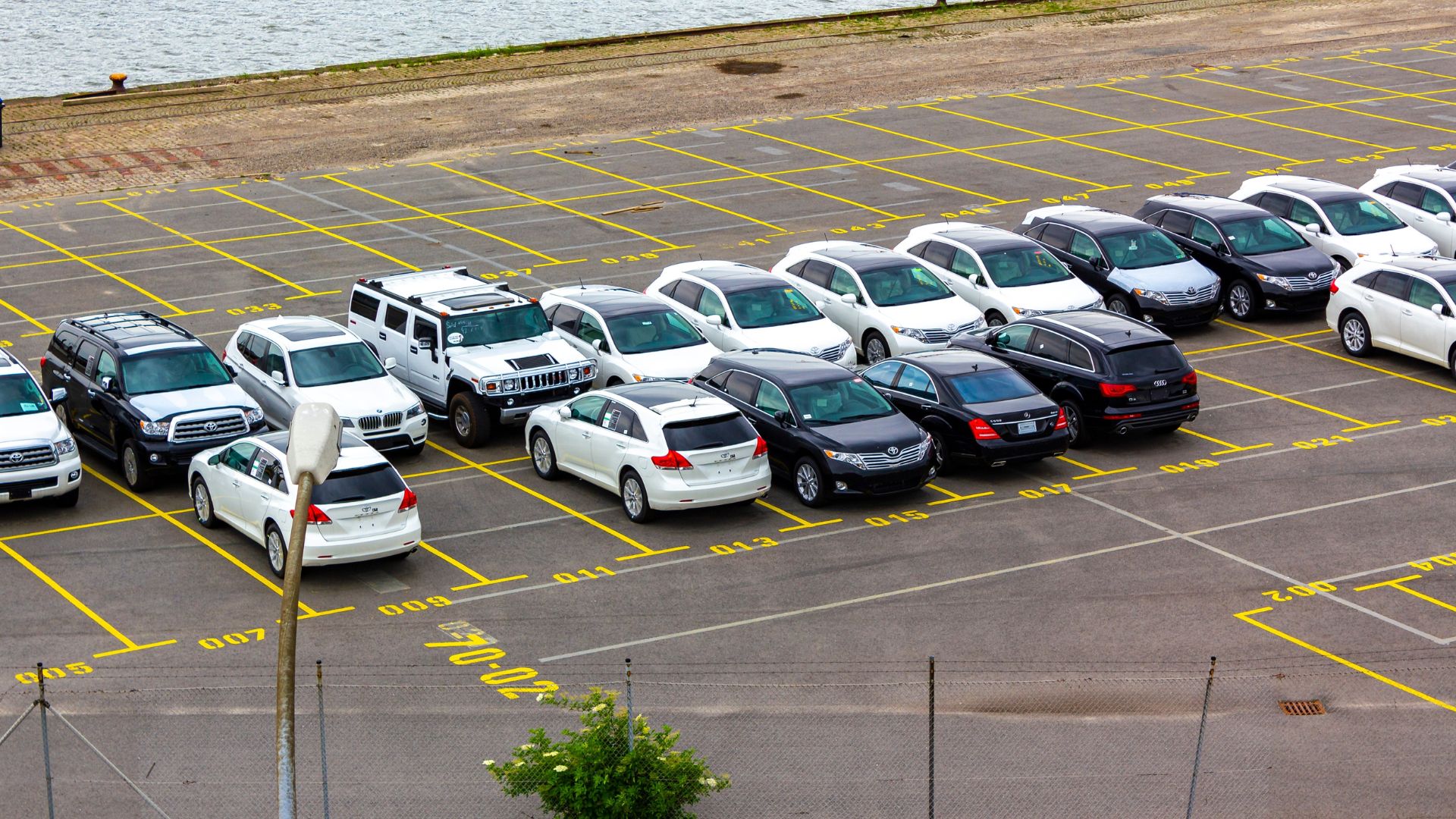
Understanding Germany’s parking environment through practical tips distilled from experience provides the most accessible and most immediately useful preparation for any driver planning to park in German cities throughout their visit.
Tip 1 — Always carry a Parkscheibe. The blue parking disc is essential for time-limited free parking zones found throughout German residential areas. Car hire companies should provide one, but always verify this at collection and carry a spare throughout the journey.
Tip 2 — Read every sign carefully before parking. German parking signs are comprehensive, and the combination of the primary sign with subsidiary time and day plates below it creates conditions that are easy to misread, particularly for visitors unfamiliar with the German sign system throughout the country.
Tip 3 — Use the Park and Ride system in every major city. Every German city of significant size operates a Park and Ride system that dramatically reduces both parking costs and city centre driving stress, combining peripheral station parking with affordable public transport day tickets throughout the operating year.
Tip 4 — Download EasyPark before arriving. The EasyPark app covers thousands of German parking locations and eliminates the coin-machine problem entirely, allowing cashless parking payment and session extension from anywhere throughout the parking period.
Tip 5 — Never park on yellow kerb markings. Yellow kerb markings in Germany indicate absolute no-parking zones, and vehicles parked on yellow kerbs are ticketed and frequently towed with remarkable speed throughout every German city.
Tip 6 — Pay and display tickets must be visible. Paid parking tickets must be placed face-up on the dashboard where they are clearly visible through the windscreen from outside the vehicle. Tickets tucked under the seat or placed face down are treated as no ticket throughout Germany.
Tip 7 — German enforcement is consistent and frequent. German parking enforcement officers patrol city centre areas multiple times throughout their shifts and issue fines without warning for any parking violation, making assumptions about brief stays without tickets or Parkscheibe extremely risky throughout the day.
Tip 8 — Plan for trade fair periods in Frankfurt and Cologne. Frankfurt Messe and Koelnmesse events create city-wide parking pressure with elevated costs and severely reduced availability throughout the event periods, requiring significantly more advance planning throughout the trade fair calendar.
Tip 9 — Check environmental zone requirements before entering. Most German city centres require vehicles to display a green Umweltplakette emissions sticker, available for approximately €5 to €10 from petrol stations and ADAC offices, without which entry to the environmental zone results in an €80 fine throughout Germany.
Tip 10 — Consider whether driving is necessary at all. Germany’s public transport network, its excellent intercity rail connections, and its efficient urban U-Bahn, S-Bahn, and tram systems frequently make car-free city visits not just practical but genuinely superior to driving in terms of both cost and stress throughout the German urban environment.
Frequently Asked Questions
What is the Parkscheibe, and where do I get one? The Parkscheibe is a blue cardboard or plastic parking disc required for time-limited free parking zones throughout Germany, set to show the arrival time rounded to the next half hour. It is available free of charge from petrol stations, ADAC offices, car hire companies, and many supermarkets throughout Germany and is an essential item for any driver in the country.
How much does parking cost in German city centres? City centre parking costs vary significantly between cities and between parking types. Munich is the most expensive at €2.50 to €4.50 per hour for central on-street parking, while cities like Leipzig and Dresden offer much more affordable rates of €1.00 to €2.00 per hour. Multi-storey car parks typically charge slightly less than premium on-street parking throughout every German city.
What happens if I get a parking fine in Germany as a foreign visitor? German parking fines are legally enforceable against foreign visitors through the EU mutual enforcement framework for fines issued within EU member states. Fines are sent to the registered address of the vehicle owner and must be paid, with non-payment resulting in escalating debt collection procedures and potential difficulties at German borders throughout subsequent visits.
Do German parking meters accept credit cards? Many German parking meters now accept credit and debit cards in addition to coins, but a significant proportion of machines throughout Germany remain cash-only, particularly in smaller cities and older residential districts. Always carrying a selection of €1 and €2 coins as backup for parking payment is strongly recommended throughout German city driving.
Is the Park and Ride system genuinely worthwhile in German cities? The Park and Ride systems in Munich, Stuttgart, Hamburg, and Cologne offer genuinely excellent value, combining peripheral station parking with affordable public transport day tickets that dramatically undercut city centre parking costs. For families and groups, the Group Day Ticket versions provide particular value, making the Park and Ride option the financially superior choice for most leisure visits to German cities throughout the year.
Final Thoughts
Parking in German cities is a subject that rewards careful preparation and punishes casual assumption, combining a regulatory framework that is logical but complex with enforcement that is consistent and expensive for violations throughout every major German city.
The fundamental strategies that make German city parking manageable are consistent throughout the country: carry a Parkscheine always, download EasyPark before arriving, use the Park and Ride network wherever available, read every sign carefully before committing to a parking space, and always display your ticket or disc visibly on the dashboard throughout every parking session.
The broader strategic question of whether driving into German city centres is necessary at all deserves serious consideration for every visitor, given Germany’s extraordinary public transport infrastructure, its comprehensive Park and Ride networks, and the genuine stress and expense that city centre parking in Munich, Frankfurt, Hamburg, and Berlin can generate throughout the year.
Approach German city parking with respect for the rules, preparation for the costs, and openness to the public transport alternatives that frequently represent a genuinely superior option, and you will find that navigating Germany’s urban parking environment becomes progressively more manageable with each successful city visit throughout your German driving experience.
Hi, I’m Preeti Negi, a content writer who loves mixing creativity with smart strategy.
I have 3 years of experience writing about travel, digital marketing, and study abroad topics. I create content that is easy to read, engaging, and designed to connect with people while also performing well on Google.
When I’m not writing, I enjoy exploring new trends, learning new things, and thinking about fresh ideas for my next piece.
