

Germany is one of Europe’s most rewarding countries to explore by road. Its landscape shifts dramatically from the Baltic coast in the north to the Bavarian Alps in the south, and a rental car gives you the freedom to experience every remarkable corner at your own pace.
Public transport in Germany is excellent in major cities, but rural areas, castle routes, wine valleys, and Alpine villages are almost impossible to explore properly without a vehicle. A rental car unlocks the Germany that most tourists never discover — the quiet forest roads, the vineyard villages, the medieval market towns.
Germany’s road network is world-class. The famous Autobahn motorway system connects every major city, and regional B-roads are well-maintained, and even remote rural lanes are typically in excellent condition. Driving here is genuinely pleasurable for anyone who arrives well-prepared and properly informed.
Rental car prices in Germany are competitive by European standards. With dozens of international and local rental companies operating at airports, train stations, and city centres, the market is highly competitive. Smart booking strategies can deliver outstanding value, especially for longer rental periods.
Please note that this article contains affiliate links. Learn more about it on our Disclosure page. We use ads to support our small business – we hope you don’t mind them too much.
Quick Reference: Germany Car Rental at a Glance
Renting a car in Germany can make travel flexible and convenient. It allows visitors to explore cities, the countryside, and scenic routes at their own pace without relying completely on public transportation.
A quick reference for German car rental helps travelers understand essential requirements, costs, and rules. Knowing basic details in advance makes the rental process smoother and ensures a comfortable driving experience.
| Category | Key Information |
| Minimum age | Typically 21 years (25 for premium vehicles) |
| Driving licence | Valid national licence required — IDP for non-EU visitors |
| Credit card | Required for deposit — most companies do not accept debit cards |
| Insurance minimum | Third-party liability included by law in all German rental cars |
| Fuel policy | Full-to-full most common — check before signing the agreement |
| Speed advisory | 130 km/h recommended on unrestricted Autobahn sections |
| Vignette | No motorway toll for cars — Autobahn is free for passenger vehicles |
| Breakdown cover | Confirm if included or purchase separately before your rental begins |
1. Choosing the Right Rental Company
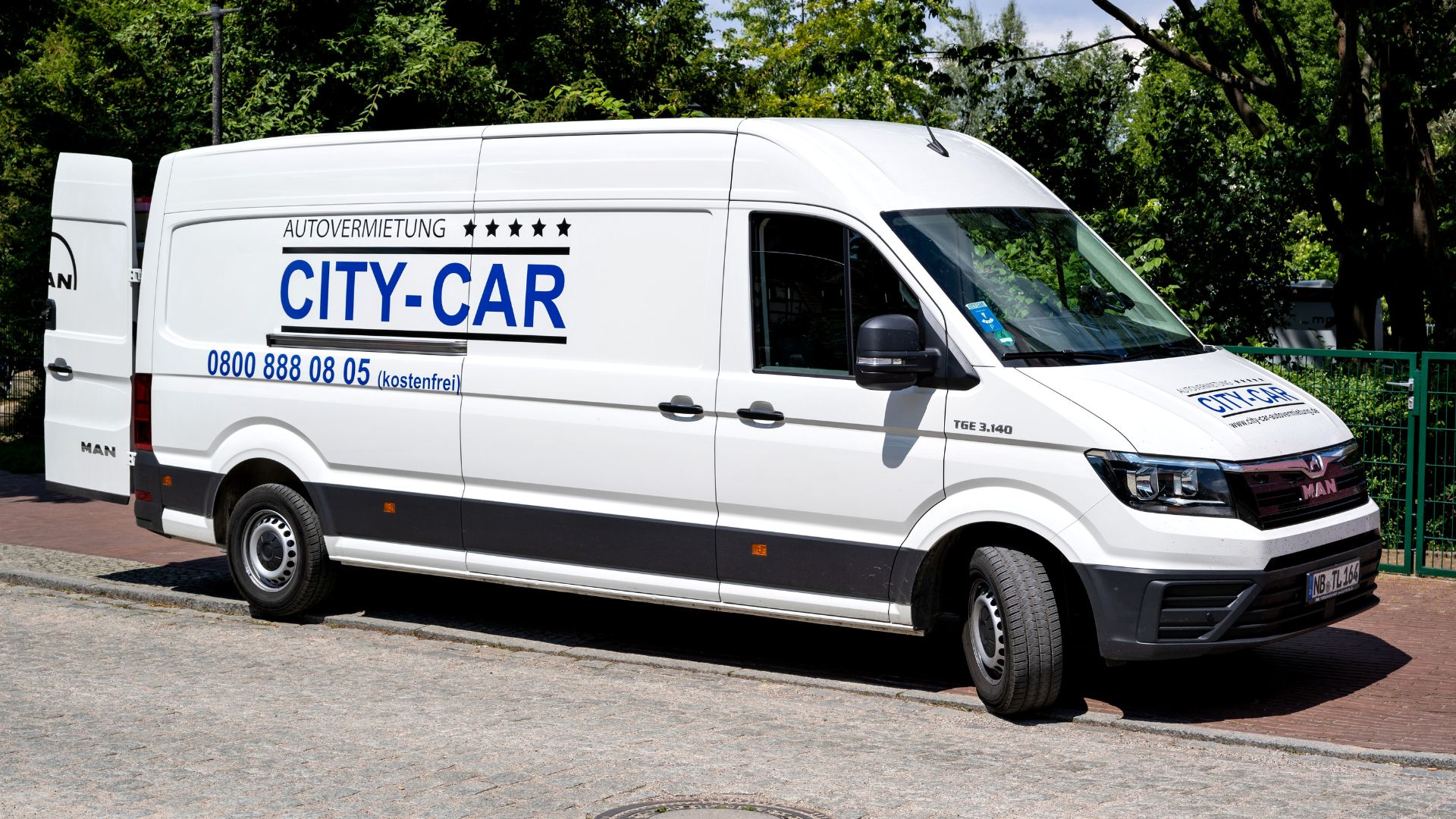
Germany is served by every major international rental company alongside several strong local operators. Selecting the right company depends on your priorities, your budget, your pickup location, and how much flexibility you want in your booking and cancellation terms.
The major international players operating throughout Germany include:
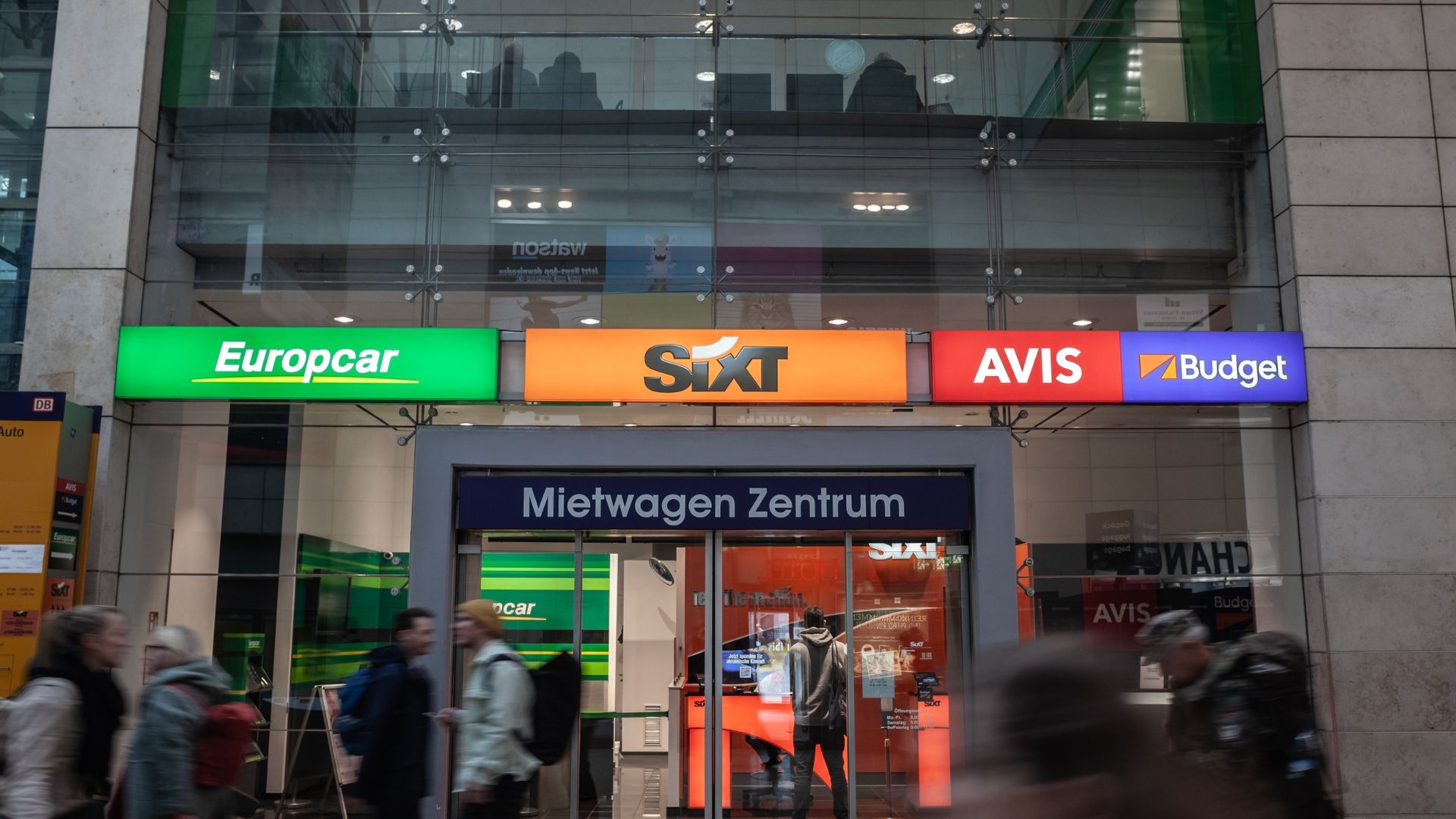
- Sixt: Germany’s own premium brand, headquartered in Munich, with the widest network of locations nationwide
- Europcar: Strong presence at airports and train stations with competitive pricing for longer rental periods
- Hertz: Reliable quality across major airports and city centres with good loyalty programme benefits
- Avis and Budget: Sister companies offering slightly different pricing tiers with the same underlying vehicle fleet
- Enterprise: Excellent customer service reputation with competitive pricing and flexible booking policies throughout
Local German companies worth considering:
- Starcar: Strong regional presence, particularly in northern Germany and Hamburg, with competitive daily rates
- Buchbinder: Budget-friendly option particularly popular with cost-conscious travellers booking at German airports
Comparison platforms like Check24, Kayak, Rentalcars.com, and AutoEurope allow you to view prices across multiple companies simultaneously. Always compare the total price, including all mandatory charges, rather than the advertised base price, which rarely reflects the true final cost of the rental.
Booking directly with the rental company after finding the best comparison site price can sometimes yield additional benefits. Direct bookings occasionally come with more flexible cancellation policies, better upgrade availability, and faster processing at the pickup counter upon arrival at your chosen location.
2. Booking in Advance — When and How
“The single most important piece of advice for renting a car in Germany is to book as early as possible, particularly if you are travelling during peak summer months, school holidays, or major event periods like Oktoberfest in Munich.”
Prices for German rental cars follow a supply-and-demand curve that punishes last-minute bookings severely. Vehicles booked three to six months in advance at major airports like Frankfurt, Munich, or Hamburg can cost sixty to seventy percent less than the same vehicle booked one week before travel.
Best booking timing by season:
| Travel Period | Book At Least | Reason |
| June–August | 3–4 months ahead | Peak summer holiday season throughout Europe |
| Oktoberfest (September) | 4–5 months ahead | Munich car supply virtually disappears |
| Christmas/New Year | 2–3 months ahead | High domestic and international demand |
| Easter weekend | 2–3 months ahead | German school holiday movement peak |
| January–March | 2–4 weeks ahead | Low season — excellent last-minute availability |
Free cancellation bookings are almost universally available in Germany when booking in advance. Always choose a free cancellation rate over a non-refundable prepaid rate unless the price difference is genuinely significant and you are completely certain of your travel plans.
Pay close attention to the pickup and return times when booking. Returning a vehicle even one minute beyond the contracted return time can trigger an additional full day charge with many rental companies. Build a comfortable time buffer into your return schedule, particularly if travelling from a distance.
3. Age Requirements and Young Driver Policies
Minimum age requirements for car rental in Germany vary between companies but are typically 21 years for standard vehicles. Drivers under 25 almost universally face a young driver surcharge, which can add a meaningful daily fee to the rental cost, regardless of which company you book with.
Age requirements by vehicle category:
| Driver Age | Standard Cars | SUVs | Premium/Luxury | Minivans |
| 18–20 | Some companies | Rarely | Never | Rarely |
| 21–24 | Yes (surcharge) | Yes (surcharge) | Some (surcharge) | Yes (surcharge) |
| 25–69 | Standard rate | Standard rate | Standard rate | Standard rate |
| 70+ | Standard rate | Standard rate | Some restrictions | Standard rate |
Young driver surcharges in Germany typically range from €8 to €25 per day, depending on the company, vehicle class, and rental location. Over a two-week rental period, this additional cost can be substantial and should be factored into the total budget calculation from the very beginning.
Some companies impose a maximum age restriction for high-performance or premium vehicles. Drivers over 70 may face additional requirements, including a medical certificate of fitness to drive in some specific circumstances. Always confirm age restrictions directly with the rental company before finalising your booking.
4. What Driving Licence Do You Need?
European Union licence holders can drive rental cars in Germany using their standard national licence without any additional documentation required. The EU standardised licence format is recognised throughout Germany without restriction and is accepted by all rental companies operating in the country.
Non-EU visitors, including travellers from the United States, Canada, Australia, New Zealand, and many other countries, can typically drive for up to six months in Germany on their national licence. However, an International Driving Permit is strongly recommended as a supplementary document alongside the national licence.
Licence requirements by nationality:
| Visitor Origin | National Licence | IDP Required | Notes |
| EU member states | Yes — sufficient | No | Full EU recognition throughout |
| USA, Canada, Australia | Yes — accepted | Strongly recommended | German translation assistance |
| Japan, South Korea | Yes — accepted | Strongly recommended | Police check convenience |
| Non-Latin script countries | Yes — accepted | Essential | Arabic, Chinese, Cyrillic scripts |
| Countries not on list | Check individually | Likely required | Countries not on the list |
An International Driving Permit is obtained from your national automobile association before departure. In the United States, this means the AAA, in the United Kingdom, the AA or RAC, and in Australia, the NRMA or state-based equivalents. The process is simple, inexpensive, and quick.
Rental company staff may refuse to issue a vehicle to a driver whose licence is in a non-Latin script without a valid IDP. This is particularly relevant for travellers from Arabic, Chinese, Japanese, Korean, and Cyrillic script countries. Arriving without an IDP in these situations may result in being refused the rental entirely.
5. Understanding Car Rental Insurance in Germany
Insurance is the single most confusing and most financially consequential aspect of renting a car in Germany. Getting this right protects you from potentially enormous unexpected charges. Getting it wrong can turn a minor parking scratch into a financial catastrophe of several thousand euros.
The four main insurance types you will encounter:
CDW — Collision Damage Waiver
This is the most important insurance product in any German rental agreement. CDW reduces or eliminates your financial liability for damage to the rental vehicle in the event of an accident. Most rentals include basic CDW, but with a significant excess or deductible amount ranging from €500 to €2,500.
TP — Theft Protection
Theft protection covers the rental company’s losses if the vehicle is stolen during your rental period. Basic TP is usually included in standard German rental packages, but may also carry an excess amount. Standalone TP can be purchased to eliminate the excess entirely.
SLI — Supplementary Liability Insurance
Germany requires a minimum third-party liability insurance in all rental vehicles, and this is always included. However, the minimum legal coverage may be insufficient for serious accidents. SLI increases the liability coverage to higher limits and is worth considering for longer or higher-risk rental periods.
PAI — Personal Accident Insurance
PAI covers medical expenses and provides a lump-sum payment in the event of personal injury during the rental period. This coverage often overlaps with existing travel insurance or personal health insurance policies, making it one of the least necessary additional purchases for most travellers.
“Pro Tip: Check your credit card benefits before paying for any rental insurance. Many premium credit cards, including American Express Platinum, Chase Sapphire, and various Visa Signature cards, provide collision damage waiver coverage automatically when you pay for the rental with that specific card. This can save you €15–25 per day.”
Insurance comparison table:
| Insurance Type | Usually Included | Excess Amount | Recommendation |
| Basic CDW | Yes | €500–€2,500 | Upgrade to zero-excess CDW |
| Theft Protection | Usually | Variable | Confirm coverage limit |
| Third Party Liability | Always (legal requirement) | None | Standard inclusion |
| Zero Excess CDW | No — paid upgrade | Zero | Highly recommended purchase |
| Personal Accident | No | N/A | Check travel insurance first |
Zero excess CDW upgrades typically cost between €10 and €25 per day from the rental company counter. This upgrade eliminates your financial liability for vehicle damage, subject to policy exclusions. Always read the exclusions carefully, as wheel, tyre, windscreen, and underbody damage are often excluded from standard CDW coverage.
6. Vehicle Categories and What to Choose
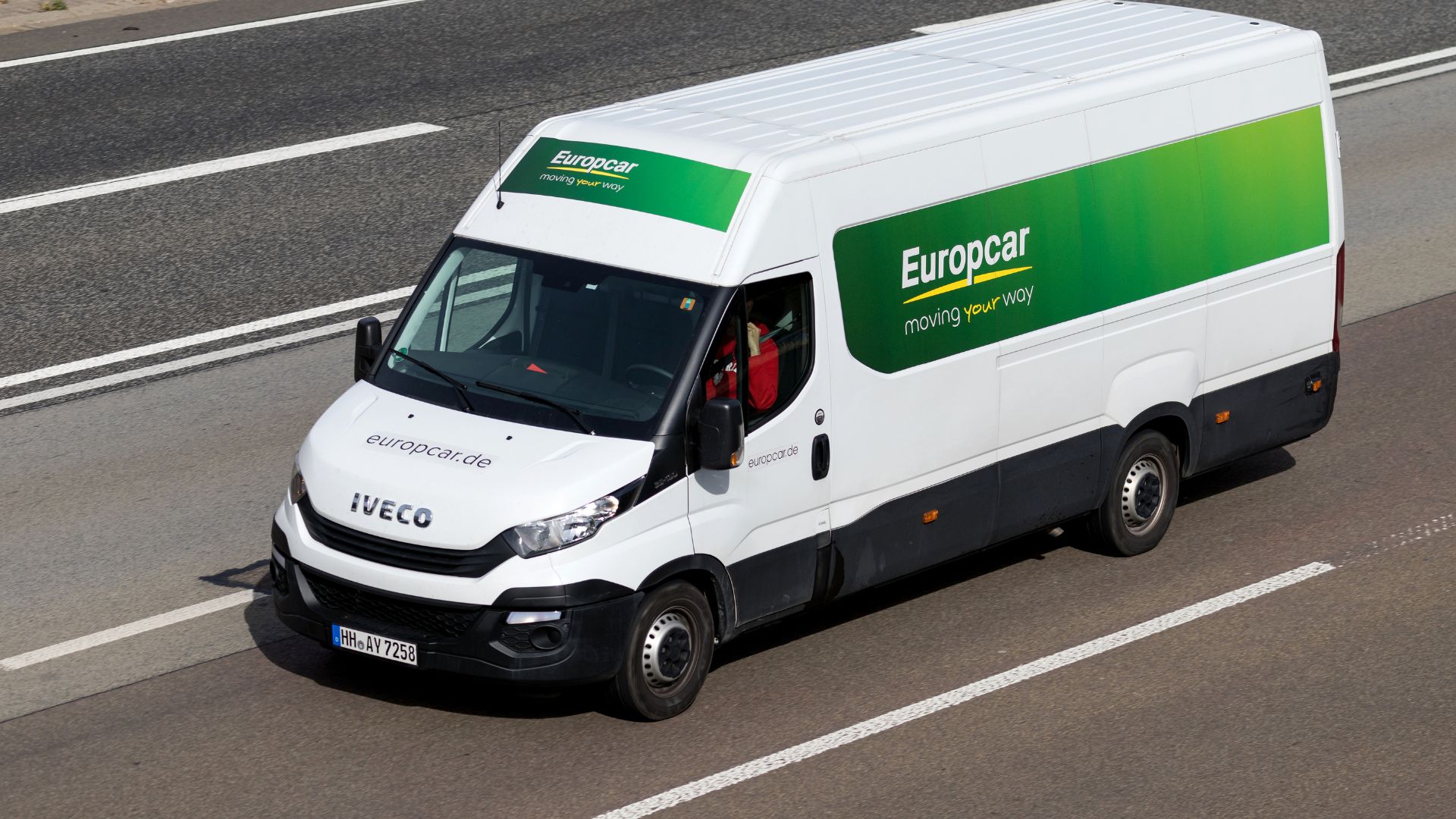
German rental companies organise their fleets into standardised vehicle categories. Understanding these categories helps you select the most appropriate vehicle for your specific journey type, passenger numbers, luggage requirements, and budget throughout your German road trip.
Standard rental vehicle categories explained:
| Category | Example Models | Passengers | Luggage | Best For |
| Mini/Economy | VW Polo, Fiat 500 | 4 | 1–2 bags | City driving, short trips |
| Compact | VW Golf, Ford Focus | 4–5 | 2–3 bags | General touring, couples |
| Intermediate | Opel Astra, Seat Leon | 5 | 3 bags | Families, longer trips |
| Standard | VW Passat, Skoda Octavia | 5 | 4 bags | Comfortable touring |
| Full-size | BMW 3 Series, Mercedes C | 5 | 4 bags | Business, premium touring |
| SUV/Crossover | VW Tiguan, Skoda Karoq | 5 | 5 bags | Alpine regions, families |
| Premium/Luxury | BMW 5 Series, Mercedes E | 5 | 4 bags | Autobahn experience |
| Minivan | VW Transporter, Seat Alhambra | 7–9 | 6+ bags | Groups, families |
Germany’s excellent road quality means smaller vehicles perform very well even on long Autobahn journeys. However, if you plan to drive on Alpine roads in Bavaria or on narrow forest routes, a vehicle with good ground clearance and a strong engine will make the experience considerably more enjoyable.
Manual transmission vehicles are far more common in Germany than automatic transmission vehicles. If you require an automatic transmission, specify this at the time of booking and confirm it explicitly. Automatic vehicles are less available, typically more expensive, and may need to be requested weeks in advance at some locations.
7. Fuel Policies — Avoid the Most Expensive Mistake
Fuel policy is the area where rental car customers most frequently make expensive mistakes in Germany. Understanding the policy before signing the agreement prevents charges that can add €50 to €150 to the total rental cost unnecessarily at the time of vehicle return.
The four fuel policies you may encounter:
Full-to-Full (Most Common and Best) You receive the vehicle with a full tank and return it with a full tank. This is the fairest policy and the one you should always prefer. Refuel completely at a petrol station near the return location before dropping off the vehicle. Never rely on the rental company to refuel for you.
Full-to-Empty (Avoid If Possible) You pay for a full tank upfront at the rental company’s fuel price, which is always significantly above the market rate. You return the vehicle with as little fuel as possible. If you return it with significant fuel remaining, you receive no refund. This policy almost always costs more than full-to-full.
Same-to-Same You receive the vehicle at a partially filled level and return it at the same level. This can be difficult to match precisely, and discrepancies are charged at the rental company’s expensive fuel rate. Check the fuel gauge carefully at pickup and photograph it as evidence.
Electric Vehicle Charging Policy. For electric rental vehicles, policies vary significantly. Some companies require a full battery on return, others charge a flat fee for any recharging. Always clarify the EV policy explicitly before accepting an electric vehicle and confirm the charging connector type compatibility with your planned route.
“Money-Saving Fuel Tip: Germany’s motorway service area fuel prices are among the highest in the country. Always plan to refuel at a supermarket petrol station, a Jet station, or an Aral station in a town or city rather than at an Autobahn Raststätte where prices can be 15–20 cents per litre higher.”
8. Picking Up Your Rental Car
The vehicle pickup process in Germany follows a consistent pattern across most rental companies, but contains several important moments where careful attention can prevent expensive disputes at the vehicle return. Rushing through pickup is one of the most common and most costly mistakes rental customers make.
Step-by-step pickup checklist:
- Present all required documents: licence, IDP if needed, credit card, and booking confirmation
- Inspect the vehicle thoroughly: walk around the entire car before accepting the keys
- Photograph every existing scratch, dent, and mark: use your phone camera with timestamps activated
- Test all vehicle functions: lights, wipers, air conditioning, navigation, and all electrical systems
- Check tyre condition: look for visible wear, cuts, or sidewall damage on all four tyres
- Confirm the fuel level: photograph the gauge immediately and match it to the rental agreement
- Check for a first aid kit, a warning triangle, and a high-visibility vest: all are legally required in Germany
- Verify the return time and location: confirm these match your itinerary exactly before leaving the lot
Never accept a vehicle that has undocumented pre-existing damage. If the pickup agent dismisses existing damage with verbal reassurance, insist on written documentation on the rental agreement before accepting the keys. Verbal agreements at pickup do not protect you in return.
If you discover significant mechanical problems or serious cleanliness issues with the assigned vehicle, you have the right to request a replacement. Rental companies in Germany are generally responsive to reasonable vehicle replacement requests, particularly at major airport locations with larger fleet availability.
9. Driving Rules You Must Know
Beyond the Autobahn rules covered in a separate guide, several specific driving regulations apply to rental cars in Germany that all visitors must understand before taking the wheel. Ignorance of these rules does not protect drivers from prosecution or from fines.
Critical rules for rental car drivers in Germany:
| Rule | Requirement | Penalty |
| Child seats | Mandatory for children under 12 or under 150cm | €30 fine |
| Seatbelts | Low-emission zones | €30 per person |
| Mobile phones | Hands-free only while driving | €100 and 1 point |
| Required in winter conditions by law | Umweltzone sticker required in city centres | €80 fine |
| Winter tyres | Major liability if an accident occurs | Blue zone and paid parking are strictly enforced |
| Parking | Must stop when the school bus shows stop sign | €10–€50 fine |
| School bus | Blue zones and paid parking are strictly enforced | Serious fine |
| Tram tracks | Never park on or across tram tracks | Immediate tow and fine |
The Umweltzone environmental zone deserves special attention. Most major German city centres require vehicles to display a coloured environmental sticker to enter. Rental cars in Germany should already have the appropriate green sticker affixed, but confirm this at pickup before driving into any city centre area.
Speed cameras in Germany are numerous, highly accurate, and the fines follow the registered owner of the vehicle. Rental companies pass speeding fines to customers along with an additional administration fee. These administration fees typically range from €25 to €45 regardless of the size of the underlying fine itself.
10. Returning Your Rental Car
Vehicle return is the moment at which most rental car disputes arise. Approaching the return process with the same careful attention you applied at pickup eliminates the vast majority of potential problems and protects your financial interests completely.
Return process best practices:
Return your vehicle in daylight wherever possible. Damage inspection conducted in poor lighting at an evening or early morning return is one of the primary causes of disputed damage charges. If returning after dark, take comprehensive photos of the entire vehicle immediately upon return.
- Return the vehicle at least 30 minutes before your scheduled return time to allow for inspection
- Refuel completely at a petrol station within a few kilometres of the return location
- Clean obvious rubbish and debris from the interior to avoid cleaning charges from the rental company
- Request a written confirmation of return and vehicle condition from the agent at the counter
- Keep all your rental documents for at least three months after the return date in case disputes arise
If the rental company identifies damage at return that you believe was pre-existing, refer immediately to the photographs you took at pickup. Rental companies in Germany are generally professional in dispute resolution when presented with clear photographic evidence taken at the time of the original vehicle collection.
Credit card disputes are the final recourse for unjustified damage charges. Most credit card companies have effective dispute resolution processes for rental car charges and will investigate claims fairly when provided with documentation. Preserve all evidence including photographs, written agreements, and email correspondence throughout.
11. Costs and Hidden Charges to Watch For
The advertised price of a German rental car rarely represents the total cost you will pay. A clear understanding of the additional charges that commonly appear on final invoices allows you to budget accurately and to make informed decisions at the booking stage and at the counter.
Common additional charges explained:
| Charge Type | Typical Cost | Can It Be Avoided? |
| Young driver surcharge | €8–25 per day | Only by waiting until 25 |
| Additional driver | €5–15 per day | Book only one authorised driver |
| Airport/station surcharge | 10–20% premium | Return to the same location |
| One-way rental fee | €50–€300 | Return to same location |
| GPS navigation | €10–15 per day | Use smartphone navigation instead |
| Child seat | €5–12 per day | Bring your own if possible |
| Full-to-empty fuel premium | 20–40% above pump price | Choose full-to-full policy |
| Late return fee | Full additional day | Return on time without exception |
| Toll charges | Variable | Unavoidable on toll roads |
| Administrative fee for fines | €25–45 per incident | Observe all traffic laws |
Airport pickup surcharges are one of the highest hidden costs in German car rental. The same vehicle for the same period can cost significantly less when picked up at a train station or city centre location rather than at the airport terminal. If your arrival flexibility allows it, consider using public transport from the airport and collecting the vehicle in the city centre.
One-way rentals, where you pick up in one city and return in another, typically carry a significant drop-off fee. Munich to Frankfurt, Berlin to Hamburg, and similar popular one-way routes are the exception where one-way fees are sometimes waived or reduced due to high demand in both directions.
12. Top Tips for a Stress-Free German Car Rental
Bringing together all the most important advice into a final practical checklist ensures that every aspect of your German rental car experience is handled correctly from booking through to final return and confirmation.
Before you travel:
- Book as early as possible — ideally three to six months before peak summer travel dates
- Check your credit card rental insurance benefits before purchasing any additional coverage
- Obtain your International Driving Permit if you are a non-EU visitor before leaving home
- Download an offline navigation app such as Maps.me or Google Maps offline as backup navigation
- Research Umweltzone requirements for every city you plan to visit during your trip
At pickup:
- Photograph the entire vehicle from all angles before accepting the keys from the agent
- Confirm the fuel level, return time, return location, and all insurance coverage in writing
- Test every vehicle function including all lights, controls, and navigation systems thoroughly
- Confirm the child seat installation if travelling with children before leaving the rental location
During the rental:
- Observe all German traffic laws strictly including speed limits, lane discipline, and mobile phone rules
- Never park in Umweltzones without the appropriate green sticker already displayed on the vehicle
- Refuel at supermarket petrol stations or budget fuel stations rather than Autobahn service areas
- Keep the rental agreement, insurance documents, and breakdown number accessible in the vehicle at all times
At return:
- Return in daylight and request a written damage assessment from the rental agent before leaving
- Keep all evidence for three months in case any disputed charges appear on your credit card statement
Ready to Drive? Final Tips for Renting in Germany
Renting a car in Germany opens up an entirely different and extraordinarily rewarding dimension of travel throughout one of Europe’s most beautiful and most diverse countries. The freedom to stop at a vineyard village on the Rhine, to drive a mountain pass in the Bavarian Alps, or to explore a medieval walled town in Franconia on a complete personal schedule is genuinely transformative.
The rental process itself is straightforward when you arrive properly prepared. Booking early, understanding your insurance options clearly, photographing the vehicle thoroughly at both pickup and return, and observing Germany’s strictly enforced traffic laws are the four pillars of a completely stress-free rental experience anywhere in the country.
Germany rewards the prepared road tripper generously. Its roads are excellent, its road signs are logical, its scenery is spectacular, and its car culture is among the most serious and most respectful in the entire world. Get the paperwork right, get the insurance right, and then simply enjoy one of Europe’s finest driving destinations completely.
Hi, I’m Preeti Negi, a content writer who loves mixing creativity with smart strategy.
I have 3 years of experience writing about travel, digital marketing, and study abroad topics. I create content that is easy to read, engaging, and designed to connect with people while also performing well on Google.
When I’m not writing, I enjoy exploring new trends, learning new things, and thinking about fresh ideas for my next piece.
