

Germany is one of the world’s greatest cheese-producing nations and yet its extraordinary dairy heritage remains one of the best-kept secrets in all of European food culture throughout the international culinary world.
French cheese dominates global conversation, Swiss cheese commands international respect, and Italian cheese enjoys universal admiration. Yet Germany quietly produces over 600 distinct cheese varieties from its rich and diverse regional dairy traditions.
German cheese production is rooted in centuries of Alpine farming, monastery dairy traditions, and regional agricultural cultures that have developed distinct styles, flavours, and textures across every corner of the country.
Understanding German cheese means exploring a vast and fascinating landscape of flavour that ranges from the mildest, butteriest fresh cheeses to the most assertively pungent washed-rind varieties that challenge and reward the adventurous palate.
Please note that this article contains affiliate links. Learn more about it on our Disclosure page. We use ads to support our small business – we hope you don’t mind them too much.
German Cheese by the Numbers
Germany is home to a diverse and flavorful cheese culture, producing hundreds of varieties across regions. Understanding the numbers behind production, consumption, and types highlights the country’s rich dairy heritage.
| Statistic | Figure |
| Total cheese varieties produced | 600+ distinct varieties |
| Annual production volume | 2.4 million tonnes |
| Export volume annually | Over 1.3 million tonnes |
| Main producing regions | Bavaria, Baden-Württemberg, North Rhine-Westphalia |
| Protected designation cheeses | 10 PDO and PGI certified varieties |
| Oldest documented cheese | Allgäuer Emmental — produced since 13th century |
| Most consumed variety | Gouda-style processed cheese nationwide |
| Largest export market | EU member states and United States |
Understanding German Cheese Categories
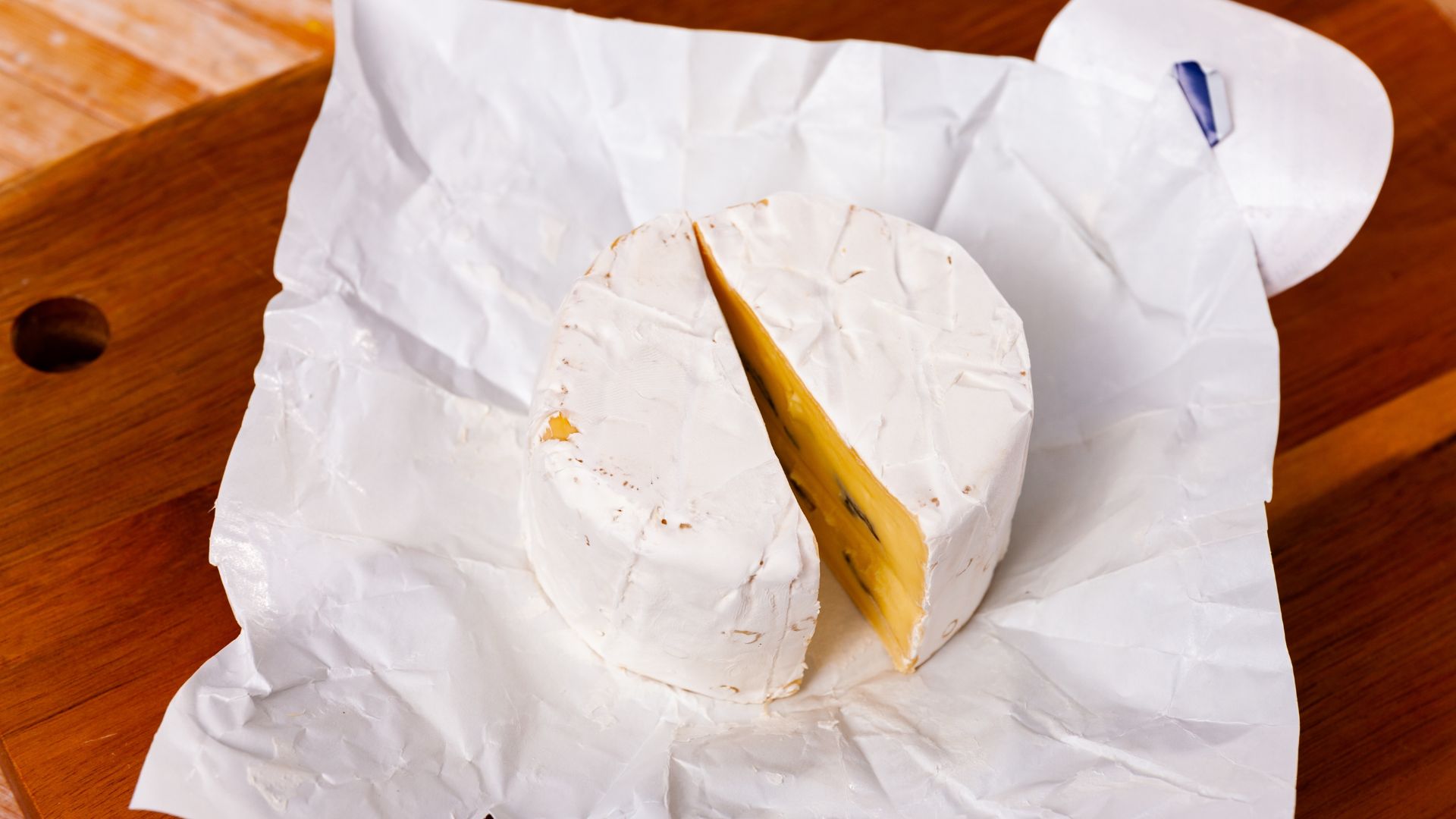
German cheeses are classified by their moisture content and production method into five main categories that determine texture, flavour intensity, ageing potential, and appropriate culinary uses throughout German cooking.
Fresh cheeses, called Frischkäse, contain the highest moisture content and are consumed immediately after production without any ageing period whatsoever, delivering mild, clean, creamy flavours throughout.
Semi-soft and soft cheeses cover the broad middle range of German cheese production and include many of the country’s most beloved and most commercially successful varieties sold throughout Germany daily.
Hard and extra-hard cheeses represent the pinnacle of German ageing traditions, particularly in the Alpine regions of Bavaria and Baden-Württemberg where extended maturation produces cheeses of outstanding complexity.
German cheese classification system:
| Category | German Name | Moisture Content | Examples |
| Fresh cheese | Frischkäse | Above 73% | Quark, Cottage cheese |
| Soft cheese | Weichkäse | Above 67% | Limburger, Romadur |
| Semi-soft cheese | Halbfester Schnittkäse | 61–69% | Butterkäse, Tilsiter |
| Semi-hard cheese | Schnittkäse | 54–63% | Gouda-style, Edamer |
| Hard cheese | Hartkäse | 49–56% | Allgäuer Emmental |
| Extra-hard cheese | Extrahartkäse | Below 49% | Allgäuer Bergkäse aged |
Top 15 German Cheeses That Define Culinary Tradition
Germany is renowned for its rich cheese culture, offering a wide range of flavors, textures, and regional specialties. From creamy soft cheeses to robust hard varieties, each type reflects the country’s culinary traditions.
In this guide, we explore 15 must-try German cheese varieties. These cheeses are listed for reference only and are not ranked in any specific order, giving you a diverse taste of Germany’s cheese heritage.
Rank 1 — Allgäuer Emmental: Bavaria’s Alpine Crown Jewel
Allgäuer Emmental is Germany’s most celebrated and most internationally respected hard cheese, produced exclusively in the Allgäu Alpine region of Bavaria from the raw milk of grass-fed cows throughout the summer pasture season.
This magnificent cheese carries Protected Designation of Origin status, meaning every wheel must be produced within a strictly defined geographical area using traditional methods that have remained essentially unchanged since the 13th century.
The cheese is characterised by its large cherry-sized holes formed during the ripening process when propionibacterium bacteria produce carbon dioxide gas that creates the distinctive eye formation throughout the interior paste.
A properly aged Allgäuer Emmental develops a firm, slightly granular texture, a golden-yellow interior colour, and a flavour of extraordinary complexity combining nuttiness, sweetness, and a long fruity finish throughout.
Key characteristics of Allgäuer Emmental:
- Minimum ageing period of three months with premium wheels aged six months or longer
- Large characteristic holes distributed evenly throughout the ivory to golden-yellow interior paste
- Natural brown rind developed during the extended Alpine cellar ageing process throughout maturation
- Nutty, sweet, slightly fruity flavour that intensifies considerably with extended ageing beyond six months
- Produced exclusively from raw unpasteurised milk from Allgäu Alpine pasture-raised dairy cattle
- Wheel size typically between 60 and 130 kilograms — among the largest cheese formats in Europe
Where to find and how to enjoy Allgäuer Emmental:
| Occasion | Serving Suggestion | Pairing |
| Cheese board | Room temperature wedges with fruit | Riesling or Weissbier |
| Cooking | Gratins, fondue, baked dishes | Any full-bodied white wine |
| Breakfast | Thinly sliced on fresh bread | Strong filter coffee |
| Snack | With Bavarian pretzels and mustard | Helles lager |
Rank 2 — Allgäuer Bergkäse: The Mountain Cheese of Bavaria
Allgäuer Bergkäse, mountain cheese of the Allgäu, is the most authentically Alpine of all German cheese varieties and arguably the cheese that best captures the extraordinary natural environment from which it originates throughout the Bavarian Alps.
Like its cousin Allgäuer Emmental, Bergkäse carries Protected Designation of Origin status and must be produced within the Allgäu region from the raw milk of cows that graze on the region’s famous herb-rich Alpine meadows.
The key distinction from Emmental is the smaller, irregular hole structure of Bergkäse and its more robust, earthier, and significantly more complex flavour profile that reflects the extraordinary botanical diversity of the Alpine meadows throughout summer.
Bergkäse is aged for a minimum of four months with premium wheels matured for twelve months or longer, developing a pronounced intensity of flavour and a dry, slightly crystalline texture that places it among Germany’s finest cheese achievements.
Bergkäse ageing stages and flavour development:
| Ageing Period | Texture | Flavour Character | Best Use |
| 4–6 months | Semi-firm, supple | Mild, milky, slightly nutty | Melting, everyday eating |
| 6–12 months | Firm, denser | Nutty, complex, earthy | Cheese board, cooking |
| 12–18 months | Hard, granular | Intense, spicy, crystalline | Grating, serving alone |
| 18+ months | Extra hard | Powerful, pungent, concentrated | Specialist pairing only |
Rank 3 — Limburger: Germany’s Most Famously Pungent Cheese
Limburger is Germany’s most internationally notorious cheese and the variety most responsible for both the country’s fearsome reputation for assertive dairy products and the delighted loyalty of the many enthusiasts who consider it incomparable throughout the world.
Originally developed in the Limburg region of present-day Belgium, Limburger was adopted and perfected by German dairy producers in the Allgäu and Rhine regions, becoming so thoroughly German in character that Germany is now considered its definitive home.
The extraordinary aroma of Limburger is produced by Brevibacterium linens bacteria applied to the rind during the washing process, the same bacterial family responsible for human body odour, which explains the cheese’s legendary and entirely accurate reputation.
Despite its confrontational exterior aroma, the interior paste of a properly ripened Limburger is surprisingly mild, creamy, and smooth with a savoury, beefy, almost meaty flavour that rewards those willing to move past their initial olfactory hesitation.
Limburger ripening stages:
- Young Limburger at four to six weeks has a firm interior and relatively mild aroma throughout
- Middle-aged Limburger at six to twelve weeks develops a softening interior and building aroma complexity
- Fully ripe Limburger at twelve weeks plus has a completely soft interior and maximum aroma intensity
- Over-ripe Limburger becomes runny and extremely pungent — consumed by specialists only throughout Germany
Traditional Limburger serving in Germany:
| Element | Detail |
| Bread | Dark rye bread — essential traditional base |
| Onion | Raw sliced onion — the classic traditional accompaniment |
| Mustard | Strong German mustard spread beneath the cheese |
| Beer | Dark Dunkel or Altbier — cuts through the richness perfectly |
| Occasion | Traditional working-class Brotzeit snack culture |
Rank 4 — Tilsiter: The Baltic Coast Classic
Tilsiter is one of Germany’s most historically significant cheeses, developed in the 19th century in the city of Tilsit in what was then East Prussia, now the Russian city of Sovetsk, by Swiss cheesemakers who had settled in the Baltic coastal region.
The cheese has a distinctive semi-soft texture, small irregular holes distributed throughout the pale yellow interior, and a flavour that ranges from mild and buttery in younger wheels to tangy and pleasantly sharp in fully matured examples.
German Tilsiter is produced in two main styles — a rindless vacuum-packed commercial version widely sold in supermarkets throughout Germany, and a traditional rind-washed version of considerably superior quality available from specialist cheese shops and regional producers.
The washed-rind version develops a pinkish-orange exterior during its four to five week ripening period and delivers a much more complex and interesting flavour than its commercially produced counterpart available in standard German supermarkets throughout the country.
Tilsiter varieties and their characteristics:
| Type | Rind | Flavour | Best For |
| Mild Tilsiter | Rindless | Buttery, gentle | Everyday sandwiches |
| Medium Tilsiter | Light rind | Tangy, slightly sharp | Cheese boards |
| Strong Tilsiter | Washed rind | Robust, complex | Specialist pairing |
| Rahm Tilsiter | Rindless | Extra creamy | Melting applications |
Rank 5 — Butterkäse: Germany’s Most Universally Loved Cheese
Butterkäse, butter cheese, is perhaps the most aptly named cheese in all of Germany’s extensive dairy vocabulary. This semi-soft cheese with its smooth, supple, almost spreadable texture and its gentle, clean, unmistakably buttery flavour is loved by virtually every German cheese eater from childhood to old age.
The buttery character of Butterkäse comes not from any addition of butter to the cheese but from its high fat content, typically 50 percent fat in dry matter, and its young age at consumption which preserves maximum creaminess throughout the entire eating experience.
Butterkäse is one of the most versatile of all German cheeses, melting beautifully for cooking applications, slicing perfectly for sandwiches and cold platters, and requiring absolutely no specialist knowledge or adventurous palate to appreciate and enjoy throughout Germany.
It is the cheese most likely to appear on a German breakfast table, the variety most frequently used in everyday cooking throughout German households, and the first cheese that most German children encounter and immediately love throughout their early years.
Butterkäse culinary applications:
- Melted over Schnitzel to create the classic Käseschnitzel beloved throughout German restaurant culture
- Sliced on bread for the quintessential German breakfast Butterbrot alongside cold meats
- Melted into sauces for a gentle creamy enrichment without overpowering other flavours throughout
- Used in gratins and baked dishes where a mild, reliably melting cheese is required
- Served on cheese boards as the accessible, crowd-pleasing entry point for less adventurous guests
Rank 6 — Quark: Germany’s Most Consumed Fresh Cheese
Quark occupies a unique and somewhat paradoxical position in German cheese culture. It is simultaneously the most consumed dairy product in Germany after milk itself and the variety least recognised internationally as a cheese at all throughout the world.
This fresh unaged cheese made by warming soured milk and straining the resulting curds has a texture that varies between the consistency of thick Greek yoghurt and soft cream cheese depending on the fat content and straining time applied.
Quark is consumed in Germany at every meal of the day and in every culinary context imaginable, from sweet breakfast preparations mixed with fruit and honey through to savoury dips, cheesecakes, sauce enrichments, and baking applications throughout German cooking.
The flavour of Quark is clean, fresh, and gently tangy with a dairy freshness that makes it one of the most immediately appealing and most universally accessible of all German dairy products to international visitors throughout Germany.
Quark varieties and their uses:
| Variety | Fat Content | Texture | Primary Use |
| Magerquark | 0.2% | Very firm | Baking, diet eating |
| Speisequark | 20% | Smooth, thick | Spreading, dips |
| Rahmquark | 40% | Rich, creamy | Cheesecake, desserts |
| Sahnequark | 60%+ | Very rich | Premium desserts |
Rank 7 — Romadur: The Gentler Cousin of Limburger
Romadur is the milder, more approachable sibling of Limburger and one of Germany’s most traditional and most deeply embedded regional cheese varieties, particularly beloved throughout the Bavarian and Franconian regions of southern Germany.
Like Limburger, Romadur is a washed-rind soft cheese ripened with Brevibacterium linens bacteria that develop the orange-pink exterior rind and contribute the characteristic savoury, slightly pungent aroma that defines this entire family of German cheese.
The critical distinction from Limburger is that Romadur is produced in smaller individual portions and ripened for a shorter period, resulting in a milder aroma, a firmer interior paste, and a considerably more accessible eating experience throughout.
Romadur is traditionally sold and consumed in Bavaria wrapped in foil in its small rectangular format, enjoyed as a Brotzeit snack with dark bread, sliced raw onion, and a cold glass of Franconian beer throughout the region.
Romadur compared with related German washed-rind cheeses:
| Cheese | Size | Ripening | Aroma Intensity | Texture |
| Romadur | Small brick | 3–5 weeks | Moderate | Semi-soft |
| Limburger | Medium brick | 6–12 weeks | Strong | Soft to runny |
| Münster | Disc | 5–7 weeks | Moderate-strong | Soft |
| Handkäse | Small round | 2–6 weeks | Variable | Firm to soft |
Rank 8 — Handkäse: Frankfurt’s Iconic Sour Milk Cheese
Handkäse, hand cheese, is one of Germany’s most distinctive and most historically fascinating cheese varieties, made from soured skimmed milk using a production method that has remained essentially unchanged since the early 19th century throughout the Frankfurt and Rhine-Main region.
The name derives from the traditional production method where the cheesemaker shapes each small round portion entirely by hand rather than using moulds, a practice that persists at artisan producers throughout the Hessen region to this day.
Handkäse is a very low-fat cheese, typically containing only one percent fat in dry matter, making it one of the leanest dairy products consumed in Germany and historically an important affordable protein source for the working population throughout Frankfurt.
The texture of Handkäse varies dramatically with age, moving from a firm, almost rubbery consistency in young examples to a completely soft, spreadable, almost liquid interior in fully ripe pieces that are consumed by spreading rather than slicing.
The traditional Frankfurt Handkäse mit Musik preparation:
- Handkäse rounds are sliced or served whole on a small plate throughout the cider house
- Finely sliced raw onion rings are piled generously over and around the cheese
- Oil and vinegar dressing is poured over the entire preparation and left to marinate
- The dish is called Musik, music, because of the digestive effects of the raw onion combination
- Served exclusively with Frankfurt Apfelwein as the most traditional accompaniment possible
Rank 9 — Weisslacker: Bavaria’s Beer Cheese
Weisslacker, white lacquer, is one of Bavaria’s most characterful and most regionally specific cheese varieties, a pungent washed-rind cheese of considerable intensity that has been produced in the Allgäu region of Bavaria since the late 19th century throughout its relatively brief but distinguished history.
The cheese takes its distinctive name from the brilliant white, lacquer-like sheen of its surface that develops during the ripening process through a combination of regular salt brine washing and the natural development of white mould throughout maturation.
Weisslacker is often called Bierkäse, beer cheese, in Bavaria because its intense, salty, robustly savoury flavour profile makes it the considered ideal partner for a cold glass of Bavarian beer in the region’s traditional Brotzeit snack culture.
The interior paste of a properly ripened Weisslacker is firm near the rind and progressively softer toward the centre, with a flavour that combines intense saltiness, pronounced pungency, and a rich, full-bodied creaminess throughout every bite.
Where to experience authentic Weisslacker in Bavaria:
- Traditional Munich beer gardens serving classic Bavarian Brotzeit platters throughout summer
- Allgäu region farm shops selling direct from the producer in the cheese’s original homeland
- Munich’s Viktualienmarkt central food market with specialist cheese vendors throughout the week
- Bavarian Gasthof establishments serving traditional cold platter snacks alongside Weissbier
Rank 10 — Cambozola: Germany’s Blue-Brie Innovation
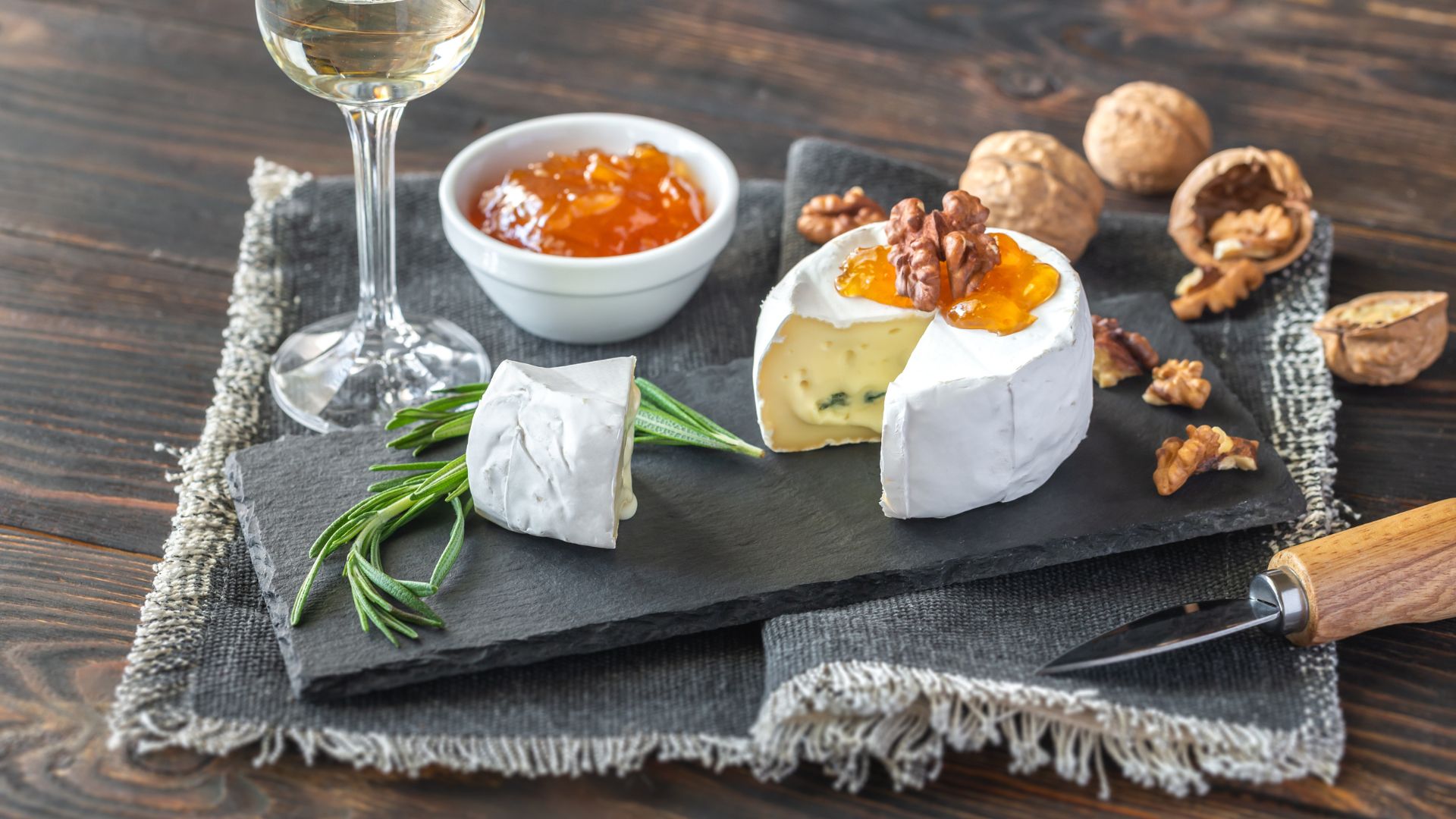
Cambozola is one of Germany’s most commercially successful and most internationally recognised cheese inventions, a remarkable hybrid that combines the creamy soft-ripened character of French Camembert with the blue veining of Italian Gorgonzola into a single uniquely German creation.
Developed in 1900 by the Champignon cheese company in Allgäu, Bavaria, Cambozola was one of the most significant German cheese innovations of the 20th century and has since been adopted enthusiastically by international markets throughout the world.
The cheese has a snow-white Penicillium camemberti mould rind encasing a pale ivory interior paste threaded with blue-green Penicillium glaucum veins that provide mild, gentle blue flavour notes without the aggressive intensity of traditional pure blue cheeses.
The flavour profile of Cambozola is deliberately approachable — creamy and buttery from the Brie-style base, gently piquant from the blue veining, and rich throughout without ever overwhelming the palate in the way that stronger blue cheeses typically do.
Cambozola varieties currently produced:
| Variety | Characteristics | Fat Content | Best Pairing |
| Cambozola Classic | Original soft-ripened blue | 70% in DM | Honey, walnuts, port |
| Cambozola Black Label | Firmer, more intense blue | 70% in DM | Red wine, pears |
| Cambozola Grand Noir | Highest blue intensity | 60% in DM | Full-bodied red wine |
| Cambozola Balance | Reduced fat version | 40% in DM | Light white wine |
Rank 11 — Obatzda: Bavaria’s Beloved Cheese Spread

Obatzda occupies a unique position in German cheese culture as a prepared cheese creation rather than a pure cheese variety, yet its cultural significance in Bavarian food life is so profound that any complete guide to German cheese must address it with full and proper attention.
This Bavarian cheese spread is made by combining ripe Camembert or Brie with butter, cream cheese, finely chopped onion, caraway seeds, sweet paprika, and a splash of beer or Weissbier into a cohesive, deeply flavoured, intensely satisfying spread.
Obatzda was granted Protected Geographical Indication status in 2015, confirming that authentic Obatzda must be produced within Bavaria and must contain a minimum of 40 percent ripe soft cheese in the finished product throughout its production.
The flavour of authentic Obatzda is bold, complex, and unmistakably Bavarian — simultaneously rich and pungent from the ripe cheese base, aromatic from the caraway and paprika, and refreshed by the slight bitterness of the beer throughout.
Traditional Obatzda serving suggestions:
- Spread generously on a freshly baked Bavarian Brezn for the single most classic presentation
- Served in a small terracotta pot alongside radishes, sliced onion, and dark bread throughout Bavaria
- Accompanied always by Weissbier or Helles lager as the essential traditional beverage pairing
- Presented on a wooden board with other Bavarian cheese varieties as part of a traditional Brotzeit platter
Rank 12 — Münster: The Alsatian-German Border Classic
Münster cheese occupies a fascinating cultural position straddling the Franco-German border in the Vosges mountain region where French Alsace and the German Black Forest meet, making it simultaneously one of Germany’s and France’s most celebrated regional cheese traditions.
The German version of Münster, produced in Baden-Württemberg’s Black Forest region, is slightly firmer and milder in character than its French Alsatian counterpart, reflecting the different milk sources and slightly different production traditions on each side of the border.
Both versions share the characteristic orange-washed rind developed through regular treatments with salt brine and sometimes Marc de Gewurztraminer, the pomace spirit of Alsace, which contributes complex aromatic notes to the rind development.
The interior paste of German Münster is smooth, ivory-coloured, and pleasantly supple with a flavour that combines earthy, savoury notes from the washed rind with a clean, milky interior sweetness that makes it genuinely appealing to a broad range of palates.
German Münster regional pairings:
- Gewurztraminer from Baden or Alsace as the most traditional and most complementary wine pairing
- Black Forest bread as the most regionally appropriate bread accompaniment throughout Baden-Württemberg
- Pinot Noir from Baden for a red wine pairing that complements the earthy rind character beautifully
- Caraway seeds scattered over the cheese as a traditional regional seasoning throughout Germany
Rank 13 — Harz Cheese: Northern Germany’s Sour Milk Tradition

Harz cheese, Harzer Käse, is one of northern Germany’s most distinctive and most regionally specific dairy products, a very low-fat sour milk cheese produced in the Harz Mountain region of central Germany that has been sustaining the local population since at least the 16th century.
Like Frankfurt’s Handkäse, Harz cheese belongs to the family of Sauermilchkäse, sour milk cheeses, produced without rennet using acid coagulation of skimmed milk, creating a cheese of very low fat content that was historically an affordable nutrition source throughout the region.
The cheese is produced in small individual rounds or cylinders that are ripened for varying periods producing dramatically different textural results from the firm, rubbery, almost squeaky young cheese to the completely soft and strongly flavoured fully ripe version.
Harz cheese carries a natural reddish-brown rind developed through the Brevibacterium linens bacteria that also ripen Limburger, contributing a pungent, savoury aroma that increases progressively with every additional week of ripening throughout the maturation period.
Traditional Harz cheese consumption styles:
| Style | Age | Texture | Flavour | Accompaniment |
| Young | 1–2 weeks | Firm, rubbery | Mild, clean | Bread and butter |
| Medium | 2–4 weeks | Semi-soft | Tangy, developing | Dark bread, onion |
| Ripe | 4–6 weeks | Soft to runny | Strong, pungent | Beer, mustard |
| Marinated | Any age | Varies | Enriched with oil | As snack with beer |
Rank 14 — Edamer: Germany’s Everyday Semi-Hard Cheese
Edamer, the German interpretation of Dutch Edam cheese, is one of the most widely produced and most consistently consumed semi-hard cheeses throughout Germany, occupying a central role in everyday German cheese eating from breakfast through to late evening snacks.
German Edamer is produced throughout North Rhine-Westphalia and other northern German dairy regions, typically in the characteristic spherical shape with its distinctive red wax coating that has made this cheese one of the most visually recognisable dairy products anywhere in the world.
The flavour of German Edamer is mild, slightly nutty, and clean with a firm, sliceable texture that makes it practical for sandwich making, cheese platters, and the innumerable everyday culinary applications that require a reliable, unpretentious, universally acceptable cheese.
German Edamer production has evolved significantly from its Dutch inspiration with German versions typically offering a higher fat content and slightly creamier texture than the original, reflecting German consumers’ preference for richer dairy products throughout the country.
Rank 15 — Frischkäse mit Kräutern: Germany’s Herb Fresh Cheese
Frischkäse mit Kräutern, fresh cheese with herbs, is perhaps the most universally present German cheese preparation in everyday food life, found in every supermarket, every Imbiss snack stand, every bakery, and every German household refrigerator throughout the entire country.
This simple preparation combines fresh cream cheese with a blend of chopped herbs typically including chives, parsley, dill, garlic, and sometimes additional flavourings such as horseradish, paprika, or caraway, creating a fresh and immediately appealing spread.
The quality difference between mass-produced supermarket versions and freshly made Frischkäse mit Kräutern from a good German dairy or delicatessen is considerable and the artisan version rewards seeking out with a much fresher, more complex, and more genuinely satisfying eating experience.
This herb fresh cheese is most traditionally spread on fresh German rye bread, served alongside radishes, cucumber, and tomato for a classic German Abendbrot, the cold evening bread meal that remains a cornerstone of daily food culture throughout Germany.
Germany’s Protected Designation Cheeses
Germany’s most important cheeses are protected under European Union geographical indication law, ensuring that only cheeses produced within specific regions using defined traditional methods may carry their protected names throughout European and international markets.
German PDO and PGI protected cheeses:
| Cheese | Protection Type | Region | Key Requirement |
| Allgäuer Emmental | PDO | Allgäu, Bavaria | Raw milk, min 3 months aged |
| Allgäuer Bergkäse | PDO | Allgäu, Bavaria | Raw milk, Alpine milk only |
| Obatzda | PGI | Bavaria | Min 40% ripe soft cheese |
| Algäu Sennalpe cheese | PDO | Allgäu, Bavaria | Alpine summer milk only |
| Tettnanger Hopfen cheese | PGI | Lake Constance | Hop-washed rind |
| Odenwälder Frühstückskäse | PDO | Odenwald, Hessen | Traditional sour milk method |
German Cheese and Food Pairings
Understanding how to pair German cheese with food, wine, and beer transforms a simple cheese experience into a genuinely sophisticated culinary occasion that reflects the depth and diversity of Germany’s remarkable dairy heritage throughout the country.
Essential German cheese and wine pairings:
| Cheese | Wine Style | Specific Recommendation |
| Allgäuer Emmental | White, full-bodied | Spätburgunder Weissherbst |
| Allgäuer Bergkäse | White, aromatic | Alsatian Riesling or Gewurztraminer |
| Limburger | Red, robust | Dornfelder or Spätburgunder |
| Butterkäse | White, light | Mosel Riesling Kabinett |
| Cambozola | Sweet white or port | Trockenbeerenauslese or vintage port |
| Tilsiter | White, medium | Baden Grauburgunder |
| Handkäse | Cider | Frankfurt Apfelwein exclusively |
| Weisslacker | Beer | Bavarian Helles or Märzen |
German cheese and beer pairings:
| Cheese | Beer Style | Why It Works |
| Weisslacker | Bavarian Helles | Crisp malt cuts through the saltiness |
| Limburger | Dunkel | Roasted malt complements the pungency |
| Butterkäse | Weissbier | Fruity esters echo the creamy butter notes |
| Bergkäse | Märzen | Rich amber malt matches the Alpine earthiness |
| Handkäse | Apfelwein | The only pairing Frankfurt will accept |
| Romadur | Franconian Kellerbier | Unfiltered freshness suits the mild pungency |
Buying and Storing German Cheese
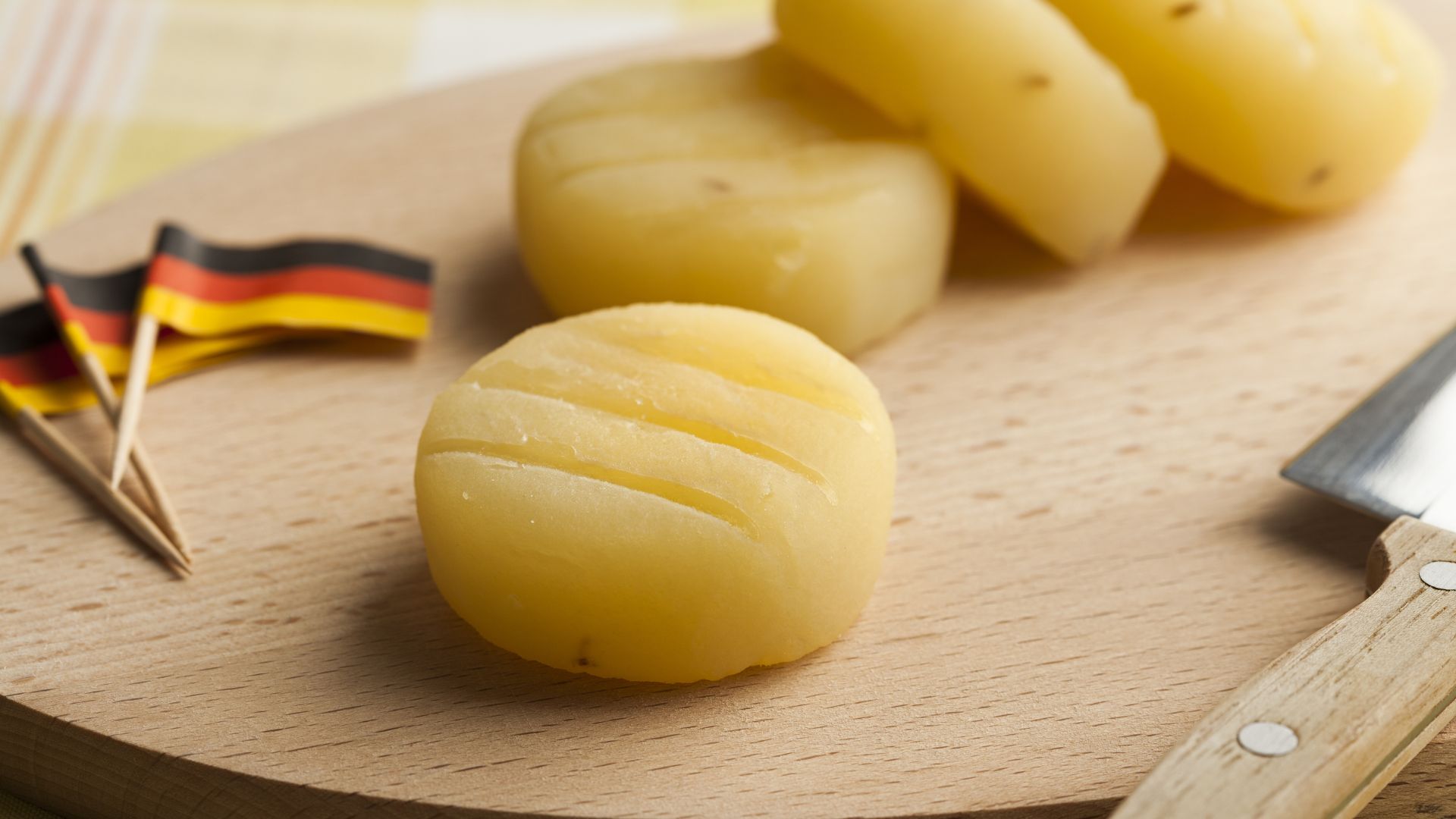
Buying German cheese correctly and storing it properly at home ensures the very best possible eating experience from every variety and protects the significant investment that quality German cheese represents throughout the purchasing process.
Good German cheese should always be purchased from a specialist cheese shop, a quality delicatessen, or a market vendor who stores their cheese correctly at the right temperature, cuts to order, and can provide knowledgeable guidance on ripeness and pairing.
Never purchase pre-sliced packaged cheese in modified atmosphere packaging when a freshly cut alternative is available. The flavour difference between freshly cut and pre-packaged cheese is immediate, dramatic, and consistently in favour of the freshly cut option throughout.
German cheese storage guidelines:
| Cheese Type | Ideal Temperature | Storage Method | Maximum Duration |
| Fresh cheese | 4–6°C | Sealed container | 5–7 days |
| Soft cheese | 8–10°C | Original wrapping | 1–2 weeks |
| Semi-soft | 8–10°C | Wax paper wrap | 2–3 weeks |
| Hard cheese | 10–12°C | Wax paper, not plastic | 4–8 weeks |
| Extra hard | 12–14°C | Cloth wrap or wax | 3–6 months |
Where to Buy the Best German Cheese
The finest German cheeses are not found in supermarkets but in the dedicated cheese shops, covered food markets, and farm-direct operations that preserve the artisan production traditions that make German dairy culture genuinely extraordinary throughout the country.
The best German cheese shopping destinations:
| Venue Type | Best Examples | What to Expect |
| Covered market | Munich Viktualienmarkt | Full range of Bavarian regional cheeses |
| Cheese specialist | Rücker, Berlin | Curated selection of German and European varieties |
| Farm shop | Allgäu dairy farms | Direct purchase of Bergkäse and Emmental |
| Department store | KaDeWe food hall, Berlin | Premium selection with knowledgeable staff |
| Christmas market | Nuremberg, Munich | Seasonal regional specialities throughout December |
| Weekly market | Any German city | Local producers selling direct to consumers |
The Munich Viktualienmarkt remains the single finest destination for exploring the full breadth of Bavarian cheese culture in one visit, with specialist vendors selling everything from young Quark to aged Alpine Bergkäse throughout the week.
Frequently Asked Questions
What is the most popular cheese in Germany? Gouda-style cheese is the most purchased cheese by volume in Germany, though Butterkäse and Edamer follow closely as everyday favourites. Among artisan and regional varieties, Allgäuer Bergkäse and Allgäuer Emmental command the greatest respect and the most passionate following throughout Germany.
Is German cheese similar to Swiss cheese? Allgäuer Emmental and Allgäuer Bergkäse share clear stylistic connections with their Swiss counterparts due to the shared Alpine environment and the historical movement of Swiss cheesemaking knowledge into the German Allgäu region during the medieval period throughout those mountain communities.
Which German cheese is best for melting? Butterkäse is Germany’s finest melting cheese for everyday cooking applications due to its high fat content and smooth, even melt without separation. Allgäuer Emmental melts beautifully for gratins and fondues while Cambozola creates an outstanding and unusual blue-enriched cream sauce throughout cooking.
Where is the best region in Germany for cheese tourism? The Allgäu region of Bavaria between Kempten and Oberstdorf is Germany’s undisputed cheese heartland, offering farm visits, dairy tours, Alpine hut experiences, and direct cheese purchases from producers throughout the summer and autumn seasons that reward every interested visitor.
Key Takeaways from Germany’s Cheese Guide
Germany’s cheese heritage is one of Europe’s most richly diverse and most thoroughly underappreciated culinary traditions, encompassing Alpine giants, pungent washed-rind specialities, delicate fresh cheeses, and everything in between throughout this extraordinary country.
The adventurous cheese lover who ventures beyond Germany’s familiar Butterkäse and Emmental into the pungent world of Limburger, the tangy universe of Handkäse, and the Alpine complexity of aged Bergkäse discovers a dairy culture of genuinely extraordinary depth.
Every German cheese variety carries within it the story of its region — the Alpine meadows of Bavaria, the volcanic mountains of Hessen, the coastal plains of northern Germany — expressed through flavour, texture, and aroma in ways that no other food quite achieves.
Explore German cheese with curiosity, with an open palate, and with the understanding that this is a tradition built over centuries of honest craftsmanship and genuine passion for dairy excellence that fully deserves its place among Europe’s greatest cheese cultures.
Hi, I’m Preeti Negi, a content writer who loves mixing creativity with smart strategy.
I have 3 years of experience writing about travel, digital marketing, and study abroad topics. I create content that is easy to read, engaging, and designed to connect with people while also performing well on Google.
When I’m not writing, I enjoy exploring new trends, learning new things, and thinking about fresh ideas for my next piece.
