

December transforms Germany into a magical Christmas destination. Weihnachtsmarkt squares glow with lights, aromas, and festive joy. Medieval towns and cathedrals create a warm, enchanting winter atmosphere across the country.
The season reflects deep traditions like Dresden Stollen, Nuremberg Lebkuchen, Cologne celebrations, and Munich’s Bavarian charm. Each region adds cultural richness, making December a diverse and authentic Christmas experience throughout Germany.
Though peak tourist season, December feels genuine and lived-in. Germans celebrate with warmth and tradition. Markets, food, and winter landscapes combine to create an immersive, joyful, and unforgettable cultural experience across the country.
Please note that this article contains affiliate links. Learn more about it on our Disclosure page. We use ads to support our small business – we hope you don’t mind them too much.
Germany in December: Essential Overview
December in Germany transforms the country into a glowing winter landscape. Christmas markets light up city squares, snow or frost adds charm, and festive energy fills the air with warmth and celebration.
The month is defined by Advent traditions, seasonal foods, and cultural gatherings. From historic towns to modern cities, Germany offers a deeply immersive Christmas atmosphere that blends tradition, community, and winter beauty.
December at a glance:
| Factor | Detail | Notes |
| Average temperature | 0°C to 6°C | Cold and increasingly wintry |
| Weather character | Cold, grey, possible snow | Classic German winter |
| Daylight hours | 7–8 hours | Year’s shortest days |
| Tourist crowds | High — Christmas market peak | Markets busy throughout |
| Hotel prices | Annual high outside January | Book months ahead |
| Christmas markets | Full operation until 24 December | Germany’s greatest attraction |
| Christmas Eve | 24 December — Heiligabend | Most important German day |
| Christmas Day | 25 December — first Feiertag | Public holiday |
| Boxing Day | 26 December — second Feiertag | Public holiday |
| New Year’s Eve | 31 December — Silvester | Spectacular fireworks |
Germany December Weather: Winter in Full Effect
December in Germany brings full winter conditions, with cold temperatures, frosty mornings, and frequent snow in many regions. The air feels crisp, and short daylight hours create a quiet, wintry atmosphere across cities and countryside.
Weather patterns vary from light snowfall to chilly rain and fog, depending on the region. Despite the cold, the season enhances the festive mood, making Christmas markets and winter activities feel even more magical and atmospheric.
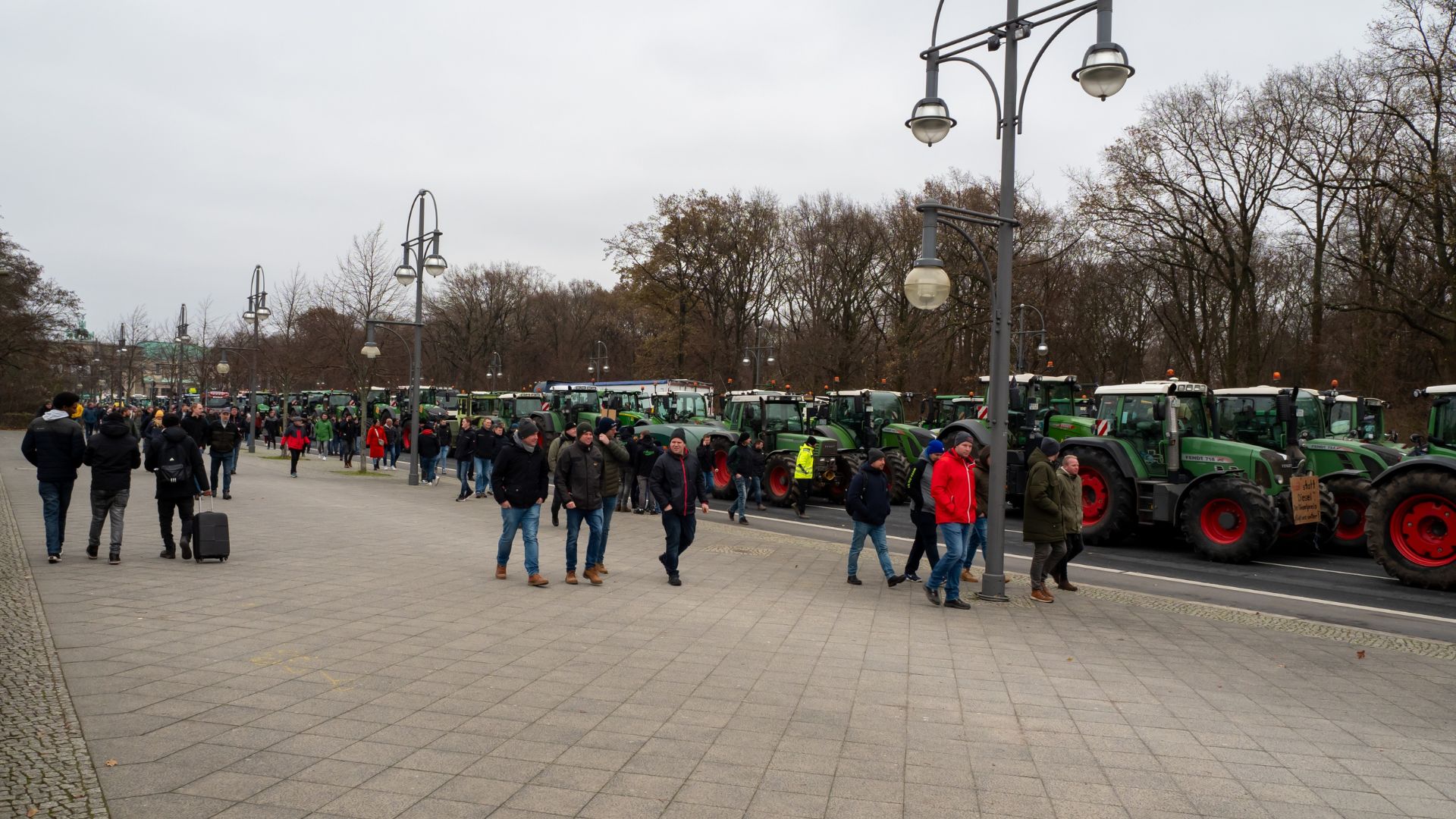
What German December Actually Delivers
December in Germany delivers full winter charm, with glowing Christmas markets, festive traditions, cold crisp weather, and a deeply atmospheric blend of culture, food, and seasonal celebration across cities and towns.
The month offers rich experiences like Advent markets, winter cuisine, and cultural events. Snow, lights, and tradition combine to create a magical, immersive, and unforgettable end-of-year travel experience throughout Germany.
Germany’s December Climate Overview
December delivers Germany’s most genuinely wintry weather, with the combination of short daylight hours reaching their minimum around the winter solstice on 21 December, cold temperatures that regularly drop below freezing overnight, and the possibility of snow creating conditions of genuine winter character throughout the month.
The average December temperatures of 0°C to 6°C across Germany represent genuinely cold conditions that require proper winter clothing throughout any outdoor activity, with the Christmas market culture’s specific combination of outdoor standing and mulled wine consumption requiring warmth that visitors from milder climates sometimes underestimate throughout the market visits.
The winter solstice on approximately 21 December delivers Germany’s shortest day, with only seven to eight hours of daylight throughout the country creating conditions where the Christmas market culture’s specific use of artificial light — the thousands of market candles, the decorative illuminations, and the warm glow of the market stalls — takes on particular significance against the extended December darkness.
Snow in December is possible throughout Germany but not guaranteed, with Munich and Bavaria having higher snow probability than the milder Rhine valley and Hamburg, while the Black Forest and Bavarian Alps provide the most reliable winter snow conditions throughout the Christmas season.
Regional December Temperature Guide:
| Region | Average High | Average Low | Snow Probability | Christmas Character |
| Munich | 4°C | -2°C | Moderate | Most Bavarian — ideal |
| Berlin | 3°C | -1°C | Moderate | Historic — atmospheric |
| Hamburg | 5°C | 1°C | Low | Maritime mild |
| Frankfurt | 5°C | 0°C | Low-moderate | Modern market city |
| Cologne | 6°C | 1°C | Low | Rhineland — six markets |
| Dresden | 4°C | -1°C | Moderate | Saxon tradition |
| Nuremberg | 3°C | -2°C | Moderate-higher | Most traditional |
| Freiburg | 6°C | 0°C | Low | Mild — cathedral market |
| Heidelberg | 5°C | 0°C | Low | Castle backdrop |
| Bavarian Alps | -1°C | -7°C | High | White Christmas likely |
The Dream of a White Christmas
Germany’s Weiße Weihnacht — white Christmas — is one of the country’s most deeply embedded seasonal dreams, with the cultural expectation of snow at Christmas driving genuine excitement when the forecast suggests possible snowfall throughout the pre-Christmas period.
The Bavarian Alps and the higher elevations of the Black Forest and Harz Mountains reliably deliver white Christmas conditions, making them the country’s most sought-after destinations for visitors specifically seeking snow throughout the Christmas celebration.
Munich experiences snow at Christmas in approximately one in three years, creating a particular local excitement when snowfall occurs and the combination of the city’s Christmas market culture and white-covered streets delivers the complete German Christmas picture that the Weihnachtsmarkt tradition promises throughout the visual imagination.
What to Pack for German December:
| Category | Essential Items | Notes |
| Main coat | Heavy winter coat — waterproof | Core requirement — no compromise |
| Insulation | Thermal underlayers — top and bottom | Essential for market standing |
| Head | Warm hat covering ears | Most important single item |
| Hands | Warm winter gloves | Cannot hold Glühwein without |
| Feet | Waterproof insulated boots | Cold ground at markets |
| Neck | Thick wool scarf | Wind protection critical |
| Indoor | Light layers — buildings extremely warm | German heating very generous |
| Smart winter | Warm smart outfit for Christmas events | Opera, concerts, Christmas dinner |
| Waterproof layer | Over main coat if needed | Rain possible throughout |
Germany’s Greatest Christmas Markets: Complete Guide
Germany’s greatest Christmas markets in Germany transform cities and towns into glowing winter wonderlands, where wooden stalls, festive lights, and seasonal aromas create an unforgettable holiday atmosphere across December.
From historic markets in Nuremberg and Dresden to larger city celebrations in Munich and Cologne, each destination offers unique traditions, regional foods, handcrafted gifts, and a warm sense of community during the festive season.
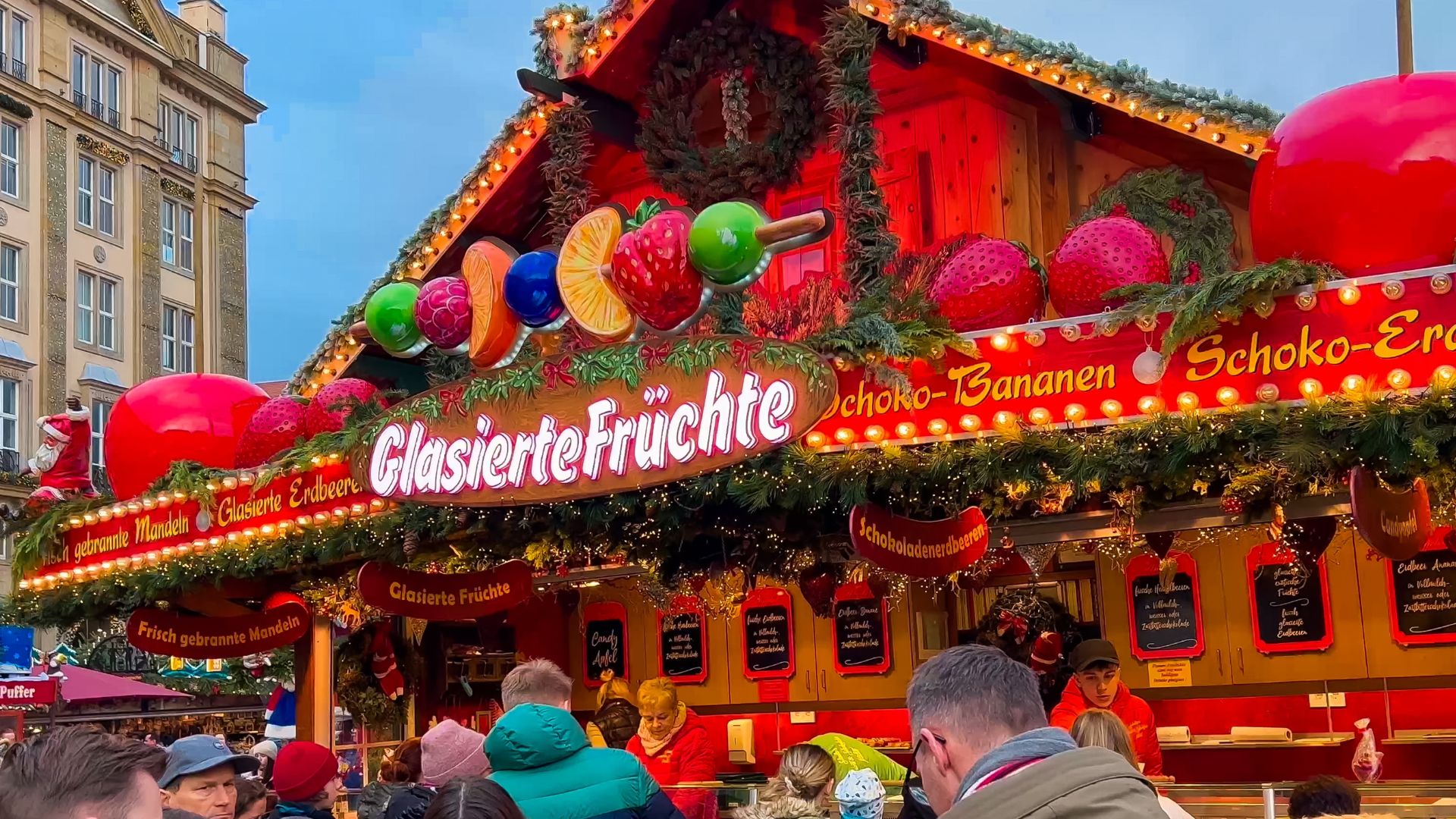
Every Major Market in Full Detail
Every major Christmas market in Germany offers its own unique character, from historic squares glowing with lights to bustling stalls filled with handcrafted gifts, festive food, and seasonal traditions.
Cities like Nuremberg, Dresden, Munich, and Cologne showcase distinct regional styles, combining local culture, music, and winter specialties to create immersive and memorable holiday experiences across the country.
The Magic of the German Christmas Market
The German Weihnachtsmarkt is one of the world’s genuinely irreplaceable seasonal experiences, a tradition of several centuries that continues to provide authentic festive magic in a way that commercial imitations throughout the world cannot replicate, because the German market is embedded in a genuine cultural tradition of community gathering rather than purely tourist entertainment.
The specific combination of elements that makes the German Christmas market so extraordinary — the medieval square setting, the handcrafted wooden stalls, the warm glow of the candles against the winter darkness, the smell of Glühwein and cinnamon, the sound of brass band music and children’s chatter — creates a multi-sensory experience of remarkable cumulative power throughout any visit.
The market culture rewards slow exploration and genuine engagement rather than rapid tourist transit, with the finest experiences coming from standing at a Glühwein stall in genuine conversation, watching the craftspeople work, and absorbing the specific character of each market’s food and craft offering throughout the unhurried visit.
Cologne’s Six Christmas Markets
Cologne operates six simultaneous Christmas markets, each with its own distinct character and location, creating the most comprehensively festive urban Christmas experience available in any German city throughout the Advent season.
The Cologne Cathedral market — directly beneath the magnificent Gothic twin spires — is the city’s most dramatic and most visited, with the combination of the cathedral backdrop, the Rhine waterfront nearby, and the enormous market scale creating an experience of considerable grandeur throughout any evening visit.
The historic market at Alter Markt carries the strongest sense of traditional Cologne Christmas culture, with the Kölsch beer and Reibekuchen potato pancakes alongside the Glühwein providing a specifically Rhineland culinary character throughout the authentic old town location.
Cologne Christmas markets guide:
| Market | Location | Character | Special Feature |
| Dom/Cathedral | Roncalliplatz | Most dramatic | Cathedral backdrop |
| Alter Markt | Old town square | Most traditional | Kölsch beer culture |
| Neumarkt | Shopping district | Largest | Angel figures — Heinzelmanns |
| Rudolfplatz | Gay market — Rudolf | Rainbow Christmas | Most inclusive |
| Heumarkt | Near Old Town | Ice rink | Skating throughout |
| Harbour market | Rheinauhafen | Modern setting | Design focus |
The Nuremberg Christkindlesmarkt — Germany’s Most Famous
The Nuremberg Christkindlesmarkt is unquestionably Germany’s most internationally celebrated Christmas market, a tradition maintained since 1628 in the medieval Hauptmarkt square that attracts two million visitors throughout its four-week operation and sets the global standard for authentic German Christmas market culture.
The market’s 180 tightly regulated stalls create a visual uniformity of distinctive red and white striped canvas roofs that provides an immediately recognisable aesthetic, with the specific Nuremberg craft and food traditions — the hand-blown glass ornaments, the Elisen-Lebkuchen gingerbread, the six-Rostbratwurst portions, and the Zwetschgenmännle prune figure toys — distinguishing it from every other German market throughout the authentic character.
The Christkind — the elected young woman who opens the market annually with the Prologue speech from the Frauenkirche balcony — provides the market’s most specifically Nuremberg theatrical element, with the golden-haired angelic figure appearing at official market events throughout the season in a tradition maintained since the nineteenth century.
Nuremberg Christkindlesmarkt December guide:
| Detail | Information | Notes |
| Location | Hauptmarkt — medieval square | City centre — walking distance |
| Opening ceremony | Friday before first Advent | 17:30 — Christkind speaks |
| Duration | Four weeks until 24 December | Check specific year dates |
| Best visiting time | Weekday 10:00-12:00 | Fewest crowds |
| Worst visiting time | Saturday afternoon peak | Up to 600,000 visitors |
| Must try | Elisen-Lebkuchen and Rostbratwurst | Authentic Nuremberg |
| Must see | Christkind appearance | Check schedule |
| Glühwein mug | Distinctive red Nuremberg design | Collector quality |
| Transport | Train to Nuremberg Hbf then walk | 15 minutes from station |
Dresden Striezelmarkt — Germany’s Oldest
The Dresden Striezelmarkt holds the distinction of being Germany’s oldest Christmas market, with its first documented reference dating to 1434 and its continuous operation since that medieval beginning creating a tradition of remarkable historical depth throughout the Saxon capital.
The market’s most spectacular element is the ceremonial Stollen — a three-tonne fruit bread paraded through the market on the second Advent Saturday by the Stollenmädchen in historical costume — representing the most theatrical celebration of Dresden’s most famous food product throughout the annual market calendar.
The Striezelmarkt’s positioning in the historic Altmarkt square surrounded by Dresden’s baroque architecture creates one of Germany’s most visually impressive market settings, with the combination of the historical buildings and the traditional market producing an atmosphere of genuine historical depth throughout any December visit.
Munich Christkindlmarkt — Bavarian Christmas Perfection
Munich’s Christkindlmarkt on the Marienplatz occupies one of Germany’s finest historic squares directly beneath the Neues Rathaus and its famous Glockenspiel, creating a market setting of considerable grandeur that combines with the specifically Bavarian Christmas food and craft culture to produce a uniquely Munich market experience.
The Munich market’s particular strengths are the outstanding quality of the Bavarian food — Steckerlfisch grilled fish, Dampfnudeln warm sweet buns, and the full range of Bavarian Christmas baking — alongside the traditional craftwork of the Alpine region that distinguishes it from the north German market equivalents throughout the comparative experience.
The surrounding markets in Munich’s other squares — the Schwabing market, the medieval Mittelaltermarkt, and the several specialist markets throughout the city — provide the opportunity for a comprehensive Munich Christmas market exploration that extends well beyond the central Marienplatz location throughout any extended Munich December visit.
Hamburg Christmas Markets — Maritime Magic
Hamburg’s Christmas markets combine the city’s specific maritime character with the universal German Christmas market tradition, producing markets of considerable charm in locations ranging from the inner Alster lake waterfront through the historic Rathausmarkt to the atmospheric Fleetinsel canal island setting.
The Hamburg Rathausmarkt market — directly in front of the magnificent Neo-Renaissance Rathaus — provides the city’s grandest market setting, with the illuminated Rathaus facade creating one of Germany’s most visually impressive Christmas market backdrops throughout the evening hours.
The Fleetinsel market’s canal setting — with market stalls on a narrow island between Hamburg’s historic canals — provides the most distinctively Hamburg Christmas market experience, combining the city’s specific waterway character with the warmth of the market culture throughout any atmospheric December evening.
Germany’s finest Christmas markets comparison:
| Market | City | Setting | Best For | Crowds |
| Christkindlesmarkt | Nuremberg | Medieval Hauptmarkt | Authenticity | Very high |
| Striezelmarkt | Dresden | Altmarkt baroque | History — oldest | High |
| Christkindlmarkt | Munich | Marienplatz | Bavarian character | Very high |
| Cathedral market | Cologne | Cathedral square | Drama and scale | Extreme |
| Rathausmarkt | Hamburg | Neo-Renaissance Rathaus | Maritime Christmas | High |
| Römerberg market | Frankfurt | Medieval square | Historic character | Very high |
| Schlossplatz market | Stuttgart | Palace square | Scale and variety | High |
| Marktplatz | Heidelberg | Castle backdrop | Most romantic | Moderate |
| Münstermarkt | Freiburg | Cathedral square | Intimate and quality | Moderate |
| Gendarmenmarkt | Berlin | Classical square | Most elegant | Very high |
Christmas Market Strategy: How to Experience Them at Their Finest
Experiencing Christmas markets in Germany is best with smart timing. Visit weekdays. Go early or late. Crowds are lighter. The atmosphere feels calmer, more authentic, and deeply festive throughout the evening hours.
Plan regional routes across multiple cities and towns. Try local food slowly. Include smaller markets with famous ones. This balance creates a richer experience, showing the true depth of Germany’s Christmas tradition.
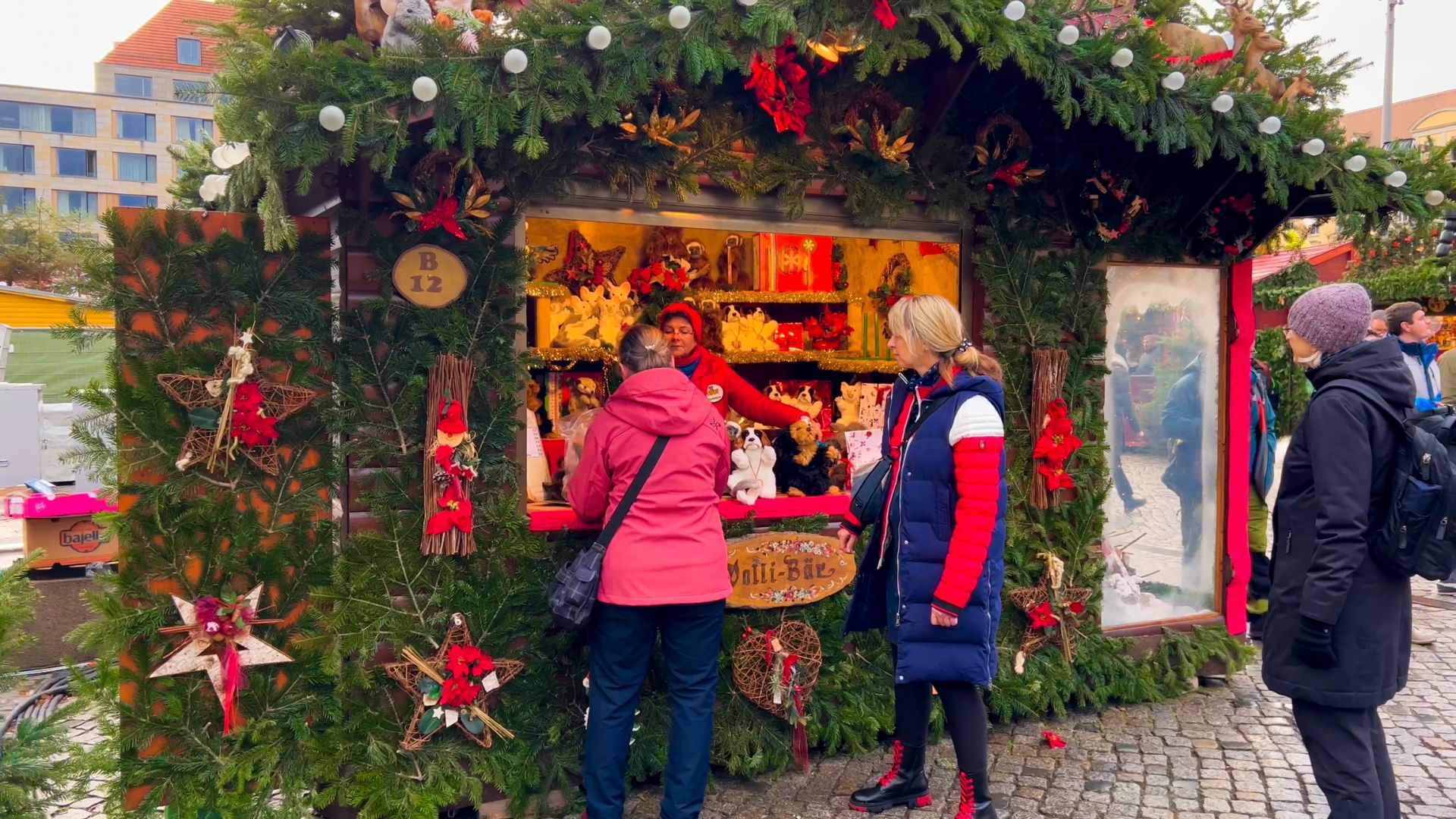
The Expert Approach to German Christmas Markets
The expert approach to Christmas markets in Germany is about smart timing, visiting on weekdays, and choosing early or late hours to enjoy calmer crowds and a more authentic festive atmosphere.
Experienced travelers explore multiple regions, combining famous markets with smaller towns. They move slowly, sample seasonal food thoughtfully, and focus on depth over speed, creating a richer and more meaningful Christmas experience.
Timing Strategy
The single most impactful Christmas market strategy is visiting on weekday mornings between 10:00 and 13:00, when the combination of working day visitor absence and the overnight stock replenishment creates genuinely manageable crowd conditions at markets that are authentically overwhelming throughout Saturday afternoons.
The first two weeks of the market season — immediately following the first Advent Sunday opening — provide better conditions than the final pre-Christmas week, with the combination of opening freshness and relatively lower initial crowd volumes creating the finest balance of atmosphere and accessibility throughout the early market period.
The final two days before Christmas Eve see specific markets including Nuremberg and Dresden operating with extraordinary atmospheric intensity as traders prepare for the last sales day, creating an emotionally charged atmosphere of genuine festive urgency that early-season visits cannot replicate throughout the closing market period.
The Glühwein Mug Strategy
Every major German Christmas market produces its own distinctive Glühwein mug — a ceramic or glass vessel with the market’s specific design — that customers pay a deposit to use and can either return for deposit refund or keep as a souvenir throughout the market visit.
Collecting distinctive Glühwein mugs from multiple German Christmas markets has become one of Germany’s most widespread Christmas market souvenirs traditions, with the specific mug designs of Nuremberg, Dresden, Munich, and Cologne providing genuinely attractive and genuinely portable memento of the Christmas market experience throughout any collecting strategy.
The mug collection strategy — visiting multiple markets across multiple December days to build a collection of distinctive ceramics — provides both a practical souvenir focus and a genuine reason to explore multiple markets throughout any extended German December visit.
Multi-Market Strategy for Extended December Visits
Visitors spending multiple December days in Germany should plan a deliberate multi-market itinerary that combines the most famous markets with the genuinely outstanding smaller markets that provide authentic experiences without the overwhelming crowds of the most famous equivalents throughout the market calendar.
The combination of Nuremberg for the most authentic and most famous, Regensburg for the most intimate in a UNESCO World Heritage setting, Rothenburg ob der Tauber for the most atmospheric medieval backdrop, and a Bavarian village market for the most genuinely local experience creates a December Germany market itinerary of outstanding variety and outstanding quality throughout the multi-market strategy.
Christmas Eve in Germany: Heiligabend
Christmas Eve in Germany, known as Heiligabend, is the most important moment of the Christmas season. Families gather in warm homes, exchange gifts, and share a quiet festive meal.
The day is calm and deeply traditional, with churches holding services and towns settling into a peaceful winter atmosphere. It marks the heart of Christmas celebrations, filled with warmth, reflection, and togetherness.

The Most Important Night in the German Christmas Calendar
Heiligabend — Christmas Eve on 24 December — is the most important and most emotionally significant evening in the German Christmas calendar, the night when the German Christmas tradition reaches its annual climax with family gathering, gift giving, and for many families the church service that provides the spiritual heart of the celebration throughout the evening.
The German tradition of opening Christmas gifts on Christmas Eve rather than Christmas morning distinguishes German Christmas culture from the British and American equivalents, with the ritual of the gift giving — traditionally preceded by the Christkind’s ceremonial delivery in some family traditions — creating the specific emotional character of the German Christmas climax throughout the evening.
German cities and towns are almost entirely closed on Christmas Eve from early afternoon, with shops shutting by 14:00 in most cases and the streets gradually emptying as families gather for the Heiligabend meal and celebration throughout the quiet evening.
The Christmas Eve atmosphere in German cities is one of the most specifically beautiful and most specifically German experiences available throughout any December visit, with the combination of empty streets, illuminated windows revealing family gatherings within, and the sounds of Christmas music and church bells creating an atmosphere of genuine and profound festive peace throughout the sacred evening.
Heiligabend traditions:
| Tradition | Description | Region | Timing |
| Bescherung | Gift giving ceremony | Throughout Germany | After dinner |
| Christmette | Midnight church service | Catholic regions | Midnight |
| Karpfen | Christmas carp meal | Bavaria, Saxony | Christmas Eve dinner |
| Kartoffelsalat | Potato salad and sausages | Protestant tradition | Christmas Eve dinner |
| Christmas tree | First illumination on Eve | Throughout Germany | Before Bescherung |
| Stille Nacht | Silent Night singing | Throughout Germany | During celebration |
| Christkind | Gift-bringing figure | Bavaria especially | Christmas Eve arrival |
Christmas Day and Boxing Day in Germany
Christmas Day and Boxing Day in Germany continue the quiet festive atmosphere after Heiligabend, with families spending time together, enjoying traditional meals, and relaxing in a peaceful winter setting.
The days are calm and reflective, with closed shops, quiet streets, and a focus on rest and togetherness. They complete the Christmas season with warmth, tradition, and a gentle holiday spirit across the country.
The Two Christmas Feiertage
Germany observes two Christmas public holidays — Erster Weihnachtstag on 25 December and Zweiter Weihnachtstag on 26 December — creating a four-day Christmas holiday period from Christmas Eve through Boxing Day that provides the extended family celebration time that German Christmas culture traditionally requires.
Christmas Day lunch — the primary celebratory meal of the German Christmas — centres on the Weihnachtsgans roast goose with red cabbage and dumplings, or alternatively the Sauerbraten marinated beef roast or the Wildgerichtroast venison depending on regional tradition and family preference throughout the festive meal.
The Zweiter Weihnachtstag — second Christmas Day on 26 December — has a more relaxed character than the first, with families visiting extended relatives, taking winter walks in the frost-covered landscape, and continuing the consumption of Christmas sweets and Stollen throughout the second holiday day.
Many German Christmas markets reopen on 27 December after the Christmas Day closure, providing a post-Christmas market experience of genuinely different atmosphere — quieter, more reflective, and free from the pre-Christmas commercial pressure — that some visitors find even more rewarding than the pre-Christmas peak throughout the post-holiday market days.
Silvester: German New Year’s Eve
Silvester in Germany marks New Year’s Eve with vibrant celebrations, fireworks, and lively gatherings across cities and towns. Streets fill with energy as people welcome the coming year together.
The night blends tradition and excitement, with home parties, public events, and midnight fireworks. It creates a festive, high-energy atmosphere, making Silvester one of the most joyful and anticipated nights of the year.
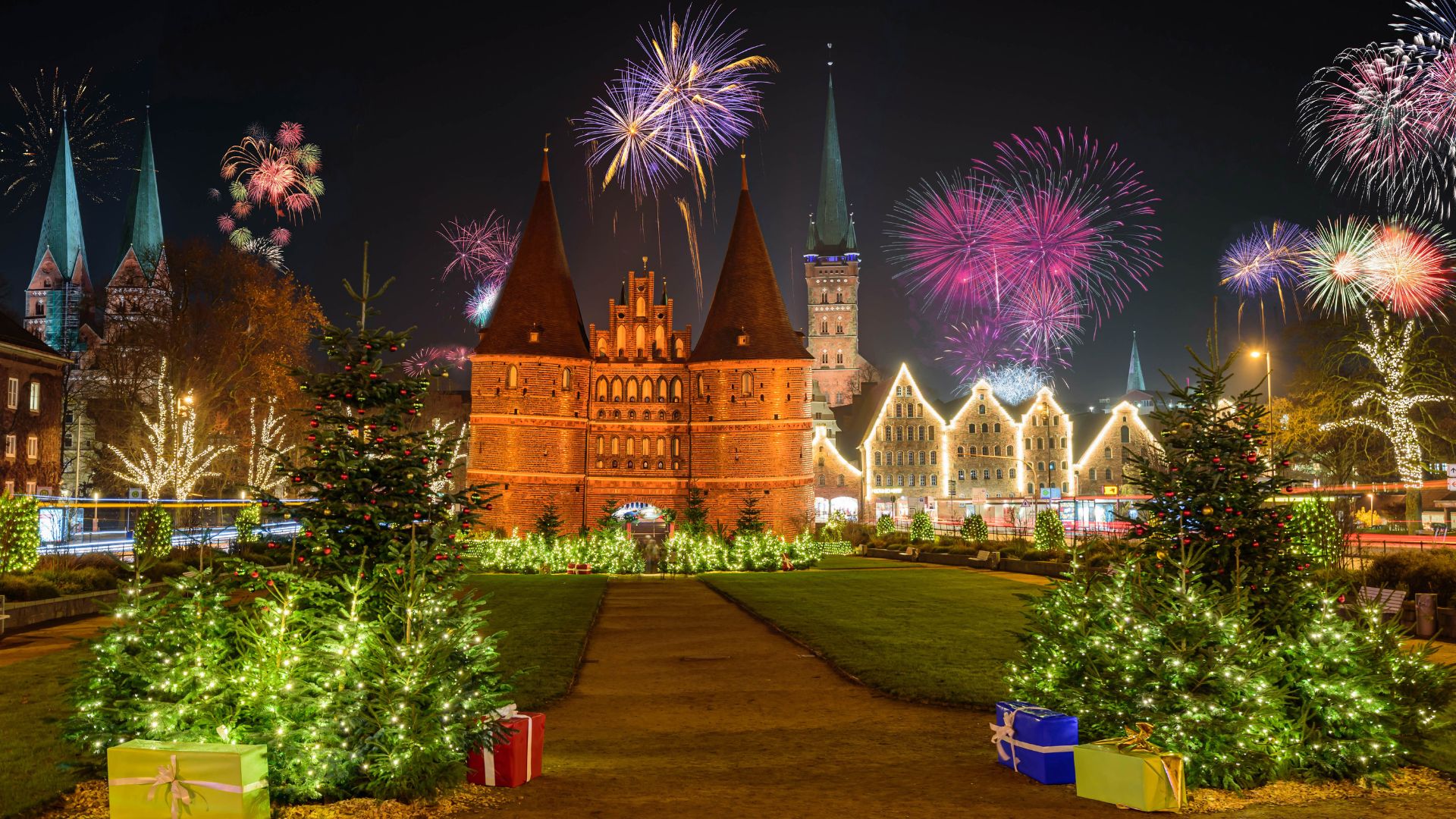
Germany’s Most Spectacular Night
Silvester — German New Year’s Eve on 31 December — is one of Germany’s most spectacular annual celebrations, with the country’s distinctive tradition of spectacular amateur firework displays creating a genuinely extraordinary midnight spectacle throughout every German city and town simultaneously.
The German Silvester firework tradition is unique in the scale and intensity of civilian firework use, with the entire German population apparently purchasing and deploying fireworks simultaneously at midnight in a display of extraordinary collective pyrotechnic enthusiasm that creates the most spectacular amateur firework show available anywhere in the world throughout the midnight moment.
Berlin’s Brandenburg Gate New Year celebration is Germany’s most internationally famous Silvester event, with the open-air party on the Straße des 17. Juni attracting approximately one million revellers to celebrate around the iconic gate with live music, communal festivity, and the spectacular midnight fireworks throughout the capital’s greatest annual celebration.
Munich’s Silvester celebrations range from the outdoor gathering at the Marienplatz with its spectacular firework backdrop to the elegant private ball events and hotel celebrations throughout the city, with the combination of the midnight fireworks visible from any elevated Munich position and the warm beer hall tradition providing multiple New Year celebration options throughout the Bavarian capital.
German Silvester practical guide:
| City | Main Location | Character | Transport |
| Berlin | Brandenburg Gate | Biggest — one million people | U-Bahn until late |
| Munich | Marienplatz | Bavarian — combined indoor/outdoor | S-Bahn extended |
| Hamburg | Inner Alster — Jungfernstieg | Harbour fireworks | HVV extended |
| Cologne | Cathedral area | Rhine fireworks | KVB extended |
| Frankfurt | Römerberg | City fireworks | RMV extended |
| Dresden | Elbe riverside | Baroque city backdrop | DVB extended |
December Food Culture: The Pinnacle of German Christmas Baking
December in Germany represents the peak of Christmas baking culture, where homes, bakeries, and markets fill with rich aromas of traditional seasonal treats and festive sweets.
From Stollen and Lebkuchen to butter cookies and spiced cakes, baking has become a central tradition. Families prepare recipes together, creating a warm, festive food culture that defines the heart of the German Christmas season.
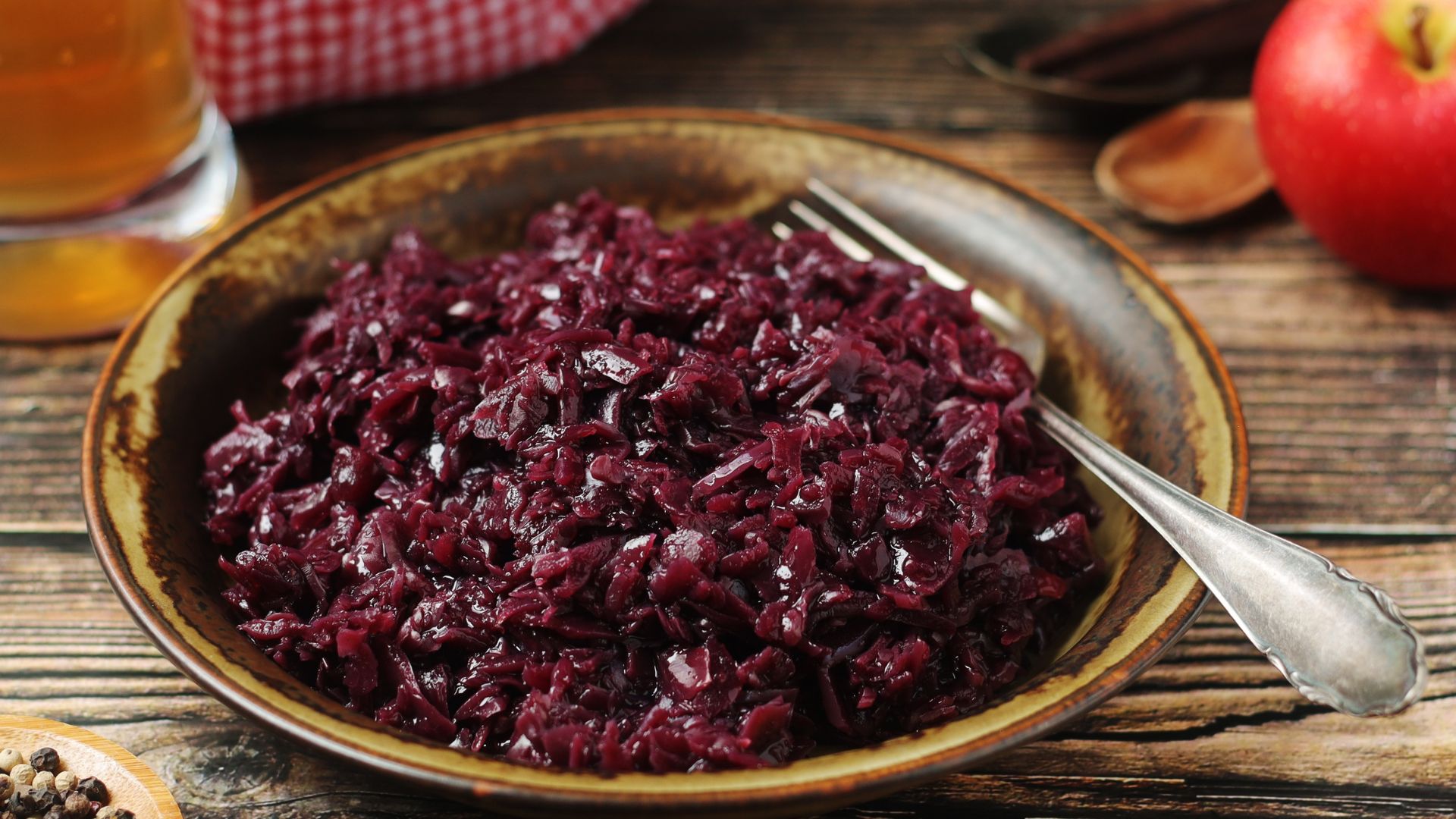
Germany’s Christmas Table at Its Most Magnificent
December’s German food culture represents the absolute pinnacle of the country’s seasonal culinary tradition, combining the extraordinary Weihnachtsbäckerei Christmas baking heritage with the magnificent Christmas dinner tradition and the specific market foods that make the German Christmas food experience genuinely irreplaceable throughout the festive month.
Christmas Baking — Weihnachtsbäckerei
The German Christmas baking tradition produces the most varied and most technically accomplished range of seasonal baked goods of any European country, with the Zimtsterne, Vanillekipferl, Lebkuchen, Spekulatius, and dozens of regional Plätzchen varieties filling German homes with the specific aromas that define the German Christmas experience throughout the baking season.
The communal baking of Christmas cookies — typically on the first and second Advent weekends with extended family participation — is one of Germany’s most cherished domestic traditions, producing both the cookies and the irreplaceable experience of multi-generational shared work throughout the Advent preparation.
Stollen — The King of Christmas Breads
The Dresdner Stollen is Germany’s most celebrated Christmas baked good, a densely enriched fruit bread containing rum-soaked fruits, marzipan, warming spices, and high-quality butter beneath an extraordinary quantity of powdered sugar that provides both preservation and the cake’s most distinctive visual appearance throughout the season.
The protected geographical indication ensures that only Stollen produced in Dresden by registered bakers can carry the Dresdner Christstollen name, which guarantees a quality dramatically superior to the generic supermarket Stollen, making the purchase of an authentic Dresden Stollen one of December Germany’s most worthwhile food investments throughout the festive season.
The tradition of purchasing Stollen in late November or early December and aging it for two to four weeks before Christmas — allowing the flavours to develop and integrate throughout the maturation period — represents the optimal Stollen eating strategy and one that genuinely rewards the patient approach throughout the December countdown.
December food and drink highlights:
| Item | Type | December Status | Notes |
| Dresdner Stollen | Christmas fruit bread | Peak season — buy early | Age for 2–4 weeks |
| Elisen-Lebkuchen | Premium Nuremberg gingerbread | Full season | Best at Nuremberg market |
| Zimtsterne | Cinnamon star cookies | Home baking peak | Most beloved Christmas cookie |
| Vanillekipferl | Vanilla crescents | Home baking peak | Crumbles beautifully |
| Spekulatius | Spiced butter biscuits | Shop and market | Crispy and aromatic |
| Weihnachtsgans | Roast Christmas goose | Christmas Day | Book restaurant weeks ahead |
| Sauerbraten | Marinated beef roast | Christmas alternative | Most complex German roast |
| Raclette/Fondue | New Year’s Eve tradition | Silvester standard | Social communal eating |
| Glühwein | Mulled wine — market season | Peak December | Every Christmas market |
| Feuerzangenbowle | Flaming rum punch | Party season | Most theatrical drink |
Feuerzangenbowle — Germany’s Most Spectacular Christmas Drink
Feuerzangenbowle is Germany’s most theatrically spectacular Christmas drink, a preparation where a rum-soaked sugar cone is balanced over a bowl of heated spiced red wine and set alight, the flaming rum-sugar mixture dripping into the wine below to create a dramatic spectacle of blue flames that is as much Christmas entertainment as Christmas drinking throughout the preparation.
The annual German tradition of watching the 1944 comedy film Die Feuerzangenbowle at home or in cinema screenings throughout December and New Year creates the ritual context for preparing and sharing this spectacular drink in a tradition of considerable longevity throughout the German Christmas and New Year culture.
Cultural Events and Programs in December
December in Germany represents the peak of Christmas baking culture, where homes, bakeries, and markets fill with rich aromas of traditional seasonal treats and festive sweets.
From Stollen and Lebkuchen to butter cookies and spiced cakes, baking has become a central tradition. Families prepare recipes together, creating a warm, festive food culture that defines the heart of the German Christmas season.
Germany’s Winter Cultural Season at Its Peak
Germany’s December cultural programme reaches its annual climax with Christmas concerts, festive opera performances, and the full range of seasonal musical programming that transforms the country’s great concert halls, churches, and cultural spaces into venues of extraordinary seasonal beauty throughout the month.
The Christmas Oratorio — Bach’s Weihnachtsoratorium — is Germany’s most performed and most deeply cherished choral work of the season, with performances throughout German churches, concert halls, and cultural centres providing outstanding access to one of the world’s great musical works in the context of its own cultural tradition throughout December.
The Munich Philharmonic, Berlin Philharmonic, and Hamburg Elbphilharmonie all present major Christmas concerts throughout December that attract capacity audiences and require advance booking of many weeks for the finest performances throughout the festive concert season.
The German church concert tradition reaches its December peak with candlelit Adventskonzerte in historic churches throughout the country, combining the acoustic magnificence of Germany’s great ecclesiastical architecture with the specific atmospheric beauty of candlelight and seasonal music throughout the Advent evenings.
December cultural highlights:
| Event | Venues | Character | Booking |
| Bach Weihnachtsoratorium | Churches and concert halls | Essential German December | Book weeks ahead |
| Berlin Philharmonic Christmas | Philharmonie | World’s finest orchestra | Book months ahead |
| Bayerische Staatsoper | Munich | Christmas opera programme | Book months ahead |
| Elbphilharmonie Christmas | Hamburg | Spectacular setting | Book months ahead |
| Semperoper Christmas | Dresden | Most beautiful opera house | Book months ahead |
| Candlelit church concerts | Throughout Germany | Most atmospheric | Variable booking |
| Christmas carol services | Major cathedrals | Community tradition | Free or small charge |
| Nutcracker ballet | Multiple opera houses | Traditional Christmas | Book weeks ahead |
December Travel Costs and Planning
December in Germany is the peak travel season, so costs rise for flights, hotels, and popular Christmas destinations. Early booking is essential to secure better prices and availability.
Careful planning is important, as major cities and Christmas markets get crowded. Travellers benefit from advance reservations, flexible itineraries, and exploring smaller towns for better value and a more relaxed festive experience.
The Reality of Germany’s Most Expensive December
December hotel prices in Germany’s Christmas market cities represent the year’s highest levels, with the combination of the enormous international demand for the Christmas market experience and the limited supply of quality accommodation creating a pricing environment of genuine competitive intensity throughout the peak market period.
The earliest Advent weekends see the first price increases in the most famous market cities — Nuremberg, Cologne, Munich, and Dresden — with prices rising progressively throughout December toward the Christmas week maximum before dropping sharply for the post-Christmas period.
Booking December accommodation requires action of six to eight months in advance for the most popular Christmas market cities, with the specific combination of quality, location, and December weekend availability being the most challenging booking proposition of the entire German travel year throughout the planning timeline.
December hotel price guide:
| City | Advent Weekends | Pre-Christmas Week | Post-Christmas | Book By |
| Nuremberg | €130–200 | €150–230 | €80–120 | May-June |
| Cologne | €120–190 | €140–210 | €75–115 | May-June |
| Munich | €140–220 | €160–250 | €85–125 | April-May |
| Dresden | €120–190 | €140–210 | €75–110 | May-June |
| Hamburg | €110–175 | €130–190 | €75–115 | May-June |
| Frankfurt | €120–185 | €140–200 | €80–120 | May-June |
| Heidelberg | €100–160 | €120–180 | €70–105 | June-July |
| Freiburg | €100–155 | €115–170 | €70–100 | June-July |
Budget Strategies for December Germany
The most effective budget strategy for December Christmas market visits involves staying in smaller towns with their own genuine but less famous markets and travelling by regional train to the major markets as day trips, dramatically reducing accommodation costs while maintaining full access throughout the market experience.
Staying in Erlangen, Schwabach, or Fürth rather than Nuremberg; in Bonn or Aachen rather than Cologne; or in Freising or Ingolstadt rather than Munich reduces accommodation costs by 30 to 50 percent while maintaining easy rail access to the major Christmas market destinations throughout the day trip strategy.
The Deutschlandticket provides outstanding value for December regional train exploration, covering unlimited travel throughout Germany’s regional rail network and enabling the day trip strategy with maximum flexibility and minimum transport cost throughout the festive month.
December’s Less-Visited Christmas Markets
December in Germany also reveals quieter Christmas markets beyond the famous cities, offering a more relaxed and intimate festive atmosphere away from peak crowds.
Smaller towns and regional markets feature local crafts, traditional food, and warm community spirit. These hidden gems provide a calmer way to enjoy the Christmas season with authentic charm and seasonal beauty.
Outstanding Alternatives to the Famous Equivalents
December in Germany offers outstanding alternatives to the famous Christmas markets, where smaller towns deliver equally magical festive experiences without the heavy crowds of major cities.
These lesser-known markets feature regional traditions, handcrafted goods, and authentic seasonal food. They provide a calmer, more personal way to enjoy Christmas culture while still capturing the country’s full winter charm and atmosphere.
Regensburg — UNESCO Heritage Christmas Market
The Regensburg Christkindlmarkt in the UNESCO World Heritage old town provides one of Germany’s most atmospherically beautiful Christmas market experiences, with the medieval stone lanes, the cathedral backdrop, and the manageable crowd levels creating conditions of genuine market charm unavailable at the most famous equivalents throughout the holiday season.
The market’s positioning in the courtyards of the Thurn und Taxis palace additionally provides one of Germany’s most historically dramatic alternative market settings, with the baroque palace architecture providing an extraordinary backdrop throughout the noble residence market.
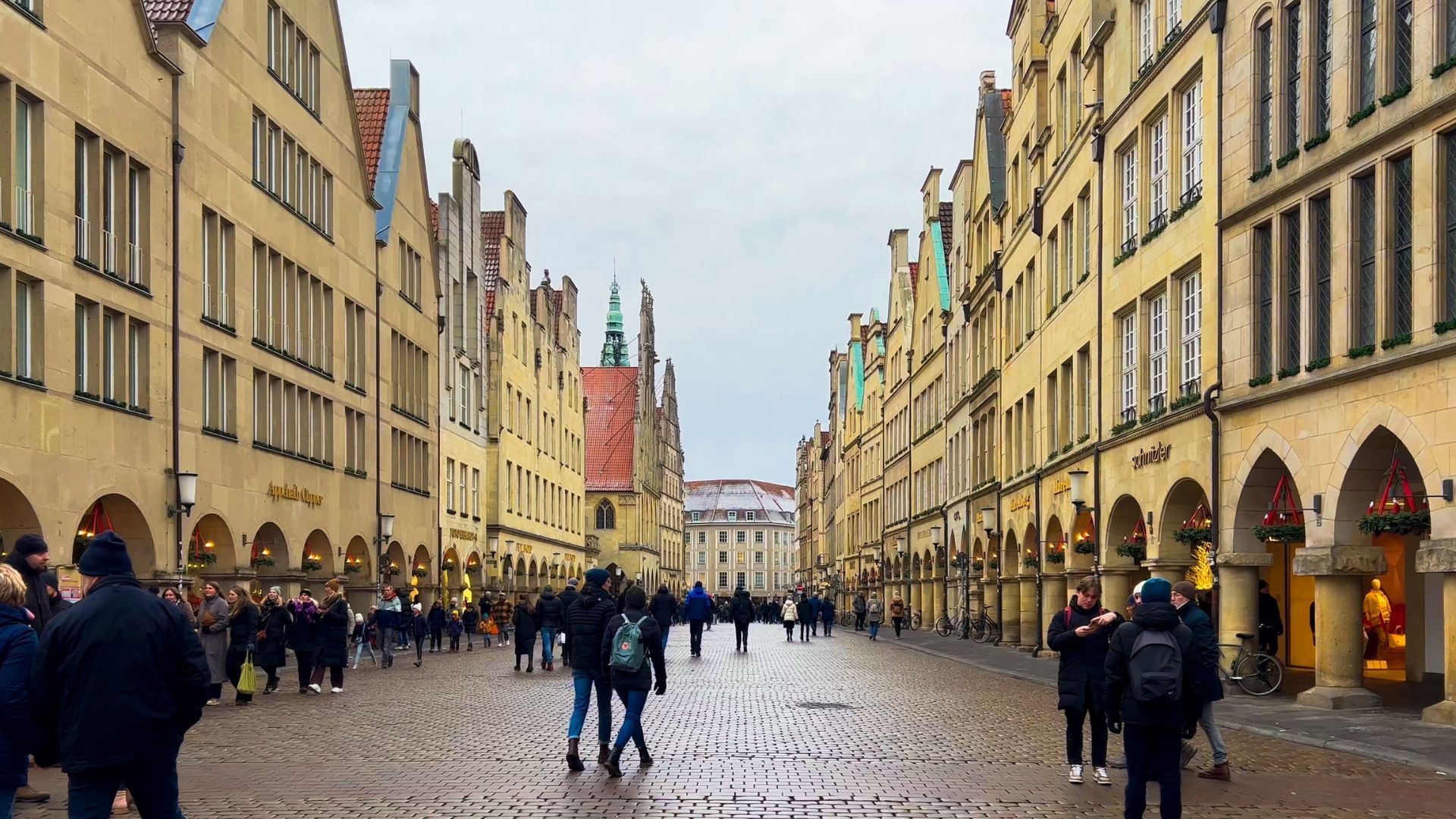
Rothenburg ob der Tauber — Germany’s Most Beautiful Medieval Setting
Rothenburg ob der Tauber’s Reiterlesmarkt provides Germany’s most atmospheric medieval Christmas market experience, with the perfectly preserved medieval town providing a backdrop that no other German market location can match throughout the visual impact comparison.
The specific challenge of Rothenburg in December is the town’s enormous popularity, with the combination of the Christmas market and the already very tourist-intensive old town creating significant crowd pressure throughout December weekends that strongly favours weekday visits throughout any planning.
Quedlinburg — Romantic Harz Mountains Market
The Quedlinburg Christmas market in its UNESCO World Heritage setting beneath the Romanesque collegiate church provides one of Germany’s most genuinely romantic and most genuinely intimate Christmas market experiences, with the combination of the medieval town architecture and the relatively modest crowd levels creating conditions of authentic Christmas market atmosphere.
Germany’s finest smaller Christmas markets:
| Market | Location | Character | Why Visit |
| Regensburg Christkindlmarkt | Regensburg | UNESCO setting | Medieval atmosphere — accessible |
| Rothenburg Reiterlesmarkt | Rothenburg ob der Tauber | Most beautiful medieval | Perfect visual setting |
| Quedlinburg market | Quedlinburg, Harz | Romanesque UNESCO setting | Most romantic |
| Kulmbach market | Kulmbach, Franconia | Beer city Christmas | Authentic Franconian |
| Michelstadt market | Michelstadt, Odenwald | Half-timbered perfection | Uncrowded gem |
| Rüdesheim market | Rüdesheim, Rhine | Vineyard Christmas | Rhine valley setting |
| Gengenbach market | Gengenbach, Black Forest | Advent calendar town | Most charming |
| Meersburg market | Meersburg, Lake Constance | Lakeside castle backdrop | Alpine lake winter |
Practical Tips for Visiting Germany in December
Visiting Germany in December requires warm clothing, as temperatures are cold, with frost, snow, and chilly winds common across most regions during the festive season.
Plan ahead for crowded Christmas markets and higher travel costs. Book early, use public transport, and focus on both famous and smaller towns to enjoy a smoother, more comfortable winter experience.
Essential Advice for Every December Visitor
Tip 1 — Book December accommodation six to eight months ahead without exception. The December Christmas market season is Germany’s most competitive booking environment of the entire year, with quality accommodation in Nuremberg, Cologne, Munich, and Dresden requiring booking windows that open effectively in spring for the following December throughout the advance planning requirement.
Tip 2 — Visit famous Christmas markets on weekday mornings exclusively. The Saturday afternoon crowds at Nuremberg, Cologne, and Munich Christmas markets are genuinely overwhelming throughout the peak weekend periods, making Tuesday through Thursday morning visits the only strategy for experiencing these magnificent markets with any degree of comfort and any genuine appreciation throughout the crowded December season.
Tip 3 — Age a genuine Dresdner Stollen for maximum flavour. Purchasing an authentic Dresdner Christstollen from a registered Dresden baker in late November and aging it for three to four weeks before Christmas genuinely transforms the eating experience, with the matured Stollen’s developed flavours representing one of Germany’s finest and most specifically seasonal food pleasures throughout any Christmas celebration.
Tip 4 — Attend a Bach Weihnachtsoratorium performance for Germany’s greatest Christmas music. The Bach Christmas Oratorio performed in a German church or concert hall is one of the most deeply moving and most specifically German Christmas experiences available, combining extraordinary music with the cultural context of the tradition that created it throughout the German Lutheran Christmas heritage.
Tip 5 — Experience Heiligabend evening in a German city for the most atmospheric Christmas moment. Walking through a German city on Christmas Eve after the shops close — with the empty streets, illuminated windows, church bells ringing for Christmette, and the specific peace of Germany’s most sacred evening — provides one of the most deeply atmospheric and most genuinely moving travel experiences available throughout the entire year.
Tip 6 — Collect distinctive Glühwein mugs from multiple markets as authentic souvenirs. The specific mug designs of Nuremberg, Dresden, Munich, Cologne, and Hamburg markets provide genuinely attractive and genuinely authentic Christmas market souvenirs that carry the specific character of each market throughout any collection strategy.
Tip 7 — Explore smaller markets — Regensburg, Rothenburg, Quedlinburg — for the finest uncrowded quality. The smaller UNESCO World Heritage market settings of Regensburg, Rothenburg ob der Tauber, and Quedlinburg provide Christmas market experiences of genuine atmospheric beauty with crowd levels that allow proper appreciation of the market culture throughout the more manageable alternative visits.
Tip 8 — Book Silvester events and accommodation months in advance. New Year’s Eve events in Berlin, Munich, Hamburg, and Cologne require booking of three to four months in advance for quality events and accommodation, with the Berlin Brandenburg Gate celebration in particular requiring very early hotel booking for any property within reasonable distance throughout the planning process.
Christmas Eve and Christmas Day Practicalities
Christmas Eve and Christmas Day in Germany require advance planning, as most shops, restaurants, and services close early or remain shut, shifting focus to home celebrations and family gatherings.
Public transport runs on limited schedules, so travellers should plan movement carefully. The atmosphere is quiet and festive, making it ideal for slow travel, indoor activities, and enjoying traditional Christmas meals.
What to Know About Germany’s Closed Holiday
Understanding Germany’s Christmas holiday closures is genuinely important for practical December trip planning, with the combination of Heiligabend afternoon closures, Christmas Day, and Boxing Day creating a three-day period of almost complete commercial closure that requires advance provisioning and specific planning throughout the holiday period.
Most German shops close by 14:00 on 24 December and remain closed on 25 and 26 December, with the exception of petrol stations, some larger supermarkets in transport hubs, and restaurant and hospitality establishments throughout the holiday closure period.
The German supermarkets within major railway stations — REWE and Edeka — remain open on Christmas Day and Boxing Day in most cases, providing the essential provisioning option for visitors who have not adequately prepared for the extended closure throughout the holiday period.
Restaurant reservations for Christmas Eve dinner and Christmas Day lunch in Germany’s most celebrated establishments require booking of four to six weeks in advance, with the specific tradition of the Weihnachtsgans Christmas goose dinner making the finest traditional restaurants fully booked well before December throughout the planning timeline.
Frequently Asked Questions
When is the best time to visit Germany’s Christmas markets in December? The finest Christmas market experience combines the first Advent weekend’s opening freshness with weekday morning visits throughout the season, avoiding Saturday afternoons throughout December when the most famous markets at Nuremberg, Cologne, and Munich reach their most overwhelming crowd levels throughout the peak weekend periods.
What is the most famous German Christmas market? The Nuremberg Christkindlesmarkt is unquestionably Germany’s most internationally famous Christmas market, operating since 1628 in the medieval Hauptmarkt square with 180 traditional stalls, the distinctive Christkind figure, and the specifically Nuremberg food and craft traditions that make it the global gold standard for authentic German Christmas market culture.
What should I eat at a German Christmas market? The essential Christmas market eating experience combines Glühwein mulled wine with Nürnberger Rostbratwurst six-piece finger sausages in Nuremberg, Reibekuchen potato pancakes in the Rhineland, gebrannte Mandeln caramelised almonds universally, Elisen-Lebkuchen premium gingerbread from Nuremberg, and the specific regional specialities of whichever market is being visited throughout the seasonal food exploration.
Is Germany good to visit between Christmas and New Year? The post-Christmas period from 27 December to 30 December provides a genuinely rewarding and genuinely underrated December Germany experience, with hotel prices dropping sharply from the Christmas peak, some markets reopening with more relaxed atmosphere, and the country in a specific state of post-Christmas quiet before the Silvester New Year celebrations throughout the transitional week.
How do I experience an authentic German Christmas Eve? Experiencing Heiligabend authentically in Germany involves staying in a city or town on 24 December, attending an evening church service — Christmette — at a historic German church, walking through the empty streets of the old town in the quiet after shops close, finding one of the few restaurants serving the traditional Christmas Eve meal, and absorbing the specific peace and specific magic of Germany’s most sacred and most genuinely beautiful evening throughout the year.
Final Thoughts
December in Germany fulfils every travel expectation with glowing Christmas markets, festive traditions, and cultural richness. Cities feel magical, with snow, music, and light creating an unforgettable winter atmosphere.
Planning is essential for this peak season. Book early, choose weekdays, and explore both famous and smaller towns. Careful timing ensures smoother travel and a deeper, more authentic Christmas experience across Germany.
From Heiligabend silence to midnight celebrations, December delivers powerful emotional moments. Churches, streets, and squares reflect warmth and tradition, making Germany one of the world’s most magical winter destinations.
Hi, I’m Preeti Negi, a content writer who loves mixing creativity with smart strategy.
I have 3 years of experience writing about travel, digital marketing, and study abroad topics. I create content that is easy to read, engaging, and designed to connect with people while also performing well on Google.
When I’m not writing, I enjoy exploring new trends, learning new things, and thinking about fresh ideas for my next piece.
