

February transforms Germany into one of Europe’s most spectacularly festive destinations, with the carnival season — called Karneval in the Rhineland and Fasching in Bavaria — creating an atmosphere of extraordinary colour, extraordinary noise, and extraordinary communal joy throughout the country’s most enthusiastic celebration of the weeks before Lent.
The German carnival tradition is genuinely one of Europe’s great folk celebrations, a living cultural phenomenon of remarkable depth and remarkable vitality that has been practiced in Cologne, Düsseldorf, Mainz, and Munich for centuries and that continues to attract millions of participants and visitors throughout the carnival season every year.
February also offers the continuation of all January’s advantages — low tourist crowds outside the carnival period, excellent hotel value, outstanding museum access, and the lingering availability of winter sales — while adding the unique and genuinely unmissable dimension of the carnival season throughout the festive month.
Understanding February in Germany means understanding the carnival calendar — when the key events occur, where the finest celebrations are found, what to expect from the crowds and the atmosphere, and how to plan around both the carnival peaks and the quieter periods throughout this genuinely extraordinary month.
Please note that this article contains affiliate links. Learn more about it on our Disclosure page. We use ads to support our small business – we hope you don’t mind them too much.
Germany in February: Essential Overview
Plan your February trip to Germany with this essential overview. Learn about weather, events, and travel tips to enjoy a comfortable, well-prepared, and memorable winter experience across the country.
February at a glance:
| Factor | Detail | Notes |
| Average temperature | -1°C to 5°C | Similar to January throughout |
| Carnival season | Dominates February | Culminates on Shrove Tuesday |
| Key carnival cities | Cologne, Düsseldorf, Mainz, Munich | Each with distinct character |
| Rosenmontag parade | Monday before Shrove Tuesday | Germany’s greatest street event |
| Tourist crowds | Very low except carnival | Carnival cities packed on key dates |
| Hotel prices | Low — except carnival peaks | Book carnival dates very far ahead |
| Fasching balls | Throughout February | Especially Munich |
| Ski season | Peak condition | Best Alpine snow typically February |
| Daylight hours | 9–11 hours | Noticeably increasing through month |
| Valentine’s Day | 14 February | German tradition growing |
German Carnival: Complete Guide to Karneval and Fasching
Celebrate Germany’s vibrant Carnival with this complete guide to Karneval and Fasching. Learn about traditions, parades, costumes, and regional festivities to enjoy the colorful, lively, and unforgettable German carnival experience.
The Greatest Street Party in German Culture
The History and Meaning of German Carnival
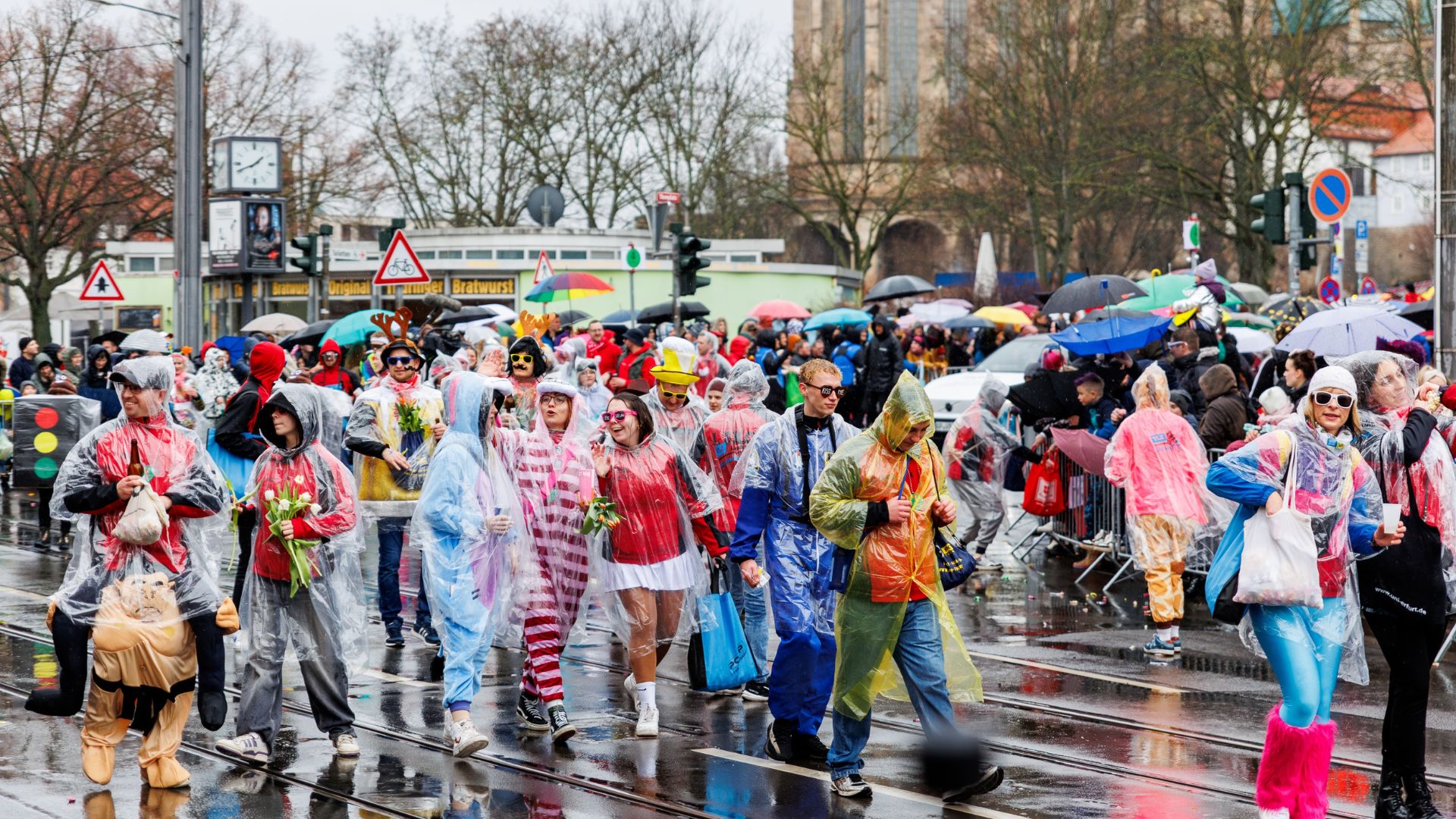
German carnival is one of Europe’s oldest and most deeply rooted folk traditions, a pre-Lenten celebration with roots in both pagan spring festivals and medieval Catholic practice that has evolved over centuries into the spectacular urban folk celebration that defines the cultural character of the Rhineland and Bavaria throughout the carnival season.
The tradition serves as a collective release of social tension before the forty days of Lenten fasting and restraint, with the costume wearing, role reversal, political satire, and communal street celebration of carnival representing a sanctioned period of societal freedom that has been renewed and reinvented throughout every generation of the carnival tradition.
Cologne’s carnival in particular carries an extraordinary weight of civic identity, with the city’s population genuinely defining itself through its carnival culture in a way that outsiders frequently find both surprising and genuinely moving throughout any first experience of the Cologne carnival atmosphere.
The political satire dimension of German carnival — expressed through the allegorical floats of the Rosenmontag parade, the political costumes, and the Büttenrede comic speeches at carnival sessions — gives the tradition an intellectual and civic dimension that distinguishes it from purely hedonistic carnival celebrations throughout the comparative carnival tradition.
The Carnival Calendar: Key Dates and Events
The carnival season officially begins on 11 November — the eleventh minute of the eleventh hour — but enters its genuinely active street phase in the days before Shrove Tuesday — Fastnachtsdienstag — with the specific dates varying annually according to the Easter calendar throughout each year.
The critical carnival week begins on the Thursday before Shrove Tuesday — Weiberfastnacht or Women’s Carnival Thursday — when Cologne traditionally sees women take symbolic control of the city, cutting the ties of men as a traditional assertion of carnival freedom throughout the opening of the street carnival period.
Rosenmontag — Rose Monday — is the climax of the German carnival season and the occasion of Germany’s most spectacular street parades, with the Cologne Rosenmontag parade in particular attracting over one million spectators throughout the five-kilometre parade route through the city centre.
Complete carnival week calendar:
| Day | German Name | Events | Significance |
| Thursday | Weiberfastnacht | Women’s carnival begins, tie cutting | Street carnival opens |
| Friday | Karnevalsfreitag | Pub celebrations, neighbourhood events | Building momentum |
| Saturday | Karnevalssamstag | Major balls, street events | Full carnival intensity |
| Sunday | Karnevalssonntag | Neighbourhood parades, family events | Community celebration |
| Monday | Rosenmontag | Great parade — Germany’s biggest | Absolute peak day |
| Tuesday | Fastnachtsdienstag | Final celebrations, Nubbel burning | Carnival farewell |
| Wednesday | Aschermittwoch | Ash Wednesday — Lent begins | Fish eating tradition |
City by City: Germany’s Greatest Carnival Celebrations
Explore Germany’s greatest carnival celebrations city by city. Discover the best parades, local traditions, and festive events to experience Karneval and Fasching in vibrant, lively, and unforgettable ways across the country.
Where to Experience German Carnival at Its Finest
Cologne — The Undisputed Capital of German Carnival
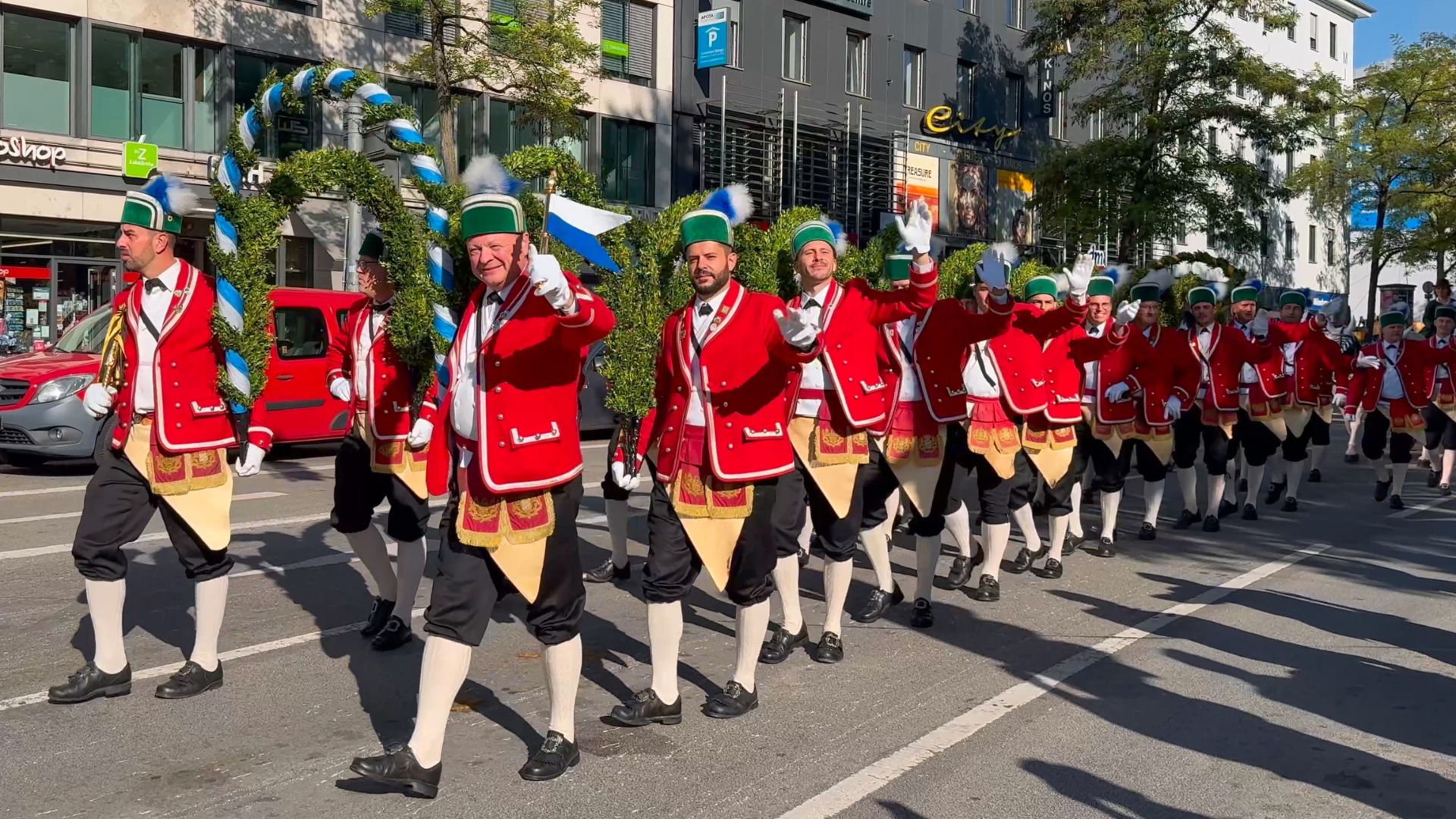
Cologne’s Karneval is Germany’s greatest, most passionate, and most internationally celebrated carnival, a five-day street festival of absolutely extraordinary scale and absolutely extraordinary atmosphere that transforms Germany’s fourth-largest city into the most festive urban environment in the country throughout the carnival peak.
The Cologne carnival organisation — coordinated by the Festkomitee des Kölner Karnevals — involves thousands of carnival clubs, hundreds of parade floats, and a logistical operation of remarkable sophistication that produces the Rosenmontag parade’s extraordinary spectacle of 10,000 participants, hundreds of floats, and approximately 300 tonnes of confectionery thrown to the crowds throughout the route.
The tradition of Kölle alaaf — Cologne above all — shouted throughout the carnival by participants and spectators alike reflects the genuine civic pride that the Cologne carnival embodies, a pride that is not mere regional chauvinism but a genuine expression of the city’s identity throughout its most characteristic cultural moment.
The Cologne carnival’s street atmosphere on Weiberfastnacht and Rosenmontag is genuinely overwhelming for first-time visitors, with the Old Town — Altstadt — and the areas around the cathedral completely transformed by costumes, music, dancing, and the Alaaf greeting that flows continuously between strangers throughout the carnival streets.
Cologne carnival practical guide:
| Detail | Information | Notes |
| Key locations | Altstadt, Heumarkt, Cathedral area | Most intense atmosphere |
| Best day for parade | Rosenmontag | Arrive by 09:00 for position |
| Parade route | Through city centre | 5km route along major streets |
| Confectionery thrown | 300 tonnes — Kamelle | Bring a bag to collect |
| Costume requirement | Expected but not compelled | Fitting in means dressing up |
| Alcohol culture | Beer and Kölsch throughout | Responsible drinking expected |
| Transport | U-Bahn and S-Bahn — no cars | Road closures throughout |
| Hotel booking | Book 12 months ahead | Carnival dates sell immediately |
| Best viewing spot | Along parade route early | Prime spots claim 2+ hours ahead |
| Carnival greeting | Kölle alaaf — respond in kind | Essential social interaction |
Düsseldorf — The Elegant Rhineland Rival
Düsseldorf’s Karneval — second in scale only to Cologne’s — brings the city’s famous sense of style and its reputation as Germany’s fashion capital to the carnival tradition, producing a celebration of considerable elegance and considerable passion throughout the five carnival days.
The Düsseldorf Rosenmontag parade is Germany’s second largest, with the city’s carnival floats particularly celebrated for their political satire — often sharper and more cutting than Cologne’s — creating allegorical parade pieces that generate national media coverage throughout the carnival period.
The Düsseldorf carnival’s Altbier culture — with the city’s traditional dark ale flowing freely throughout the carnival — creates a drinking experience intimately connected to the city’s own brewing heritage, distinguishing the Düsseldorf carnival atmosphere from Cologne’s Kölsch-focused equivalent throughout the five days.
The Düsseldorf carnival’s street atmosphere concentrates in the Altstadt — the old town — where the density of traditional Altbier pubs creates a network of indoor carnival venues that complement the outdoor street celebration throughout the carnival days.
Mainz — The Third City of the Rhineland Carnival Triumvirate
Mainz completes the Rhineland carnival triumvirate with its own distinctive carnival tradition, Helau rather than Alaaf as the carnival greeting, and a Rosenmontag parade of considerable quality that draws visitors from throughout the Rhine-Main region throughout the carnival peak.
The Mainz carnival is particularly celebrated for the Büttenrede tradition — comic speeches delivered from a wine barrel lectern — that represents the intellectual and satirical dimension of the Rhineland carnival at its sharpest and most distinctively German throughout the indoor carnival session performances.
The Mainz carnival’s political cabaret tradition — rooted in the city’s historic printing culture and its long association with political satire — produces carnival content of genuine intellectual quality that distinguishes it from the more purely hedonistic carnival celebrations of some neighbouring cities throughout the Rhineland.
Munich — Fasching, Bavaria’s Carnival Tradition
Munich’s Fasching is a distinctly Bavarian expression of the pre-Lenten carnival tradition, differing from the Rhineland Karneval in its emphasis on costume balls, masked dances, and indoor celebrations rather than the massive street parades that characterise the Cologne tradition throughout the Bavarian alternative.
The Munich Fasching ball season — running throughout January and February — represents one of Germany’s most elegant social traditions, with hundreds of themed balls filling the city’s great ballrooms, hotel function rooms, and event spaces throughout the weeks before Shrove Tuesday.
The Viktualienmarkt market square in central Munich hosts the traditional Tanz der Marktfrauen — dance of the market women — on Fasching Tuesday, when the market stall women perform a traditional costume dance of considerable charm throughout the market space.
The Fasching street celebration at Munich’s Marienplatz on Fasching Tuesday provides a concentrated urban carnival experience of considerable energy that, while smaller than the Cologne street carnival, has its own distinctive Bavarian character and genuine atmospheric intensity throughout the final day.
Munich Fasching ball highlights:
| Ball | Character | Venue | Notes |
| Künstlerhaus Ball | Artists’ ball | Künstlerhaus | Most artistic |
| Wiener Opernball | Opera ball | Various | Most elegant |
| Nockherberg Ball | Brewery ball | Paulaner Brewery | Most Bavarian |
| Zunftmeister Ball | Crafts ball | Various venues | Traditional character |
| Various themed balls | Hundreds of options | Hotels, halls | Weekly throughout |
Nuremberg — Franconian Fasching
Nuremberg’s Fasching tradition reflects the Franconian variant of the Bavarian carnival, with a substantial street parade — Fasching Umzug — through the medieval old town and a carnival season of considerable local enthusiasm throughout the Franconian city.
The contrast between Nuremberg’s medieval architecture and the colourful costumes of the Fasching parade creates one of Germany’s most visually striking carnival settings, with the Hauptmarkt and the old town streets providing a remarkable backdrop throughout the parade route.
Smaller Carnival Celebrations Throughout Germany:
| City | Tradition | Character | Best Event |
| Bonn | Rhineland Karneval | Enthusiastic, local | Rosenmontag parade |
| Aachen | Rhineland Karneval | Border town character | Street celebration |
| Trier | Rhineland Karneval | Historic setting | Parade through Roman city |
| Freiburg | Alemannic Fasnet | Distinctive masks | Schmutziger Donnerstag |
| Rottweil | Alemannic Fasnet | Germany’s oldest | Narrensprung parade |
| Stuttgart | Mixed tradition | Growing celebration | Urban carnival events |
The Alemannic Fasnet — Black Forest’s Ancient Carnival
The Alemannic Fasnet of the Black Forest and Swabia is Germany’s most ancient and most visually distinctive carnival tradition, characterised by elaborately hand-carved wooden masks — Narrenzunft masks — traditional guild costumes, and ritual processions of considerable antiquity throughout the southern German carnival tradition.
The Rottweil Narrensprung — fool’s leap — is considered Germany’s oldest surviving carnival tradition, with the costumed Narrenzunft guilds leaping through the town to the sound of traditional instruments in a ritual that predates the Rhineland carnival by centuries throughout the historical timeline.
The Alemannic Fasnet masks — carved from linden wood, individually painted, and treated as genuine cultural heirlooms within the Narrenzunft guilds — represent one of Germany’s most significant folk art traditions, with the finest examples carrying values of several thousand euros throughout the specialist collector market.
February Weather in Germany: Realistic Expectations
Get a clear picture of Germany’s February weather with realistic expectations. Learn about regional temperatures, snowfall, and climate patterns to plan your clothing, activities, and travel for a comfortable winter trip.
What the Second Winter Month Actually Delivers
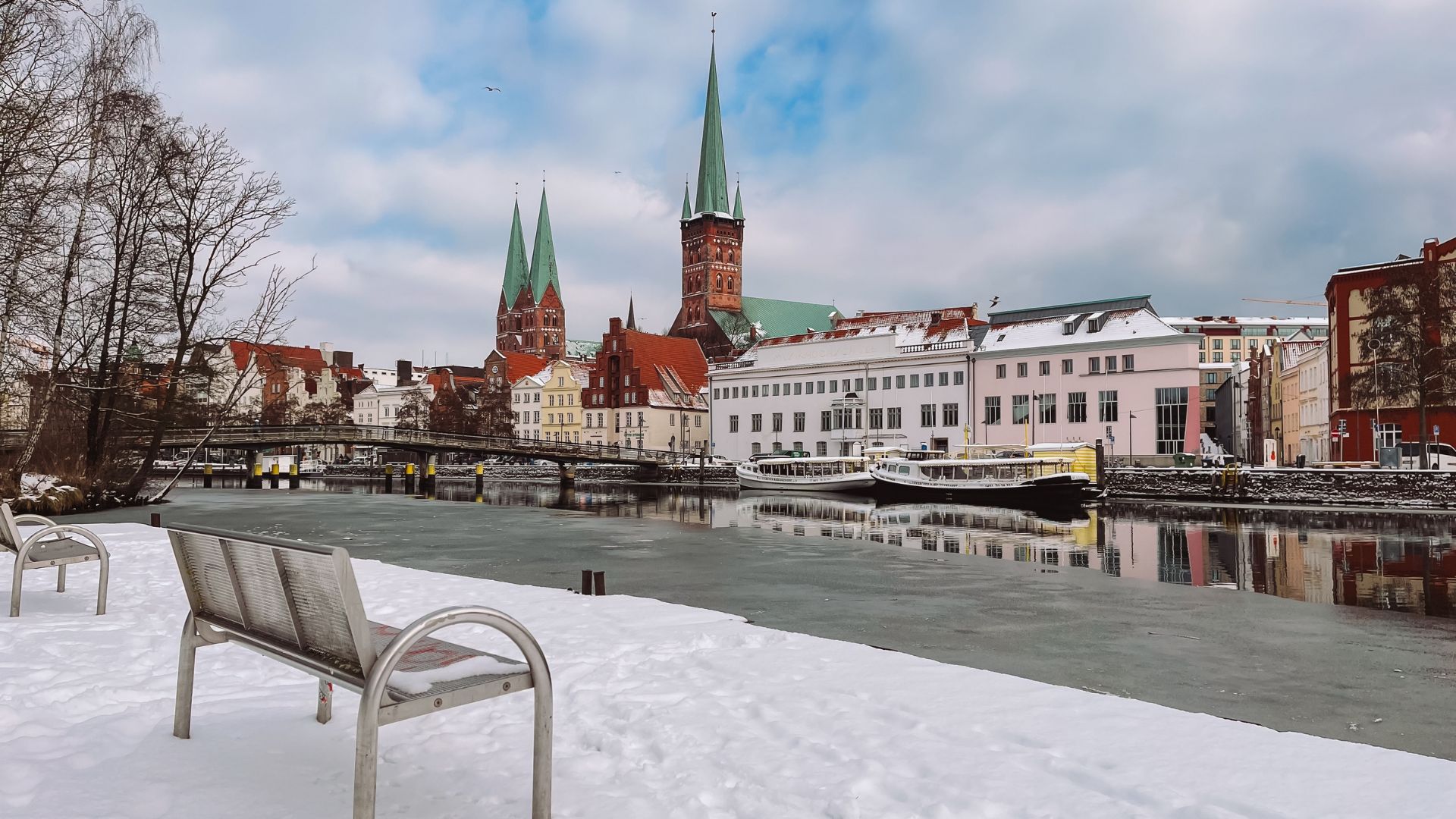
February weather in Germany is broadly similar to January throughout most regions, with the important difference that daylight hours increase noticeably throughout the month and the probability of the first genuinely mild days — a phenomenon Germans call Vorfrühling or pre-spring — grows progressively throughout the later weeks.
The carnival period’s weather is genuinely unpredictable and genuinely irrelevant to the carnival experience, with the Cologne carnival proceeding in full intensity regardless of temperature, rain, or occasional snow throughout the carnival days in a demonstration of collective commitment that impresses all first-time visitors.
Alpine snow conditions are typically at their best during February, with the combination of accumulated snowpack from January snowfall and the still-cold temperatures maintaining excellent ski conditions throughout the Bavarian, Allgäu, and Berchtesgaden Alpine resorts.
February regional weather guide:
| Region | Average High | Average Low | Notable Feature |
| Munich | 4°C | -3°C | Alpine day trips excellent |
| Berlin | 3°C | -2°C | Cold but carnival not here |
| Hamburg | 5°C | 1°C | Mild, frequent rain |
| Cologne | 6°C | 2°C | Mild — carnival manageable |
| Frankfurt | 6°C | 0°C | Moderate winter conditions |
| Dresden | 5°C | -2°C | Cold, beautiful winter city |
| Black Forest | 4°C | -2°C | Snow at altitude |
| Bavarian Alps | -2°C | -10°C | Outstanding ski conditions |
Dressing for German February Carnival:
The carnival costume requirement creates a unique dressing challenge for February Germany visitors — balancing the need for warm clothing with the demands of the costume culture that makes uncostumed visitors feel conspicuously out of place throughout the carnival street celebrations.
The most practical approach for visitors is to incorporate warmth into the costume itself — choosing fuller-coverage costumes, wearing thermal underlayers beneath, and treating the costume as the outer layer rather than an addition on top of existing warm clothing throughout the carnival day.
Waterproof layers are equally important given February’s precipitation likelihood, with waterproof costume capes and covered face paint that can survive light rain being considerably more practical than elaborate costumes that deteriorate rapidly throughout a wet carnival day.
February Events Beyond Carnival
Discover Germany’s February events beyond Carnival. From cultural festivals and concerts to winter sports and local traditions, explore exciting activities that make February a lively and memorable time to visit the country.
Germany’s Non-Carnival February Programme
Berlinale — The Berlin International Film Festival
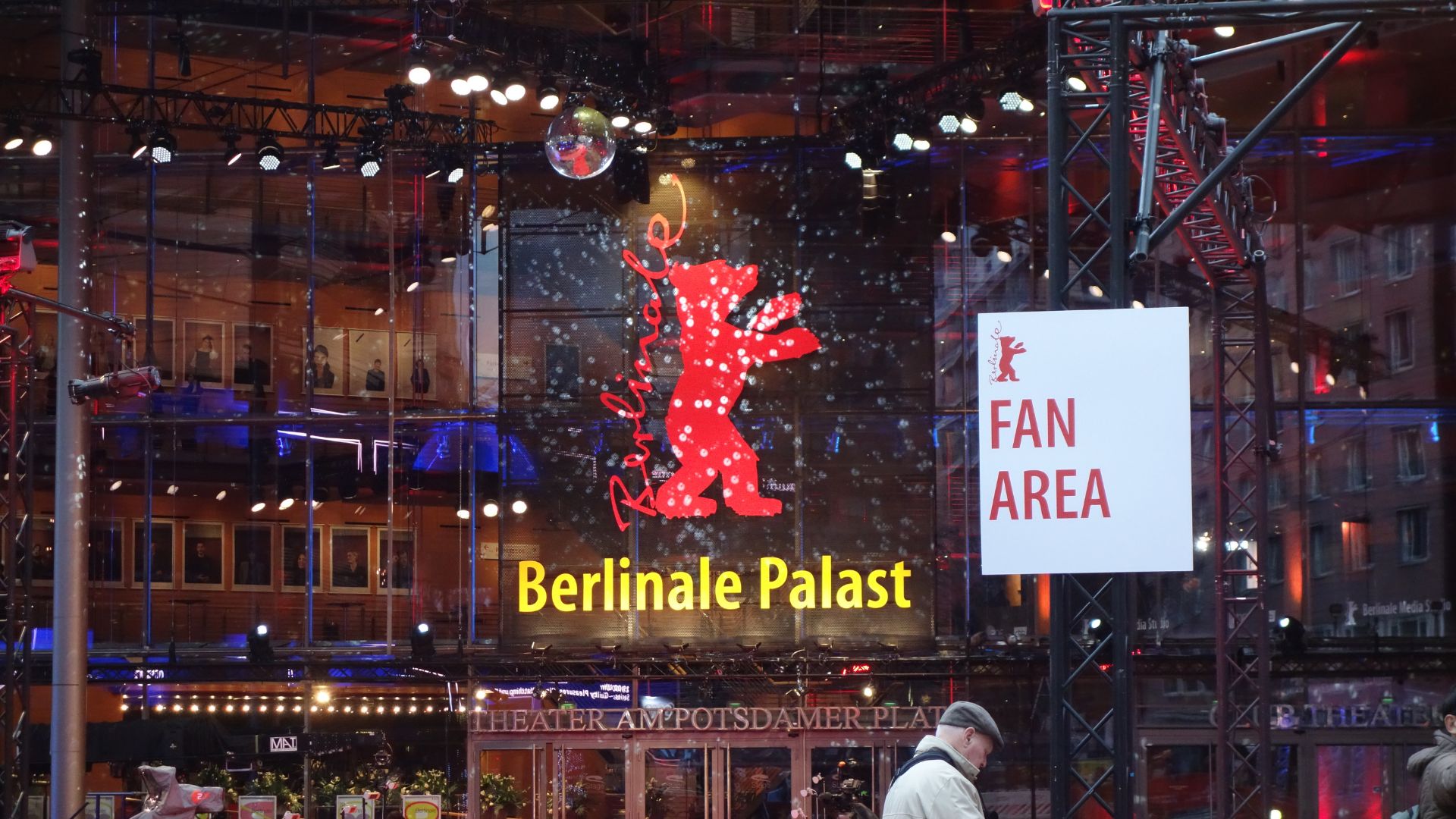
The Berlin International Film Festival — Berlinale — is one of the world’s three most prestigious film festivals alongside Cannes and Venice, attracting the global film industry, international media, and genuine public enthusiasm throughout its ten-day February programme in the German capital.
The Berlinale transforms Berlin’s cultural life throughout its February run, with red carpet premieres, public screenings, industry events, and the genuine electricity of a world-class film festival that is unusually accessible to non-industry visitors throughout the public programme.
Public tickets for Berlinale screenings become available approximately four weeks before the festival opens and sell extremely rapidly for the most anticipated premieres and competition films, requiring early action and genuine organisation for visitors wanting to experience the festival’s public dimension throughout the screening programme.
Berlinale practical guide:
| Detail | Information | Notes |
| Dates | Usually mid-February — 10 days | Check specific year dates |
| Location | Multiple Berlin cinemas | Potsdamer Platz central hub |
| Public tickets | Available from around 20 January | Sell fast — act immediately |
| Competition films | Public screenings available | Most prestigious category |
| Red carpet events | Hyatt Hotel, Berlinale Palast | Public viewing areas |
| Industry events | Accreditation required | Not for general public |
| Best for visitors | Public screenings, atmosphere | Full immersion possible |
| Ticket price | €11–19 per screening | Excellent cultural value |
Hamburg Cruise Days and Maritime Events
Hamburg’s position as Germany’s greatest port creates a rich maritime event calendar throughout February, with the beginning of the North Atlantic cruise season bringing the first departures of the year from Hamburg’s spectacular Cruise Terminal throughout the early months.
The Hamburg Cruise Terminal at the foot of the Elbphilharmonie provides outstanding viewing opportunities when major cruise vessels — including AIDA, TUI Cruises, and international lines — depart or arrive at the terminal throughout the maritime events calendar.
Ski Jumping and Winter Sports Events
Germany’s winter sports calendar reaches significant event density throughout February, with ski jumping competitions at Garmisch-Partenkirchen and cross-country skiing events in the Bavarian and Thuringian forests providing major winter sports spectator opportunities throughout the month.
The Four Hills Tournament — Vierschanzentournament — which begins in late December at Oberstdorf and Garmisch-Partenkirchen, represents Germany’s most prestigious ski jumping event, with the Garmisch stage typically occurring in early January and providing genuinely spectacular mountain spectator sport throughout the Alpine winter.
Wine Tastings and Cellar Events
Germany’s wine regions — the Mosel, Rhine, Pfalz, and Baden areas — host extensive programmes of cellar tastings, wine producer open days, and wine festival preview events throughout February as producers present their newest vintage releases to trade and public visitors throughout the pre-spring wine calendar.
The Mosel wine region’s Bernkastell-Kues and the Pfalz town of Neustadt an der Weinstraße both programme significant wine tasting events throughout February that provide extraordinary access to Germany’s finest Riesling and other wine styles in an intimate setting before the tourist season begins throughout the wine regions.
Valentine’s Day in Germany
Celebrate Valentine’s Day in Germany with romantic traditions, special events, and cozy experiences. Discover how locals celebrate love, from gifts and dining to city activities, making the day memorable for couples.
February 14th in German Culture
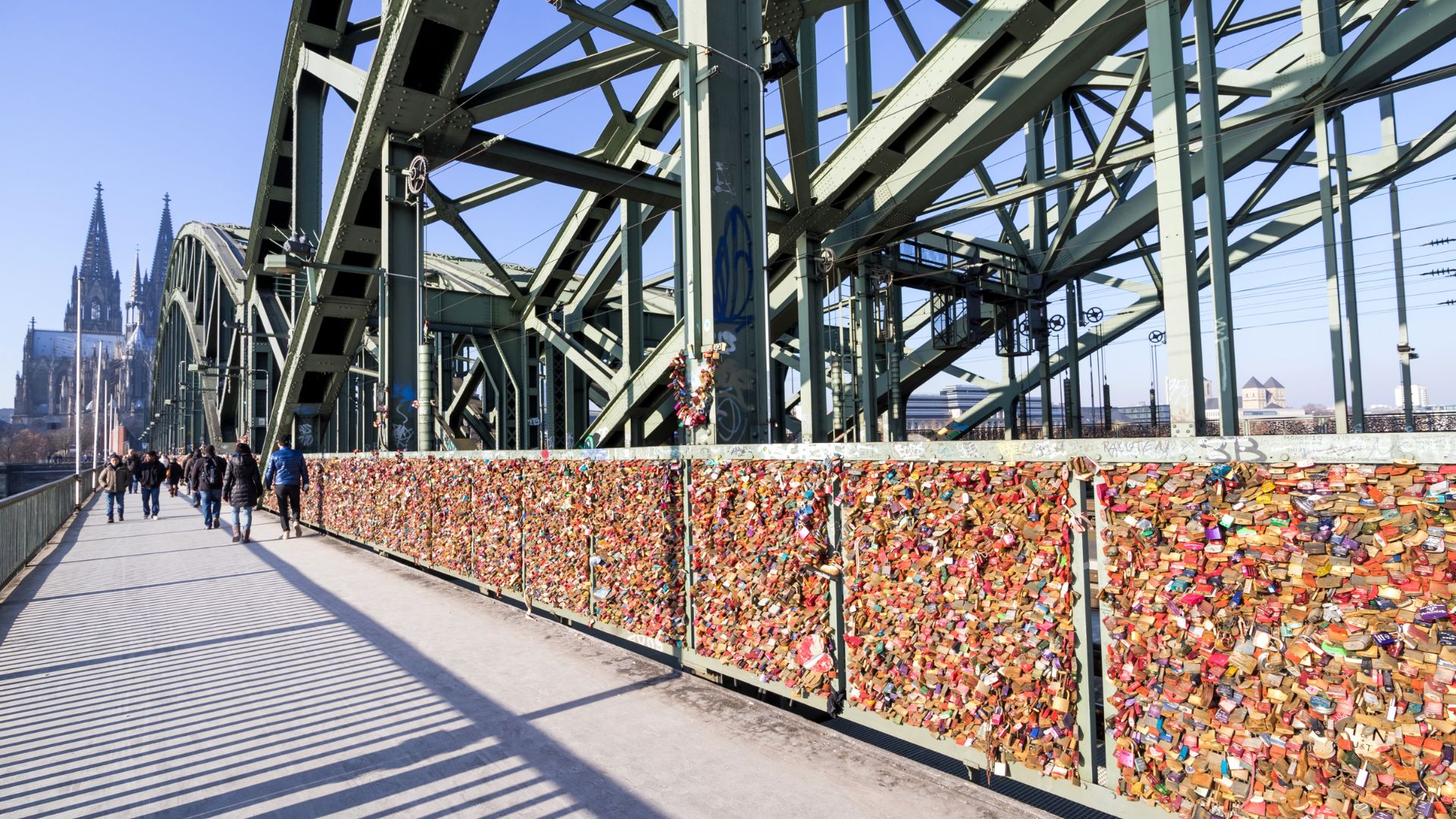
Valentine’s Day has grown significantly in cultural importance throughout Germany over the past two decades, with German florists, confectionery producers, restaurants, and retailers embracing the occasion with increasing enthusiasm throughout the German commercial calendar.
The German Valentine’s Day tradition has its own character — more understated than the American equivalent but more openly romantic than the older German generation’s preference for private affection — creating a cultural middle ground that is genuine and increasingly warmly observed throughout the country.
German Valentine’s Day restaurant bookings fill rapidly in major cities, making reservations essential for visitors planning a romantic February 14th dinner in Berlin, Munich, Hamburg, or other German cities throughout the Valentine’s calendar.
The intersection of Valentine’s Day with the carnival season in February years when Rosenmontag falls near February 14th creates genuinely interesting cultural collisions between the romantic and the carnivalesque that characterise Germany’s February cultural landscape throughout the month.
Visiting Germany in February: Accommodation Guide
Plan your February stay in Germany with this accommodation guide. Learn about hotels, guesthouses, and budget options, along with tips to find comfortable, convenient, and cost-effective places during winter travel.
Planning and Booking February Stays
Carnival Cities — Essential Advance Booking Warning
Hotel accommodation in Cologne, Düsseldorf, and Mainz during the carnival peak days — particularly from Weiberfastnacht through Rosenmontag — must be booked as far as twelve months in advance, with the demand for rooms throughout the carnival peak dramatically exceeding supply throughout the Rhine cities.
Cologne hotel rooms on Rosenmontag night frequently achieve prices three to four times higher than January equivalent rates, reflecting the extraordinary demand for accommodation in the city during Germany’s most attended annual street event throughout the carnival season.
The practical alternative for visitors unable to secure affordable Cologne carnival accommodation is to book in the surrounding towns — Bonn, Aachen, Leverkusen, or Düsseldorf — and travel into Cologne by S-Bahn or regional train for the carnival days throughout the flexible accommodation strategy.
February Hotel Value Outside Carnival Cities:
Outside the carnival cities during the carnival peak days, February maintains the excellent hotel value of January throughout Germany, with low-season rates providing outstanding accommodation quality at prices well below the summer peak throughout any non-carnival destination.
Berlin, Munich, Hamburg, and Frankfurt all maintain low February hotel rates — typically 30 to 45 percent below July rates — throughout the month except for the Berlinale period in Berlin when demand from film industry visitors creates modest price increases throughout the festival dates.
February accommodation strategy:
| Situation | Recommendation | Booking Timeline |
| Cologne carnival peak | Book 12 months ahead | Immediate if planning |
| Düsseldorf carnival | Book 8–10 months ahead | Very early essential |
| Mainz carnival | Book 6 months ahead | Early booking wise |
| Berlin Berlinale | Book 3 months ahead | Earlier better |
| Munich non-carnival | Book 4–6 weeks ahead | Low season easy |
| Hamburg February | Book 4 weeks ahead | Low season comfortable |
| Alpine ski resorts | Book 2–3 months ahead | School holiday peaks |
February Food and Drink Culture
Experience Germany’s food and drink culture in February. Enjoy hearty winter dishes, seasonal treats, and warm beverages that reflect local traditions, making your winter trip delicious, cozy, and memorable.
What Germany Eats and Drinks During Carnival Season
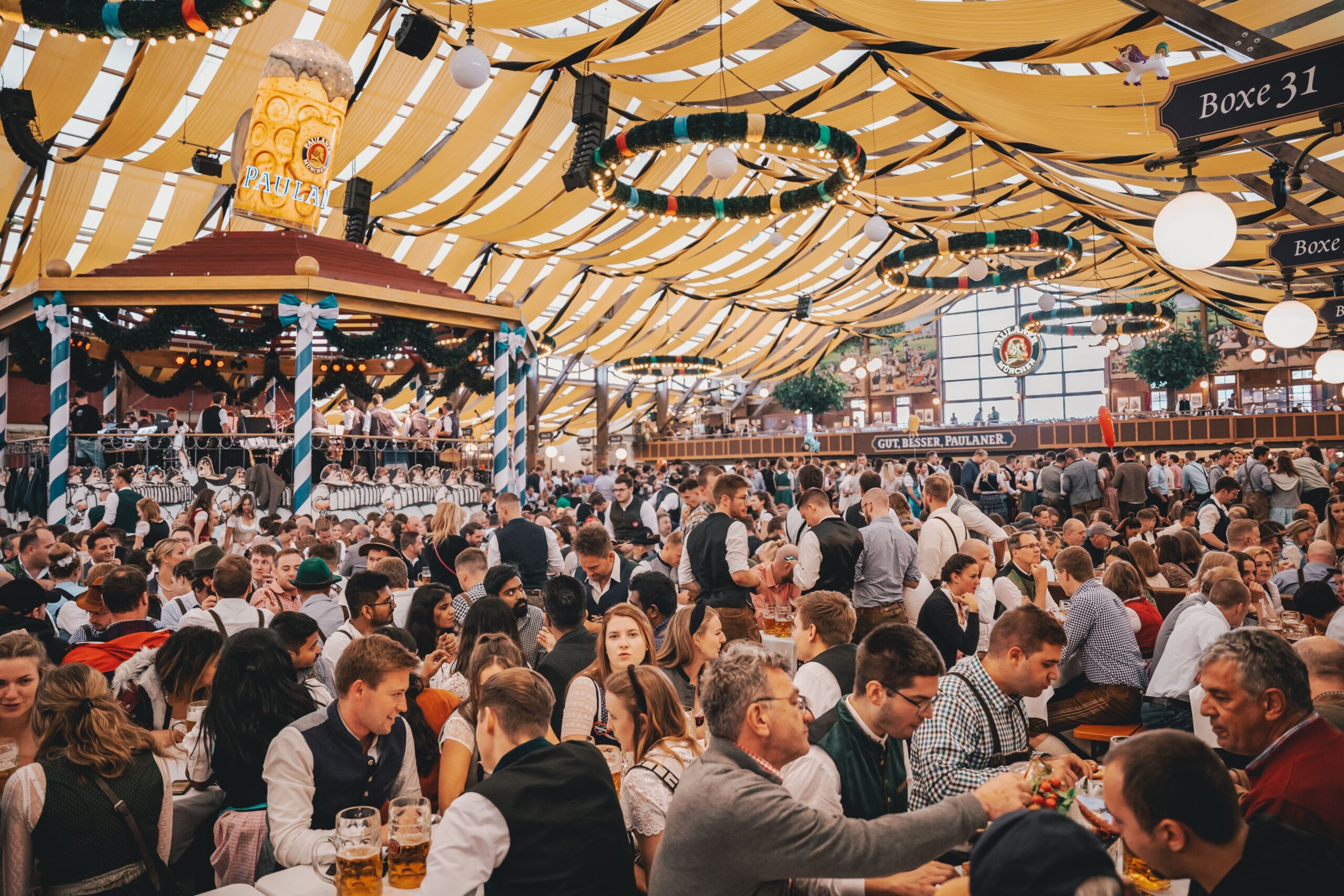
The culinary traditions of German carnival are as well-developed as any other aspect of the celebration, with specific foods deeply associated with the carnival period throughout both the Rhineland and Bavaria that appear in shops, markets, and restaurants throughout the festive weeks.
Carnival Foods:
Berliner Pfannkuchen — jam doughnuts — are the single most universally consumed carnival food throughout Germany, with the tradition of filling some Berliner with mustard, onion, or other surprising non-jam fillings creating an elaborate carnival practical joke that generates enormous communal amusement throughout the carnival period.
Kreppel — the Frankfurt and Rhineland equivalent of the Berliner — are deep-fried yeasted doughnuts that appear in enormous quantities throughout Frankfurt’s bakeries and market stalls throughout the carnival season, consumed in quantities that reflect the carnival tradition of indulgence before Lenten restraint.
Ash Wednesday Food Traditions:
The Ash Wednesday tradition following Shrove Tuesday creates one of Germany’s most distinctive food culture moments, with the Catholic tradition of Fischessen — fish eating — on Ash Wednesday producing a citywide shift toward fish restaurants throughout the Rhineland cities in a custom of genuine cultural significance.
Cologne’s Ash Wednesday fish-eating tradition fills the city’s fish restaurants throughout the day, with Kölscher Kaviar — blood sausage and onion rings — providing the most authentic Cologne version of the post-carnival culinary reset throughout the first day of Lent.
Carnival drink culture:
| Drink | Region | Character | Carnival Context |
| Kölsch | Cologne | Light, fresh | Drunk throughout carnival |
| Altbier | Düsseldorf | Dark, bitter | Carnival traditional |
| Rheinhessen wine | Mainz | Local pride | Carnival in wine region |
| Weissbier | Munich | Bavarian classic | Fasching staple |
| Roter Glühwein | All regions | Warming if cold | Early carnival warming |
| Karneval Kamelle | All — sweets | Thrown from floats | Collected by spectators |
Practical Tips for February Germany Visitors
Make the most of your February trip to Germany with practical tips. Learn about weather, local events, transport, and packing advice to ensure a safe, comfortable, and enjoyable winter visit.
Essential Advice for Carnival and Non-Carnival Visitors
Tip 1 — Wear a costume in carnival cities. Arriving in Cologne, Düsseldorf, or Mainz during the carnival peak without a costume immediately identifies visitors as outsiders and significantly reduces the quality of the carnival experience throughout the street celebration immersion.
Tip 2 — Protect valuables carefully during carnival. The extremely dense crowds of the Cologne and Düsseldorf carnivals create optimal conditions for pickpocketing throughout the most crowded carnival locations, making concealed money belts and minimal valuable carrying essential throughout the carnival street celebration.
Tip 3 — Book Berlinale tickets immediately when released. Berlin International Film Festival public tickets sell within hours of release for the most popular screenings, requiring immediate action upon the ticket release date, approximately four weeks before the festival, throughout the booking period.
Tip 4 — Use public transport throughout the carnival. German cities close major roads throughout carnival parades, and the volume of people makes driving genuinely impossible throughout the carnival peak, with S-Bahn and U-Bahn providing the only practical transport throughout the carnival days.
Tip 5 — Plan Alpine ski trips for weekdays. The February school holiday period throughout Germany and neighbouring countries creates weekend peak demand at Bavarian ski resorts, with weekday visits providing significantly better slope conditions, shorter lift queues, and more affordable accommodation throughout the school holiday period.
Tip 6 — Experience Ash Wednesday as authentically as carnival. The transition from Rosenmontag excess to Ash Wednesday quietly creates one of Germany’s most culturally fascinating twenty-four-hour contrasts, with the silent morning streets of Cologne after carnival representing a genuinely moving experience throughout the Lenten beginning.
Tip 7 — Explore non-carnival Germany for genuine winter quiet. Visitors uninterested in carnival who visit Germany in February outside the Rhineland and Munich carnival centres experience the continuation of January’s excellent low-season advantages throughout the quietest and most genuinely uncrowded period of the German travel year.
Tip 8 — Combine carnival with spa recovery. The physical demands of multi-day carnival participation — particularly in Cologne — make a post-carnival day at a nearby thermal bath or spa a genuinely restorative and logical conclusion to the carnival experience throughout the recovery day.
Frequently Asked Questions
When is Karneval in Germany in 2025 and 2026? The carnival dates vary annually according to the Easter calendar. In 2025, Rosenmontag falls on 3 March and Shrove Tuesday on 4 March, while in 2026, Rosenmontag falls on 16 February and Shrove Tuesday on 17 February throughout the respective carnival years.
Is it necessary to wear a costume at the German carnival? A costume is not legally required but is culturally expected throughout the street carnival celebrations in Cologne, Düsseldorf, and Mainz, with uncostumed visitors standing conspicuously apart from the overwhelmingly costumed crowd throughout the carnival peak days.
What is Kamelle at the Cologne carnival? Kamelle refers to the confectionery — sweets, chocolates, and small gifts — thrown from carnival parade floats to the crowds lining the route throughout the Rosenmontag parade, with approximately 300 tonnes thrown throughout the Cologne parade in a tradition of extraordinary generosity throughout the spectator experience.
Is the Berlinale accessible to regular visitors? Yes — the Berlinale provides public ticket access to screenings throughout the competition, panorama, and retrospective programme sections, with tickets purchasable from approximately four weeks before the festival opens throughout the booking period at very reasonable prices.
What happens in Germany on Ash Wednesday? Ash Wednesday marks the end of carnival and the beginning of the forty-day Lenten period, with the Catholic tradition of fish eating throughout the day, the imposition of ash crosses at church services, and a genuinely remarkable quiet that descends on carnival cities after the Rosenmontag excess throughout this culturally significant day.
Final Thoughts
February in Germany offers one of Europe’s most extraordinary combinations of seasonal experiences — the world-class carnival celebrations of Cologne, Düsseldorf, and Mainz, the elegant Fasching balls of Munich, the prestigious Berlinale film festival in Berlin, the finest Alpine skiing of the year, and the continuation of low-season cultural access throughout the non-carnival destinations.
Dress up for Cologne’s carnival with genuine commitment, book accommodation twelve months ahead for the Rhineland carnival peak, experience the extraordinary Rosenmontag parade with the patience and the positioning it deserves, and discover why February — seemingly the least promising of Germany’s winter months — delivers some of the most genuinely memorable, most genuinely alive, and most distinctively German experiences available throughout the entire year.
Hi, I’m Preeti Negi, a content writer who loves mixing creativity with smart strategy.
I have 3 years of experience writing about travel, digital marketing, and study abroad topics. I create content that is easy to read, engaging, and designed to connect with people while also performing well on Google.
When I’m not writing, I enjoy exploring new trends, learning new things, and thinking about fresh ideas for my next piece.
