

July is Germany’s most visited, most energetically alive, and most logistically demanding travel month, a period when the country reaches the absolute peak of its summer season with the full combination of excellent weather, an extraordinary festival programme, and the school holiday crowds that transform the visitor experience throughout every popular destination.
July brings both challenges and beauty in Germany in peak crowds, high prices, and advance bookings are common, yet beer gardens thrive, festivals abound, beaches warm up, and alpine hikes and outdoor life reach their joyful summer peak.
Understanding July’s specific combination of extraordinary rewards and significant practical challenges and planning accordingly which transforms the experience from potentially frustrating to genuinely outstanding, making this most demanding of German travel months into one of the most memorable and most richly rewarding throughout the entire year.
Please note that this article contains affiliate links. Learn more about it on our Disclosure page. We use ads to support our small business – we hope you don’t mind them too much.
Germany in July: Essential Overview
Germany in July is lively. Warm weather, busy cities, crowded attractions, vibrant festivals, and scenic outdoors define the month. Travelers enjoy beaches, rivers, and Alps amid peak summer energy.
July at a glance:
| Factor | Detail | Notes |
| Average temperature | 19°C to 26°C | Peak summer heat |
| Weather character | Hot sunny periods with storms | Peak summer pattern |
| Daylight hours | 15–16 hours | Still very long days |
| Tourist crowds | Maximum — peak season | School holidays in full swing |
| Hotel prices | Annual maximum | Book months ahead |
| School holidays | Throughout July | German states vary |
| Strawberry season | Continuing through July | Still excellent |
| Beer gardens | Maximum capacity daily | Munich outdoor culture peak |
| Swimming lakes | Warmest of year — perfect | All German lakes excellent |
| Key events | Stadtfeste, wine, folk festivals | Richest event calendar |
Germany July Weather: Peak Summer Conditions
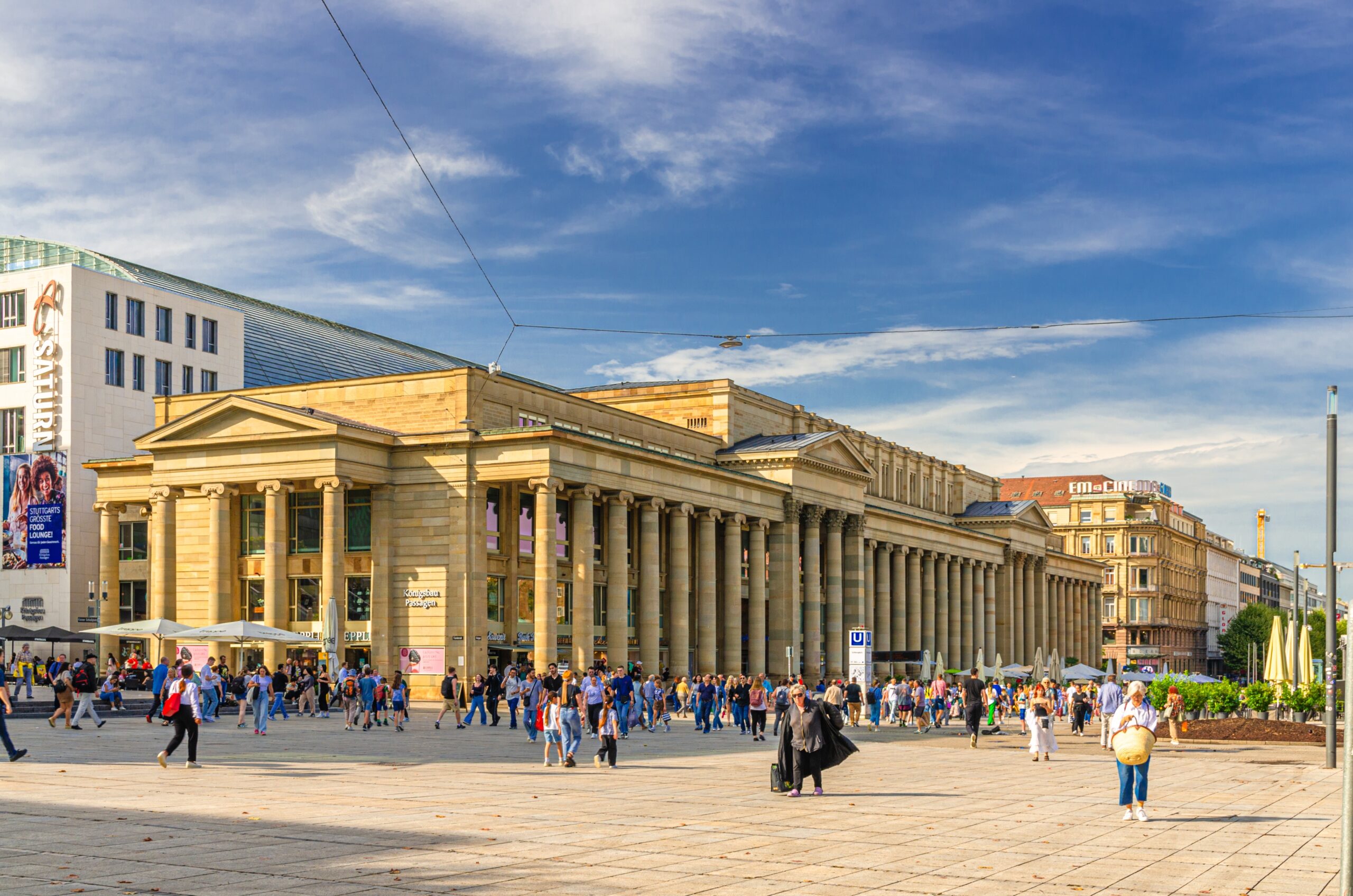
Germany in July experiences peak summer conditions with warm days, longer daylight hours, and occasional heatwaves. Weather varies across regions, from cooler northern coasts to hotter inland cities, shaping travel experiences across the country overall.
Temperatures across Germany in July generally range from mild to hot, with increasing humidity in many areas. Rain showers may occur, but sunny spells dominate, making it one of the most active months weather-wise overall.
What German High Summer Actually Delivers
German high summer delivers warm days, lively cities, bustling festivals, crowded attractions, and vibrant outdoor life. It combines sunshine, energy, and travel intensity, creating both exciting experiences and practical challenges for visitors across the country.
Germany’s July Climate Overview
July delivers Germany’s peak summer weather, with the combination of the highest temperatures of the year, the longest periods of sunshine, and the warm evenings that make outdoor dining and beer garden culture genuinely perfect throughout the month creating conditions that the German population embraces with absolute enthusiasm.
The average July temperatures across Germany range from 19°C in Hamburg to 26°C or above in Freiburg and the Rhine valley, with the combination of warm days and pleasantly cool evenings creating the ideal conditions for the full range of German outdoor culture throughout the summer peak.
July also brings Germany’s most intense thunderstorm season, with the high daytime temperatures generating convective storms of considerable power throughout the afternoon and evening hours, with these storms providing dramatic light shows that clear rapidly to leave perfect post-storm evening conditions throughout the summer month.
The urban heat island effect in Frankfurt, Cologne, Munich, and Berlin can push city centre temperatures to 30°C or above during July heat waves, making early morning and evening exploration the most comfortable strategy for city tourism throughout the hottest periods of peak summer.
Regional July Temperature Guide:
| Region | Average High | Record Possible | Evening Temp | Notes |
| Munich | 24°C | 35°C+ | 14°C | Alpine relief nearby |
| Berlin | 24°C | 37°C+ | 14°C | Urban heat significant |
| Hamburg | 21°C | 32°C | 14°C | Maritime cooling helpful |
| Frankfurt | 26°C | 38°C+ | 16°C | Germany’s hottest city |
| Cologne | 24°C | 36°C+ | 15°C | Rhine valley heat |
| Dresden | 25°C | 38°C+ | 15°C | Continental heat waves |
| Freiburg | 26°C | 38°C+ | 15°C | Warmest city — but beautiful |
| Mosel Valley | 25°C | 36°C | 15°C | Valley heat intensifies |
| Bavarian Alps | 20°C | 28°C | 10°C | Relief from city heat |
| Baltic Coast | 20°C | 28°C | 13°C | Sea breeze moderates |
Heat Wave Considerations
Germany experiences genuine heat waves throughout July in most years, with temperatures exceeding 35°C creating conditions that German buildings — built without air conditioning throughout most of the residential and cultural heritage stock — manage less effectively than equivalent heat in southern European countries throughout the extreme heat periods.
The practical heat wave strategy in German cities involves morning cultural visits to museums and galleries when temperatures are manageable, afternoon retreat to parks, lakes, and air-conditioned facilities, and the enjoyment of the cooler evening hours for outdoor dining and beer garden culture throughout the hottest days.
German museums provide relief from July heat through their air-conditioned galleries, making cultural visits simultaneously practical temperature management and genuinely rewarding exploration throughout heat wave periods.
Post-Storm Evening Culture
The July thunderstorm pattern creates one of Germany’s most distinctive and most genuinely beautiful summer atmospheric experiences — the post-storm golden evening light that follows afternoon rainfall, with the washed streets reflecting the low sun, the air freshly cool and fragrant, and the beer gardens refilling rapidly after the storm’s passage throughout the summer evenings.
This post-storm golden hour is one of Germany’s most photographically spectacular atmospheric conditions, with the combination of dramatic cloud formations, intense low sunlight, and the freshly green city parks creating landscape photography opportunities of exceptional quality throughout the July storm season.
Managing July Crowds: Complete Strategy Guide
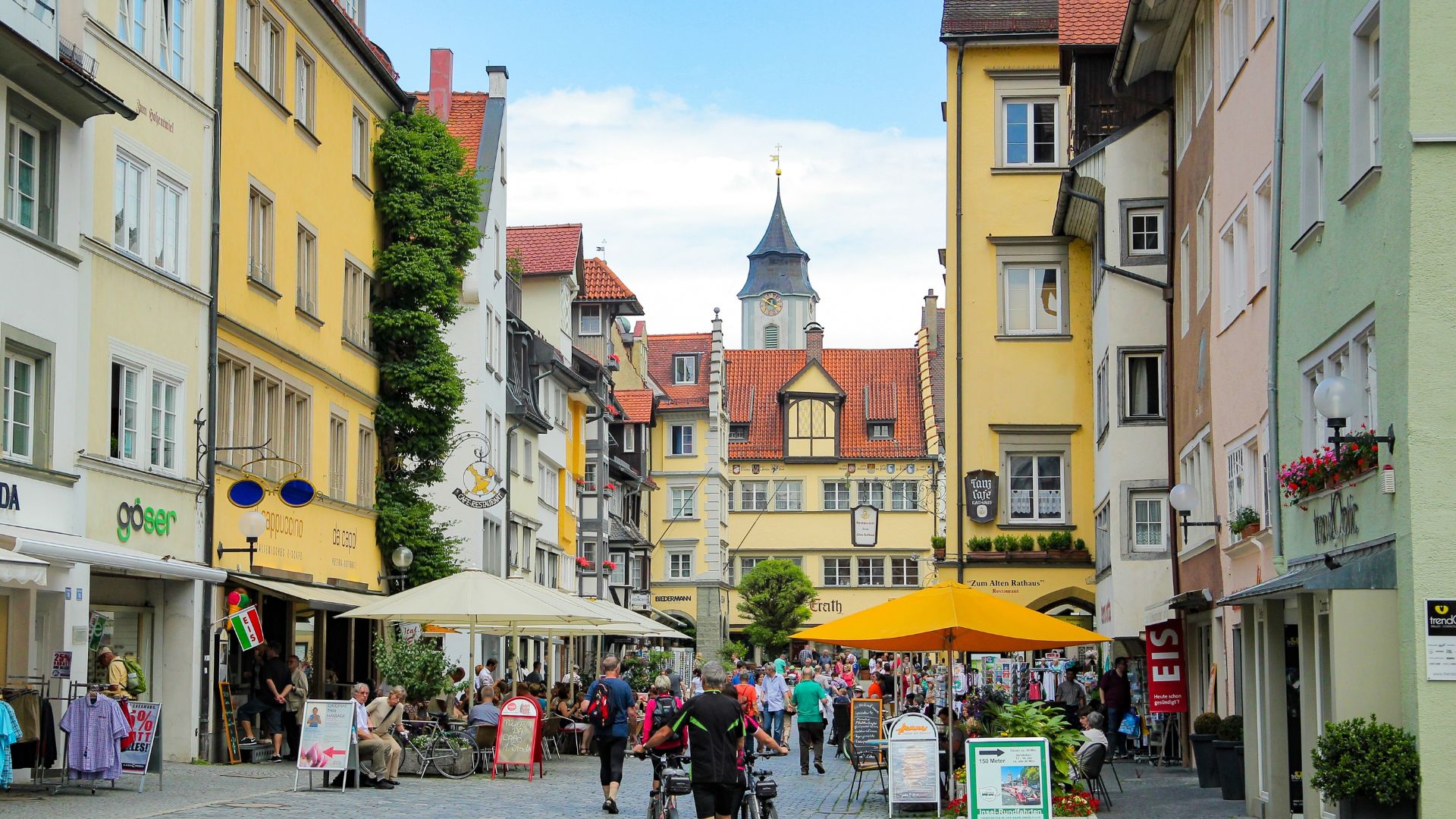 Image credit:Image credit: ddisq/Shutterstock.com
July crowds in Germany reach their peak as tourists and locals fill cities, attractions, and transport networks. Popular destinations become busy, requiring patience, planning, and flexibility to navigate the high summer travel rush smoothly.
Despite the congestion, careful timing, early bookings, and smart route choices help travelers manage crowds effectively. With the right approach, even the busiest places can still be enjoyed without stress during the peak July season.
How to Enjoy Peak Season Germany Without Peak Season Frustration
Enjoying Germany in peak season is about balancing excitement with planning. With smart timing, flexible schedules, and bookings, travelers can experience festivals, attractions, and summer beauty while avoiding common peak-season frustrations.
Understanding German School Holiday Timing
German school summer holidays vary between the sixteen federal states in a deliberately staggered arrangement designed to reduce peak travel demand, with the holiday periods rotating across different start dates throughout the six-week July-August window rather than all beginning simultaneously.
Bavaria and Baden-Württemberg typically have the latest school holiday start dates — often beginning in late July — while northern German states begin their school holidays earlier, creating meaningful regional variation in crowd timing that informed tourists can exploit throughout their planning.
Understanding which states have school holidays at which specific times allows visitors to avoid the highest crowd periods in specific regions, with southern Bavaria experiencing its most intense domestic tourism pressure when Bavarian school holidays coincide with the Austrian, Swiss, and Italian school holiday periods throughout the July-August window.
German school holiday schedule guide:
| State | Typical July Holiday Start | Notes |
| Hamburg | Early July | Among the first |
| Berlin | Late June/early July | Early start |
| North Rhine-Westphalia | Mid-July | Most populous state |
| Lower Saxony | Mid-July | Large impact |
| Hesse | Mid-July | Frankfurt region |
| Rhineland-Palatinate | Late June/early July | Early finish |
| Saxony | Late June/early July | Eastern Germany |
| Bavaria | Late July | Latest start — key for Munich |
| Baden-Württemberg | Late July | Latest — with Bavaria |
Early Morning Advantage Strategy
Arriving at Germany’s most popular tourist attractions before 09:00 provides access conditions during July that are incomparably better than the 10:00 to 17:00 peak period, with the combination of lower visitor numbers, better light for photography, and the genuine pleasure of great places in relative quiet creating experiences of fundamentally different quality throughout the early morning hours.
The Neuschwanstein Castle approach in July requires arriving at the ticket office before 08:00 to secure same-day entry without the several-hour wait that mid-morning arrivals face, with the early morning light on the castle providing some of the finest photographic conditions of the entire day throughout the pre-crowd visit.
The Munich Deutsches Museum, Berlin’s Museum Island, and Frankfurt’s Städel Museum all reward early opening-time arrival in July, with the contrast between the quiet 09:00 galleries and the crowded 11:00 equivalent creating fundamentally different visitor experiences throughout the peak summer day.
Midweek versus Weekend Strategy
July weekends in Germany’s most popular tourist destinations attract crowds that are genuinely overwhelming throughout Saturday and Sunday, with the combination of domestic day trippers, overnight visitors, and international tourists creating visitor densities that significantly diminish the quality of the experience throughout the peak weekend days.
Visiting major German attractions, historic old towns, and scenic river routes on Tuesday, Wednesday, or Thursday provides meaningfully better conditions than weekend alternatives, with crowd reductions of 30 to 50 percent creating a genuinely different and genuinely better tourism experience throughout the midweek advantage.
The Rhine Gorge cruise in July provides its finest experience on a midweek morning departure, with the deck chairs available and the castle views unobstructed, compared with the standing-room weekend departures that see the finest viewpoints claimed immediately throughout the weekend peak.
July’s School Holiday Tourism Surge
July in Germany sees a major surge in tourism as school holidays begin across Europe, filling cities, attractions, and transport networks. Families travel in large numbers, making popular destinations lively but significantly more crowded than usual.
This seasonal rush creates a vibrant atmosphere but also increases demand for hotels, trains, and tours. Early planning and flexible scheduling become essential for navigating the busy travel landscape during peak summer holiday periods.
Understanding Germany’s Domestic Travel Peak
The combination of German school holidays, Austrian and Swiss school holidays, and the international European tourist peak creates a July tourism pressure in Bavaria, the Rhine valley, and the Baltic coast that represents genuine overcrowding at the most famous specific attractions throughout the peak weeks.
The motorway network south from Munich toward the Alps and the Austrian border experiences genuinely extreme congestion throughout Friday afternoons and Saturday mornings in July, with the combination of domestic holidaymakers, European through-traffic, and the specific geography of the Alpine approach routes creating traffic delays of several hours throughout the worst weekend periods.
The Deutsche Bahn ICE network operates at maximum capacity throughout July, with Sparpreis advance tickets on popular routes selling out many weeks before departure, and the combination of school holiday family travel and tourist demand creating genuine booking pressure throughout the peak train schedule.
July transport booking requirements:
| Transport | Booking Lead Time | Peak Days | Notes |
| ICE advance Sparpreis | 6–8 weeks ahead | Friday-Sunday | Sell out rapidly |
| Munich-Alps regional trains | Book day before | Every day July | Bayern-Ticket essential |
| North Sea coast trains | 4–6 weeks | Weekends | Sylt particularly full |
| Rhine river cruises | 3–4 weeks | Weekends | Popular routes sell out |
| Long-distance FlixBus | 3–4 weeks | Weekends | Book early for best price |
| Car hire | 8–12 weeks | Throughout | Book very early — fleet depletes |
July Events: Germany’s Richest Festival Calendar
July in Germany is packed with festivals, cultural events, and outdoor celebrations that reflect the country’s vibrant summer spirit. From music and food festivals to riverfront gatherings, the calendar stays full and lively throughout the month.
These events bring together locals and tourists in energetic public spaces, creating a festive atmosphere across cities and regions. July becomes a true showcase of Germany’s cultural richness, community traditions, and love for open-air celebration.
Every Major July Event Across Germany
July in Germany is filled with major events, festivals, and cultural celebrations happening across cities and regions. From music and food festivals to outdoor gatherings, the month offers a diverse and lively event calendar for all visitors.
Rhine in Flames — Rhein in Flammen Continues
The Rhine in Flames firework series continues throughout July with its most spectacular events, combining the illuminated flotillas of decorated cruise ships with firework displays launched from castle hilltops throughout the Rhine Gorge in a series of genuinely extraordinary visual spectacles.
The Rhein in Flammen events at Bingen and Rüdesheim, at Braubach’s Marksburg Castle, and at Koblenz’s Ehrenbreitstein fortress create different but equally spectacular versions of the Rhine firework tradition throughout the summer programme, with each venue providing its own combination of castle backdrop, river reflection, and firework artistry throughout the event.
Cruise ship tickets for Rhine in Flammen events sell out months in advance, making early booking genuinely essential for anyone wanting the finest onboard viewing experience throughout the firework programme, with riverbank viewing providing a free alternative of good quality throughout each event.
Rhine in Flammen July events:
| Event | Location | Typical Date | Best Viewing |
| Bingen-Rüdesheim | Rhine Gorge entrance | Mid-July | Cruise ship or Bingen bank |
| Braubach | Marksburg Castle | Mid-July | Cruise or opposite bank |
| Koblenz | Ehrenbreitstein | Early August — preview July | Deutsches Eck |
| Oberwesel | Schönburg Castle | Mid-May | Earliest event |
| St Goar | Rheinfels Castle | September | September finale |
Tollwood Festival Munich — Summer Edition
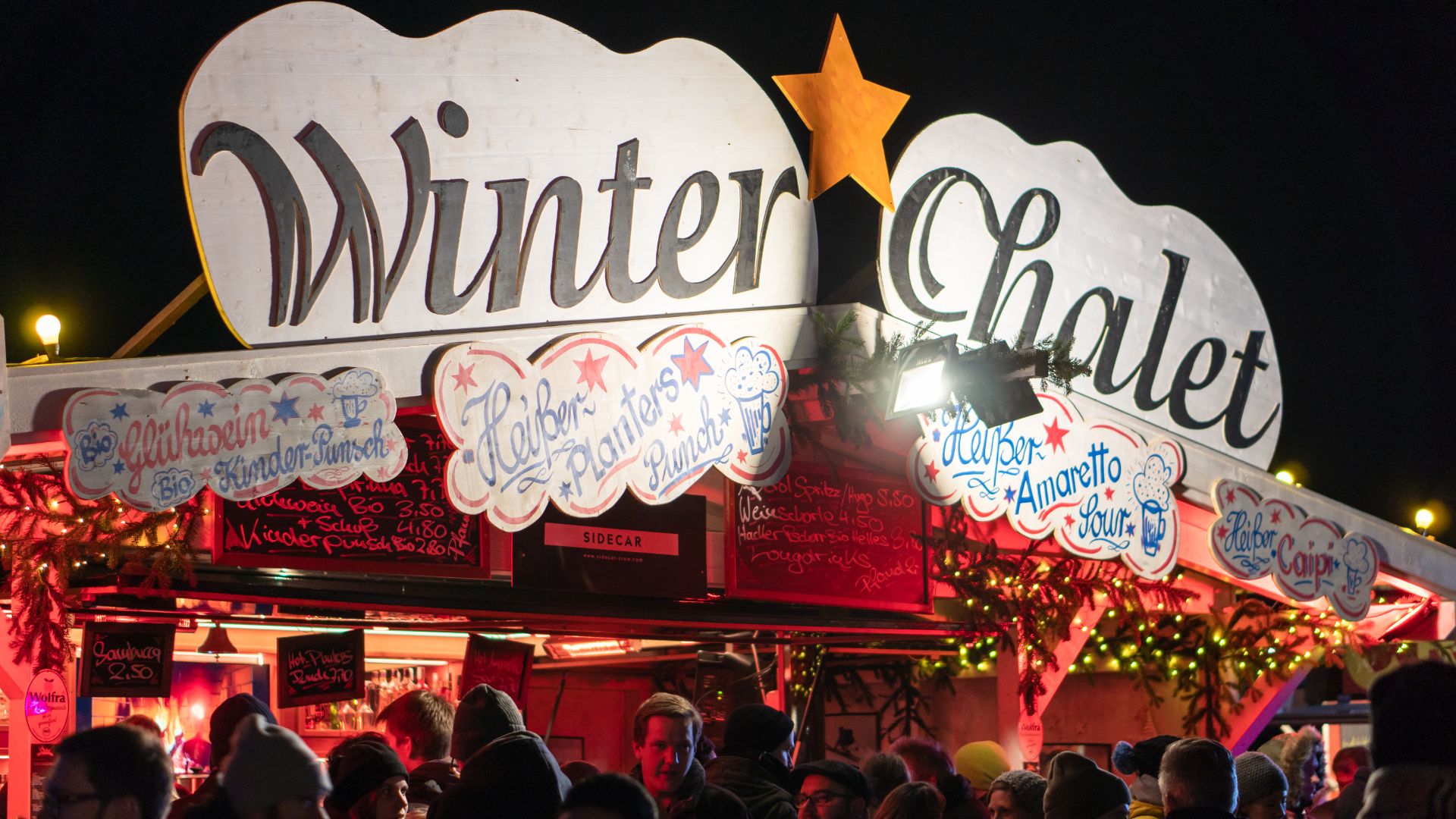
Munich’s Tollwood Festival summer edition transforms the Olympic Park throughout July into one of Germany’s most atmospheric and most culturally diverse outdoor festival environments, combining world music performances, circus arts, organic food markets, craft and design stalls, and the particular alternative cultural atmosphere that makes Tollwood one of Germany’s most distinctive annual events.
The Tollwood food market is one of the festival’s most celebrated elements, with organic and sustainable food producers from throughout Germany and the world providing an extraordinary range of genuine quality food that contrasts markedly with the standard festival food offering throughout the competitive food culture.
Kieler Woche — Kiel Week
The Kieler Woche — Kiel Week — is the world’s largest sailing event, a nine-day regatta and festival held in late June and early July that attracts over three million visitors to the Schleswig-Holstein capital for the combination of elite international sailing competition, harbour festival, outdoor concerts, and the extraordinary maritime atmosphere of Germany’s principal naval and sailing city.
The combination of the world’s finest sailing competition with the festival atmosphere of the harbour waterfront and the beautiful Baltic Sea setting makes Kieler Woche one of Germany’s most spectacular annual events, providing a genuinely world-class experience of maritime sport and festive culture throughout the event week.
Christopher Street Day — Berlin and Major Cities
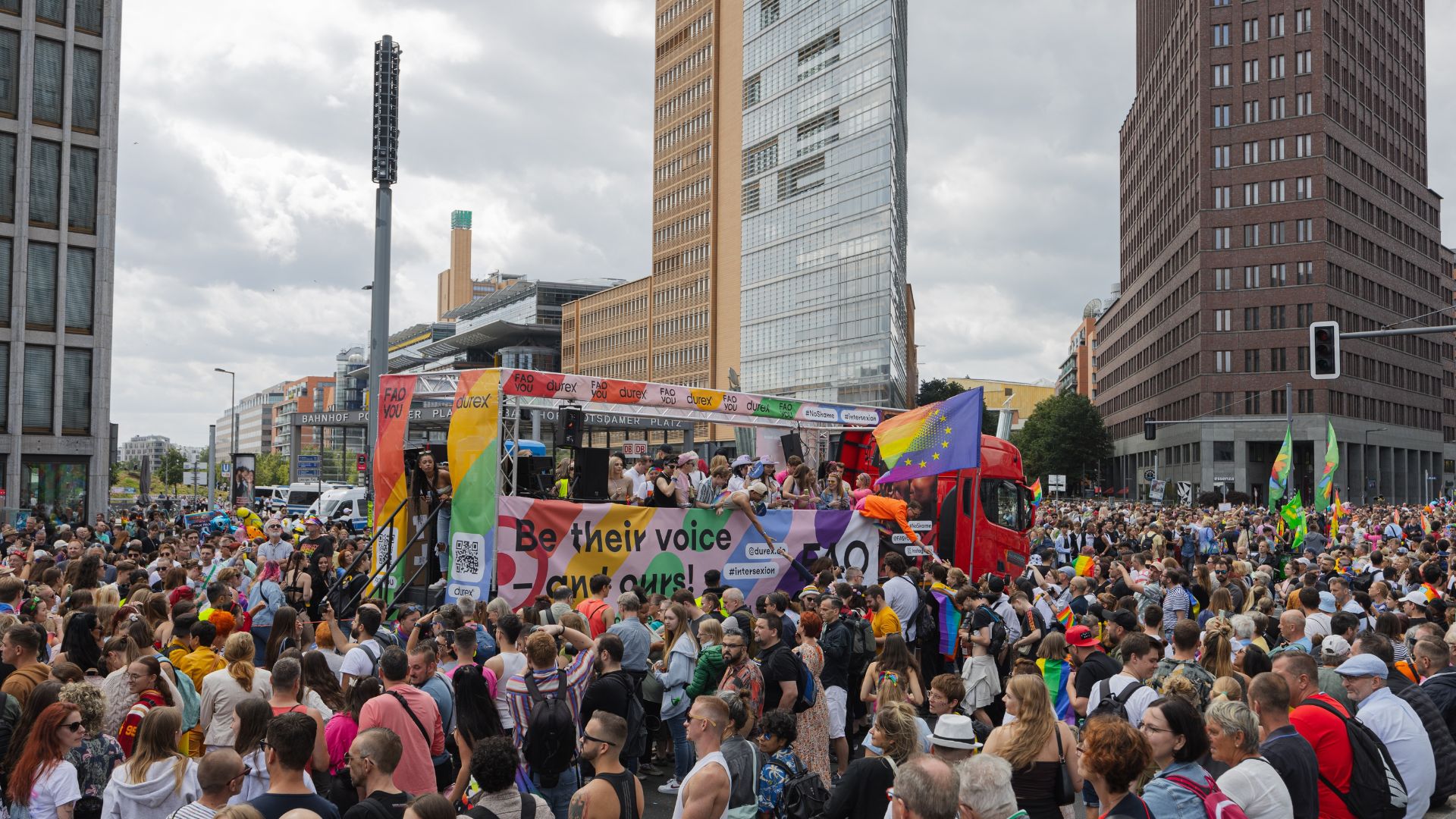
The Berlin CSD — Christopher Street Day — in late July is Germany’s largest and most internationally attended pride celebration, drawing hundreds of thousands of participants and spectators to the capital for a parade and festival programme of considerable scale and considerable political significance throughout the event.
Berlin’s CSD parade route through the Tiergarten and Kurfürstendamm creates an extraordinary spectacle of colour, music, and community celebration that represents one of Europe’s finest pride events and one of Berlin’s most internationally distinctive annual cultural moments throughout the July calendar.
Landshut Wedding — Landshuter Hochzeit
The Landshuter Hochzeit — Landshut Wedding — is one of Germany’s most extraordinary historical re-enactments, held every four years in the Bavarian town of Landshut to commemorate the 1475 wedding of Duke Georg the Rich with Polish Princess Hedwig, involving over 2,000 participants in historically accurate medieval costume throughout the spectacular event.
When it occurs — the next editions being in specific years according to the four-year cycle — the Landshuter Hochzeit provides one of the world’s most impressive historical festival experiences, with the perfectly preserved medieval old town providing an authentic backdrop for the processions, jousting tournaments, and medieval market throughout the event.
Wiesn — Oktoberfest Ticket Booking Opens
While Oktoberfest itself runs in September-October, July is the critical month for booking tent reservations at Munich’s Oktoberfest, with the most popular brewery tents filling their reservations throughout July for the September event, and walk-in availability at premium tents becoming genuinely impossible without advance booking throughout the planning period.
Securing an Oktoberfest tent table reservation in July for the following September event — or for the current year — requires either direct contact with the individual brewery tents or booking through authorised reservation services, with the genuine understanding that unreserved table access at the most popular tents becomes extremely difficult after July throughout any year.
July events calendar:
| Event | Location | Dates | Character |
| Kieler Woche | Kiel | Late June-early July | World’s largest sailing event |
| Tollwood Summer | Munich | Throughout July | Alternative cultural festival |
| Rhine in Flammen | Rhine Gorge | Multiple July dates | Spectacular fireworks |
| Berlin CSD | Berlin | Late July | Germany’s largest pride |
| Landshuter Hochzeit | Landshut | Every 4 years | Medieval historical spectacular |
| Stadtfeste | Throughout Germany | Every weekend | City outdoor festivals |
| Wine festivals | Rhine, Mosel, Pfalz | Throughout July | Summer wine season peak |
| Outdoor cinema | All major cities | Throughout July | Kino unter Sternen |
| Open-air concerts | Throughout Germany | Weekly | Classical and popular |
| Folk festivals | Bavaria, Württemberg | Various | Regional Volksfeste |
Outdoor Cinema Culture — Kino Unter Sternen
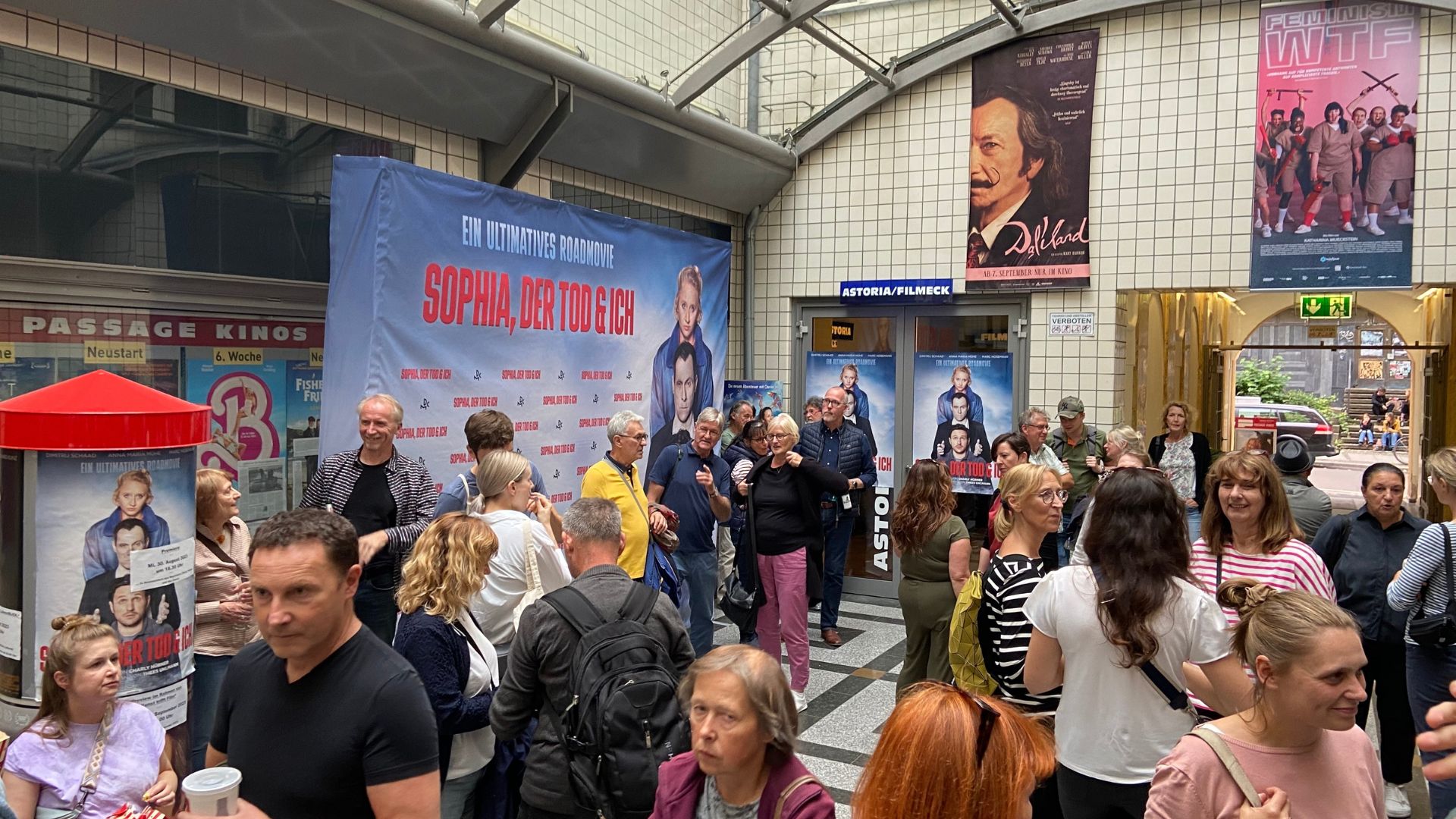
Outdoor cinema culture, known as Kino unter Sternen, brings films to open-air settings under the night sky across Germany. It blends entertainment with summer atmosphere, turning parks, courtyards, and historic spaces into unique viewing experiences.
These screenings attract locals and tourists alike, offering a relaxed way to enjoy movies during warm July evenings. With blankets, friends, and city lights, it creates a memorable mix of culture, comfort, and seasonal charm.
Germany’s Summer Open-Air Film Tradition
Germany’s outdoor cinema season reaches its peak throughout July, with every major German city operating at least one open-air cinema programme — Kino unter Sternen or Freiluftkino — that combines quality film programming with the specific atmospheric pleasure of watching films under the long summer sky throughout the warm evenings.
The Berlin Freiluftkino programme operates across multiple locations, including the Hasenheide park, the Museumsinsel, and the Rehberge, with the combination of quality film selection and the extraordinary outdoor settings creating a cinema experience of remarkable atmospheric quality throughout the July programme.
Munich’s Kino unter Sternen in the English Garden and at various city locations provides the finest combination of outdoor film culture and Bavarian summer atmosphere, with the possibility of bringing Brotzeit picnic food and beer from the adjacent beer garden, creating a genuinely perfect summer evening experience throughout the outdoor cinema season.
German outdoor cinema highlights:
| City | Location | Character | Programme |
| Berlin | Multiple parks and courtyards | Most extensive programme | Arthouse and mainstream |
| Munich | English Garden and city locations | Most atmospheric | Quality selection |
| Hamburg | Alster promenade and parks | Maritime atmosphere | Mixed programme |
| Frankfurt | Museumsufer and parks | River backdrop | Quality arthouse |
| Cologne | Rhine riverside | Gothic cathedral backdrop | Mainstream and quality |
| Stuttgart | Palace gardens | Baroque backdrop | Quality programme |
July in the Alpine Region
July in the Alpine region offers stunning natural beauty with lush green valleys, snow-free peaks, and clear summer skies. It is one of the best times for hiking, sightseeing, and exploring mountain landscapes in full bloom.
The season brings warm temperatures in lower areas and cool breezes at higher altitudes, making it ideal for outdoor adventures. Villages and trails become lively with visitors enjoying nature, fresh air, and scenic alpine views.
Bavaria’s Mountains at Their Annual Finest
The Bavarian Alps in July provide Germany’s finest mountain experience, with the full range of Alpine hiking available from valley floor to high-altitude ridge walks, the Alpine meadows at their most colourful flower peak, and the mountain huts — Almhütten and Berghütten — serving their finest summer food and drink throughout the mountain season.
The Zugspitze in July is Germany’s most dramatic single day trip, combining the ascent by cog railway through dramatic mountain scenery with the extraordinary summit experience of Germany’s highest point at 2,962 metres, where the temperature difference from the valley can exceed 15°C and the panoramic view across four countries rewards the journey throughout the clearest summer days.
The Alpine hiking trail network in July provides routes ranging from gentle valley floor Spaziergänge suitable for families to demanding multi-day ridge traverses requiring full mountain equipment, with the DAV — Deutscher Alpenverein — trail marking system providing reliable navigation throughout the comprehensive mountain route network.
Best Bavarian Alpine day trips from Munich in July:
| Destination | Journey | Highlight | Difficulty |
| Zugspitze | 90 min train + cable car | Germany’s highest point | Easy — cable car |
| Schachen Palace | 90 min train + 90 min hike | Hidden royal retreat | Moderate |
| Partnachklamm | 90 min train + 30 min walk | Spectacular gorge | Easy-moderate |
| Watzmann approach | 2 hours train + hiking | Bavaria’s most dramatic mountain | Challenging |
| Benediktbeuern | 60 min train | Monastery and Alps | Easy |
| Berchtesgaden | 2 hours train | Eagle’s Nest, Königssee | Easy-moderate |
Baltic and North Sea Coasts in July
July along the Baltic and North Sea coasts offers refreshing sea breezes, long sunny days, and vibrant beach life. Coastal towns come alive as visitors enjoy sandy shores, seaside promenades, and relaxed summer atmospheres.
The waters are at their warmest, making it ideal for swimming, sailing, and coastal walks. From peaceful islands to lively port towns, the German coast provides a perfect summer escape from inland heat.
Germany’s Summer Beaches at Peak Season
Germany’s Baltic and North Sea coasts reach their annual summer peak throughout July, with the beach resorts of Rügen, Sylt, Usedom, and the North Frisian Islands filling to capacity with the domestic German holiday population and the specific combination of beach culture, fresh seafood, and maritime atmosphere that makes the German coast a genuinely world-class summer destination.
The island of Rügen — Germany’s largest island — provides the finest combination of beach culture and dramatic scenery of any German coastal destination, with the extraordinary white chalk cliffs of the Jasmund National Park alongside the beautiful beech forest setting creating a coastal landscape of international significance throughout any July visit.
Sylt — Germany’s most fashionable and most expensive coastal destination — reaches its social peak in July, with the combination of the wide white Westerland beach, the sophisticated dining and shopping culture of the island’s resort towns, and the extraordinary tidal flat landscape of the surrounding Wadden Sea UNESCO World Heritage Site creating a coastal experience of considerable variety and considerable luxury throughout the peak season.
German coastal destinations in July:
| Destination | Character | July Crowds | Transport | Highlight |
| Rügen | Dramatic cliffs and beaches | Very busy | Train to Bergen | Chalk cliffs — Kreideküste |
| Sylt | Fashionable beach resort | Extremely busy | Train only — Hindenburgdamm | Wide beach — Westerland |
| Usedom | Family beach resort | Very busy | Train | Heringsdorf architecture |
| Föhr | Island — quieter than Sylt | Moderate | Ferry from Dagebüll | Authentic Frisian character |
| Warnemünde | Rostock beach — accessible | Very busy | S-Bahn from Rostock | Lighthouse and beach |
| Timmendorfer Strand | Hamburg Riviera | Very busy | Train from Hamburg | Fine sand and promenade |
| Fischland-Darß | Nature Coast — car-free | Moderate | Bus from Rostock | Wild coastal landscape |
Wine Festivals in July
July in Germany is a vibrant time for wine festivals, especially in regions like the Rhine and Moselle valleys. Vineyards open their doors to visitors, offering tastings, music, and traditional celebrations in scenic surroundings.
These festivals blend local culture with summer charm, creating lively gatherings filled with food, wine, and community spirit. Warm evenings, riverside views, and festive crowds make wine events a highlight of the July calendar.
Germany’s Summer Wine Calendar at Peak
July brings the peak of Germany’s outdoor wine festival season, with the Rhine, Mosel, Pfalz, and Baden wine regions hosting dozens of outdoor wine festivals that combine the outstanding quality of German wine with the extraordinary summer landscapes of the wine country throughout the festival programme.
The Dürkheimer Wurstmarkt — considered the world’s largest wine festival by Guinness World Records — takes place in Bad Dürkheim in mid-September, but the Pfalz wine festival programme throughout July provides excellent preview access to the same wines and producers in the outdoor festival format throughout the summer season.
The Mosel wine festival season in July features major events at Bernkastell-Kues, Cochem, Traben-Trarbach, and other wine villages, with each festival combining the outstanding local Riesling wines with the extraordinary medieval townscape settings that make the Mosel the world’s most beautiful wine valley throughout the summer calendar.
Major German wine festivals in July:
| Festival | Location | Character | Wine Focus |
| Bernkasteler Weinfest | Bernkastel-Kues | Most beautiful Mosel setting | Mosel Riesling |
| Bad Dürkheim Weinwochen | Bad Dürkheim | Pfalz summer wine week | Pfalz varieties |
| Rüdesheimer Weinfest | Rüdesheim | Rhine — Drosselgasse | Rheingau Riesling |
| Hattenheimer Weinfest | Hattenheim | Village scale — authentic | Rheingau Riesling |
| Iphofer Weinfest | Iphofen | Franconian wine festival | Franken Silvaner |
| Ahr Valley festivals | Multiple Ahr villages | Red wine focus | Ahr Spätburgunder |
Flavors and Food Traditions of July
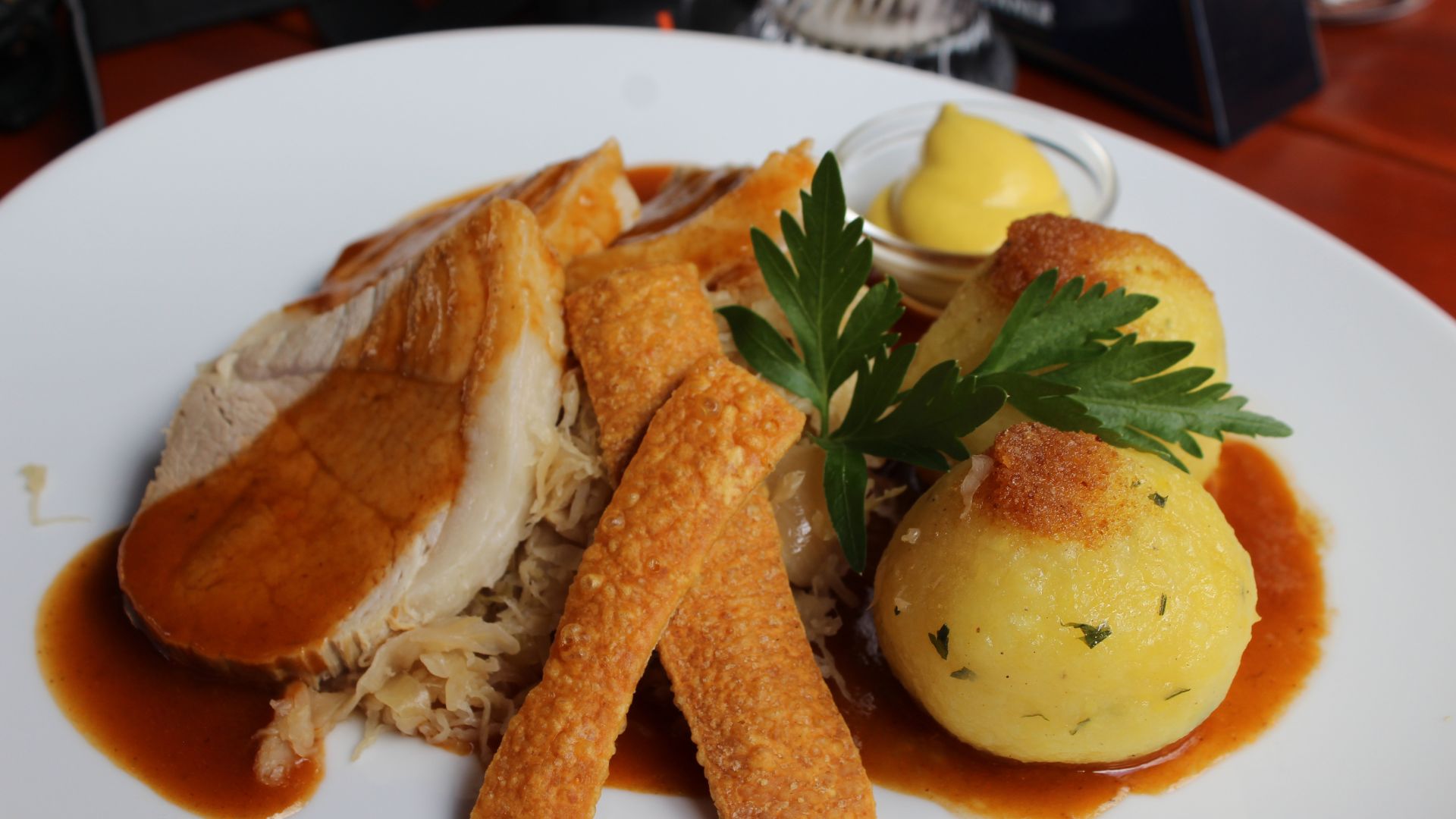
The food culture in Germany is fresh, seasonal, and centered around outdoor dining. Markets, beer gardens, and street stalls offer light meals, grilled specialties, and regional dishes enjoyed in warm summer settings.
The season highlights local produce, refreshing drinks, and social eating experiences. From casual bites to festive food events, July brings a vibrant mix of flavors that reflect Germany’s love for summer dining.
Germany’s Peak Summer Table
July’s German food culture celebrates the full abundance of the summer harvest, with the strawberry season continuing into early July, the first German cherries reaching their peak in the Mosel and Rhine regions, the outdoor grilling culture operating at maximum intensity, and the beer garden food tradition providing outstanding Bavarian and regional cuisine throughout the warm evenings.
The Morel cherry season — Sauerkirschen — reaches its brief but extraordinary July peak in the Mosel valley and Rhine regions, with the sour cherries providing the essential ingredient for authentic Schwarzwälder Kirschtorte and the outstanding cherry jam, cherry schnapps, and fresh cherry dishes that mark this most fleeting of German summer seasons.
The German outdoor grilling culture — Grillabend — operates at its annual peak throughout July, with the long warm evenings creating ideal conditions for the extended outdoor gatherings around the grill that are one of Germany’s most cherished summer social institutions throughout the peak season.
July seasonal food and drink highlights:
| Item | Type | July Status | Notes |
| Kirschen sauer | Sour cherries | Brief July peak | Schwarzwälder Kirschtorte essential |
| Kirschen süss | Sweet cherries | Peak season | Eat fresh throughout |
| Erdbeeren | Strawberries — late season | Continuing | Quality declining slightly |
| Blaubeeren | Blueberries | First season | Bavaria and Black Forest |
| Himbeeren | Raspberries | Beginning July | Market season opening |
| Neue Kartoffeln | New potatoes | Excellent season | Summer salads and warm |
| Sommergemüse | Full summer vegetables | Peak abundance | Farmers markets outstanding |
| Weizenbier | Wheat beer | Peak season | Beer garden essential |
| Helles lager | Munich lager | Peak demand | Coldest year |
| Sommerradler | Summer Radler variants | Various fruit mixes | Refreshing cycling drink |
July Travel Costs: Peak Season Reality
July in Germany is the most expensive travel period, with accommodation, flights, and transport prices reaching their peak. High demand during summer holidays drives costs up, especially in popular cities and tourist regions.
Planning ahead becomes essential to manage expenses, as last-minute bookings are often costly and limited. Budget-conscious travelers must book early, compare options, and stay flexible to navigate peak season pricing effectively.
What July Actually Costs and How to Manage It
July represents Germany’s most expensive travel month, with hotel prices at their annual maximum throughout every popular destination, and the combination of peak demand, limited supply, and the international tourist peak creates a pricing environment that requires either advance planning or significant budget flexibility.
The honest reality of July German accommodation costs is that visitors who book six to eight weeks in advance for major cities and three to four months in advance for popular smaller destinations and coastal resorts will secure reasonable rates, while those who book later will face either significantly higher prices or very limited availability throughout the peak period.
Budget travel in July requires either using the Deutschlandticket for flexible regional movement with hostel or camping accommodation, or accepting that the costs of quality hotel stays in popular July destinations will exceed most other European alternatives throughout the peak summer period.
July hotel price guide:
| City | July Average | Book This Far Ahead | Budget Alternative |
| Munich | €150–220 | 8–12 weeks | Hostel €35–55/night |
| Berlin | €130–190 | 6–8 weeks | Hostel €25–45/night |
| Hamburg | €130–190 | 6–8 weeks | Hostel €30–50/night |
| Frankfurt | €140–200 | 6–8 weeks | Hostel €30–50/night |
| Rhine valley | €100–160 | 6–8 weeks | Camping €15–25/night |
| Mosel valley | €90–150 | 6–8 weeks | Weingut rooms €70–100 |
| Baltic coast | €100–180 | 10–14 weeks | Camping €15–25/night |
| Bavarian Alps | €90–170 | 8–12 weeks | Mountain hut €40–70 |
Budget strategies for July Germany:
Camping provides the most dramatically affordable July accommodation solution, with Germany’s exceptional campsite network offering well-maintained facilities in outstanding locations throughout the country at prices of €15 to €30 per night throughout the peak season.
The German camping culture is genuinely excellent, with the ADAC campsite network maintaining consistent quality standards throughout the national network and the specific combination of lakeside, riverside, and mountain camping providing genuinely beautiful overnight experiences throughout the July camping season.
Staying in smaller towns and villages surrounding popular destinations — arriving by regional train for day visits — provides meaningful cost savings while maintaining access throughout the key attractions of the more expensive cities and resorts.
Practical Tips for Visiting Germany in July
Visiting Germany in July requires smart planning to handle peak crowds, high prices, and busy transport. Book accommodation and tickets early, travel during off-peak hours, and keep flexible plans for a smoother experience.
Pack light summer clothing, stay hydrated, and be prepared for occasional rain. Explore early mornings or evenings to avoid crowds, and balance popular attractions with quieter local spots for a more enjoyable trip.
Essential Advice for Every July Visitor
Tip 1 — Book everything significantly in advance. July is Germany’s peak travel month and the difference between a visitor who books accommodation, train tickets, and popular attractions three months in advance and one who books three weeks ahead is the difference between a smoothly executed and a frustrating July Germany experience throughout the peak season.
Tip 2 — Arrive at popular attractions before 09:00. The early morning advantage at Neuschwanstein, Museum Island, and other major attractions provides access conditions in July that are incomparably better than mid-morning alternatives, with shorter queues, better light, and the genuine pleasure of great places in relative quiet throughout the pre-crowd hours.
Tip 3 — Use the heat strategically — museums in afternoon, outdoors in morning and evening. German July heat peaks between 13:00 and 17:00, making morning and evening the finest times for outdoor culture and the mid-afternoon the ideal period for museums, galleries, and air-conditioned cultural venues throughout the hottest days.
Tip 4 — Swim in a Bavarian lake for the finest free experience in Germany. The Bavarian lakes in July provide genuinely world-class outdoor swimming with Alpine backdrop — entirely free, entirely beautiful, and entirely accessible by S-Bahn from Munich — making lake swimming the finest budget activity in Germany throughout the peak summer month.
Tip 5 — Experience Rhine in Flammen from the river bank if cruise tickets are gone. The Rhine in Flammen firework events are equally spectacular from the river banks, where viewing is completely free, with advance arrival of two to three hours securing the finest bank-side positions throughout the event.
Tip 6 — Book Oktoberfest tent tables immediately if September visit planned. July is the critical booking month for Oktoberfest tent table reservations, with the most popular and most atmospheric brewery tents filling their allocations throughout July for the September-October festival.
Tip 7 — Visit midweek for meaningfully better experiences. Tuesday through Thursday visits to Germany’s most popular July destinations provide crowd reductions of 30 to 50 percent compared with weekend equivalents, transforming the quality of the experience throughout the midweek advantage period.
Tip 8 — Explore Germany’s less-visited July destinations for outstanding value. The Moselle valley, the Sauerland, the Mecklenburg lakes, and the Thuringian Forest all provide outstanding July experiences at dramatically lower prices and dramatically lower crowd levels than Bavaria and the Rhine, representing some of Germany’s finest undiscovered summer destinations throughout the July calendar.
Germany’s Hidden July Gems: Less Crowded Alternatives
Germany in July isn’t only about crowded hotspots—many lesser-known destinations offer peaceful, equally beautiful experiences. Smaller towns, quiet lakes, and scenic countryside provide a refreshing escape from peak-season rush.
Exploring these hidden gems allows travelers to enjoy authentic culture, relaxed atmospheres, and natural beauty without heavy crowds. With a bit of research, you can discover unique places that make July travel more enjoyable and less hectic.
Escaping the Peak Season Pressure
Escaping peak season pressure in Germany is possible with smart choices like visiting lesser-known places, traveling at off-peak times, and planning ahead, allowing you to enjoy summer without the stress of heavy crowds and high prices.
Mecklenburg Lake District — Germany’s Quiet Water Paradise
The Mecklenburg Lake District — Mecklenburgische Seenplatte — provides Germany’s most tranquil and most genuinely beautiful July alternative to the crowded Alpine and Rhine destinations, with over 1,000 lakes connected by calm waterways through birch and pine forests creating a July holiday environment of extraordinary peace and extraordinary natural beauty.
The region’s flat terrain, excellent cycling and canoe infrastructure, and very modest tourist pressure compared with Bavaria create a July experience of genuine outdoor freedom that is simply unavailable in Germany’s more famous destinations throughout the peak month.
Thuringian Forest — Central Germany’s Hiking Paradise
The Thuringian Forest — Thüringer Wald — provides outstanding July hiking throughout Germany’s most accessible mountain region, with the famous Rennsteig ridge trail and the extensive network of marked paths providing genuinely rewarding mountain walking without the crowds and costs of the Bavarian Alps throughout the peak season.
The Rennsteig — the historic ridge road along the spine of the Thuringian Forest — provides one of Germany’s finest long-distance hiking routes, with the combination of forest walking, extensive views, and the traditional Thuringian hospitality of the region’s Gasthäuser creating a July hiking experience of considerable quality throughout the route.
Franconian Switzerland — Bavaria’s Secret Landscape
The Fränkische Schweiz — Franconian Switzerland — near Nuremberg provides outstanding July cycling, hiking, and rock climbing in a landscape of extraordinary beauty that is genuinely unknown to international visitors and only moderately visited by domestic tourists throughout the peak season.
The region’s distinctive landscape of dramatic limestone rock formations, medieval castles, and traditional Franconian villages combined with the local beer culture of the world’s highest density of breweries creates a July destination of genuine character and genuine quality throughout the undiscovered Franconian landscape.
Frequently Asked Questions
Is July a good time to visit Germany? July is excellent for visitors who plan well in advance, embrace the outdoor festival culture, appreciate warm weather, and accept the peak season crowd and cost reality. The combination of excellent weather, rich festival programme, outstanding outdoor swimming, and the full expression of German summer culture makes July genuinely rewarding for prepared visitors throughout the peak month.
How crowded is Germany in July? Germany in July is at its most crowded, with school holidays throughout most German states and the international tourist peak creating genuine overcrowding at the most famous attractions, including Neuschwanstein, Museum Island, and the Rhine Gorge. Strategic early morning visiting, midweek timing, and less-visited alternative destinations significantly improve the experience throughout the peak period.
What is the weather like in Germany in July? July delivers Germany’s warmest weather with average highs of 21°C to 26°C across major cities, potential heat waves exceeding 35°C, particularly in Frankfurt, Cologne, and Freiburg, and the characteristic summer thunderstorm pattern of intense afternoon storms clearing to beautiful evenings throughout the month.
How far in advance should I book hotels for July Germany? Quality hotels in Munich, Berlin, Hamburg, and the Rhine and Baltic coast destinations should be booked six to twelve weeks in advance for July, with popular smaller destinations and coastal resorts requiring even earlier booking throughout the peak season planning timeline.
What are the best July events in Germany? July’s outstanding events include Rhine in Flammen fireworks along the Rhine Gorge, the Berlin CSD pride celebration, the Tollwood summer festival in Munich, the Kieler Woche sailing regatta in Kiel, the Mosel wine festivals in Bernkastel-Kues and Cochem, and the extraordinary programme of Stadtfeste city festivals and outdoor concerts throughout every major German city.
Final Thoughts
July in Germany captures peak European summer with vibrant intensity—beer gardens overflowing, Rhine in Flames illuminating castles, Bavarian lakes inviting swimmers, Baltic beaches buzzing, and outdoor festivals bringing the country’s joyful, energetic summer culture fully alive.
Plan carefully and book early, visit attractions in the morning, enjoy Bavarian lakes, watch Rhine in Flames, explore lesser-known destinations, and embrace July with preparation and enthusiasm to fully experience Germany’s rewarding yet demanding peak season.
Hi, I’m Preeti Negi, a content writer who loves mixing creativity with smart strategy.
I have 3 years of experience writing about travel, digital marketing, and study abroad topics. I create content that is easy to read, engaging, and designed to connect with people while also performing well on Google.
When I’m not writing, I enjoy exploring new trends, learning new things, and thinking about fresh ideas for my next piece.
